
Concurrent Training: Optimizing Strength and Skill Development for Martial Artists

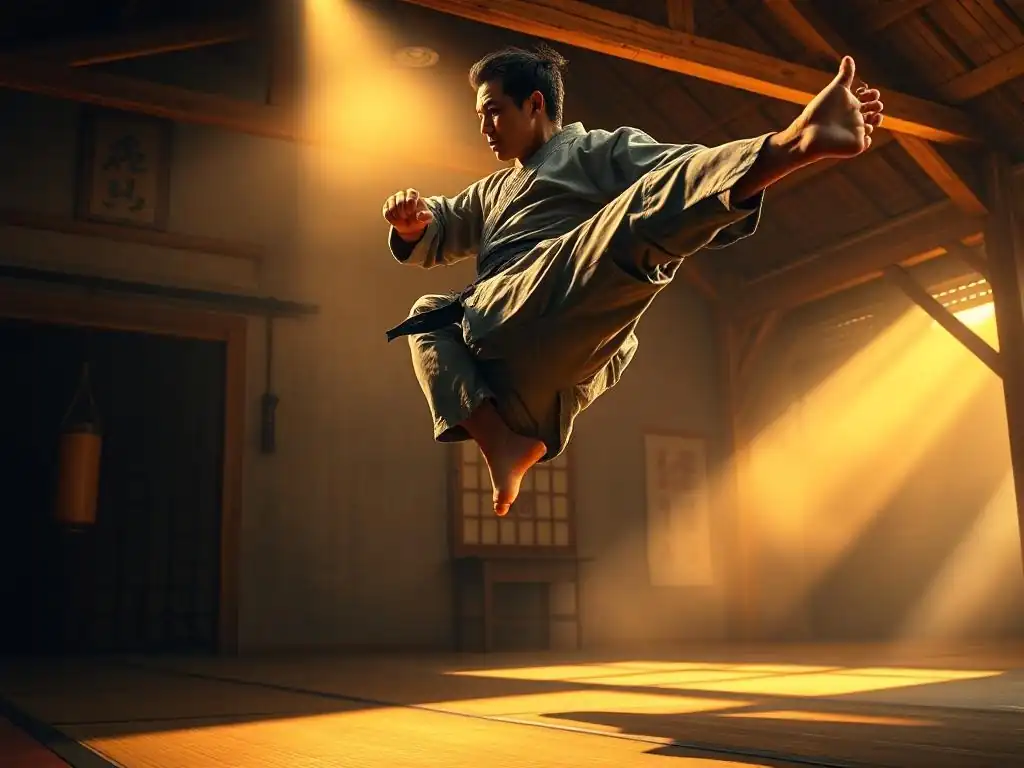
Welcome to Martial Arts Mastery, your gateway to unlocking the secrets of combat and self-improvement. Ever wondered how to maximize your training efficiency by blending strength and skill development? Dive into our latest exploration of Martial Arts Concurrent Training Benefits and discover how to forge a physique as formidable as your technique. Prepare to redefine your limits – the journey to mastery starts now!
- Introduction to Concurrent Training for Martial Arts
- The Science Behind Concurrent Training
-
Benefits of Concurrent Training for Martial Artists
- Enhanced Strength and Power for Striking and Grappling
- Improved Muscular Endurance for Longer Fights and Training Sessions
- Increased Speed and Agility Through Concurrent Training Regimens
- Injury Prevention: Building a Stronger, More Resilient Body for Martial Arts
- Martial arts concurrent training benefits: A Summary
-
Designing an Effective Concurrent Training Program for Martial Arts
- Assessing Your Current Fitness Level and Martial Arts Needs
- Prioritizing Training Goals: Strength, Skill, and Endurance
- Selecting the Right Exercises for Martial Arts Performance
- Structuring Your Training Week: Balancing Strength and Skill Workouts
- Periodization for Concurrent Training: Maximizing Results and Preventing Overtraining
- Sample Concurrent Training Programs for Different Martial Arts Disciplines
- Common Mistakes to Avoid in Concurrent Training
- Nutrition and Recovery for Concurrent Training
- Monitoring Progress and Making Adjustments
- Conclusion: Mastering the Art of Concurrent Training for Martial Arts Excellence
-
Frequently Asked Questions
- What is concurrent training in the context of martial arts, and why is it important?
- How can concurrent training improve a martial artist's performance?
- What are some potential challenges of concurrent training for martial artists?
- What are some practical tips for implementing concurrent training in a martial arts regimen?
- How does concurrent training differ from traditional martial arts training methods?
- Final Reflection: Harmonizing Strength and Skill
- Unleash Your Full Potential: Elevate Your Martial Arts Journey!
Introduction to Concurrent Training for Martial Arts
Understanding Concurrent Training: Combining Strength and Skill
Concurrent training refers to the practice of performing multiple types of physical training, specifically strength training and endurance training, within the same training period, whether that's a single week, a month, or an entire training cycle. For the martial artist, this definition expands to include the crucial element of skill-based training – the practice of the martial art itself, including technique drills, forms, and sparring.
The challenge in concurrent training lies in optimally balancing these potentially competing demands on the body's physiological resources, ensuring that gains in one area do not significantly hinder progress in another. It's not merely doing everything but strategically programming workouts to maximize synergistic effects while minimizing interference.
The goal is to develop a well-rounded athlete capable of exhibiting both explosive power and sustained effort, alongside technical proficiency. Unlike athletes specializing in pure strength (like powerlifters) or pure endurance (like marathon runners), martial artists require a unique blend. A powerful punch or throw needs strength and speed, while maintaining guard in Brazilian Jiu-Jitsu or sparring multiple rounds requires significant muscular and cardiovascular endurance. Concurrent training provides the framework to systematically build these diverse physical attributes in harmony with technical mastery, addressing the complex demands of combat sports and self-defense scenarios.
The Importance of Strength and Skill in Martial Arts Performance
Strength forms the physical foundation upon which martial arts techniques are executed effectively. It dictates the power behind strikes, the ability to control an opponent in a clinch or on the ground, and the resilience to absorb impact or resist force. Without adequate strength, even perfectly executed techniques will lack impact or efficacy against a resisting opponent.
Consider a judoka attempting a throw; while technique is paramount, the strength to break posture, lift, and control the opponent's body is indispensable. Similarly, a boxer requires upper body pushing strength for punches and lower body strength for generating power and maintaining balance.
Skill, on the other hand, is the art and science of applying physical attributes efficiently and effectively within the context of the martial art's principles and techniques. It encompasses precision, timing, coordination, balance, strategy, and the ability to adapt to a dynamic situation. A martial artist with superb strength but poor technique will likely exhaust themselves quickly and be easily countered by a more skilled, even if less strong, opponent.
Skill allows a smaller, weaker practitioner to potentially overcome a larger, stronger one through leverage, timing, and superior movement economy, as famously demonstrated in various martial arts disciplines throughout history. Both strength and skill are thus non-negotiable components of high-level martial arts performance, each amplifying the effectiveness of the other.
Martial Arts Mastery: Why Concurrent Training Matters
Achieving mastery in martial arts is a holistic endeavor that transcends mere technical proficiency or physical prowess in isolation. It requires the seamless integration of mind, body, and technique. Concurrent training is crucial for this journey because it acknowledges and addresses the multifaceted physical demands placed upon the martial artist. A fighter needs the power to finish a technique, the endurance to maintain pressure or survive rounds, the speed to react and move effectively, and the resilience to withstand the rigors of training and competition – all while executing complex motor patterns with precision.
Ignoring either strength or conditioning in pursuit of pure skill, or vice-versa, creates a significant imbalance that limits potential. A fighter who only practices technique might lack the physical capacity to apply it forcefully or sustain effort.
One who only lifts weights might be strong but slow, uncoordinated, and lack the specific endurance required for combat. Concurrent training offers a structured path to develop these attributes synergistically, leading to improved overall performance, reduced risk of certain types of injuries, and enhanced recovery, ultimately contributing to a more robust and capable martial artist better equipped to pursue true martial arts mastery.
The Science Behind Concurrent Training
How Concurrent Training Affects Muscle Growth and Strength Gains
The primary scientific consideration when combining strength and endurance training is the potential for an "interference effect." Research, dating back to seminal studies in the 1980s, has shown that simultaneously training for maximal strength and high levels of endurance can sometimes lead to slightly attenuated gains in pure strength and muscle hypertrophy compared to strength training performed in isolation.
This is hypothesized to occur due to conflicting cellular signaling pathways (e.g., the AMPK pathway activated by endurance training potentially inhibiting the mTOR pathway crucial for muscle protein synthesis triggered by strength training) and the cumulative fatigue and recovery demands placed on the body.
However, the extent of this interference is often less pronounced when programs are intelligently designed, particularly for individuals who are not elite strength athletes seeking marginal gains. Studies have shown that concurrent training can still yield significant increases in strength and muscle mass, though perhaps the rate or maximal potential might be slightly lower over several months compared to a strength-only focus.
For the martial artist, whose goal is functional strength integrated with other qualities rather than maximal lifting numbers, the benefits of improved endurance often outweigh the potential slight reduction in pure strength gains. The key is strategic programming to minimize interference, such as separating training modalities by sufficient time (e.g., >6 hours) or dedicating specific days to each.
The Impact of Concurrent Training on Cardiovascular Endurance
While concurrent training might pose challenges for maximizing pure strength, its impact on cardiovascular endurance is overwhelmingly positive. Incorporating endurance training alongside strength work significantly improves the body's ability to utilize oxygen, clear metabolic byproducts like lactate, and sustain high-intensity efforts over time. This is reflected in metrics such as increased VO2 max (maximal oxygen uptake), improved lactate threshold (the intensity at which lactate begins to accumulate rapidly), and enhanced capillary density in muscles, facilitating better oxygen and nutrient delivery.
For a martial artist, improved cardiovascular endurance translates directly into practical benefits: the ability to maintain a high pace during sparring or competition rounds, faster recovery between intense exchanges, and reduced fatigue during long training sessions. Studies have shown that even moderate amounts of endurance training added to a strength program can lead to substantial improvements in aerobic capacity, often seeing VO2 max increases of 15-25% in previously untrained or strength-focused individuals within months.
This enhanced conditioning is a critical component of concurrent training benefits for martial artists, allowing them to apply their strength and skill effectively throughout the duration of a match or self-defense situation.
Neuromuscular Adaptations to Concurrent Training in Martial Artists
Beyond muscular and cardiovascular changes, concurrent training also drives crucial adaptations within the nervous system. These neuromuscular adaptations are fundamental to improving strength, speed, power, and coordination – all vital for martial arts performance. Strength training enhances the nervous system's ability to recruit more motor units (groups of muscle fibers activated by a single nerve) and increase their firing frequency, leading to greater force production. It also improves intramuscular coordination (better signaling within a muscle) and intermuscular coordination (better timing and cooperation between different muscles).
When combined with skill-based training inherent in martial arts practice, concurrent training refines these neural pathways. The specific movements and techniques practiced repeatedly improve motor control, balance, proprioception (awareness of body position), and reaction time. The strength developed provides the physical capacity, while the skill training teaches the nervous system how to apply that force efficiently and precisely.
For example, developing strong legs through squats (strength) allows for greater potential power in a kick, but consistent kicking practice (skill) is what trains the nervous system to recruit the right muscles in the correct sequence and timing to deliver that power effectively. Concurrent training, when integrated properly, fosters a powerful synergy between physical capacity and neurological control.
Benefits of Concurrent Training for Martial Artists
Enhanced Strength and Power for Striking and Grappling
One of the most direct concurrent training benefits for martial artists is the marked improvement in functional strength and explosive power. Increased strength translates directly into the force generated in strikes – a stronger punch or kick starts with strong legs, hips, and core, transferring power through the kinetic chain.
In grappling arts, enhanced strength means more secure grips, greater leverage in throws and takedowns, better control in pins, and increased difficulty for opponents attempting to escape submissions or dominant positions. For example, a BJJ practitioner with improved pulling strength from deadlifts and rows will have a stronger guard pull and better control when securing submissions like armbars or chokes.
Power, defined as the ability to exert force quickly, is equally crucial. Concurrent training, particularly when incorporating explosive strength exercises like plyometrics or Olympic lifting variations alongside traditional strength work, develops this attribute. This allows for faster, more dynamic movements – explosive bursts for takedowns, rapid changes of direction, quicker reaction strikes, and powerful hip escapes. While skill dictates how force is applied, strength and power determine the magnitude and speed at which it can be generated, providing a tangible advantage in combat.
Improved Muscular Endurance for Longer Fights and Training Sessions
Martial arts bouts and training sessions often require sustained periods of activity, interspersed with high-intensity bursts. Muscular endurance, the ability of muscles to repeatedly contract or sustain tension without excessive fatigue, is therefore vital. Concurrent training, by incorporating both resistance training and conditioning, significantly boosts this capacity. Strength training increases the size and strength of muscle fibers, while conditioning improves their ability to use oxygen and clear waste products.
This improved muscular endurance is a key martial arts concurrent training benefit. It allows a competitor to maintain intensity and technique late into a match, resisting the common drop-off in performance seen with fatigue. Examples include maintaining a strong grip in judo for the full duration of a match, executing multiple powerful takedown attempts in wrestling, or maintaining defensive posture and offensive output during the later rounds of an MMA fight. The ability to push through fatigue not only preserves physical performance but also maintains mental acuity and strategic thinking, which can be decisive in close contests.
Increased Speed and Agility Through Concurrent Training Regimens
Speed and agility are critical components of martial arts performance, enabling rapid movement, quick reactions, and effective evasion or pursuit. While often perceived as purely skill-based attributes, they are significantly underpinned by physical qualities developed through concurrent training. Strength training, particularly exercises focusing on explosive power in the lower body and core, provides the physical engine for rapid acceleration and change of direction. For instance, strong glutes and quads are essential for explosive bursts forward or sideways, crucial for footwork in striking arts or shooting for takedowns in grappling.
Combining strength training with specific agility drills and the inherent movement patterns of martial arts practice refines the neuromuscular control needed for quick, coordinated movements. Plyometrics, sprints, and reactive drills integrated into a concurrent program bridge the gap between pure strength and dynamic movement. This synergy leads to faster reaction times, improved footwork patterns, more efficient transitions between stances or positions, and the ability to execute techniques with greater velocity. The martial arts concurrent training benefits in this area are clear: a faster, more agile fighter is harder to hit and more effective at closing distance or creating space.
Injury Prevention: Building a Stronger, More Resilient Body for Martial Arts
The physical demands of martial arts, including impacts, falls, joint manipulation, and repetitive high-force movements, carry an inherent risk of injury. Concurrent training plays a significant role in mitigating this risk by building a stronger, more resilient musculoskeletal system. Strength training strengthens not only muscles but also connective tissues like tendons and ligaments, increasing their load-bearing capacity and stability. Developing robust musculature around vulnerable joints (knees, shoulders, ankles, spine) provides passive support and helps absorb forces that might otherwise cause damage.
Furthermore, improved muscular balance developed through a structured strength program can correct imbalances that might predispose an athlete to injury. For example, strengthening the muscles around the knee can help prevent ligament tears common in martial arts involving pivoting or twisting. A strong core is vital for protecting the spine during powerful movements and absorbing impacts. Coupled with improved endurance, which reduces fatigue-related technical breakdowns that can lead to injury, concurrent training helps create a physically tougher, more durable martial artist better equipped to withstand the rigors of consistent, high-intensity training and competition.
Martial arts concurrent training benefits: A Summary
To summarize the multifaceted advantages, the martial arts concurrent training benefits are substantial and cover the full spectrum of physical attributes needed for combat. These include:
- Enhanced strength and power for more effective strikes, throws, and control.
- Improved muscular and cardiovascular endurance allowing sustained performance and faster recovery.
- Increased speed and agility for better movement, reactions, and transitions.
- Greater resilience and stability, contributing to reduced injury risk.
- Overall improved physical capacity that supports and amplifies technical skill.
These advantages collectively contribute to a more effective, durable, and adaptable martial artist, highlighting why a balanced approach through concurrent training is essential for serious practitioners aiming for peak performance and long-term engagement in their discipline.
Designing an Effective Concurrent Training Program for Martial Arts
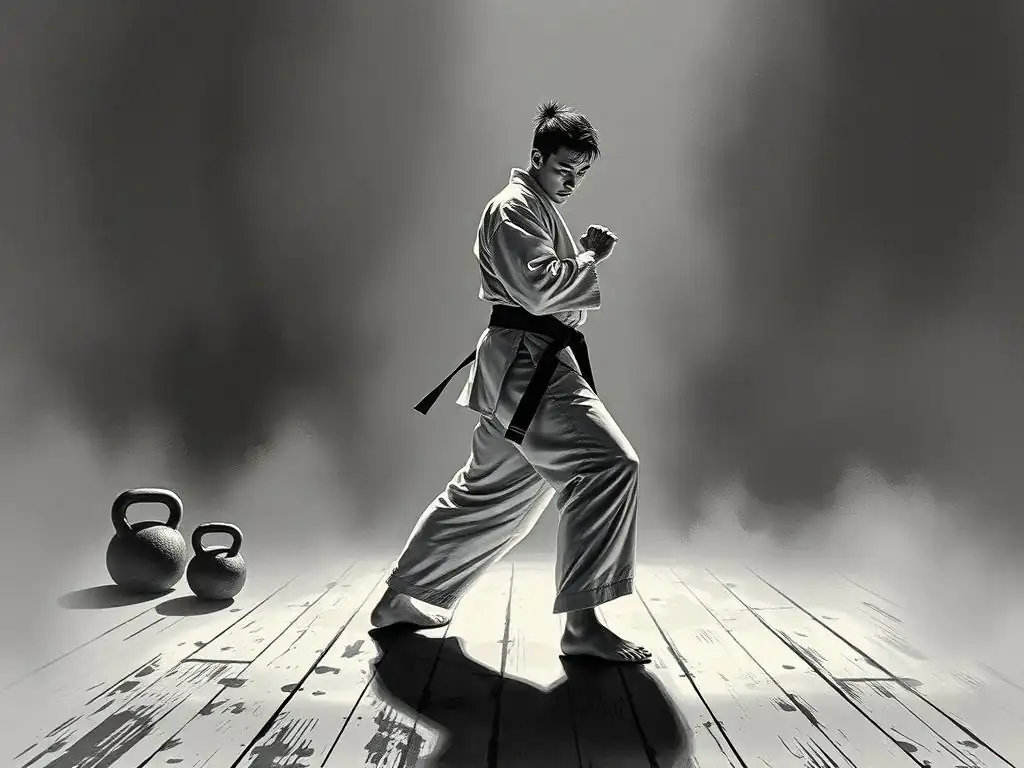
Assessing Your Current Fitness Level and Martial Arts Needs
Before embarking on a concurrent training program, a thorough assessment is crucial. This involves evaluating your current levels of strength, endurance (both aerobic and anaerobic), flexibility, balance, and any existing physical limitations or past injuries. Simple tests like maximum push-ups or squats, a timed run, or assessing range of motion can provide baseline data. Equally important is assessing your current proficiency and specific needs within your martial art. Are you primarily a striker needing explosive leg power? A grappler requiring isometric strength and grip endurance? Or an MMA fighter needing a broad blend?
Consider the demands of your specific discipline. Brazilian Jiu-Jitsu requires significant isometric strength in grips and core, and anaerobic endurance for scrambling and submissions. Taekwondo demands explosive power in the legs and dynamic flexibility for high kicks. Boxing requires sustained anaerobic capacity for rounds and explosive power for punches, alongside robust shoulder and core stability. Understanding these specific needs, coupled with your current physical status, allows you to tailor the concurrent training program to address weaknesses, build on strengths, and align with the unique requirements of your martial art practice.
Prioritizing Training Goals: Strength, Skill, and Endurance
An effective concurrent training program for martial arts requires clear prioritization, as attempting to maximize all attributes simultaneously can lead to overtraining and suboptimal results. The relative emphasis placed on strength, skill, and conditioning will likely shift throughout the year, following a periodization model. For instance, during the off-season or a general preparation phase, you might prioritize building a base of strength and aerobic endurance, dedicating more volume to these areas.
As competition approaches, the focus might shift towards maintaining strength with higher intensity but lower volume, while increasing the specificity and intensity of anaerobic conditioning and, crucially, skill work (sparring, specific technique drilling under pressure). Skill development should arguably always remain a high priority, as it is the core of martial arts, but the type and intensity of skill training can vary. By consciously prioritizing different physical qualities at different times, you can manage the demands of concurrent training effectively, prevent interference, and ensure you are peaking physically and technically when it matters most.
Selecting the Right Exercises for Martial Arts Performance
Choosing exercises that directly support the movements and demands of your martial art is key to functional concurrent training. Generic gym routines may build general fitness but lack the specificity needed for martial arts excellence. The selection should cover strength, skill, and conditioning, integrated intelligently.
Strength Training Exercises for Martial Artists
Strength training should focus on compound movements that work multiple joints and muscle groups simultaneously, mirroring the integrated nature of martial arts techniques. Examples include squats (back squats, front squats, goblet squats) for powerful leg drive crucial for kicks, takedowns, and movement; deadlifts (conventional, sumo, Romanian) for overall posterior chain strength, vital for grappling pulls, lifting opponents, and resisting force; bench press and overhead press for striking power and controlling opponents; rows and pull-ups for grappling pulls, clinching, and maintaining posture; and a variety of core exercises (planks, anti-rotation presses, medicine ball throws) for transferring power and protecting the spine.
Including explosive exercises like clean pulls, snatches, or medicine ball slams can further develop power.
Skill-Based Training for Martial Arts
Skill-based training is the practice of your martial art itself. This encompasses structured classes, drilling techniques with partners (e.g., practicing a specific throw 50 times), executing forms or kata, situational sparring (focusing on specific scenarios), and free sparring. This is where the physical attributes developed through strength and conditioning are integrated and applied in a realistic context.
Consistency in skill practice is non-negotiable; typically, martial artists dedicate significantly more hours per week to skill training than to isolated strength or conditioning. The volume and intensity of skill training will often be the primary driver dictating the structure and intensity of concurrent strength and conditioning work.
Conditioning Exercises for Martial Arts
Conditioning for martial arts should address both aerobic capacity (for sustained effort and recovery) and anaerobic power and endurance (for high-intensity bursts). Aerobic work can include steady-state cardio like running, cycling, or swimming. Anaerobic conditioning should mimic the intermittent, high-intensity nature of sparring or competition.
This can involve interval training (e.g., rounds of sprints followed by rest), circuit training incorporating bodyweight or light resistance exercises performed at high speed, and specific martial arts drills performed with maximal effort (e.g., rounds on the heavy bag, mitt work, wrestling drills). The type of conditioning should be tailored; a BJJ player might benefit more from isometric holds and sustained pressure drills, while a striker needs conditioning that supports repeated explosive movements.
Structuring Your Training Week: Balancing Strength and Skill Workouts
Effectively structuring a concurrent training week is paramount to managing fatigue and maximizing progress. The primary principle is to separate strength and skill sessions to minimize interference. Ideally, strength training and high-intensity skill work (like sparring) should be performed on different days. If they must occur on the same day, a separation of at least 6-8 hours is recommended, with the higher-priority session performed first, or strength training performed after skill if the goal is to avoid any potential negative impact on technical execution due to fatigue.
A common structure might involve 2-3 strength training sessions per week, 3-5 martial arts skill sessions, and 1-2 dedicated conditioning sessions (though conditioning is often integrated into skill work). For example:
- Monday: Martial Arts Skill (Technique/Drilling) AM, Strength Training PM (Lower Body/Core)
- Tuesday: Martial Arts Skill (Sparring/Situational)
- Wednesday: Strength Training (Upper Body Push/Pull)
- Thursday: Martial Arts Skill (Technique/Light Sparring)
- Friday: Conditioning (HIIT or Sport-Specific)
- Saturday: Martial Arts Skill (Open Mat/Sparring) or Active Recovery
- Sunday: Rest
This is a sample, and adjustments are necessary based on individual recovery, training volume, and specific martial art. Crucially, include dedicated rest days where no intense training occurs, allowing the body to recover and adapt.
Periodization for Concurrent Training: Maximizing Results and Preventing Overtraining
Periodization involves strategically varying the volume, intensity, and focus of training over planned cycles to manage fatigue, prevent plateaus, and ensure peak performance at key times (like competition). For concurrent training in martial arts, this means phasing the relative emphasis on strength, endurance, and skill.
A typical annual plan might include:
- Off-Season (General Preparation): Higher volume strength training focused on building a base, higher volume aerobic conditioning, consistent skill practice but perhaps lower intensity sparring.
- Pre-Competition (Specific Preparation): Transition to lower volume, higher intensity strength training (focused on power), more specific anaerobic conditioning mimicking fight demands, increased intensity and specificity of skill work and sparring.
- Competition Phase: Reduced overall volume (tapering) to ensure freshness, very high intensity skill work and light, sharp physical tune-ups.
- Transition Phase: Active rest, light cross-training, recovery before starting the next cycle.
Periodization helps to systematically build physical qualities while ensuring the athlete is not constantly in a state of high fatigue, thereby maximizing the long-term martial arts concurrent training benefits and reducing the risk of injury or burnout.
Sample Concurrent Training Programs for Different Martial Arts Disciplines
The specific structure and content of a concurrent training program should be tailored to the unique demands of the martial art being practiced. While general principles apply, the emphasis on certain physical qualities will differ.
Concurrent Training Program for Striking Arts (e.g., Karate, Taekwondo, Boxing)
Striking arts require explosive power in the lower body and core for generating force in punches and kicks, upper body pushing strength, rapid footwork, and high levels of anaerobic endurance to sustain repeated high-intensity bursts. A sample weekly structure emphasizing these needs might look like this:
- Monday: PM: Strength (Lower Body Power & Strength, Core) - Exercises: Squat variations (e.g., box squats for explosiveness), deadlift variations (e.g., trap bar deadlifts), lunges, glute bridges, medicine ball throws (rotational and overhead), planks, sprints or hill repeats.
- Tuesday: AM: Martial Arts Skill (Technique & Drills - focus on footwork, combos); PM: Conditioning (High-Intensity Intervals) - Example: 5-8 rounds of 3 minutes high-intensity work (heavy bag, mitts, burpees) followed by 1 minute rest, mimicking round structure.
- Wednesday: Rest or Active Recovery (light jogging, stretching).
- Thursday: PM: Strength (Upper Body Push/Pull, Core Stability) - Exercises: Bench press, overhead press, pull-ups or lat pulldowns, rows, push-ups, anti-rotation core work.
- Friday: AM: Martial Arts Skill (Light Sparring or Situational Drills).
- Saturday: AM: Martial Arts Skill (Sparring or Competition Simulation).
- Sunday: Full Rest.
This structure prioritizes explosive lower body power early in the week, integrates high-intensity conditioning specific to round duration, and includes upper body strength relevant to punching force and defense. Skill remains central, with sparring often on the weekend.
Concurrent Training Program for Grappling Arts (e.g., Judo, Brazilian Jiu-Jitsu, Wrestling)
Grappling arts demand significant isometric and dynamic pulling/pushing strength, powerful hips and legs for throws and control, crushing grip strength, and high levels of muscular endurance, particularly in the core and upper body, often under sustained tension. Anaerobic endurance for scrambles and submissions is also critical. A sample week:
- Monday: PM: Strength (Pulling Strength, Grip, Core) - Exercises: Deadlifts (conventional or sumo), pull-ups (various grips), rows (barbell, dumbbell, seated), farmer's walks (heavy), towel pull-ups or rope climbs, various plank variations, hanging leg raises.
- Tuesday: AM: Martial Arts Skill (Technique & Drilling - focus on specific positions or transitions); PM: Conditioning (Muscular Endurance/Isometric Focus) - Example: Circuit training with bodyweight exercises and light weights focusing on sustained effort (e.g., holds, high-rep movements) or rounds of positional drilling with intensity.
- Wednesday: Rest or Active Recovery.
- Thursday: PM: Strength (Lower Body Strength & Power, Core) - Exercises: Squat variations, hip thrusts, good mornings, medicine ball slams, heavy carries (e.g., sandbag), rotational core work.
- Friday: AM: Martial Arts Skill (Situational Sparring/Positional).
- Saturday: AM: Martial Arts Skill (Open Mat/Rolling or Live Wrestling).
- Sunday: Full Rest.
This program emphasizes grip and pulling strength crucial for controlling opponents, lower body power for takedowns and ground control, and conditioning tailored to the sustained isometric and dynamic efforts common in grappling exchanges.
Concurrent Training Program for Mixed Martial Arts (MMA)
MMA requires the most comprehensive approach, integrating striking, grappling, and wrestling, alongside demanding conditioning. Programs must balance the needs of multiple disciplines, often requiring more complex periodization and careful scheduling. A sample week demonstrates the need for variety:
- Monday: PM: Strength (Lower Body Strength/Power, Core) - Exercises: Squats, deadlifts, lunges, box jumps, medicine ball throws, core rotations.
- Tuesday: AM: MMA Skill (Striking Focus - Boxing/Kickboxing technique & drilling); PM: Conditioning (Mixed Aerobic/Anaerobic) - Example: Fartlek running or cycling combining steady state with sprints, or circuit integrating striking and grappling movements.
- Wednesday: AM: MMA Skill (Grappling Focus - BJJ/Wrestling technique & drilling).
- Thursday: PM: Strength (Upper Body Push/Pull, Core Stability) - Exercises: Bench press, overhead press, pull-ups, rows, anti-rotation press, hanging leg raises.
- Friday: AM: MMA Skill (Integration - Combining striking, wrestling, grappling transitions); PM: Active Recovery or Light Conditioning.
- Saturday: AM: MMA Skill (Sparring - integrating all ranges).
- Sunday: Full Rest.
This sample shows how different skill sets are trained on different days, supported by strength work that addresses the needs of both striking (power) and grappling (strength, control). Conditioning is varied to cover the aerobic base and anaerobic bursts required in a fight. The complexity of MMA concurrent training underscores the value of professional coaching.
Common Mistakes to Avoid in Concurrent Training
Overtraining and Burnout: Recognizing the Signs and Taking Precautions
One of the most significant risks of concurrent training is pushing the body beyond its capacity for recovery, leading to overtraining and burnout. This isn't just physical fatigue; it's a state where performance plateaus or declines despite continued training, accompanied by physiological and psychological symptoms. Signs include persistent muscle soreness, joint pain, increased resting heart rate, difficulty sleeping, irritability, loss of motivation, increased susceptibility to illness, and decreased performance in both strength and skill sessions.
To avoid this, listen intently to your body. Implement scheduled rest days and consider incorporating "deload" weeks every 4-8 weeks, where training volume and intensity are significantly reduced (e.g., 50% of normal) to allow for recovery and adaptation. Ensure adequate sleep (7-9 hours) and nutrition. Monitor your progress and subjective feelings daily. If multiple signs of overtraining appear, it's crucial to back off, prioritize rest, and adjust the program before serious issues arise. Ignoring these signs is a fast track to injury and prolonged setbacks.
Neglecting Skill Development in Favor of Strength Training
While strength and conditioning are vital support systems, the core of martial arts remains the technical skill and strategic application of that skill. A common mistake in concurrent training is becoming overly focused on lifting numbers or conditioning metrics at the expense of dedicated, high-quality skill practice. Remember, strength makes your techniques more powerful and conditioning allows you to apply them longer, but they do not replace the need to understand how and when to execute a technique effectively.
Prioritizing skill means consistently showing up for martial arts classes, drilling techniques with focus, and engaging in thoughtful sparring. If your strength training is so demanding that it compromises your ability to perform well in skill sessions – making you too sore or fatigued to move properly, remember techniques, or react quickly – then your program is unbalanced. The goal is concurrent training that enhances your martial arts ability, not detracts from it. Skill development should typically occupy the largest portion of your weekly training time.
Poor Nutrition and Recovery: Fueling Your Body for Optimal Performance
Concurrent training places a high metabolic demand on the body due to the volume and intensity of varied workouts. Failing to adequately fuel and recover from this stress severely limits potential gains and increases injury risk. Ignoring proper nutrition means not providing the building blocks (protein) for muscle repair and growth, or the energy (carbohydrates, fats) needed to perform and recover. Insufficient sleep prevents the hormonal and cellular processes crucial for adaptation and repair from occurring effectively.
Think of training as the stimulus and recovery (nutrition, sleep, rest) as the adaptation phase. Without adequate recovery, the stimulus is just stress. Ensure you consume enough calories to support your activity level, prioritize protein intake, fuel around workouts with carbohydrates, stay well-hydrated, and get sufficient sleep. Skipping these fundamental aspects undermines all the effort put into training, making concurrent training ineffective and unsustainable.
Ignoring Individual Needs and Adjustments
Generic concurrent training programs found online are starting points, not definitive blueprints. A significant mistake is rigidly adhering to a plan without considering your unique circumstances. Factors like your age, training history (beginner vs. experienced), specific martial art goals, recovery capacity, lifestyle stress, and any physical limitations or injuries all necessitate program adjustments. What works for a 22-year-old professional MMA fighter will not be appropriate for a 45-year-old hobbyist training Brazilian Jiu-Jitsu twice a week.
Continuously monitor how your body responds to the training load. Are you recovering well? Is your performance improving in both physical tests and martial arts skill? Are you experiencing excessive fatigue or pain? Be prepared to modify the program – adjusting volume, intensity, exercise selection, or scheduling – based on your individual feedback and progress. Consulting with experienced coaches (both martial arts and strength/conditioning) who understand the principles of concurrent training can provide invaluable personalized guidance.
Nutrition and Recovery for Concurrent Training
The Importance of Protein for Muscle Repair and Growth
Protein is the fundamental building block for muscle tissue. During both strength training and the demanding physical efforts of martial arts, muscle fibers undergo micro-damage. Protein provides the amino acids necessary to repair this damage and build new, stronger muscle tissue, a process called muscle protein synthesis. Adequate protein intake is absolutely critical for recovering from training stress, promoting muscle growth, and supporting strength gains within a concurrent training program.
For martial artists engaged in concurrent training, a daily protein intake ranging from 1.6 to 2.2 grams per kilogram of body weight is generally recommended to support optimal muscle adaptation and recovery. Consuming protein throughout the day, particularly within a few hours after training sessions, helps maximize the muscle repair process. Sources like lean meats, poultry, fish, eggs, dairy, legumes, and protein supplements can help meet these requirements, providing the necessary substrate for the body to adapt to the training stimulus.
Carbohydrates for Energy and Performance
Carbohydrates are the body's primary and most efficient fuel source, especially for high-intensity activities like strength training, sparring, and explosive martial arts movements. They are converted into glucose and stored as glycogen in muscles and the liver. During intense exercise, these glycogen stores are rapidly depleted. Maintaining adequate carbohydrate intake is essential to fuel training sessions, sustain performance throughout prolonged or multiple workouts, and replenish glycogen stores for subsequent training days.
Consuming carbohydrates before training provides readily available energy. Replenishing carbohydrate stores after training is crucial for recovery and preparing for the next session, particularly when training multiple times per day or on consecutive days. The amount needed varies greatly depending on training volume and intensity, but generally, martial artists engaged in concurrent training will require a moderate to high carbohydrate intake. Prioritizing complex carbohydrates (whole grains, vegetables, fruits) for sustained energy and simpler carbohydrates around training times can optimize performance and recovery.
Healthy Fats for Overall Health and Recovery
While carbohydrates and protein often take center stage for performance and muscle building, healthy fats play a vital supporting role in overall health, hormone production, and recovery. Fats are essential for absorbing fat-soluble vitamins (A, D, E, K), providing a source of energy during lower-intensity or longer-duration activities, and supporting crucial bodily functions including immune health and hormone balance (like testosterone, important for muscle repair and growth).
Including sources of unsaturated fats (like avocados, nuts, seeds, olive oil) and omega-3 fatty acids (found in fatty fish like salmon, or flaxseeds) can help reduce inflammation, which is a natural response to training stress. While the exact amount of fat needed varies, ensuring adequate intake of healthy fats as part of a balanced diet supports the body's ability to adapt to the demands of concurrent training and maintain overall well-being necessary for consistent performance.
Hydration Strategies for Martial Artists
Dehydration, even mild levels (as little as 2% body weight loss), can significantly impair physical performance, reduce strength and endurance, negatively affect concentration and decision-making, and slow recovery. Martial arts training often involves significant sweating, especially in hot or humid environments or during intense sparring. Maintaining optimal hydration is therefore critical for concurrent training success.
Martial artists should aim to drink water consistently throughout the day, not just when thirsty. Increased fluid intake is necessary before, during, and after training sessions. For longer or very intense sessions (>60-90 minutes) or training in hot conditions, considering fluids containing electrolytes can help replace salts lost through sweat and improve fluid retention. Monitoring urine color (pale yellow indicates good hydration) is a simple way to gauge hydration status. Proper hydration supports blood volume, nutrient transport, temperature regulation, and joint lubrication, all vital for performing and recovering from concurrent training.
Sleep and Rest: Essential Components of Recovery
Training provides the stimulus for adaptation, but the actual physiological changes – muscle repair, growth, glycogen replenishment, hormonal regulation, and nervous system recovery – primarily occur during rest, particularly during sleep. Chronic sleep deprivation (<7 hours per night) impairs muscle protein synthesis, reduces growth hormone and testosterone production, increases cortisol (a stress hormone), negatively impacts immune function, slows reaction time, decreases cognitive function, and increases the risk of injury.
For a martial artist engaged in demanding concurrent training, prioritizing 7-9 hours of quality sleep per night is non-negotiable for optimal recovery and performance. Rest days, where no intense training occurs, allow the body and nervous system to recover from cumulative stress. Active recovery (light movement like walking or stretching) on some rest days can aid blood flow and muscle recovery, but complete rest is also sometimes necessary. Viewing sleep and rest as integral parts of the training program, rather than optional downtime, is essential for long-term progress and preventing burnout.
Monitoring Progress and Making Adjustments
Tracking Your Strength Gains and Skill Improvements
Consistent monitoring is key to determining if your concurrent training program is effective and making necessary adjustments. For strength training, this means logging your workouts: recording the exercises performed, the weight lifted, and the number of sets and repetitions. Over time, you should see a trend of increasing weight, reps, or sets for a given exercise, indicating strength progression. Testing your estimated one-rep max or performance on specific strength tests periodically (e.g., every 8-12 weeks) can provide objective data points.
Tracking skill improvement is more qualitative but equally important. This involves observing progress in technique execution, efficiency of movement, timing, balance, and strategic application during drilling and sparring. You might notice techniques feeling smoother, requiring less effort, or being successfully applied more frequently against resisting opponents. Seeking feedback from your martial arts instructors and training partners is invaluable here. While not always quantifiable like strength, tangible improvements in your martial arts performance are the ultimate measure of the program's success.
Using Performance Metrics to Gauge Progress
Beyond just tracking weights or subjective skill feeling, using specific performance metrics can provide objective insight into your physical development. For conditioning, this could involve timing yourself on specific circuits or rounds, monitoring your heart rate recovery after intense efforts, or tracking how many rounds of sparring you can maintain a high work rate. For power, metrics might include vertical jump height, broad jump distance, or medicine ball throw distance.
Comparing these metrics over time gives a clearer picture of progress in specific physical qualities. For example, if your squat max is increasing but your vertical jump is not, you might need to incorporate more explosive exercises. If your strength is improving but you're still gassing out quickly in sparring, your conditioning might need more attention. These objective data points, combined with your strength logs and skill observations, provide a comprehensive view of your development and highlight areas that may need modification.
Adjusting Your Training Program Based on Your Results
Training is not a static plan; it's a dynamic process that requires ongoing adjustment based on results and how your body responds. If your monitoring shows consistent progress across strength, conditioning, and skill, the program is likely effective, and you can continue as planned, perhaps gradually increasing load or volume. However, if progress plateaus in a certain area, or worse, performance declines, it's a clear signal that adjustments are needed.
Potential adjustments could include increasing or decreasing training volume or intensity, changing exercise selection, modifying the training split (e.g., separating strength and skill further), adding more recovery time, or addressing nutritional or sleep deficiencies. For instance, if your strength is lagging, you might need to temporarily reduce conditioning volume or add an extra strength session. If you feel constantly fatigued, you might need more rest days or a deload week. Use the data you collect to make informed decisions rather than just guessing or pushing through blindly.
Seeking Guidance from a Qualified Coach or Trainer
Designing and managing an effective concurrent training program for martial arts is complex, requiring an understanding of exercise science, periodization, recovery principles, and the specific demands of combat sports. While self-coaching is possible, working with qualified professionals can significantly enhance results and reduce the risk of mistakes. This might involve collaborating with both your martial arts instructor (who understands the technical and tactical demands) and a strength and conditioning coach experienced in working with combat athletes (who understands the physiological programming).
A good coach can provide an objective assessment of your strengths and weaknesses, help set realistic goals, design a personalized program tailored to your needs and schedule, teach proper exercise technique to prevent injury, and most importantly, help you interpret your progress and make informed adjustments along the way. Their expertise can help you navigate the complexities of concurrent training, ensuring you maximize the martial arts concurrent training benefits while minimizing the potential for overtraining or injury, leading to more consistent and effective development.
Conclusion: Mastering the Art of Concurrent Training for Martial Arts Excellence
Integrating Concurrent Training into Your Martial Arts Journey
Integrating concurrent training is not merely adding extra workouts to your schedule; it's a fundamental shift in how you approach your physical development as a martial artist. It acknowledges that achieving excellence in combat requires a sophisticated blend of physical attributes – strength, power, endurance, speed, and resilience – all developed in concert with technical skill and tactical understanding. By systematically incorporating strength and conditioning alongside your martial arts practice, you build a more robust, capable, and adaptable body that can fully express your technical abilities under pressure.
Successful integration requires planning, discipline, and attention to detail, particularly regarding recovery. It means viewing your time in the weight room or on the track as equally important, albeit serving a different purpose, as your time on the mats or in the ring. It's about creating a symbiotic relationship where physical preparation enhances your martial art, and your martial art provides the specific context for your physical development. This integrated approach is a hallmark of high-level martial artists across disciplines, from Olympic judoka to professional MMA fighters.
The Future of Concurrent Training in Martial Arts
As sports science continues to evolve, our understanding of optimizing concurrent training for the unique demands of martial arts will also deepen. Research is ongoing into the precise mechanisms of interference, optimal scheduling strategies, the most effective ways to combine different training modalities, and personalized approaches based on genetics and individual responses. Future developments may include more sophisticated monitoring technologies to track recovery and readiness, and increasingly tailored programming based on detailed physiological profiles of martial artists.
The trend is towards more specific, evidence-based concurrent training methodologies that move beyond generic fitness programs. This will likely involve closer collaboration between martial arts coaches and strength and conditioning specialists, integrating their expertise to create truly holistic athlete development plans. As the physical demands of competitive martial arts continue to rise, the strategic application of concurrent training will become even more critical for achieving and maintaining peak performance.
Achieving Peak Performance Through a Balanced Approach
Ultimately, achieving peak performance and pursuing martial arts mastery through concurrent training is about finding and maintaining a delicate balance. It's the balance between pushing your physical limits and allowing adequate time for recovery; between developing raw strength and refining technical precision; between building aerobic capacity and explosive power. It's a continuous process of training, recovering, monitoring, and adjusting.
The martial arts concurrent training benefits are undeniable: a stronger, faster, more enduring, and more resilient body that empowers your skill and strategy. By embracing a balanced approach that values and systematically develops both physical attributes and technical mastery, martial artists can unlock their full potential, perform at higher levels for longer, and embody the true spirit of martial arts excellence. It is through this intelligent integration of diverse training modalities that the path to mastery is most effectively forged.
Frequently Asked Questions
What is concurrent training in the context of martial arts, and why is it important?
Concurrent training refers to combining strength training and skill-based martial arts practice in the same training schedule. This is important because it helps martial artists develop both power and technique effectively.
How can concurrent training improve a martial artist's performance?
By integrating strength and skill work, concurrent training enhances power output in techniques, improves endurance for longer fights or training sessions, and reduces the risk of injury through improved muscular strength and stability.
What are some potential challenges of concurrent training for martial artists?
One challenge is overtraining, which can lead to fatigue and decreased performance. Another is interference, where strength gains might negatively impact skill acquisition, and vice versa if not properly structured. Careful planning is essential.
What are some practical tips for implementing concurrent training in a martial arts regimen?
Prioritize skill-based training initially, followed by strength training. Ensure adequate rest and recovery, and carefully monitor progress to adjust the training plan as needed.
How does concurrent training differ from traditional martial arts training methods?
Traditional methods often focus primarily on skill development and conditioning, sometimes neglecting targeted strength training. Concurrent training emphasizes a balanced approach to improve both physical and technical capabilities.
Final Reflection: Harmonizing Strength and Skill
The exploration of concurrent training within the martial arts realm reveals a powerful truth: optimized performance hinges on a delicate balance between strength and skill development. This isn't just a theoretical concept; it's a practical imperative for martial artists seeking to elevate their game in today's competitive landscape. Understanding and implementing concurrent training principles can be the difference between plateauing and achieving peak potential.
The impact of concurrent training extends far beyond the gym or dojo. It underscores the importance of holistic development, reminding us that physical prowess and technical mastery are inextricably linked. This realization resonates deeply, as it mirrors the broader human experience – the pursuit of excellence requires a harmonious blend of different abilities. The journey of a thousand miles begins with a single step.
– Lao Tzu. This ancient wisdom reminds us that consistent, balanced effort, much like concurrent training, is the key to achieving long-term goals, both in martial arts and in life.
Now, consider how you can apply these principles to your own training and personal growth. Are you prioritizing one aspect over another, neglecting the crucial interplay between strength and skill? Embrace the challenge of concurrent training, not just in the dojo, but in all facets of your life. Strive for balance, seek synergy, and unlock your full potential. The path to mastery awaits.
Unleash Your Full Potential: Elevate Your Martial Arts Journey!
Thank you for diving into the world of concurrent training! We hope you found valuable insights to enhance your strength and skill development. Now it’s time to put that knowledge into action and see real results in your martial arts performance.
Here are a few steps you can take to start today:
- Re-evaluate your current training schedule and identify ONE area where you can strategically incorporate concurrent training. This is your primary action!
- Explore different combinations of strength and skill drills to find what works best for your body and training style. Don't be afraid to experiment!
- Share this article with your training partners or martial arts community to spark a discussion about optimizing performance!
Ready to revolutionize your training and become a more complete martial artist?