
Enhanced Resilience: Why Stronger Martial Artists Recover Faster

Welcome to Martial Arts Mastery, your gateway to unlocking the secrets of combat excellence!
Dive deep into the world of martial arts, where ancient traditions meet modern training. Ever wonder why some martial artists seem to bounce back stronger after intense training? This week, we're exploring just that! Discover the faster martial arts recovery tips that can dramatically enhance your resilience and elevate your performance. Are you ready to unlock your body's full potential and minimize downtime? Let's begin!
- Introduction: The Link Between Strength and Faster Jiu-Jitsu Recovery
- Understanding Jiu-Jitsu Recovery: Beyond the Mat
- The Role of Strength Training in Accelerated Recovery for Jiu-Jitsu
- Key Strength Training Principles for Enhanced Jiu-Jitsu Recovery
- Nutritional Strategies to Support Faster Jiu-Jitsu Recovery
- Active Recovery Techniques for Jiu-Jitsu Athletes
- The Mind-Body Connection: Mental Resilience and Recovery in Jiu-Jitsu
- Comparing Recovery Rates: Strength-Trained vs. Non-Strength-Trained Jiu-Jitsu Athletes
- Practical Tips for Implementing Strength Training for Faster Jiu-Jitsu Recovery
- Addressing Common Misconceptions About Strength Training and Recovery in Jiu-Jitsu
- Conclusion: Maximizing Recovery Through Strength, Conditioning, and Smart Training for Jiu-Jitsu
-
Frequently Asked Questions
- What role does nutrition play in faster martial arts recovery?
- How important is sleep for enhanced resilience and faster recovery?
- Beyond physical training, what mental techniques can aid recovery?
- Does the specific martial art practiced affect recovery strategies?
- What are some practical self-defense strategies to prevent injuries and thus speed up recovery?
- Final Reflection: Forging Unbreakable Spirits
- Elevate Your Recovery: Unleash Your Inner Resilience!
Introduction: The Link Between Strength and Faster Jiu-Jitsu Recovery
Jiu-Jitsu, a demanding martial art, pushes the body to its physical limits through rigorous rolling sessions, technical drills, and competitive exchanges. The constant grappling, sprawling, and escaping put immense stress on muscles, joints, and connective tissues. While skill and technique are paramount, the ability to recover effectively is equally critical for consistent progress and injury prevention.
This is where the often-underestimated link between strength training and faster Jiu-Jitsu recovery becomes apparent. A well-structured strength and conditioning program doesn't just build power and endurance; it fundamentally enhances the body's capacity to repair, adapt, and return to the mats sooner and stronger.
Integrating targeted strength work into a Jiu-Jitsu athlete's regimen can significantly impact their resilience. Instead of simply enduring the recovery process, athletes can actively accelerate it. This proactive approach to recovery allows for more consistent training, reduced downtime due to soreness or minor injuries, and ultimately, improved performance longevity in the sport. Understanding the mechanisms by which strength training facilitates this enhanced recovery is key to developing effective faster martial arts recovery tips specifically tailored for the demands of Jiu-Jitsu.
Understanding Jiu-Jitsu Recovery: Beyond the Mat
Defining Recovery in the Context of Jiu-Jitsu Training
Recovery in Jiu-Jitsu is a multi-faceted process extending far beyond merely resting after a training session. It involves the physiological repair of muscle fibers torn during intense activity, the replenishment of energy stores (like glycogen), the restoration of hormonal balance, and the reduction of inflammation. Furthermore, it includes the nervous system's recovery from the high-intensity demands and cognitive load of analyzing positions and executing techniques under pressure. Effective recovery ensures the body and mind are adequately prepared for the next training stimulus, enabling adaptation and improvement rather than simply accumulating fatigue.
This complex process also encompasses mental recovery. The stress of competition, the pressure to perform, and even the emotional toll of tough losses can significantly impact an athlete's overall well-being and physical recovery rate. Therefore, a holistic view of recovery considers sleep quality, psychological state, and nutritional intake alongside physical rest. Achieving faster martial arts recovery tips means addressing all these interconnected elements.
The Importance of Efficient Recovery for Jiu-Jitsu Performance
Efficient recovery is not a luxury but a necessity for sustained high-level performance in Jiu-Jitsu. When the body recovers properly, it adapts positively to the training load, leading to improvements in strength, endurance, technique execution, and cognitive function on the mat. Insufficient recovery, conversely, leads to diminished performance, characterized by slower reaction times, reduced power, impaired decision-making, and a general feeling of sluggishness. For example, studies have shown that inadequate sleep (a cornerstone of recovery) can impair physical performance by up to 10-15% and cognitive function even more significantly.
Moreover, consistent efficient recovery allows athletes to maintain a higher training volume and intensity over time without breaking down. This continuous, high-quality training is what drives long-term skill development and physical conditioning essential for progressing in Jiu-Jitsu. Athletes who prioritize recovery can train more consistently, learn faster, and apply techniques with greater precision and power, ultimately leading to better results in training and competition. Implementing effective faster Jiu-Jitsu recovery strategies is a direct investment in performance enhancement.
The Impact of Overtraining and Insufficient Recovery on Jiu-Jitsu Athletes
Overtraining, a state resulting from excessive training volume or intensity without adequate recovery, is a significant risk for dedicated Jiu-Jitsu practitioners. Symptoms can range from persistent muscle soreness and fatigue to decreased performance, increased irritability, sleep disturbances, and a heightened susceptibility to illness and injury. For instance, an athlete pushing through constant fatigue might experience a significant drop in their ability to execute complex sweeps or defend submissions effectively, leading to frustration and potential injury due to compromised technique.
Insufficient recovery directly contributes to this overtraining state. When the body doesn't get the chance to repair and rebuild, micro-traumas from training accumulate, leading to chronic inflammation and tissue breakdown. This weakens the body and makes it more vulnerable to acute injuries like sprains, strains, or even ligament tears during rolling. Data from combat sports indicate that athletes with poor recovery habits report significantly higher rates of musculoskeletal injuries compared to those who prioritize rest and recovery protocols. Prioritizing faster martial arts recovery tips is crucial to avoid the pitfalls of overtraining.
The Role of Strength Training in Accelerated Recovery for Jiu-Jitsu
Strength Training's Influence on Muscle Tissue Repair Post-Rolling
Strength training, particularly resistance exercise, induces controlled micro-tears in muscle fibers, similar to the stress experienced during intense Jiu-Jitsu rolling. The body's response to this stimulus is to repair and rebuild these fibers, making them stronger and more resilient. When a Jiu-Jitsu athlete incorporates strength training, they are essentially priming their recovery systems. The body becomes more efficient at initiating the inflammatory response, clearing cellular debris, and synthesizing new muscle proteins. This enhanced capacity for muscle repair means that the damage incurred during Jiu-Jitsu rolling can be addressed more rapidly and effectively.
Furthermore, consistent strength training improves muscle quality and density. Stronger muscles are better equipped to handle the eccentric loads and sudden forces inherent in grappling, reducing the initial level of micro-trauma sustained during training. This translates to less overall damage that needs repairing, naturally leading to faster Jiu-Jitsu recovery times. Athletes who lift regularly often report less severe and shorter duration of Delayed Onset Muscle Soreness (DOMS) following tough rolling sessions compared to their non-strength-training counterparts.
How Strength Training Improves Circulation and Nutrient Delivery to Damaged Tissues
One of the critical benefits of strength training for recovery is its positive impact on the cardiovascular system and local blood flow. Regular exercise, including resistance training, improves vascular function and capillary density within muscles. This enhanced circulation means that oxygen, nutrients (like amino acids and glucose), and growth factors essential for tissue repair can be delivered more efficiently to damaged areas post-training. Simultaneously, metabolic waste products and inflammatory markers are cleared away more quickly.
Improved blood flow also aids in reducing localized swelling and promoting lymphatic drainage, further contributing to a more rapid resolution of post-exercise soreness and inflammation. Consider the process of muscle protein synthesis: it requires a steady supply of amino acids. Better circulation ensures these building blocks reach the muscle fibers promptly, accelerating the repair process. This physiological enhancement is a cornerstone of achieving faster martial arts recovery tips through physical conditioning.
Strength Training and Reduced Risk of Common Jiu-Jitsu Injuries
A well-designed strength training program directly addresses many of the physical vulnerabilities exposed by Jiu-Jitsu, thereby reducing injury risk. By strengthening the muscles and connective tissues around key joints like the knees, hips, shoulders, and spine, resistance training provides greater stability and resilience against the forces encountered during grappling. For example, strengthening the rotator cuff muscles can help prevent shoulder injuries common during armbar defenses or kimura attacks, while building hip strength improves stability during guard passing and retention.
Moreover, strength training helps correct muscular imbalances that can develop from the asymmetrical nature of grappling. Addressing these imbalances through targeted exercises reduces undue stress on certain joints or tissues, lowering the likelihood of overuse injuries. Athletes with stronger, more balanced musculature are better able to absorb impacts and resist joint manipulation without exceeding tissue tolerance. Data from combat sports studies frequently highlight a correlation between participation in structured strength and conditioning programs and a statistically lower incidence of musculoskeletal injuries, contributing directly to more consistent training and faster Jiu-Jitsu recovery from minor issues.
Key Strength Training Principles for Enhanced Jiu-Jitsu Recovery
Focusing on Compound Movements and Grip Strength Exercises
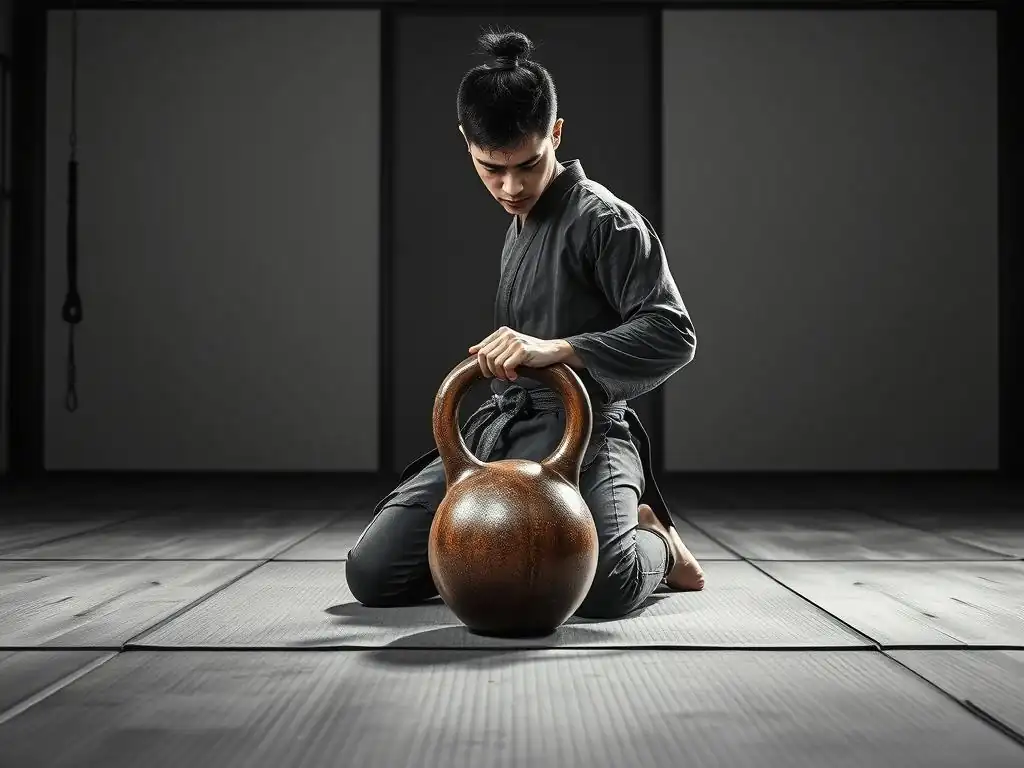
For Jiu-Jitsu athletes seeking faster martial arts recovery tips through strength training, prioritizing compound movements is essential. Exercises like squats, deadlifts (or variations like Romanian deadlifts), bench press, overhead press, rows, and pull-ups work multiple muscle groups simultaneously, mimicking the integrated, full-body demands of grappling. These movements build foundational strength, improve coordination between muscle groups, and provide a significant metabolic stimulus that enhances overall recovery capacity. They develop the core strength and structural integrity necessary to absorb forces and maintain strong positions.
Equally critical is dedicated grip strength training. The ability to maintain grips is fundamental in Jiu-Jitsu, and weak grips are a common limiting factor and source of fatigue. Exercises such as deadlifts with a double overhand grip, farmer's walks, towel pull-ups, and various grip specific tools directly strengthen the muscles of the forearms and hands. A stronger grip reduces localized fatigue during rolling, allowing athletes to train longer and recover from grip-specific strain more quickly between rounds or sessions.
Implementing Progressive Overload Safely and Effectively for Jiu-Jitsu
Progressive overload is the fundamental principle of strength training: gradually increasing the demand on the muscles over time to stimulate continued adaptation. For Jiu-Jitsu athletes, this means slowly adding weight, repetitions, sets, or reducing rest times as they get stronger. However, implementing progressive overload safely is paramount to avoid injury, which would derail recovery entirely. Increases should be modest (e.g., 5-10 lbs on major lifts week to week, or 1-2 extra repetitions).
Effective implementation involves listening to the body and periodizing training. This means structuring the training year into phases that might focus on building strength, power, or endurance at different times, aligning with the Jiu-Jitsu competition schedule. During periods of intense Jiu-Jitsu training or leading up to competition, strength training intensity or volume might need to be reduced to prioritize recovery for grappling. Conversely, during off-season or lighter training periods, strength work can be more demanding. Consistent, safe progression ensures continuous improvement without leading to overtraining or injury, supporting overall faster Jiu-Jitsu recovery.
The Importance of Proper Form and Technique to Prevent Injury
Maintaining impeccable form and technique during strength training is non-negotiable for Jiu-Jitsu athletes. Poor form dramatically increases the risk of acute injuries (like muscle tears or joint sprains) and chronic issues (like tendonitis or back pain) by placing undue stress on joints and passive tissues. For instance, deadlifting with a rounded back can severely strain the lumbar spine, leading to injuries that require significant time away from the mats, completely undermining any effort towards faster martial arts recovery tips.
Prioritizing technique over lifting maximal weight is a hallmark of smart training. This means starting with lighter weights to master movement patterns and gradually increasing the load only when form is perfect. Seeking guidance from a qualified strength and conditioning coach familiar with the demands of combat sports can be invaluable. Proper form not only prevents injuries but also ensures that the target muscles are effectively stimulated, leading to better strength gains and, consequently, more robust tissues that recover faster from the stresses of Jiu-Jitsu.
Nutritional Strategies to Support Faster Jiu-Jitsu Recovery
Protein Intake for Muscle Repair and Growth After Intensive Training
Adequate protein intake is arguably the most critical nutritional factor for faster Jiu-Jitsu recovery. Jiu-Jitsu training causes micro-damage to muscle fibers, and protein provides the amino acid building blocks necessary for their repair and growth. Consuming sufficient protein, particularly after intense training sessions, kickstarts the muscle protein synthesis process. General recommendations for athletes range from 1.6 to 2.2 grams of protein per kilogram of body weight per day, distributed throughout the day.
For example, a 180 lb (approx. 82 kg) Jiu-Jitsu athlete aiming for the higher end might consume around 180 grams of protein daily. This could involve incorporating lean meats, fish, eggs, dairy, legumes, and protein supplements into their meals and snacks. Consuming 20-40 grams of high-quality protein within a few hours post-training is particularly beneficial for initiating the recovery process quickly. Prioritizing this macronutrient is a fundamental faster martial arts recovery tip.
Carbohydrates for Glycogen Replenishment After Rolling Sessions
Jiu-Jitsu, with its bursts of high-intensity activity and sustained effort, heavily depletes muscle glycogen stores – the primary fuel source for high-intensity exercise. Replenishing these stores is crucial for restoring energy levels and preparing for subsequent training sessions, directly impacting faster Jiu-Jitsu recovery. Consuming carbohydrates post-training, especially within the first few hours, maximizes the rate of glycogen resynthesis.
The amount of carbohydrates needed depends on the training volume and intensity, but a general guideline for athletes engaging in moderate to high-intensity training is 5-7 grams per kilogram of body weight per day. For the 180 lb (82 kg) athlete, this could mean consuming 410-574 grams of carbohydrates daily, focusing on nutrient-dense sources like whole grains, fruits, vegetables, and legumes. Timing carbohydrate intake around training sessions is a key strategy for optimizing energy recovery.
Essential Vitamins and Minerals for Optimal Recovery and Injury Prevention
Beyond macronutrients, a wide array of vitamins and minerals play vital roles in the recovery process and overall tissue health, contributing to faster martial arts recovery tips. Vitamin D is crucial for bone health and immune function, both important for injury prevention and recovery. Calcium, magnesium, and potassium are essential electrolytes involved in muscle function, nerve signaling, and hydration. Iron is necessary for oxygen transport to muscles.
Antioxidant vitamins like Vitamin C and E, along with minerals like zinc and selenium, help combat oxidative stress and inflammation induced by intense training. While a balanced diet rich in fruits, vegetables, nuts, seeds, and lean proteins should provide most necessary micronutrients, athletes with specific dietary restrictions or intense training loads might consider targeted supplementation under the guidance of a healthcare professional or registered dietitian. Ensuring adequate micronutrient status supports the body's complex repair and adaptive processes.
Active Recovery Techniques for Jiu-Jitsu Athletes
Low-Intensity Cardio for Improved Circulation and Lactate Clearance
Active recovery involves engaging in low-intensity exercise rather than complete rest. For Jiu-Jitsu athletes, activities like light cycling, swimming, or a gentle jog can be highly beneficial for promoting faster Jiu-Jitsu recovery. These activities increase heart rate and blood flow without adding significant stress to the muscles and joints. The enhanced circulation helps pump fresh, oxygenated blood to the recovering tissues, facilitating nutrient delivery and waste removal.
Furthermore, low-intensity cardio can aid in the clearance of metabolic byproducts, such as lactate, which accumulate during high-intensity efforts. While lactate itself is not the primary cause of muscle soreness, its presence is indicative of significant metabolic stress. Gentle movement helps the body process and utilize these byproducts more efficiently. A 20-30 minute session of light cardio the day after a hard training day can leave athletes feeling less stiff and more prepared for their next session.
Dynamic Stretching and Mobility Work Focused on Hip and Shoulder Mobility
Jiu-Jitsu demands a significant range of motion, particularly in the hips and shoulders. Spending time on dynamic stretching and mobility work as part of an active recovery protocol can help restore lost range of motion, reduce stiffness, and improve tissue quality. Dynamic stretching involves moving joints through their full range of motion, like leg swings, arm circles, and torso twists, preparing muscles for movement without the sustained holds of static stretching.
Targeted mobility exercises for areas commonly tight in grapplers, such as hip flexors, glutes, thoracic spine, and shoulders, can improve posture and movement patterns. For instance, exercises like cat-cow, thread the needle, and hip airplanes can help restore mobility lost during prolonged periods in compressed or restrictive positions on the mat. Maintaining good mobility is not just about feeling less stiff; it's about enabling better movement on the mat, reducing strain on joints, and supporting faster martial arts recovery tips by ensuring tissues move freely and efficiently.
Foam Rolling and Self-Myofascial Release Targeting Common Jiu-Jitsu Sore Spots
Self-myofascial release techniques, such as foam rolling or using massage balls, can be valuable tools for faster Jiu-Jitsu recovery. These techniques involve applying pressure to muscle tissue and fascia (the connective tissue surrounding muscles) to release tightness and trigger points. Common areas of soreness for Jiu-Jitsu practitioners include the quads, hamstrings, glutes, adductors, upper back, and shoulders.
Applying pressure with a foam roller or ball can help improve blood flow to the area, reduce muscle soreness, and potentially improve range of motion. While the exact mechanisms are still debated, many athletes report feeling significant relief and reduced stiffness after incorporating regular self-myofascial release into their routine. Spending 10-15 minutes post-training or on active recovery days targeting tight or sore areas can make a noticeable difference in how quickly an athlete feels ready for their next training session.
The Mind-Body Connection: Mental Resilience and Recovery in Jiu-Jitsu
Stress Management Techniques for Reduced Cortisol Levels Post-Competition
The mental and emotional stress associated with intense Jiu-Jitsu training and competition can significantly impact physical recovery. High levels of stress trigger the release of cortisol, a hormone that, while necessary in acute situations, can impede recovery and muscle growth when chronically elevated. Techniques to manage stress are therefore integral to faster Jiu-Jitsu recovery. Practices such as deep breathing exercises, meditation, journaling, or engaging in enjoyable hobbies outside of training can help lower cortisol levels.
Specifically after a competition, win or loss, the mental and physical demands are immense. Engaging in stress-reducing activities can help the nervous system downregulate from a high-alert state. This facilitates the body's shift into a more parasympathetic state, which is conducive to rest, repair, and digestion – processes essential for recovery. Prioritizing mental decompression is just as important as physical rest.
The Power of Visualization and Positive Self-Talk for Injury Rehabilitation
When injuries inevitably occur, mental resilience becomes paramount for faster martial arts recovery tips during the rehabilitation process. Visualization techniques, where an athlete mentally rehearses movements or imagines the injured tissue healing, can positively influence recovery outcomes. By focusing on a successful return and visualizing themselves performing effectively, athletes can maintain motivation and a positive outlook.
Positive self-talk is equally important. Instead of dwelling on limitations or setbacks, focusing on progress, no matter how small, and reaffirming one's ability to recover can significantly impact adherence to rehabilitation protocols and overall well-being. Believing in the body's capacity to heal and maintaining a proactive mindset can reduce the psychological burden of injury and potentially accelerate the physical recovery timeline by reducing stress and promoting a more positive physiological state.
Meditation and Mindfulness for Enhanced Recovery and Focus
Meditation and mindfulness practices offer profound benefits for both mental and physical recovery in Jiu-Jitsu. Regular meditation can help athletes become more attuned to their bodies, recognizing early signs of fatigue or potential injury before they become major issues. This heightened body awareness is a powerful tool for implementing timely recovery strategies.
Mindfulness also helps in managing the discomfort often associated with intense training or minor injuries, allowing athletes to observe sensations without becoming overwhelmed by them. This can make practices like foam rolling or stretching more tolerable and effective. Furthermore, by calming the nervous system, meditation promotes deeper, more restorative sleep, which is arguably the single most important factor for faster Jiu-Jitsu recovery. Incorporating just 10-15 minutes of mindfulness daily can significantly improve an athlete's ability to recover and maintain focus on and off the mats.
Comparing Recovery Rates: Strength-Trained vs. Non-Strength-Trained Jiu-Jitsu Athletes
Case Study: Examining Recovery Times in Competitive Jiu-Jitsu Athletes
Observational data from competitive Jiu-Jitsu teams often highlights a noticeable difference in recovery profiles between athletes who consistently incorporate strength and conditioning and those who rely solely on mat time. For instance, a team tracking athlete readiness metrics (like perceived recovery, sleep quality, and muscle soreness scores) might find that strength-trained athletes report lower soreness levels and higher energy scores 24-48 hours post-intense training compared to their peers.
Anecdotal evidence from coaches suggests that strength-trained competitors are often able to handle higher training volumes closer to competition dates and bounce back more quickly between tough rolls or matches on tournament day.
Consider two athletes of similar skill and training volume: Athlete A includes two strength training sessions per week focusing on compound lifts and conditioning, while Athlete B only trains Jiu-Jitsu. Athlete A consistently reports feeling less stiff and sore the day after hard rolling and can maintain a higher frequency of intense sessions throughout the week. Athlete B, while skilled, frequently takes extra rest days due to persistent fatigue and soreness, limiting their overall mat time over the long term. This pattern illustrates how strength training can facilitate faster Jiu-Jitsu recovery, enabling more consistent and effective training.
Data Analysis: Strength Training's Impact on Injury Rates in Jiu-Jitsu
While large-scale, sport-specific injury studies in Jiu-Jitsu are still developing, data from similar combat sports and general athletic populations provide strong correlations. Studies on collegiate wrestlers, who face comparable physical demands involving grappling and intense physical contact, have shown that athletes participating in structured strength and conditioning programs experience significantly lower rates of non-contact injuries compared to those who do not. For example, one study might report a 30% reduction in ligament sprains and muscle strains among strength-trained athletes.
Applying these findings to Jiu-Jitsu suggests that the enhanced tissue resilience, improved joint stability, and corrected muscular imbalances fostered by strength training directly contribute to a lower incidence of common grappling-related injuries like knee sprains, shoulder issues, and back pain. Fewer injuries mean less downtime, which is a direct pathway to faster martial arts recovery tips being effectively implemented and allowing athletes to stay on the mats consistently, making progress. The ability to avoid significant injury is the ultimate form of accelerated recovery.
Practical Tips for Implementing Strength Training for Faster Jiu-Jitsu Recovery
Sample Strength Training Program for Jiu-Jitsu Athletes
Implementing a strength program requires careful planning to complement, not hinder, Jiu-Jitsu training. A sample program focused on faster Jiu-Jitsu recovery and performance might involve two sessions per week on non-consecutive days, perhaps Tuesday and Friday, if the athlete trains Jiu-Jitsu Monday, Wednesday, Thursday, and Saturday.
- Session 1 (Lower Body/Push):
- Warm-up: Dynamic movements (leg swings, hip circles, cat-cow).
- Strength: Back Squat (3 sets of 5-8 reps), Romanian Deadlift (3 sets of 8-12 reps), Bench Press (3 sets of 5-8 reps), Overhead Press (3 sets of 6-10 reps).
- Accessory: Glute Bridges (3 sets of 10-15 reps), Push-ups (3 sets to near failure).
- Session 2 (Upper Body Pull/Core/Grip):
- Warm-up: Dynamic movements (arm circles, band pull-aparts, torso twists).
- Strength: Pull-ups or Lat Pulldowns (3 sets of 6-10 reps), Barbell Rows (3 sets of 6-10 reps), Hanging Leg Raises (3 sets of 10-15 reps).
- Accessory: Farmer's Walks (3 sets for distance/time), Bicep Curls (2 sets of 10-15 reps), Triceps Extensions (2 sets of 10-15 reps).
This structure prioritizes compound movements and hits key areas for grapplers while allowing adequate time between sessions and Jiu-Jitsu training for recovery.
Integrating Strength Training into Your Existing Jiu-Jitsu Training Schedule
Successfully integrating strength training for faster martial arts recovery tips requires smart scheduling. Strength sessions should ideally be placed on days separate from the hardest Jiu-Jitsu training days or several hours before/after lighter Jiu-Jitsu sessions. For example, if your toughest rolling session is Tuesday night, schedule strength training for Tuesday morning or Wednesday morning. Avoid heavy strength training immediately before or after a high-intensity Jiu-Jitsu class where performance is critical.
Listen to your body and be willing to adjust. If you feel significantly fatigued or sore from Jiu-Jitsu, it might be better to slightly reduce the intensity or volume of your planned strength session or postpone it by a day. The goal is for strength training to be a supportive pillar, enhancing your ability to train Jiu-Jitsu consistently, not another source of debilitating fatigue. Consistency over time, even with moderate loads, is more effective than sporadic, overly intense sessions.
Monitoring Your Progress and Adjusting Your Training Plan Based on Performance
Effective strength training and recovery management require diligent monitoring. Track your strength training progress (weights lifted, reps completed) but also pay attention to metrics related to recovery and Jiu-Jitsu performance. Keep a training log noting how you felt during Jiu-Jitsu sessions (energy levels, soreness, sharpness) and how quickly you feel ready for the next session. Monitor sleep quality and duration.
If you consistently feel run down, experience persistent soreness that interferes with Jiu-Jitsu, or notice a plateau or decline in your performance on the mats despite strength training, it's a sign that your overall training load (Jiu-Jitsu + Strength + other life stressors) is too high, or your recovery is insufficient. In such cases, adjust your plan: perhaps reduce the frequency or intensity of strength sessions, add an extra rest day, or double down on recovery strategies like sleep and nutrition. Regularly assessing how your body is responding is key to optimizing both strength gains and faster Jiu-Jitsu recovery.
Addressing Common Misconceptions About Strength Training and Recovery in Jiu-Jitsu
Myth: Strength Training Makes You Stiff and Slow on the Mat
A pervasive myth in some martial arts circles is that strength training leads to stiffness and reduces flexibility, making practitioners slow and less fluid on the mat. This is generally untrue when strength training is performed correctly and complemented by appropriate mobility work. Strength training builds strong, resilient muscles capable of generating force quickly. Stiffness typically comes from improper training (e.g., only training short ranges of motion) or neglecting flexibility and mobility work.
In fact, increased strength, particularly in key areas like the hips, core, and shoulders, can improve mobility and fluidity by allowing muscles to move through their full range of motion with greater control and power. A stronger athlete can execute techniques with less perceived effort, maintain posture more effectively, and transition between positions more smoothly. Combining strength training with dynamic stretching and Jiu-Jitsu-specific mobility work ensures that you build powerful, yet pliable, muscles, leading to faster martial arts recovery tips that enhance rather than hinder your grappling ability.
Myth: More Rolling is Always Better for Skill Development
While mat time is undeniably crucial for developing Jiu-Jitsu skill, the belief that "more rolling is always better, regardless of recovery" is flawed and can be detrimental. Training in a state of constant fatigue or soreness leads to lower quality practice. Techniques are executed poorly, reaction times are slow, and the risk of injury increases. This ineffective training provides a suboptimal learning stimulus and can even reinforce bad habits.
High-quality, focused training sessions where the athlete is well-rested and recovered are far more valuable than numerous sessions performed while fatigued. Prioritizing recovery, potentially by strategically reducing rolling volume on certain days or incorporating active recovery, allows athletes to maximize the effectiveness of their mat time. Strength training, by facilitating faster Jiu-Jitsu recovery, enables athletes to make the most of their rolling sessions when they are on the mat, leading to more efficient skill acquisition over time.
Myth: Rest Days are a Sign of Weakness
In a culture that often glorifies relentless effort, taking rest days can sometimes be perceived as a lack of dedication. However, rest days are absolutely essential for recovery and adaptation. Muscle growth and repair primarily occur during periods of rest, particularly during sleep. The nervous system also requires downtime to recover from the demands of training. Pushing through constant fatigue without adequate rest prevents the body from rebuilding and coming back stronger.
Viewing rest days as a critical component of the training process, rather than an absence of training, is vital for long-term progress and injury prevention. Scheduled rest allows the body to consolidate the gains made during training and prepares it for the next training stimulus. Athletes who respect the need for rest are more likely to avoid overtraining, maintain consistency, and achieve faster Jiu-Jitsu recovery, ultimately leading to better and more sustained performance on the mats. Rest is not weakness; it is strategic strength.
Conclusion: Maximizing Recovery Through Strength, Conditioning, and Smart Training for Jiu-Jitsu
Frequently Asked Questions
What role does nutrition play in faster martial arts recovery?
Proper nutrition is crucial for recovery. It provides the building blocks for muscle repair and reduces inflammation, leading to quicker healing.
How important is sleep for enhanced resilience and faster recovery?
Sleep is when the body does the most repair. Adequate sleep allows for hormone regulation and muscle recovery, significantly impacting resilience.
Beyond physical training, what mental techniques can aid recovery?
Mental techniques like meditation and visualization can reduce stress and promote relaxation, thus aiding in faster healing and resilience.
Does the specific martial art practiced affect recovery strategies?
While general principles apply, specific martial arts may require tailored recovery due to different muscle groups used and injury risks.
What are some practical self-defense strategies to prevent injuries and thus speed up recovery?
Practicing proper form and controlled sparring are key. These reduce the risk of injury in the first place, leading to less need for recovery.
Final Reflection: Forging Unbreakable Spirits
The journey through understanding enhanced resilience in martial artists reveals that physical prowess is inextricably linked to mental fortitude. The faster recovery observed isn't merely a biological advantage; it's a testament to the disciplined mindset cultivated through rigorous training, a mindset that allows them to rebound from setbacks with remarkable speed. This connection is more relevant than ever in a world demanding adaptability and perseverance in all aspects of life.
This exploration has underscored the profound impact of mental resilience, not just in the dojo, but in every facet of our existence. Witnessing the unwavering spirit of martial artists has personally reinforced the importance of cultivating inner strength. The ultimate measure of a man is not where he stands in moments of comfort and convenience, but where he stands at times of challenge and controversy.
- Martin Luther King, Jr. This quote encapsulates the essence of resilience, reminding us that our true character is revealed not in times of ease, but in our ability to overcome adversity.
Now, consider the lessons learned from these resilient martial artists. How can you apply their principles of discipline, mindfulness, and unwavering self-belief to your own life? Embrace the challenges that come your way, not as obstacles, but as opportunities to forge an unbreakable spirit within yourself. Cultivate your own resilience, and discover the extraordinary power you possess to recover faster and emerge stronger from every trial.
Elevate Your Recovery: Unleash Your Inner Resilience!
Thank you for exploring the secrets of faster recovery in martial arts. We hope you’ve gained valuable insights into optimizing your body’s natural healing abilities. Now, it's time to put this knowledge into action and accelerate your journey to mastery.
- Commit to implementing at least one new recovery technique into your weekly training regimen. Start small, stay consistent, and track your progress!
- Share your favorite recovery tips and tricks with fellow martial artists on our forum. Let's build a community of resilient warriors!
- Explore unconventional recovery methods like floatation therapy or contrast bathing to discover new levels of rejuvenation.
What's one small change you'll make this week to prioritize your recovery and supercharge your training?