
Igniting Performance: The Critical Role of WarmUps in Martial Arts Injury Prevention

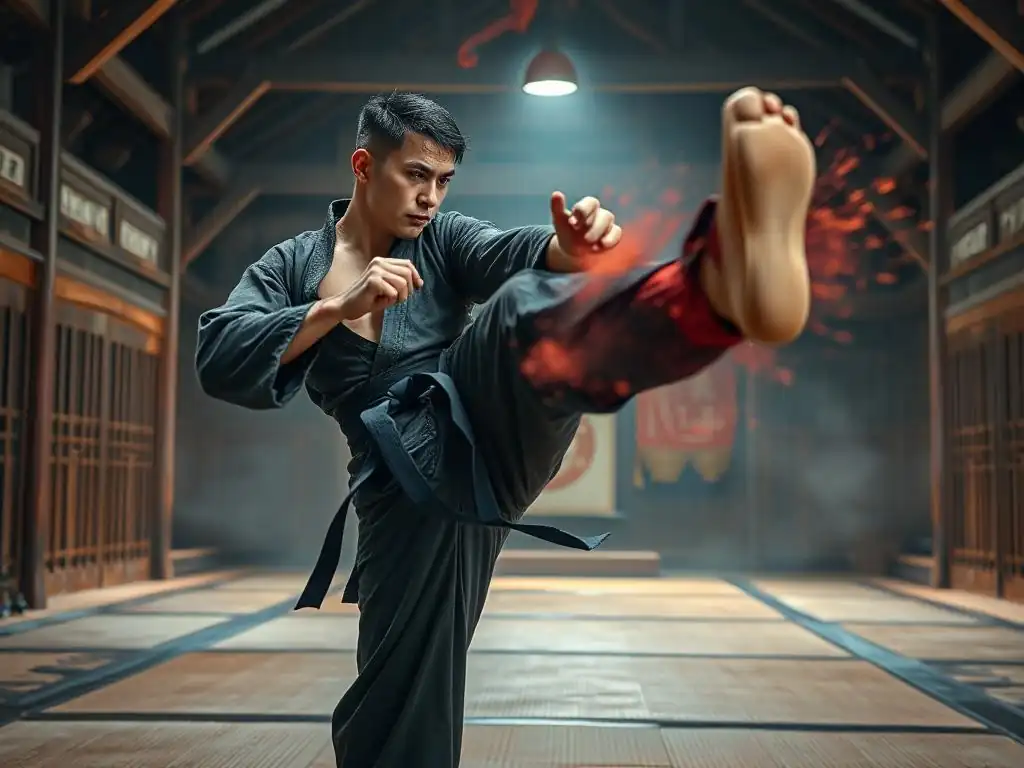
Welcome to Martial Arts Mastery, your gateway to unlocking the secrets of combat, discipline, and self-discovery. Ever wondered how legendary martial artists prepare their bodies for peak performance and minimize the risk of injury? Dive into "Igniting Performance: The Critical Role of WarmUps in Martial Arts Injury Prevention" and discover essential martial arts warmup techniques that will revolutionize your training, enhance your power, and safeguard your well-being. Prepare to elevate your practice and master the art of preparation.
- Optimizing Performance: The Crucial Role of Warm-Ups in Martial Arts Injury Prevention
- Introduction: The Importance of Martial Arts Warm-Up Routines
- Understanding the Science Behind Effective Martial Arts Warm-Ups
-
Key Components of a Comprehensive Martial Arts Warm-Up
- Dynamic Stretching: Preparing the Body for Martial Arts Movements
- Cardiovascular Activation: Raising Core Temperature for Enhanced Performance
- Joint Mobilization: Increasing Range of Motion and Preventing Stiffness
- Sport-Specific Drills: Simulating Martial Arts Techniques in a Controlled Environment
- Martial Arts Warm-Up Techniques: A Practical Guide
- Common Mistakes to Avoid During Martial Arts Warm-Ups
- Tailoring Your Warm-Up to Your Martial Arts Style and Individual Needs
- Monitoring and Evaluating Your Warm-Up Effectiveness
- Conclusion: Optimizing Your Martial Arts Performance Through Proper Warm-Up
-
Frequently Asked Questions
- What is the primary purpose of martial arts warmup techniques?
- How do warmup techniques specifically help prevent injuries in martial arts?
- What are some examples of effective martial arts warmup exercises?
- How long should a typical martial arts warmup last?
- Should warmup techniques be tailored to the specific martial arts discipline being practiced?
- Final Reflection: Embracing Preparation, Ensuring Longevity
- Unleash Your Potential: Master the Warm-Up!
Optimizing Performance: The Crucial Role of Warm-Ups in Martial Arts Injury Prevention
Introduction: The Importance of Martial Arts Warm-Up Routines
Why Warm-Ups are Essential for Martial Arts Training
Engaging in martial arts training, whether it's Karate, Judo, Taekwondo, or Brazilian Jiu-Jitsu, demands significant physical exertion and puts unique stresses on the body. Muscles, tendons, and ligaments need to be prepared for the dynamic movements, sudden impacts, and intense bursts of energy inherent in these disciplines. A proper martial arts warmup is not merely a suggestion; it's a fundamental requirement for safe and effective practice.
Skipping this crucial phase leaves the body cold, stiff, and significantly more susceptible to sprains, strains, and other acute injuries that can sideline practitioners for weeks or months. Think of it as preparing an engine before putting it under heavy load – without proper lubrication and temperature, performance suffers and damage is likely.
Furthermore, consistency in martial arts training is key to progress. Injuries are perhaps the single biggest barrier to this consistency. A study involving martial arts practitioners, while varying in specific figures across disciplines, often indicates that a substantial percentage of training-related injuries occur when the body is not adequately prepared.
For instance, some surveys suggest that muscle strains and ligament sprains account for a significant portion, perhaps around 40-60%, of common martial arts injuries. Implementing effective martial arts warmup techniques is a proactive step that directly combats this risk, allowing practitioners to train more frequently, more intensely, and ultimately, more safely towards achieving their goals.
The Link Between Warm-Ups and Injury Reduction in Martial Arts
The scientific evidence strongly supports the correlation between pre-exercise warm-ups and a reduced risk of musculoskeletal injuries. By gradually increasing heart rate and blood flow to the muscles, a proper martial arts warmup enhances tissue elasticity and pliability. This makes muscles and connective tissues less likely to tear or overstretch during sudden, powerful movements like high kicks, throws, or grappling exchanges. Consider the difference between stretching a cold rubber band versus a warm one; the warm one stretches much further before reaching its breaking point. This principle applies directly to the body's tissues during martial arts activity.
Specific studies, though varying in methodology and scope, consistently show a decrease in injury rates among athletes who consistently perform dynamic warm-ups compared to those who do not. While precise figures for martial arts are still emerging, broader sports science literature provides strong indicators.
For example, research in sports with similar demands for explosive movement and joint stability, such as soccer or basketball, has demonstrated reductions in hamstring strains or ankle sprains by approximately 30-50% through the implementation of structured warm-up protocols. Applying these principles through tailored martial arts warmup techniques directly translates to a safer training environment for practitioners of all levels.
Understanding the Science Behind Effective Martial Arts Warm-Ups
Physiological Benefits of Pre-Training Warm-Ups for Martial Artists
The physiological changes induced by a proper martial arts warmup are numerous and directly contribute to enhanced performance and injury prevention. As you begin to move, your heart rate increases, pumping more oxygenated blood to the working muscles. This increased blood flow not only delivers vital nutrients but also elevates muscle temperature. Warmer muscles are more pliable, meaning they can contract and relax more efficiently and with less resistance. This improved muscle function reduces the likelihood of strains during dynamic actions common in martial arts, such as explosive pivots, rapid strikes, or forceful grappling maneuvers.
Furthermore, the elevation in core body temperature and muscle temperature lowers the viscosity of synovial fluid within the joints. This fluid acts as a lubricant, reducing friction and allowing for smoother, more efficient movement across the full range of motion. This is particularly critical in martial arts where joints like knees, hips, shoulders, and ankles are subjected to repetitive stress and sudden, extreme angles. An effective martial arts warmup prepares these joints, enhancing their resilience and reducing the risk of sprains, dislocations, or long-term wear and tear.
How Warm-Ups Improve Flexibility, Mobility, and Blood Flow for Optimal Performance
Improved flexibility and mobility are direct outcomes of a well-executed martial arts warmup, and they are paramount for executing techniques correctly and powerfully. Dynamic movements, which are characteristic of effective martial arts warmup techniques, actively take joints and muscles through their range of motion. This process gently elongates muscle fibers and connective tissues, improving their ability to stretch without injury during training. Unlike static stretching held for prolonged periods before activity, dynamic warm-ups prepare the body for movement by moving. This allows for deeper stances, higher kicks, more fluid joint locks, and better evasive footwork.
The increase in blood flow is another critical factor. As mentioned, more blood means more oxygen and nutrients delivered to the muscles, and faster removal of metabolic waste products. This not only aids performance during the session by delaying the onset of fatigue but also supports the immediate recovery process.
Enhanced blood flow also improves nerve conduction velocity, meaning signals from the brain reach the muscles faster, leading to quicker reaction times and more coordinated movements – essential attributes in any martial art. Implementing varied martial arts warmup techniques ensures comprehensive preparation across all major muscle groups and joint systems.
The Neuromuscular Activation Aspect of Martial Arts Warm-Up Exercises
Beyond the physiological benefits, a key function of a martial arts warmup is neuromuscular activation. This involves 'waking up' the nervous system and improving the communication pathways between the brain and the muscles. Activities like light sport-specific drills or controlled movements that mimic techniques help to prime the motor units responsible for coordinated movement. This improves proprioception – the body's awareness of its position in space – and prepares the neuromuscular system for the rapid firing patterns required for striking, blocking, throwing, or grappling.
Effective neuromuscular activation through dedicated martial arts warmup techniques leads to improved balance, agility, and power output. For example, performing light, controlled kicks during a Karate warm-up primes the hip flexors, quadriceps, and hamstrings, as well as the core stabilizers, for the more powerful and dynamic kicks to come. Similarly, gentle breakfalls and rolls in a Judo or BJJ warm-up activate the muscles and reflexes needed for safe landings and transitions on the ground. This preparatory phase significantly reduces the risk of injuries that occur due to poor coordination, imbalance, or slow reaction times.
Key Components of a Comprehensive Martial Arts Warm-Up
Dynamic Stretching: Preparing the Body for Martial Arts Movements
Dynamic stretching is a cornerstone of effective martial arts warmup techniques. Unlike static stretching where a position is held for a period, dynamic stretching involves controlled, fluid movements that take the joints and muscles through their full range of motion. Examples include leg swings (forward, backward, sideways), arm circles, torso twists, and walking lunges with a twist. These movements gradually increase muscle temperature and elasticity while simultaneously improving joint mobility and preparing the body for the specific movement patterns it will encounter during training.
Incorporating dynamic stretches that mimic martial arts movements is particularly beneficial. For a Taekwondo practitioner, this might involve controlled, low-level chambering and extension of the leg. For a BJJ student, it could be hip escapes or bridging movements. The goal is to gradually increase the range and speed of these movements as the body warms up. Research comparing dynamic vs. static stretching before activity often shows that dynamic warm-ups can maintain or even slightly improve power output, whereas static stretching before exercise might temporarily decrease it, making dynamic methods superior for preparing for the explosive nature of martial arts.
Cardiovascular Activation: Raising Core Temperature for Enhanced Performance
Raising the body's core temperature is a primary objective of any martial arts warmup. This is achieved through light to moderate cardiovascular activity. Activities like jogging in place, jumping jacks, skipping rope, or light shadow boxing serve this purpose effectively. The goal is to get the blood pumping and the body warm, but without causing fatigue. You should break a light sweat and feel your heart rate slightly elevated, but still be able to hold a conversation easily.
This initial phase, typically lasting 5-10 minutes depending on the total warm-up time, ensures that blood flow is increased throughout the major muscle groups. It also helps to mentally transition into training mode. The slightly elevated heart rate and respiration prepare the cardiovascular system for the more intense demands of sparring, drilling, or conditioning later in the session. Consistent inclusion of this element in your martial arts warmup techniques is vital for systemic preparation.
Joint Mobilization: Increasing Range of Motion and Preventing Stiffness
Joint mobilization exercises are crucial for preparing the complex joint structures for the demands of martial arts. These are gentle, controlled movements designed to lubricate the joints and increase their range of motion. Examples include neck rotations, shoulder rolls, wrist circles, elbow circles, hip circles, knee circles (small, controlled), and ankle rotations. These should be performed smoothly and deliberately, focusing on the movement itself rather than pushing to an extreme range.
Stiff joints are highly susceptible to sprains and strains, especially during rapid changes in direction or unexpected impacts. By gently moving the joints through their natural range, you stimulate the production and distribution of synovial fluid, reducing friction and improving joint health over time. Incorporating these specific joint-focused movements into your martial arts warmup routine helps ensure that the intricate network of ligaments and tendons around each joint is ready for action, minimizing the risk of debilitating joint injuries.
Sport-Specific Drills: Simulating Martial Arts Techniques in a Controlled Environment
The final component of a comprehensive martial arts warmup involves sport-specific drills performed at low intensity. This phase bridges the gap between general physical preparation and the specific demands of your chosen discipline. For a striking art like Muay Thai, this might involve slow, controlled punches and kicks, focusing on technique and balance rather than power. For a grappling art like Wrestling, it could be light sprawls, penetration steps, or positional movements without resistance.
These drills serve multiple purposes: they further activate the specific muscles and movement patterns used in your art, improve neuromuscular coordination for those particular actions, and mentally prepare you for the techniques you will be practicing. Performing these drills as part of your martial arts warmup allows you to rehearse fundamental movements and refine technique at a speed where errors are less likely to cause injury, ensuring you are physically and mentally ready for the main training session.
Martial Arts Warm-Up Techniques: A Practical Guide
Sample Warm-Up Routine for Karate
A typical Karate martial arts warmup focuses on preparing the lower body for stances and kicks, and the upper body for blocks and strikes, emphasizing mobility and controlled power generation.
Focus on Shoulder Mobility and Leg Flexibility
Start with light cardio like jogging in place or skipping for 5-7 minutes. Follow with dynamic stretches focusing on shoulder mobility: arm circles (forward and backward, small to large), cross-body arm swings, and shoulder rotations. Then, move to leg flexibility: leg swings (forward/backward, side-to-side) ensuring a controlled swing without forcing the range, hip circles, and gentle walking lunges. For example, performing 15-20 controlled leg swings in each direction per leg and 10-15 arm circles in each direction helps prepare the major joints for the dynamic movements of kata and kumite.
Incorporating Punches and Kicks into the Warm-Up
After mobility, incorporate light, controlled technique drills. Begin with basic stances (e.g., Zenkutsu Dachi, Kokutsu Dachi) and practice transitioning between them slowly, focusing on hip movement. Add light, non-committal punches ( Oi Tsuki, Gyaku Tsuki) focusing on form and body mechanics, not speed or power. Follow with simple kicks ( Mae Geri, Mawashi Geri) performed slowly and low, emphasizing chambering and extension, perhaps 10-15 repetitions per leg. This phase of the martial arts warmup techniques primes the muscles and nervous system for the specific actions of Karate, ensuring coordination and balance are engaged early.
Sample Warm-Up Routine for Brazilian Jiu-Jitsu
A BJJ martial arts warmup prioritizes spinal and hip mobility, ground movement proficiency, and preparing the body for close-contact grappling.
Emphasis on Neck and Spinal Mobility
Begin with 5-7 minutes of light cardio like shuffling or wrestling stance movements. Transition to specific joint mobility, with a strong emphasis on the neck and spine, crucial for grappling. Perform gentle neck rolls (forward, backward, side-to-side, avoiding full circles initially if sensitive), spinal twists (seated or standing), cat-cow stretches on hands and knees, and bridge hold mobilizations. Actively engaging these areas in the martial arts warmup prepares them for the twists, turns, and pressures experienced during rolls and sparring.
Ground Movement Drills for Grapplers
The bulk of a BJJ martial arts warmup should involve ground-based movements that mimic grappling scenarios. Examples include hip escapes ( shrimping), bridging, breakfalls (starting gently), positional drills like closed guard hip movements, or knee-on-belly transitions performed slowly. Spending 10-15 minutes on various ground movements – perhaps 20-30 hip escapes on each side, 10-15 bridges, and practicing safe breakfalls – effectively activates the core, hips, and shoulders. These specific martial arts warmup techniques are vital for developing the body mechanics necessary for efficient and safe grappling.
Sample Warm-Up Routine for Escrima
Escrima (or Kali/Arnis) warm-ups focus on wrist, forearm, and shoulder mobility, as well as coordination and footwork, often incorporating stick or weapon movements from the start.
Wrist and Forearm Strengthening Exercises
Start with light cardio like stepping drills or shuffling for 5 minutes. Move to wrist and forearm preparation, essential for weapon handling. Perform wrist circles (both directions), figure-eights with the wrists, and gentle forearm rotations. Using light training sticks (or even just hands) for initial movements can add resistance. Exercises like slow, controlled stick twirling or rotational patterns help activate the smaller stabilizing muscles in the hand, wrist, and forearm. Completing 20-30 repetitions of various wrist movements in each direction ensures these critical areas are ready for the repetitive, high-speed actions of Escrima.
Coordination Drills with Sticks
Integrate basic Escrima movement patterns into the martial arts warmup, starting slowly and without power. Practice fundamental striking angles (e.g., Angle 1, Angle 2, etc.) with light sticks or empty hands, focusing on fluidity and coordination between hand movement and footwork. Simple flow drills, like Heaven Six or Earth Six, performed slowly and deliberately, help synchronize body movements. Spending 10-15 minutes rehearsing these foundational patterns as part of the martial arts warmup techniques improves muscle memory and prepares the body for faster, more complex sequences and partner drills.
Common Mistakes to Avoid During Martial Arts Warm-Ups
Skipping the Warm-Up Altogether: The Biggest Error
The most detrimental mistake any martial artist can make is deciding their martial arts warmup is optional or unnecessary. The temptation to jump straight into sparring, drilling, or conditioning, especially when time is limited, is strong. However, this drastically increases the risk of injury. Muscles and connective tissues are stiff and less elastic when cold, making them highly susceptible to tears and sprains under sudden load or impact. A study might show, for example, that athletes who skip warm-ups have a two-to-three times higher risk of acute muscle injury compared to those who warm up properly.
Ignoring the warm-up also means you are not mentally prepared for the session. Martial arts require focus, coordination, and quick decision-making. A proper martial arts warmup helps transition your mind from daily activities to the demands of the dojo or mat. Without this mental preparation, reaction times can be slower, and awareness lower, further increasing the chances of accidents or errors that lead to injury. Prioritizing even a short, effective warm-up is a non-negotiable part of safe training.
Static Stretching Before Training: Why It Can Be Detrimental
While static stretching (holding a stretch for 20-30 seconds) has its place in a flexibility program, performing it extensively before a martial arts training session is generally not recommended as part of the primary martial arts warmup. Research suggests that prolonged static stretching can temporarily decrease muscle power output and may reduce the stiffness needed for explosive movements. Imagine trying to generate maximum force with a muscle that has just been held in an elongated position; its ability to contract rapidly and powerfully can be inhibited.
Instead, static stretching is better performed after training, when the muscles are warm and pliable, or as a separate flexibility session. The goal of a pre-training martial arts warmup is to prepare the body for dynamic action, not to achieve maximal stretch range in a static hold. Focusing on dynamic movements, joint mobility, and sport-specific drills is a more effective strategy for priming the body for the demands of martial arts.
Neglecting Specific Muscle Groups: Ensuring Full-Body Preparation
A common oversight in a martial arts warmup is focusing only on the most obvious muscle groups while neglecting others that are equally important for overall performance and injury prevention. For instance, a striker might focus heavily on leg and hip warm-ups for kicks but neglect shoulder and wrist mobility essential for powerful and safe punching or blocking. A grappler might prioritize neck and back but forget the importance of ankle and knee preparation for transitions and takedowns.
Effective martial arts warmup techniques should address the entire kinetic chain involved in your art. This means including movements that mobilize major joints from head to toe and activate muscles in the core, hips, shoulders, and extremities. Failing to warm up a specific, seemingly less critical area can create a weak link that becomes vulnerable under stress. A comprehensive approach ensures that the entire body is prepared to work synergistically, reducing the likelihood of compensatory injuries.
Overdoing the Warm-Up: Finding the Right Balance
While skipping the warm-up is detrimental, it's also possible to overdo it. A martial arts warmup should prepare the body for the main session, not exhaust it. Spending too long on intense cardio or performing too many high-impact drills can lead to fatigue before the actual training even begins. This fatigue can negatively impact performance, technique, focus, and actually increase the risk of injury during the main part of the class or practice.
The ideal duration and intensity of a martial arts warmup vary depending on the individual, the environment (e.g., cold vs. warm dojo), and the planned intensity of the session. Generally, 10-20 minutes is sufficient for most martial arts training sessions. The goal is to feel warm, loose, and mentally alert, not out of breath or physically drained. Pay attention to how your body feels and adjust the length and intensity of your martial arts warmup techniques accordingly.
Tailoring Your Warm-Up to Your Martial Arts Style and Individual Needs
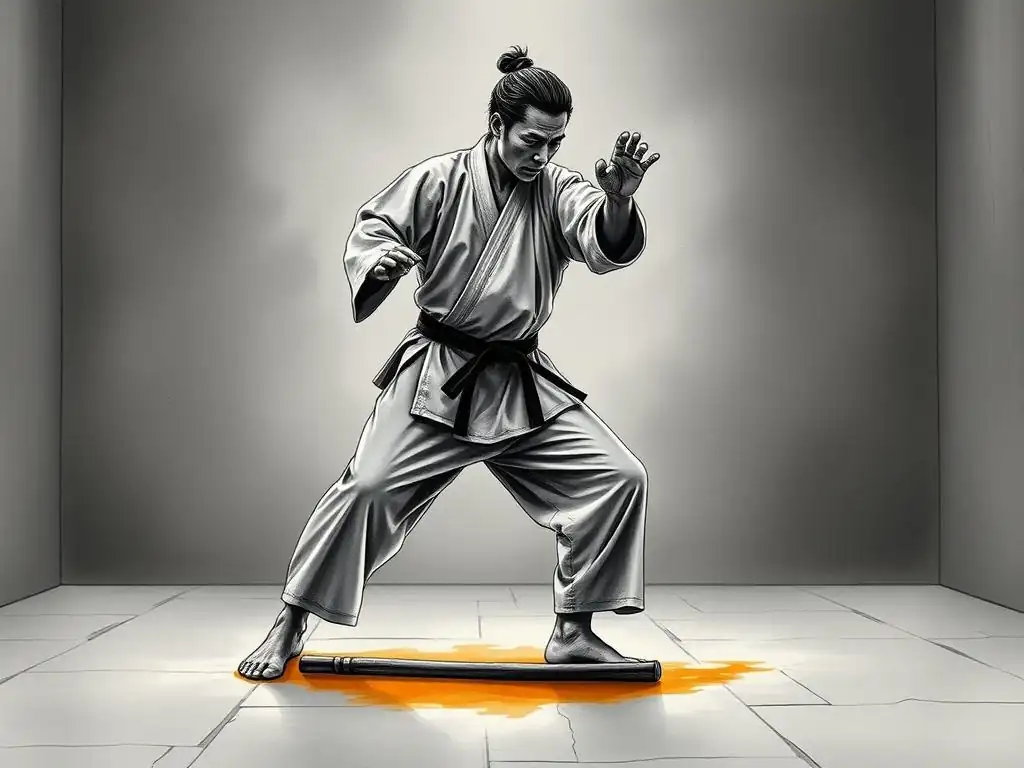
Considering Your Skill Level and Experience
Your experience level in martial arts should influence the complexity and intensity of your martial arts warmup techniques. Beginners may need more time focusing on fundamental movements and joint mobility to build body awareness and coordination. Their warm-ups might be simpler, focusing on mastering basic dynamic stretches and gentle technique rehearsals. An experienced practitioner, with years of movement patterns ingrained, might incorporate more complex, sport-specific drills or higher-intensity movements earlier in their warm-up, as their body is more accustomed to the demands.
Furthermore, advanced students might be working on higher-risk techniques (e.g., complex throws, flying kicks, high-speed sparring) that require a more thorough and specific preparation of the involved joints and muscles. Tailoring the martial arts warmup ensures that the preparatory phase is appropriate for the individual's physical literacy and the technical demands they will face, reducing the risk of injury associated with attempting movements without adequate preparation.
Adapting Warm-Ups for Age and Physical Condition
Age and current physical condition are significant factors when designing a martial arts warmup. Older practitioners or those with pre-existing conditions (e.g., joint issues, past injuries) may need a longer, more gradual warm-up period. They might benefit from more emphasis on low-impact joint mobility and gentle dynamic stretching. High-impact or ballistic movements should be introduced cautiously, if at all, and always after the body is thoroughly warmed.
Conversely, younger, highly conditioned athletes might require a shorter cardiovascular component but can immediately engage in more vigorous dynamic movements and sport-specific drills. Listening to your body is paramount, regardless of age or condition. A martial arts warmup should never cause pain. If a particular movement feels uncomfortable, modify it or omit it and consult with your instructor or a healthcare professional. Adapting your martial arts warmup techniques ensures safety and longevity in your practice.
Adjusting Warm-Ups Based on the Intensity of the Training Session
The nature of the upcoming training session should dictate the intensity and focus of your martial arts warmup. A light technique class focusing on basic movements will require a less intense warm-up than a sparring session or a conditioning circuit. If you are about to engage in high-impact activities, explosive movements, or intense grappling, your warm-up needs to be more thorough, gradually building intensity to prepare the body for the peak demands.
For example, preparing for a heavy sparring session might involve longer cardio, more dynamic stretches that replicate sparring movements (like feints, level changes, or quick pivots), and perhaps some light pad work or grappling drills with a partner at low resistance. For a kata or forms practice, the warm-up might focus more on flexibility through range of motion and smooth transitions. Adjusting your martial arts warmup techniques based on the training objective ensures optimal physical and mental readiness.
Monitoring and Evaluating Your Warm-Up Effectiveness
Listening to Your Body: Recognizing Signs of Fatigue or Discomfort
Paying close attention to your body's signals during and after your martial arts warmup is crucial for its effectiveness and safety. The warm-up should leave you feeling warmer, looser, and more ready to move, but not tired or strained. If you feel any sharp pain, excessive discomfort, or undue fatigue during a warm-up exercise, stop immediately. This could indicate that the movement is not suitable for you, or that you are pushing too hard.
Learning to differentiate between the feeling of muscles warming up and potential injury is a skill developed over time. A proper martial arts warmup should feel invigorating, not draining. If you consistently finish your warm-up feeling tired, it's likely too long or too intense. Conversely, if you still feel stiff or cold after the warm-up, it wasn't sufficient. Regularly checking in with your body helps you refine your martial arts warmup techniques for optimal results.
Tracking Improvements in Flexibility and Mobility
One way to evaluate the long-term effectiveness of your martial arts warmup routine is to monitor improvements in your flexibility and mobility over time. Are your stances getting deeper? Are your kicks reaching higher with less effort? Is your range of motion in joint locks improving? While overall training contributes to this, a consistent and effective warm-up plays a significant role in safely increasing your usable range of motion.
Consider keeping a simple training journal where you note how you feel during and after your warm-up, and track specific mobility benchmarks (e.g., how close your chest gets to your leg in a forward bend after warming up, or your range of motion in hip rotations). Seeing gradual improvements can affirm that your martial arts warmup techniques are contributing positively to your physical capabilities and injury resilience.
Seeking Guidance from Qualified Martial Arts Instructors
Your martial arts instructor is an invaluable resource for developing and refining your martial arts warmup techniques. They understand the specific physical demands of your chosen discipline and can recommend exercises tailored to those needs. They can also observe your form during warm-up drills and provide corrections to ensure you are performing them safely and effectively.
Don't hesitate to ask your instructor for advice on structuring your warm-up, modifying exercises for injuries or limitations, or increasing the intensity as you progress. A good instructor can help you identify areas that need more attention in your warm-up based on your technique and movement patterns. Leveraging their expertise ensures your martial arts warmup is not only effective but also aligned with the specific requirements and philosophy of your martial art.
Conclusion: Optimizing Your Martial Arts Performance Through Proper Warm-Up
The Long-Term Benefits of Consistent Warm-Up Practices
Embracing a consistent and comprehensive martial arts warmup routine is an investment in your long-term participation and success in martial arts. Beyond the immediate reduction in injury risk for a single training session, regular warm-ups contribute to improved overall physical preparedness. They enhance muscle elasticity, joint health, and neuromuscular efficiency over time. This sustained improvement in physical capacity allows for more consistent training, which is the bedrock of skill development and advancement in any martial art.
Practitioners who prioritize their martial arts warmup are often able to train more frequently and intensely over their martial arts journey, experiencing fewer interruptions due to preventable injuries. This consistency leads to faster progress, deeper understanding of techniques, and ultimately, a higher level of mastery. The cumulative effect of daily preparation compounds over years, resulting in a more resilient body and a more effective martial artist.
Investing in Your Body for a Sustainable Martial Arts Journey
Viewing the martial arts warmup not as a chore but as a vital investment in your body is key to a sustainable and fulfilling martial arts journey. Your body is your primary tool in martial arts, and just like any valuable tool, it requires proper maintenance and preparation before use. Dedicating 10-20 minutes to warming up before each session is a small price to pay for the benefits of reduced injury risk, improved performance, and enhanced longevity in your training.
By diligently applying effective martial arts warmup techniques, you are actively working to prevent common training setbacks. This allows you to spend more time learning, practicing, and enjoying your chosen discipline, rather than recovering from injuries. Make the martial arts warmup an integral, non-negotiable part of your training ritual, and you will reap the rewards through safer, more effective, and more consistent progress on your path to martial arts mastery.
Frequently Asked Questions
What is the primary purpose of martial arts warmup techniques?
The primary purpose is to prepare the body for the physical demands of training, reducing the risk of injury and enhancing performance.
How do warmup techniques specifically help prevent injuries in martial arts?
Warmups increase muscle elasticity, improve joint mobility, and elevate body temperature, making the body more resilient to the stresses of martial arts practice.
What are some examples of effective martial arts warmup exercises?
Examples include dynamic stretching, such as leg swings and arm circles, light cardio, like jogging or jumping jacks, and joint mobility drills, focusing on range of motion.
How long should a typical martial arts warmup last?
A good warmup should last approximately 10-15 minutes, ensuring all major muscle groups are engaged and the body is adequately prepared for activity.
Should warmup techniques be tailored to the specific martial arts discipline being practiced?
Yes, warmups should ideally be tailored to the specific movements and muscle groups used in the martial arts style, such as focusing on kicking muscles for Taekwondo.
Final Reflection: Embracing Preparation, Ensuring Longevity
The principles outlined in this exploration of martial arts warm-up techniques are not merely academic exercises; they are essential investments in the longevity and vitality of every practitioner. In a world where the pursuit of skill and power often overshadows the importance of foundational preparation, remembering the critical role of a comprehensive warm-up is more vital than ever.
The impact of consistent and effective warm-up routines extends far beyond the immediate benefits of increased flexibility and reduced injury risk. It fosters a deeper connection with our bodies, cultivates mindfulness, and instills a respect for the physical demands of martial arts. This mindful approach is crucial, as the legendary Bruce Lee wisely stated: Absorb what is useful, discard what is not, add what is uniquely your own.
This quote reminds us to adapt and personalize our warm-up routines, ensuring they cater to our individual needs and goals.
Now, consider how you can integrate these insights into your own training regimen. Take a moment to reflect on your current warm-up practices. Are they truly preparing you for the challenges ahead, or are they merely a perfunctory ritual? Embrace the power of intentional preparation, and you will not only enhance your performance but also safeguard your body, allowing you to continue pursuing your martial arts journey for years to come.
Unleash Your Potential: Master the Warm-Up!
Thank you for diving into the essentials of injury prevention and performance enhancement through proper warm-ups. Now, let's turn this knowledge into action and elevate your martial arts practice!
Here's how you can start:
- Prioritize Dynamic Stretching: Immediately incorporate at least 10 minutes of dynamic stretches into your pre-training routine, focusing on movements relevant to your specific martial art.
- Share this article with your training partners and discuss how you can collectively improve your warm-up practices.
- Experiment with different warm-up sequences to discover what works best for your body and training style.
What specific warm-up drill are you excited to implement in your next session to unlock a new level of performance?