
SingleLeg Plyometrics: Forging Unilateral Power and Balance in Martial Arts

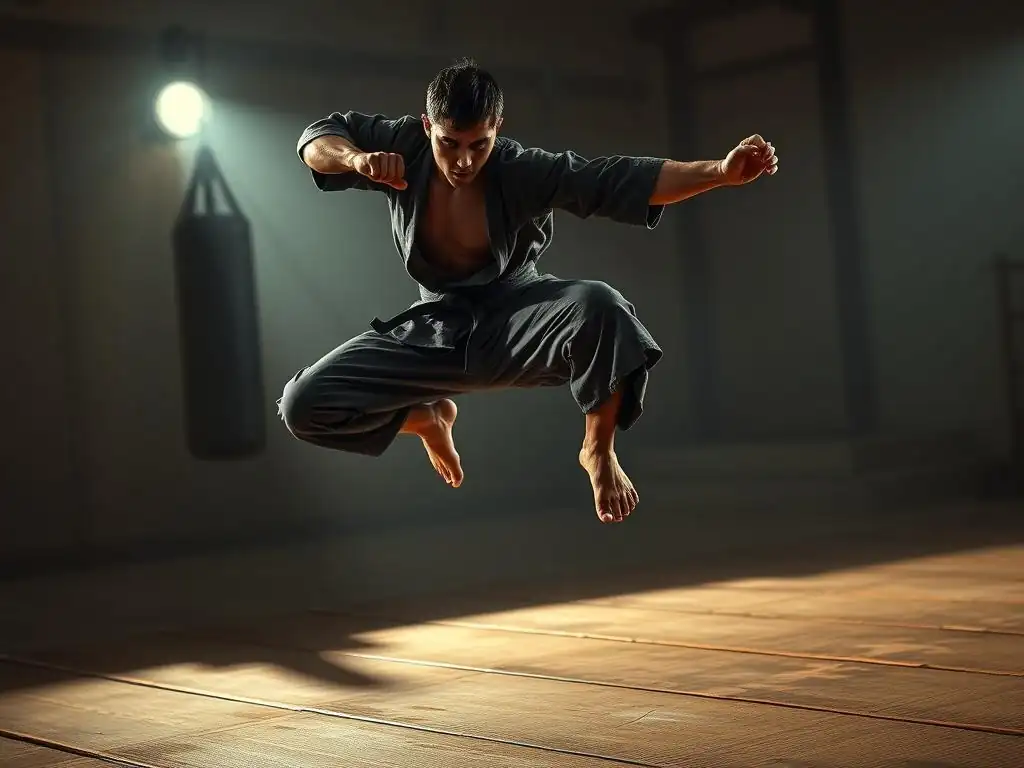
Welcome to Martial Arts Mastery, your gateway to unlocking the secrets of combat disciplines worldwide!
Are you ready to explode with power and achieve unparalleled balance? This article dives deep into the world of unilateral plyometrics martial arts, revealing how single-leg exercises can revolutionize your training. Discover the science behind this dynamic approach and learn how to integrate it into your regimen to forge the strength and agility of a true martial artist. Intrigued? Read on to unleash your full potential!
Warm-up and Preparation for Plyometric Training
Before engaging in any form of unilateral plyometrics for martial arts, a thorough and specific warm-up is non-negotiable. The primary goal is to elevate core body temperature, increase blood flow to the muscles, and prepare the nervous system for the high-intensity, rapid movements involved in explosive unilateral actions. A dynamic warm-up, lasting typically 10-15 minutes, focusing on mobility and activation of the muscles that will be heavily utilized – particularly the ankles, knees, hips, and core – is crucial.
This preparatory phase helps improve joint range of motion necessary for proper landing mechanics and takeoff power, while also activating stabilizing muscles essential for maintaining balance during single-leg movements. Neglecting this step significantly increases the risk of strains, sprains, or more serious injuries, undermining the very benefits sought from unilateral plyometrics martial arts training.
A structured warm-up for unilateral plyometrics should progress from general movements to more specific drills that mimic the actions of the exercises to follow, but at a lower intensity. Start with light cardio like jogging or skipping for 5 minutes to raise body temperature. Follow this with dynamic stretching, including exercises such as leg swings (forward-backward and side-to-side), hip circles, torso twists, and ankle rotations.
Then, incorporate activation exercises like glute bridges, bird-dogs, and bodyweight squats or lunges to engage the core and lower body muscles. Finally, perform a few sets of very low-intensity jumps or hops, starting bilaterally and then moving to light, controlled single-leg hops in place, focusing purely on technique and landing softly. This progressive approach ensures that the muscles and nervous system are adequately primed for the explosive demands of unilateral plyometrics, enhancing performance and significantly mitigating injury risk during your martial arts practice.
- What exactly are unilateral plyometrics* in the context of martial arts?
- Why are single-leg plyometrics so beneficial for martial artists?
- What are some examples of unilateral plyometric exercises suitable for martial arts training?
- How often should I incorporate unilateral plyometrics into my martial arts training routine?
- What precautions should I take when starting with single-leg plyometric exercises?
Frequently Asked Questions
What exactly are unilateral plyometrics* in the context of martial arts?
Unilateral plyometrics are explosive exercises performed on one leg, designed to improve power, balance, and agility. They are crucial for developing the ability to generate force and maintain stability during dynamic movements in martial arts.
Why are single-leg plyometrics so beneficial for martial artists?
They enhance unilateral strength, which is essential for techniques like kicking, lunging, and single-leg takedowns. They also dramatically improve balance and proprioception, reducing the risk of injury.
What are some examples of unilateral plyometric exercises suitable for martial arts training?
Examples include single-leg hops, lateral bounding, and depth jumps performed on one leg. These exercises mimic the explosive and dynamic movements used in various martial arts.
How often should I incorporate unilateral plyometrics into my martial arts training routine?
Begin with 2-3 sessions per week, allowing for adequate recovery between sessions. Gradually increase the intensity and volume as your strength and balance improve, always listening to your body.
What precautions should I take when starting with single-leg plyometric exercises?
Prioritize proper warm-up and ensure you have a solid foundation of strength and balance before attempting advanced exercises. Focus on landing softly and maintaining control throughout each movement to minimize the risk of injury.
Final Reflection: Mastering Balance, Unleashing Power
The journey through single-leg plyometrics reveals more than just exercises; it unveils a pathway to unilateral mastery, a crucial element often overlooked in martial arts training. While bilateral movements build raw strength, the ability to generate power and maintain balance on a single leg translates directly to the dynamic and unpredictable nature of combat, offering a significant advantage in agility, striking, and defensive maneuvers.
This focus on unilateral training has profoundly shaped, and continues to shape, the way martial artists approach their physical conditioning. It's about more than just jumping; it's about cultivating a deep understanding of body mechanics and proprioception, leading to a more intuitive and responsive fighting style. The art of fighting is the art of moving.
- Masaaki Hatsumi, highlighting the fundamental connection between movement and martial prowess.
Now, consider how you can integrate these principles into your own training regimen. Embrace the challenge of single-leg plyometrics, not just as a workout, but as a pathway to unlocking your full potential. Cultivate that unilateral power and balance, and watch as it transforms your movements, your reactions, and ultimately, your martial arts journey.
Ignite Your Martial Arts Edge: Embrace Single-Leg Mastery Now!
Thank you for exploring the power of single-leg plyometrics! We hope this article has sparked a new understanding of how to enhance your balance and explosive power. Now, it's time to put that knowledge into action and elevate your martial arts performance.
Here's how you can get started:
- Immediately integrate one new single-leg plyometric exercise into your next training session. Focus on proper form and controlled movements to maximize benefits and prevent injury.
- Challenge a training partner to a single-leg balance contest and incorporate dynamic plyometric movements into your friendly competition. Track your improvements over time!
- Share this article with your martial arts community and discuss how you can collectively improve your unilateral power and balance.
Ready to unlock your full potential and dominate your next sparring session?