
Trajectory Control: The Science of Guiding Your Strike to the Mark

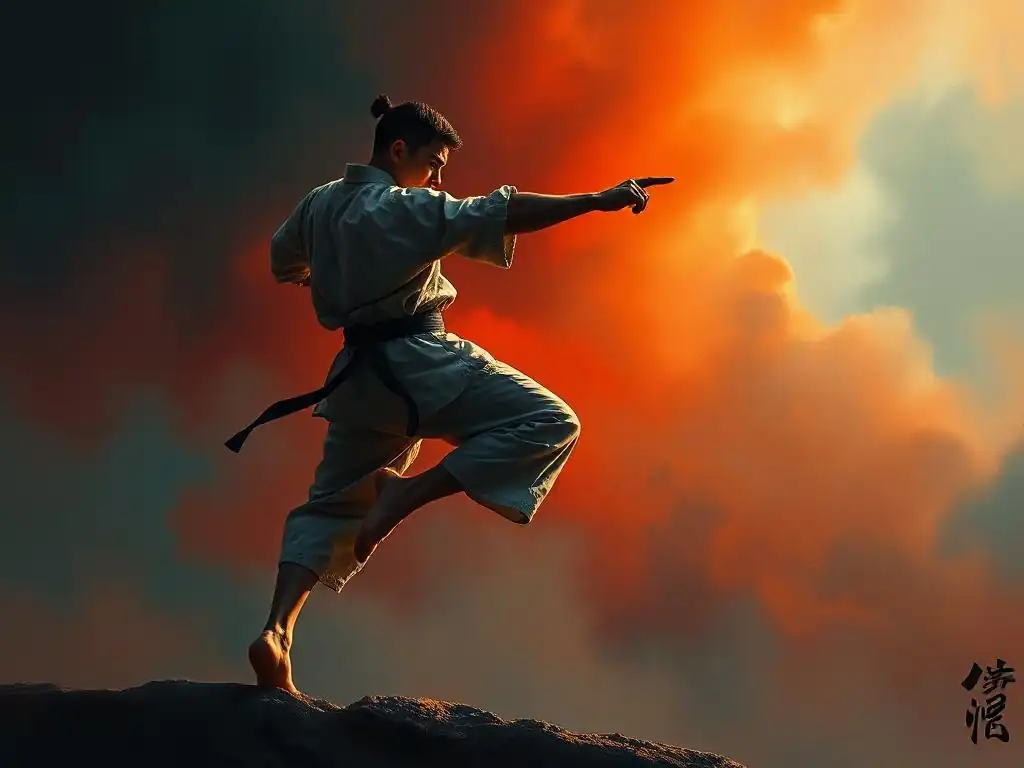
Welcome to Martial Arts Mastery, where we delve into the profound depths of combat disciplines from around the world. Ever wondered how a seemingly effortless strike can land with pinpoint accuracy? Today, we unlock the secrets of precision strike trajectory guidance techniques. Prepare to explore the science behind hitting your mark and elevate your training to a whole new level. Let's begin!
- Introduction: Mastering Precision Strike Trajectory Guidance in Martial Arts
- Biomechanical Principles of Strike Trajectory
- Precision Strike Trajectory Guidance Techniques: A Deep Dive
- Training Drills for Enhanced Trajectory Control
- Mental Aspects of Strike Trajectory: Focus and Intent
- Advanced Concepts in Trajectory Manipulation
- Case Studies: Legendary Martial Artists and Their Trajectory Control
- Common Mistakes and How to Correct Them
- The Future of Trajectory Control in Martial Arts
- Conclusion: Achieving Mastery Through Precision Strike Trajectory Guidance
-
Frequently Asked Questions
- What exactly are precision strike trajectory guidance techniques in martial arts?
- Why is mastering trajectory control so important for martial artists?
- How does understanding the history of martial arts inform modern trajectory guidance techniques?
- What role does the philosophical underpinning of martial arts play in developing precision strike trajectories?
- What are some practical self-defense strategies that rely heavily on precision strike trajectory guidance techniques?
- Final Reflection: Mastering the Art of Precision
- Unleash Your Inner Accuracy: Refine Your Strike Today!
Introduction: Mastering Precision Strike Trajectory Guidance in Martial Arts
The Importance of Precise Striking in Martial Arts Mastery
In the complex world of martial arts, the difference between a successful technique and a missed opportunity often lies in the precision of a strike's trajectory. While brute force can certainly cause damage, it is the ability to accurately guide a strike to its intended target that defines true mastery and effectiveness. A precise strike conserves energy, exploits vulnerabilities, and minimizes the chance of leaving oneself exposed.
For instance, in disciplines like Karate or Taekwondo, a difference of mere inches in the path of a punch or kick can mean the difference between hitting a vital point and merely brushing past a limb, significantly impacting the outcome of a confrontation or competition. Developing superior precision strike trajectory guidance techniques is therefore paramount for practitioners aiming for high-level performance and practical self-defense capability.
The pursuit of martial arts mastery is intrinsically linked to the refinement of fundamental skills, and striking precision is a cornerstone of this process. Consider the historical context of martial arts; many traditional systems were developed for battlefield applications or self-preservation in life-or-death situations where every movement counted. An imprecise strike was not just ineffective; it could be fatal for the practitioner.
Modern applications, whether in sport or self-defense, still demand this level of accuracy. Achieving reliable precision strike trajectory guidance allows a practitioner to break boards cleanly with minimal effort, land scoring blows in a competitive match, or neutralize a threat swiftly and decisively. It's not just about hitting hard; it's about hitting the right place, at the right time, along the right path.
Understanding Trajectory Control: More Than Just Power
Trajectory control in martial arts extends far beyond simply generating power. It is the intricate science of guiding a strike's path from its initiation to its point of impact, ensuring maximum effectiveness and accuracy. This involves a complex interplay of biomechanical principles, mental focus, and refined technique.
Power generation is certainly a component, as sufficient force is needed to make a strike effective upon impact, but uncontrolled power can easily lead to deviations in trajectory, resulting in a missed or glancing blow. Think of a boxer throwing a hook; the power originates from the legs and hips, but the precise arc and angle of the forearm are what guide the fist to the opponent's jaw or ribs.
True mastery of precision strike trajectory guidance techniques requires understanding how to channel kinetic energy along a predetermined path. It's about controlling the angle of attack, the speed along the trajectory, and the point of termination. This control is not accidental; it's a skill honed through dedicated practice and a deep understanding of the body's mechanics.
For example, a Muay Thai fighter's roundhouse kick doesn't just rely on leg strength; its devastating power comes from whipping the leg through a precise arc, leveraging the hip's rotation to guide the shin bone onto the target with pinpoint accuracy. This nuanced control is what distinguishes a powerful, yet wild swing, from a precise, effective strike.
Biomechanical Principles of Strike Trajectory
The Kinetic Chain and Its Role in Guiding Strikes
The kinetic chain is a fundamental biomechanical concept describing how the body generates force through a series of linked segments, from the ground up. In striking, this chain typically starts with the feet rooted to the ground, transferring energy through the legs, hips, torso, and finally to the striking limb (arm or leg). The efficiency and coordination of this energy transfer are critical not only for generating power but also for establishing and maintaining the strike's trajectory.
A weak link or improper sequencing in the chain can disrupt the intended path of the strike, leading to inaccuracies. For instance, failing to properly rotate the hips during a punch can cause the strike to deviate horizontally, missing the target.
Moreover, the kinetic chain plays a vital role in guiding the direction of the force. As energy moves through the body, precise muscular contractions and joint movements at each segment direct this energy towards the intended target along the desired trajectory.
Consider a Karate reverse punch; the power originates in the stance and hip rotation, but the precise extension and rotation of the arm, guided by shoulder, elbow, and wrist control, ensure the fist travels in a straight line to the solar plexus or head. Understanding and optimizing the kinetic chain is essential for developing consistent and accurate precision strike trajectory guidance techniques across all martial arts disciplines.
Angular Momentum and Trajectory Precision
Angular momentum is the rotational equivalent of linear momentum and plays a significant role in the trajectory of circular or arcing strikes, such as hooks, roundhouse kicks, and spinning techniques. It is calculated as the product of an object's moment of inertia (resistance to rotational change) and its angular velocity (rotational speed). In the context of a strike, generating high angular momentum, particularly through rapid hip and torso rotation, contributes significantly to the power of techniques like a spinning back fist or a roundhouse kick. However, controlling this angular momentum is equally important for maintaining trajectory precision.
Improper control of angular momentum can cause a strike to wobble, deviate from its intended arc, or lose power prematurely. A common example is a roundhouse kick where the practitioner fails to maintain tension in the core and supporting leg; the angular momentum becomes uncontrolled, leading to a floppy, inaccurate kick.
Conversely, skilled practitioners learn to precisely control the initiation, acceleration, and deceleration of rotational movements to guide the striking limb along a consistent, powerful arc. This precise management of angular momentum is a key element in achieving effective precision strike trajectory guidance, ensuring that the force is delivered along the optimal path to the target.
Leverage and Range of Motion for Accuracy
Leverage and range of motion are critical biomechanical factors influencing both the power and the trajectory accuracy of martial arts strikes. Leverage refers to the mechanical advantage gained by using bones as levers, muscles as the force, and joints as the fulcrums. Proper use of leverage allows a practitioner to generate significant force with minimal effort.
For example, extending a punch fully utilizes the leverage of the arm and shoulder joint to project force forward. However, leverage also dictates the potential path and reach of a strike. Improper positioning or angle can reduce leverage, diminishing power and potentially altering the intended trajectory.
Range of motion, the full movement potential of a joint, also directly impacts trajectory control. A limited range of motion in a key joint, such as the hip for kicks or the shoulder for punches, can restrict the possible trajectories or force the practitioner to adopt suboptimal movement patterns that compromise accuracy. For instance, tight hip flexors might prevent a high roundhouse kick from following a smooth, powerful arc.
Conversely, maximizing and controlling the available range of motion allows for a wider array of strike trajectories and the ability to adapt techniques to different distances and angles. Mastering the interplay between leverage and controlled range of motion is fundamental to developing effective precision strike trajectory guidance techniques.
Precision Strike Trajectory Guidance Techniques: A Deep Dive
Visual Acuity and Target Acquisition for Accurate Strikes
Effective striking begins with accurately perceiving the target and its position relative to the striker. Visual acuity, the sharpness and clarity of vision, is therefore a foundational element in precision strike trajectory guidance. Before initiating a strike, the practitioner must quickly and accurately identify the intended point of impact, whether it's a specific area on an opponent's body, a breaking board, or a target pad.
This initial target acquisition provides the brain with the necessary data to plan the trajectory of the strike. For example, a boxer focusing their gaze on an opponent's chin before throwing a jab is using visual acuity to refine the target acquisition process, enabling a more precise strike.
The ability to maintain clear visual focus on the target throughout the strike's execution is equally important. Even as the body moves and the strike is launched, keeping the eyes on the prize helps the brain make continuous, subtle adjustments to the trajectory. Research in sports science has shown that elite athletes in various striking disciplines, from martial arts to baseball, exhibit superior gaze control and target tracking abilities.
This sustained visual connection aids in guiding the strike along its intended path and making last-second corrections if the target moves. Developing sharp visual acuity and effective target acquisition skills are indispensable components of any serious training regimen focused on precision strike trajectory guidance techniques.
The Role of Vision in Trajectory Adjustment
Vision plays a dynamic and crucial role in the ongoing adjustment of strike trajectory during the execution of the technique. As a strike travels towards its target, the eyes provide real-time feedback to the brain about the strike's path relative to the intended point of impact. This feedback loop allows for rapid, unconscious micro-adjustments in muscle activation and joint angles to keep the strike on course.
For instance, if a punch is slightly off-line, the visual information about its deviation can trigger subtle muscular corrections in the shoulder, elbow, or wrist to nudge it back onto the correct trajectory. This continuous visual guidance is particularly vital in dynamic situations like sparring or self-defense, where targets are constantly moving.
Furthermore, vision helps the practitioner anticipate the target's potential movement. By observing subtle shifts in an opponent's weight, posture, or gaze, the striker can predict where the target might move and adjust their strike trajectory accordingly before the opponent completes their movement. This predictive aspect of visual guidance is a hallmark of experienced martial artists.
They don't just react to what they see; they anticipate and guide their strikes based on visual cues, constantly refining their precision strike trajectory guidance techniques on the fly. Training drills that involve moving targets or reactive scenarios specifically help enhance this crucial visual adjustment capability.
Peripheral Vision and Anticipating Opponent Movement
While focused vision is essential for target acquisition and trajectory adjustment, peripheral vision plays a critical role in providing broader situational awareness and anticipating opponent movement. Peripheral vision allows a practitioner to monitor the opponent's entire body, as well as their surroundings, without losing focus on the primary target.
This broader field of vision provides valuable cues about potential feints, defensive reactions, or counter-attacks that could necessitate an adjustment in strike trajectory or even a change in technique. For example, while focused on an opponent's head for a punch, peripheral vision might detect a subtle shift in their weight distribution indicating they are about to throw a kick, prompting the striker to alter their angle or withdraw the strike.
Integrating information from both focused and peripheral vision is key to effective precision strike trajectory guidance in a dynamic environment. Peripheral vision allows the practitioner to see the 'big picture' and anticipate threats or opportunities, while focused vision provides the detail needed for precise execution.
Training to expand and effectively utilize peripheral vision, perhaps through drills that require responding to cues outside the direct line of sight, can significantly enhance a martial artist's ability to adapt their strike trajectories in real-time based on the opponent's actions. This multi-faceted visual awareness is a crucial, though often underestimated, aspect of advanced strike control.
Proprioception and Body Awareness in Strike Control
Proprioception, often referred to as the body's sixth sense, is the awareness of the position and movement of the body and its parts in space. This internal feedback system, provided by sensory receptors in muscles, tendons, and joints, is fundamental to achieving precise strike trajectory guidance, even when visual cues are limited or unavailable. As a strike is initiated and executed, proprioceptive feedback informs the brain about the angle of each joint, the tension in each muscle, and the overall orientation of the striking limb.
This allows the practitioner to feel the path of the strike and make internal adjustments without conscious thought or reliance solely on vision. For instance, a practitioner can practice strikes in the dark or with their eyes closed and still maintain a surprising degree of accuracy due to well-developed proprioceptive sense.
Developing a highly refined sense of proprioception enables a martial artist to execute techniques with consistent form and trajectory, regardless of external conditions. It allows for the subtle, internal corrections needed to keep a strike on track even if balance is slightly off or the target angle changes minimally.
Elite martial artists demonstrate exceptional proprioceptive awareness, allowing them to perform complex striking combinations with fluidity and accuracy, often adjusting their movements based purely on internal feedback and feel. Dedicated training that emphasizes body control, balance, and slow, mindful movement can significantly enhance proprioceptive capabilities, contributing directly to improved precision strike trajectory guidance techniques.
Developing Kinesthetic Sense for Consistent Strikes
Kinesthetic sense is closely related to proprioception and refers specifically to the awareness of the body's movement. Developing a strong kinesthetic sense is crucial for achieving consistency in strike trajectory. It involves training the body to repeat precise movement patterns reliably.
Through countless repetitions of techniques, the practitioner's nervous system learns the exact sequence of muscle activations and joint movements required to send a strike along a specific path. This internal "muscle memory" allows for strikes to be executed quickly and accurately without needing to consciously think about every detail of the movement. For example, a black belt in Taekwondo can execute a perfect turning kick with consistent trajectory and power because their kinesthetic sense is highly developed through years of practice.
Training methods that focus on perfect form and repetition, such as kata or pre-arranged drills, are excellent for developing kinesthetic sense. Practicing movements slowly and deliberately, focusing on the feeling of the body moving through space, also enhances this internal awareness. As the kinesthetic sense improves, the practitioner gains a deeper understanding of how their body mechanics influence strike trajectory, enabling them to self-correct errors and refine their techniques. This internal guidance system is a cornerstone of consistent precision strike trajectory guidance, allowing practitioners to perform accurately under pressure and in unpredictable situations.
Internal Feedback Loops for Trajectory Correction
Internal feedback loops, driven by proprioception and kinesthetic sense, provide a continuous stream of information to the brain about the ongoing execution of a strike. This internal data allows for rapid, often unconscious, corrections to the strike's trajectory as it is in motion. Unlike visual feedback, which relies on external information, internal feedback is instantaneous and directly reflects the body's current state.
If a muscle isn't firing correctly or a joint is slightly misaligned, the proprioceptive system detects this deviation and signals the nervous system to make immediate adjustments to bring the movement back in line with the intended trajectory. This is akin to a guided missile making mid-course corrections based on its internal navigation system.
These internal feedback loops are constantly active during striking, working in concert with visual feedback to optimize trajectory control. For instance, a punch that starts slightly off-line might be corrected mid-flight by subtle adjustments in shoulder or elbow angle based on internal proprioceptive cues, ensuring the fist still lands accurately. Training that emphasizes body control, balance exercises, and mindful movement helps strengthen these internal feedback mechanisms. By becoming more attuned to the body's internal signals, practitioners can significantly improve their ability to make real-time adjustments to their strikes, leading to enhanced precision strike trajectory guidance and overall striking effectiveness.
Stance and Footwork for Stable and Accurate Strikes
A stable and balanced stance is the foundation upon which all powerful and accurate strikes are built. Without a solid base, generating force efficiently through the kinetic chain is impossible, and maintaining a consistent strike trajectory becomes extremely difficult. The stance provides the necessary stability to absorb recoil, transfer weight effectively, and resist external forces.
Different martial arts utilize various stances optimized for their specific techniques, such as the rooted horse stance in Kung Fu, the bladed stance in boxing, or the split stance in Taekwondo. Each stance provides a unique balance of mobility and stability, directly impacting the potential trajectories and power generation of strikes launched from it.
Effective footwork complements the stance by allowing the practitioner to move into optimal range and angle for striking while maintaining balance and stability. Poor footwork can disrupt the kinetic chain, throw the practitioner off balance, and cause strikes to originate from a compromised position, leading to inaccurate trajectories.
For example, stepping incorrectly during a punch can shift weight improperly, causing the strike to lose power and go off-line. Mastering footwork allows the practitioner to constantly adjust their position relative to the target, ensuring that strikes can be launched from a stable base with the correct alignment for maximum power and precise strike trajectory guidance.
Maintaining Balance During Striking
Maintaining balance throughout the striking motion is paramount for trajectory control. A loss of balance, even momentarily, can disrupt the kinetic chain, compromise leverage, and cause the strike to deviate significantly from its intended path. Balance is not a static state but a dynamic process of constantly adjusting the body's center of gravity over the base of support.
During a strike, the body is in motion, and weight is being shifted, creating inherent challenges to maintaining equilibrium. For example, a powerful roundhouse kick involves significant weight transfer and rotation on the supporting leg; losing balance during this motion will almost certainly result in a less powerful and less accurate kick.
Training for balance in martial arts involves strengthening core muscles, improving ankle and leg stability, and practicing techniques with a focus on controlled movement. Drills that challenge balance, such as practicing techniques on unstable surfaces or incorporating single-leg exercises, can significantly improve a practitioner's ability to maintain stability during dynamic striking motions. By ensuring a stable platform through proper stance and balance, the practitioner can more effectively channel force through the kinetic chain and guide the striking limb along the desired trajectory, enhancing overall precision strike trajectory guidance capabilities.
Footwork Drills for Trajectory Control
Specific footwork drills are essential for developing the mobility and stability required for accurate striking and effective trajectory control. These drills focus on teaching the practitioner how to move efficiently and maintain balance while positioning themselves for a strike. Examples include simple forward and backward steps, lateral shuffles, pivots, and angle changes.
Practicing these movements while simultaneously visualizing or miming striking techniques helps integrate footwork with the upper or lower body movements required for the strike. For instance, a drill might involve shuffling sideways while practicing a jab, focusing on maintaining balance and ensuring the punch originates from a stable base.
Advanced footwork drills incorporate more complex movements, such as circling, cutting angles, or retreating while setting up a strike. These drills teach the practitioner to adapt their position in response to a moving target, ensuring they can launch strikes from an optimal distance and angle for precise trajectory guidance regardless of the situation. Regular practice of diverse footwork drills is crucial for developing the agility, balance, and positional awareness necessary to deliver accurate strikes in dynamic martial arts contexts, significantly contributing to the practitioner's overall mastery of precision strike trajectory guidance techniques.
Training Drills for Enhanced Trajectory Control
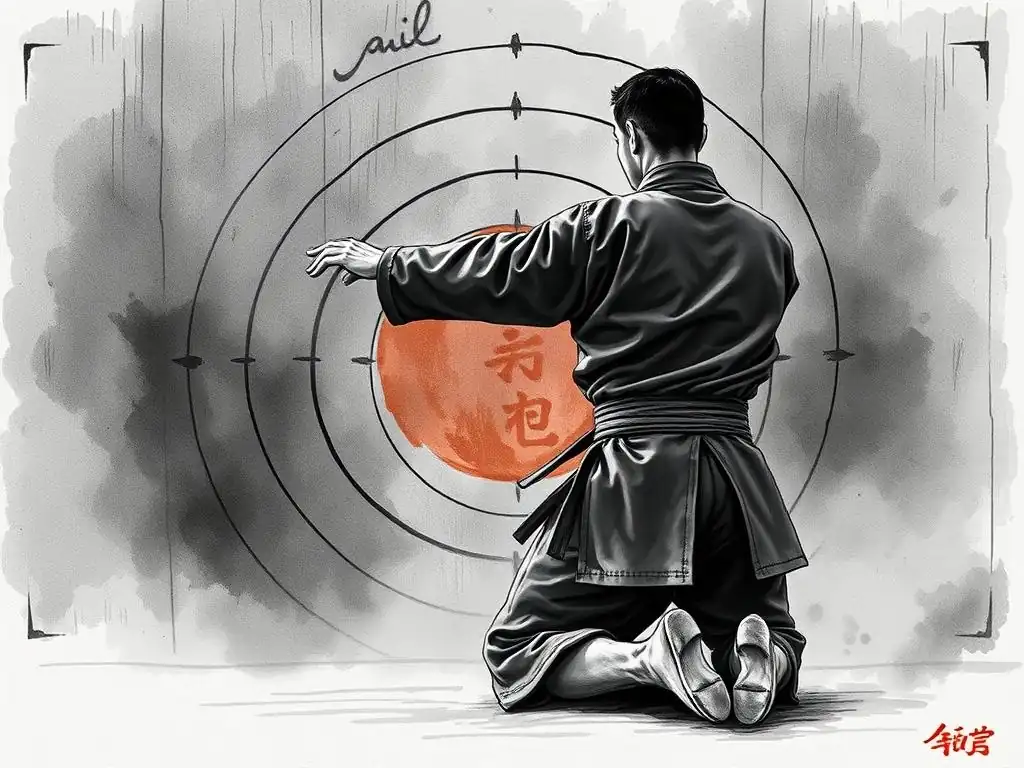
Shadow Boxing with Trajectory Focus
Shadow boxing is a fundamental training method in martial arts, involving practicing techniques in the air without an opponent. While often used for developing speed and endurance, it is also an excellent tool for enhancing trajectory control. By focusing intently on the path of each strike, practitioners can refine their movement patterns and identify deviations from the ideal trajectory.
This can be done by visualizing a target in space and consciously guiding the hand or foot along the precise path required to hit that target. For instance, when practicing a jab, the practitioner visualizes a straight line to an imaginary target at head height and focuses on keeping the fist on that line throughout the extension.
To specifically enhance trajectory control during shadow boxing, practitioners can incorporate visual aids. Imagining lines or points in space that the strike must follow helps to solidify the desired path. Recording shadow boxing sessions and reviewing them allows for objective analysis of strike trajectories, highlighting inconsistencies or errors that need correction. This focused approach to shadow boxing, emphasizing the precision of movement rather than just speed or power, is a highly effective method for internalizing correct biomechanics and developing reliable precision strike trajectory guidance techniques.
Target Practice with Progressive Difficulty
Target practice using pads, bags, or breaking boards is indispensable for developing precision strike trajectory guidance in a more realistic context. Starting with stationary targets allows the practitioner to focus solely on hitting a specific point with accuracy. For example, punching a specific number or marked spot on a heavy bag, or kicking a designated area on a focus mitt.
As accuracy improves, the difficulty can be increased by using smaller targets, targets placed at different heights and angles, or moving targets like focus mitts held by a partner. This progressive approach ensures the practitioner builds a strong foundation of accuracy before attempting more complex scenarios.
Incorporating targets that provide immediate feedback, such as breaking boards or electronic scoring targets, can also be highly motivating and informative. A clean break demonstrates not only sufficient power but also precise trajectory and point of impact. Electronic targets can provide data on speed and accuracy, allowing practitioners to quantify their improvement in precision strike trajectory guidance. Regular, focused target practice is a vital component of any training program aimed at developing reliable and accurate striking skills.
Partner Drills for Realistic Trajectory Training
Partner drills are essential for developing precision strike trajectory guidance in a dynamic and interactive environment. Unlike static targets, a partner holding pads or simulating movements provides unpredictable elements that require real-time trajectory adjustments. Pad work is a classic example, where a partner holds focus mitts or Thai pads and moves them, requiring the striker to track the target and adjust their strike trajectory accordingly. This simulates the challenges of hitting a moving opponent and forces the practitioner to integrate visual tracking, footwork, and trajectory control simultaneously.
Sparring scenarios further elevate the realism, requiring practitioners to apply their precision strike trajectory guidance techniques against a resisting and unpredictable opponent. While often focused on defense and strategy, maintaining accuracy during sparring is a testament to well-developed trajectory control. Even light contact sparring encourages practitioners to place their strikes accurately to score points or land simulated blows without excessive force. Partner drills, ranging from controlled pad work to light sparring, are crucial for bridging the gap between solo practice and real-world application, ensuring that precision strike trajectory guidance techniques are effective under pressure.
Pad Work for Accuracy and Power
Pad work is a cornerstone drill for integrating power generation with trajectory accuracy. A partner holding focus mitts or Thai pads can present targets at various heights, angles, and distances, simulating different combat scenarios. The practitioner must not only generate sufficient power to impact the pad but also guide their strike precisely to the center of the pad.
A common focus in pad work is hitting the "sweet spot" on the pad, which often provides a satisfying sound or feel when struck correctly, giving immediate feedback on both power and trajectory accuracy. For example, a boxing coach might hold mitts in specific patterns, requiring the boxer to string together combinations while hitting each mitt precisely.
Advanced pad work involves the partner moving the pads quickly or unpredictably, forcing the striker to react and adjust their strike trajectories on the fly. This dynamic element is critical for developing the ability to apply precision strike trajectory guidance techniques against a moving target. Pad work also allows for immediate feedback and coaching from the partner, who can observe the strike's trajectory and provide corrections on stance, body mechanics, and angle of attack. Consistent, focused pad work is invaluable for honing the practical application of accurate and powerful strikes.
Sparring Scenarios for Adaptive Trajectory Control
Sparring provides the ultimate test for precision strike trajectory guidance techniques. In a live, unpredictable environment, practitioners must apply their skills against a resisting opponent who is actively defending, moving, and counter-attacking. While full-contact sparring emphasizes defense and power, controlled or point sparring places a higher premium on accuracy and timing.
Practitioners must find openings and deliver strikes with sufficient precision to score points or land simulated blows, often requiring subtle adjustments to trajectory based on the opponent's reactions. For instance, a Taekwondo practitioner in a sparring match might aim a side kick at the opponent's torso, but as the opponent shifts their weight, they must slightly alter the kick's angle and height mid-flight to land effectively.
Sparring scenarios also force practitioners to adapt their strike trajectories based on distance and angle changes that occur naturally during combat. They must be able to throw accurate strikes from various ranges and while moving forward, backward, or laterally. This adaptive trajectory control is a hallmark of experienced martial artists. While sparring is not solely focused on precision, the need to land strikes effectively against a live opponent inherently requires the application and refinement of precision strike trajectory guidance techniques under pressure, making it an indispensable training method.
Mental Aspects of Strike Trajectory: Focus and Intent
Visualization Techniques for Precision Striking
Visualization is a powerful mental training technique that can significantly enhance precision strike trajectory guidance. It involves mentally rehearsing the strike, vividly imagining the movement from initiation to impact. This includes visualizing the desired trajectory, feeling the correct body mechanics, and seeing the strike land precisely on the target. Athletes across various disciplines use visualization to improve performance, and martial arts are no exception. For example, before performing a complex breaking technique, a Karate practitioner might spend time visualizing the exact trajectory of their hand or foot and the point of impact on the board.
Regular visualization helps to reinforce the correct neural pathways associated with precise movements. By mentally practicing the ideal strike trajectory, the practitioner strengthens the connection between the brain and the body, making it easier to execute the movement accurately when the time comes. Visualization can be done anywhere, anytime, complementing physical training. Incorporating visualization into a training routine can help practitioners develop a clearer mental blueprint for their strikes, leading to improved consistency and precision strike trajectory guidance in practice and application.
Overcoming Mental Blocks in Trajectory Control
Mental blocks, such as fear of missing, overthinking the technique, or anxiety about hitting too hard (or not hard enough), can significantly impede a practitioner's ability to execute strikes with precise trajectory. When the mind is clouded by doubt or distraction, the body's natural coordination is disrupted, leading to inaccurate or hesitant movements. For example, a practitioner might hesitate before committing to a strike due to fear of being counter-attacked, causing the strike to lose momentum and deviate from its intended path. Recognizing and addressing these mental barriers is crucial for unlocking full potential in precision strike trajectory guidance.
Techniques for overcoming mental blocks include mindfulness, positive self-talk, and focusing on the process rather than just the outcome. Learning to stay present in the moment and trust the body's training allows for more fluid and accurate execution. Gradual exposure to challenging situations, such as sparring or high-pressure demonstrations, can also help build mental resilience. By developing mental fortitude and learning to manage performance anxiety, practitioners can ensure that their mental state supports, rather than hinders, their ability to apply precision strike trajectory guidance techniques effectively.
The Mind-Body Connection in Martial Arts Accuracy
The mind-body connection is a central principle in martial arts philosophy and practice, highlighting the inseparable link between mental state and physical performance. Achieving high levels of accuracy and precision strike trajectory guidance requires a harmonious connection between the mind and the body. The mind provides the intent, focus, and guidance, while the body executes the movement with coordination and power.
A distracted mind leads to a clumsy body; a focused mind leads to a precise body. For example, the concept of 'zanshin' in Japanese martial arts emphasizes a state of relaxed alertness and complete awareness, allowing the practitioner to react and move with optimal efficiency and precision.
Cultivating a strong mind-body connection involves practices that enhance self-awareness, focus, and control, such as meditation, breathing exercises, and mindful movement. By increasing awareness of internal states and external stimuli, practitioners can better integrate their mental intentions with their physical actions, leading to more controlled and accurate strikes. This deep level of self-awareness allows for intuitive adjustments to strike trajectory based on subtle cues, both internal and external. Strengthening the mind-body connection is fundamental to achieving true mastery in precision strike trajectory guidance and overall martial arts proficiency.
Advanced Concepts in Trajectory Manipulation
Feinting and Misdirection to Alter Trajectory
Advanced practitioners utilize feinting and misdirection not only to create openings but also to manipulate the opponent's perception of strike trajectories. A feint is a deceptive movement that mimics the beginning of a strike but is not fully committed, designed to elicit a reaction from the opponent.
By showing the initial trajectory of one strike, the practitioner can cause the opponent to defend against it, leaving another area vulnerable for a different strike with a different trajectory. For example, a boxer might feint a jab to the head, causing the opponent to raise their guard, then immediately follow with a hook to the body.
Misdirection involves drawing the opponent's attention to one area or technique while preparing to strike elsewhere. This can be achieved through gaze, body posture, or partial movements. By controlling what the opponent expects to see, the practitioner can land strikes along unexpected trajectories. Mastering the art of feinting and misdirection allows practitioners to dictate the rhythm and angles of engagement, making their precision strike trajectory guidance techniques significantly harder to defend against. This adds a layer of strategic complexity to striking, moving beyond simple execution to tactical manipulation.
Using Body Mechanics to Control Opponent's Trajectory
An often-overlooked aspect of trajectory control is influencing the opponent's trajectory, both their movement trajectory and the trajectory of their strikes. By using their own body mechanics, stance, and positioning, a skilled martial artist can subtly guide or disrupt an opponent's movements and techniques. For example, maintaining a strong, forward-pressing stance can limit an opponent's ability to move backward or circle away effectively, channeling their movement into predictable trajectories. Similarly, subtle shifts in posture or weight can invite certain attacks, which the practitioner is then prepared to counter or evade.
Furthermore, defensive movements like parrying or blocking are not just about stopping an incoming strike; they can also be used to deflect or alter the opponent's strike trajectory, setting them off-balance or creating an opening. For instance, a well-timed parry can redirect a punch slightly, causing the opponent to overextend or expose their side. Understanding how one's own body mechanics and movements influence the opponent's potential trajectories is an advanced skill that enhances overall control in combat, complementing the direct application of precision strike trajectory guidance techniques.
Adapting Trajectory Based on Opponent's Movement
The ability to adapt strike trajectory in real-time based on the opponent's dynamic movement is a hallmark of advanced striking. Unlike static target practice, live combat involves constant changes in distance, angle, and target availability. Practitioners must be able to initiate a strike with an intended trajectory but be ready to make split-second adjustments if the opponent moves.
This requires a high degree of situational awareness, visual tracking, proprioceptive feedback, and fluid body control. For example, a practitioner might launch a straight punch towards an opponent's head, but as the opponent ducks, they must quickly adjust the trajectory downwards to target the body instead.
This adaptive capability relies heavily on the integration of all the previously discussed elements: visual acuity to track the target, peripheral vision to anticipate movement, proprioception to feel the body's position, and refined body mechanics to make rapid adjustments. Training methods like reactive pad work, partner drills with unpredictable movement, and sparring are crucial for developing this skill. Mastering the ability to adapt precision strike trajectory guidance techniques on the fly is essential for effectiveness in the unpredictable environment of live combat or competition.
Case Studies: Legendary Martial Artists and Their Trajectory Control
Bruce Lee: One-Inch Punch and Focused Power
Bruce Lee, the founder of Jeet Kune Do, was renowned for his incredible speed, power, and precision. His famous "One-Inch Punch" is a prime example of masterful precision strike trajectory guidance combined with explosive force generation over an extremely short distance.
This technique is not about a long, arcing motion, but about transferring maximum kinetic energy through a minimal trajectory, focusing all the force into a single point of impact. The power is generated through a complex, rapid sequence involving hip rotation, shoulder movement, and a final, sharp extension of the fist and wrist, all perfectly timed and channeled along a straight, short path.
The effectiveness of the One-Inch Punch lies in Lee's ability to precisely control the trajectory of his fist over that final inch, ensuring that the full force generated by his body was delivered directly into the target with minimal energy loss or deviation. This required exceptional proprioception, body control, and an understanding of biomechanics. Lee's training emphasized efficiency of movement and directness, principles that are directly applicable to achieving superior precision strike trajectory guidance in any technique. His legendary demonstrations highlighted how focused power, delivered along a controlled, precise trajectory, can achieve remarkable results.
Mas Oyama: Precision Breaking Techniques
Mas Oyama, the founder of Kyokushin Karate, was famous for his incredible feats of strength and precision, particularly his breaking techniques, which included breaking stacks of tiles, bricks, and even horns off bulls. These demonstrations were not simply about brute force; they required extreme precision strike trajectory guidance. Breaking a solid object cleanly requires the force of the strike to be delivered perpendicular to the object's surface, at a specific point, with sufficient speed and power. A slight deviation in trajectory means the force is applied at an angle, scattering the energy and failing to achieve a clean break.
Oyama's ability to consistently break thick, unyielding materials was a testament to his absolute mastery of trajectory control. Whether using a knife hand, elbow, or foot, he could guide his striking limb along a precise, unwavering path to hit the target exactly where needed. This required years of dedicated practice, honing his kinesthetic sense, visual focus on the target, and the ability to channel immense power along a perfect trajectory. His demonstrations serve as a powerful illustration of how peak precision strike trajectory guidance can lead to seemingly impossible feats of power and accuracy.
Common Mistakes and How to Correct Them
Incorrect Stance Leading to Inaccurate Strikes
One of the most common mistakes hindering precision strike trajectory guidance is starting from an incorrect or unstable stance. A poor stance compromises balance, limits efficient weight transfer, and prevents the body from generating force through the kinetic chain effectively. For example, standing too square or too narrow can make it difficult to rotate the hips properly for a powerful and accurate punch or kick. If the base is unstable, the upper body or lower body will compensate, often leading to deviations in the strike's intended trajectory.
Correction involves returning to fundamentals. Practitioners should spend significant time drilling proper stances, focusing on balance, weight distribution, and alignment. Practicing techniques slowly from a correct stance helps to build the muscle memory for proper body positioning. Regular feedback from an instructor or training partner on stance and balance during technique execution is also crucial. Ensuring a solid foundation is the first step towards consistent and accurate precision strike trajectory guidance.
Over-Reliance on Power at the Expense of Precision
Another frequent error is prioritizing brute power over precision. While power is necessary for effectiveness, attempting to generate maximum force without controlling the strike's trajectory often leads to wild, inaccurate movements. A strike thrown with excessive, uncontrolled power might deviate significantly from its intended path, potentially missing the target entirely or hitting with reduced impact due to an improper angle. This is often seen in beginners who muscle techniques rather than using efficient body mechanics.
Correction requires a shift in focus during training. Practitioners should initially prioritize perfect form and trajectory over power. Practicing strikes slowly, focusing on the path of the hand or foot, and gradually increasing speed and power only as accuracy is maintained is a key strategy. Drills that specifically reward accuracy, such as hitting small targets or breaking techniques (where clean breaks require precision), help reinforce the importance of trajectory control. Understanding that controlled power delivered along a precise trajectory is far more effective than uncontrolled brute force is essential for developing superior precision strike trajectory guidance techniques.
Lack of Focus and Mental Discipline
A lack of mental focus and discipline can severely impair precision strike trajectory guidance. Distraction, overthinking, or a wandering mind can lead to hesitant movements, incorrect timing, and an inability to make necessary real-time adjustments. If the mind is not fully engaged with the task of executing the strike and tracking the target, the body's execution will suffer. For example, thinking about an opponent's previous strike instead of focusing on the current opportunity can cause a practitioner to miss an opening or throw a strike inaccurately.
Correction involves cultivating mental discipline through practices like mindfulness, visualization, and focused drilling. Learning to clear the mind and concentrate solely on the technique and the target is vital. Breaking down complex techniques into smaller, manageable steps during practice can help prevent overthinking. Training under pressure, such as through controlled sparring, also helps build the mental resilience needed to maintain focus in challenging situations. Developing a strong mind-body connection, where mental intent directly guides physical execution, is fundamental to overcoming mental blocks and achieving reliable precision strike trajectory guidance.
The Future of Trajectory Control in Martial Arts
Technological Advancements in Training and Analysis
Technological advancements are increasingly playing a role in refining precision strike trajectory guidance. Wearable sensors can track the movement of limbs and joints, providing objective data on strike speed, acceleration, and trajectory deviations. Motion capture technology, similar to that used in animation, can analyze the entire kinetic chain, identifying inefficiencies or errors in movement patterns that affect trajectory. This data allows practitioners and coaches to pinpoint specific areas for improvement with a level of detail previously impossible.
Virtual reality (VR) and augmented reality (AR) are also emerging as tools for trajectory training. VR environments can simulate realistic combat scenarios with dynamic targets, allowing practitioners to practice adaptive trajectory control in a safe and controlled setting. AR can overlay visual guides or data onto real-world training, such as showing the ideal trajectory path on a heavy bag. While technology will never replace the feel and experience of traditional training, these tools offer exciting possibilities for analyzing, refining, and accelerating the development of precision strike trajectory guidance techniques.
Integrating Biomechanical Research for Optimal Performance
Ongoing research in sports biomechanics is constantly deepening our understanding of how the body generates and controls movement. Applying these scientific principles directly to martial arts training can lead to more effective methods for developing precision strike trajectory guidance. For example, studies on the optimal angles of joint rotation for specific strikes, the most efficient sequencing of muscle activation in the kinetic chain, or the impact of different stances on force transfer can inform training methodologies.
Integrating biomechanical research means moving beyond traditional methods solely based on lineage or intuition and incorporating evidence-based practices. This could involve using force plates to measure ground reaction forces for optimal stance and weight transfer, or using high-speed cameras to analyze the subtle movements of the striking limb. By leveraging scientific understanding of human movement, martial artists can train smarter, optimizing their body mechanics for both power and precision strike trajectory guidance, ultimately leading to higher levels of performance and reduced risk of injury.
Conclusion: Achieving Mastery Through Precision Strike Trajectory Guidance
The Path to Consistent and Accurate Striking
Achieving consistent and accurate striking is a long-term journey that requires dedication to mastering precision strike trajectory guidance. It is not a talent one is born with but a skill developed through diligent practice, a deep understanding of biomechanics, and strong mental discipline. The path involves breaking down strikes into their fundamental components, understanding how the kinetic chain generates force and guides movement, and relentlessly practicing to refine the trajectory of each technique. From the initial visual acquisition of the target to the final point of impact, every element must be controlled and precise.
This path requires a holistic approach to training, incorporating not just physical drills but also mental preparation. It means paying attention to the subtle feedback from your body (proprioception), continuously adjusting based on visual information, maintaining a stable base through proper stance and footwork, and cultivating the mental focus necessary to execute techniques flawlessly. Consistency is built through repetition, but accuracy is built through mindful, focused repetition aimed at perfect trajectory.
Continuous Improvement and Refinement of Techniques
Mastery of precision strike trajectory guidance is not a destination but a process of continuous improvement and refinement. Even experienced martial artists constantly work on honing their accuracy, adapting their techniques to new challenges, and integrating new knowledge from biomechanics or training methodologies. The dynamic nature of martial arts means that the ability to adjust strike trajectories on the fly based on a moving opponent is an ongoing skill to develop.
Embracing a mindset of continuous learning and refinement is key. This involves seeking feedback from instructors and partners, analyzing one's own performance (perhaps with the aid of technology), and being willing to modify techniques based on new insights. The pursuit of perfect precision strike trajectory guidance is a lifelong endeavor that deepens a martial artist's understanding of their own body, their art, and the science of effective striking. By dedicating oneself to this crucial aspect of training, practitioners can unlock higher levels of power, efficiency, and effectiveness in their martial arts journey.
Frequently Asked Questions
What exactly are precision strike trajectory guidance techniques in martial arts?
They are the methods and principles used to control the path of a strike, ensuring it reaches the intended target area with accuracy. This involves understanding biomechanics and spatial awareness.
Why is mastering trajectory control so important for martial artists?
Effective trajectory control maximizes impact and efficiency in strikes. It allows for greater accuracy and the ability to target vulnerabilities, leading to more effective self-defense.
How does understanding the history of martial arts inform modern trajectory guidance techniques?
Studying historical styles reveals evolved strategies for striking. Analyzing these traditional methods can provide a deeper understanding of the principles behind effective trajectory control and adaptation.
What role does the philosophical underpinning of martial arts play in developing precision strike trajectories?
The philosophical emphasis on focus, intention, and discipline cultivates the mental acuity necessary for precision. This mindset supports the development of refined motor skills and spatial awareness.
What are some practical self-defense strategies that rely heavily on precision strike trajectory guidance techniques?
Targeting vulnerable points like the eyes or throat requires precise strikes. Deflecting attacks and immediately counter-striking also relies on accurate trajectory and timing, making it essential for self-protection.
Final Reflection: Mastering the Art of Precision
The journey through precision strike trajectory guidance techniques reveals more than just the science of hitting a target; it unveils the profound human desire to achieve accuracy and control in a world often defined by chaos. This exploration is particularly relevant today, as advancements in technology demand increasingly sophisticated and reliable methods for guiding actions, whether in defense, industry, or even our personal lives.
The pursuit of precision has undeniably shaped our technological landscape, pushing the boundaries of what's possible. It's a testament to human ingenuity that we can now guide projectiles with such accuracy, a feat that once seemed relegated to the realm of science fiction. The difference between science and magic is, that science works.
- Terry Pratchett. This quote, while humorous, underscores the dedication and rigorous methodology required to transform theoretical concepts into tangible, impactful realities.
Now, consider how these principles of trajectory control extend beyond the battlefield or the factory floor. How can you apply the lessons of meticulous planning, constant adjustment, and unwavering focus to your own goals? Embrace the science of precision in your own life, and you too can guide your efforts to the mark, achieving outcomes with intention and purpose.
Unleash Your Inner Accuracy: Refine Your Strike Today!
Thank you for diving into the science of trajectory control! You've now unlocked valuable insights into guiding your strikes with precision. Ready to translate this knowledge into tangible skill?
Here's how to take your training to the next level:
- Dedicate your next training session to focused practice of the trajectory drills discussed. Feel the difference in your control and power.
- Share this article with your fellow martial artists and discuss which techniques resonate most with your personal style.
- Challenge yourself:Try applying these principles to a new weapon or striking technique outside your comfort zone.
What small adjustment will you make in your next practice to dramatically improve your accuracy?