
The "Gentle Way" in a Violent World: Reconciling Jujutsu Philosophy with Modern Threats

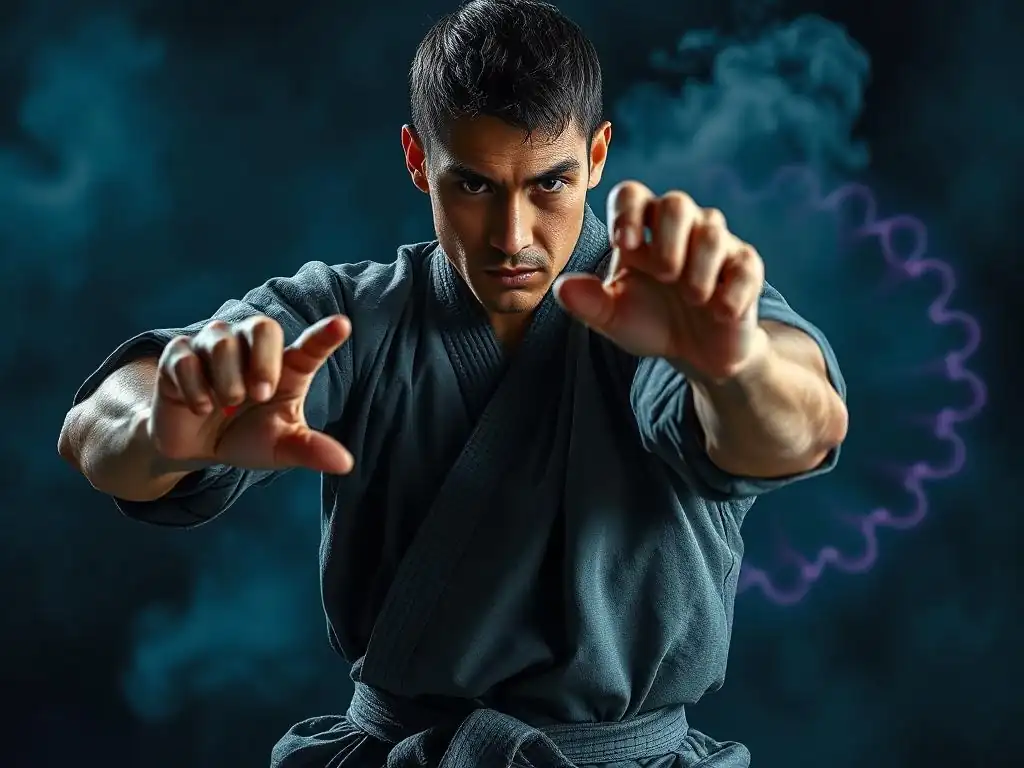
Welcome to Martial Arts Mastery, your gateway to unlocking the profound depths of combat traditions worldwide. Delve into the rich tapestry of martial arts, from ancient origins to modern applications. Are you ready to explore how the principles of Jujutsu philosophy can be applied to self-defense in today's complex world? Uncover the surprising connections between the "Gentle Way" and the realities of contemporary threats – your journey into understanding begins here.
- Understanding Jujutsu Philosophy in Self Defense: The Gentle Way Explained
- The Challenge of Applying Jujutsu Philosophy in a Violent Modern World
- Reconciling Jujutsu Philosophy with Practical Self Defense Strategies
- Training Methods to Enhance Jujutsu Philosophy for Modern Self Defense
- Case Studies: Successful Applications of Jujutsu Philosophy in Modern Self Defense
- Philosophical Insights: The Broader Impact of Jujutsu Philosophy on Personal Safety
- Future Directions: Evolving Jujutsu Philosophy for Enhanced Modern Self Defense
-
Frequently Asked Questions
- What is the core philosophy of Jujutsu, and how does it relate to self-defense?
- How does Jujutsu's historical context inform its modern self-defense applications?
- Can the principles of Jujutsu philosophy be applied to situations beyond physical self-defense?
- What are some key training techniques in Jujutsu that are particularly useful for self-defense?
- How does Jujutsu address the ethical considerations of self-defense in a violent world?
- Final Reflection: Embracing Harmony Amidst Chaos
- Embrace Harmony: Integrate Jujutsu into Your Daily Life!
Understanding Jujutsu Philosophy in Self Defense: The Gentle Way Explained
Origins and Core Principles of Jujutsu Philosophy for Self Defense
Jujutsu, often translated as the "gentle art" or "flexible technique," boasts a rich history rooted in feudal Japan. Developed primarily for use on the battlefield by samurai, it served as a comprehensive system for unarmed combat and fighting with short weapons when primary arms were lost. Unlike striking-focused arts, early jujutsu emphasized throws, joint locks, restraints, and grappling, aiming to control or disable an opponent efficiently, often against armored adversaries. The core principles revolved around using an attacker's energy and momentum against them, minimizing the need for brute force.
The philosophical underpinnings of this martial art were deeply intertwined with pragmatism and survival. Key principles included kuzushi (breaking balance), tsukuri (preparation for execution), and kake (execution). Mastering these elements allowed a smaller, weaker individual to overcome a larger, stronger one. This focus on leverage, timing, and technique over raw power formed the bedrock of Jujutsu philosophy for self defense, teaching practitioners to adapt and flow like water rather than resist like stone. Historical scrolls from schools like the Takenouchi-ryū (founded in 1532) detail techniques that exemplify this, focusing on control and submission rather than outright destruction.
The Concept of "Ju" (Gentleness) in Traditional Jujutsu Practice
The concept of "Ju" (柔), meaning "gentle," "soft," or "flexible," is central to Jujutsu philosophy and its application in self defense. It does not imply weakness or passivity, but rather adaptability and efficiency. Instead of meeting force with equal or greater force, the practitioner learns to yield, redirect, and manipulate the opponent's energy.
Imagine a willow tree bending in a storm versus an oak tree potentially snapping; "Ju" embodies the willow's resilience through flexibility. This principle is vividly demonstrated in techniques that use an attacker's forward momentum to facilitate a throw or their grip strength to set up a joint lock.
Applying "Ju" in traditional practice meant understanding biomechanics and leverage to control an opponent with minimal effort. A historical account from the Edo period describes a jujutsu master effortlessly incapacitating a much larger assailant by simply stepping aside and guiding their momentum into a throw, demonstrating the principle in action. This "gentle" approach allowed samurai to conserve energy in prolonged engagements and subdue opponents for capture rather than just kill them. It is this strategic application of yielding and redirecting that forms the unique contribution of Jujutsu philosophy to effective self defense, allowing practitioners to navigate conflict intelligently.
How Jujutsu Philosophy Emphasizes Harmony Over Aggression
Jujutsu philosophy, particularly in its later developments influenced by figures like Jigoro Kano (founder of Judo, which branched from Jujutsu), places a strong emphasis on harmony, not just in physical technique but also in mindset. The goal is often to resolve conflict with the least amount of harm necessary, prioritizing control and de-escalation when possible. While battlefield origins necessitated effective disabling techniques, the underlying philosophy encourages using force judiciously and only when absolutely required for self-preservation. This contrasts sharply with arts that may prioritize immediate, overwhelming aggression.
This emphasis on harmony extends to the dojo, where training partners learn to cooperate to improve, embodying mutual welfare and benefit ( jita kyoei). In a self-defense context, this translates to seeking the most efficient path to safety, which might involve escaping or controlling without inflicting severe injury, if the situation allows.
The philosophical ideal is to neutralize the threat while maintaining one's own safety and minimizing unnecessary damage to others. This approach to Jujutsu philosophy for self defense encourages a thoughtful, measured response rather than a purely reactive, aggressive one, promoting a higher level of control over the situation.
The Challenge of Applying Jujutsu Philosophy in a Violent Modern World
Modern Threats and Their Impact on Traditional Martial Arts Approaches
The landscape of threats faced in the modern world differs significantly from the battlefields or duels of feudal Japan. Contemporary dangers often involve surprise attacks, multiple assailants, weapons (knives, firearms), and environments like crowded streets or dark alleyways. A 2022 report on crime statistics, for instance, highlights that simple assault remains a frequent violent crime, often occurring unexpectedly and involving individuals who may be under the influence of substances, making rational de-escalation difficult. These scenarios demand rapid, decisive action, which can seem at odds with the more deliberate, control-oriented techniques sometimes associated with traditional Jujutsu.
Traditional Jujutsu techniques, designed for armored opponents or one-on-one duels, may require adaptation against modern threats. For example, taking an attacker to the ground, a staple of Jujutsu, can be highly dangerous if there are multiple attackers or if the ground surface itself poses a risk. Similarly, complex joint locks may be too time-consuming against a knife-wielding assailant. The element of surprise is also critical; historical combatants often faced each other openly, whereas modern attacks frequently begin without warning. This necessitates a re-evaluation of how traditional Jujutsu philosophy and techniques are applied for effective modern self defense.
Contrasting Ancient Jujutsu Principles with Contemporary Self Defense Needs
Ancient Jujutsu principles, while timeless in their understanding of biomechanics and leverage, were forged in a specific socio-historical context. The goal might have been to capture an enemy soldier or defend one's lord, often involving grappling with opponents wearing restrictive armor. Contemporary self-defense needs, however, are primarily focused on immediate survival and escape from potentially lethal situations. The luxury of a prolonged grappling exchange or the opportunity to apply a intricate submission hold may not exist when facing a sudden, violent assault with a weapon.
This contrast highlights the need for practical adaptation. While the principle of using an opponent's force is still highly relevant, the application must be faster and more direct. A traditional technique might involve a series of movements to set up a throw; in a modern scenario, a simpler, more explosive application of the same principle might be necessary to create space for escape.
The emphasis shifts from controlling the opponent indefinitely to disrupting their attack and ensuring one's own safety as quickly as possible. Reconciling Jujutsu philosophy with modern self defense requires prioritizing techniques that are effective under stress and against realistic contemporary threats.
The Role of Violence Escalation and Real-World Danger in Modern Contexts
Understanding violence escalation is paramount in modern self defense, and this presents a challenge to the "gentle" aspect of Jujutsu philosophy. Real-world confrontations can escalate rapidly and unpredictably, often moving from verbal threats to physical violence in seconds. The attacker's intent is also a critical factor; a mugger might want compliance, while a violent assailant might intend serious harm. Traditional principles that assume a degree of control over the engagement may be difficult to apply when the attacker is completely uninhibited and focused on inflicting maximum damage.
Furthermore, the presence of weapons significantly alters the risk profile. A principle like "falling safely" (ukemi), while crucial for training, is applied in a life-or-death situation where a fall could mean being stabbed or kicked repeatedly. This stark reality forces practitioners of Jujutsu philosophy for self defense to consider the potential for extreme violence and tailor their responses accordingly. While the underlying philosophy of efficiency and control remains valuable, the execution must account for the high stakes and potential lethality of modern confrontations, sometimes requiring a more assertive or even aggressive initial response than traditional interpretations might suggest.
Reconciling Jujutsu Philosophy with Practical Self Defense Strategies
Adapting the Gentle Way: Balancing Philosophy with Effective Defense Tactics
Reconciling Jujutsu philosophy with practical modern self defense requires a nuanced approach that adapts the core principles to contemporary threats. The "gentle way" isn't about being passive, but about using intelligence and efficiency. This means balancing the philosophical ideal of minimal harm with the practical necessity of ensuring one's safety, which may, unfortunately, require inflicting harm on an attacker. The adaptation involves prioritizing techniques that are quick, decisive, and effective in creating opportunities for escape or control under duress.
For example, while a traditional armbar might be applied slowly and precisely in training, its application in self defense might need to be explosive and aimed at breaking the joint if facing an attacker who is attempting to use a weapon or has multiple accomplices. The philosophy provides the foundation – leverage, balance disruption, joint control – but the tactical application must be modified for speed and effectiveness against resistance and potential counter-attacks.
Training should focus on applying these principles in dynamic, unpredictable scenarios that mimic real-world violence, ensuring the practitioner can transition from philosophical understanding to practical, life-saving action.
Integrating Soft Techniques and Joint Manipulations Against Aggressive Attacks
Integrating soft techniques and joint manipulations remains highly relevant in modern self defense, even against aggressive attacks, when applied correctly. Soft techniques like yielding, unbalancing, and redirecting force are invaluable for dealing with powerful attacks, such as a shove or a charge. Instead of bracing against a larger opponent's force, stepping aside and using their momentum can lead directly into a throw or control position, embodying the "Ju" principle. This is particularly effective against untrained attackers who rely on brute strength.
Joint manipulations, while potentially difficult against a resisting opponent, can be devastating when applied correctly and swiftly. Techniques targeting wrists, elbows, or fingers can instantly disrupt an attack, create pain compliance, or facilitate control. For instance, a simple wrist lock applied during a grab can allow for escape or transition to a throw.
The key is to apply these techniques not as isolated moves but as part of a fluid response that capitalizes on the attacker's movements. Modern Jujutsu philosophy self defense training often emphasizes entering range safely, disrupting the attack with a yielding movement, and immediately applying a joint manipulation or control technique as part of a continuous action.
The Importance of Situational Awareness and De-escalation in Jujutsu-Based Defense
Situational awareness and de-escalation are critical components of a Jujutsu-based approach to modern self defense, aligning perfectly with the philosophy of resolving conflict efficiently and with minimal harm. Awareness allows one to identify potential threats before they materialize, enabling avoidance or preparation. This is the first, and often most effective, layer of defense. Recognizing warning signs – aggressive body language, verbal threats, environmental cues – allows the practitioner to create distance or prepare to defend themselves.
De-escalation, attempting to verbally or non-verbally defuse a situation, is the embodiment of the "gentle way" before physical force becomes necessary. A practitioner grounded in Jujutsu philosophy understands that the best fight is the one avoided. If a confrontation is unavoidable, de-escalation attempts can buy time, reveal the attacker's intent, or even create an opportunity to act defensively. While not always possible or safe, especially against a determined or irrational assailant, the attempt at de-escalation reflects the philosophical preference for harmony and minimal conflict, making it a vital skill integrated into a holistic Jujutsu philosophy self defense strategy.
Training Methods to Enhance Jujutsu Philosophy for Modern Self Defense
Drills and Exercises that Reinforce Gentle Yet Effective Responses
Effective training for Jujutsu philosophy self defense must go beyond simply practicing techniques in a static environment. Drills should be designed to reinforce the core principles of "Ju" and efficient movement under pressure. Partner drills focusing on yielding to force, redirecting momentum, and breaking balance are fundamental. For instance, a drill where one partner applies continuous forward pressure while the other practices stepping off-line and using that pressure to execute a throw or control technique directly reinforces the concept of using the opponent's energy.
Another effective exercise involves drills focused on escaping common grabs and holds. Instead of resisting with strength, the practitioner practices subtle shifts in balance, joint manipulation (like finger locks or wrist rotations), or movement to exploit leverage points, demonstrating how minimal effort can overcome significant force. These drills cultivate sensitivity to pressure and movement, allowing the practitioner to react instinctively based on principle rather than brute strength. Incorporating resistance that gradually increases helps students apply these "gentle" principles against more aggressive attacks, bridging the gap between philosophy and practical application.
Incorporating Realistic Scenario Training to Reflect Contemporary Threats
To effectively prepare for modern threats, Jujutsu training must incorporate realistic scenario-based exercises. This moves away from predictable, compliant partners and towards simulating the chaos and unpredictability of real-world violence. Scenarios could include defending against surprise attacks from multiple angles, dealing with simulated weapons (using training props), or navigating defenses in confined spaces. For example, a drill might start with the defender sitting down, simulating being attacked in a vehicle or at a desk, requiring them to adapt their ground-fighting skills to a constrained environment.
Scenario training also helps practitioners practice transitioning between different phases of conflict – from recognizing danger (situational awareness) to attempting de-escalation, and finally, employing physical techniques if necessary. These exercises, often performed at varying levels of intensity and resistance, force students to make split-second decisions under stress, applying their knowledge of Jujutsu philosophy and techniques in a dynamic context. This type of training is crucial for developing the ability to apply the "gentle way" principles effectively and decisively when faced with the harsh realities of modern self defense situations.
Mental Conditioning: Cultivating Calmness and Control Amidst Violence
Mental conditioning is as vital as physical training in applying Jujutsu philosophy for self defense, particularly in maintaining calmness and control amidst violence. Stress inoculation training, where practitioners are exposed to simulated high-stress situations in a controlled environment, helps them learn to manage adrenaline and think clearly under pressure. This could involve drills with loud noises, unpredictable attacks, or verbal aggression from the training partner.
Cultivating a calm mindset aligns directly with the principle of "Ju" – a tense, rigid mind is as ineffective as a tense, rigid body. Techniques like focused breathing exercises and visualization can help practitioners develop the ability to remain centered when confronted with danger. Understanding that fear is a natural response but learning to function despite it is key. This mental resilience allows the practitioner to access their training, apply Jujutsu philosophy efficiently, and make intelligent decisions in a chaotic situation, rather than succumbing to panic. This mental fortitude is a cornerstone of effective Jujutsu philosophy self defense.
Case Studies: Successful Applications of Jujutsu Philosophy in Modern Self Defense
Real-Life Examples Where Jujutsu’s Gentle Approach Prevails
While specific, publicly documented cases of individuals successfully using pure, traditional Jujutsu techniques in self-defense are rare compared to more sport-oriented derivatives like Judo or BJJ, the principles of Jujutsu philosophy often underpin effective modern self-defense outcomes. For instance, consider a situation where an individual is grabbed or shoved forcefully. Instead of resisting directly, using the attacker's momentum (a core Jujutsu principle) to step aside and unbalance them can create an opening for escape. While not a named Jujutsu technique in isolation, this application of "Ju" is a direct result of training in its philosophy.
Another example, often seen in security or law enforcement contexts (many of which draw techniques from Jujutsu derivatives), involves using joint locks and control techniques to subdue an aggressive individual without resorting to excessive force. A security guard trained in applying wrist restraints or escort holds, techniques rooted in Jujutsu principles of leverage and joint manipulation, can often control a situation effectively and safely for all parties involved.
These instances, while not always labeled strictly as "Jujutsu," demonstrate the practical success of the "gentle way" philosophy – using minimal force to achieve control and safety – in real-world self-defense scenarios.
Lessons Learned from Practitioners Who Reconcile Philosophy and Practicality
Practitioners who successfully reconcile Jujutsu philosophy with modern self defense offer valuable lessons. One key lesson is the importance of adaptability. They understand that while the philosophy provides a moral and technical framework, the application must be flexible to the situation. They prioritize functional movement and efficient technique over rigid adherence to traditional forms. For example, a practitioner might spend significant time practicing breakfalls (ukemi), not just to survive throws, but to recover quickly and safely from unexpected falls in chaotic environments, a practical application of a traditional skill.
Another crucial lesson is the integration of verbal skills and awareness. These practitioners recognize that physical technique is the last resort. They invest time in learning de-escalation tactics and maintaining high levels of situational awareness, embodying the philosophical preference for avoiding conflict altogether. Their training emphasizes transitioning smoothly from awareness to de-escalation to physical defense if necessary, viewing them as interconnected layers of Jujutsu philosophy self defense. Their success lies in their ability to embody the spirit of the "gentle way" – efficiency, control, and minimal harm – across the entire spectrum of conflict, from avoidance to physical confrontation.
Philosophical Insights: The Broader Impact of Jujutsu Philosophy on Personal Safety
How the Gentle Way Influences Mindset and Ethical Self Defense
The "gentle way" philosophy of Jujutsu profoundly influences a practitioner's mindset, shaping their approach to personal safety beyond mere physical technique. It fosters a sense of responsibility and control, encouraging individuals to be proactive in avoiding danger rather than reactive in engaging in violence. This mindset shifts the focus from being able to win a fight to being able to survive and resolve a confrontation safely, ideally without injury to oneself or unnecessary harm to others. This aligns with ethical considerations in self defense, where the use of force should be proportionate and a last resort.
By emphasizing control, leverage, and efficiency over brute strength, Jujutsu philosophy encourages practitioners to think strategically about conflict. They learn to assess situations, identify weaknesses, and apply the most appropriate level of force. This thoughtful approach contrasts with a purely aggressive mindset, which can lead to unnecessary escalation or excessive force.
The philosophy cultivates patience, humility (recognizing that brute force isn't always the answer), and respect – for the art, for training partners, and even for potential adversaries, viewing them as individuals to be controlled or neutralized, not simply objects of destruction. This ethical dimension is a key aspect of Jujutsu philosophy self defense.
Jujutsu Philosophy as a Tool for Conflict Resolution Beyond Physical Confrontation
The principles embedded in Jujutsu philosophy extend far beyond physical self defense, offering valuable tools for conflict resolution in various aspects of life. The concept of "Ju" – yielding to force, redirecting energy, finding the path of least resistance – is highly applicable to navigating disagreements, negotiations, and interpersonal conflicts. Instead of rigidly opposing someone's viewpoint or actions, one can learn to acknowledge their position, understand their "momentum," and subtly guide the interaction towards a mutually acceptable outcome.
Principles like breaking balance ( kuzushi) can be metaphorically applied to disrupting an opponent's emotional or intellectual equilibrium in an argument, not to dominate, but to create an opening for constructive dialogue. The emphasis on efficient technique translates to seeking the most effective and least damaging way to resolve a dispute.
By internalizing these concepts through physical practice, practitioners develop a heightened awareness of dynamics in any conflict, enabling them to approach disagreements with a more flexible, strategic, and ultimately harmonious perspective. Thus, Jujutsu philosophy serves as a powerful framework for broader conflict resolution and personal growth, enhancing personal safety through improved interpersonal skills.
Future Directions: Evolving Jujutsu Philosophy for Enhanced Modern Self Defense
Innovations in Training and Philosophy to Address Emerging Threats
The evolution of Jujutsu philosophy for modern self defense necessitates continuous innovation in training methodologies and philosophical interpretation to address emerging threats. As crime patterns shift and technology introduces new risks (e.g., cyber-enabled threats leading to physical danger), training must adapt. Future directions might include incorporating simulations involving environmental factors like low light or uneven terrain, practicing defenses against attacks initiated from social media interactions, or developing responses to less common but potentially devastating threats like edged weapons or improvised weapons encountered in urban settings.
Philosophically, the core tenets of "Ju" and efficient conflict resolution remain relevant, but their application needs explicit exploration in contemporary contexts. Discussions around the ethics of using potentially lethal force in modern, unpredictable scenarios, the psychological impact of violence, and the role of digital awareness as a form of situational awareness are crucial. Integrating insights from fields like psychology, criminology, and urban survival can enrich the philosophical understanding and practical application of Jujutsu philosophy self defense, ensuring it remains a living, adaptable system capable of addressing the challenges of the 21st century.
Bridging Tradition and Modernity: The Path Forward for Jujutsu Practitioners
The path forward for Jujutsu practitioners lies in effectively bridging the gap between its rich tradition and the demands of modernity. This involves a deep respect for the historical roots and philosophical underpinnings of the art while simultaneously embracing contemporary training methods and scientific understanding of violence. Practitioners must be students of both history and current events, understanding the origins of techniques and principles while also analyzing how they hold up against current threats and criminal methodologies.
This bridge is built through dedicated, realistic training that tests traditional techniques under modern conditions. It also requires open-mindedness to integrate complementary skills, such as advanced de-escalation techniques, tactical first aid, or even basic legal knowledge regarding self-defense laws.
The goal is not to abandon tradition but to make it more robust and relevant. By preserving the core of Jujutsu philosophy self defense – the intelligent use of leverage, timing, and control – while adapting its expression to the modern world, practitioners can ensure this ancient art continues to provide a powerful and ethical framework for personal safety in a complex and often dangerous world.
Frequently Asked Questions
What is the core philosophy of Jujutsu, and how does it relate to self-defense?
The core philosophy of Jujutsu, often translated as the "Gentle Way," emphasizes using an opponent's force against them. This aligns directly with self-defense by promoting efficient and minimal use of energy to neutralize threats.
How does Jujutsu's historical context inform its modern self-defense applications?
Historically, Jujutsu was developed by samurai to fight when unarmed. This history underscores its emphasis on practical techniques for disarming and controlling opponents, making it relevant for modern self-defense scenarios.
Can the principles of Jujutsu philosophy be applied to situations beyond physical self-defense?
Yes, the principles of Jujutsu philosophy, such as adaptability and efficient use of resources, can be applied to conflict resolution and personal development in various aspects of life.
What are some key training techniques in Jujutsu that are particularly useful for self-defense?
Key training techniques include ukemi (breakfalls), nage-waza (throwing techniques), and katame-waza (grappling techniques). These skills are vital for avoiding injury, controlling an attacker, and escaping dangerous situations.
How does Jujutsu address the ethical considerations of self-defense in a violent world?
Jujutsu philosophy encourages practitioners to use only the force necessary to neutralize a threat. This aligns with ethical self-defense principles by prioritizing de-escalation and minimizing harm whenever possible.
Final Reflection: Embracing Harmony Amidst Chaos
The exploration of Jujutsu philosophy reveals a timeless wisdom, but its true power lies in its ongoing relevance to navigating the complexities of our modern world. While the techniques of self-defense are undeniably important, the core principles of yielding, adapting, and finding balance offer a profound framework for responding to the challenges we face, both physical and metaphorical.
The enduring influence of Jujutsu extends far beyond the dojo, shaping our understanding of conflict resolution and personal resilience. This philosophy, emphasizing harmony and adaptability, resonates deeply with the need for empathy and understanding in an increasingly polarized society. The ultimate aim of the art of jujutsu is to learn to control one's own body and mind and to overcome the obstacles in one's path.
- Jigoro Kano. This quote encapsulates the essence of Jujutsu, highlighting its potential to empower individuals to navigate life's challenges with grace and strength.
As you reflect on the "Gentle Way," consider how its principles can be applied to your own life. Embrace the power of yielding, adapt to the unexpected, and strive for balance in all that you do. Let the wisdom of Jujutsu guide you towards a more harmonious and resilient existence, empowering you to face the world's challenges with both strength and compassion.
Embrace Harmony: Integrate Jujutsu into Your Daily Life!
Thank you for exploring the profound philosophy of Jujutsu with us. We hope this article has inspired you to see beyond the physical techniques and appreciate the "Gentle Way's" relevance in our modern world. Now, let's translate this wisdom into action.
- Begin by practicing mindful movement for just 5 minutes each day. Focus on your body's position and balance, cultivating a sense of calm awareness amidst chaos.
- Reflect on situations this week where you could apply Jujutsu principles like yielding, redirection, and adaptation to resolve conflict peacefully.
- Share this article with someone who might benefit from the "Gentle Way's" message, sparking a discussion about practical applications of martial arts philosophy.
How can you personally apply the core principles of Jujutsu to transform a challenging situation in your life this week?