
"Stand Them Up": When and Why Referees Reset Fighters in MMA


Welcome to Martial Arts Mastery, your definitive resource for exploring the rich tapestry of combat disciplines worldwide! Ever wondered about the crucial role of a referee in shaping the flow of an MMA fight? Dive into our latest article, "Stand Them Up": When and Why Referees Reset Fighters in MMA, and uncover the strategic thinking behind MMA referee reset techniques. Understanding these nuanced decisions can drastically alter a fight's outcome. Are you ready to see the sport through a whole new lens? Let's begin!
- Understanding MMA Referee Reset Techniques
- Reasons for Referee Intervention and Resets in MMA Fights
- The Procedure of an MMA Referee Reset: How It Works
- Controversies and Debates Surrounding "Stand Them Up" Decisions
- Optimizing Your MMA Game: Adapting to Potential Referee Resets
- Conclusion: The Art and Science of MMA Referee Reset Techniques
- Frequently Asked Questions
- Final Reflection: The Art of Intervention in the Octagon
- Ignite Your Fight IQ: Unveil Deeper MMA Insights!
Understanding MMA Referee Reset Techniques
The Role of the Referee in MMA: Ensuring Fair Play and Fighter Safety
The referee in mixed martial arts (MMA) serves as the ultimate authority within the octagon or ring during a bout. Their primary responsibilities are twofold: ensuring the safety of the combatants and enforcing the Unified Rules of Mixed Martial Arts or the specific ruleset governing the promotion.
This involves monitoring the action closely, identifying potential fouls, assessing fighter condition, and making critical decisions that directly impact the flow and outcome of the fight. A referee's vigilance is paramount; they must be prepared to step in instantly to prevent unnecessary damage, stop the fight when a fighter is no longer intelligently defending themselves, or pause the action for various reasons, including injury or fouls.
Beyond safety, referees maintain the integrity of the competition by preventing stalling and ensuring the fight progresses. They interpret the rules in real-time, often under immense pressure, to keep the action dynamic and fair. This includes managing stand-ups, separating fighters who are illegally holding the fence, and restarting the action after a pause.
The referee's judgment calls, particularly regarding the application of MMA referee reset techniques, are crucial to upholding the spirit of the sport and can significantly influence fighter strategy and the overall viewer experience. Their presence ensures that while combatants push their limits, the boundaries of safety and fair play are strictly observed.
What is an MMA Referee Reset? Defining "Standing Them Up"
An MMA referee reset, commonly referred to as "standing them up" or a "stand-up," is an action taken by the referee to separate fighters who are engaged on the ground and restart the action with both competitors in a standing position. This intervention occurs when the referee determines that the ground engagement has become unproductive, stalled, or violates specific rules designed to promote continuous action and prevent tactics like excessive stalling. The command is usually delivered verbally, often accompanied by physical separation by the referee.
The purpose of utilizing MMA referee reset techniques is multifaceted. It's not simply about stopping ground fighting; it's a tool used to encourage offensive action, prevent fighters from holding static positions indefinitely, and address situations where the action has ground to a halt without significant strikes, submission attempts, or positional advancements. While grappling is a fundamental part of MMA, the rules and refereeing aim to ensure that ground exchanges remain active and meaningful, contributing to the overall fight progression rather than becoming prolonged periods of inactivity.
Reasons for Referee Intervention and Resets in MMA Fights
Inactivity on the Ground: Avoiding Stalling and Promoting Action
One of the most common reasons for a referee to initiate an MMA referee reset is prolonged inactivity on the ground. The rules of MMA are designed to encourage continuous action and discourage stalling tactics. If fighters are in a ground position, such as side control, full guard, or half guard, but are not actively attempting to strike, advance position, or secure a submission, the referee may issue a warning and, subsequently, a reset. This threshold for inactivity can vary slightly between referees and jurisdictions, but generally, if several seconds pass without meaningful engagement, a warning is imminent.
This focus on preventing ground inactivity is vital for maintaining the pace of the fight and keeping the audience engaged. Spectators and promoters alike prefer dynamic bouts with offensive exchanges, whether striking or grappling. Prolonged periods where fighters are simply holding position, sometimes referred to as "laying and praying" when one fighter is dominant but passive, detract from the excitement of the sport. By employing MMA referee reset techniques in these situations, referees steer the fight back towards active competition, ensuring that ground control is utilized for offense rather than merely for stalling or resting.
Defining Ground Inactivity: Referee's Discretion and Criteria
Defining ground inactivity involves a degree of referee discretion, but it is guided by specific criteria outlined in the rules. Referees look for a lack of attempts to strike (like ground and pound), advance position (moving from guard to side control, or side control to mount), or secure a submission hold. Simply holding a dominant position without attempting to improve it or inflict damage is often considered inactivity.
The referee will typically issue a verbal warning, such as "Work!" or "Improve your position! ", giving fighters a brief window, often around 5-10 seconds, to demonstrate activity before initiating a stand-up.
The criteria are applied to both fighters. If the fighter on the bottom is not actively attempting to escape, sweep, or submit, and the fighter on top is not attempting to strike, advance, or submit, both contribute to the inactivity. The referee's judgment call considers the context: Is one fighter genuinely trying but being effectively defended?
Or are both fighters simply holding position? While subjective elements exist, the core principle is the absence of offensive or positional advancement efforts over a noticeable period, often perceived as upwards of 20-30 seconds in some cases before a firm warning leads to a reset.
The Impact of Inactivity on Fight Pace and Audience Engagement
Ground inactivity significantly slows the pace of an MMA fight. A dynamic fight features transitions, strikes, and submission attempts, keeping viewers on the edge of their seats. When fighters become locked in a static ground position with little to no action, the energy of the bout dissipates. This not only affects the immediate excitement but can also influence the strategic flow, allowing fighters to recover or preventing a fighter with superior striking from getting the fight back to their preferred range.
From a business and entertainment perspective, prolonged inactivity can diminish audience engagement. Viewers pay to see combat, and while high-level positional grappling is appreciated by purists, extended periods of holding without offense can lead to disinterest. MMA promotions strive to deliver action-packed events, and MMA referee reset techniques are a tool to help ensure fights maintain a certain level of activity. By resetting the fighters, the referee forces a return to a standing exchange or a fresh ground engagement, ideally reigniting the offensive efforts of both competitors.
Lack of Advancement: Stalled Positions and the Need for a Reset
Beyond simple inactivity, referees also utilize MMA referee reset techniques when fighters are in a stalled position. A stalled position is one where, even if there's some minimal movement, neither fighter is making meaningful progress towards finishing the fight through strikes or submissions, nor are they significantly improving their positional control. An example might be two fighters locked in a clinch against the cage with no significant strikes or takedown attempts occurring, or a ground position where both are defending effectively and neither can gain an advantage.
The need for a reset in stalled positions arises from the same principle as inactivity: promoting fight progression. MMA is a sport of finishing fights or winning rounds through effective offense and control. Positions that offer neither are considered unproductive. The referee's role is to identify these situations and, after appropriate warning if applicable, reset the fighters to a neutral standing position to encourage renewed offensive efforts and break the stalemate.
Recognizing a Stalled Position: No Strikes, No Submissions, No Movement
Recognizing a stalled position requires the referee to constantly assess the nature of the engagement. Key indicators include the absence of effective strikes being landed or attempted, no active attempts to secure or finish a submission hold, and a lack of significant positional movement or transitions.
For instance, if two fighters are clinched against the cage, and neither is attempting a takedown, throwing effective knees, or breaking the clinch to strike, it's likely a stalled position. Similarly, on the ground, if one fighter is in half guard but is neither attempting to pass nor striking effectively, and the bottom fighter is merely holding on, it's stalled.
Referees are trained to observe these specific elements. They are looking for intent and execution of offensive or transitional actions. Subtle movements might occur, but if they don't contribute to advancing position or attempting a finish, they don't negate the "stalled" status. The referee's goal is to differentiate between a complex, defensive battle and a situation where the action has genuinely ceased contributing to the fight's progression, necessitating an MMA referee reset.
The Importance of Maintaining Fight Progression
Maintaining fight progression is essential for the scoring of rounds and the overall flow of the bout. Judges score rounds based on effective striking, effective grappling (takedowns, passes, sweeps, submission attempts), control, and aggression. Stalled positions contribute minimally, if at all, to these scoring criteria. By resetting fighters from a stalled position, the referee allows the fight to potentially return to a state where effective offense and defense can be demonstrated, providing judges with clearer criteria for scoring.
Furthermore, continuous progression keeps the fight moving towards a potential finish. While not every fight ends in a knockout or submission, the possibility remains part of the excitement. Stalled positions delay or negate this possibility. MMA referee reset techniques, therefore, serve as a mechanism to prevent fights from bogging down, ensuring that the competition continues to unfold in a manner that allows for decisive action and clear scoring opportunities.
Referee's Stance on Cage Control and the "Stand Up" Command
The cage is a fundamental element of the MMA environment, used for various techniques like cage wrestling, wall walking, and setting up takedowns. However, it can also be misused for stalling or illegal tactics. Referees pay close attention to how fighters utilize the cage, and certain behaviors related to the cage can lead to a "stand up" command, employing specific MMA referee reset techniques.
One common scenario involves fighters clinching against the cage without attempting takedowns or strikes, essentially using the cage to hold their opponent and prevent action. Another is the explicit illegal act of grasping the cage. Referees are vigilant in preventing these misuses, and a stand-up is a common consequence for persistent or egregious violations related to the cage.
Using the Cage to Stall: Preventing Illegal Tactics
Using the cage to stall involves a fighter initiating or maintaining a position against the fence primarily to prevent their opponent from moving or initiating offense, without themselves attempting to advance position, strike, or takedown. This differs from legitimate cage wrestling, where fighters are actively working for position or takedowns. The referee assesses the intent and activity level; if a fighter is merely leaning on their opponent against the cage, preventing action without attempting their own, it can be deemed stalling.
Preventing this tactic is crucial because it gives an unfair advantage and detracts from the fight. A fighter who is tired or wishes to avoid engagement might try to stall against the cage. Referees address this by first warning the fighter to work or break the clinch. If the behavior persists and is clearly aimed at preventing action rather than achieving a legitimate position, the referee will likely intervene and execute an MMA referee reset, bringing the fighters back to the center of the octagon.
"Standing Them Up" due to Excessive Cage Grabbing
Grasping the cage is an illegal foul in MMA. Fighters are prohibited from holding the fence with their hands or feet to gain an advantage, whether to prevent a takedown, assist in a sweep, or maintain a position. While minor, momentary touches might receive a warning, actively holding the cage to stop an opponent's action is a foul. If a fighter repeatedly or significantly grabs the cage while on the ground or in a clinch, the referee will stop the action.
In cases of cage grabbing while on the ground or in a clinch that has stalled, the referee will often issue an immediate "stand up" command as part of penalizing the foul, sometimes accompanied by a point deduction depending on the severity and frequency. This use of MMA referee reset techniques is directly tied to enforcing the rules against illegal cage usage, ensuring that fighters compete based on skill and strength, not by exploiting the physical structure of the fighting area.
Fighter Safety: When a Reset is Necessary for Protection
While most resets are related to promoting action, fighter safety is an overriding concern for the referee, and certain safety issues necessitate pausing the fight and potentially performing an MMA referee reset. These situations often involve unintentional fouls, potential injuries, or moments where the referee needs to assess a fighter's condition without the pressure of ongoing action.
The referee's judgment in these moments is critical. They must quickly determine if a pause is necessary to protect a fighter, assess a situation, or address a temporary problem that does not warrant stopping the fight entirely. MMA referee reset techniques are employed to restart the action safely and fairly after such a pause, ensuring neither fighter gains an undue advantage or disadvantage from the interruption.
Unintentional Fouls or Injuries Requiring a Pause
Unintentional fouls, such as accidental eye pokes, groin strikes, or head clashes, require the referee to immediately pause the fight. The Unified Rules provide time for fighters to recover from these fouls, typically up to five minutes for a groin strike. During this pause, the fighters are separated. Once the injured fighter is cleared by the ringside doctor and the referee determines they can continue, the fight must be restarted.
How the fight is restarted depends on the situation at the time the foul occurred. If the foul occurred while fighters were on the ground or in a specific position, the referee will often attempt to restart them in the same position if possible and safe.
However, in many cases, especially if the position was complex, difficult to replicate exactly, or if the foul occurred during a scramble, the referee may opt for an MMA referee reset, standing both fighters up in a neutral position in the center of the octagon to resume the bout. This is a pragmatic use of reset techniques to ensure fairness after an unforeseen stoppage.
Assessing Fighter Condition: Recognizing Fatigue and Vulnerability
Referees constantly monitor the condition of both fighters. While they are primarily looking for signs that a fighter is no longer intelligently defending themselves (which would lead to a stoppage), there are moments where a fighter might be temporarily compromised or in a vulnerable position that isn't immediately leading to a finish but raises safety concerns. For example, a fighter might be stuck in a very awkward position on the ground that, while not an immediate submission threat, could lead to injury if maintained indefinitely without activity, or they might be visibly exhausted in a static position.
In such rare cases, or if there's confusion about a tap or verbal submission that isn't clear, the referee might pause the fight to clarify or assess, potentially leading to an MMA referee reset. While less common than resets for inactivity or stalling, using MMA referee reset techniques for safety involves the referee prioritizing the well-being of the athlete, ensuring that the competition proceeds without undue risk in non-finishing scenarios.
The Procedure of an MMA Referee Reset: How It Works
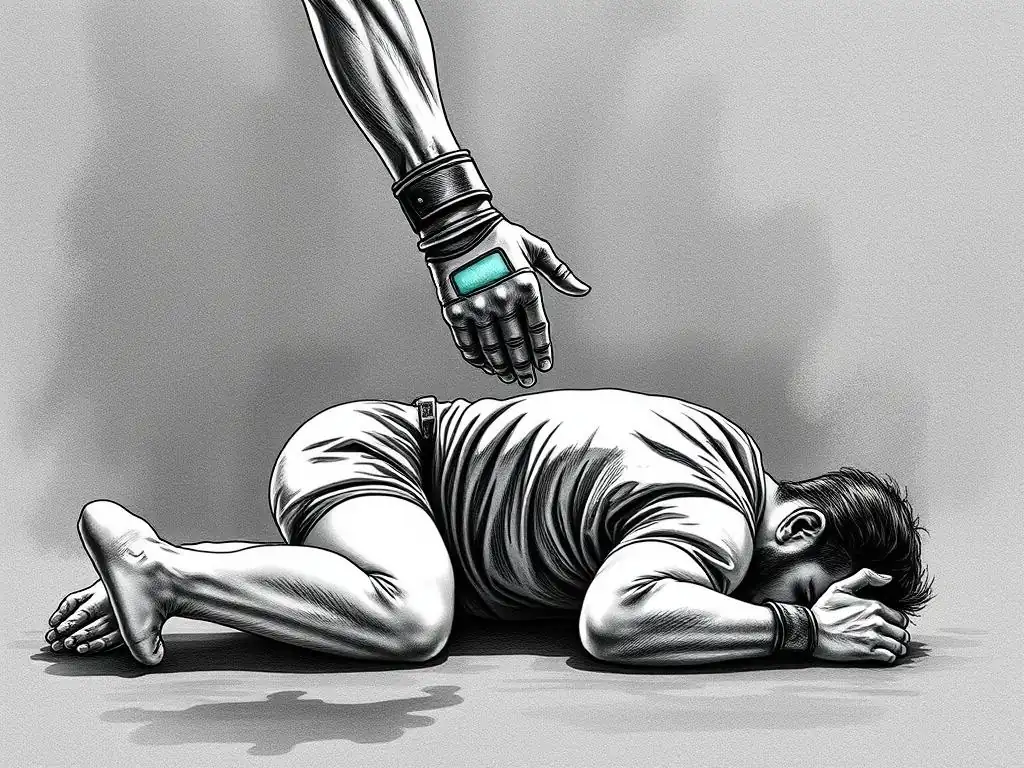
The procedure for an MMA referee reset is fairly standardized, although the exact timing and delivery can vary slightly depending on the referee and the specific situation. It typically involves a warning, followed by the physical separation and restart. Understanding this procedure is key for fighters and fans alike to anticipate and interpret referee actions.
The Verbal Warning: "Work!" and the Opportunity to Improve Position
Before a referee initiates a physical stand-up due to inactivity or stalling, they almost always issue a verbal warning. The most common command is "Work! ", often repeated, or phrases like "Improve your position! ", "You need to work! ", or "Get active!". This warning serves as notice to the fighters that the current level of activity or positional control is insufficient and that a reset is imminent if the situation does not change.
This warning period gives the fighters a brief opportunity, usually just a few seconds, to demonstrate to the referee that they are attempting to advance, strike, or secure a submission. If, after the warning, one or both fighters increase their activity in a meaningful way, the referee may hold off on the reset. However, if the inactivity or stalling persists, the referee will proceed to the next step of the MMA referee reset techniques.
The Physical Reset: Separating the Fighters and Restarting in a Neutral Position
If the verbal warning doesn't lead to increased activity, the referee will physically intervene to separate the fighters and perform the reset. The referee will position themselves safely between the fighters, often using their arms to create space, and command them to stand up. They will then guide the fighters to a neutral standing position, typically in the center of the octagon or ring, equidistant from the cage walls.
Once both fighters are standing and have re-engaged eye contact with the referee, the referee will signal for the fight to resume. This signal is usually a verbal command like "Fight!" accompanied by a hand gesture. The physical reset is executed quickly and decisively to minimize the disruption to the fight flow while effectively breaking the stalled ground engagement and allowing the stand-up fight to resume. This application of MMA referee reset techniques is the most visible part of the process.
Positioning After the Stand Up: Maintaining a Fair and Safe Environment
After the physical separation, the referee is responsible for positioning the fighters correctly to ensure a fair and safe restart. They are typically placed facing each other, standing upright, in the center of the fighting area. The referee ensures they are a reasonable distance apart, usually a few feet, to prevent immediate, unexpected contact that could be dangerous or unfair.
The referee also checks that both fighters are ready to resume before giving the signal. They might briefly verify that equipment (like gloves or mouthguards) is in place. The goal is to restart the action cleanly, giving both fighters an equal opportunity to re-engage from a standing position. Correct positioning after an MMA referee reset is crucial to prevent one fighter from gaining an unfair advantage from the restart itself.
Controversies and Debates Surrounding "Stand Them Up" Decisions
Despite being a necessary tool for managing MMA bouts, MMA referee reset techniques are often sources of controversy and debate among fighters, coaches, analysts, and fans. The subjective nature of applying the criteria for inactivity and stalling means that not everyone will agree on when a reset is warranted.
Subjectivity in Refereeing: The Human Element in Reset Calls
One of the main points of contention surrounding "stand them up" calls is the inherent subjectivity involved in judging inactivity or stalled positions. What one referee might consider stalled after 20 seconds, another might allow to continue for 30 or 40 seconds, believing a fighter is still working or defending effectively. There is no universal, objective timer that dictates precisely when a reset must occur; it relies on the referee's training, experience, and real-time interpretation of the action based on the ruleset.
This human element means that identical ground situations in different fights or refereed by different officials might be handled differently. This inconsistency can be frustrating for fighters and teams who feel a reset either unfairly deprived them of a dominant position or wasn't called soon enough when they were being stalled. While guidelines exist, the final decision to employ MMA referee reset techniques rests solely with the individual referee in the cage at that moment.
The Impact on Fight Strategy: How Resets Can Change Momentum
Referee resets can have a significant impact on fight strategy and momentum. A fighter who is dominant in grappling but struggling on the feet might find their advantage negated by a stand-up, forcing them back into a striking exchange they want to avoid. Conversely, a striker who is being controlled on the ground might welcome a reset, as it immediately returns the fight to their preferred range.
Coaches often instruct their fighters to be aware of the referee's positioning and commands, and to either increase activity on the ground when warned or anticipate a stand-up if they are in a stalled defensive position. The possibility of an MMA referee reset techniques being applied means fighters cannot rely solely on holding a position; they must constantly work towards finishing or improving their position to avoid being stood up, which can dramatically shift the fight's momentum.
Criticisms of Frequent Resets: Disrupting Grappling Exchanges
Some purists and grappling specialists criticize what they perceive as overly frequent or premature referee resets. They argue that standing fighters up too quickly disrupts legitimate grappling exchanges, preventing fighters from working patiently for position or submissions that might take time to develop. Complex submission chains, positional battles, and ground and pound setups can be intricate and require sustained effort from dominant positions.
Critics argue that quick stand-ups prioritize striking action over the nuances of grappling, potentially disadvantaging fighters whose strengths lie primarily on the ground. They contend that some referees are too quick to call inactivity, especially in situations where one fighter is maintaining control and theoretically setting up offense, even if it's not immediately visible or high-paced. This debate highlights the ongoing tension in MMA between showcasing all disciplines and ensuring continuous, visible action, and influences discussions about the application of MMA referee reset techniques.
Optimizing Your MMA Game: Adapting to Potential Referee Resets

Given that MMA referee reset techniques are a standard part of the sport, fighters must train to adapt their game to the possibility of being stood up. This involves specific strategies for ground fighting, cage control, and understanding referee tendencies.
Training for Ground Awareness and Activity
To avoid being reset due to inactivity, fighters must train to be constantly aware and active on the ground. This means drilling transitions, striking from various ground positions (ground and pound), and actively working for submissions. Even when in a dominant position, fighters should demonstrate intent to finish or improve.
- Drill Ground and Pound: Practice landing effective strikes from mount, side control, and guard.
- Focus on Positional Advancement: Work on transitioning smoothly from one position to a more dominant one (e.g., guard pass to side control, side control to mount).
- Develop Submission Offense: Constantly look for and attempt submission holds from control positions.
- Active Defense: For the fighter on the bottom, actively attempt sweeps, submission attempts, or escape techniques rather than just holding on.
By consistently showing the referee that they are "working," fighters reduce the likelihood of an MMA referee reset interrupting their ground game.
Developing Effective Cage Control Techniques
While avoiding illegal cage grabbing is essential, fighters should also develop effective techniques for using the cage legally for takedowns, defense, and control without stalling. This involves understanding how to maintain pressure, work for underhooks, and transition from cage wrestling to other forms of grappling or striking.
Training should include scenarios where opponents attempt to stall against the cage. Fighters should practice breaking clinches, creating space to strike, or securing takedowns efficiently. By demonstrating active use of the cage for legitimate techniques rather than just holding, fighters are less likely to trigger a referee's concern about stalling and the application of MMA referee reset techniques.
Anticipating Referee Intervention: Understanding the Criteria for Resets
Fighters and their corners should study the rules and observe how different referees apply the criteria for inactivity and stalled positions. While subjectivity exists, understanding the general thresholds and common triggers for MMA referee reset techniques allows fighters to anticipate when a warning or a stand-up might be coming.
This anticipation allows fighters to adjust their strategy in real-time. If a fighter feels a reset is imminent on the ground, they might attempt a last-ditch submission or transition. If they are being stalled against the cage, they might prepare for a stand-up and be ready to strike as soon as they are separated. Being aware of the referee's potential actions is a crucial strategic element in modern MMA.
Conclusion: The Art and Science of MMA Referee Reset Techniques
The Balance Between Action, Safety, and Fair Play in MMA Officiating
MMA referee reset techniques are a critical, albeit sometimes controversial, aspect of officiating in mixed martial arts. They represent the referee's effort to balance several competing interests: promoting continuous action and excitement for the audience and judges, ensuring the safety of the competitors, and maintaining fair play by preventing stalling and the misuse of positions or the cage. The decision to "stand them up" is not taken lightly and is guided by specific criteria related to inactivity, stalled positions, cage usage, and safety concerns.
While the subjective nature of applying these criteria can lead to debates, the underlying principles are rooted in the desire to keep the fight dynamic and safe. Referees use warnings as a first step, giving fighters an opportunity to adjust, before physically separating them and restarting the bout in a neutral standing position. Understanding when and why these resets occur is essential for anyone involved in or watching MMA, highlighting the complex role of the referee in managing the flow and integrity of the competition.
The Future of MMA Refereeing: Continued Evolution and Refinement of Reset Protocols
As MMA continues to evolve, so too will the protocols and application of MMA referee reset techniques. Ongoing discussions among regulatory bodies, referees, fighters, and coaches aim to refine the criteria for inactivity and stalling, potentially leading to greater consistency across jurisdictions and officials. Training for referees constantly emphasizes recognizing these situations and applying the rules fairly and effectively.
Future developments might include more detailed guidelines or criteria for specific ground positions or clinch scenarios. However, the inherent dynamism and unpredictability of MMA mean that the referee's judgment call will always play a significant role. The continued evolution of refereeing standards, including the application of stand-up rules, is vital to ensuring that MMA remains a thrilling, safe, and fair sport that effectively showcases all its constituent martial arts disciplines.
Frequently Asked Questions
What is an MMA referee reset?
An MMA referee reset is when the referee stops the fight and repositions the fighters back to a standing position, usually in the center of the octagon. This is done to restart the action and prevent stalling.
Why would an MMA referee reset fighters who are grappling?
Referees reset fighters primarily to prevent prolonged periods of inactivity or stalling on the ground. It ensures continued engagement and a more exciting fight for the audience.
Under what circumstances is a reset most likely to occur?
Resets are most common when both fighters are locked in a stalemate with neither advancing their position or attempting submissions. Lack of meaningful action is the key trigger.
How does a referee decide when to implement a reset?
The referee assesses the activity level of both fighters and the likelihood of positional advancement or submission attempts. If neither is happening, a reset becomes more likely to break the inaction.
What are some criticisms of referee resets in MMA?
Some argue resets can unfairly disadvantage a fighter who has achieved a dominant grappling position. Critics feel they disrupt the natural flow of the fight and reward inactivity.
Final Reflection: The Art of Intervention in the Octagon
The intricacies of MMA refereeing, particularly the decision to reset fighters, might seem like a minor detail to the casual observer. However, as we've explored the various MMA referee reset techniques, it becomes clear that these interventions are crucial in maintaining the flow of the fight and ensuring fighter safety. The impact of these decisions resonates far beyond the immediate moment, shaping the narrative of the bout and potentially influencing the outcome.
The ongoing debate surrounding referee intervention highlights the subjective nature of the role and its profound influence on the sport. Understanding the nuances of when and why a referee chooses to reset fighters is essential for appreciating the strategic depth of MMA. A good referee is one you don't notice.
This quote, often attributed to experienced referees, underscores the ideal of seamless intervention, where the referee's actions are subtle yet effective in preserving the integrity of the fight.
Now, consider the next MMA fight you watch. Pay close attention not just to the fighters, but to the referee. Reflect on the decisions they make, the moments they choose to intervene, and the impact those choices have on the unfolding drama. By understanding the "Stand Them Up" command and the techniques behind it, you gain a deeper appreciation for the complex and often unseen artistry that keeps the sport of MMA both exciting and safe.
Ignite Your Fight IQ: Unveil Deeper MMA Insights!
Thank you for exploring the nuances of referee resets in MMA. Now that you understand the "why" and "when," it's time to take your fight knowledge to the next level. Here's how:
- Delve Deeper: Analyze your favorite MMA fights, paying close attention to referee interventions and discussing potential alternative decisions with friends or online forums. This hands-on learning will solidify your understanding.
- Subscribe to Martial Arts Mastery's newsletter for weekly fight breakdowns, exclusive interviews, and insider perspectives that will give you an edge in understanding the sweet science.
- Share this article with fellow MMA enthusiasts and spark a discussion about the role of referees in shaping the outcome of fights.
What's one fight where you believe the referee's reset significantly impacted the final result, and why?