
Origins of Elegance: Tracing the History of Shaolin Crane Style (He Quan)

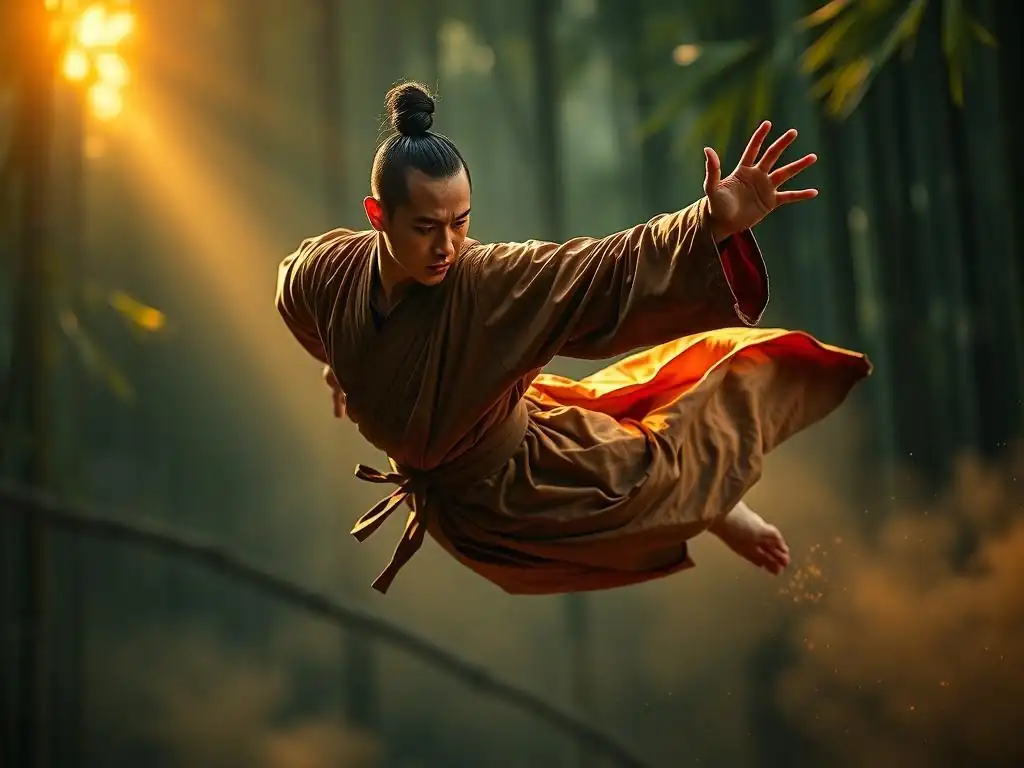
Welcome to Martial Arts Mastery, where the ancient paths of combat and self-discovery converge. Ever wondered about the graceful yet devastating power behind the movements of a crane? Dive into the captivating world of He Quan, as we unravel the Shaolin Crane Style History, exploring its origins, evolution, and the principles that make it a truly unique and effective martial art. Prepare to be amazed by the story behind this elegant fighting form and the secrets it holds... Are you ready to uncover the mysteries of the crane?
- Introduction to Shaolin Crane Style (He Quan)
- The Historical Roots of Shaolin Crane Style
- Key Influences on the Development of Crane Style
- Core Principles and Techniques of Shaolin Crane Style
- The Spread and Evolution of Shaolin He Quan
- Shaolin Crane Style in Modern Martial Arts
- Shaolin Crane Style History: A Summary of Key Milestones
- Frequently Asked Questions
- Final Reflection: The Enduring Flight of He Quan
- Unleash the Crane Within: Begin Your Journey Now!
Introduction to Shaolin Crane Style (He Quan)
The Graceful Power of the Crane in Shaolin Kung Fu
Shaolin Crane Style, known in Chinese as He Quan, stands as one of the revered animal-mimicry styles within the vast Shaolin Kung Fu system. Unlike the aggressive power of the Tiger or the agile unpredictability of the Monkey, the Crane style embodies grace, balance, and precision. It focuses on developing a unique blend of soft internal energy and sharp external techniques, mimicking the bird's elegant movements, watchful stance, and sudden, piercing strikes.
The essence of Shaolin Crane Style lies in its ability to utilize the practitioner's structure and inherent balance to generate explosive force, often from seemingly static positions. This style emphasizes root strength, coordination of the whole body, and the development of focused intent (Yi) to direct energy effectively.
The training in Shaolin He Quan cultivates patience, stillness, and a deep understanding of natural body mechanics. Practitioners learn to maintain a low center of gravity while remaining light on their feet, capable of swift evasion and sudden counter-attacks. Key physical attributes developed include robust leg strength for stable stances, flexible joints for fluid transitions, and precise control over the hands and fingers for striking.
The mental aspect is equally crucial, fostering a calm mind capable of observing an opponent's movements and reacting with speed and accuracy, much like a crane patiently waiting to strike its prey. The historical development of Shaolin Crane Style reflects a deep observation of nature and its application to combat principles.
Defining Elegance and Efficiency in Shaolin He Quan
Elegance in Shaolin Crane Style is not merely aesthetic; it is intrinsically linked to efficiency. The fluid, often circular movements are designed to redirect incoming force, conserve energy, and position the practitioner for optimal striking angles. The characteristic "crane posture," often on one leg or with a light, balanced stance, allows for rapid changes in direction and distance, making the practitioner elusive and difficult to pin down.
This elegance in movement translates directly into combat efficiency, enabling practitioners to evade attacks while simultaneously preparing their own offense. The style prioritizes leverage and structure over brute force, allowing smaller individuals to effectively defend against larger opponents.
Efficiency in He Quan is also seen in its striking techniques. The "crane beak" hand formation, a hallmark of the style, focuses force onto a small, hard point, capable of delivering sharp, penetrating strikes to vulnerable areas. Other hand techniques mimic the crane's wings and claws, used for blocking, deflecting, trapping, and striking.
The footwork is light and agile, facilitating quick entries and exits from engagement range. Every movement, every posture, and every strike in Shaolin Crane Style is refined for maximum effect with minimum wasted effort, embodying a principle of "less is more" in combat application. Understanding the Shaolin Crane Style History reveals how these principles were codified and refined over centuries.
The Historical Roots of Shaolin Crane Style
Legends and Founding Figures of He Quan
The precise origins of Shaolin Crane Style are often shrouded in legend, typical of many ancient martial arts. One prominent legend attributes the style's development to a monk, sometimes named Jue Yuan or another figure, who observed a fight between a crane and a snake or a crane and a monkey.
Fascinated by the crane's defensive postures, evasive movements, and sharp, accurate strikes, he began to incorporate these observations into his martial practice. This foundational story, while perhaps more allegorical than strictly historical, highlights the style's core inspiration rooted in the natural world and animal behavior, a common theme in the development of Shaolin animal styles.
Another narrative links the development of He Quan more directly to the Southern Shaolin Temple. Legends suggest that masters within the Southern temple, perhaps influenced by local fighting styles or further animal observations in the region, refined and systematized the Crane techniques.
Figures like Fang Zhang, often associated with the development of White Crane style, are sometimes mentioned in connection with the Shaolin lineage, suggesting a potential cross-pollination of ideas and techniques. While specific founding dates and individuals remain debated among historians and practitioners, these legends underscore the style's deep connection to Buddhist philosophy, natural observation, and the martial traditions of the Shaolin temples, forming the bedrock of Shaolin Crane Style History.
Development of He Quan within the Shaolin Monastery
Within the historical context of the Shaolin Monastery, the development of He Quan likely evolved over a significant period, rather than being the creation of a single individual. Monks practiced and refined techniques based on combat necessity, physical conditioning, and philosophical understanding. The Crane style would have been integrated into the broader Shaolin curriculum, alongside other animal styles and fundamental techniques. Its emphasis on balance, patience, and precise striking aligned well with the monks' disciplined lifestyle and focus on self-cultivation.
The style's evolution within the monastery would have involved generations of practitioners testing, modifying, and passing down techniques. Forms (套路 - taolu) were created to preserve sequences of movements and principles, serving as living manuals for training. Drills and two-person exercises were developed to practice applications and develop sensitivity.
While hard historical records detailing the step-by-step development of He Quan within the Northern Shaolin temple are scarce due to periods of destruction and political upheaval, its inclusion in later martial arts manuals and its distinct characteristics point to a long period of refinement within the monastic setting. The Shaolin Crane Style History is thus a tapestry woven from the practices and insights of countless dedicated monks.
Key Influences on the Development of Crane Style
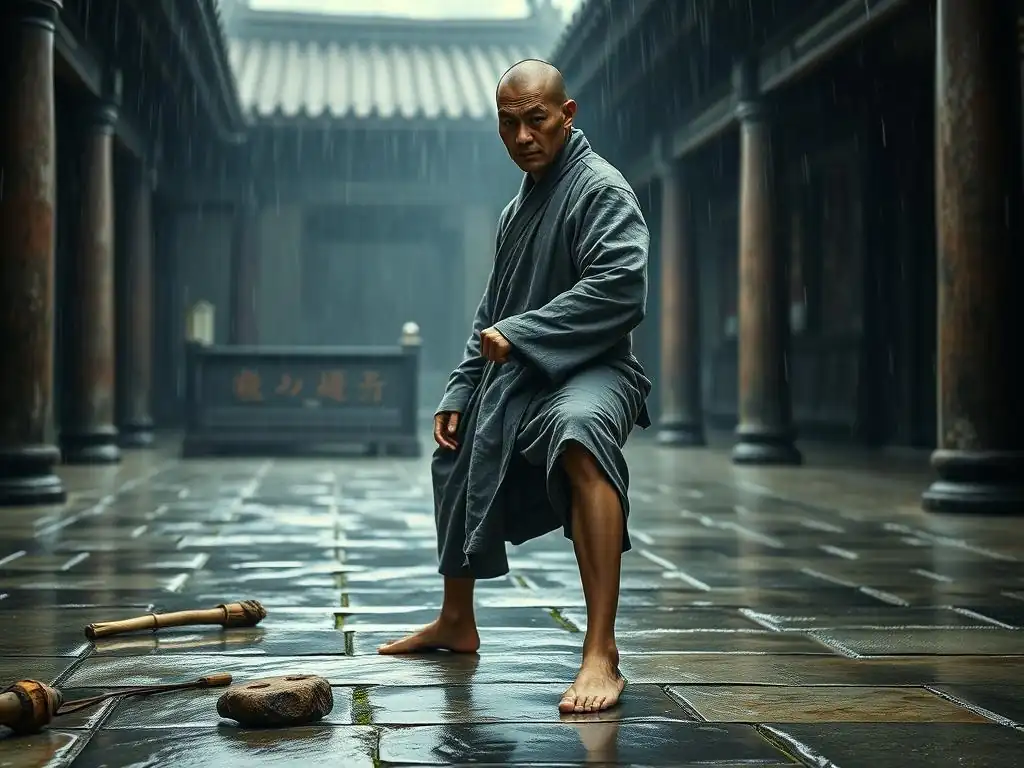
The Role of Fang Zhang in Shaping He Quan
The influence of figures like Fang Zhang (often associated with the development of Southern White Crane) on Shaolin Crane Style (He Quan) is a subject of historical discussion and often intertwined lineages. While Northern Shaolin's He Quan and Southern White Crane (Bai He Quan) have distinct characteristics, there are undeniable similarities, particularly in their emphasis on hand techniques, balance, and mimicking crane-like movements. It is plausible that there was a historical exchange of ideas and techniques between practitioners from different regions and temples.
Some historical accounts or lineage narratives suggest that masters from the Southern tradition brought their understanding of Crane principles north, or conversely, that Shaolin monks influenced the development of Southern styles. Fang Zhang, if a historical figure, may represent a pivotal point in the systematization of Crane principles that resonated across different martial arts schools, including aspects that were incorporated or already present in the Shaolin system.
While a direct, documented line of influence from Fang Zhang specifically to the Northern Shaolin He Quan might be difficult to definitively prove, the conceptual overlap and shared focus on crane-like attributes indicate a likely mutual influence or parallel development based on similar observations and martial principles. This cross-pollination is a fascinating aspect of Shaolin Crane Style History.
Influence of Shaolin White Crane Style on Crane Style Kung Fu
The relationship between Shaolin Crane Style and various White Crane styles (particularly those from Fujian province) is complex and debated, often viewed as either distinct branches from a common root or instances of mutual influence. Shaolin White Crane, as practiced in some lineages, shares many fundamental principles with Shaolin He Quan, such as the emphasis on rooting, structure, flexible waist, and precise hand techniques. Both styles draw heavily on the observation of the crane's defensive and offensive behaviors.
However, distinctions exist in emphasis and execution. Fujian White Crane styles are often characterized by their short-range power generation (寸劲 - cun jin), whip-like movements, and specific hand techniques like the "vibrating power" ( zhen jing). Shaolin He Quan, while utilizing similar principles, might integrate more with the broader Shaolin system's conditioning, stances, and forms.
It is likely that there was significant interaction between practitioners travelling between different regions, particularly during periods when the Southern Shaolin Temple was active. This exchange would have led to the adoption, adaptation, and integration of techniques and training methods, enriching both traditions and contributing to the diverse landscape of Crane-based martial arts, including the specific Shaolin Crane Style History.
Core Principles and Techniques of Shaolin Crane Style
The Significance of Crane Posture and Movement
Crane posture is fundamental to Shaolin He Quan, embodying the style's core principles of balance, stability, and readiness. The most iconic posture involves standing on one leg, with the other leg raised and bent, mimicking a crane at rest or poised to strike.
This posture is not merely for show; it develops incredible balance, leg strength, and the ability to shift weight rapidly, allowing for sudden movements and changes in angle. Even when standing on two feet, the stances in Shaolin Crane Style are often narrow and agile, emphasizing mobility and the ability to evade rather than meeting force head-on.
Movement in He Quan is characterized by its fluidity and elegance. Steps are often light and quick, allowing practitioners to dart in and out of range. Circular movements are used to deflect attacks and generate momentum for strikes.
The body is kept relaxed but alert, ready to explode with sudden power. The waist is crucial, acting as the central pivot for generating force and coordinating the movements of the upper and lower body. This emphasis on flexible, coordinated movement ensures that the practitioner is always balanced and capable of responding effectively to an opponent's actions, reflecting the deep understanding of natural physics inherent in the Shaolin Crane Style History.
Understanding Crane Beak Hand Techniques
The "crane beak" (鹤嘴 - He Zui) is the signature hand formation of Shaolin Crane Style. It is formed by bringing the tips of the fingers together, often supported by the thumb, creating a pointed, rigid striking surface.
This technique focuses all the force of the hand onto a very small area, making it incredibly effective for striking vulnerable points such as eyes, throat, temples, or pressure points. The power for the crane beak strike is generated not just from the arm, but from the coordinated movement of the entire body, utilizing the waist and structure to drive the hand forward with whip-like speed.
Beyond the simple beak strike, He Quan utilizes a variety of hand techniques mimicking other aspects of the crane. "Crane wings" are used for deflecting, trapping, and striking with the forearms or sides of the hands. "Crane claws" involve open hand techniques for grabbing, tearing, or raking strikes. The hands are trained to be both flexible and incredibly strong, capable of rapid transitions between different formations. Mastery of these hand techniques, combined with agile footwork and stable postures, allows the Shaolin Crane Style practitioner to launch precise and devastating attacks.
Key Forms and Drills in Shaolin Crane Style Training
Training in Shaolin Crane Style involves mastering specific forms (taolu) and engaging in rigorous drills. Forms like "Crane Boxing" (鹤拳 - He Quan - also the name of the style) or more specific sets like "Flying Crane Form" (飞鹤拳 - Fei He Quan) encapsulate the style's techniques, postures, and principles in sequential movements. Practicing these forms repeatedly builds muscle memory, coordination, balance, and an understanding of how individual techniques connect and flow together in combat. Each form tells a story of combat application, allowing the student to internalize the style's strategy.
Drills are essential for developing specific skills and applying techniques with a partner. These include balance drills, like standing on one leg for extended periods or practicing movements on uneven surfaces. Partner drills focus on developing sensitivity to an opponent's movements, practicing deflections, traps, and counter-strikes using crane beak and other hand techniques.
Push hands or sticking hands drills, adapted to the style's principles, help develop close-range sensitivity and control. Repetitive striking drills using the crane beak against various targets are also crucial for developing power and accuracy. These forms and drills are the practical embodiment of Shaolin Crane Style History and its combat efficacy.
The Spread and Evolution of Shaolin He Quan
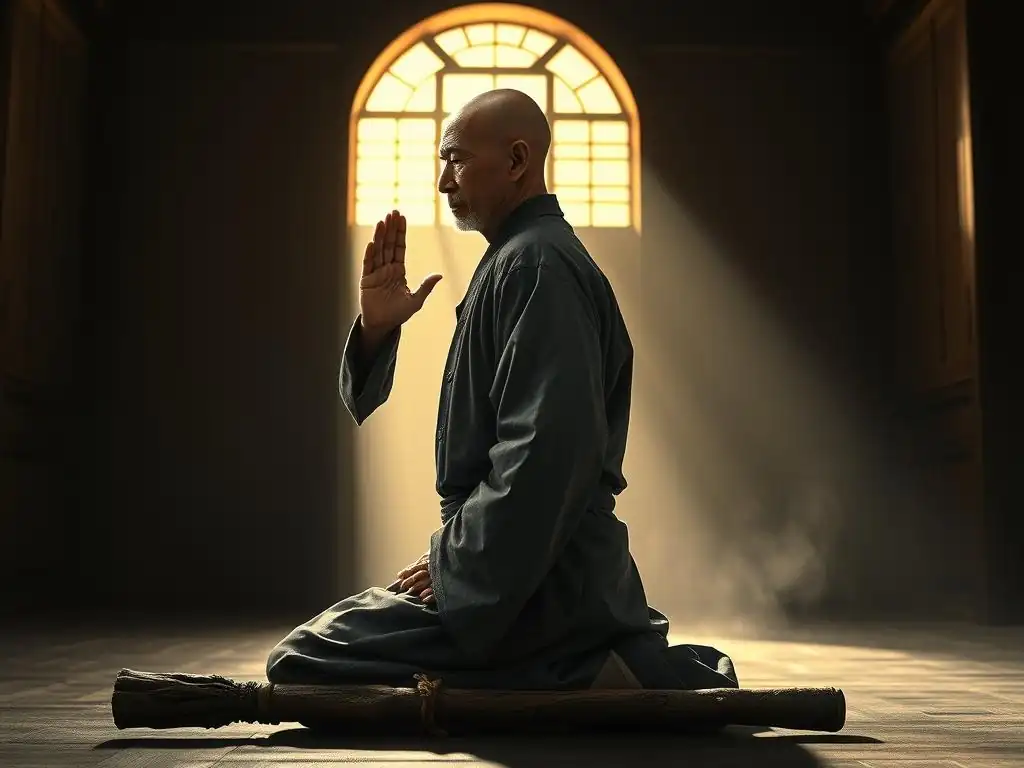
From Shaolin Monastery to Guangdong Province
Historically, the influence of Shaolin Kung Fu, including styles like He Quan, spread from the monasteries through various channels. Monks would sometimes leave the monastery and teach outsiders, or lay disciples would learn within the temple and return to their communities. Guangdong province in Southern China became a significant hub for the dissemination and evolution of Shaolin martial arts, particularly after periods of unrest that affected the Northern Shaolin Temple.
Many martial arts lineages in Guangdong trace their roots back to Shaolin, often citing connections to the Southern Shaolin Temple or monks who travelled south. While Southern White Crane styles developed independently in Fujian, the principles of Crane-based fighting were clearly present and further developed within the diverse martial arts landscape of Guangdong.
Styles like Hung Gar, for instance, incorporate elements of Crane alongside Tiger techniques. This movement south saw Shaolin He Quan principles being adapted, combined with local techniques, and taught within various family lineages and martial arts schools, contributing new chapters to Shaolin Crane Style History outside the monastic walls.
Variations and Lineages of Shaolin Crane Style
As Shaolin Crane Style spread, it naturally evolved and diversified, leading to various lineages and interpretations. Different masters emphasized slightly different aspects of the style, incorporated techniques from other systems they knew, or adapted the training methods to suit their students or local conditions. This resulted in variations in forms, techniques, and training methodologies, while still adhering to the core principles of crane-like movement, balance, and precise strikes.
Some lineages might focus more heavily on the internal aspects and energy cultivation, others on the external physical conditioning and combat application. Regional differences also played a role; Crane styles developed in different parts of China might show influences from local fighting traditions.
While it can be challenging to trace the exact lineage of every variation back to the original Shaolin source, the enduring presence of crane-like postures, hand techniques, and principles across these different schools speaks to a shared heritage rooted in the observations and martial wisdom that formed the early Shaolin Crane Style History. Examples include variations found within different branches of Hung Gar or specific Crane family styles.
Shaolin Crane Style in Modern Martial Arts
Preservation and Adaptation of He Quan in Contemporary Training
Today, Shaolin Crane Style continues to be practiced both within the Shaolin Temple itself and by various schools and individuals around the world. Preservation efforts focus on maintaining the integrity of the traditional forms, techniques, and training methods passed down through lineages. This often involves dedicated practitioners studying historical texts, analyzing old forms, and adhering to the training regimens established by past masters. The goal is to keep the essence and effectiveness of the traditional Shaolin Crane Style alive for future generations.
However, modern training also involves adaptation. While the core principles remain constant, teaching methodologies may be modified to suit contemporary students and environments. Safety considerations in sparring and application practice are paramount. Some schools might integrate modern sports science principles into the physical conditioning aspects, while still grounding the training in traditional methods. The application of Shaolin Crane Style techniques for modern self-defense scenarios is also explored, adapting traditional movements to address contemporary threats. This balance between preservation and adaptation is key to the continued relevance of Shaolin He Quan.
Notable Practitioners of Shaolin Crane Style Today
Identifying "notable" practitioners of Shaolin Crane Style today can be subjective, as many dedicated masters prefer to teach quietly within their schools rather than seek public recognition. However, within the Shaolin Temple itself, senior monks and martial arts instructors continue to train and teach the traditional Shaolin animal styles, including He Quan. Their mastery represents a direct link to the historical lineage.
Outside the temple, there are numerous sifus (teachers) around the globe who have dedicated decades to studying and propagating Shaolin Crane Style, often having learned from masters who trained in or were significantly influenced by the Shaolin tradition. These practitioners might lead schools, publish instructional materials, or participate in cultural exchanges. While specific names can vary depending on the lineage and region, their collective efforts are vital in ensuring that the rich Shaolin Crane Style History and its practical application continue to be understood and practiced worldwide.
Shaolin Crane Style History: A Summary of Key Milestones
Timeline of Significant Events in He Quan's History
While a precise, date-stamped timeline for Shaolin Crane Style History is challenging due to the nature of historical record-keeping for martial arts, we can outline key periods and influences:
- Ancient Origins (Likely Pre-Tang Dynasty onwards): Observation of animals, including cranes, as inspiration for combat techniques likely predates formal codification.
- Development within Shaolin Monastery (Tang Dynasty onwards): Integration of crane-like movements and principles into the developing Shaolin martial arts curriculum. Refinement of techniques and creation of early forms.
- Southern Influence/Exchange (Ming/Qing Dynasties): Potential interaction and exchange of ideas with Southern Chinese martial arts, including the developing Fujian White Crane styles. Dissemination of Shaolin principles south, potentially contributing to Crane elements in Southern styles like Hung Gar.
- Periods of Suppression and Revival (Various points in Chinese History): Shaolin Temple and its martial arts faced challenges and periods of decline, followed by revivals, impacting the continuous transmission of styles like He Quan.
- Modern Era (20th-21st Centuries): Preservation efforts to maintain traditional lineages and forms. Adaptation of training methods for modern students. Global spread of Shaolin Crane Style through diaspora and increased interest in Chinese martial arts.
This timeline provides a framework for understanding the long and complex Shaolin Crane Style History, highlighting its enduring presence and evolution.
The Enduring Legacy of Shaolin Crane Style
The legacy of Shaolin Crane Style is profound, extending beyond its direct practitioners. It represents a remarkable example of observing nature and translating its principles into effective self-defense and physical cultivation. Its emphasis on balance, structure, precision, and the integration of soft and hard energy continues to influence various martial arts systems. The elegance and efficiency of its movements offer valuable lessons in body mechanics and strategic thinking.
Furthermore, the Shaolin Crane Style serves as a living link to the rich history and philosophical depth of Shaolin Kung Fu and traditional Chinese culture. It embodies the Buddhist principles of mindfulness, patience, and harmony with nature. As practitioners around the world continue to train in He Quan, they not only preserve a unique martial art but also connect with a centuries-old tradition of physical, mental, and spiritual discipline. The enduring appeal of Shaolin Crane Style history lies in its timeless principles and the powerful, graceful system it represents.
Note: Specific dates and names for early history are based on traditional accounts and legends, as definitive historical records for the minute details of ancient martial arts development are often scarce.
Frequently Asked Questions
What are the origins of Shaolin Crane Style (He Quan)?
The Shaolin Crane Style is believed to have originated in the Shaolin Monastery in China, drawing inspiration from the movements and fighting techniques of the crane. Its precise origins are often attributed to a specific monk or group, but the exact history is shrouded in legend.
How does Shaolin Crane Style differ from other Shaolin martial arts?
While all Shaolin styles share common foundations, Crane Style emphasizes long-range strikes, imitating the crane's beak and wings, and utilizing evasive footwork. Other styles may focus more on close-quarters combat or grappling.
What are some key techniques and principles of Shaolin Crane Style?
Key techniques include wing blocks, beak strikes, and crane kicks. The principles center on balance, agility, and using soft movements to deflect and redirect force.
Is Shaolin Crane Style effective for self-defense?
Yes, Shaolin Crane Style can be effective for self-defense, as it teaches practitioners to maintain distance, exploit an opponent's weaknesses, and deliver swift, precise strikes. Its evasive nature also lends itself well to defensive applications.
Where can I learn Shaolin Crane Style?
Finding a qualified instructor with a legitimate lineage is crucial. Research martial arts schools and Shaolin temples that offer instruction in traditional Shaolin Crane Style, ensuring they have a proven track record.
Okay, here's a final reflection designed to close your article "Origins of Elegance: Tracing the History of Shaolin Crane Style (He Quan)" and rank for the keyword "Shaolin Crane Style History," following your specified structure and tone:
Final Reflection: The Enduring Flight of He Quan
The journey through the Shaolin Crane Style History reveals more than just a lineage of movements; it uncovers a living testament to resilience, adaptation, and the enduring power of cultural transmission. From its mythical origins to its modern-day practitioners, He Quan continues to inspire and challenge, proving that its elegance is not merely aesthetic, but deeply rooted in its historical context and practical application.
The profound influence of Shaolin Crane Style extends beyond the martial arts world, shaping perceptions of grace, discipline, and the harmonious balance between strength and fluidity. Witnessing its continued evolution, and the dedication of those who preserve its legacy, underscores the importance of understanding our roots to navigate the future. To know the road ahead, ask those coming back.
- Chinese Proverb. This proverb perfectly encapsulates the value of understanding the historical journey of He Quan, as it provides invaluable insight into its future potential.
Now, as you close this exploration of Shaolin Crane Style History, consider how its principles of balance, adaptability, and unwavering focus can be applied to your own life. Embrace the spirit of He Quan, not just in physical practice, but in every challenge you face. Let the enduring flight of the Crane inspire you to cultivate inner strength, navigate obstacles with grace, and strive for a harmonious existence.
Unleash the Crane Within: Begin Your Journey Now!
Thank you for diving deep into the elegant power of Shaolin Crane Style. We hope you've gained valuable insights into its rich history and unique philosophy. Ready to embody the spirit of the crane?
- Dedicate 15 minutes today to practicing the basic He Quan stretching routine. Feel the fluidity and balance awaken within you. This is your starting point to experiencing the style firsthand.
- Explore related styles! Discover parallel influences in Wing Chun or White Crane Kung Fu to enrich your understanding of Chinese martial arts.
- Share your favorite insight from this article with a fellow martial arts enthusiast. Let's spread the knowledge and inspire others!
Which aspect of He Quan - its history, techniques, or philosophy - resonates most with you, and how do you plan to integrate it into your training or life?