
Decoding Kendo Armor: A Beginner's Guide to Men, Kote, Do, and Tare

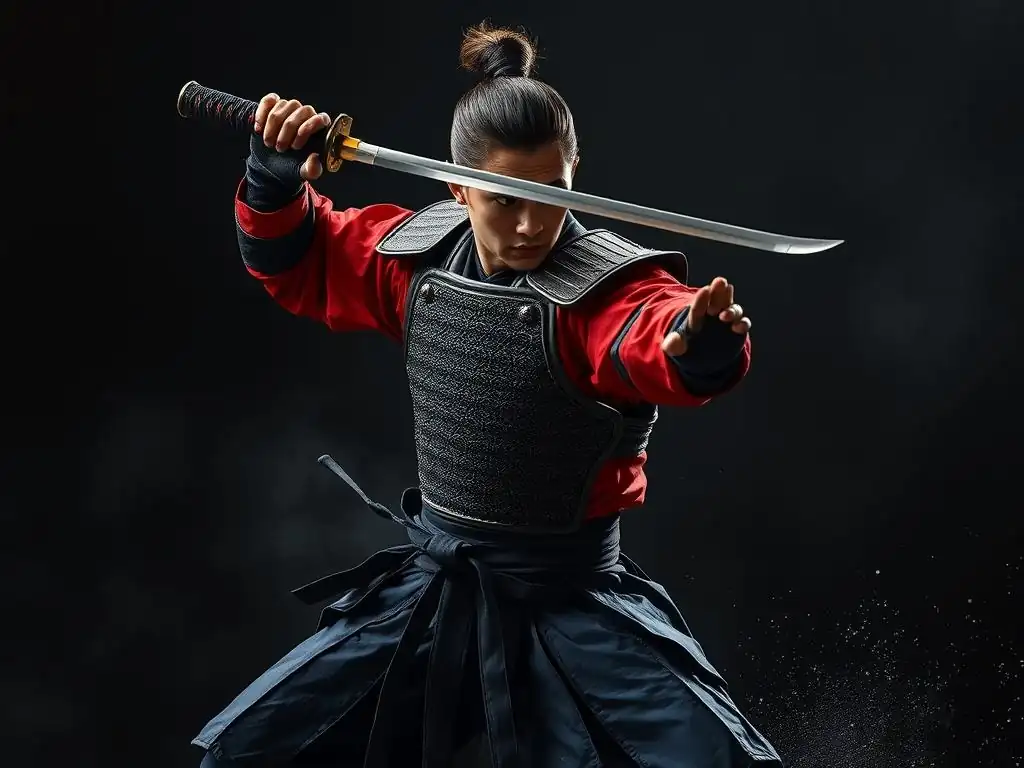
Welcome to Martial Arts Mastery, your gateway to understanding the world's fighting traditions! Ever felt overwhelmed by the intricate gear of Kendo? In this article, we demystify the Kendo armor – the Men, Kote, Do, and Tare – with a beginner's guide. Prepare to unlock the secrets behind each piece and embark on your journey towards Kendo mastery. What role does each component play in protection and performance? Dive in to find out!
- Understanding Kendo Armor: A Comprehensive Guide to Men, Kote, Do, and Tare
- Introduction to Kendo Protective Gear: Safety and Tradition
- Kendo Armor Breakdown: Components and Functionality
- Exploring the Men: Head and Face Protection
- Demystifying the Kote: Hand and Wrist Protection
- The Do Explained: Torso Protection
- Tare Unveiled: Lower Body Protection
- Choosing Your First Kendo Armor Set: Considerations for Beginners
- Kendo Armor Maintenance and Care: Preserving Your Bogu
- Conclusion: Respecting Tradition and Ensuring Safety
-
Frequently Asked Questions
- What are the four main pieces of Kendo armor, and what part of the body does each protect?
- Why is wearing proper Kendo armor so important during practice and competition?
- What is the Men, and what are its key components?
- What materials are typically used in the construction of Kendo armor, and why?
- Where can I find reliable resources to learn more about properly fitting and maintaining my Kendo armor?
- Final Reflection: Embracing the Spirit of Kendo Through its Armor
- Unleash Your Inner Warrior: Embark on Your Kendo Journey Now!
Understanding Kendo Armor: A Comprehensive Guide to Men, Kote, Do, and Tare
Introduction to Kendo Protective Gear: Safety and Tradition
What is Kendo Armor (Bogu)? Protecting the Body in Practice
Kendo armor, known as bogu (防具), is the essential protective equipment worn by practitioners of Kendo, the Japanese martial art of swordsmanship. Its primary function is to shield specific vulnerable areas of the body from the impact of strikes delivered by the shinai, the bamboo sword used in training and competition.
While the shinai is designed to be relatively safe compared to a steel sword, strikes delivered with force can still cause significant injury without adequate protection. The bogu allows practitioners to engage in full-contact sparring, known as ji-geiko or shiai, enabling realistic application of techniques learned in basic practice.
Historically, the development of bogu evolved alongside the practice of Kendo itself, allowing practitioners to move beyond kata (pre-arranged forms) and engage in free-sparring without severe risk of injury. Early forms of protective gear date back centuries, but the modern bogu design solidified during the Edo period (1603-1868) and has seen relatively minor changes since then, primarily in materials and construction techniques. Understanding this Kendo armor breakdown for beginners is crucial not just for safety, but also for appreciating the rich history and tradition embedded within the sport.
The Role of Bogu in Safe and Effective Kendo Training
Wearing bogu is fundamental to progressing in Kendo. It transforms practice from controlled, light strikes into dynamic, full-power engagements. Without bogu, practitioners could only perform basic footwork, suburi (swinging practice), and kata (forms), limiting their ability to experience the timing, distance, and intensity required for effective swordsmanship. The protection offered by the bogu allows students to receive strikes to designated target areas ( datotsu-bu) – the head ( men), wrists ( kote), torso ( do), and throat ( tsuki) – without fear of serious injury.
Furthermore, the physical presence of the bogu itself influences posture and movement, encouraging proper form and a strong, stable stance. The weight and bulk of the equipment, while initially challenging, help develop physical conditioning and resilience. Learning to move effectively while wearing the bogu is a key part of a beginner's journey. It teaches practitioners to rely on proper technique and body movement rather than simply trying to evade strikes, fostering courage and mental fortitude in the face of perceived danger.
Kendo Armor Breakdown: Components and Functionality
The Four Essential Components of Kendo Bogu: Men, Kote, Do, and Tare
A complete set of Kendo bogu consists of four primary components, each designed to protect a specific area of the body. These are the Men (面), protecting the head and face; the Kote (小手), protecting the hands and wrists; the Do (胴), protecting the torso; and the Tare (垂), protecting the waist and groin area. While other optional pieces like throat protectors ( tsuki-dare) or shoulder pads exist, these four make up the standard set required for engaging in ji-geiko or shiai.
Each component is constructed from multiple layers of fabric (typically cotton), leather (deer or synthetic), and padding, often reinforced with metal grids or bamboo ribbing in specific areas. The combination of these materials provides both impact absorption and flexibility, allowing the practitioner to move relatively freely while remaining protected. A thorough Kendo armor breakdown for beginners involves understanding not just what each piece is called, but how it functions and fits together as a system of protection.
Exploring the Men: Head and Face Protection
Understanding the Structure of the Men: Mengane, Uchiwa, and Agito
The Men is the most complex and arguably the most important piece of Kendo bogu, protecting the head, face, throat, and shoulders. Its core structure is the mengane (面金), a protective metal grill (usually titanium, duralumin, or steel) that covers the face, allowing visibility while preventing shinai strikes from reaching the eyes, nose, and mouth. The horizontal bars of the mengane are typically spaced to allow a shinai tip to pass through only with difficulty, specifically designed to block the tsuki (throat) strike.
Behind the mengane is the padded inner part of the Men, called the uchiwa (内輪), which fits snugly around the head. This is heavily padded to absorb impact. Below the mengane is the agito (顎), the padded throat protector. Extending down from the main headpiece are the thick, padded flaps that protect the shoulders and the side of the neck. These flaps are typically made of layers of cotton fabric quilted together and reinforced with leather at impact points. The entire structure is held in place by cotton cords ( himo) tied securely around the head.
Properly Wearing and Securing the Men: Ensuring a Snug and Safe Fit
Wearing the Men correctly is critical for both safety and comfort. First, ensure your tenugui (a cotton towel) is properly tied around your head to absorb sweat and provide a thin layer of padding. The Men is then placed over the head, with the mengane centered and the uchiwa fitting comfortably around your face. The agito should sit securely under your chin, protecting your throat.
The long himo (typically 30-40 cm each) attached to the sides of the Men are then tied behind the head. There are specific knots used in Kendo to secure the Men firmly but allow for quick removal if needed. A common method involves crossing the himo behind the head, bringing them forward, crossing them again, and then tying a bow knot at the back.
The goal is a snug fit that prevents the Men from shifting during vigorous movement or absorbing a strike, without being so tight that it restricts breathing or causes discomfort. A correctly tied Men ensures the protective areas align with potential strike zones.
Choosing the Right Men: Size, Fit, and Visibility Considerations
Selecting the right Men is crucial for a beginner's safety and progress. Size is determined by measuring the circumference of the head both horizontally (around the forehead) and vertically (from the chin, over the top of the head, to the base of the skull). These measurements, usually in centimeters, are used to match you with the appropriate Men size. A Men that is too large will shift, reducing protection and obstructing vision. One that is too small will be uncomfortable and potentially dangerous.
Beyond size, consider the fit of the uchiwa around your face and the visibility through the mengane. Some beginners find the restricted view challenging initially. The material of the mengane can affect weight and durability; titanium is lighter and stronger than steel but more expensive. The stitching density (measured in millimeters, e.g., 5mm, 7mm) on the padded flaps affects flexibility and protection; lower numbers mean denser stitching, offering more stiffness and potentially better protection, but also costing more. Trying on different Men is highly recommended to find the balance of fit, comfort, and visibility that works best for you.
Demystifying the Kote: Hand and Wrist Protection
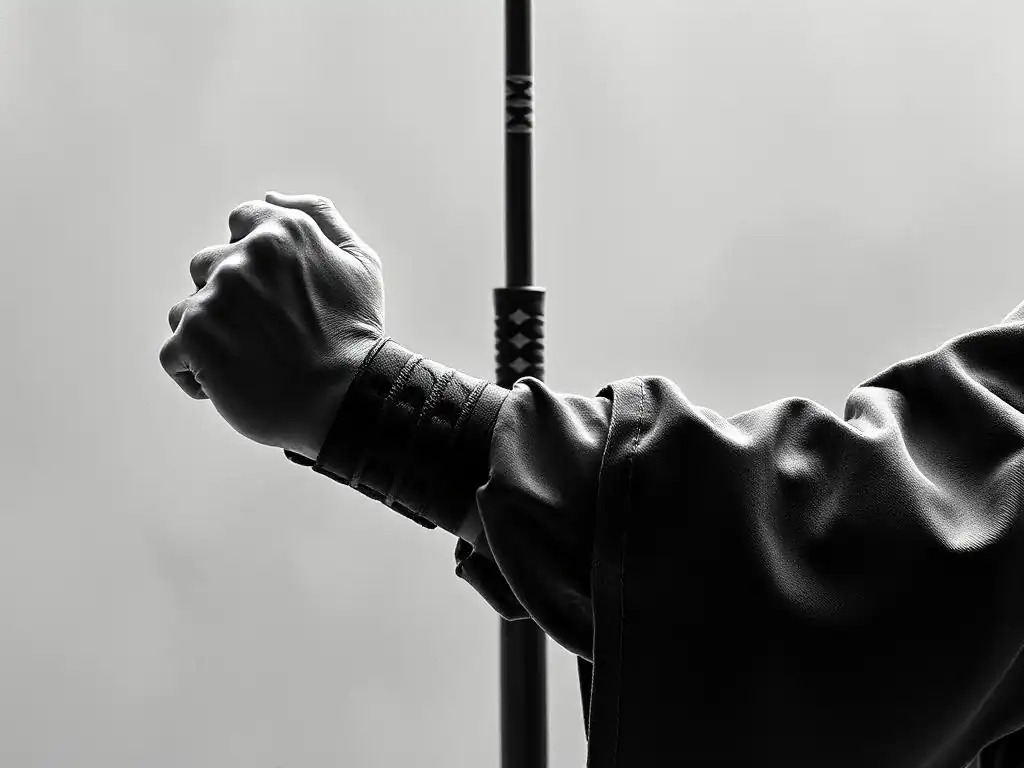
Anatomy of the Kote: Palm, Fist, and Gauntlet Construction
The Kote are the padded gloves worn on the hands, protecting the wrists, forearms, and the back of the hands from strikes. A Kote consists of several distinct parts: the palm ( tenouchi), the padded fist area, and the gauntlet-like section that extends up the forearm. The tenouchi, the palm area, is typically made from a single piece of leather (deer leather is traditional and highly valued for its feel and durability, though synthetic options are common). This allows for a firm grip on the shinai.
The back of the hand and the fingers are covered with thick padding, often reinforced with layers of fabric and sometimes internal support to protect against direct impacts. The gauntlet section, which protects the wrist and part of the forearm, is heavily padded and designed to absorb the force of strikes aimed at the kote target area. The construction involves careful stitching to create segmented padding that allows for some degree of flexibility while maintaining protective integrity.
Kote Material and Construction: Leather, Synthetic Leather, and Padding
The materials used in Kote construction significantly impact their durability, feel, and cost. The tenouchi is ideally made from deer leather ( kawa), which offers excellent grip, breathability, and longevity. Synthetic leather is a more affordable alternative, durable but sometimes less flexible or breathable. The outer shell of the padded sections is traditionally indigo-dyed cotton ( aizome), known for its strength and resistance to wear, though some modern kote use synthetic fabrics.
The internal padding is crucial for impact absorption. It consists of multiple layers of cotton felt or synthetic materials. The stitching that holds these layers together and creates the segmented padding varies in density (e.g., 3mm, 5mm, 7mm stitching). Denser stitching (lower mm number) generally results in a firmer, more protective Kote, often considered higher quality but also less flexible and more expensive. For a beginner Kendo armor breakdown, understanding these material choices helps in selecting a durable and protective pair.
Kote Maintenance and Care: Cleaning, Drying, and Repair
Proper maintenance extends the life of your Kote and prevents odor and damage. After each practice, Kote absorb a significant amount of sweat. They should be aired out immediately in a well-ventilated area, away from direct sunlight which can cause fading and cracking of materials. Hanging them upside down or using Kote dryers (small fans inserted into the gauntlets) can help accelerate the drying process. Avoid storing damp Kote in your bogu bag.
To clean, the leather tenouchi can be gently wiped with a damp cloth. The padded sections can be surface cleaned with a mild detergent solution if necessary, but avoid soaking them. If the tenouchi becomes stiff, a small amount of leather conditioner can be applied, but avoid products that make the leather slippery. Minor repairs, such as stitching coming undone or small tears in the fabric, should be addressed promptly to prevent further damage. Many Kendo equipment suppliers offer repair services for bogu.
The Do Explained: Torso Protection
Understanding the Do Construction: Mune, Daidō, and Himo
The Do is the chest and torso protector, one of the most visually distinctive parts of Kendo bogu. It is designed to protect the front of the body from strikes and thrusts. The Do consists of two main parts: the mune (宗), which is the upper chest protector, and the daidō (胴), the main body of the chest piece. The mune is typically made from layers of leather or synthetic leather, often decorated with embossed patterns or stitching designs. It covers the upper chest and is relatively flexible.
The daidō, the lower and larger section, provides rigid protection for the ribs and abdomen. Traditionally, this part was made from bamboo staves lacquered together, offering excellent strength and shock absorption while being surprisingly lightweight. Modern daidō are often made from fiberglass or durable plastic, which are more affordable and require less maintenance than bamboo. The Do is secured to the body using several sets of himo (cords) that tie over the shoulders and around the waist, holding it firmly in place.
Different Types of Do: Lacquer Finish, Material, and Design Variations
Do vary significantly in construction, materials, and aesthetics. The most traditional and highly prized Do have a bamboo daidō (竹胴), often made from 50 or 60 pieces of bamboo, lacquered with multiple coats to produce a deep, durable finish. Lacquer colors can range from traditional black and dark brown to vibrant reds, blues, and even metallic finishes. The lacquer not only provides protection but also contributes to the aesthetic appeal.
More common and budget-friendly options include fiberglass or plastic Do. Fiberglass ( hon-urushi finish on fiberglass mimics the look of lacquer) offers good protection and is lighter than bamboo. Plastic Do are the most affordable and easiest to maintain, suitable for beginners, though they may lack the feel and durability of higher-end materials. The mune also offers design variations, from simple plain leather to intricate stitching patterns ( kazari) and embossed designs. These variations contribute to the overall Kendo armor breakdown for beginners in terms of cost and style.
Proper Do Fit and Adjustment: Secure and Comfortable Placement
A properly fitting Do is essential for protection and allows for unrestricted movement. The Do should cover the area from just below the collarbone down to the top of the hips, protecting the ribs and abdomen. The width should be such that it doesn't interfere with arm movement, particularly during strikes, but is wide enough to cover the sides of the torso.
The Do is secured using two sets of himo: the upper himo that go over the shoulders and tie to the back of the Do, and the lower himo that tie around the waist. The upper himo support the weight and position the Do vertically, while the lower himo secure it horizontally. When tying, ensure the Do sits high enough to protect the solar plexus but low enough not to impede breathing or abdominal movement. The himo should be tied securely but not so tightly that they cause discomfort or restrict mobility.
Tare Unveiled: Lower Body Protection
The Function of the Tare: Protecting the Waist and Groin
The Tare is the protective skirt-like piece worn around the waist, designed to protect the hips, waist, and groin area from accidental strikes, particularly during close-quarters practice or falls. While not a primary target area in formal Kendo shiai (competition), it provides crucial protection during ji-geiko (free practice) where strikes can land unexpectedly. The Tare also serves as a place to attach the zekken (or nafuda), a cloth patch displaying the practitioner's name, dojo, and country, essential for identification during practice and competition.
Functionally, the Tare's layered construction absorbs and disperses impact. It consists of a main belt or band from which several flaps hang down. These flaps are made of densely stitched layers of cotton fabric, providing padding and flexibility. The design allows for ease of movement in the legs and hips, which is vital for Kendo footwork ( ashi-sabaki).
Examining the Tare Structure: O-dare, Ko-dare, and Obi
The Tare is composed of a waist piece ( obi) and several hanging flaps. The largest flaps, typically three in number, are called O-dare (大垂) and hang in the front. On either side of the central O-dare, there are typically two smaller flaps, called Ko-dare (小垂). The zekken is usually attached to the center O-dare. The obi is the band that wraps around the waist, from which the O-dare and Ko-dare are suspended.
The number of Ko-dare can vary slightly in different Tare designs (sometimes one larger Ko-dare on each side instead of two smaller ones). The construction of the flaps involves stitching layers of fabric together. The density and pattern of this stitching contribute to the Tare's protective quality and aesthetic. The Tare is secured using long himo attached to the obi, which are tied around the waist and back.
Tare Design Variations: Stitching Patterns and Reinforcements
Tare designs primarily vary in the stitching patterns and the density of the stitching on the flaps. Common stitching patterns include straight lines or diagonal cross-hatching. As with other bogu components, the stitching density (e.g., 5mm, 7mm) affects the stiffness and protective feel of the Tare. Denser stitching often indicates higher quality and durability, though it may make the Tare slightly less flexible initially.
Some Tare may feature reinforcements, such as extra layers of leather or thicker stitching, particularly on the obi or the upper part of the O-dare, areas subject to wear from rubbing against the Do or from tying the himo. The materials used are typically the same aizome cotton and leather found in other bogu pieces. While the basic structure of the Tare is consistent, these variations allow for different levels of protection, flexibility, and aesthetic preference, fitting into the overall Kendo armor breakdown for beginners' choices.
Choosing Your First Kendo Armor Set: Considerations for Beginners
Budget Considerations: Balancing Cost and Quality
Acquiring a full set of Kendo bogu is a significant investment for a beginner. Entry-level sets typically range from $300 to $800, offering basic protection suitable for initial ji-geiko. Mid-range sets ($800 to $1500) often feature better materials (like genuine deer leather tenouchi or better quality synthetic Do) and construction (denser stitching), offering improved durability and comfort. High-end and custom bogu can cost several thousand dollars.
For a beginner, balancing cost and quality is key. While the cheapest sets might seem appealing, very low-quality bogu can be uncomfortable, less protective, and may wear out quickly. Investing in a decent beginner set from a reputable supplier is generally recommended. Look for sets that offer good value, focusing on essential protection and reasonable durability, rather than intricate designs or the highest-grade materials which are more relevant for experienced practitioners. This Kendo armor breakdown for beginners highlights that adequate protection is paramount.
Sizing and Fitting: Consulting with Experienced Practitioners
Correct sizing and fit are paramount for safety and comfort. As mentioned for the Men, accurate measurements of head circumference, hand length, and forearm length are necessary for Men and Kote sizing. Do size is usually determined by height and waist circumference, while Tare is sized based on waist circumference. However, relying solely on measurements is insufficient.
It is highly recommended that beginners consult with their Kendo instructor ( sensei) or senior practitioners at their dojo before purchasing bogu. They can provide guidance on taking accurate measurements, recommend reputable suppliers, and help assess the fit of potential bogu sets. Trying on bogu is the best way to ensure a proper fit – the Men should feel snug but not restrictive, the Kote should allow for a firm grip, the Do should cover the torso without impeding movement, and the Tare should fit comfortably around the waist.
Material Quality: Leather, Synthetic Leather, and Stitching
Understanding material quality is part of the Kendo armor breakdown for beginners when making a purchase decision. The primary materials are cotton fabric (usually indigo-dyed aizome), leather (deer or synthetic), and padding. For the Men, consider the mengane material (steel is standard, duralumin or titanium are lighter and stronger). For the Kote, the quality of the tenouchi leather significantly impacts grip and feel.
Stitching density (measured in millimeters, e.g., 5mm, 7mm) is a common indicator of quality. Lower numbers mean denser stitching, resulting in firmer, more durable padding, but also potentially less flexibility and higher cost. While 1mm or 2mm stitching is characteristic of high-end bogu, a beginner set with 5mm or 7mm machine stitching offers perfectly adequate protection and is much more affordable. Look for even, strong stitching and durable leather reinforcements on key impact areas.
Kendo Armor Maintenance and Care: Preserving Your Bogu
Cleaning and Storage: Preventing Odor and Damage
Proper care is essential to prolong the life of your bogu and maintain hygiene. The most important step is airing out your bogu after every practice. Sweat can quickly lead to unpleasant odors and degrade materials over time. Hang each piece separately in a well-ventilated area, away from direct sunlight and moisture. Using a bogu stand or hanging rack is ideal.
Periodically, the cotton parts can be wiped down with a damp cloth. The leather parts, especially the Kote tenouchi, can benefit from occasional cleaning and conditioning with products specifically designed for leather bogu. Avoid using harsh chemicals or excessive water. Store your bogu in a breathable bag (avoid plastic bags) when not in use, preferably in a cool, dry place. Never store damp bogu for extended periods.
Repairing Minor Damage: Replacing Himo and Stitching
Minor wear and tear are inevitable with regular Kendo practice. The most common issues are worn or broken himo (cords) and loose stitching. Fortunately, himo are relatively easy to replace. Keep spare sets of Men, Do, and Tare himo on hand. Learning the proper way to attach and tie himo is a basic skill for Kendo practitioners.
Loose stitching, especially on the padded sections or leather reinforcements, should be repaired promptly. If left unattended, it can lead to the padding shifting or separating, reducing protection and causing further damage. Minor repairs can sometimes be done with a strong needle and thread, but for more significant issues or complex areas like the Men or Do, it's best to seek professional repair from a Kendo equipment supplier or a skilled seamster familiar with bogu construction.
When to Replace Your Kendo Armor: Recognizing Degradation and Safety Concerns
Even with diligent care, bogu will eventually wear out and need replacement. Signs of degradation include:
- Significant thinning or hardening of padding, particularly on strike zones ( Men, Kote, Do).
- Cracking or deterioration of leather parts, especially the Kote tenouchi or Men reinforcements.
- Damage to the mengane (bent bars, corrosion) that compromises its protective integrity.
- Structural damage to the Do (cracks in bamboo, fiberglass, or plastic).
- Excessive wear or tearing of the cotton fabric that exposes the inner padding.
If your bogu no longer provides adequate protection, it becomes a safety hazard to both you and your training partners. Consult your sensei if you are unsure whether your bogu is still safe to use. Replacing worn-out bogu is crucial for continuing safe and effective Kendo practice. This Kendo armor breakdown for beginners emphasizes that safety should always be the top priority.
Conclusion: Respecting Tradition and Ensuring Safety
The Importance of Proper Bogu for Kendo Practice
Understanding and properly using Kendo bogu is foundational for anyone serious about practicing this martial art. The Men, Kote, Do, and Tare are not merely pieces of equipment; they are integral to the practice, enabling the full-contact engagement that defines Kendo. They allow practitioners to develop timing, distance, spirit, and technique in a realistic environment while minimizing the risk of injury.
Beyond physical protection, the bogu carries significant cultural and traditional weight. Donning the bogu signifies readiness for intense practice and embodies a commitment to the discipline and respect inherent in Kendo. Proper fitting and maintenance demonstrate care not just for your equipment, but for your safety and the safety of others. This comprehensive Kendo armor breakdown for beginners should serve as a valuable starting point for your journey.
Further Resources for Kendo Beginners: Local Dojo Information and Kendo Federations
For beginners seeking more information or looking to purchase their first set of bogu, the best resources are often found within the Kendo community itself.
- Local Dojo: Your sensei and senior students are invaluable resources for advice on bogu selection, fitting, and care. They can often recommend specific suppliers or even have loaner bogu available for trial.
- National Kendo Federations: Organizations like the All Japan Kendo Federation (AJKF) or national bodies in your country (e.g., the A.U.K.F. in the US, the B.K.F. in the UK) provide information on certified suppliers and safety standards.
- Reputable Kendo Equipment Suppliers: Many online and brick-and-mortar stores specialize in Kendo equipment and can offer detailed information on different bogu options. Look for suppliers recommended by your dojo or national federation.
Investing time in understanding your bogu will enhance your safety, comfort, and overall experience in Kendo.
Frequently Asked Questions
What are the four main pieces of Kendo armor, and what part of the body does each protect?
The four main pieces are Men, Kote, Do, and Tare. The Men protects the head and neck, the Kote protect the hands and forearms, the Do protects the torso, and the Tare protects the lower abdomen and groin.
Why is wearing proper Kendo armor so important during practice and competition?
Proper Kendo armor is crucial for safety and injury prevention. It allows practitioners to execute techniques with full force without serious harm, which is essential for effective training and competition.
What is the Men, and what are its key components?
The Men is the helmet-like protector in Kendo. Key components include the Men-gane (face grill), Tenugui (head towel), Tsuki-dare (throat protector), and Himo (ties) that secure it to the head.
What materials are typically used in the construction of Kendo armor, and why?
Traditional Kendo armor uses bamboo, cotton, and lacquered leather. These materials offer a balance of protection, flexibility, and durability, allowing for both impact absorption and comfortable movement.
Where can I find reliable resources to learn more about properly fitting and maintaining my Kendo armor?
MartialArtsMastery.org offers detailed guides and articles on Kendo armor. You can also consult with experienced Kendo instructors at your local dojo for personalized advice on fitting and maintenance.
Final Reflection: Embracing the Spirit of Kendo Through its Armor
The intricacies of Kendo armor, often appearing daunting to newcomers, are in reality a gateway to understanding the profound philosophy and discipline that underpin this martial art. By demystifying the bogu for beginners, we aim to foster a deeper appreciation for the tradition and dedication it represents. This guide serves not only as a practical introduction but also as an invitation to embark on a journey of self-discovery and growth through the way of the sword.
The impact of Kendo extends far beyond the dojo, shaping character and instilling values of respect, perseverance, and unwavering focus. The feeling of donning the armor for the first time is a transformative experience, a tangible connection to centuries of tradition and a commitment to personal development. The ultimate aim of Kendo is to mold character, to train the mind and body, and to cultivate a vigorous spirit.
- Morihei Ueshiba. This quote encapsulates the essence of Kendo, highlighting how the armor becomes more than just protective gear; it becomes a symbol of dedication and a tool for self-improvement.
As you continue your Kendo journey, remember that the bogu is not merely a shield but a partner in your growth. Let the weight of the men, the feel of the kote, the resonance of the do, and the stability of the tare remind you of the commitment you've made to yourself and to the art. Embrace the challenges, learn from every encounter, and allow the spirit of Kendo to guide you towards becoming a more disciplined, respectful, and resilient individual.
Unleash Your Inner Warrior: Embark on Your Kendo Journey Now!
Thank you for exploring the world of Kendo armor with us! We hope you found this guide insightful and feel more confident understanding the intricacies of Men, Kote, Do, and Tare. Now, it's time to translate that knowledge into action!
Here are a few ways to further immerse yourself in Kendo:
- Find a local Kendo dojo and attend a beginner's class. This is the most important step to experiencing Kendo firsthand.
- Dive deeper into Kendo history by researching different schools of swordsmanship and their influence on modern Kendo techniques.
- Share this guide with a friend who might be interested in martial arts, sparking their own Kendo adventure.
Ready to take your first step on the Kendo path? What excites you most about the prospect of wearing the bogu and practicing Kendo?