
Krav Maga for All Ages and Abilities: Adaptability in SelfDefense

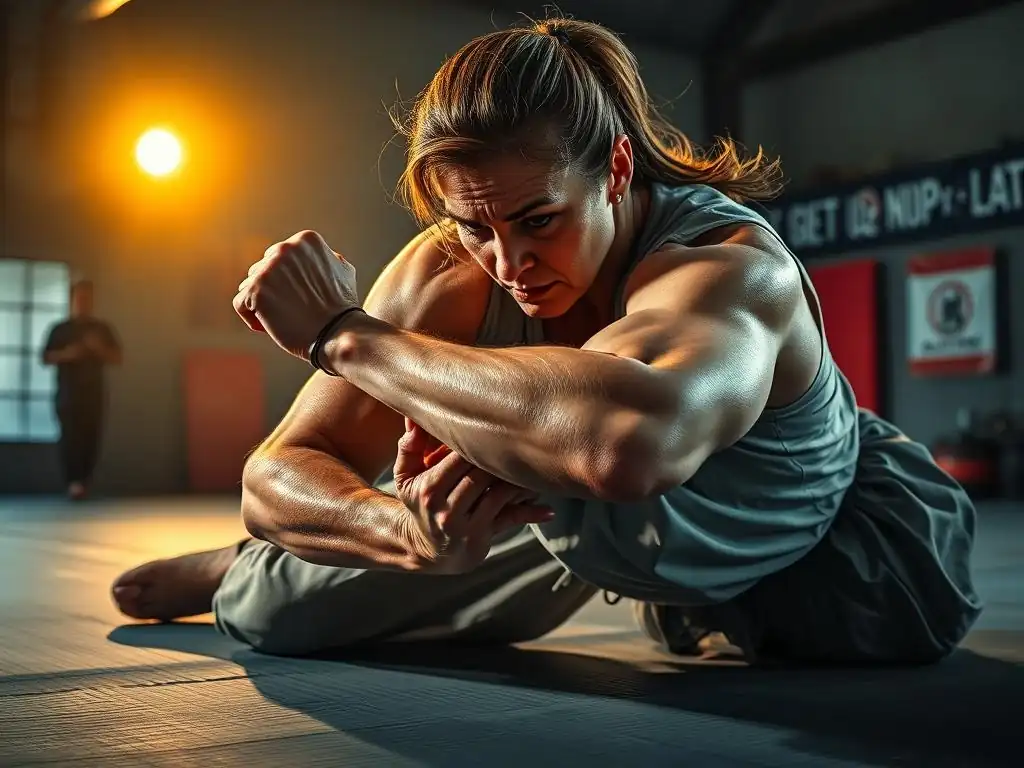
Welcome to Martial Arts Mastery, your gateway to understanding the power and precision of global fighting traditions. Ever wondered how one martial art can be adapted for everyone, regardless of age or physical ability? Dive in to discover the secrets of Krav Maga self defense and unlock its potential to empower you, as we explore its unique adaptability and practical application. Curious to see how this dynamic system transcends limitations? Let's begin...
- Krav Maga Self Defense: A Universal Approach
- Understanding Krav Maga Principles for Effective Self-Defense
- Krav Maga Training for Different Age Groups
- Krav Maga for Individuals with Disabilities: Empowering Self-Reliance
- Krav Maga Techniques and Adaptations for Various Situations
- The Importance of Realistic Krav Maga Training Scenarios
- Beyond Physical Techniques: The Mental Aspect of Krav Maga Self Defense
- Finding a Qualified Krav Maga Instructor for All Abilities
- The Benefits of Krav Maga Self Defense Training
- Krav Maga: A Lifelong Journey of Self-Improvement and Self-Defense
-
Frequently Asked Questions
- How effective is Krav Maga for self-defense compared to other martial arts?
- Can Krav Maga be adapted for individuals with physical limitations or disabilities?
- What are the key differences between learning Krav Maga for self-defense versus learning it as a competitive sport?
- Is Krav Maga suitable for children and older adults, considering its aggressive nature?
- What is the historical origin of Krav Maga, and how does its history influence its self-defense philosophy?
- Final Reflection: Empowering Resilience Through Krav Maga
- Unleash Your Inner Defender!
Krav Maga Self Defense: A Universal Approach
Krav Maga stands out as a highly effective system for personal protection, known for its practical, no-nonsense approach. Developed for real-world situations, its core focus is on intuitive movements and principles that can be quickly learned and applied under stress. Unlike traditional martial arts that may involve complex forms or rituals, Krav Maga self defense training prioritizes efficiency and directness, making it accessible to people from all walks of life, regardless of their physical conditioning or previous experience. This universal applicability is a cornerstone of the system, allowing individuals to develop crucial skills for their personal safety.
The system's emphasis on natural reactions ensures that techniques are easier to recall when faced with danger. Instead of teaching elaborate sequences, Krav Maga leverages instinctive responses like flinching or stepping back and builds upon them with simple, powerful defensive and offensive actions. This makes learning Krav Maga self defense a process of refining natural survival instincts rather than acquiring entirely new motor skills. Its adaptability means that techniques can be modified on the fly to suit the practitioner's physical capabilities, the environment, or the nature of the threat, reinforcing its reputation as a truly practical method for self-protection.
Understanding Krav Maga Principles for Effective Self-Defense
The Core Philosophy of Krav Maga: Simplicity and Efficiency
The fundamental philosophy driving Krav Maga self defense is rooted in simplicity and efficiency. The system was designed under pressure, needing to equip individuals with effective defensive skills rapidly. This led to the development of techniques that are direct, utilizing the shortest path between two points and focusing on vulnerable targets. The goal is to neutralize a threat as quickly as possible, often by simultaneously defending and counter-attacking. This principle ensures that even under the extreme stress of an attack, practitioners can rely on learned responses that are easy to execute.
This focus on efficiency means that Krav Maga avoids unnecessary movements or complex maneuvers. Techniques are stripped down to their most essential components, making them easier to learn and retain. For example, a basic defense against a punch might involve a simple block that transitions immediately into a strike, rather than a sequence of parries and repositioning. This directness is vital in a real-life confrontation, where time is limited and the environment is unpredictable. Learning Krav Maga self defense instills the mindset of ending the conflict decisively and safely.
Adapting Krav Maga Techniques to Individual Needs and Limitations
One of the most significant strengths of Krav Maga for self defense is its inherent adaptability. The system is not rigid; it encourages practitioners and instructors to modify techniques based on the individual's physical attributes, age, and any physical limitations they might have. A technique taught to a young, athletic individual might be slightly altered for an older adult or someone with a joint issue, ensuring the core principle of defense remains effective while accommodating personal capabilities.
This adaptation extends beyond physical differences. Krav Maga training also considers psychological factors, helping individuals build confidence and manage fear, which are crucial for effective self-defense regardless of physical prowess. Instructors are trained to assess a student's specific needs and tailor the training experience. For instance, someone with limited mobility might focus more on upper-body defenses and de-escalation techniques, while someone with good physical condition might practice dynamic defenses and takedowns. This personalized approach makes Krav Maga self defense accessible and effective for a wider population than many other martial arts.
Krav Maga Training for Different Age Groups
Krav Maga for Children and Teenagers: Building Confidence and Awareness
Introducing Krav Maga to children and teenagers provides them with invaluable life skills that extend far beyond physical technique. Programs designed for this age group emphasize awareness of their surroundings, how to identify potential dangers, and how to respond non-violently when possible. For example, children might learn verbal de-escalation tactics before physical defense is even considered. The training helps build confidence by empowering them with the knowledge that they have options for self-protection, which can significantly impact their self-esteem and ability to navigate social situations, including bullying.
Beyond safety, Krav Maga training for young people instills discipline and respect. Classes often involve structured drills, partner work, and adherence to safety rules, fostering a sense of responsibility. While learning basic Krav Maga self defense moves like simple strikes and defenses against grabs, they also learn the importance of using these skills only as a last resort. This balanced approach ensures that while they gain physical capability, they also develop the maturity to understand the ethical implications of using force, promoting responsible behavior both inside and outside the training environment.
Age-Appropriate Krav Maga Drills for Young Learners
- Stranger danger scenarios (role-playing)
- Defenses against grabs (wrist, clothing)
- Basic strikes (palm heel, knee)
- Falling safely drills
- Verbal assertion exercises
Fostering Discipline and Respect Through Krav Maga
- Following instructions from instructors
- Partner training etiquette
- Understanding the responsibility of self-defense skills
- Respecting training partners and oneself
- Maintaining focus and effort during drills
Krav Maga for Adults: Practical Self-Defense Skills
For adults, Krav Maga training offers a direct path to acquiring practical self-defense skills applicable to common real-world threats. The curriculum typically covers defenses against a variety of attacks, including punches, kicks, chokes, and holds, as well as dealing with threats involving weapons like knives or sticks. Training sessions often simulate realistic scenarios, such as attacks in low light, confined spaces, or from multiple assailants, preparing practitioners for the unpredictable nature of actual confrontations. This focus on practicality makes Krav Maga self defense a highly sought-after skill for personal safety.
Adult Krav Maga classes also serve as an excellent form of physical fitness and stress relief. The dynamic nature of the drills, which often involve bursts of intense activity, improves cardiovascular health, strength, and flexibility. Furthermore, the mental engagement required to analyze situations and react under simulated pressure enhances mental resilience and focus. Many adults find that the physical exertion and the process of overcoming simulated challenges in Krav Maga training provide a powerful outlet for stress, contributing to overall well-being alongside learning vital self-protection skills.
Enhancing Physical Fitness and Mental Resilience
- Improving cardiovascular endurance through drills
- Building functional strength for effective techniques
- Increasing flexibility and range of motion
- Developing focus and concentration under pressure
- Managing adrenaline response in simulated stress scenarios
Real-World Krav Maga Scenarios for Adult Training
- Defending against attacks from behind
- Dealing with threats in a seated position (e.g., car, chair)
- Handling multiple attackers
- Defending against weapon threats (knife, stick)
- Escaping common grabs and holds
Krav Maga for Seniors: Maintaining Mobility and Self-Preservation
Krav Maga is surprisingly adaptable for seniors, offering a means to maintain physical function and learn essential self-preservation techniques. Modified Krav Maga programs for older adults focus on improving balance, coordination, and functional movement, which are crucial for preventing falls – a significant risk factor for this age group. Techniques are often adapted to be lower impact, emphasizing stability and effective use of body weight rather than dynamic, high-impact movements. For example, ground defenses might focus on safely getting back up rather than complex grappling.
These programs provide seniors with simple, effective Krav Maga self defense strategies tailored to their capabilities. Defenses against common threats like pushes, grabs, or being knocked off balance are practiced with an emphasis on regaining stability and creating distance. The training can help seniors feel more confident and less vulnerable, empowering them to go about their daily lives with greater peace of mind. The social aspect of group classes also contributes to their well-being, providing community and shared purpose alongside physical activity and self-defense learning.
Modified Krav Maga Techniques for Older Adults
- Emphasis on balance recovery drills
- Low-impact striking techniques
- Defenses against pushes and shoves
- Techniques for getting up safely from the ground
- Using canes or walkers as improvised defensive tools
Improving Balance and Coordination for Senior Self-Defense
- Single-leg stance exercises
- Controlled movement drills
- Practicing weight shifts for stability
- Simple footwork patterns
- Reacting to unexpected nudges or bumps
Krav Maga for Individuals with Disabilities: Empowering Self-Reliance
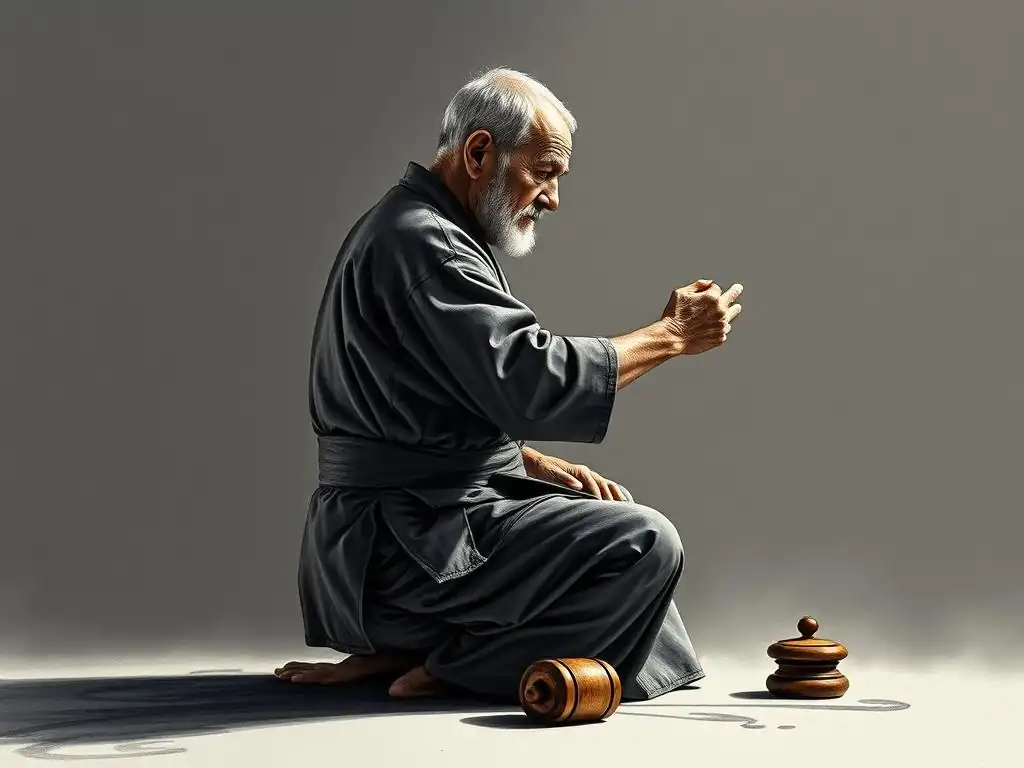
Krav Maga's principle of adaptation makes it a viable option for individuals with various physical or cognitive disabilities seeking self-defense skills. Adaptive Krav Maga programs work closely with practitioners to modify techniques based on their specific abilities and challenges. For someone using a wheelchair, the focus might be on upper body defenses against grabs, strikes from above, or dealing with threats from the front or side. For individuals with visual impairments, training could emphasize auditory awareness and defense against attacks they cannot see coming. The core goal remains the same: empowering the individual with effective tools for their safety.
Overcoming physical challenges in Krav Maga training is approached creatively, focusing on leveraging existing strengths and finding alternative solutions. An instructor might adapt a standing technique into a seated one, or modify a movement to accommodate limited range of motion. The training process itself can also be therapeutic, improving body awareness, coordination, and functional strength within the individual's capabilities. Learning Krav Maga self defense in an adaptive environment provides a sense of accomplishment and independence, reinforcing the idea that self-protection is achievable regardless of physical limitations.
Adaptive Krav Maga: Tailoring Techniques to Specific Abilities
Adaptive Krav Maga involves a personalized approach where techniques are carefully modified to suit the individual's unique physical or cognitive profile. For example, a standard defense against a headlock might be completely re-engineered for someone with limited mobility, focusing on disruptive strikes to vulnerable points rather than escape through movement. Instructors work one-on-one or in specialized groups to ensure the techniques are not only safe but also genuinely effective for the practitioner's specific situation.
This tailoring requires deep understanding of both Krav Maga principles and the specific challenges faced by the individual. It's not about watering down the system but finding creative applications of its core tenets of simplicity, efficiency, and targeting vulnerable areas. The aim is to build a repertoire of self-defense options that are reliable and executable under stress, giving the individual the confidence and capability to protect themselves. Krav Maga self defense becomes a tool for empowerment and increased self-reliance.
Overcoming Physical Challenges in Krav Maga Training
Training methodologies in adaptive Krav Maga are designed to leverage an individual's strengths while addressing their challenges. This might involve using specialized equipment, focusing on specific muscle groups, or breaking down movements into smaller, more manageable steps. For someone with balance issues, drills might be performed seated or with support, gradually introducing standing elements as stability improves. The emphasis is always on progress and finding functional solutions for self-protection.
The mental aspect is equally crucial. Training helps individuals confront fear and build resilience, proving to themselves what they are capable of achieving. Successfully executing a modified defense technique provides a significant boost in confidence, demonstrating that physical limitations do not equate to helplessness. Krav Maga self defense training becomes a journey of discovering personal strength and expanding the boundaries of what is possible.
Building Confidence and Self-Esteem Through Adaptive Self-Defense
Adaptive Krav Maga has a profound impact on confidence and self-esteem. By learning practical skills to protect themselves, individuals gain a greater sense of control over their personal safety. This empowerment extends beyond the training environment, positively affecting their willingness to engage in social activities and navigate public spaces. Knowing they have the means to defend themselves reduces anxiety and fosters a more positive self-image.
The supportive and inclusive nature of adaptive Krav Maga classes also plays a vital role. Training alongside peers and instructors who understand and support their journey creates a sense of community and belonging. Celebrating small victories and overcoming challenges together reinforces self-worth. Learning Krav Maga self defense in this environment builds not just physical capability but also significant mental and emotional resilience, proving that self-defense is truly for everyone.
Krav Maga Techniques and Adaptations for Various Situations
Adapting Krav Maga for Close-Quarters Combat
Krav Maga excels in close-quarters combat (CQC), which is where many real-world altercations occur. Techniques are specifically designed to be effective when there is little space to maneuver, such as in a hallway, elevator, or crowded street. Adaptations for CQC focus on utilizing body mechanics efficiently, generating power in tight spaces, and defending against attacks like chokes, holds, and grabs that are common at close range. The principle of simultaneous defense and attack is particularly relevant here.
Training for CQC in Krav Maga self defense involves drills that simulate being trapped or surrounded. Practitioners learn to use elbows, knees, headbutts, and close-range strikes to vulnerable targets. Defenses against weapons at close range, which are particularly dangerous, are also a key component. The emphasis is on creating space or neutralizing the threat immediately, preventing the situation from escalating or moving to the ground, which can be disadvantageous in tight spaces or against multiple opponents.
Krav Maga for Defending Against Multiple Attackers
Defending against multiple attackers is one of the most challenging scenarios, and Krav Maga provides realistic strategies for it. The system acknowledges that facing more than one assailant requires a different approach than a one-on-one fight. Krav Maga self defense tactics in this scenario focus on movement, positioning, and quickly incapacitating one attacker to reduce the odds. The goal is not to fight everyone simultaneously but to survive and escape.
Techniques are adapted to create opportunities for escape. This might involve using one attacker as a shield against another, moving strategically to keep opponents in a line, or using explosive, decisive actions to create an opening to flee. Training drills often involve multiple partners simulating an attack from different directions, forcing the practitioner to develop spatial awareness, prioritize threats, and move effectively. The emphasis is on survival and disengagement rather than prolonged engagement.
Using Everyday Objects for Self-Defense in Krav Maga
Krav Maga's practical nature extends to the use of everyday objects as improvised self-defense tools. The system teaches practitioners to look at their environment and identify items that could be used for protection or to enhance defensive capabilities. This might include using a key in the fist for striking, a belt or scarf for defense against grabs, or a bag or jacket to create distance or shield against attacks.
Training explores how common items like pens, umbrellas, water bottles, or even a rolled-up magazine can be used effectively to strike, block, or distract an assailant. This aspect of Krav Maga self defense enhances situational awareness and empowers individuals to feel more prepared even when unarmed. It reinforces the system's philosophy of using whatever is available to survive a confrontation.
The Importance of Realistic Krav Maga Training Scenarios
Simulating Real-World Threats in a Safe Environment
Realistic scenario training is a cornerstone of effective Krav Maga self defense. Training moves beyond practicing individual techniques in isolation to simulating the chaos and unpredictability of real-world threats. This might involve drills conducted in varied environments (like stairs or confined spaces), under different lighting conditions, or with simulated attackers wearing protective gear allowing for full-contact responses. The aim is to expose practitioners to stress and adrenaline in a controlled setting.
These simulations help bridge the gap between learning a technique and being able to apply it effectively when fear and confusion are present. Participants learn to function under pressure, make rapid decisions, and adapt their learned skills to dynamic situations. While challenging, this type of training is crucial for building the confidence and capability needed for real Krav Maga self defense.
Developing Situational Awareness and Decision-Making Skills
Beyond physical technique, realistic Krav Maga training heavily emphasizes developing situational awareness. This involves teaching practitioners to observe their environment, recognize potential threats before they escalate, and take steps to avoid danger. Drills often incorporate elements that test awareness, such as unexpected attacks or distractions.
Furthermore, scenario training hones decision-making skills under duress. Practitioners must quickly assess a situation, determine the level of threat, and decide on the most appropriate response – whether it's de-escalation, creating distance, or engaging physically. This mental processing is as vital as physical technique in Krav Maga self defense, preparing individuals not just to fight, but to survive and make smart choices when safety is on the line.
Beyond Physical Techniques: The Mental Aspect of Krav Maga Self Defense
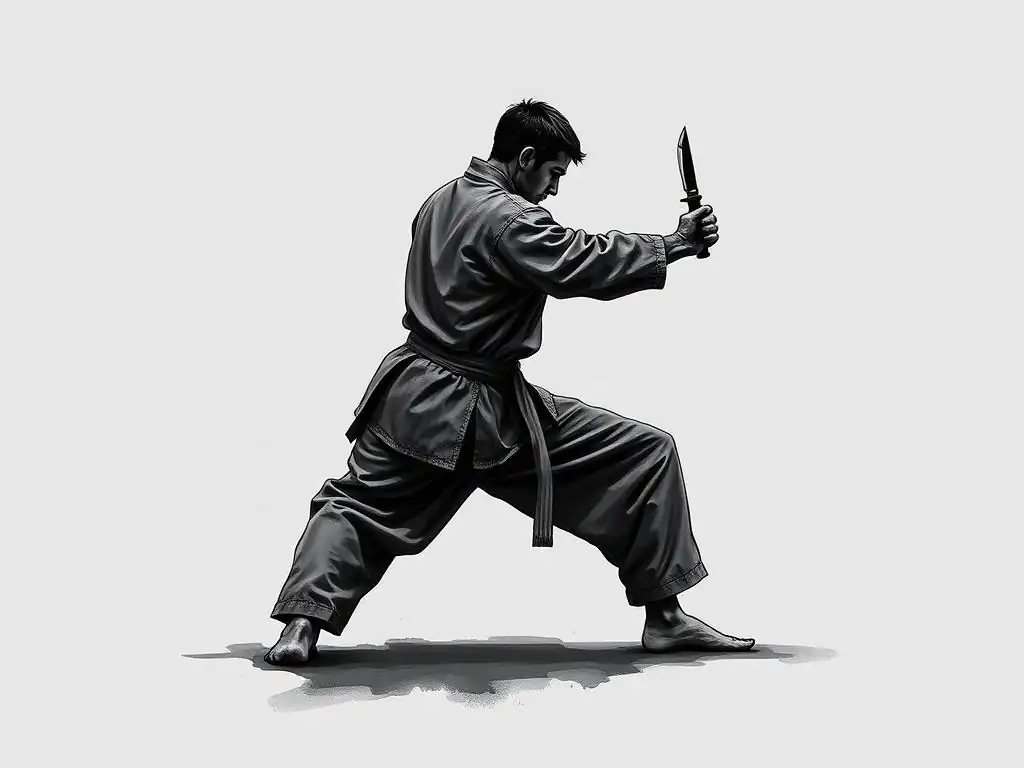
Mental Toughness and Stress Management in Krav Maga
Krav Maga training deliberately pushes practitioners beyond their comfort zones, fostering mental toughness. By exposing students to simulated stress and intense physical exertion, they learn to function effectively even when fatigued or experiencing fear. This process builds resilience and the ability to persevere in difficult situations.
Learning to manage the body's stress response is a key component. Instructors teach techniques for breathing, focus, and maintaining composure under pressure. This mental conditioning is integral to Krav Maga self defense, as panic can render even the most skilled individual ineffective. Building mental toughness means being able to think clearly and act decisively when it matters most.
Building a Defensive Mindset for Self-Protection
A critical outcome of Krav Maga training is the development of a proactive defensive mindset. This is not about becoming aggressive but about cultivating a state of readiness and a firm resolve to protect oneself. It involves adopting behaviors that reduce vulnerability, such as walking with confidence, being aware of surroundings, and avoiding unnecessary risks.
The defensive mindset instilled by Krav Maga self defense empowers individuals to be their own first line of defense. It's about having the confidence to set boundaries, the willingness to assert oneself verbally, and the mental preparation to act decisively if physical defense becomes necessary. This mental preparedness is arguably the most powerful tool gained from training.
Finding a Qualified Krav Maga Instructor for All Abilities
Key Qualities to Look for in a Krav Maga Teacher
Finding the right instructor is paramount for effective and safe Krav Maga self defense training, especially when considering different ages and abilities. A qualified instructor should possess deep knowledge of Krav Maga principles and techniques, backed by recognized certification from a reputable organization. Experience in teaching diverse populations is also crucial; look for instructors who have experience working with children, seniors, or individuals with specific needs.
Beyond technical expertise, excellent communication skills, patience, and the ability to create a safe and supportive learning environment are essential. A good instructor is not just a technician but a mentor who understands the physical and psychological aspects of self-defense training. They should be able to explain techniques clearly, adapt them as needed, and inspire confidence in their students, making Krav Maga self defense accessible and effective for everyone.
Ensuring a Safe and Inclusive Training Environment
A sign of a quality Krav Maga program is its commitment to safety and inclusivity. The training space should be clean and well-maintained, with appropriate safety mats and equipment. Instructors should prioritize safety protocols during drills, ensuring techniques are practiced responsibly to minimize the risk of injury.
An inclusive environment welcomes individuals of all backgrounds, ages, and physical capabilities. Instructors should demonstrate respect for all students and be willing to make necessary modifications to accommodate individual needs. A positive and supportive atmosphere where students feel comfortable asking questions and challenging themselves is vital for effective learning and building confidence in Krav Maga self defense.
The Benefits of Krav Maga Self Defense Training
Increased Self-Confidence and Empowerment
One of the most immediate and significant benefits of Krav Maga self defense training is the boost in self-confidence. As individuals learn practical skills to protect themselves, they feel more capable and less vulnerable. This newfound confidence permeates other areas of their lives, improving assertiveness and reducing anxiety in various social situations.
Empowerment comes from knowing you have the means to defend yourself and your loved ones if necessary. This shift from feeling like a potential victim to feeling capable of self-protection is incredibly liberating. Krav Maga training instills a sense of personal agency, reinforcing the belief that you are not helpless and can take action to ensure your safety.
Improved Physical and Mental Well-being
Krav Maga is a demanding physical activity that provides a comprehensive workout, improving cardiovascular health, strength, coordination, and flexibility. Consistent training contributes to better overall physical fitness, which in turn can boost energy levels and improve mood.
Mentally, Krav Maga self defense training enhances focus, discipline, and resilience. Learning to perform under simulated stress helps manage real-life pressure better. The sense of accomplishment from mastering techniques and overcoming challenges contributes positively to mental health, reducing stress and improving overall well-being.
Enhanced Self-Defense Capabilities for All Ages and Abilities
Ultimately, the primary benefit of Krav Maga is its effectiveness in teaching practical self-defense skills. Its adaptability ensures that individuals of virtually any age or physical condition can acquire the knowledge and techniques to protect themselves. Whether it's a child learning to avoid strangers, an adult defending against an assault, or a senior maintaining balance and self-preservation skills, Krav Maga provides relevant and effective tools.
The system's focus on real-world scenarios and intuitive movements makes the learned skills retainable and applicable when needed most. Krav Maga self defense provides a robust framework for personal safety that is accessible and beneficial to a wide spectrum of the population.
Krav Maga: A Lifelong Journey of Self-Improvement and Self-Defense
Frequently Asked Questions
How effective is Krav Maga for self-defense compared to other martial arts?
Krav Maga is highly effective for self-defense due to its focus on real-world scenarios and aggressive, practical techniques. It prioritizes neutralizing threats quickly, unlike some martial arts that emphasize sport or tradition.
Can Krav Maga be adapted for individuals with physical limitations or disabilities?
Yes, Krav Maga's adaptability allows instructors to modify techniques and training to suit various fitness levels and physical limitations. The core principles of self-preservation remain central, regardless of the adaptation.
What are the key differences between learning Krav Maga for self-defense versus learning it as a competitive sport?
Krav Maga for self-defense emphasizes practical application and survival, prioritizing ending a threat quickly. Sport-focused martial arts often have rules and restrictions not present in Krav Maga training.
Is Krav Maga suitable for children and older adults, considering its aggressive nature?
Krav Maga can be adapted for children and older adults, focusing on age-appropriate techniques and emphasizing awareness, de-escalation, and basic self-defense skills. The intensity is adjusted to suit their capabilities.
What is the historical origin of Krav Maga, and how does its history influence its self-defense philosophy?
Krav Maga originated in Israel for military and security forces, emphasizing practicality and effectiveness in life-threatening situations. This history shapes its no-nonsense, direct approach to self-defense.
Final Reflection: Empowering Resilience Through Krav Maga
The core message of this article – that Krav Maga self defense is accessible and adaptable for individuals of all ages and abilities – resonates profoundly in today's world, where personal safety and empowerment are paramount. The ability to defend oneself, regardless of physical limitations, is not just a skill; it's a fundamental right, and Krav Maga provides a pathway to reclaim that right.
The impact of Krav Maga extends far beyond the physical realm, fostering a sense of confidence and mental fortitude that permeates all aspects of life. Witnessing individuals, regardless of their age or physical condition, discover their inner strength through Krav Maga is truly inspiring. The best fighter is never angry,
- Bruce Lee. This quote encapsulates the essence of Krav Maga, teaching us to remain calm and focused under pressure, transforming fear into calculated action.
Now, consider how you can integrate the principles of Krav Maga – adaptability, awareness, and unwavering determination – into your own life. Embrace the challenge of pushing your boundaries, both physically and mentally. Remember, self-defense is not just about physical techniques; it's about cultivating a resilient spirit that empowers you to face any obstacle with courage and conviction.
Unleash Your Inner Defender!
Thank you for diving into the world of adaptable self-defense! We hope you've discovered how Krav Maga can be a powerful tool for anyone, regardless of age or physical ability. Now, it's time to take action and empower yourself further.
Here are a few ways to get started:
- Find a Certified Krav Maga Instructor Near You: This is your first and most important step! Search on our website or use the official Krav Maga Federation directories to ensure you're learning from qualified professionals.
- Explore Adaptive Exercises: Start adapting everyday movements into self-defense techniques. Try modifying push-ups against a wall or practicing strikes while seated.
- Share Your Story: Have you adapted Krav Maga to fit your needs? Share your experience in the comments below and inspire others to begin their journey!
What's one small modification you can make to your daily routine to incorporate a self-defense mindset?