
Build a Warrior's Physique: The Transformative Power of Strength Training for Martial Artists

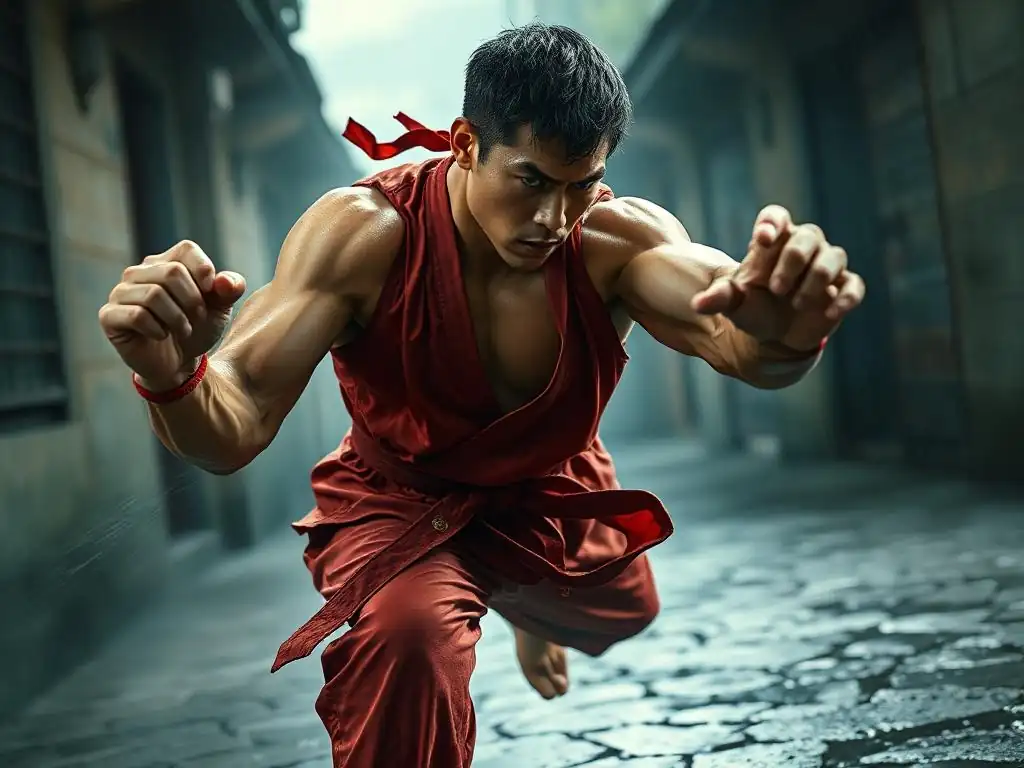
Welcome to Martial Arts Mastery, your gateway to unlocking the secrets of combat and self-improvement!
Ever wondered how legendary martial artists achieved their incredible strength and resilience? Dive into this article to uncover the transformative power of strength training and discover how it can forge a warrior's physique, enhancing your performance and unlocking your true potential. Are you ready to build a body as powerful as your spirit?
- Building a High-Performance Physique: Strength Training for Brazilian Jiu-Jitsu
- Introduction: The Untapped Potential - Strength Training for BJJ Domination
- The Importance of Physical Conditioning for BJJ Performance
- Understanding the BJJ Physique: Strength Training Principles
- Strength Training Program Design for BJJ Practitioners
- Optimizing Your Strength Training for BJJ Performance
- Advanced Strength Training Techniques for BJJ
- Strength Training for Different BJJ Styles and Positions
- Injury Prevention Through Strength Training: Building a Durable Body
- Conclusion: Mastering the Art of Strength - Building a Powerful BJJ Physique
-
Frequently Asked Questions
- How does strength training specifically benefit martial artists?
- What types of strength training exercises are most effective for martial artists?
- How often should martial artists incorporate strength training into their training regimen?
- Does strength training make martial artists bulky and less agile?
- How does strength training contribute to a more resilient "martial artists physique"?
- Final Reflection: Forging Strength, Shaping Destiny
- Unleash Your Inner Strength: Start Your Transformation Today!
Building a High-Performance Physique: Strength Training for Brazilian Jiu-Jitsu
Introduction: The Untapped Potential - Strength Training for BJJ Domination
Brazilian Jiu-Jitsu (BJJ) is often celebrated as a martial art where technique reigns supreme, allowing smaller, weaker individuals to overcome larger, stronger opponents. While this principle holds true, it sometimes leads practitioners to overlook the significant advantages gained through physical conditioning. Developing a robust strength training martial artists physique can dramatically enhance your BJJ game, providing the physical foundation necessary to fully exploit your technical prowess, improve endurance, and reduce the risk of injury on the mats.
Ignoring the physical component limits a practitioner's potential. A strong, well-conditioned body is not just about brute force; it's about having the resilience to maintain positions, the explosiveness for dynamic movements, the endurance to outlast opponents, and the structural integrity to withstand the demands of grappling. This integration of physical preparation through strength training is the key to unlocking a truly high-performance BJJ game, moving beyond just learning techniques to embodying the physical capacity required to execute them effectively under duress.
The Importance of Physical Conditioning for BJJ Performance
Why Strength Training is Crucial for BJJ Practitioners
Strength training is not merely supplementary for BJJ practitioners; it is a crucial component of performance enhancement and longevity in the sport. While BJJ inherently builds a certain level of functional strength, a dedicated strength training program targets specific muscle groups often underutilized or unevenly developed through rolling alone. This targeted approach builds a balanced and resilient physique, capable of generating force, maintaining positions, and resisting the forces applied by opponents. Studies in combat sports athletes often show that increased strength correlates with improved performance metrics, such as higher takedown success rates and better ability to escape unfavorable positions.
Furthermore, incorporating strength training significantly contributes to injury prevention. The dynamic and often unpredictable nature of BJJ puts considerable stress on joints, ligaments, and muscles. By strengthening the supporting musculature around vulnerable areas like the shoulders, knees, and spine, practitioners can build a more durable body less susceptible to sprains, strains, and dislocations.
For instance, developing strong hamstrings and glutes can help protect the knees during twisting movements, while robust shoulder strength and stability are vital for resisting armlock attempts and maintaining guard. This focus on building a resilient strength training martial artists physique is paramount for consistent mat time.
Beyond Technique: The Role of Physical Strength and Endurance in BJJ
While technique is the cornerstone of BJJ, physical strength and endurance act as powerful force multipliers. Consider a scenario where two practitioners have similar technical knowledge. The one with superior strength can apply pressure more effectively from top positions, making it harder for their opponent to breathe or escape. The one with better endurance can maintain a high pace throughout a roll or match, wearing down their opponent and creating openings as the other person fatigues. This isn't about overcoming technique with pure power, but rather using physical attributes to make established techniques more potent and sustainable.
Endurance, specifically, is critical in BJJ, where matches can last several minutes at high intensity. Strength training, particularly when structured with appropriate volume and intensity, can build muscular endurance, allowing practitioners to sustain effort for longer periods without succumbing to fatigue. This is vital for repeatedly attempting sweeps, defending submissions, or engaging in lengthy scrambles. A strength training martial artists physique that is both strong and possesses high muscular endurance provides a significant competitive edge, allowing the practitioner to rely less on desperate bursts of energy and more on controlled, sustained effort.
Building Functional Strength for BJJ Specific Movements
Functional strength in BJJ refers to the ability to generate force and stability in positions and movements commonly encountered during grappling. This isn't just about lifting heavy weights in isolation; it's about training the body to work as a cohesive unit, mimicking the complex demands of the sport. Exercises that require coordination, balance, and core engagement while moving through multiple planes of motion are particularly valuable. Think about the strength required for a successful hip escape, a powerful bridge to escape side control, or the explosive force needed for a double-leg takedown.
Specific strength training exercises can directly enhance these movements. For example, deadlifts and squats build the posterior chain power necessary for takedowns and sweeps. Pull-ups and rows strengthen the muscles used for gripping, pulling opponents close, and maintaining control. Core exercises like planks, anti-rotation presses, and leg raises develop the stability needed for guard retention and resisting passes. By focusing on compound movements and BJJ-specific accessory work, practitioners can build a functional strength training martial artists physique that translates directly into improved performance on the mats.
Understanding the BJJ Physique: Strength Training Principles
Defining the Ideal BJJ Practitioner's Physique
The ideal BJJ practitioner's physique isn't about massive, bulky muscles but rather a balanced combination of strength, power, endurance, and flexibility, with a relatively low body fat percentage for agility and efficiency. While body types vary, the focus is on functional strength that can be applied effectively in dynamic grappling situations. This means developing strong, resilient joints and connective tissues, robust core stability, powerful pulling and pushing muscles, and explosive lower body strength. It's a physique built for performance and durability, not just aesthetics.
Developing this strength training martial artists physique involves prioritizing compound lifts that work multiple muscle groups simultaneously, mimicking the integrated nature of BJJ movements. It also means addressing potential weaknesses and imbalances that could hinder performance or lead to injury. For example, strong legs and hips are crucial for guard work and takedowns, while upper body strength and grip are vital for control and submissions. The goal is a body that is strong relative to its size, capable of generating force quickly, and resilient enough to withstand the physical rigors of training and competition week after week.
Key Muscle Groups for BJJ Performance and How to Train Them
Developing Core Strength for Guard Retention and Submission Defense
The core is arguably the most critical muscle group for BJJ practitioners. It acts as the central link between the upper and lower body, providing stability for nearly every movement. A strong core is essential for maintaining a tight guard, executing sweeps, bridging effectively to escape pins, and generating power for submission attempts. Weak core muscles lead to instability, making it easier for opponents to pass guard, maintain dominant positions, and break your posture.
Training the core for BJJ goes beyond simple crunches. It involves exercises that challenge stability and resist rotation or extension. Examples include planks and their variations (side planks, weighted planks), anti-rotation presses (Pallof press), exercises that work the deep abdominal muscles (dead bugs, bird dogs), and movements that require core engagement under load (squats, deadlifts, carries). Aim for exercises that force your core to stabilize your spine while your limbs are moving, mimicking the demands of maintaining posture and position during grappling. A powerful core is fundamental to a resilient strength training martial artists physique.
Building Grip Strength for Control and Submission Attacks
Grip strength is paramount in BJJ, especially in the gi. A strong grip allows you to control your opponent's posture, prevent them from establishing grips, maintain dominant positions, and finish chokes and joint locks. Losing grip battles often means losing the positional battle. Even in no-gi, forearm and hand strength are crucial for controlling wrists, neck ties, and securing submissions like guillotine chokes or rear-naked chokes.
Developing formidable grip strength can involve direct grip-specific exercises and incorporating grip challenges into compound movements. Exercises like deadlifts with a double overhand or hook grip, pull-ups, and rows naturally build grip strength. More specific exercises include gi pull-ups (using a gi draped over the bar), towel pull-ups, farmer's walks (carrying heavy weights for distance), plate pinches, and using thicker bars or grip attachments. Consistent, focused grip training ensures you won't be the first to lose the crucial hand battles, contributing significantly to a dominant strength training martial artists physique.
Strengthening the Posterior Chain for Takedowns and Explosiveness
The posterior chain – comprising the muscles of the lower back, glutes, and hamstrings – is the powerhouse of the body, responsible for hip extension, which is fundamental to many explosive movements in BJJ, including takedowns, sweeps, bridging, and generating force from the guard. A weak posterior chain limits your ability to generate power from your hips, making techniques less effective and leaving you vulnerable in scrambles.
Key exercises for strengthening the posterior chain include deadlifts (conventional, sumo, Romanian), squats (back, front, goblet), hip thrusts, glute bridges, and kettlebell swings. These movements train the hips to extend powerfully and build overall lower body strength and explosiveness. Incorporating single-leg variations like lunges and step-ups also helps address imbalances and improve stability. A strong and explosive posterior chain is vital for executing dynamic BJJ techniques effectively and is a hallmark of a powerful strength training martial artists physique.
Strength Training Program Design for BJJ Practitioners
Assessing Your Current Strength Levels and Identifying Weaknesses
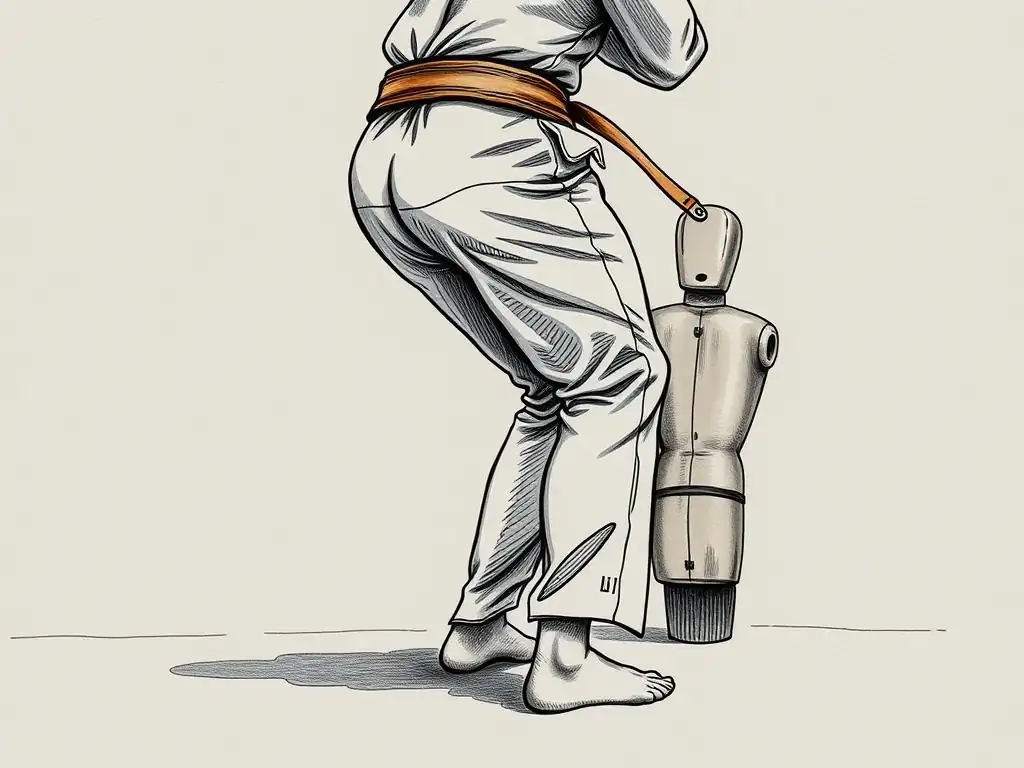
Before starting a strength training program, it's crucial to assess your current physical condition and identify areas of weakness or imbalance. This isn't about comparing yourself to elite powerlifters but understanding your baseline relative strength, muscular endurance, and mobility. Simple assessments can include seeing how many push-ups or pull-ups you can do with good form, testing your maximum number of bodyweight squats, or performing a plank for time. You might also notice specific weaknesses during rolling, such as difficulty maintaining posture, losing grip easily, or feeling unstable in certain positions.
More structured assessments could involve testing your one-repetition maximum (1RM) or a 3-5RM on key compound lifts like the squat, deadlift, and bench press, but only if you are already familiar with proper form. Pay attention to movement patterns – do your knees cave in during squats? Do you round your back during deadlifts? These indicate potential mobility or stability issues that need to be addressed. Identifying these weaknesses allows you to tailor your strength training martial artists physique development program to shore up these areas, making your training more effective and safer.
Choosing the Right Exercises for BJJ Specificity
Selecting exercises that have a high degree of transferability to the demands of BJJ is key. While isolation exercises have their place, the foundation of a BJJ strength program should be built upon compound movements that engage multiple joints and muscle groups, mimicking the integrated nature of grappling. These exercises provide the biggest return on investment in terms of overall strength, power, and muscle development.
Accessory exercises should then be chosen to support these main lifts, address specific weaknesses identified during assessment, and enhance stability around vulnerable joints. For instance, face pulls can strengthen the often-neglected upper back and rear deltoids, improving shoulder health and posture, which is vital for maintaining guard and preventing injuries. Single-leg exercises like split squats or step-ups can improve balance and address unilateral strength deficits common in grapplers. The right mix of compound and accessory work builds a well-rounded and functionally strong strength training martial artists physique.
Compound Movements: The Foundation of Strength and Power
Compound movements are multi-joint exercises that work large muscle groups simultaneously. They are the cornerstone of any effective strength training program for building overall strength, power, and muscle mass. For BJJ, these lifts are particularly valuable because they train the body to work as a cohesive unit, much like it does during grappling exchanges. Exercises like squats, deadlifts, bench press, overhead press, rows, and pull-ups should form the core of your routine.
Squats and deadlifts, for example, are unparalleled for building lower body and posterior chain strength, crucial for takedowns, sweeps, and bridging. Bench press and overhead press build pushing strength vital for passing guard and maintaining pressure. Pull-ups and rows develop the pulling strength needed for grip fighting, controlling opponents, and finishing submissions. Prioritizing these fundamental movements ensures you build a strong base for your strength training martial artists physique before adding more specific or complex exercises.
Accessory Exercises: Enhancing Stability and Preventing Imbalances
Accessory exercises complement the main compound lifts by targeting specific muscle groups, improving stability around joints, addressing imbalances, and aiding in injury prevention. While compound movements build overall strength, accessory work fine-tunes the physique and ensures all supporting muscles are strong and resilient. These exercises typically involve fewer joints or target smaller muscle groups.
Examples of valuable accessory exercises for BJJ include lunges, step-ups, glute-ham raises, face pulls, external rotations, calf raises, and various core exercises. Lunges and step-ups improve unilateral leg strength and balance. Face pulls and external rotations strengthen the rotator cuff and upper back, crucial for shoulder health. Glute-ham raises build resilient hamstrings and glutes. Incorporating these exercises helps create a balanced and durable strength training martial artists physique, reducing the risk of injuries that often stem from muscular imbalances or weak supporting structures.
Sample Strength Training Program for BJJ Practitioners [Example Week 1-4]
A sample 4-week strength training block for a BJJ practitioner might focus on building foundational strength and improving work capacity, training 2-3 non-consecutive days per week. The initial weeks (1-2) would prioritize learning proper form on compound lifts with moderate weights and higher repetition ranges (e.g., 3 sets of 8-12 repetitions) to build a base of muscle and connective tissue strength.
Accessory exercises would target common BJJ weak points like the core, grip, and shoulder stability. The frequency of BJJ training would remain consistent, with strength sessions placed to minimize interference (e.g., strength train on rest days or before light BJJ sessions).
As the block progresses into weeks 3 and 4, the focus would shift towards slightly heavier weights and lower repetition ranges on the main compound lifts (e.g., 3-4 sets of 5-8 repetitions) to build more absolute strength. The volume on accessory work might remain similar or slightly increase.
Progressive overload – adding a small amount of weight, reps, or sets each week – is key during this phase. This systematic approach over 4 weeks builds a stronger strength training martial artists physique by progressively challenging the body, preparing it for more intense BJJ training and potentially heavier loads in subsequent blocks.
Optimizing Your Strength Training for BJJ Performance
The Importance of Proper Form and Technique to Avoid Injuries
Executing strength training exercises with proper form is non-negotiable for BJJ practitioners. Incorrect technique not only reduces the effectiveness of the exercise but dramatically increases the risk of injury. Lifting heavy weights with poor form can lead to acute injuries like muscle tears or herniated discs, or chronic issues from repetitive stress on joints and ligaments. Injuries sideline you from the mats, hindering both your BJJ and strength progress. Start with light weights and focus intensely on mastering the movement pattern before adding significant load.
Learning proper form often requires dedicated practice and potentially guidance from a qualified strength coach, especially for complex lifts like deadlifts, squats, and overhead presses. Video recording yourself can also help identify flaws. Prioritizing safety through correct technique ensures that your strength training efforts contribute positively to your BJJ journey by building a resilient strength training martial artists physique without incurring unnecessary risks. Consistency with safe training is far more valuable than occasionally lifting maximal weights with poor form.
Integrating Strength Training with BJJ Training Schedule
Successfully integrating strength training into a BJJ schedule requires careful planning to avoid overtraining and ensure adequate recovery. The goal is for strength training to complement, not detract from, your BJJ performance. Ideally, strength training sessions should be scheduled on different days than your hardest BJJ training or sparring sessions. If training BJJ multiple times a week, consider strength training on a designated rest day or before a lighter BJJ class focused on drilling rather than intense rolling.
A common approach is to strength train 2-3 times per week, placing these sessions at least 6-8 hours away from intense BJJ practice. For example, if you roll hard on Monday and Wednesday evenings, you might schedule strength training for Tuesday and Thursday mornings or afternoons, and possibly Saturday morning. Listen to your body; if you feel excessively fatigued or sore, adjust the intensity or volume of either your strength training or BJJ. Finding this balance is crucial for building a sustainable strength training martial artists physique that enhances your performance on the mats.
Nutrition and Recovery: Fueling Your Body for Optimal Performance
Nutrition and recovery are just as critical as the training itself for building a strength training martial artists physique and maximizing performance. Your body needs the right fuel to perform during training and the necessary resources to repair and rebuild muscle tissue afterward. Adequate protein intake is essential for muscle recovery and growth, with recommendations often ranging from 1.6 to 2.2 grams per kilogram of bodyweight per day for active individuals. Carbohydrates provide the energy needed for both BJJ and strength training sessions, and timing their intake around training can be beneficial.
Sleep is perhaps the most overlooked recovery tool. Aiming for 7-9 hours of quality sleep per night allows your body to repair muscle tissue, consolidate learning (including BJJ techniques), and regulate hormones crucial for recovery and performance. Hydration is also vital; even slight dehydration can impair performance. Ensuring consistent, quality nutrition, prioritizing sleep, and staying well-hydrated create the optimal environment for your body to adapt to the demands of both BJJ and strength training, leading to significant improvements in your strength training martial artists physique and overall grappling ability.
Advanced Strength Training Techniques for BJJ
Isometric Training: Building Strength in Specific Positions
Isometric training involves holding a static position under tension without movement. While dynamic movements build strength through a range of motion, isometric holds are excellent for building strength and stability in specific, often crucial, positions encountered in BJJ. Think about the strength needed to hold a tight side control, maintain posture in someone's guard, or resist your opponent's attempt to break your grip. These are largely isometric battles.
Incorporating isometric exercises can directly improve your ability to maintain these positions. Examples include holding a heavy kettlebell or dumbbell in a certain grip position, holding a low squat, holding a plank variation for extended periods, or even specific holds mimicking BJJ positions (e.g., holding a 'frame' against resistance). These exercises build strength endurance in static positions and improve the body's ability to generate tension without movement, which is highly applicable to controlling opponents and resisting their movements in BJJ, contributing to a more stable strength training martial artists physique.
Kettlebell Training: Enhancing Power and Endurance
Kettlebells are versatile tools that can effectively build both power and muscular endurance, two attributes highly valuable in BJJ. Exercises like kettlebell swings, cleans, and snatches are ballistic movements that train the hips to generate explosive power, mimicking the force production needed for takedowns, sweeps, and quick transitions. The dynamic nature of these exercises also provides a conditioning effect, improving cardiovascular and muscular endurance, essential for maintaining intensity during rolls.
Beyond the ballistic movements, kettlebells can be used for traditional strength exercises like squats, presses, rows, and carries (farmer's walks, rack carries). The off-center weight distribution of the kettlebell adds a unique challenge to stability and core engagement. Integrating kettlebell training can add a dynamic element to your strength program, developing a more powerful and enduring strength training martial artists physique capable of handling the unpredictable nature of grappling.
Grip Strength Training: Specialized Exercises for Improved Control
While compound lifts like deadlifts and pull-ups build general grip strength, dedicated, specialized grip training can provide a significant edge in BJJ, particularly for gi players. Superior grip strength allows you to dominate the hand fight, establish and maintain powerful grips on the gi, break your opponent's grips, and apply more effective chokes and joint locks that rely on hand and forearm strength.
Specialized grip exercises include gi pull-ups (using a rolled-up gi over a bar), towel pull-ups, rope climbing (or rope pull-ups), farmer's walks with thick handles or towels, plate pinches (holding weight plates together with just finger strength), and using grip trainers. Consistently incorporating 1-2 dedicated grip sessions per week or adding grip challenges to the end of your regular strength workouts can dramatically improve your control and finishing ability, making your strength training martial artists physique a formidable tool on the mats.
Strength Training for Different BJJ Styles and Positions
Strength Training for Guard Players: Developing Flexibility and Core Strength
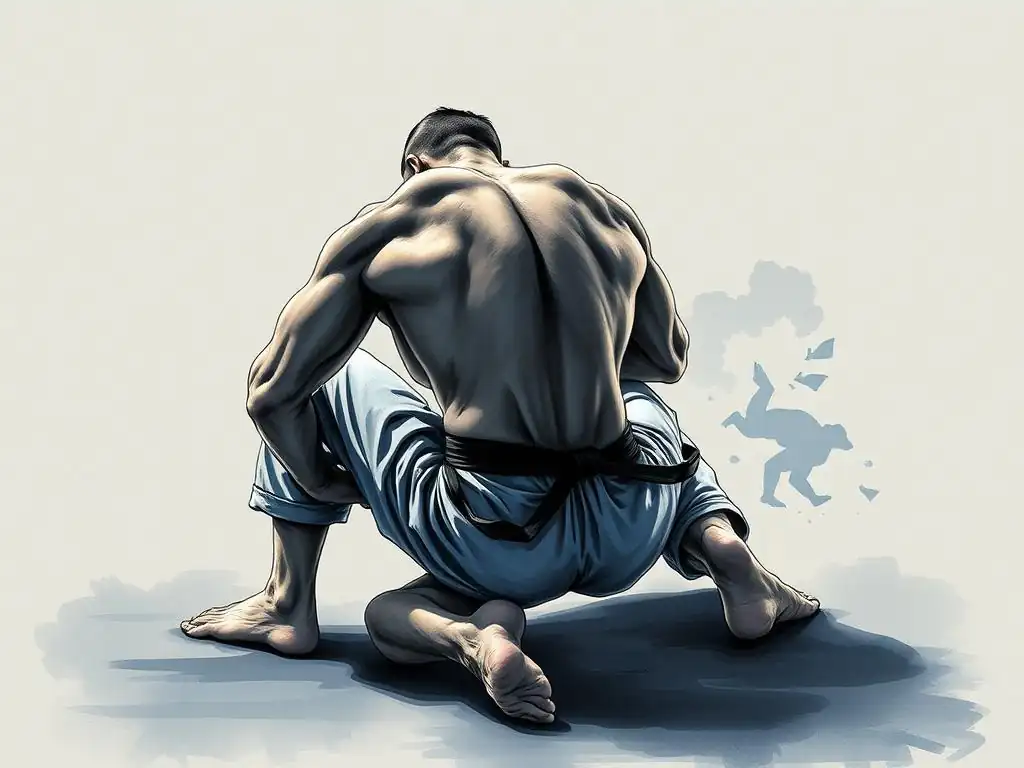
Guard players, especially those who favor dynamic or inverted guards, require a unique blend of flexibility, core strength, and hip mobility. Maintaining guard, executing sweeps, and defending passes from the bottom often involve complex movements that require significant range of motion in the hips and spine, supported by a rock-solid core. Strength training for guard players should focus on exercises that enhance these physical attributes.
Exercises that improve hip mobility, such as deep squats, lunges with a focus on hip extension, and specific mobility drills (e.g., 90/90 stretch, frog stretch), are crucial. Core strength exercises that challenge stability in various planes, including anti-rotation presses, dead bugs, and challenging plank variations, are essential for maintaining posture and connectivity to the opponent from the bottom. Strengthening the hamstrings and glutes through exercises like Romanian deadlifts and hip thrusts also provides the power base for sweeps and guard retention, contributing to a flexible yet powerful strength training martial artists physique for guard play.
Strength Training for Top Players: Building Explosiveness and Pressure
Top players rely on pressure, stability, and explosiveness to pass guard, maintain dominant positions, and execute takedowns. Their strength training should emphasize exercises that build lower body power for bursts of movement and stable upper body strength for applying crushing pressure. The ability to generate force quickly and maintain a heavy top presence is key.
Exercises that build explosive lower body strength, such as squats (especially front squats), deadlifts, box jumps, and kettlebell swings, are vital for powerful takedowns and dynamic guard passing. Upper body pressing exercises like bench press and overhead press build the strength needed to apply heavy pressure from positions like side control, mount, and knee-on-belly. Core stability exercises that resist extension and rotation (like planks and anti-extension exercises) are important for maintaining balance and posture while on top. This focus builds a strong, explosive strength training martial artists physique tailored for dominant top play.
Strength Training for Competitors: Optimizing Strength for Performance
For BJJ competitors, strength training needs to be integrated into a periodized training plan that peaks physical performance around competition dates. This involves cycling through different phases of training (e.g., general preparation, specific preparation, pre-competition taper) throughout the year. The goal is to arrive at competition day strong, powerful, and well-recovered, not fatigued from overtraining.
In the weeks leading up to a competition (often 1-2 weeks out), strength training volume is typically reduced significantly while intensity is either maintained or slightly reduced. This allows the body to recover and express the strength gains made during the training cycle without accumulating fatigue. Post-competition, a period of active recovery or reduced training load is necessary before beginning the next training block. This strategic use of strength training within a competitive calendar ensures the strength training martial artists physique is optimized for peak performance when it matters most.
Injury Prevention Through Strength Training: Building a Durable Body
Strengthening Supporting Muscles to Prevent Common BJJ Injuries
Strength training plays a vital role in building a durable body less susceptible to common BJJ injuries. While BJJ is a full-body workout, certain joints like the shoulders, knees, elbows, and neck are particularly vulnerable due to the forces and positions involved. Strengthening the muscles that support these joints provides stability and resilience, helping to mitigate the risk of sprains, strains, and dislocations.
For instance, exercises targeting the rotator cuff (e.g., internal/external rotations with bands or light dumbbells) and upper back (e.g., face pulls, band pull-aparts) are crucial for shoulder health, reducing the risk of dislocations and impingement common in grappling. Strengthening the hamstrings, quads, and glutes through squats, deadlifts, and single-leg work helps stabilize the knee joint and protect ligaments. Neck strengthening exercises (e.g., neck bridges, manual resistance) can help prevent neck strains and protect against chokes. Building a strong, balanced strength training martial artists physique through targeted exercises is a proactive approach to staying healthy on the mats.
Mobility and Flexibility Training: Enhancing Range of Motion and Preventing Strains
While strength is crucial, it must be paired with adequate mobility and flexibility to prevent injuries and perform techniques effectively. Poor range of motion in key joints like the hips, shoulders, and thoracic spine can limit your ability to get into or out of certain positions safely, increasing the risk of strains and sprains when forced into end-range positions under pressure. Integrating mobility and flexibility work alongside strength training is essential for a well-rounded, injury-resistant strength training martial artists physique.
Dynamic warm-ups before both strength and BJJ training prepare the joints and muscles for activity through controlled movements. Static stretching, performed after training when muscles are warm, can help improve range of motion over time. Foam rolling and other self-myofascial release techniques can help alleviate muscle tightness. Focusing on improving mobility in areas restricted by BJJ (e.g., tight hip flexors from sitting guard, rounded shoulders from posture) can significantly improve your ability to move freely and safely, reducing injury potential.
The Role of Prehab Exercises in Injury Prevention
Prehabilitation, or "prehab," involves performing exercises specifically designed to prevent injuries by strengthening common weak points and improving movement patterns before an injury occurs. For BJJ practitioners, prehab focuses on areas known to be vulnerable due to the sport's demands. These exercises are often low-intensity and focus on control and activation rather than lifting heavy weight.
Examples of effective prehab exercises for BJJ include band walks (to activate glutes and stabilize hips), face pulls (for shoulder health and posture), dead bugs and bird dogs (for core stability and anti-extension/rotation), and specific neck strengthening exercises. Incorporating a short prehab routine (5-10 minutes) before training or on rest days can activate important stabilizing muscles, improve movement quality, and build resilience in vulnerable areas. This proactive approach is a cornerstone of maintaining a durable strength training martial artists physique capable of handling the rigors of BJJ training consistently.
Conclusion: Mastering the Art of Strength - Building a Powerful BJJ Physique
Frequently Asked Questions
How does strength training specifically benefit martial artists?
Strength training enhances power generation for strikes and takedowns, improves endurance, and reduces the risk of injury. It provides a foundation for more complex martial arts techniques.
What types of strength training exercises are most effective for martial artists?
Compound exercises like squats, deadlifts, and bench press are crucial. Supplement these with plyometrics and core strengthening for optimal athletic performance.
How often should martial artists incorporate strength training into their training regimen?
A general guideline is 2-3 times per week, allowing for adequate recovery. The frequency should be adjusted based on individual needs and training intensity.
Does strength training make martial artists bulky and less agile?
Not necessarily. Proper programming focuses on functional strength and power, rather than excessive muscle mass. Agility can be maintained with mobility and agility drills.
How does strength training contribute to a more resilient "martial artists physique"?
Strength training builds a foundation of muscle that supports joints and protects against impacts. This results in a more durable and injury-resistant body, essential for the demands of martial arts.
Final Reflection: Forging Strength, Shaping Destiny
The journey we've explored, from understanding the science of strength training to applying it practically in martial arts, culminates in a powerful realization: the warrior's physique is not merely aesthetic, but a testament to disciplined effort and strategic empowerment. It's a living embodiment of dedication, resilience, and the unwavering pursuit of physical and mental mastery, resonating deeply in a world that increasingly values both inner and outer strength.
This pursuit of a warrior's physique extends far beyond the dojo, influencing how we approach challenges and perceive our own potential. The discipline and mental fortitude cultivated through strength training translate into all aspects of life, fostering a sense of self-efficacy and unwavering determination. The body achieves what the mind believes.
This simple truth underscores the profound connection between physical training and mental strength, a connection that empowers us to overcome obstacles and achieve our goals, both on and off the mat.
Now, consider the lessons learned. Embrace the transformative power of strength training, not just for physical prowess, but for the mental fortitude it cultivates. Let the discipline you forge in the gym shape your character, empowering you to face life's challenges with unwavering resolve and a warrior's spirit. Your journey to a stronger physique is also a journey to a stronger self.
Unleash Your Inner Strength: Start Your Transformation Today!
Thank you for exploring the world of strength training and its incredible benefits for martial artists. You've now gained valuable insights into building a physique that enhances your performance and resilience. Ready to take the next step?
Here's how you can put this knowledge into action:
- Commit to incorporating at least two dedicated strength training sessions into your weekly routine. Consistency is key to unlocking your potential!
- Share this article with your training partners and discuss how you can support each other on your strength-building journeys.
- Explore alternative training methods like calisthenics or plyometrics to diversify your approach and challenge your body in new ways.
What specific strength training exercises are you most excited to incorporate into your martial arts regimen, and how do you plan to track your progress?