
Beyond Technique: The Philosophical Pillars of Classical Japanese Jujutsu

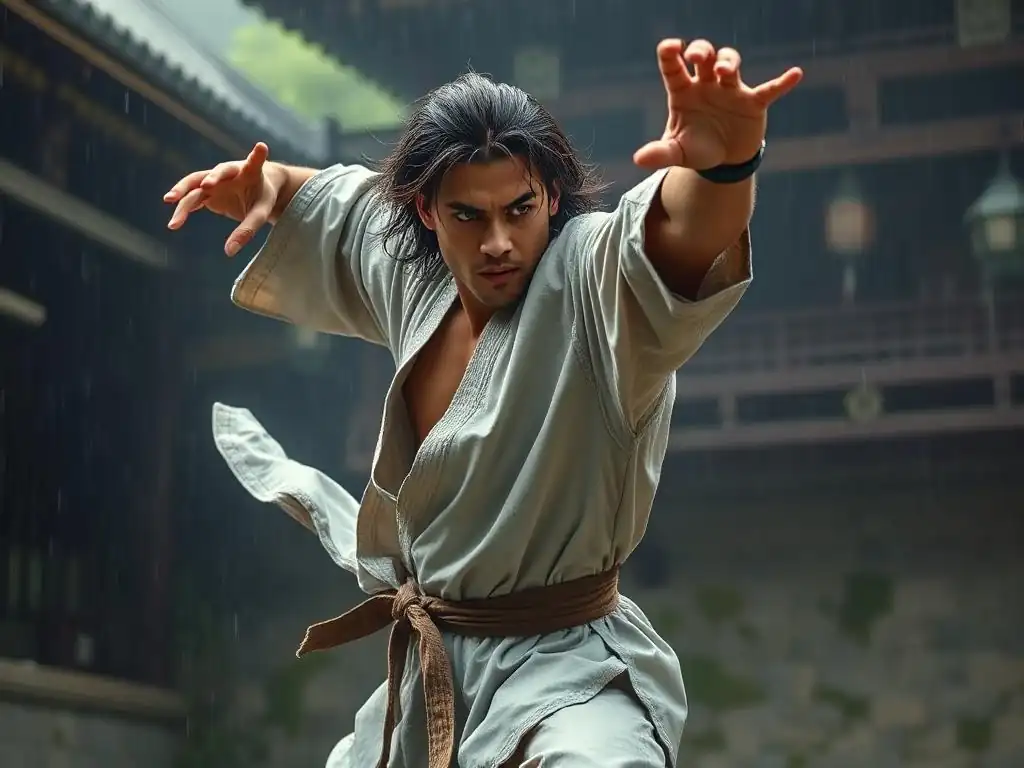
Welcome to Martial Arts Mastery, where we delve into the profound depths of combat traditions!
Prepare to journey beyond mere technique and enter the fascinating world of Classical Japanese Jujutsu. This isn't just about throws and holds; it's a holistic discipline rooted in deep philosophical principles. Are you ready to unlock the secrets behind the Classical Japanese Jujutsu Philosophy and discover how these tenets shape its devastating effectiveness? Let's begin...
- Classical Japanese Jujutsu Philosophy Explained: An Introduction
- The Core Tenets of Classical Jujutsu Philosophy
- The Influence of Shintoism on Jujutsu Philosophy
- Ethical Considerations in Classical Jujutsu
- Integrating Philosophy into Jujutsu Practice
- The Enduring Relevance of Classical Jujutsu Philosophy
-
Frequently Asked Questions
- What are the core philosophical principles underlying Classical Japanese Jujutsu?
- How does the concept of Ju (yielding) apply in both physical combat and everyday life according to Classical Japanese Jujutsu Philosophy?
- What is the significance of Wa (harmony) in Classical Japanese Jujutsu philosophy, and how does it influence training and application?
- How does Seiryoku Zenyo (maximum efficiency with minimum effort) shape the techniques and strategies used in Classical Japanese Jujutsu?
- How does studying the philosophical underpinnings of Classical Japanese Jujutsu enhance a practitioner's overall understanding and skill?
- Final Reflection: Embracing the Way of Yielding
- Embrace the Way: Transform Your Practice
Classical Japanese Jujutsu Philosophy Explained: An Introduction
Unveiling the Deeper Meaning of Jujutsu
Classical Japanese Jujutsu, often perceived solely as a collection of combat techniques, possesses a profound philosophical undercurrent that shapes its practice and purpose. Originating in feudal Japan among the samurai class, Jujutsu was not merely about physical confrontation but was deeply intertwined with ethical codes, spiritual beliefs, and principles of efficient action.
Understanding this philosophical dimension is crucial for any serious practitioner seeking to master the art, as it provides context for the techniques and guides the practitioner's behavior both inside and outside the dojo. It shifts the focus from simply winning a fight to cultivating character and achieving a higher level of self-mastery.
This deeper meaning is embedded in the very name "Jujutsu" itself. "Ju" translates to "gentle," "pliable," or "yielding," while "jutsu" means "art" or "technique." The name itself hints at the core philosophy: using softness and flexibility to overcome hardness and force. This principle is fundamental to the techniques, which often involve using an opponent's momentum and strength against them rather than meeting force with equal force. Exploring the Classical Japanese Jujutsu Philosophy Explained reveals an intricate system of thought that transcends mere physical prowess, offering a pathway to personal growth and understanding.
Why Philosophy Matters in Jujutsu Training
Integrating philosophical study into physical training elevates Jujutsu from a mere fighting system to a comprehensive path of self-cultivation. Without philosophical grounding, techniques can become rote movements devoid of spirit and adaptability. The principles of Classical Japanese Jujutsu Philosophy Explained provide the practitioner with mental frameworks that enhance technique application, improve strategic thinking, and foster emotional resilience. For example, understanding the principle of "Wa" (harmony) can help a practitioner remain calm and centered under pressure, enabling more effective decision-making in dynamic situations.
Furthermore, the philosophical pillars instill a sense of responsibility and ethical awareness. Jujutsu techniques can be highly effective and potentially dangerous, necessitating a strong moral compass. The philosophy guides practitioners on when and how to use their skills, emphasizing de-escalation and the preservation of life whenever possible. Training in Jujutsu is thus a dual process: developing physical capabilities alongside moral and intellectual understanding. It's this holistic approach that distinguishes traditional martial arts and makes the study of Classical Japanese Jujutsu Philosophy Explained indispensable for authentic practice.
The Core Tenets of Classical Jujutsu Philosophy
Wa: Harmony and Non-Resistance in Jujutsu
The principle of "Wa," meaning harmony, is a cornerstone of Classical Japanese Jujutsu Philosophy Explained. It emphasizes finding balance and peace, both internally and externally. In the context of martial arts, Wa doesn't imply pacifism, but rather a state of equilibrium that allows one to react appropriately to any situation without unnecessary conflict or internal turmoil. It involves harmonizing with the opponent's movements and energy, rather than rigidly opposing them.
Applying Wa in Jujutsu techniques means blending with an incoming force instead of colliding with it. For instance, if an opponent pushes, a practitioner employing Wa might yield slightly, redirecting the force rather than resisting it head-on. This requires sensitivity and adaptability, allowing the practitioner to maintain their balance while disrupting the attacker's. The concept extends beyond physical engagement, encouraging harmonious relationships with training partners and fostering a peaceful, focused atmosphere within the dojo, which is considered essential for effective learning and practice.
Understanding the Principle of Wa
Wa is deeply rooted in Japanese culture and permeates many aspects of traditional life, including the martial arts. It represents a state where disparate elements coexist peacefully and effectively. In Jujutsu, this translates to achieving internal harmony – coordinating mind, body, and spirit – and external harmony – blending with the environment and the opponent. It's about reducing friction, both literally in movement and figuratively in interaction.
This principle encourages practitioners to avoid unnecessary struggle. A core idea is that resisting a strong attack directly is inefficient and drains energy. By yielding and harmonizing, one uses minimal effort to control the situation. This approach is evident in techniques like throws (nage-waza) or joint locks (kansetsu-waza), where the practitioner uses the attacker's momentum and structure against them, often requiring surprisingly little physical strength if executed correctly according to the principle of Wa.
Applying Wa in Jujutsu Techniques
The practical application of Wa is seen in techniques designed to flow with an opponent's attack. Consider a simple wrist grab: instead of pulling directly against the force, a practitioner using Wa might rotate their wrist and body with the direction of the grab, using leverage and timing to escape or transition into a counter-technique. This requires sensitivity to the attacker's energy and direction.
Another example is receiving a strike. While blocking is a valid defensive measure, applying Wa might involve slightly yielding or shifting to redirect the strike's force, minimizing impact and creating an opening for a response. This is not passive acceptance but active redirection, a dynamic form of non-resistance that conserves one's own energy while disrupting the attacker's intent. Mastering this principle requires countless repetitions and focused training, often emphasizing soft, yielding movements over hard, forceful ones in initial stages of learning.
Ju: Flexibility and Adaptability in Martial Arts Philosophy
"Ju," meaning gentle, pliable, or flexible, is perhaps the most recognized principle of Classical Japanese Jujutsu Philosophy Explained. It stands in contrast to brute force and emphasizes yielding and adaptability as keys to overcoming strength. This principle underpins the entire technical repertoire of Jujutsu, from escapes and joint locks to throws and controls. It's about being like water – soft and yielding, yet capable of eroding stone or flowing around any obstacle.
The principle of Ju is not about weakness; it is about intelligent application of force and movement. It recognizes that rigidity is a weakness, making one brittle and easily broken. Flexibility, on the other hand, allows one to bend without breaking, to adapt to changing circumstances, and to find the path of least resistance. This mental and physical flexibility is cultivated through specific training methods that emphasize relaxed movement and sensitive touch.
The Significance of "Ju" in Jujutsu
The core significance of "Ju" lies in its strategic advantage against a stronger or more aggressive opponent. By not opposing force directly, the practitioner avoids a test of strength they might lose. Instead, they use the opponent's power, weight, and momentum against them. This concept is evident in many historical accounts of Jujutsu masters, who were often noted for their ability to defeat much larger adversaries through skillful application of "Ju."
For instance, a historical anecdote (though difficult to verify precise figures, the principle holds true) might describe a master weighing perhaps 60 kg effectively controlling or throwing an opponent twice their weight by simply stepping aside and guiding the attacker's charging momentum past them, turning their own force into a disadvantage. This exemplifies "Ju" – yielding the center line, maintaining balance, and using leverage rather than direct opposition. The principle encourages constant adaptation and creative problem-solving within the dynamic environment of combat.
Developing Adaptability in Training
Cultivating "Ju" requires specific training methodologies that differ from arts focused purely on striking or force-on-force grappling. Training often emphasizes sensitivity drills, where partners apply light pressure or movement, and the practitioner learns to feel and respond without tensing up. Falling techniques (ukemi) are also crucial, teaching the body to yield safely to impact, embodying the principle of not resisting force when it's overwhelming.
Exercises focusing on relaxed movement, fluid transitions between techniques, and understanding body mechanics are paramount. For example, practicing receiving techniques (uke) with a relaxed body allows the partner (tori) to practice applying "Ju" effectively, feeling the point where yielding and redirection are most efficient. This iterative process between partners, constantly adjusting and responding, is how the physical and mental aspects of "Ju" are ingrained, making adaptability a natural response under pressure.
Sei Ryoku Zen Yo: Maximum Efficiency, Minimum Effort
"Sei Ryoku Zen Yo" translates to "maximum efficiency, minimum effort" or "best use of energy." This principle, often attributed to Jigoro Kano, the founder of Judo (which has roots in classical Jujutsu), is a fundamental concept within Classical Japanese Jujutsu Philosophy Explained. It advocates for using one's physical and mental energy in the most economical and effective way possible, both in combat and in daily life.
This principle is intrinsically linked to "Wa" and "Ju." By harmonizing with an opponent and yielding to their force, the practitioner avoids wasting energy in direct confrontation. By being flexible and adaptable, they find the most efficient path to achieve their objective. Sei Ryoku Zen Yo is about understanding leverage, timing, and body mechanics to achieve powerful results with surprisingly little muscular effort, relying instead on skill and precision.
Exploring Sei Ryoku Zen Yo in Jujutsu
Sei Ryoku Zen Yo is the practical application of the concepts of Wa and Ju. It's the outcome achieved when one successfully utilizes the principles of yielding, blending, and flexibility to overcome an opponent. In a physical conflict, this means using the opponent's weight and momentum to facilitate a throw, applying pressure to a joint at its weakest angle, or escaping a hold by exploiting small openings rather than relying on brute strength.
Consider a technique like a wrist lock. Instead of trying to overpower a strong wrist, Sei Ryoku Zen Yo dictates finding the specific angle and lever point where minimal pressure causes maximum discomfort or control. This often involves moving the opponent's entire body structure by controlling a small point, a highly efficient use of energy. The principle also applies mentally; maintaining calm and focus allows for clearer thinking and avoids the wasted mental energy of panic or anger.
Applying Efficient Movement and Leverage
The application of Sei Ryoku Zen Yo heavily relies on understanding leverage and body mechanics. Jujutsu techniques are designed to exploit the natural weaknesses in human structure and balance. A throw, for example, is most efficient when the opponent's balance is broken (kuzushi), requiring significantly less force to execute the technique (tsukuri and kake).
Practitioners train extensively in drills that isolate these principles. For instance, exercises focusing on tai sabaki (body movement) teach how to pivot and shift weight efficiently to evade attacks and gain advantageous positions. Learning how to use hip rotation and core strength to generate power, rather than just arm strength, is another example of applying Sei Ryoku Zen Yo. Mastering this principle allows smaller, weaker individuals to effectively defend themselves against larger, stronger attackers, demonstrating the art's profound understanding of biomechanics and physics.
Jita Kyoei: Mutual Welfare and Benefit in Martial Arts
"Jita Kyoei," meaning "mutual welfare and benefit," is arguably the most ethical and societal principle within Classical Japanese Jujutsu Philosophy Explained. While often strongly associated with Judo's founder, Jigoro Kano, its roots can be traced back to the ethical considerations present in older martial traditions. This principle emphasizes that through mutual respect and cooperation in training, both individuals can improve, and this cooperative spirit should extend beyond the dojo into society.
Jita Kyoei challenges the purely combative view of martial arts, proposing that the ultimate goal is not just self-defense or victory, but the cultivation of individuals who contribute positively to their community. Training is seen as a collaborative effort where partners help each other learn and grow, acknowledging that one cannot improve without the cooperative effort of others.
Jita Kyoei: A Philosophy of Cooperation
In the dojo, Jita Kyoei manifests as the relationship between tori (the one performing the technique) and uke (the one receiving the technique). Uke is not merely a passive dummy but an active participant whose cooperation (providing realistic resistance, reacting appropriately, practicing safe falling) is essential for Tori's learning. Similarly, Tori must perform techniques with control and care to ensure Uke's safety, enabling Uke to train effectively.
This mutual dependence fosters respect, patience, and empathy between training partners. It transforms the potentially adversarial nature of combat practice into a shared journey of learning and mutual support. The dojo thus becomes a microcosm of the ideal society envisioned by this principle – one where individuals strive for personal excellence while simultaneously contributing to the well-being and growth of others.
Jujutsu as a Tool for Personal and Social Growth
Jita Kyoei posits that the discipline, self-control, and ethical understanding gained through Jujutsu training should benefit not only the individual but also the wider community. A practitioner who embodies this principle uses their skills responsibly, acts with integrity, and seeks to resolve conflicts peacefully whenever possible. The confidence and discipline gained from overcoming challenges in training can translate into greater effectiveness and positive contribution in professional and social life.
Historical examples, though often anecdotal, speak of samurai or later, police officers and military personnel trained in Jujutsu, who were expected to uphold high ethical standards and use their skills for the protection of the weak and the maintenance of order. While the context has changed, the underlying principle remains: the power gained through martial training carries a responsibility to use it for the benefit of all, making Jujutsu a tool for both personal mastery and social good, according to Classical Japanese Jujutsu Philosophy Explained.
The Influence of Shintoism on Jujutsu Philosophy
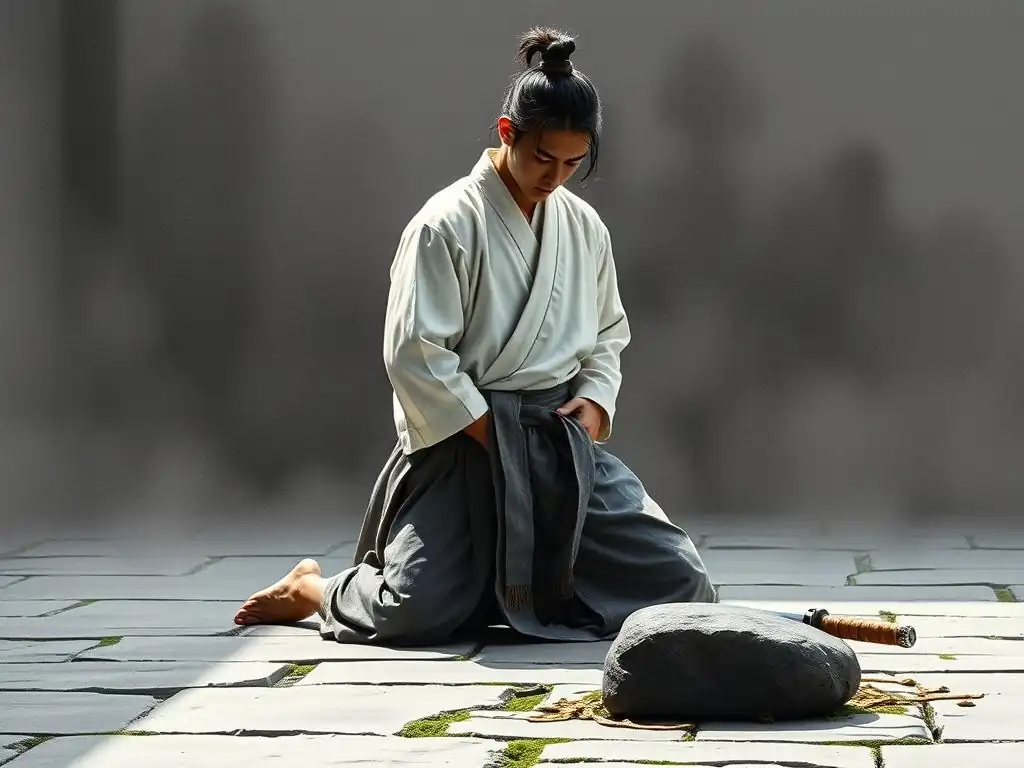
Shinto Principles in Classical Jujutsu
Shinto, the indigenous spirituality of Japan, has profoundly influenced the cultural and philosophical landscape, including the development of martial arts like classical Jujutsu. While not a rigid dogma, Shinto's emphasis on harmony with nature, reverence for ancestors and spirits (kami), purity, and ritual are subtly woven into the fabric of traditional dojo life and martial practice. Understanding these influences provides deeper insight into the mindset cultivated within these arts.
The respect for the dojo space itself, often treated as sacred ground, reflects Shinto concepts of purity and the presence of kami. The emphasis on cleanliness, bowing upon entering and leaving, and maintaining a respectful demeanor are all echoes of Shinto ritualistic practices aimed at creating a sacred and harmonious environment conducive to focused training and spiritual development, integral aspects of Classical Japanese Jujutsu Philosophy Explained.
Connection to Nature and Ancestral Respect
Shinto places great importance on the connection between humans and the natural world, viewing nature as inhabited by spirits. While classical Jujutsu techniques are focused on human interaction, the underlying philosophy often respects natural principles – the flow of energy, the stability of rootedness, the adaptability of yielding, much like water or wind. This connection is less about mimicking animal movements (though some later styles incorporated this) and more about aligning one's actions with natural laws of physics and biomechanics.
Respect for ancestors (sorei) is another key Shinto tenet that translates into martial arts. The reverence shown to the founders of the art, previous masters, and the lineage (ryu) is akin to ancestral worship. Practitioners are seen as carrying on a tradition passed down through generations, honoring the efforts and wisdom of those who came before. This fosters a sense of continuity, humility, and responsibility to uphold the standards of the tradition.
Purification and Ritual in Training
Ritual and purification are central to Shinto practice, aimed at cleansing oneself and the environment to be fit for interaction with the sacred. In the dojo, this translates into various practices. Maintaining physical cleanliness is important, as is mental purification – leaving behind the distractions and stresses of the outside world to focus solely on the present moment of training.
Bowing ceremonies at the beginning and end of class, bowing to the dojo shrine (kamiza or shinzen), and showing respect to the sensei and training partners are all forms of ritual that purify the mind and reinforce the sacredness of the training space and the practice itself. These rituals are not mere formalities but active practices intended to cultivate mindfulness, respect, and a sense of purpose, aligning the practitioner's spirit with the disciplined path of Jujutsu, reflecting key elements of Classical Japanese Jujutsu Philosophy Explained.
Cultivating Spiritual Strength and Resilience
Beyond physical technique, classical Jujutsu aims to cultivate inner strength and resilience, often referred to as fudoshin (immovable mind) or zanshin (lingering mind/awareness). Shinto-influenced practices contribute to this by providing a framework for mental and spiritual discipline alongside physical training. The focus on ritual, purity, and mindful presence helps practitioners develop mental fortitude capable of facing adversity.
Facing challenging physical training, enduring discomfort, and pushing perceived limits build physical resilience, but the philosophical and spiritual elements provide the mental and emotional foundation. The ability to remain calm under pressure, to persevere through difficulty, and to maintain a clear mind in chaotic situations are products of this holistic training approach, where physical rigor is supported by mental and spiritual cultivation.
Ritual Practices for Jujutsu Practitioners
Specific ritual practices, beyond bowing, might include a moment of silent meditation before class to clear the mind, or focusing on breath control (kokyu) during physical exertion, a practice found in many spiritual traditions. Some traditional dojo might incorporate elements like cold-water training (misogi) or fasting, practices associated with Shinto purification rituals aimed at strengthening the spirit and purifying the body and mind.
Even seemingly simple acts like meticulously folding one's training uniform (gi) or carefully maintaining one's equipment can be viewed as ritualistic acts that foster discipline, attention to detail, and respect for the tools of the art. These small, consistent practices build a foundation of mental discipline that supports the practitioner's ability to maintain composure and focus during demanding physical and mental challenges, embodying aspects of Classical Japanese Jujutsu Philosophy Explained.
Fostering Respect for the Dojo and Training Partners
The dojo is often referred to as a sacred space (dojo literally means "place of the Way"). Respect for this space, keeping it clean and orderly, and treating it with reverence is instilled from the first day of training. This respect extends naturally to the people within it – the sensei, who guides the path, and the training partners, who are essential to one's progress.
Shinto principles of harmony and mutual respect underpin this. Treating training partners with care, avoiding unnecessary roughness, and acknowledging their role in one's own learning journey fosters a positive and productive training environment. This mutual respect is not just politeness; it's a recognition of the interconnectedness emphasized by principles like Jita Kyoei, where the growth of one individual is inextricably linked to the cooperation and well-being of others within the community.
Ethical Considerations in Classical Jujutsu
The Samurai Code and its Influence
Classical Japanese Jujutsu developed primarily within the samurai class, and as such, it was profoundly influenced by the ethical code that governed their lives – Bushido, often translated as "The Way of the Warrior." While Bushido evolved over centuries and varied in interpretation, core tenets like loyalty (chu), courage (yu), integrity (gi), benevolence (jin), respect (rei), honesty (shin), and honor (meiyo) were paramount. These principles were not just abstract ideals but were expected to inform every action, including the practice and application of martial skills.
The ethical framework derived from Bushido is an inseparable part of Classical Japanese Jujutsu Philosophy Explained. It dictates that martial skill must be accompanied by moral uprightness. Power without principle is seen as dangerous and irresponsible. Therefore, training in Jujutsu traditionally involved not just learning how to fight, but also learning when and why to fight, and how to conduct oneself with dignity and honor in all circumstances.
Loyalty, Courage, and Integrity
Loyalty, historically to one's lord and domain, translates in modern practice to loyalty to one's sensei, dojo, and the principles of the art itself. It involves commitment and dedication to the path of training. Courage is fundamental – the courage to face an opponent, but also the moral courage to stand up for what is right, even when difficult. It is also the courage to face one's own weaknesses and limitations in training.
Integrity (or righteousness, gi) means adhering to a strict moral code and acting justly. For the samurai, this meant fulfilling their duty with honor and rectitude. In Jujutsu, it implies practicing with honesty, not cheating or taking advantage of training partners, and applying techniques with control and respect. These virtues are not just encouraged; they are considered essential qualities for anyone aspiring to mastery in classical Jujutsu, forming the ethical backbone of Classical Japanese Jujutsu Philosophy Explained.
Applying these Principles in Modern Jujutsu Practice
In contemporary dojo, applying these principles involves demonstrating commitment through consistent attendance and diligent effort. Courage is shown by stepping outside one's comfort zone during challenging drills or sparring. Integrity is reflected in honest self-assessment of one's skills and weaknesses, and in treating all training partners fairly and respectfully, regardless of rank or ability.
The principle of honor means upholding the reputation of the dojo and the art through one's conduct, both inside and outside the training hall. It involves taking responsibility for one's actions and striving for continuous improvement not just in technique, but in character. While the feudal context of the samurai is gone, the ethical ideals they strived for remain relevant for building strong, responsible individuals through the discipline of classical Jujutsu.
Responsibility and the Use of Force
A critical ethical consideration in Classical Japanese Jujutsu Philosophy Explained is the responsibility that comes with possessing effective self-defense skills. Jujutsu techniques can inflict serious injury, and the philosophy strongly emphasizes that these skills are to be used only when absolutely necessary, and then with appropriate levels of force. The principle of "Jita Kyoei" inherently discourages unnecessary violence.
Practitioners are taught that the primary goal in conflict should be de-escalation and avoidance. Physical force is a last resort. When force is unavoidable, the ethical framework dictates using only the level of force required to neutralize the threat and ensure safety, rather than causing excessive harm. This requires not only technical proficiency but also sound judgment and emotional control.
Ethical Dilemmas in Self-Defense
Training often includes discussions and scenarios addressing ethical dilemmas. For instance, how does one respond to an aggressor who is verbally abusive but not yet physically threatening? What level of force is justified against an unarmed attacker versus an armed one? These questions highlight the need for critical thinking and moral reasoning, which are cultivated alongside physical skills.
The philosophy teaches that true mastery involves the ability to resolve conflict without violence whenever possible. This aligns with the "Ju" principle of yielding and redirecting – not just physical force, but also emotional and verbal aggression. The goal is often to de-escalate the situation or escape safely, rather than engage in a prolonged confrontation. This emphasis on responsibility distinguishes classical Jujutsu from arts focused purely on offensive capability.
De-escalation Strategies and Conflict Resolution
While not always explicitly labeled as such in historical texts, the principles of yielding (Ju) and harmony (Wa) inherently support de-escalation. Maintaining calm (Wa) allows for rational assessment of a threat. Yielding (Ju) can involve verbally diffusing a situation or physically creating distance rather than confronting aggression head-on. Many traditional schools included elements of aiki or harmonizing energy, which can be interpreted as methods of subtly influencing an aggressor's intent or emotional state.
Modern Jujutsu training often incorporates explicit instruction on verbal de-escalation techniques, situational awareness, and strategies for avoiding dangerous environments. The physical techniques themselves are often taught with varying levels of application – from control and restraint to more forceful responses – allowing the practitioner to choose the appropriate level of force based on the severity of the threat, guided by the ethical principles of responsibility and minimal necessary force, central to Classical Japanese Jujutsu Philosophy Explained.
Integrating Philosophy into Jujutsu Practice
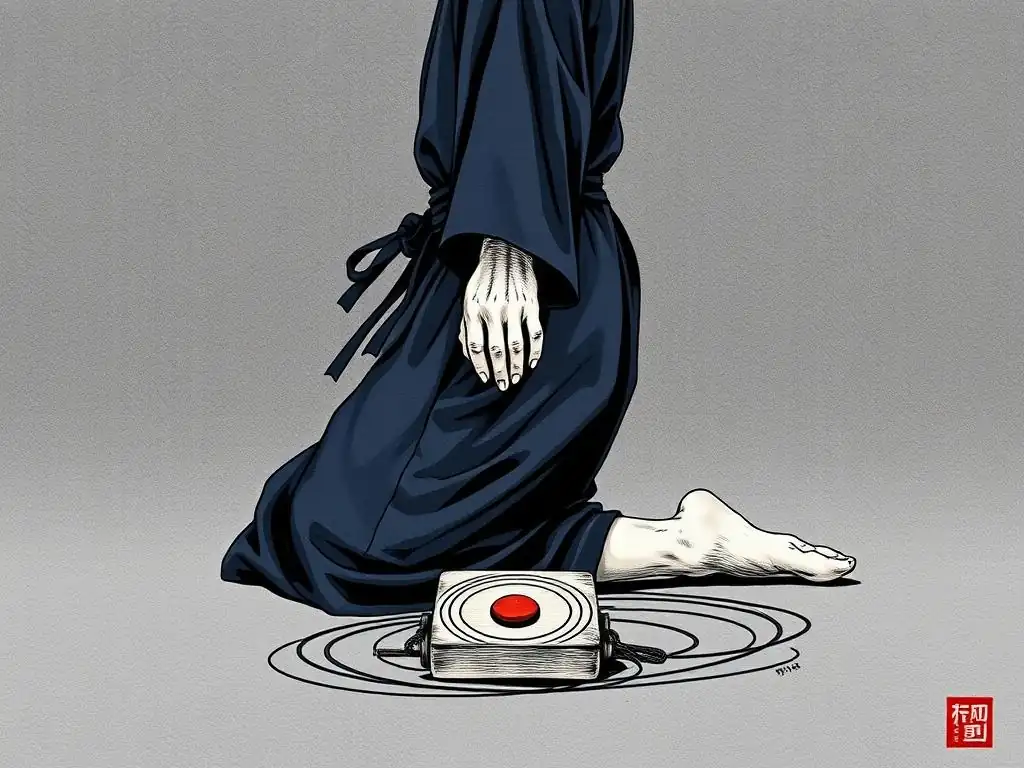
Practical Applications of Philosophical Principles
Integrating the philosophical tenets of classical Jujutsu into daily practice is essential for holistic development. It's not enough to understand the concepts intellectually; they must be embodied through physical training and mindful application. Every technique, every drill, and every interaction in the dojo offers an opportunity to practice Wa, Ju, Sei Ryoku Zen Yo, and Jita Kyoei.
This integration turns physical training into a moving meditation and a laboratory for self-discovery. For example, practicing breakfalls (ukemi) is not just a safety drill but a profound lesson in yielding (Ju). Applying a joint lock becomes an exercise in finding maximum efficiency with minimum effort (Sei Ryoku Zen Yo). Sparring or randori (free practice) provides a dynamic environment to test one's ability to maintain harmony (Wa) and adapt (Ju) under pressure.
Drills and Exercises for Developing Philosophical Understanding
Many traditional Jujutsu training methods inherently foster philosophical understanding. Sensitivity drills, where partners work together to feel and respond to subtle movements and pressures, directly cultivate the principles of Wa and Ju. Exercises focusing on maintaining balance while disrupting a partner's balance teach the efficient use of energy (Sei Ryoku Zen Yo).
Partner drills that require cooperation and trust, such as practicing throws where the Uke must fall safely, reinforce Jita Kyoei. Even solo exercises like kata (pre-arranged forms) can be practiced with mindful attention to breath, focus, and the smooth, efficient transition between movements, embodying the principles of Wa and Sei Ryoku Zen Yo. These practices are designed to train the body and mind simultaneously, weaving the philosophy into the physical action.
Ukemi (Breakfalls) as a Manifestation of Ju
Ukemi, the art of falling safely, is a prime example of the principle of Ju in action. When thrown or losing balance, the natural instinct is often to stiffen up and resist the fall. However, this rigidity increases the risk of injury. Ukemi teaches the practitioner to relax, yield to the force of the fall, and distribute the impact safely across a larger surface area of the body.
By practicing ukemi repeatedly, the practitioner trains their body and mind to overcome the instinct to resist and instead embrace yielding as a survival mechanism. This physical lesson in the benefits of flexibility and non-resistance directly translates to the application of Ju in techniques, teaching the practitioner to flow with an opponent's force rather than oppose it. Mastery of ukemi is often considered foundational, as it allows practitioners to train techniques safely and aggressively, confident in their ability to yield to unexpected forces.
The Role of the Sensei in Imparting Philosophical Knowledge
The Sensei (teacher) plays a crucial role in transmitting the philosophical heritage of classical Jujutsu. While techniques can be learned from books or videos, the deeper understanding of the art's principles and ethics is typically passed down through direct instruction, mentorship, and example within the dojo. The Sensei embodies the philosophy and guides students not just in physical execution but in cultivating the right mindset and character.
The Sensei interprets and explains the philosophical concepts, often relating them to specific techniques or situations encountered in training. They provide corrections that go beyond mere physical alignment, addressing the student's intention, focus, or attitude, helping them integrate the principles. This lineage-based transmission ensures that the spirit and ethical framework of the art are preserved and passed to the next generation, central to keeping Classical Japanese Jujutsu Philosophy Explained alive.
Mentorship and Guidance
Beyond formal instruction, the Sensei serves as a mentor, guiding students on their personal journey within the art. This often involves offering advice on how to overcome challenges, both physical and mental, and helping students apply the lessons learned in the dojo to their lives outside. The Sensei's own conduct serves as a living example of the philosophical principles, demonstrating patience, perseverance, humility, and respect.
This mentorship is particularly important for understanding the ethical dimensions of Jujutsu. The Sensei instills the sense of responsibility that accompanies skill and emphasizes the importance of using one's abilities wisely and ethically. Through personal anecdotes, discussions, and setting clear expectations for conduct, the Sensei ensures that students understand that developing character is as important as developing technical proficiency.
The Importance of Tradition
Classical Jujutsu is inherently tied to tradition. The techniques, training methods, and philosophical principles have been refined and transmitted over centuries. The Sensei acts as a link in this chain of tradition, responsible for preserving the integrity of the art as it was passed down. This respect for tradition is not about rigid adherence to outdated methods, but about honoring the accumulated wisdom and experience of past masters.
Understanding the historical context and lineage of the art provides students with a sense of belonging and purpose. It reinforces the idea that they are part of something larger than themselves – a living tradition dedicated to both physical mastery and personal cultivation, underpinned by a rich Classical Japanese Jujutsu Philosophy Explained. This respect for the past informs the present practice and ensures the art's continued relevance for the future.
The Enduring Relevance of Classical Jujutsu Philosophy
Jujutsu as a Path to Self-Improvement
In the modern world, where physical conflict is (hopefully) rare, the enduring relevance of classical Jujutsu often lies less in its direct combat applications and more in its profound capacity for personal development. The philosophical principles of Wa, Ju, Sei Ryoku Zen Yo, and Jita Kyoei offer a powerful framework for navigating the challenges of contemporary life. Learning to yield and adapt (Ju), find harmony (Wa), act efficiently (Sei Ryoku Zen Yo), and contribute to mutual welfare (Jita Kyoei) are invaluable skills in any profession or relationship.
The discipline required to train consistently, the humility learned from being thrown or submitted, the perseverance developed through overcoming physical plateaus, and the self-control needed to apply techniques responsibly all contribute significantly to character building. Jujutsu provides a tangible, physical medium through which abstract philosophical concepts can be explored and embodied, making it a practical path for holistic self-improvement, guided by Classical Japanese Jujutsu Philosophy Explained.
Preserving the Philosophical Heritage of Jujutsu
Preserving the philosophical heritage of classical Jujutsu is vital for maintaining the art's integrity and depth. Without the philosophical context, techniques risk becoming empty forms, losing their connection to the principles that make them effective and the ethics that guide their use. Dedicated practitioners and instructors play a key role in ensuring that the philosophical dimensions are not overlooked in favor of purely physical training.
This preservation involves continued study of historical texts and teachings, dialogue within the martial arts community, and, most importantly, the active integration of philosophy into daily dojo life. It requires a commitment to teaching the "why" behind the techniques, not just the "how." By emphasizing the ethical framework and the principles of efficient action and mutual welfare, the unique value of Classical Japanese Jujutsu Philosophy Explained can be passed on to future generations.
Conclusion: The Future of Jujutsu and its Philosophical Foundation
The future of classical Japanese Jujutsu depends not only on the continued practice and evolution of its physical techniques but critically on the preservation and understanding of its philosophical foundation. In an increasingly complex world, the lessons of harmony, adaptability, efficiency, and mutual welfare embedded in Classical Japanese Jujutsu Philosophy Explained offer timeless wisdom relevant far beyond the dojo walls.
As the art spreads globally, maintaining the connection to its ethical and spiritual roots becomes paramount. Students and instructors alike must commit to exploring the deeper meaning of their practice, ensuring that Jujutsu remains not just an effective self-defense system, but a powerful path for personal growth, ethical development, and positive contribution to society. It is this rich philosophical tapestry that constitutes the true heart of classical Japanese Jujutsu.
Frequently Asked Questions
What are the core philosophical principles underlying Classical Japanese Jujutsu?
The core principles revolve around Ju (柔), meaning yielding or flexibility, Wa (和), meaning harmony or peace, and Seiryoku Zenyo (精力善用), meaning maximum efficiency with minimum effort. These guide both technique and ethical conduct.
How does the concept of Ju (yielding) apply in both physical combat and everyday life according to Classical Japanese Jujutsu Philosophy?
Ju emphasizes adapting to an opponent's strength and redirecting it. In daily life, it translates to flexibility in thought and action, allowing one to navigate challenges with grace.
What is the significance of Wa (harmony) in Classical Japanese Jujutsu philosophy, and how does it influence training and application?
Wa promotes inner peace and harmonious relationships. In training, it fosters respect and cooperation; in application, it seeks to resolve conflict with minimal harm.
How does Seiryoku Zenyo (maximum efficiency with minimum effort) shape the techniques and strategies used in Classical Japanese Jujutsu?
Seiryoku Zenyo emphasizes using leverage and body mechanics to overcome stronger opponents. This principle underlies the efficient use of energy in all techniques.
How does studying the philosophical underpinnings of Classical Japanese Jujutsu enhance a practitioner's overall understanding and skill?
Understanding the philosophy provides a deeper context for the techniques. It fosters mental discipline, ethical considerations, and a more holistic approach to martial arts mastery.
Final Reflection: Embracing the Way of Yielding
The principles of Classical Japanese Jujutsu, far from being relics of the past, offer profound insights into navigating the complexities of the modern world. The emphasis on yielding, adaptability, and understanding an opponent's energy resonates deeply in our fast-paced, often confrontational society, providing a framework for resolving conflict and achieving harmony in all aspects of life.
The enduring influence of Jujutsu's philosophical underpinnings is undeniable. It's a reminder that true strength lies not in brute force, but in the ability to perceive, adapt, and redirect. This philosophy extends beyond the dojo, shaping our interactions, our decision-making, and our understanding of ourselves. The ultimate aim of the art of jujutsu is not to learn how to throw people, but to learn how to live harmoniously with others.
- Jigoro Kano, Founder of Judo. This quote encapsulates the essence of Jujutsu's deeper purpose, a purpose that remains profoundly relevant today.
As you reflect on the principles of Classical Japanese Jujutsu, consider how the concepts of yielding, adaptability, and understanding can be applied to your own life. Embrace the "way of yielding" not as a sign of weakness, but as a path to resilience, wisdom, and ultimately, a more harmonious existence. Let the philosophical pillars of this ancient art guide you towards a more balanced and fulfilling future.
Embrace the Way: Transform Your Practice
Thank you for delving into the philosophical depths of classical Japanese Jujutsu. We hope you've gained valuable insights into the art's core principles and their potential to enrich your martial arts journey. Now, take the next step!
- Commit to one week of deeply integrating one of the core philosophical principles (like "Ju" - yielding) into every aspect of your training. Observe how it changes your approach.
- Share this article with a fellow martial artist and discuss your interpretations of the philosophical pillars.
- Research historical figures in Jujutsu, uncovering anecdotes that exemplify the principles you've learned.
How will you embody the philosophical essence of Jujutsu in your daily life, both on and off the mat?