
Fortress Knees: Bulletproofing Your Joints for HighImpact Martial Arts

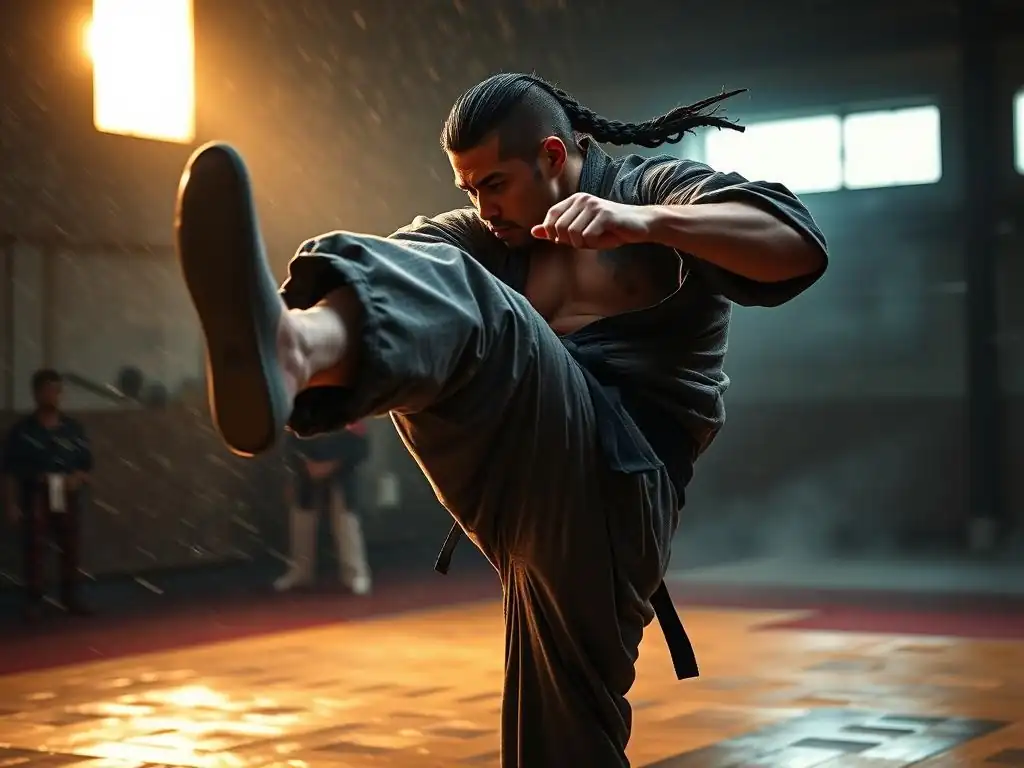
Welcome to Martial Arts Mastery, where we delve into the heart of combat disciplines! Ever wondered how legendary martial artists withstand the relentless impact of their training? Dive into " Fortress Knees: Bulletproofing Your Joints for High Impact Martial Arts" and discover the secrets to building resilient joints. This is just the beginning – explore our wealth of knowledge and unlock your own martial arts potential. Are you ready to master the art of longevity in high impact martial arts?
Why Knee Health is Crucial for Martial Arts Performance
The knees are arguably the most critical joints for any martial artist, especially those engaged in high-impact martial arts disciplines. These styles, which often involve dynamic movements, powerful strikes, explosive jumps, and rapid changes in direction, place immense stress on the knee joint structures. Without healthy, stable knees, executing fundamental techniques such as forceful kicks, agile footwork, deep stances, and impactful landings becomes not only difficult but also highly dangerous.
A compromised knee can severely limit range of motion, reduce power generation, and make an artist vulnerable to further injury, potentially sidelining them for extended periods or even ending a career prematurely. Maintaining robust knee health is not merely about preventing pain; it's about enabling peak performance, ensuring longevity in training, and allowing practitioners to fully explore the demanding techniques inherent in high-impact martial arts.
Furthermore, the cumulative effect of repetitive stress in high-impact martial arts cannot be overstated. Each jump, pivot, and strike sends shockwaves through the body, with the knees absorbing a significant portion of this force. Over time, this can lead to wear and tear on cartilage, ligaments, and tendons, even in the absence of acute trauma.
Chronic issues like tendinitis, bursitis, or osteoarthritis can develop gradually, leading to persistent pain and functional decline. Therefore, a proactive approach to knee care, focusing on strengthening, flexibility, and proper technique, is paramount. Investing time and effort into protecting these vital joints allows martial artists to sustain their training intensity, refine complex movements, and continue progressing in their chosen high-impact martial arts style without being held back by preventable injuries.
Understanding the Demands of High-Impact Martial Arts on Knee Joints
High-impact martial arts impose unique and intense demands on the knee joints, pushing them to their structural and functional limits. Styles like Taekwondo, Capoeira, and certain forms of Karate involve techniques that generate significant forces. For instance, the powerful, snapping kicks characteristic of Taekwondo require rapid knee extension and flexion, often involving hyperextension at the end range of motion, which stresses the ligaments and tendons.
Capoeira's acrobatic movements, including jumps, spins, and ground transitions, involve landing from heights and complex rotational forces on bent knees, placing considerable strain on the menisci and cruciate ligaments. Even in styles like Muay Thai, while perhaps less focused on high jumps, the repetitive impact from striking pads or opponents, combined with knee strikes and clinching, contributes to significant cumulative stress on the joint.
The combination of high velocity, heavy impact, and complex rotational movements is what differentiates the knee demands of high-impact martial arts from lower-impact activities. Consider a jump spin kick in Taekwondo: it involves explosive muscle contraction to generate height and rotation, followed by a powerful extension for the kick, and finally, absorbing the landing force, often on one leg while simultaneously controlling rotation. This single movement subjects the knee to axial compression, shear forces, and torsional stress simultaneously.
Similarly, the dynamic dodges and kicks in Capoeira require the knee to act as both a flexible hinge and a stable pivot under load. These scenarios highlight why robust knee health and specific conditioning are non-negotiable for anyone serious about excelling safely in these demanding disciplines.
- Why Knee Health is Crucial for Martial Arts Performance
- Understanding the Demands of High-Impact Martial Arts on Knee Joints
- How crucial is joint preparation for high-impact martial arts?
- What are some key exercises for bulletproofing your knees in high-impact martial arts?
- Why is proper technique so important in high-impact martial arts, especially for knee health?
- Besides exercise, what other factors contribute to knee health when practicing high-impact martial arts?
- How does this article on "Fortress Knees" align with the overall mission of MartialArtsMastery.org?
Anatomy and Biomechanics of the Knee Joint in Martial Arts
Key Structures Supporting Knee Stability: Ligaments, Cartilage, and Muscles
The knee joint is a complex structure relying on a synergy of components for stability and function, all of which are heavily utilized and stressed in high-impact martial arts. The four major ligaments – the anterior cruciate ligament (ACL), posterior cruciate ligament (PCL), medial collateral ligament (MCL), and lateral collateral ligament (LCL) – provide critical stability, preventing excessive forward/backward and side-to-side movement.
The ACL and PCL, located within the joint capsule (cruciate ligaments), are particularly vital for controlling rotational stability and preventing the tibia from sliding excessively relative to the femur, motions frequently challenged during pivots, landings, and sudden stops common in martial arts. The MCL and LCL (collateral ligaments) provide stability against forces pushing the knee inward or outward, crucial when absorbing impact or maintaining balance in dynamic stances.
Inside the joint, the menisci – two C-shaped pieces of cartilage – act as shock absorbers between the femur and tibia, distributing load and providing some stability. They are particularly vulnerable to twisting forces under weight-bearing conditions, a frequent occurrence during complex footwork or grappling transitions in martial arts. Surrounding the joint, a network of muscles, including the quadriceps (front of thigh), hamstrings (back of thigh), and calf muscles, provide dynamic stability.
The quadriceps, especially the vastus medialis obliquus (VMO), are essential for tracking the patella (kneecap) correctly and extending the knee powerfully for kicks. The hamstrings counterbalance the quadriceps and are crucial for deceleration and preventing hyperextension. Strong, balanced musculature around the knee is arguably the most important factor in protecting the ligaments and cartilage from excessive strain during the demanding actions characteristic of high-impact martial arts.
Common Knee Injuries in High-Impact Martial Arts: ACL Tears, Meniscus Tears, MCL Sprains, Patellar Tendinitis
High-impact martial arts unfortunately carry a risk of specific knee injuries due to the inherent movements and forces involved. ACL tears are among the most severe, often occurring during non-contact incidents involving sudden deceleration, pivoting, or awkward landings, sometimes combined with a hyperextension or valgus (knee collapsing inward) force.
A study on ACL injuries in sports estimated that sports involving pivoting and jumping, common in many high-impact martial arts, have a significantly higher incidence rate compared to linear sports. Recovery from a complete ACL tear typically requires surgery and extensive rehabilitation, often taking 9-12 months or longer before returning to full activity, representing a major setback for any martial artist.
Meniscus tears are also prevalent, frequently resulting from twisting the knee while the foot is planted, or from deep squatting under load. The impact absorption and rotational demands in high-impact martial arts make the menisci susceptible. Symptoms include pain, swelling, clicking, or locking of the knee joint. MCL sprains usually result from a direct blow to the outside of the knee or a valgus stress (knee forced inward), which can happen during falls, awkward landings, or collisions.
While often less severe than ACL tears, they still cause pain and instability. Patellar tendinitis, also known as "jumper's knee," is a common overuse injury caused by repetitive stress on the patellar tendon, which connects the kneecap to the shinbone. The explosive jumping and kicking motions in high-impact martial arts place significant strain on this tendon, leading to inflammation and pain, particularly below the kneecap.
Identifying Risk Factors for Knee Injuries in High-Impact Martial Artists
Pre-existing Conditions and Their Impact on Knee Vulnerability
Certain pre-existing conditions can significantly increase a martial artist's vulnerability to knee injuries, particularly in the demanding environment of high-impact martial arts. Conditions such as previous knee injuries, even seemingly minor sprains or twists that didn't receive full rehabilitation, can leave residual weakness, instability, or scar tissue that compromises the joint's integrity.
For example, a history of patellar tendinitis might make an athlete more susceptible to recurrence or even rupture under the high tensile loads of repeated jumping and kicking. Similarly, individuals with prior meniscus tears, even if surgically repaired, may have altered joint mechanics or reduced shock absorption capacity, making them more prone to further damage or the development of osteoarthritis over time, especially with the constant impact involved in high-impact martial arts training.
Beyond direct knee issues, other musculoskeletal conditions can also play a role. Poor ankle mobility can force the knee to absorb more rotational stress during pivots and landings. Hip weakness or instability can lead to poor alignment of the leg during movement, potentially causing the knee to collapse inward (valgus collapse) during squats, landings, or cutting motions, a known risk factor for ACL injuries.
Conditions like genu valgum (knock knees) or genu varum (bow legs) are anatomical alignments that can predispose individuals to specific types of knee stress and injury patterns. Recognizing these underlying vulnerabilities through proper screening and assessment is a crucial first step in developing a targeted injury prevention strategy for participating in high-impact martial arts.
Training Errors That Increase Risk of Knee Injury
Several common training errors can dramatically increase the risk of knee injury in high-impact martial arts. One of the most frequent is insufficient warm-up or cool-down. Jumping directly into intense, high-impact movements without adequately preparing the muscles and joints leaves them stiff and less resilient to sudden forces. Muscles that are not warm and pliable are less effective at providing dynamic support to the knee, leaving ligaments and cartilage more exposed to injury.
Another critical error is rapidly increasing training volume or intensity. The body, especially the connective tissues in the knees, needs time to adapt to increased stress. A sudden jump from practicing techniques at moderate intensity to performing high-amplitude jumps or powerful kicks repetitively can overload the joint and lead to overuse injuries like patellar tendinitis or stress fractures, common issues in high-impact martial arts.
Poor technique is perhaps the most significant modifiable risk factor. Incorrect landing mechanics from jumps – landing with locked knees, failing to absorb impact by bending the hips and knees, or landing with knees collapsing inward – places excessive stress on the ACL and menisci. Similarly, improper footwork, such as pivoting on a planted foot with a stiff knee rather than allowing the foot to rotate, generates harmful torsional forces on the joint.
Over-reliance on static stretching before dynamic activity, inadequate recovery between training sessions, and neglecting strength and conditioning exercises that support the knee are also major contributors to injury risk. Addressing these training errors through mindful practice, proper coaching, and a well-rounded physical preparation program is essential for safeguarding the knees in high-impact martial arts.
The Role of Flexibility and Range of Motion in Knee Health
Optimal flexibility and range of motion in the muscles surrounding the knee, as well as in the hip and ankle joints, are vital for maintaining knee health and preventing injuries in high-impact martial arts. Tight quadriceps or hamstrings can alter the forces acting on the knee joint. For instance, tight hamstrings can increase pressure on the patellofemoral joint (between the kneecap and femur) and affect gait mechanics.
Tight quadriceps, particularly the rectus femoris, can contribute to patellar tracking issues and increase strain on the patellar tendon during explosive movements like kicking and jumping. Adequate flexibility allows muscles to work efficiently through their full range, absorbing shock and providing dynamic stability without excessive tension that could pull the joint out of optimal alignment during the rapid, powerful movements characteristic of high-impact martial arts.
Furthermore, sufficient range of motion in adjacent joints is critical. Limited ankle dorsiflexion (the ability to move your shin forward over your foot) can prevent proper knee flexion during squats, landings, and deep stances, forcing the knee to compensate or increasing strain elsewhere. Poor hip mobility, especially in rotation and flexion/extension, restricts the body's ability to absorb forces through the hips and can lead to excessive twisting or shearing forces being transmitted to the knee.
Ensuring good mobility throughout the kinetic chain allows for more efficient movement patterns, better force distribution, and reduced stress on the knee joint during the dynamic and often unpredictable actions encountered in high-impact martial arts. Regular mobility work targeting the hips, knees, and ankles should be a cornerstone of any serious martial artist's training regimen.
Warm-up and Cool-down Strategies for Knee Protection in Martial Arts
Dynamic Stretching Exercises to Prepare the Knees for High-Impact Activity
A proper dynamic warm-up is fundamental for preparing the knee joints and surrounding musculature for the intense demands of high-impact martial arts. Unlike static stretching, which is best reserved for post-training, dynamic stretching involves controlled movements through the full range of motion, increasing blood flow, muscle temperature, and joint lubrication. This prepares the nervous system for activity and improves muscle elasticity and responsiveness, making the knee more resilient to sudden forces and movements. A warm-up should progressively increase in intensity, starting with light aerobic activity like jogging or skipping for 5-10 minutes to raise the core body temperature.
Following the light cardio, incorporate dynamic movements that mimic the actions used in high-impact martial arts but at a lower intensity. Examples include:
- Leg swings (forward-backward and side-to-side): 10-15 repetitions per leg per direction.
- Walking lunges with torso twists: 10-12 repetitions per leg.
- High knees and butt kicks: 20-30 seconds each.
- Grapevines or carioca: 20-30 seconds in each direction.
- Bodyweight squats: 10-15 repetitions, focusing on depth and controlled movement.
- Dynamic knee circles: 10-15 repetitions in each direction, both standing and potentially in a half-kneeling position.
- Light, controlled practice of basic kicks or stances specific to your high-impact martial arts style, gradually increasing speed and range.
This type of warm-up ensures the muscles around the knee are activated and prepared to provide dynamic support, reducing the risk of sprains, strains, and more serious injuries during the demanding techniques that follow.
Post-Training Cool-down Techniques to Reduce Inflammation and Promote Recovery
A cool-down after training in high-impact martial arts is just as important as the warm-up for promoting recovery and reducing the risk of chronic issues like patellar tendinitis or general knee soreness. The cool-down helps the body transition from a high-exertion state back to rest, gradually lowering heart rate and muscle temperature. It also provides an opportunity to perform static stretching, which can help improve or maintain flexibility and reduce muscle stiffness that might otherwise put undue strain on the knee joint. Aim for 5-10 minutes of light activity followed by stretching.
Begin the cool-down with a few minutes of light jogging, walking, or gentle movement to allow the heart rate to slow down. Then, incorporate static stretches, holding each stretch for 20-30 seconds without bouncing, focusing on the major muscle groups that support the knee:
- Quadriceps stretch (standing or lying down).
- Hamstring stretch (seated or standing with a straight leg).
- Calf stretch (against a wall).
- Hip flexor stretch (kneeling).
- Glute stretch (e.g., figure-four stretch).
Consider using a foam roller on the quadriceps, hamstrings, and calf muscles for 5-10 minutes. Foam rolling can help release muscle tension and improve blood flow, potentially aiding in the removal of metabolic waste products and reducing post-exercise soreness. Additionally, applying ice packs to the knees for 15-20 minutes can help reduce inflammation, particularly after a particularly intense session involving significant impact or repetitive stress, common in high-impact martial arts. Proper cool-down and recovery strategies are vital for managing the physical toll these demanding disciplines take on the knee joints.
Strength Training Exercises for Knee Stability and Support in High-Impact Martial Arts
Quadriceps Strengthening Exercises: Squats, Lunges, Leg Extensions, Step-Ups
Strong quadriceps muscles are paramount for knee stability and function in high-impact martial arts. They help control knee movement, particularly during deceleration and landing, and are crucial for powerful knee extension in kicks. Incorporating exercises like squats and lunges is essential. Squats work the quadriceps, hamstrings, and glutes simultaneously, promoting integrated strength. Aim for variations like bodyweight squats, goblet squats, or barbell squats, focusing on maintaining proper form: chest up, back straight, and knees tracking over the toes, avoiding excessive inward collapse. Perform 3 sets of 8-12 repetitions.
Lunges are excellent for unilateral (single-leg) strength, which is highly relevant to the dynamic nature of martial arts. Forward lunges, reverse lunges, and lateral lunges all target the quadriceps and glutes while challenging balance. Perform 3 sets of 10-15 repetitions per leg. Leg extensions, while sometimes debated, can be useful for isolating the quadriceps, particularly the VMO, which is important for patellar tracking.
Use controlled movements and moderate weight for 3 sets of 12-15 repetitions. Step-ups, using a box or bench, are another great unilateral exercise mimicking stepping motions and strengthening the quadriceps and glutes. Perform 3 sets of 10-15 repetitions per leg, ensuring the knee stays aligned over the foot. Consistent training with these exercises builds the muscular fortress needed to protect the knee during the explosive actions of high-impact martial arts.
Hamstring Strengthening Exercises: Hamstring Curls, Romanian Deadlifts, Glute-Ham Raises
Balanced strength between the quadriceps and hamstrings is crucial for knee health, as the hamstrings act as antagonists to the quads and help prevent hyperextension and control knee flexion. Hamstring curls, performed on a machine (seated or lying), directly target the hamstrings. Focus on controlled movement and squeezing at the top of the contraction. Perform 3 sets of 12-15 repetitions.
Romanian Deadlifts (RDLs) are a fantastic exercise for strengthening the hamstrings and glutes while also working the lower back. Using dumbbells or a barbell, hinge at the hips with a slight bend in the knees, keeping the back straight, and lower the weight until you feel a stretch in your hamstrings. Perform 3 sets of 8-12 repetitions, emphasizing the hip hinge movement.
Glute-Ham Raises (GHRs), often performed on a dedicated GHR machine, are a more advanced bodyweight exercise that powerfully targets both the hamstrings and glutes. They require significant hamstring strength to control the lowering phase and raise the body back up. If a GHR machine isn't available, variations like Nordic hamstring curls (requiring a partner to hold your ankles) or stability ball hamstring curls can be used.
Perform 3 sets of as many controlled repetitions as possible (AMRAP) for GHRs or Nordic curls, or 3 sets of 12-15 repetitions for stability ball curls. Strengthening the hamstrings through these exercises improves knee stability and contributes to the powerful leg movements required in high-impact martial arts.
Glute Strengthening Exercises: Glute Bridges, Hip Thrusts, Clamshells
Strong gluteal muscles (gluteus maximus, medius, and minimus) are absolutely vital for knee health, particularly for preventing valgus collapse (knees collapsing inward) during squats, landings, and single-leg movements prevalent in high-impact martial arts. Weak glutes, especially the gluteus medius, are a major contributor to poor lower extremity alignment and increased risk of ACL and patellofemoral pain. Glute bridges are a foundational exercise. Lie on your back with knees bent, feet flat, and lift your hips off the ground, squeezing the glutes at the top. Perform 3 sets of 15-20 repetitions, potentially adding weight across the hips for progression.
Hip thrusts are a progression from glute bridges, allowing for greater range of motion and load. Sit with your upper back against a bench, feet flat, and lift your hips while squeezing the glutes. Perform 3 sets of 10-15 repetitions with challenging weight. Clamshells specifically target the gluteus medius and minimus, crucial for hip abduction and external rotation stability.
Lie on your side with knees bent and stacked, and lift the top knee upward while keeping the feet together. Perform 3 sets of 15-20 repetitions per side. Incorporating these glute-focused exercises significantly improves hip stability, which directly translates to better knee tracking and reduced injury risk during the dynamic and powerful actions inherent in high-impact martial arts.
The Importance of Core Strength for Knee Stability
While not directly part of the knee joint, a strong and stable core is fundamental for preventing knee injuries and optimizing performance in high-impact martial arts. The core, encompassing the muscles of the abdomen, back, and hips, acts as the central link in the kinetic chain, transferring force between the upper and lower body.
A weak core compromises this transfer, leading to inefficient movement patterns and forcing the limbs, including the knees, to compensate by handling excessive loads or torque. For instance, during a powerful kick, core instability can lead to poor balance and control, potentially resulting in awkward landings or twists that stress the knee ligaments.
A strong core provides a stable base from which the legs can operate effectively. It helps maintain proper spinal and pelvic alignment, which in turn ensures optimal alignment of the hips, knees, and ankles during dynamic movements like pivots, jumps, and strikes. Exercises like planks, side planks, bird-dogs, and dead bugs strengthen the deep core stabilizers.
Incorporating rotational core exercises like Russian twists or wood chops can improve the ability to control rotation, which is crucial for preventing injurious twisting forces on the knee in high-impact martial arts. Allocating dedicated time for core strengthening is an investment in overall movement efficiency and knee joint protection.
Plyometric Training for Enhanced Knee Resilience in High-Impact Martial Arts
Progressing Plyometric Exercises Safely: Starting with Low-Impact Variations
Plyometric training, involving explosive movements like jumping and hopping, can significantly enhance the power, reactivity, and resilience of the muscles and connective tissues around the knee, making it better equipped to handle the demands of high-impact martial arts. However, due to the high forces involved, it is crucial to progress plyometric training safely and systematically to avoid injury. Beginners should start with low-impact variations that emphasize proper landing mechanics and control before moving to higher-impact drills. This builds a foundation of strength and technique.
Begin with exercises like squat jumps (focusing on soft landings), box jumps onto a low box (emphasizing landing quietly), and repetitive calf raises. Focus on quality over quantity, ensuring each landing is controlled, with knees tracking over the feet and absorbing the impact by bending at the hips and knees. A general guideline is to start with 2-3 sets of 6-10 repetitions for 1-2 sessions per week, allowing adequate recovery.
Ensure you have a solid base of lower body strength (e.g., being able to squat 1.5 times your body weight) before incorporating significant plyometric volume. Proper warm-up is non-negotiable before any plyometric session. Gradually increase the height of boxes, the number of repetitions, or the complexity of the drills as strength and control improve, always prioritizing safe landing mechanics, which is paramount for knee health in high-impact martial arts.
Examples of Plyometric Drills for Martial Artists: Box Jumps, Jump Squats, Single-Leg Hops
Once a foundation has been established, several plyometric drills are particularly beneficial for high-impact martial artists, mimicking the explosive power and landing demands of their disciplines. Box jumps are excellent for developing explosive power and practicing controlled landings. Start with a low box and gradually increase the height as you become proficient, focusing on jumping up and landing softly on top of the box, then stepping down. Perform 3 sets of 6-8 repetitions.
Jump squats involve squatting down and then exploding upward into a jump, landing softly back into a squat. This exercise builds explosive leg power directly applicable to jumping kicks or generating force from a low stance. Perform 3 sets of 8-10 repetitions.
Single-leg hops are crucial for developing unilateral power and stability, essential for movements like hopping kicks, landing on one leg, or changing direction rapidly. Start with small hops in place, then progress to hopping forward, backward, or side-to-side. Focus on maintaining balance and controlling the landing on a single leg.
Perform 2-3 sets of 10-15 hops per leg. Depth jumps, where you step off a box and immediately jump vertically upon landing, are advanced and should only be attempted with significant experience and strength, as they involve absorbing and rapidly redirecting high forces. Incorporating these and other plyometric drills, always with a focus on proper technique and gradual progression, can significantly enhance the knee's ability to withstand and generate force in high-impact martial arts.
Footwork and Technique Adjustments to Minimize Knee Stress in Martial Arts
Proper Stance and Movement Mechanics for High-Impact Techniques
Correct footwork and fundamental movement mechanics are critical for minimizing stress on the knees during high-impact martial arts. An improper stance can place undue strain on the joint even before movement begins. Ensure your weight is balanced, and your knees are slightly bent, acting as shock absorbers rather than being locked out. In many stances, the knee should track over the second or third toe, avoiding inward collapse (valgus) or outward bowing (varus). This proper alignment ensures forces are distributed efficiently through the joint. When moving, avoid dragging your feet or making sudden, jerky movements with locked knees.
For techniques involving pivots or rotations, such as spinning kicks or turning movements, allow your foot to rotate on the ball of your foot or the heel, depending on the technique and surface, rather than twisting on a planted, flat foot. Twisting on a fixed foot is a primary mechanism for meniscus and ACL injuries. Learn to generate power from the hips and core, transferring it smoothly through the legs, instead of relying solely on brute force from the knee joint.
Pay close attention to the specific footwork patterns taught in your high-impact martial arts style and practice them slowly and deliberately to internalize the correct mechanics before adding speed and power. Master the fundamentals of balance and weight transfer; this foundation is key to protecting your knees under the high demands of these disciplines.
Reducing Impact Forces Through Controlled Landing and Foot Placement
Landing mechanics are arguably the most critical aspect of footwork for preventing knee injuries in high-impact martial arts that involve jumping or falling. Whether landing from a jump kick, an acrobatic move, or even a simple step-down, the goal is to absorb the force gradually and symmetrically. Always aim to land with a slight bend in the knees and hips, allowing the muscles of the legs and glutes to act as natural shock absorbers. Avoid landing with stiff or locked knees, as this sends the impact force directly through the bones and cartilage, significantly increasing the risk of injury.
When landing from a height or with significant momentum, try to land on the balls of your feet first, then quickly allow the heels to touch down as you simultaneously bend your knees and hips to absorb the impact. Distribute your weight evenly between both legs whenever possible, especially on two-footed landings. If landing on one leg, ensure the knee tracks over the foot and does not collapse inward.
Practice drills specifically focused on landing technique, starting from low heights and gradually increasing the challenge. Mindful foot placement during all movements – ensuring your base is stable before executing a technique and being conscious of where your feet are relative to your body's center of gravity – also plays a significant role in maintaining balance and preventing awkward positions that could lead to injurious twists or falls in high-impact martial arts.
The Role of Protective Gear in Preventing Knee Injuries in High-Impact Martial Arts
Types of Knee Braces and Supports: Hinged Braces, Compression Sleeves, Patellar Stabilizing Braces
Protective gear, specifically knee braces and supports, can play a role in preventing or managing knee issues for martial artists engaged in high-impact disciplines, although they are not a substitute for proper training and conditioning. Different types of braces offer varying levels of support. Compression sleeves provide mild support and warmth, which can help with proprioception (awareness of joint position) and reduce minor swelling or soreness. They are often used for comfort and light support during training.
Patellar stabilizing braces are designed to help keep the kneecap properly aligned, which can be beneficial for individuals with patellar tracking issues or patellar tendinitis, common in high-impact martial arts involving repetitive kicking and jumping. These braces often have a U-shaped buttress or straps around the patella to guide its movement. Hinged braces offer the highest level of support, typically used after significant ligament injuries (like ACL or MCL tears) or for individuals with chronic instability.
They provide external stability against excessive side-to-side or rotational movement through rigid hinges along the sides. While they offer robust support, hinged braces can sometimes restrict movement and feel cumbersome during dynamic martial arts techniques.
When to Consider Using Knee Protection Gear
The decision to use knee protection gear in high-impact martial arts should be made carefully and often in consultation with a healthcare professional or experienced coach. Compression sleeves might be used during intense training sessions or when experiencing minor soreness to provide comfort and perceived support. Patellar stabilizing braces are typically recommended for individuals diagnosed with patellar tracking problems or patellar tendinitis to help manage pain and improve function during activity.
Hinged braces are generally reserved for post-injury rehabilitation or for individuals with significant chronic knee instability duear to previous ligament damage. They can provide the necessary external support to allow a return to activity while the knee is still healing or if surgical repair is not possible. It is crucial to understand that wearing a brace does not make the knee invincible.
Over-reliance on a brace instead of addressing underlying strength imbalances or poor technique can lead to other issues. In many cases, for healthy knees, strengthening the surrounding muscles provides superior dynamic stability compared to external bracing. However, for specific conditions or during recovery phases, appropriate knee protection gear can be a valuable tool for continuing participation in high-impact martial arts safely.
Nutrition and Supplementation for Joint Health in High-Impact Martial Arts
Essential Nutrients for Cartilage Repair and Joint Lubrication
Proper nutrition is a foundational element for supporting joint health and resilience in high-impact martial arts. The body requires specific nutrients to maintain and repair cartilage, reduce inflammation, and ensure adequate joint lubrication. Protein is essential for building and repairing all body tissues, including the structures around the knee.
Ensuring adequate protein intake (e.g., 1.6-2.0 grams per kilogram of body weight per day for active individuals) provides the building blocks needed for muscle, ligament, and tendon repair. Collagen, a primary component of cartilage and connective tissue, can be supported by consuming foods rich in vitamin C, which is crucial for collagen synthesis, and glycine and proline, amino acids found in bone broth, gelatin, and various protein sources.
Omega-3 fatty acids, found in fatty fish (salmon, mackerel), flaxseeds, and walnuts, possess potent anti-inflammatory properties. Chronic inflammation can contribute to joint degradation over time. Including sufficient omega-3s can help manage the inflammatory response associated with repetitive stress from high-impact martial arts. Calcium and Vitamin D are vital for bone health, providing a strong foundation for the knee joint.
Antioxidants like Vitamin E, Vitamin C, and selenium help protect joint tissues from oxidative stress. Staying well-hydrated is also critical, as joint cartilage is composed of a significant amount of water, and synovial fluid, which lubricates the joint, relies on hydration. A balanced diet rich in whole foods provides these essential nutrients to support the demanding needs of high-impact martial arts training.
Potential Benefits of Supplements Like Glucosamine and Chondroitin
Beyond a balanced diet, some martial artists engaging in high-impact training explore supplements like glucosamine and chondroitin for potential joint support. Glucosamine is a compound naturally found in cartilage, and chondroitin is another building block of cartilage. The theory is that supplementing with these compounds might help support cartilage structure and function, potentially reducing pain and slowing joint degradation. However, scientific evidence on their effectiveness is mixed, particularly for preventing injuries in healthy joints. Some studies show modest benefits for pain relief in individuals with existing osteoarthritis, while others find no significant effect.
Other supplements sometimes considered include MSM (Methylsulfonylmethane), which may have anti-inflammatory properties, and collagen peptides, which provide the amino acids needed for collagen synthesis. Turmeric (specifically curcumin) and ginger are natural anti-inflammatories that can be incorporated into the diet or taken as supplements.
While these supplements might offer some supportive benefits for managing joint discomfort or inflammation, it's crucial to reiterate that they are not magic bullets and cannot replace proper training, technique, and nutrition. Any decision to use supplements should be discussed with a healthcare provider, especially given the high demands placed on the joints in high-impact martial arts.
Recovery and Rehabilitation Strategies for Knee Injuries in Martial Arts
The Importance of Rest and Active Recovery
Recovering effectively after training or from a knee injury is paramount for sustained participation in high-impact martial arts. Rest is not merely inactivity; it's a crucial period where the body repairs and rebuilds tissues stressed during training. Sufficient sleep (7-9 hours per night) is vital, as many restorative processes occur during this time. Overtraining, characterized by inadequate rest between sessions, is a significant risk factor for overuse injuries like patellar tendinitis and can exacerbate acute injuries. Listening to your body and taking rest days when needed is a sign of intelligence, not weakness, for any martial artist.
Active recovery involves engaging in low-intensity activities that promote blood flow without putting significant stress on the injured or fatigued joint. Examples include light walking, cycling at a low resistance, swimming, or gentle mobility work. These activities can help reduce muscle stiffness and soreness, improve circulation to aid healing, and maintain some level of fitness during recovery periods.
For minor knee soreness after a tough session in high-impact martial arts, active recovery can be highly beneficial. However, for acute injuries, complete rest from the aggravating activity is usually necessary in the initial stages before transitioning to active recovery or rehabilitation exercises.
Physical Therapy and Rehabilitation Protocols for Common Knee Injuries
Following a significant knee injury like an ACL tear, meniscus tear, or severe sprain sustained during high-impact martial arts, engaging in a structured physical therapy and rehabilitation program is essential for a safe and effective return to training. A physical therapist will design a protocol tailored to the specific injury, the individual's needs, and the demands of their martial arts discipline. Rehabilitation typically progresses through several phases:
- Phase 1: Protection and Pain/Swelling Control: Focuses on reducing inflammation, protecting the injured tissue (often with bracing), and restoring basic range of motion.
- Phase 2: Restoring Range of Motion and Basic Strength: Gradually increasing knee flexion and extension, initiating gentle strengthening exercises for the quadriceps, hamstrings, and glutes (e.g., isometric holds, straight leg raises).
- Phase 3: Intermediate Strengthening and Proprioception: Progressing to weight-bearing exercises (squats, lunges), adding resistance, and incorporating balance and proprioception drills (e.g., single-leg standing, balance board exercises).
- Phase 4: Advanced Strengthening and Sport-Specific Drills: Introducing more dynamic and powerful exercises, plyometrics, agility drills, and gradually reintroducing low-impact martial arts movements.
- Phase 5: Return to Sport: Carefully integrating full-intensity, high-impact martial arts techniques and sparring under supervision, ensuring the knee can tolerate the demands.
Adherence to the rehabilitation protocol, patience, and clear communication with the physical therapist and coaches are critical for successful recovery and minimizing the risk of re-injury when returning to high-impact martial arts.
Returning to Training Safely After a Knee Injury
Returning to high-impact martial arts training after a knee injury requires a cautious and phased approach. Prematurely resuming intense activity is a major risk factor for re-injury. The decision to return should be based on functional criteria rather than just time elapsed since the injury or surgery.
This includes achieving full or near-full range of motion, symmetrical strength (often measured using strength testing equipment or functional tests), good balance and proprioception, and the ability to perform sport-specific movements at low intensity without pain or swelling. For serious injuries like ACL tears, a return-to-sport testing battery is often recommended, evaluating strength, power, agility, and psychological readiness.
Start by gradually reintroducing basic movements and footwork from your high-impact martial arts style at low speed and intensity. Progress to more dynamic techniques like controlled kicks or low-level jumps only when the knee feels stable and pain-free. Avoid high-impact sparring or full-force techniques initially.
Increase training duration and intensity incrementally, allowing the knee time to adapt. Pay close attention to any signs of increased pain, swelling, or instability, which indicate you may be progressing too quickly. Communication with your physical therapist and martial arts instructor is vital during this phase to ensure a safe and effective transition back to the demanding environment of high-impact martial arts.
Conclusion: Long-Term Knee Health for a Sustainable Martial Arts Journey
Prioritizing Prevention for a Lifetime of High-Impact Martial Arts Training
Engaging in high-impact martial arts offers incredible physical and mental rewards, but it also places significant stress on the knee joints. As this article has outlined, proactive prevention is the cornerstone of a long and fulfilling martial arts journey. Treating knee health as a priority means consistently incorporating strategies beyond just practicing techniques.
It involves committing to a comprehensive program that includes proper warm-ups and cool-downs, targeted strength training for the muscles supporting the knee (quadriceps, hamstrings, glutes, core), and integrating mobility work for the hips, knees, and ankles. These elements build the intrinsic stability and resilience needed to withstand the powerful forces and dynamic movements inherent in high-impact martial arts.
Furthermore, prioritizing prevention means being diligent about technique. Mastering proper footwork, landing mechanics, and movement patterns minimizes injurious stress on the joints. It requires discipline to resist the urge to push through sharp pain or ignore warning signs. Viewing the body, particularly the knees, as finely tuned instruments that require care and maintenance is essential. By consistently applying these preventive measures, martial artists can significantly reduce their risk of acute trauma and chronic overuse injuries, ensuring they can continue training and progressing in their chosen high-impact martial arts discipline for years to come.
Listening to Your Body and Seeking Professional Help When Needed.
Perhaps the most crucial aspect of long-term knee health in high-impact martial arts is developing the ability to listen to your body and act accordingly. Discomfort and fatigue are normal parts of intense training, but sharp, persistent, or increasing pain, swelling, instability, or mechanical symptoms like clicking or locking are not. Ignoring these signals is a recipe for more severe injury and prolonged time away from training. Cultivating body awareness allows you to identify potential issues early, often when they are easier to manage.
If you experience symptoms that concern you, do not hesitate to seek professional help. Consulting with a sports medicine physician, physical therapist, or other qualified healthcare professional is vital for accurate diagnosis and appropriate treatment. They can identify the specific issue, provide guidance on rest, rehabilitation exercises, and safe return-to-training protocols tailored to the demands of high-impact martial arts.
Relying on generic advice or pushing through significant pain can turn a minor issue into a major setback. Empower yourself with knowledge about your body and be proactive in seeking expert care when needed – this is the ultimate strategy for safeguarding your fortress knees and ensuring a sustainable, lifelong engagement with high-impact martial arts.
Frequently Asked Questions
How crucial is joint preparation for high-impact martial arts?
Joint preparation is absolutely crucial to prevent injuries. It's the foundation upon which you build power and resilience, allowing you to withstand the stresses of high-impact techniques.
What are some key exercises for bulletproofing your knees in high-impact martial arts?
Focus on exercises that strengthen the muscles surrounding the knee, such as squats, lunges, and hamstring curls. These exercises enhance stability and shock absorption.
Why is proper technique so important in high-impact martial arts, especially for knee health?
Proper technique minimizes stress on the joints. Incorrect form can lead to excessive force on the knees, causing acute or chronic injuries.
Besides exercise, what other factors contribute to knee health when practicing high-impact martial arts?
Proper warm-up, cool-down, and adequate rest and recovery are vital. Also, consider nutrition and hydration to support joint health.
How does this article on "Fortress Knees" align with the overall mission of MartialArtsMastery.org?
It aligns perfectly by offering practical training tips for martial artists. The article focuses on injury prevention, a key component of mastering and enjoying martial arts long-term.
Final Reflection: Resilience in Motion
The journey through "Fortress Knees" underscores a vital truth: durability is the cornerstone of longevity in high-impact martial arts. The techniques and insights shared are not merely exercises; they are investments in a future where passion and physical prowess can coexist without the debilitating threat of injury. This understanding is especially crucial now, as the popularity of these demanding disciplines continues to surge, placing even greater emphasis on proactive joint care.
The principles outlined in this article have the potential to reshape how we approach training, shifting the focus from solely maximizing power and speed to prioritizing the preservation of our physical well-being. My own exploration of these methods has instilled a deeper appreciation for the intricate mechanics of the knee joint and the profound impact that targeted strengthening and mindful movement can have. The body achieves what the mind believes.
This quote resonates deeply, reminding us that a proactive mindset, coupled with informed action, is the key to unlocking our full potential while safeguarding our physical foundation.
Now, I invite you to reflect on your own training regimen. Are you truly prioritizing the health of your knees, or are you pushing them to their limits without adequate preparation and support? Let "Fortress Knees" be more than just an article you read; let it be a catalyst for change. Embrace these principles, integrate them into your daily practice, and build a future where you can continue to pursue your passion for high-impact martial arts with unwavering strength and resilience.
Ignite Your Inner Warrior: Build Unbreakable Knees!
Thanks for diving deep into the world of knee health for martial artists. We hope you've gained valuable insights into strengthening and protecting your joints so you can continue training safely and effectively. Now, let's put that knowledge into action!
Here are some actionable steps to fortify your knees and elevate your martial arts practice:
- Prioritize these specific knee strengthening exercises into your weekly routine. Even 15 minutes, three times a week, can make a difference.
- Share this article with your training partners. Spreading knowledge helps everyone train smarter and safer.
- Experiment with incorporating eccentric exercises into your routine, but start slow and pay attention to your body's signals.
What's the one knee-strengthening exercise you're most excited to try this week, and how will you integrate it into your current training regimen?