
Animal Forms in Regional Silat: Tiger, Monkey, Crane & More Across the Archipelago

Welcome to Martial Arts Mastery, your gateway to the world's fighting arts!
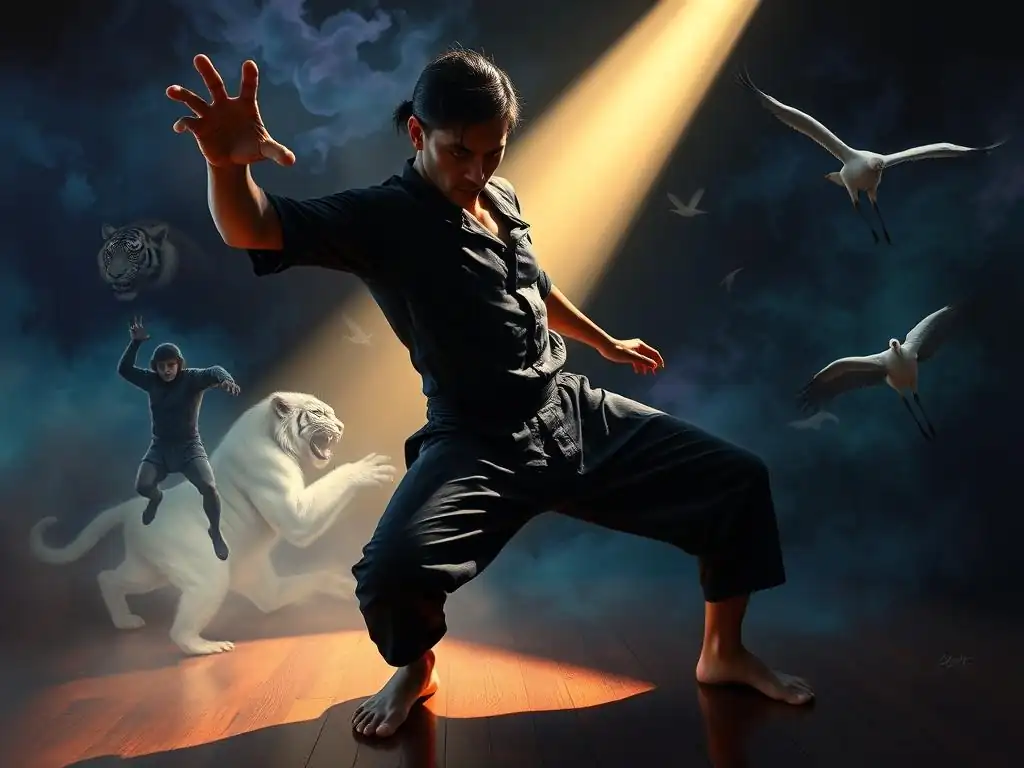
Delve into the captivating world of Silat, where tradition meets innovation. Ever wondered how the raw power of a tiger, the agility of a monkey, or the grace of a crane translates into devastating fighting techniques? Our exploration of Silat animal forms techniques reveals the secrets behind these iconic movements, offering a glimpse into the deep philosophical roots and practical applications of this ancient martial art. Intrigued? The journey through the archipelago's diverse Silat styles begins now...
- Introduction to Silat Animal Forms and Regional Variations
- Harimau (Tiger) Silat: Power and Aggression
- Kera (Monkey) Silat: Agility and Deception
- Bangau (Crane) Silat: Balance and Precision
- Other Animal Forms in Silat: Exploring the Archipelago's Bestiary
- Comparing and Contrasting Silat Animal Form Techniques
- Training and Mastering Silat Animal Techniques
- The Cultural Significance of Animal Forms in Silat
- Conclusion: The Enduring Legacy of Animal Forms in Silat
-
Frequently Asked Questions
- What are Silat animal forms, and why are they important?
- Which animals are most commonly represented in Silat animal form techniques?
- How do Silat animal forms differ from similar concepts in other martial arts?
- What are the key benefits of learning Silat animal form techniques?
- Where can I find reliable resources to learn more about Silat animal form techniques?
- Final Reflection: Embracing the Spirit of Silat's Animal Forms
- Unleash Your Inner Animal: Connect with the Silat Spirit!
Introduction to Silat Animal Forms and Regional Variations
The Significance of Animal Mimicry in Silat Martial Arts Mastery
Animal mimicry holds a profound significance within the vast landscape of Silat, serving as more than just a stylistic choice; it represents a deep connection to the natural world and a practical application of observed biological principles. Practitioners study the movements, strategies, and inherent strengths of various animals – from the predatory power of the tiger to the evasive agility of the monkey – to inform and enrich their fighting techniques. This isn't mere imitation, but a sophisticated process of abstracting core principles: the tiger's low center of gravity and explosive pounce, the crane's balance and sudden strike, the snake's coiling defense and rapid attack.
By embodying these traits, Silat practitioners develop a diverse and adaptable skill set, allowing them to respond effectively to a wide range of combat situations. The study of these Silat animal forms techniques provides a framework for understanding complex movement patterns and strategic thinking.
This integration of animal characteristics into human movement allows for the development of unique physical attributes and tactical approaches. For instance, adopting the low, grounded stance of a tiger enhances stability and power generation for strikes and takedowns, while mimicking the fluid, unpredictable movements of a monkey can create openings for evasive maneuvers and unexpected counter-attacks. The philosophical dimension is equally important, as animals are often seen as possessing specific virtues or powers that the practitioner seeks to internalize.
Learning Silat animal techniques is therefore a holistic process, combining physical training with mental discipline and a deep appreciation for nature's lessons in survival and efficiency. This approach has been a cornerstone of Silat's development for centuries across the archipelago.
Tracing the Origins of Silat's Animal-Based Techniques
The roots of Silat animal forms techniques are deeply embedded in the history and cultural fabric of Southeast Asia, particularly Indonesia and Malaysia. While precise historical records detailing the exact moment animal forms were introduced are scarce, it is widely accepted that these techniques evolved over centuries, influenced by indigenous animistic beliefs, observations of the local fauna, and the practical necessities of combat.
Early practitioners, living in close proximity to nature, would have naturally drawn inspiration from the most effective hunters and defenders in their environment. This practical observation was often intertwined with spiritual beliefs, where animals were revered or seen as possessing spirits or powers that could be emulated or invoked.
Furthermore, the development of these techniques was likely influenced by cultural exchange, potentially including elements from Indian martial arts (which also feature animal forms like the lion or elephant) and Chinese martial arts (known for styles like Tiger, Crane, Monkey, and Snake). However, the specific interpretation and application of these animal principles in Silat are distinctly Southeast Asian, adapted to the region's terrain, weaponry, and fighting methodologies.
Oral traditions and the lineage-based transmission of Silat styles suggest that many animal forms were developed within specific schools or regions, tailored to local needs and the unique insights of their founders. The evolution of Silat animal techniques is a testament to the dynamic and adaptive nature of the art itself.
Regional Diversity: How Animal Forms Differ Across the Indonesian Archipelago
The Indonesian archipelago, with its vast geographical spread and diverse ethnic groups, has fostered a remarkable variety of Silat styles, and consequently, a wide array of interpretations of Silat animal forms techniques. While some animal archetypes like the Tiger (Harimau) and Monkey (Kera) appear in multiple regions, their specific execution, underlying principles, and integration into the overall Silat system can vary dramatically.
For example, the Harimau style found in West Sumatra (Minangkabau) is often characterized by low stances and ground-level movements, reflecting the tiger's predatory crouch, whereas a Harimau element in a Javanese style might focus more on explosive, linear power.
This regional diversity is a defining characteristic of Silat. Styles developed in mountainous areas might emphasize strong, rooted stances and powerful, direct movements (like the tiger), while those from coastal or swampy regions might favor more fluid, evasive, or ground-based techniques (like the snake or crocodile). The cultural context of each ethnic group also shapes the interpretation; an animal might hold different symbolic meanings or be associated with different characteristics depending on the local folklore.
This results in a rich tapestry of Silat animal techniques, where the same animal name can represent distinct methodologies and applications depending on its regional origin. Studying these variations offers a deep insight into the adaptability and cultural richness of Silat across Indonesia.
Harimau (Tiger) Silat: Power and Aggression
Understanding Harimau Silat Principles: Strength and Directness
Harimau Silat, deeply associated with the Minangkabau people of West Sumatra, embodies the raw power, predatory instinct, and grounded stability of the tiger. The core principles revolve around maintaining a low center of gravity, utilizing the entire body for explosive power, and engaging an opponent with direct, often overwhelming force. Stances are typically very low, sometimes even involving sitting or lying on the ground, which provides a stable base for generating power and makes the practitioner a difficult target to sweep or unbalance.
This low profile also facilitates sudden, upward or forward bursts of energy, mimicking a tiger's pounce. The emphasis is on efficiency and directness; unnecessary movements are minimized, and attacks often target vital areas with intent to quickly incapacitate. Understanding these principles is key to mastering Silat animal forms techniques based on the tiger.
The philosophy behind Harimau often speaks to the tiger's patience and explosive action. A tiger waits, observes, and then attacks with decisive power. Similarly, Harimau practitioners are trained to be patient and observant, conserving energy until the opportune moment arises for a sudden, powerful strike or takedown.
The use of the kuku macan (tiger claw) hand shape, while not universal to all Harimau styles, is a common visual representation of this principle, symbolizing tearing and ripping actions. The breath control ( pernafasan) is also crucial, often involving deep, powerful exhalations synchronized with strikes to maximize impact. This focus on grounded power and direct aggression makes Harimau one of the most recognizable and formidable Silat animal techniques.
Harimau Techniques: Stances, Movements, and Strikes
The techniques of Harimau Silat are characterized by their low-to-the-ground nature and emphasis on powerful, close-quarters combat. Common stances include the duduk (sitting) and merayap (crawling) positions, which allow practitioners to move rapidly and unpredictably at ankle height. From these low stances, powerful leg sweeps, ankle locks, and takedowns are executed.
Upper body techniques include palm strikes, elbow strikes, and the aforementioned kuku macan for raking or tearing. Movements often involve sudden shifts in weight, explosive bursts forward, and circular motions close to the ground to evade or reposition. For example, a practitioner might drop instantly from a standing position to a low crouch to avoid a high attack, then transition into a powerful leg sweep.
Specific examples of Harimau Silat animal forms techniques include the "Tiger Pounce," a sudden forward lunge from a low position targeting the opponent's legs or midsection, and various ground-based grappling techniques aimed at controlling and finishing the opponent on the ground. Joint locks and breaks are also prominent, utilizing the leverage gained from the low stances.
Weaponry in Harimau often includes the kerambit, a small, curved knife resembling a tiger's claw, which complements the style's close-range, tearing movements. The integration of these stances, movements, and strikes creates a cohesive system focused on powerful, grounded combat, distinctly embodying the spirit of the tiger.
Regional Styles Emphasizing Harimau: Minangkabau Harimau and Cimande Harimau
While the Harimau form is found in various Silat lineages, it is most strongly associated with the Silat Harimau of the Minangkabau people in West Sumatra. This specific regional style is perhaps the most widely recognized representation of tiger Silat, known for its extremely low stances, intricate ground-fighting techniques, and cultural significance within the Minangkabau community. It is not uncommon to see practitioners spending significant portions of their training sessions in sitting or crawling positions, emphasizing the mastery of movement from the ground.
The emphasis here is on patience, deception, and sudden, overwhelming power from a seemingly vulnerable position. The Silat animal forms techniques practiced here are deeply intertwined with local customs and philosophy.
Another notable style incorporating strong Harimau elements, though distinct from the Minangkabau tradition, is Silat Cimande from West Java. While Cimande is a comprehensive system that includes elements from various sources, its powerful, rooted stances and emphasis on forearm conditioning and striking share some conceptual similarities with the tiger's strength and directness.
Some branches of Cimande are said to have specific jurus (forms) or applications that draw heavily from the tiger's movements and power generation, though perhaps without the extreme low-ground focus seen in Minangkabau Harimau. These examples highlight how the tiger archetype is interpreted and integrated differently across the diverse regional styles, showcasing the breadth of Silat animal techniques within Indonesia.
Kera (Monkey) Silat: Agility and Deception
Kera Silat's Focus on Evasion and Unpredictability
Kera Silat, or Monkey style, stands in stark contrast to the grounded power of Harimau, emphasizing agility, unpredictability, and the art of evasion. The core principle is to avoid direct confrontation, using rapid footwork, rolls, leaps, and unexpected changes in angle and level to frustrate and confuse the opponent. The practitioner aims to become a difficult target, constantly shifting, feinting, and creating openings through movement rather than brute force.
This requires exceptional balance, flexibility, and spatial awareness. The monkey's playful yet opportunistic nature is reflected in the style's use of deception and the ability to exploit even the smallest advantage. Mastering these Silat animal forms techniques is about becoming fluid and elusive.
Unlike styles that rely on blocking or meeting force with force, Kera Silat prioritizes getting out of the way of an attack and immediately counter-attacking from an unexpected angle. This involves a lot of circular movement, spinning, and dropping to the ground or leaping over obstacles (or opponents). The unpredictable rhythm and timing are key elements of deception.
A practitioner might feint a retreat, only to suddenly spring forward, or appear off-balance only to execute a rapid sweep or strike. This focus on evasion and unpredictability makes Kera Silat a challenging style to face, as it constantly disrupts the opponent's rhythm and expectations. It is a prime example of how Silat animal techniques draw upon diverse aspects of animal behavior.
Monkey Style Silat Techniques: Leaps, Rolls, and Counter-Attacks
The technical repertoire of Kera Silat is rich with dynamic movements designed for evasion and surprise. Leaps ( loncatan) and rolls ( gulingan) are fundamental, used to cover distance quickly, avoid attacks, and change levels. A practitioner might roll under a punch, leap over a low sweep, or use a series of rapid hops to circle an opponent.
Footwork is intricate and light, often involving bouncing steps, sudden stops, and changes of direction. Hand techniques can be quick and deceptive, often targeting eyes, throat, or pressure points, delivered from unexpected angles. Low kicks and sweeps are also common, aimed at disrupting the opponent's balance while the practitioner remains mobile.
Examples of specific Monkey style Silat animal forms techniques include the "Monkey Steals the Peach," a deceptive movement often involving a feint followed by a strike to the groin or a takedown attempt, or the "Rolling Monkey," a series of rapid rolls used to close distance or evade multiple attackers. Ground techniques in Kera Silat often involve using the legs to control or trip the opponent while the practitioner remains mobile on the ground, ready to spring back up.
The emphasis is always on fluidity and the ability to transition seamlessly between defense and offense, often simultaneously. These techniques require significant conditioning, particularly in the legs and core, as well as a high degree of body control.
Regional Styles Showcasing Kera: Beksi and Cikalong
The Monkey form, or elements strongly resembling it, can be found in various Silat styles across the archipelago. One prominent example is Silat Beksi, originating from the Betawi people around Jakarta. Beksi is known for its close-quarters combat, rapid hand techniques, and significant use of evasion and unpredictable movement, which aligns well with the Kera archetype. While not solely a "Monkey style," Beksi incorporates principles of agility and striking from unexpected angles that resonate with the Kera approach. Its historical development suggests influences from various local and potentially Chinese martial traditions, resulting in a unique blend.
Another style often associated with fluid, deceptive movements and potentially incorporating Kera-like principles is Silat Cikalong, a significant style from West Java. While Cikalong is a complex system with multiple facets, some interpretations and lineages emphasize soft, flowing movements, evasive footwork, and subtle techniques that can be seen as embodying aspects of the monkey's agility and elusiveness.
The exact nature and extent of Kera influence vary between different schools and lineages of Cikalong. These regional examples demonstrate how the core concepts of Silat animal techniques like the monkey's agility are adapted and integrated into different Silat systems based on their specific history, philosophy, and technical focus.
Bangau (Crane) Silat: Balance and Precision
The Art of Bangau Silat: Graceful Movements and Accurate Strikes
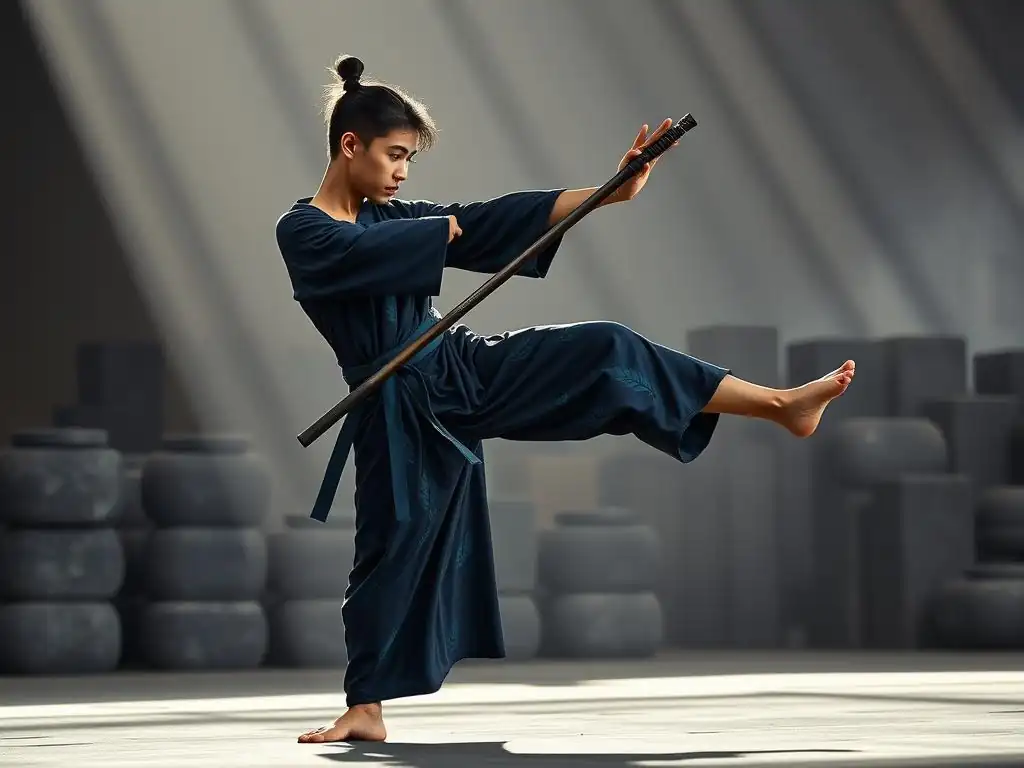
Bangau Silat, inspired by the elegant yet deadly crane, embodies principles of balance, precision, and controlled power. The style emphasizes rooted stances, refined body mechanics, and the ability to deliver accurate strikes to vulnerable points. Unlike the low power of the tiger or the chaotic evasion of the monkey, the crane's strength lies in its poised stability and sudden, focused attack. Practitioners cultivate exceptional balance, often training on one leg, to mimic the crane's characteristic stance.
This balance allows for rapid shifts in weight, stable platforms for striking, and the ability to absorb or redirect force effectively. The gracefulness of movement is not just aesthetic; it conserves energy and allows for subtle adjustments in position and timing. Precision is paramount in Bangau Silat animal forms techniques.
The philosophy of Bangau often speaks to patience, observation, and the economy of motion. The crane waits, poised and still, before striking with lightning speed and accuracy. Similarly, Bangau practitioners are encouraged to be calm and observant, waiting for the perfect moment to execute a precise technique that achieves maximum effect with minimal effort.
Hand techniques often mimic the crane's beak and wings, focusing on sharp, penetrating strikes and deflections. The control of breath and internal energy ( tenaga dalam) is often a significant component, used to enhance stability and add explosive power to strikes. This focus on balance, precision, and controlled power defines the unique character of Bangau Silat.
Crane Style Silat Techniques: Wing Blocks, Pecking Strikes, and Footwork
The techniques of Bangau Silat are characterized by upright stances, precise hand movements, and intricate footwork that maintains balance. Stances are often higher than in styles like Harimau, allowing for greater mobility and the ability to shift weight rapidly.
Hand techniques include the "crane's beak" ( patukan bangau), a focused strike using the fingertips or knuckles to target soft tissues or pressure points, and "wing blocks" ( kepakan sayap), broad, circular movements using the forearms or hands to deflect or redirect incoming attacks. Footwork involves subtle adjustments, pivots, and occasional single-leg stances, all designed to maintain equilibrium while creating angles for attack or defense.
Specific examples of Crane style Silat animal forms techniques include the "Single Leg Stance Strike," where a practitioner balances on one leg while delivering a powerful kick or hand strike, and sequences involving rapid shifts from one leg to the other combined with simultaneous hand techniques. Deflections and parries are often performed with a fluid, circular motion, guiding the opponent's force away rather than meeting it head-on. Kicking techniques can also be precise, targeting specific points rather than generating broad power.
The overall execution is elegant and efficient, reflecting the crane's natural movements. Mastering these techniques requires significant dedication to balance training and body control.
Regional Styles Utilizing Bangau: Sera and some styles within Kuntao
While a dedicated, widely known "Bangau Silat" style like Minangkabau Harimau is less commonly cited across Indonesia, elements and principles of the crane can be found integrated into various regional Silat systems. One notable example is Silat Sera (also spelled Serak or Sereh).
While the origins and exact nature of Sera are debated and vary between lineages, some branches are known for their emphasis on balance, precise movements, and the use of angles and leverage, which align conceptually with the crane's attributes. Sera is often characterized by its efficiency and focus on disrupting the opponent's structure with minimal effort, echoing the crane's precise strikes.
Furthermore, within the diverse family of martial arts known as Kuntao (which has deep historical ties and overlap with Silat, particularly in coastal trading areas), some styles incorporate forms or techniques explicitly derived from the crane. These Kuntao systems, often influenced by Chinese martial arts, might have distinct crane forms that have been adapted and integrated into a Silat framework over generations.
The specific application of Bangau principles in these styles can differ, ranging from focusing on high, snapping hand strikes to emphasizing rooted, stable stances. These examples illustrate how the crane archetype contributes to the rich mosaic of Silat animal techniques found across the archipelago, sometimes as a core principle of a style, other times as a set of integrated forms or techniques.
Other Animal Forms in Silat: Exploring the Archipelago's Bestiary
Garuda (Eagle) Silat: Soaring Strikes and Aerial Maneuvers
The Garuda, the mythical eagle-like creature that is Indonesia's national symbol, also serves as inspiration for some Silat animal forms techniques. While less common as a primary style compared to Tiger or Monkey, elements of the Garuda's power and aerial prowess can be found in various systems. Garuda-inspired techniques often emphasize upward movements, high strikes, and potentially leaping attacks. The concept involves rising above the opponent, delivering powerful blows from above, or using height and reach to control the engagement.
Practitioners might utilize techniques that mimic the eagle's swoop, involving rapid ascent followed by a powerful downward strike, often targeting the head or upper body. Arm movements might be broad and powerful, like the beating of wings used for blocking or generating force.
While true aerial maneuvers are limited by gravity, the spirit of the Garuda is captured in techniques that involve powerful upward energy generation or attacks aimed at an opponent's higher lines. Specific examples are harder to pinpoint as a widespread style, but the archetype represents power, freedom, and striking from a dominant vertical position within the lexicon of Silat animal techniques.
Ular (Snake) Silat: Coiling Movements and Constricting Techniques
Ular Silat, or Snake style, focuses on fluid, coiling movements, evasiveness, and techniques designed to entangle, control, and strike vulnerable points. Inspired by the snake's ability to move silently, strike unexpectedly, and constrict its prey, this style emphasizes flexibility, ground movement, and close-quarters grappling. The core principles involve avoiding direct force, yielding to pressure, and using winding motions to wrap around an opponent's limbs or body.
Techniques include low-to-the-ground movements, limbless body shifts (mimicking a snake's crawl), and hand techniques that involve whipping, striking with finger tips (like fangs), or coiling around an opponent's wrists or arms. Grappling techniques focus on applying pressure points, joint locks, and chokes, inspired by the snake's constricting power. The ability to transition smoothly between standing and ground fighting is crucial. Snake style Silat animal forms techniques are often subtle and rely on sensitivity and precise timing rather than brute strength, making them effective for smaller or weaker practitioners.
Buaya (Crocodile) Silat: Ground Fighting and Powerful Bites
Buaya Silat, the Crocodile style, is primarily a ground-fighting system, drawing inspiration from the crocodile's power, patience, and deadly attack from the water's edge. This style is characterized by low stances, powerful leg and hip movements, and techniques focused on dragging an opponent down to the ground and controlling them there. The emphasis is on grappling, takedowns, and applying crushing force or tearing attacks.
Techniques include powerful leg sweeps, ankle grabs, and methods for pulling an opponent off balance and onto the ground. Once on the ground, the style utilizes body weight and strong grips to maintain control, applying joint locks, chokes, and potentially ripping or tearing techniques (metaphorically or with weapons like the kerambit).
The "crocodile roll," a technique used in some grappling systems to break holds or apply pressure, can be seen as conceptually linked. Buaya Silat animal techniques are designed for close-quarters, often muddy or uneven terrain, where the practitioner can utilize their low center of gravity and powerful leverage to dominate the opponent on the ground.
Belalang (Grasshopper) Silat: Evasive Footwork and Kicking Techniques
Belalang Silat, the Grasshopper style, is less commonly known but represents an interesting approach focusing on evasiveness, rapid movement, and powerful kicking techniques. Inspired by the grasshopper's ability to leap away from danger and deliver strong kicks with its powerful legs, this style emphasizes light, agile footwork and dynamic leg techniques.
Techniques include rapid hops, side-steps, and unpredictable changes in direction to avoid attacks. Kicking techniques are central, often delivered quickly and from various angles, targeting different levels of the opponent's body. The style cultivates explosive power in the legs for both movement and striking. While perhaps not as widespread as Tiger or Monkey forms, Belalang demonstrates how even smaller creatures from the environment have contributed unique Silat animal forms techniques, highlighting the diversity of inspiration within the art.
Comparing and Contrasting Silat Animal Form Techniques
Strengths and Weaknesses of Different Animal Styles in Silat
Each animal form in Silat brings a unique set of strengths and inherent weaknesses, making them suitable for different situations and practitioners. Harimau (Tiger) Silat excels in generating powerful, grounded force and close-quarters combat, making it highly effective for overwhelming an opponent or fighting in confined spaces. Its weakness can be its reliance on low stances, which might be slower to adapt to rapidly changing upright distances, and its directness can sometimes be predicted by an experienced opponent.
The strength of Kera (Monkey) Silat lies in its agility, unpredictability, and evasiveness, making it excellent for avoiding damage and creating openings against larger or slower opponents. However, its constant movement can be energy-intensive, and relying solely on evasion might leave the practitioner vulnerable if cornered or facing multiple attackers.
Bangau (Crane) Silat's strength is its balance, precision, and energy efficiency, allowing for accurate strikes and effective redirection of force. This makes it powerful for controlling distance and targeting vulnerable points. Its potential weakness could be that its more upright stances might be susceptible to low attacks or powerful takedowns if the balance is compromised. Ular (Snake) Silat excels in close-quarters grappling and control, particularly on the ground, using flexibility and pressure.
Its weakness might be less emphasis on powerful striking from a distance. Buaya (Crocodile) Silat is dominant in ground fighting and takedowns but is less versatile in stand-up exchanges. Belalang (Grasshopper) excels in evasive footwork and kicking but might lack the comprehensive hand-to-hand or grappling repertoire of other styles. Understanding these inherent traits is crucial when studying Silat animal techniques.
Adapting Animal Movements to Individual Body Types and Fighting Styles
One of the remarkable aspects of Silat animal forms techniques is their potential for adaptation to suit individual practitioners. While a small, agile person might naturally gravitate towards the fluidity and evasiveness of Kera (Monkey) or Ular (Snake), a larger, stronger individual might find the grounded power of Harimau (Tiger) or Buaya (Crocodile) more intuitive.
However, the beauty lies in the ability to learn and integrate principles from different forms. A larger practitioner can still benefit immensely from learning the evasive footwork of the Monkey to improve their mobility, just as a smaller practitioner can develop surprising power by incorporating the rooted principles of the Tiger.
Experienced instructors often guide students in identifying which animal forms resonate most with their physical build, natural movement patterns, and personality. Training involves not just mimicking the external shape of the animal's movements but internalizing the underlying principles of power generation, balance, timing, and strategy. An individual's personal fighting style, whether naturally aggressive, defensive, or counter-attacking, can also influence which animal forms are emphasized in their training. The adaptability of Silat animal techniques ensures that the art remains relevant and effective for a wide range of individuals.
Combining Animal Forms: Creating a Personalized Silat Approach
Rarely does a Silat practitioner limit themselves to only one animal form. The true mastery of Silat animal forms techniques often lies in the ability to seamlessly combine principles and movements from multiple animals, creating a personalized and highly adaptable fighting system. A practitioner might use the low, grounded stance of a Tiger to absorb an attack, then explode upwards with the agility of a Monkey for a counter-strike. They could evade an initial rush with Grasshopper-like footwork, then transition into the close-quarters control of a Snake or Crocodile.
Advanced training focuses on the transitions between different animal archetypes, allowing the practitioner to flow effortlessly from one strategy to another depending on the demands of the situation. This synthesis creates a fighter who is not predictable, possessing both rooted power, evasive mobility, precise striking, and effective grappling capabilities. The specific combination of animal forms integrated into a practitioner's style becomes a reflection of their individual journey and the depth of their understanding of Silat's diverse principles. This ability to combine and adapt is a hallmark of advanced Silat animal techniques mastery.
Training and Mastering Silat Animal Techniques

Foundational Exercises for Developing Animal-Based Skills
Mastering Silat animal forms techniques begins with foundational exercises designed to cultivate the physical attributes necessary for each archetype. For Harimau (Tiger), this involves extensive training in low stances, including holding static low positions for extended periods to build leg strength and endurance, and practicing explosive movements from the ground. Exercises focusing on core strength and hip flexibility are also crucial for generating power from a low base.
For Kera (Monkey), foundational training emphasizes agility, balance, and flexibility. This includes drills involving rolling, leaping, balancing on narrow surfaces, and practicing rapid changes of direction and level. Conditioning for explosive leg power and overall body control is vital. Bangau (Crane) training focuses heavily on balance exercises, including single-leg stances held for extended durations and drills that challenge equilibrium while performing movements. Flexibility in the hips and shoulders is also important, as is developing precise body control. These foundational exercises, often practiced repetitively, build the physical vocabulary upon which the more complex Silat animal techniques are built.
Partner Drills for Practicing Animal Form Applications
Partner drills are essential for applying Silat animal forms techniques in a dynamic, interactive context. These drills simulate real combat scenarios, allowing practitioners to practice transitioning between movements, applying techniques against resistance, and developing timing and distance. For example, a Harimau drill might involve one partner providing resistance against a low sweep or takedown attempt, while the other practices generating power from a sitting position.
Monkey style drills could involve one partner attacking with simple strikes while the other practices evading using rolls, leaps, and unpredictable footwork, immediately following up with a counter-attack from a new angle. Crane drills might involve one partner applying pressure or attempting to unbalance while the other practices maintaining balance in a single-leg stance or redirecting force with precise hand movements. These partner interactions are crucial for developing the practical application of Silat animal techniques beyond solo forms, teaching practitioners how to read an opponent's movements and react instinctively using the principles of their chosen animal forms.
Integrating Animal Forms into Sparring and Self-Defense Scenarios
The ultimate goal of training in Silat animal forms techniques is their effective application in sparring and real-world self-defense situations. Integration involves moving beyond isolated drills and incorporating the principles and movements into free-flowing exchanges. Sparring allows practitioners to test their ability to apply animal-inspired strategies against a resisting opponent, learning to recognize opportunities to employ a tiger's pounce, a monkey's evasion, or a crane's precise strike.
In self-defense scenarios, the adaptability of Silat animal forms becomes paramount. The practitioner might need to quickly transition from the grounded stability of a Tiger to the sudden agility of a Monkey to escape a grab, or use the coiling movements of a Snake to defend against a weapon.
Integrating these forms requires not just physical skill but also the mental ability to assess a situation rapidly and instinctively deploy the most appropriate animal principle. This level of mastery allows the practitioner to move fluidly and effectively, drawing upon the diverse strengths of Silat animal techniques to navigate unpredictable situations.
The Cultural Significance of Animal Forms in Silat
Animals as Symbols of Power, Wisdom, and Protection in Indonesian Culture
Animals hold deep symbolic meaning across the diverse cultures of Indonesia, often representing powerful forces, inherent wisdom, or protective spirits. This cultural reverence is directly reflected in Silat animal forms techniques. The tiger (Harimau), for instance, is not just a symbol of physical strength and aggression but also often represents courage, ferocity, and the guardian spirit of the forest. The monkey (Kera) symbolizes agility, cunning, and sometimes trickery or unpredictability, but also intelligence and adaptability.
The Garuda, the mythical eagle, is a powerful national symbol representing strength, freedom, and soaring ambition, deeply ingrained in Indonesian identity. Snakes (Ular) can symbolize transformation, healing, or danger, depending on the specific cultural context, influencing the dual nature of their techniques (both defensive coiling and sudden striking). Crocodiles (Buaya) represent grounded power, patience, and a hidden threat. These symbolic associations imbue the Silat animal techniques with layers of meaning beyond mere physical movements, connecting the practitioner to the spiritual and cultural heritage of the archipelago.
Animal Forms as a Reflection of the Natural Environment
The prevalence of specific animal forms in regional Silat styles often directly reflects the natural environment in which those styles developed. Silat Harimau, strongly associated with Sumatra, a region historically known for its tigers, is a clear example. Styles developed in areas with dense forests or challenging terrain might favor grounded movements and powerful, direct attacks that are effective in such environments.
Conversely, styles from areas with open spaces or those developed for fighting in crowded village settings might incorporate the evasive and unpredictable movements of the monkey or grasshopper. Styles from riverine or coastal regions might feature techniques inspired by aquatic or semi-aquatic animals like the crocodile or snake, focusing on ground fighting or fluid, adaptable movements. The Silat animal forms techniques are, in many ways, a living testament to the close relationship between the peoples of the archipelago and the natural world around them, embodying the lessons learned from observing creatures in their specific habitats.
Preserving the Traditions of Silat Animal Forms for Future Generations
The preservation of Silat animal forms techniques is a crucial aspect of maintaining the cultural heritage and technical depth of Silat. As modern life changes, the direct connection to the natural environment that inspired these forms can diminish. Therefore, dedicated efforts by schools, practitioners, and cultural organizations are vital to ensure these traditions are passed down accurately. This involves not just teaching the physical movements but also conveying the underlying philosophy, cultural significance, and connection to the animal archetypes.
Documentation, cultural festivals, and educational programs play a role in raising awareness and interest. More importantly, authentic lineage holders continue to teach these forms, often emphasizing the traditional context and requiring students to develop a deep understanding of the principles derived from the animals. Ensuring that future generations appreciate the rich history and practical wisdom embedded within Silat animal techniques is essential for the continued vitality of Silat as a martial art and cultural treasure.
Conclusion: The Enduring Legacy of Animal Forms in Silat
The Future of Silat Animal Styles in the Modern World
In the modern world, where self-defense needs and martial arts training often adapt to urban environments and competitive sports, the future of Silat animal forms techniques lies in their continued relevance and adaptability. While some traditional forms may require interpretation for modern application, the core principles derived from animal movements remain timeless and highly effective. The power generation of the tiger, the agility of the monkey, the balance of the crane, and the control of the snake are universal biomechanical and strategic concepts.
Silat schools continue to teach these forms not only for their historical and cultural value but also for their practical benefits in developing a well-rounded martial artist. The emphasis on adaptability and combining different principles allows practitioners to apply these ancient lessons to contemporary challenges. As Silat gains wider recognition globally, the unique and visually captivating nature of its animal forms is likely to continue attracting students, ensuring their survival and evolution. The enduring legacy of Silat animal techniques is their ability to provide a profound framework for understanding movement, strategy, and the connection between humanity and nature.
Further Exploration: Resources for Learning More about Silat Animal Techniques
For those interested in delving deeper into the world of Silat animal forms techniques, there are various avenues for further exploration. Engaging directly with reputable Silat schools and experienced instructors, particularly those with strong lineage connections to traditional styles, is the most authentic way to learn. Many schools specialize in or prominently feature specific animal forms like Harimau or Beksi (which incorporates Kera elements).
Additionally, books and documentaries focusing on the regional diversity of Indonesian Silat can provide valuable historical and cultural context, often detailing the characteristics of different animal-inspired styles. While online resources are growing, caution should be exercised to ensure accuracy and depth. Attending workshops or cultural events where traditional Silat is demonstrated can also offer firsthand exposure to the power and beauty of these techniques. Dedicated study, whether through direct training or scholarly research, reveals the incredible depth and ingenuity embedded within the Silat animal forms techniques.
Frequently Asked Questions
What are Silat animal forms, and why are they important?
Silat animal forms are techniques that mimic the movements and strategies of specific animals like the tiger, monkey, and crane. They are important because they allow practitioners to internalize natural fighting instincts and develop diverse combat skills.
Which animals are most commonly represented in Silat animal form techniques?
While variations exist across different styles, the tiger, monkey, crane, snake, and eagle are some of the most frequently represented animals. Each animal embodies specific combat attributes and tactical approaches.
How do Silat animal forms differ from similar concepts in other martial arts?
While other martial arts also incorporate animal forms, Silat's versions are often deeply connected to the cultural and environmental context of the Malay Archipelago. They emphasize fluid, grounded movements adapted to the region's unique terrain and fighting styles.
What are the key benefits of learning Silat animal form techniques?
Learning these techniques can improve coordination, agility, and body awareness. Furthermore, it enhances understanding of different combat ranges and promotes creative problem-solving in self-defense situations.
Where can I find reliable resources to learn more about Silat animal form techniques?
Resources include reputable Silat schools, experienced instructors, and historical texts on Silat. MartialArtsMastery.org is also a great place to begin exploring the history and techniques of this fascinating martial art.
Final Reflection: Embracing the Spirit of Silat's Animal Forms
The exploration of animal forms in regional Silat traditions reveals more than just fighting techniques; it unveils a profound connection to nature and a deep wellspring of cultural heritage. This intricate tapestry of movement, philosophy, and ancestral wisdom remains vibrantly relevant today, offering practitioners a path to physical prowess, mental discipline, and spiritual enrichment in a world increasingly disconnected from its roots.
The enduring influence of these animal forms on Silat is undeniable. They are not merely imitations, but rather distillations of animal essence, adapted and refined through generations of practice. Witnessing the fluid grace of the Crane, the ferocious power of the Tiger, or the agile cunning of the Monkey reminds us of the inherent wisdom found in the natural world. The best fighter is never angry,
as some Silat masters say, reflecting the animal forms' emphasis on strategic thinking and controlled aggression, rather than blind rage. This philosophy transcends the martial art itself, offering valuable lessons for navigating the complexities of life.
As we conclude this journey through the diverse landscape of Silat animal forms, I invite you to consider how these ancient practices can inform your own life. Embrace the spirit of the Tiger's courage, the Monkey's adaptability, the Crane's balance, and the wisdom of all the creatures whose movements have shaped this remarkable martial art. Let the lessons of Silat's animal forms guide you towards greater strength, resilience, and harmony in all that you do.
Unleash Your Inner Animal: Connect with the Silat Spirit!
Thank you for exploring the fascinating world of animal forms in regional Silat! We hope you've gained a new appreciation for the rich cultural heritage and practical applications of these traditions. Ready to take the next step?
Here's how you can deepen your connection:
- Dive Deeper: Research a specific animal form mentioned in the article (e.g., Harimau, Kera) and explore its variations in different Silat styles. Look beyond technique and consider the symbolic meaning within the local culture.
- Share Your Insights: Post a comment below sharing your own experiences with animal forms in martial arts – or what animal form resonates most strongly with you and why.
- Start a Local Conversation: Talk to practitioners of other martial arts styles about the use of animal forms in their traditions and compare/contrast the approaches.
Which animal form are you most inspired to explore further, and what unique qualities do you hope to embody through its practice?