
Common Training Pitfalls in Savate and How to Sidestep Them

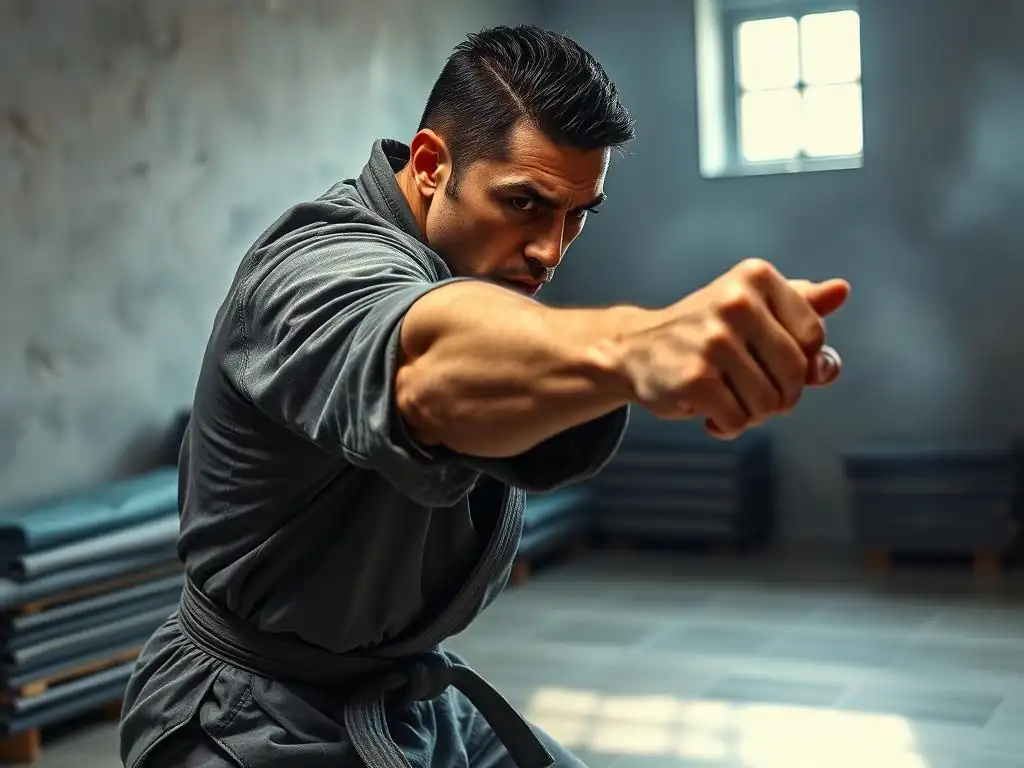
Welcome to Martial Arts Mastery, where the wisdom of ages meets the cutting edge of combat science. Ever felt like your Savate training isn't quite hitting the mark? This article delves into the common mistakes that can hinder your progress in this elegant and devastating French boxing style. Discover the subtle adjustments and key insights that can unlock your true potential and ensure you're building a solid foundation for success. Ready to elevate your Savate game? Let's begin...
- Introduction to Savate Training: Avoiding Common Errors
- Pitfall #1: Neglecting Fundamental Savate Techniques
- Pitfall #2: Ignoring Footwork Drills in Savate
- Pitfall #3: Insufficient Conditioning for Savate
- Pitfall #4: Overlooking Savate Sparring and Tactical Application
- Pitfall #5: Inadequate Stretching and Flexibility for Savate Kicks
- Pitfall #6: Not Cross-Training to Enhance Savate Skills
- Pitfall #7: Poor Nutrition and Recovery Strategies for Savate Athletes
- Conclusion: Mastering Savate Through Smart Training and Avoiding Common Savate Training Mistakes
-
Frequently Asked Questions
- What are some common mistakes beginners make when starting Savate training?
- Why is proper footwork so crucial in Savate?
- How does improper stance affect a Savate practitioner's performance?
- What role does conditioning play in Savate training, and why is it often overlooked?
- What are some practical self-defense applications of Savate techniques, and how can these be misused during training?
- Final Reflection: Mastering Savate Through Awareness
- Unleash Your Savate Potential: Your Journey Starts Now!
Introduction to Savate Training: Avoiding Common Errors
The Importance of Proper Technique in Savate
Mastering the foundational techniques in Savate, often referred to as boxe française, is paramount for developing proficiency and preventing injury. Unlike some martial arts, Savate places a strong emphasis on precise movements, requiring practitioners to execute kicks and punches with specific trajectories and body mechanics.
For instance, a correctly executed fouetté (whipping kick) relies on hip rotation, ankle extension, and maintaining balance on the supporting leg – elements that, if neglected, drastically reduce power and increase the risk of strains or sprains. Addressing common Savate training mistakes from the outset ensures that bad habits do not become ingrained, which are notoriously difficult to correct later in a practitioner's journey.
Furthermore, proper technique in Savate is not just about aesthetics or tradition; it is directly linked to effectiveness and efficiency in combat. A chassé (pushing kick) delivered with the correct alignment and force transfer can stop an opponent in their tracks or create distance, while one executed poorly might lack penetration or leave the practitioner vulnerable.
Understanding the subtle nuances, such as the angle of the foot or the timing of a hip movement, separates adequate practitioners from highly skilled savateurs. Overlooking these details is one of the most significant Savate training common mistakes that can plateau development, limiting both offensive capability and defensive resilience.
Why Savate Training Mistakes Hinder Progress
Savate training common mistakes act as invisible barriers, significantly slowing down a practitioner's development curve. When fundamental errors persist, they compromise the ability to learn and effectively apply more complex techniques. For example, if a student consistently drops their guard after throwing a coup de poing direct (straight punch), they will be easily counter-attacked, making sparring frustrating and hindering their ability to chain techniques together. This single mistake impacts offensive confidence and defensive posture simultaneously.
The cumulative effect of multiple Savate training pitfalls is a lack of cohesion and flow in movement. Consider a savateur who has poor footwork, throws kicks without proper hip engagement, and lacks sufficient cardiovascular conditioning. Each of these errors independently weakens their performance, but together, they create a disjointed and ineffective style. They might fatigue quickly, lack power in strikes, and struggle to maintain optimal distance, making meaningful progress towards higher skill levels incredibly challenging. Identifying and systematically correcting these common Savate training mistakes is therefore not just beneficial, but essential for unlocking one's full potential in the art.
Pitfall #1: Neglecting Fundamental Savate Techniques
Focusing Too Much on Advanced Moves Before Mastering Basics
A common and detrimental Savate training mistake is the premature pursuit of flashy or advanced techniques before a solid foundation in the basics is established. Beginners, inspired by experienced savateurs or competition footage, often want to immediately practice spinning kicks or complex combinations.
However, without mastering core movements like the basic guard ( garde haute or garde basse), fundamental steps such as the chassé croisé (crossed step), and primary strikes like the coup de poing direct and the basic chassé kick, these advanced techniques will lack power, balance, and proper defensive integration. A student struggling with basic balance will find a spinning kick nearly impossible to control or deliver effectively.
Prioritizing complex movements too early leads to ingrained bad habits and a fragile technical structure. For instance, attempting a jumping chassé without a stable base and understanding of weight transfer from simple chassés often results in a weak, off-balance kick that leaves the practitioner open. Data from experienced instructors often shows that students who rush the basics take significantly longer to achieve fluid, powerful techniques compared to those who patiently drill fundamentals for months, if not years. This impatience is a classic Savate training pitfall that ultimately slows down long-term mastery.
Drill Repetition for Building a Solid Savate Foundation
Building a strong foundation in Savate relies heavily on consistent, repetitive drilling of fundamental techniques. Simply understanding a movement is insufficient; the body must internalize it through muscle memory. Dedicated practice, such as performing 100 chassé kicks with each leg per training session or executing dozens of rounds of basic chassé croisé steps, is crucial. This high volume repetition refines balance, improves coordination, and develops the necessary power generation mechanics from the ground up.
Repetition also allows instructors to provide continuous feedback and correction on minute details that are vital for Savate's precision. During repetitive drills, an instructor can identify if a student's supporting foot isn't pivoting correctly during a fouetté, if their hand is dropping during a punch, or if their weight distribution is off during a step. These specific corrections, applied during high-repetition practice, are far more effective than trying to fix multiple errors simultaneously during complex drills or sparring. Neglecting this repetitive drilling is a significant common Savate training mistake that prevents techniques from becoming automatic and powerful.
Importance of a Qualified Savate Instructor for Correcting Form
Having a qualified Savate instructor is indispensable for avoiding and correcting common Savate training mistakes related to technique. An experienced instructor possesses a deep understanding of the art's intricate mechanics and can identify subtle flaws in form that a student might not even realize they are making. For example, a slight tilt of the torso during a revers (reverse kick) might seem insignificant to a beginner but can severely limit reach and power; an instructor will spot this immediately.
Moreover, a good instructor provides tailored feedback and corrective drills specific to an individual student's needs. They can break down complex movements into simpler components, offer specific cues ("push off the ball of your foot," "imagine pulling your hip back"), and design drills that target particular weaknesses. Relying solely on videos or training without expert guidance makes it highly probable that fundamental Savate training pitfalls will go unnoticed and uncorrected, leading to years of practicing imperfect techniques that limit potential and increase injury risk. The value of expert eyes cannot be overstated in mastering Savate.
Pitfall #2: Ignoring Footwork Drills in Savate
The Crucial Role of Footwork in Savate's Effectiveness
Footwork, known as déplacements in Savate, is arguably the most critical component of the art, yet neglecting it is a frequent Savate training mistake. Effective footwork dictates distance management, allows for powerful strike delivery, facilitates defense through evasion, and enables rapid transitions between offensive and defensive postures. Savate's characteristic long-range nature relies heavily on the ability to quickly enter and exit striking range using precise steps like the chassé croisé, pas glissé (sliding step), and various pivots. Without proficient footwork, even the most powerful kicks and punches become difficult to land on a mobile opponent.
Consider a scenario where a savateur wants to land a coup de pied bas (low kick). Poor footwork means they might step too far, ending up too close to generate power, or not step far enough, leaving the kick short. Conversely, skilled footwork allows them to close distance rapidly, deliver the strike with optimal force, and immediately step out of the opponent's counter-attack range.
Data consistently shows that competitive savateurs who excel possess exceptional footwork, often dedicating a significant portion of their training time to movement drills. Overlooking this foundational element is a major Savate training pitfall that severely limits overall effectiveness.
Drills to Improve Savate Footwork and Agility
Improving footwork in Savate requires dedicated and varied drilling. Basic drills include practicing the chassé croisé forwards, backwards, and laterally across the training space, focusing on maintaining balance and a consistent stance. The pas glissé, a smooth sliding step, is drilled to maintain constant pressure or escape linearly. Cone drills or ladder drills can be adapted to practice quick changes of direction, lateral shuffling, and explosive bursts of speed, simulating the rapid positional adjustments needed in sparring.
More advanced footwork drills might involve stepping patterns combined with defensive head movements or simple strikes, such as stepping to the side while simultaneously throwing a direct. Practicing pivots around a stationary point or a partner simulates creating angles for attack or defense. Incorporating reactive drills, where a partner gives visual cues for specific movements (e.g., stepping left when they raise their right hand), helps develop responsiveness.
A typical 30-minute footwork session might involve 10 minutes of basic linear movement, 10 minutes of lateral/directional changes, and 10 minutes of movement combined with simple techniques. Consistent engagement with these drills is essential to overcome the Savate training mistake of poor mobility.
Common Footwork Errors in Savate and How to Correct Them
Several common footwork errors plague Savate practitioners. One is taking steps that are too large, leading to overextension, poor balance, and slow recovery. Another is "crossing the feet" unintentionally during lateral movement or pivots, which destroys stability and makes the practitioner vulnerable. Lifting the feet too high off the ground rather than gliding is also inefficient and telegraphs movement. Finally, failing to maintain the correct Savate stance and weight distribution during movement compromises the ability to strike or defend effectively from any position.
Correcting these Savate training pitfalls requires focused attention during drills. For steps that are too large, practicing shorter, more controlled steps with visual markers (like lines on the floor) can help. To avoid crossing feet, students can drill lateral movements while keeping their feet shoulder-width apart or slightly wider, using visual checks or feedback from an instructor.
Practicing the pas glissé emphasizes keeping feet low to the ground. Regularly drilling transitions into and out of the basic Savate stance ensures that movement supports, rather than hinders, striking and defense. An instructor's constant observation and correction during footwork sessions are invaluable here.
Pitfall #3: Insufficient Conditioning for Savate
Savate's Demands on Cardiovascular Endurance and Strength
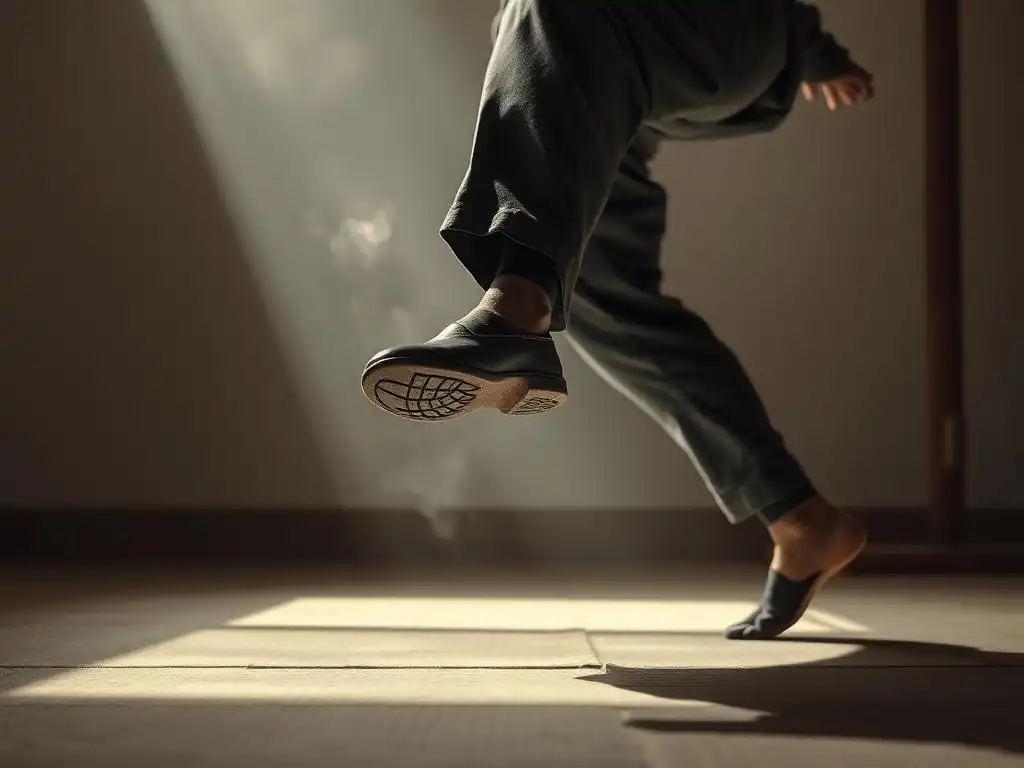
Savate is a highly demanding sport that requires a robust level of both cardiovascular endurance and specific muscular strength, and neglecting this is a significant Savate training common mistake. A typical Savate sparring round or competition bout involves continuous movement, explosive bursts for strikes, and sustained defensive postures, all of which tax the aerobic and anaerobic systems. Practitioners need the stamina to maintain a high work rate for multiple rounds (e.g., three to five rounds of two to three minutes each in competition) without significant fatigue, which compromises technique and decision-making.
Beyond endurance, Savate requires specific strength, particularly in the legs for powerful kicks, the core for stability and power transfer, and the shoulders/arms for punching and maintaining guard. Repetitive kicking, for instance, requires strong quadriceps, hamstrings, and glutes, while punches engage the chest, shoulders, triceps, and back. A savateur with insufficient strength will find their techniques losing power quickly and their guard dropping as they tire. Incorporating targeted strength and conditioning is not optional; it's fundamental to effective Savate training.
Tailoring Conditioning to Savate's Specific Requirements
Effective conditioning for Savate must be tailored to the sport's unique demands, moving beyond general fitness. High-intensity interval training (HIIT) is particularly effective for mimicking the stop-start nature of a bout, combining short bursts of intense activity (like throwing multiple combinations) with brief recovery periods. Examples include rounds of shadowboxing at full intensity for 30 seconds followed by 30 seconds of light movement, repeated for 10-15 minutes. Long-distance running can build a base, but supplementing with sprint intervals or hill repeats better simulates the explosive demands.
Strength training should focus on functional movements that support Savate techniques. Squats, lunges, and calf raises build leg strength crucial for kicking power and stability. Core exercises like planks, Russian twists, and medicine ball throws improve power transfer and protect the spine. Resistance band work can improve shoulder stability and punching power. Plyometric exercises, such as jump squats or box jumps, enhance explosive power needed for jumping kicks or rapid advances. Aiming for 2-3 conditioning sessions per week alongside technical training is a common recommendation to avoid this Savate training pitfall.
Avoiding Overtraining and Injury in Savate Conditioning
While sufficient conditioning is vital, overdoing it is another common Savate training mistake that can lead to burnout, injury, and diminished performance. Pushing the body too hard without adequate rest and recovery prevents adaptation and increases the risk of muscle strains, joint pain, or fatigue-related injuries during technical training or sparring. Symptoms of overtraining can include persistent muscle soreness, decreased performance, irritability, and disrupted sleep patterns.
A structured training plan that includes scheduled rest days is essential. Listening to your body and recognizing the difference between healthy fatigue and warning signs of overtraining is crucial. Incorporating active recovery, such as light stretching or walking, can help. Ensuring adequate nutrition and hydration also plays a key role in preventing overtraining. For instance, aiming for 7-9 hours of quality sleep per night significantly aids muscle repair and recovery, allowing the body to adapt positively to the demands of Savate training. Balancing the intensity and volume of conditioning with recovery is key to sustained progress.
Pitfall #4: Overlooking Savate Sparring and Tactical Application
The Value of Sparring in Developing Savate Combat Skills
Sparring is an irreplaceable component of Savate training, providing the opportunity to apply techniques in a dynamic, unpredictable environment against a resisting opponent. Neglecting sparring, or engaging in it too infrequently, is a significant Savate training mistake. While bag work and pad work build power and technical precision, they cannot replicate the timing, distance management, and strategic thinking required in live interaction. Sparring forces savateurs to react spontaneously, adapt their techniques, and make split-second decisions under pressure.
Regular sparring helps develop crucial attributes like timing (knowing when to strike), distance (knowing where to be to strike or defend effectively), and rhythm (disrupting the opponent's flow while maintaining one's own). It reveals which techniques are effective against different body types and fighting styles and highlights weaknesses in one's own game that static drills might not uncover. For instance, a student might have a powerful chassé on the pads but find it consistently blocked or evaded in sparring, forcing them to adapt or develop variations.
Integrating Savate Techniques into Sparring Scenarios
Effective sparring involves more than just throwing random techniques; it requires integrating trained movements into tactical scenarios. This means practicing specific strategies learned in class, such as using footwork to create an angle for a fouetté, setting up a kick with a punch combination, or using defensive steps to evade and counter-attack. Instructors often guide sparring sessions with specific objectives, like "focus on using your low kicks" or "work on maintaining distance with your chassés," to ensure purposeful application of techniques.
Beginning sparring should start light, focusing on control, technique execution, and tactical thinking rather than power. As proficiency grows, intensity can increase. A common approach is to dedicate rounds to specific aspects, e.g., one round focusing only on footwork and defense, another on setting up kicks, and another on punch-kick combinations. This structured approach helps practitioners integrate techniques systematically and avoid the Savate training mistake of simply brawling during sparring.
Common Sparring Mistakes and Tactical Errors in Savate
Several common Savate training mistakes manifest clearly during sparring. One is becoming too static, failing to use footwork to move in and out of range. Another is neglecting defense, either by dropping the guard after attacking or failing to evade incoming strikes. Overcommitting to attacks, leaving oneself vulnerable to counters, is also common. Tactically, practitioners might repeat the same techniques predictably, making them easy to read, or fail to adapt their strategy based on the opponent's reactions.
Correcting these errors requires conscious effort and feedback. Video analysis of sparring rounds can help practitioners see their own mistakes. Instructors provide real-time corrections during sparring or debrief sessions afterwards. Drilling specific scenarios outside of sparring, like practicing evading a chassé and immediately countering with a direct, can help integrate defensive and offensive responses. Focusing on maintaining a high guard even when tired is crucial. Learning to observe the opponent's habits and adjusting one's own approach is a key tactical skill that develops through consistent, mindful sparring practice.
Pitfall #5: Inadequate Stretching and Flexibility for Savate Kicks
Savate's Emphasis on High Kicks and Flexibility
Savate is renowned for its elegant, high-reaching kicks, which are a defining feature of the art. Executing techniques like the fouetté figure (face whip kick) or revers figure (face reverse kick) effectively requires a significant degree of flexibility, particularly in the hamstrings, hip flexors, and adductors. Failing to develop and maintain adequate flexibility is a common Savate training mistake that directly limits kicking range, power, and speed. A savateur with tight hips will struggle to lift their leg high without compromising balance or straining muscles.
Beyond high kicks, flexibility contributes to overall mobility and injury prevention in Savate. Supple muscles and joints allow for greater range of motion in all movements, from evasive footwork to defensive blocks. Lack of flexibility can lead to muscle imbalances and increased susceptibility to tears or strains, especially in the legs and groin, which are heavily utilized in Savate. Dedicating time to flexibility training is therefore not just about executing impressive techniques, but about building a resilient body capable of withstanding the demands of consistent Savate training.
Stretching Exercises to Enhance Savate Kicking Range
Improving flexibility for Savate kicks requires a consistent and targeted stretching routine. Static stretches, held for 20-30 seconds, should focus on key muscle groups: hamstring stretches (seated or standing), hip flexor stretches (like the kneeling hip flexor stretch), adductor stretches (seated straddle stretch or butterfly stretch), and quadriceps stretches. Dynamic stretching, performed as part of a warm-up, involves controlled movements through a full range of motion, such as leg swings (forward/backward and side-to-side) and hip circles, preparing the muscles for activity.
Proprioceptive Neuromuscular Facilitation (PNF) stretching, which involves contracting and then relaxing a muscle group, can be highly effective for rapidly increasing range of motion, though it often requires a partner. Specific Savate-focused stretches might include holding the leg extended to the side or front (with support if needed) to mimic kick positions. Consistency is key; short, regular stretching sessions (e.g., 10-15 minutes daily or after every training session) are far more effective than infrequent, long sessions. Making stretching a non-negotiable part of the routine helps avoid this common Savate training mistake.
Preventing Injuries Through Proper Warm-up and Cool-down
Proper warm-up before training and a cool-down afterwards are essential practices often overlooked, contributing to injury and hindering flexibility progress – another significant Savate training common mistake. A warm-up increases blood flow to the muscles, raises core body temperature, and prepares the nervous system for activity. A typical Savate warm-up might include 5-10 minutes of light cardio (jumping jacks, jogging in place), followed by 10-15 minutes of dynamic stretching and movement-specific drills (light shadowboxing, basic footwork). This prepares the muscles and joints for the explosive movements of Savate and reduces the risk of pulls or tears.
A cool-down allows the body to gradually return to a resting state and is the ideal time for static stretching when muscles are warm and pliable. Spending 10-15 minutes after a session on static stretches helps improve long-term flexibility and can aid in muscle recovery by promoting blood flow and reducing stiffness. Skipping the cool-down means missing a prime opportunity to work on flexibility and may leave muscles tight, increasing the risk of injury in subsequent sessions. Integrating dedicated warm-up and cool-down routines is a simple yet crucial step in avoiding common Savate training pitfalls related to physical preparation.
Pitfall #6: Not Cross-Training to Enhance Savate Skills
Benefits of Complementary Training for Savateurs
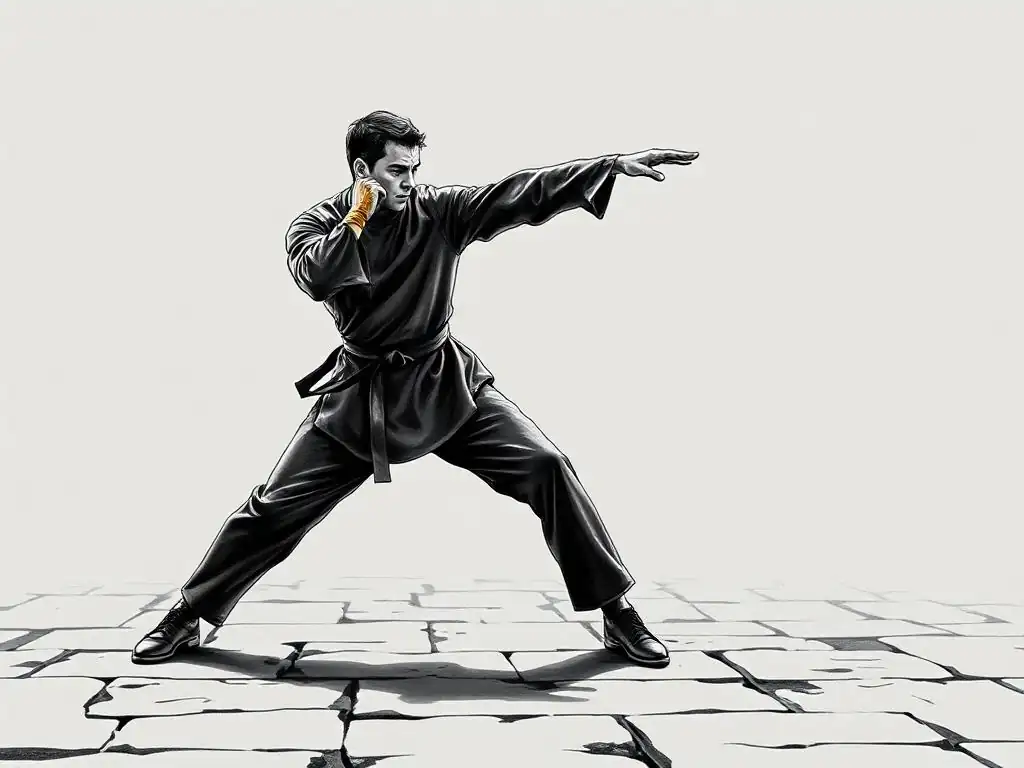
Neglecting complementary training from other disciplines is a subtle yet impactful Savate training mistake that can limit a practitioner's overall athletic development and tactical versatility. While dedicated Savate training is paramount, incorporating elements from other sports or martial arts can enhance specific physical attributes or introduce different tactical perspectives that directly benefit a savateur. For instance, a boxer's head movement can make a savateur's punching defense more robust, or a fencer's understanding of distance and timing can refine Savate footwork and attack initiation.
Cross-training can also provide active recovery and prevent burnout from the repetitive nature of focusing solely on one discipline. Engaging in different types of physical activity works muscles in new ways, promotes overall athleticism, and can keep training mentally fresh. For example, swimming provides excellent cardiovascular conditioning with low joint impact, benefiting recovery from high-impact kicking drills. Recognizing the value of diverse physical activity is key to overcoming this common Savate training pitfall.
Recommended Cross-Training Activities: Boxing, Muay Thai, Fencing
Several disciplines offer particularly valuable cross-training benefits for Savate practitioners. Boxing provides unparalleled training in upper body mechanics, head movement, and close-range punching, areas that can sometimes be less emphasized in Savate's longer range focus. Training boxing footwork can also complement Savate's déplacements. Muay Thai, while structurally different, involves powerful leg kicks and clinching, offering insights into different ways to generate power with the lower body and handle close-quarters exchanges, although its techniques must be adapted to Savate rules and style.
Fencing, surprisingly, offers significant benefits due to its extreme emphasis on distance management, timing, and explosive linear footwork (similar to Savate's pas glissé). The strategic back-and-forth of a fencing match can refine a savateur's ability to control the engagement range and exploit openings. Incorporating 1-2 sessions per week of these or other complementary activities, such as gymnastics for body control or wrestling for understanding balance disruption, can provide a well-rounded athletic base and introduce new tactical layers, mitigating this common Savate training mistake.
How Cross-Training Can Improve Savate Performance
Specific examples illustrate how cross-training directly improves Savate performance. Training boxing significantly improves a savateur's punch power and defensive head movement, making them less reliant solely on kicks and harder to hit with upper body strikes. A savateur who cross-trains in boxing might develop a more effective jab to set up their kicks or improve their ability to fight on the inside if an opponent closes the distance.
Similarly, incorporating elements of fencing footwork drills can make a savateur's linear movement faster and more precise, improving their ability to dart in and out of range for quick attacks or evasions. The focus on timing in fencing enhances a savateur's ability to judge the precise moment to launch an attack or counter. By addressing potential blind spots or areas of less emphasis within pure Savate, cross-training helps create a more complete and adaptable savateur, effectively overcoming the Savate training pitfall of narrow physical or tactical development.
Pitfall #7: Poor Nutrition and Recovery Strategies for Savate Athletes
Fueling Your Body for Savate Training and Competition
Underestimating the impact of nutrition on training performance and recovery is a common Savate training mistake. Savate is physically demanding, requiring sustained energy and the ability to recover quickly between sessions. Proper fueling ensures that the body has the necessary energy substrates (carbohydrates) for intense activity, the building blocks (protein) for muscle repair and growth, and essential micronutrients (vitamins and minerals) for overall health and metabolic function. Training consistently without adequate nutrition is like trying to drive a car with an empty fuel tank – performance will be poor, and the engine (your body) will suffer damage over time.
During intense Savate training, muscles deplete glycogen stores, and muscle fibers experience micro-tears. Consuming sufficient carbohydrates before training provides energy, while protein intake after training is crucial for repairing damaged tissues and adapting to the training stimulus. Hydration is also critical; even slight dehydration can impair performance, reduce endurance, and increase the risk of muscle cramps. Ignoring these fundamental nutritional principles is a significant Savate training pitfall that limits gains and increases fatigue.
The Importance of Post-Training Recovery in Savate
Recovery is when the body adapts to the stress of training, becoming stronger and more resilient. Neglecting recovery strategies is a major Savate training common mistake that leads to chronic fatigue, increased injury risk, and plateaus in performance. Adequate rest, particularly sleep, is paramount; during deep sleep, the body releases growth hormone and repairs tissues. Aiming for 7-9 hours of quality sleep per night is crucial for recovery from demanding Savate sessions.
Active recovery methods, such as light movement, stretching, or foam rolling, can help reduce muscle soreness and improve blood flow. Proper post-training nutrition, ideally consuming a mix of carbohydrates and protein within a couple of hours after finishing, replenishes glycogen stores and kick-starts muscle repair. While the exact timing can vary, delaying refueling significantly hinders the recovery process. Prioritizing recovery allows practitioners to train consistently at a high intensity, which is essential for long-term progress in Savate.
Dietary Considerations for Savate Practitioners
A balanced diet is key for optimal Savate performance and recovery. While individual needs vary based on body weight, training volume, and intensity, general guidelines apply. Carbohydrates should form the bulk of energy intake, focusing on complex carbs like whole grains, fruits, and vegetables. Protein sources should be lean and varied, including poultry, fish, lean meats, legumes, and dairy. Healthy fats from sources like avocados, nuts, seeds, and olive oil are important for hormone production and overall health.
Ensuring sufficient intake of micronutrients through a varied diet is also vital. For example, calcium and Vitamin D are important for bone health, crucial given the impact of kicking. Iron is essential for oxygen transport, impacting endurance. Hydration involves drinking water consistently throughout the day, not just during training. While specific dietary plans are best developed with a nutritionist, understanding the basic principles of fueling and recovery is fundamental to avoiding common Savate training mistakes related to physical well-being.
Conclusion: Mastering Savate Through Smart Training and Avoiding Common Savate Training Mistakes
Key Takeaways for Effective Savate Training
Mastering Savate requires a holistic approach that extends beyond simply learning techniques. Avoiding common Savate training mistakes related to technique, footwork, conditioning, sparring, flexibility, cross-training, and recovery is crucial for sustained progress and reaching one's full potential. Prioritizing fundamental drills over complex moves, dedicating specific time to footwork, building sport-specific conditioning, engaging in regular and mindful sparring, committing to flexibility training, exploring complementary disciplines, and fueling/recovering properly are all non-negotiable aspects of effective Savate training.
Addressing Savate training common mistakes early prevents the formation of bad habits that are difficult to break and accelerates the learning process. It also significantly reduces the risk of injury, allowing for more consistent training over time. Acknowledging that these pitfalls exist and actively working to mitigate them, ideally under the guidance of a qualified instructor, transforms training from mere practice into purposeful development.
Continuously Refining Your Savate Skills
The journey in Savate is one of continuous learning and refinement. Even experienced savateurs must remain vigilant about potential Savate training pitfalls and work on improving all facets of their game. Regularly evaluating one's own performance in sparring, seeking feedback from instructors and peers, and being open to adjusting training methods are all part of the process. The pursuit of mastery involves not only learning new techniques but also constantly polishing the fundamentals and optimizing physical preparation.
By being mindful of common Savate training mistakes and actively implementing strategies to sidestep them, practitioners can build a stronger foundation, develop greater technical proficiency, enhance their physical capabilities, and become more effective and resilient savateurs. The path to excellence in Savate is paved with disciplined effort, intelligent training choices, and a commitment to avoiding the pitfalls that can derail progress.
Frequently Asked Questions
What are some common mistakes beginners make when starting Savate training?
Beginners often struggle with footwork and balance, leading to poor technique and increased risk of injury. They may also neglect the importance of conditioning.
Why is proper footwork so crucial in Savate?
Savate heavily relies on leg-based techniques; therefore, agile and precise footwork is essential for both offense and defense. Improper footwork limits power and mobility.
How does improper stance affect a Savate practitioner's performance?
An incorrect stance can drastically reduce power generation, balance, and the ability to execute techniques effectively. A solid stance is the foundation of Savate.
What role does conditioning play in Savate training, and why is it often overlooked?
Conditioning builds the stamina and strength needed for the demanding movements of Savate. It's often overlooked because practitioners focus solely on technique without physical preparation.
What are some practical self-defense applications of Savate techniques, and how can these be misused during training?
Savate techniques can be highly effective in self-defense situations, but practicing them without control or awareness can lead to accidental injury to training partners. Responsible application is crucial.
Final Reflection: Mastering Savate Through Awareness
The journey of learning Savate, like any martial art, is paved with potential pitfalls, but recognizing these common training mistakes is the first step towards true mastery. Understanding where others have stumbled allows us to navigate our own training with greater precision and efficiency, ultimately leading to a deeper appreciation and more effective practice of this elegant and powerful combat sport.
The impact of avoiding these pitfalls extends beyond individual progress; it shapes the entire Savate community. By fostering a culture of mindful training and continuous improvement, we elevate the standard of practice and ensure the art's continued evolution. The master has failed more times than the beginner has even tried.
This quote reminds us that mistakes are inevitable, but learning from them is what separates the proficient from the stagnant.
Now, armed with this knowledge, I urge you to reflect on your own Savate journey. Are there any of these common mistakes that resonate with your experience? Consider how you can adjust your training, seek out guidance, and embrace a mindset of continuous learning. Let us all strive to become not just skilled practitioners, but also thoughtful students, dedicated to preserving and advancing the art of Savate for generations to come.
Unleash Your Savate Potential: Your Journey Starts Now!
Thank you for exploring the common pitfalls in Savate training with us. We hope you've gained valuable insights to elevate your practice and avoid setbacks. Now, let's put that knowledge into action and take your Savate skills to the next level.
- Prioritize Personalized Drills: Dedicate your next training session to adapting one of the drills discussed, tailoring it specifically to address your individual weaknesses. This focused approach ensures efficient and effective improvement.
- Record your training sessions to easily identify and correct mistakes
- Share your insights! What's one adjustment you're making to your Savate training today?