
An Essential Primer on Yang Style Tai Chi: What Every Beginner Should Know


Welcome to Martial Arts Mastery, your portal to the world's fighting arts!
Delve into the fascinating origins and nuanced techniques of martial arts disciplines from every corner of the globe. Curious about where to begin your Tai Chi journey? Then you've come to the right place. Uncover the secrets and foundational principles in our essential primer, " An Essential Primer on Yang Style Tai Chi: What Every Beginner Should Know."
This guide will provide you with what every beginner needs to know about Yang style tai chi beginner, sparking your curiosity and laying the groundwork for a lifetime of mindful movement and inner peace. What are the key forms? What is the ideal mindset? Discover the answers and begin your exploration now!
- Introduction to Yang Style Tai Chi for Beginners
- Yang Style Tai Chi Fundamentals: Core Principles
- Essential Movements and Forms for Yang Style Tai Chi Beginners
- Yang Style Tai Chi Training: Getting Started Safely and Effectively
- The History and Philosophy of Yang Style Tai Chi Chuan
- Yang Style Tai Chi Practice Tips for Beginners
- Advanced Yang Style Tai Chi Concepts (A Glimpse for Beginners)
- Conclusion: Embracing the Journey of Yang Style Tai Chi Chuan
-
Frequently Asked Questions
- What are the fundamental principles of Yang style Tai Chi for a beginner?
- How does Yang style Tai Chi differ from other martial arts disciplines?
- What are the key health benefits that a beginner can expect from practicing Yang style Tai Chi?
- How often should a beginner practice Yang style Tai Chi to see noticeable results?
- Where can a beginner find qualified instruction in Yang style Tai Chi?
- Final Reflection: Embracing the Flow of Yang Style Tai Chi
- Embark on Your Tai Chi Journey!
Introduction to Yang Style Tai Chi for Beginners
What is Yang Style Tai Chi Chuan? A Beginner's Overview
Yang Style Tai Chi Chuan is one of the most popular and widely practiced forms of Tai Chi globally. Originating in China, it is a gentle yet profound internal martial art known for its slow, flowing movements, deep breathing, and meditative qualities. Often described as "moving meditation," Yang Style emphasizes relaxation, rootedness, and continuous, circular motion, making it particularly accessible for beginners. Its focus is on cultivating internal energy (Qi) and promoting health, balance, and tranquility, while also containing underlying martial applications.
For a Yang style tai chi beginner, understanding that this practice is more than just physical exercise is crucial. It's a holistic discipline engaging the mind, body, and spirit. While the movements might appear simple or slow, they require significant concentration, coordination, and internal awareness. The practice gradually builds strength, flexibility, and mental clarity, offering a pathway to improved well-being and a deeper connection with oneself. It's a journey that unfolds over time, with benefits accumulating through consistent practice.
Why Choose Yang Style Tai Chi? Benefits for New Practitioners
Choosing Yang Style Tai Chi offers numerous advantages for new practitioners. Its gentle pace and emphasis on relaxation make it suitable for people of all ages and physical conditions, including those with mobility issues or chronic health concerns. Unlike more strenuous forms of exercise, it poses a low risk of injury, allowing beginners to start safely and build confidence gradually. The focus on mindful movement and breath control also provides significant stress reduction benefits, helping to calm the nervous system and improve emotional balance.
Beyond its accessibility, Yang Style Tai Chi provides tangible health benefits that appeal to a Yang style tai chi beginner. Regular practice has been shown to improve balance and stability, reducing the risk of falls, particularly in older adults. Studies have indicated positive effects on cardiovascular health, sleep quality, and even conditions like arthritis and fibromyalgia. Furthermore, the integration of mind and body cultivates enhanced body awareness and coordination, foundational skills valuable in any physical activity or simply in navigating daily life with greater ease and presence.
Yang Style Tai Chi Fundamentals: Core Principles
Understanding the Key Principles of Yang Tai Chi
At the heart of Yang Style Tai Chi lie several fundamental principles that guide every movement and posture. One core principle is "Song" (鬆), which translates to relaxation or looseness, but it's an active, engaged relaxation, not limpness. This allows Qi (energy) to flow freely and movements to be smooth and effortless. Another vital principle is "Zhong Ding" (中定), maintaining central equilibrium or uprightness, ensuring that the body's weight is always balanced and centered, like a plumb line from the crown of the head to the soles of the feet.
These principles work in harmony. For example, "Chen Jian Chui Zhou" (沉肩墜肘) means sinking the shoulders and dropping the elbows. This principle, combined with Song, prevents tension in the upper body and allows force to be generated from the lower body and waist, a key concept in Tai Chi known as "using the waist as the axis." For a Yang style tai chi beginner, consciously applying these principles from the very first lesson helps build a correct foundation, preventing the development of bad habits and unlocking the deeper potential of the practice.
The Importance of Posture and Alignment in Yang Style Tai Chi for Beginners
Correct posture and alignment are absolutely critical for a Yang style tai chi beginner. Proper alignment ensures that the body's structure is supported correctly, allowing weight to be rooted efficiently through the legs and feet while the spine remains erect and relaxed. This structural integrity facilitates the smooth flow of energy and enables movements to originate from the core, rather than relying on muscular force from the limbs. Incorrect posture can lead to strain, impede the flow of Qi, and limit the therapeutic and martial effectiveness of the practice.
Specific postural cues are emphasized repeatedly, such as "Xu Ling Ding Jin" (虛靈頂勁), meaning the headtop is suspended as if by a string, keeping the neck relaxed and spine elongated, and "Han Xiong Ba Bei" (含胸拔背), meaning the chest is slightly sunken and the back is rounded or expanded. Adhering to these points helps a Yang style tai chi beginner develop a stable, balanced, and resilient structure. It's not about rigidity, but about finding a dynamic balance where the body is aligned yet fluid, ready to move in any direction.
Breath Control and Mindfulness in Yang Style Tai Chi Practice
Breath control is integral to Yang Style Tai Chi, working hand-in-hand with the physical movements and mental focus. Beginners are typically encouraged to breathe naturally and deeply into the abdomen, allowing the diaphragm to descend. As practice progresses, the breath becomes synchronized with the movements – often inhaling during expansive or gathering movements and exhaling during releasing or striking movements. This deliberate, deep breathing calms the mind, enhances relaxation, and supports the circulation of Qi.
Mindfulness, or focused awareness, is equally crucial for a Yang style tai chi beginner. It involves paying close attention to the body's sensations, the principles guiding the movements, and the breath. This present-moment awareness transforms the physical exercise into a moving meditation, reducing mental chatter and fostering a state of calm alertness. Cultivating mindfulness helps practitioners move with intention, deepen their understanding of the internal aspects of Tai Chi, and experience the profound stress-reducing and centering effects of the practice.
Essential Movements and Forms for Yang Style Tai Chi Beginners
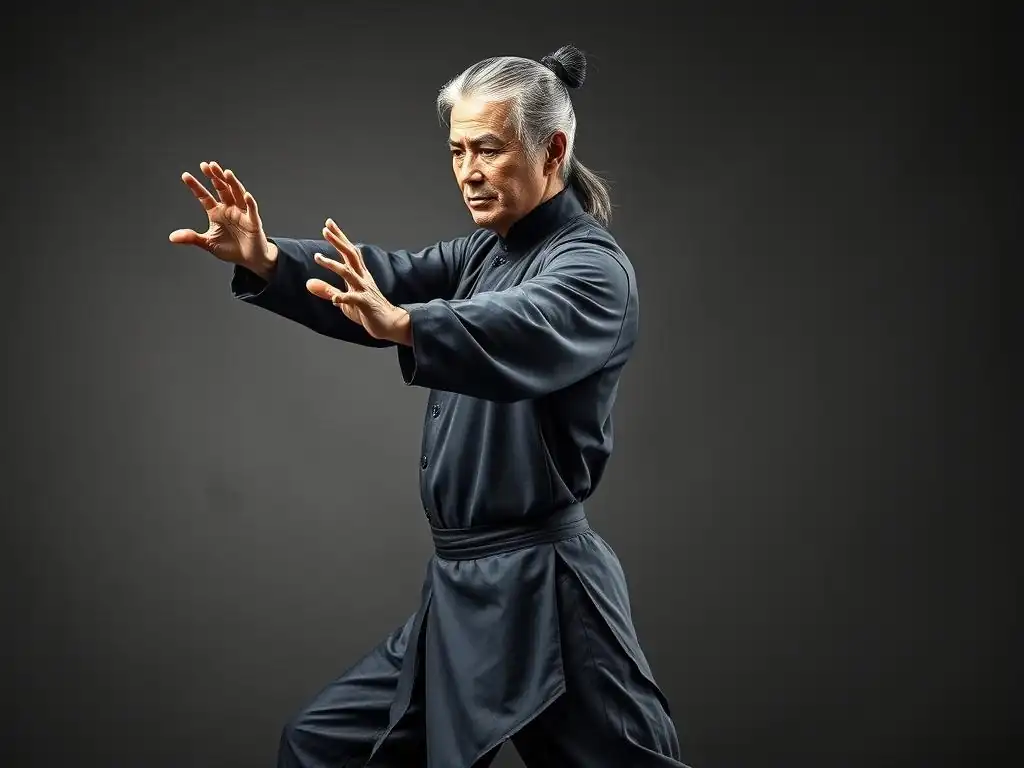
Learning the Initial Movements of the Yang Style Short Form
For many Yang style tai chi beginner practitioners, the journey begins with learning a shortened version of the traditional long form, often the 24-step Simplified Form or a variation of the 37-step form attributed to Cheng Man-ch'ing. The very first movements are fundamental: "Beginning" (Qi Shi), where you stand relaxed, sink the weight, and gently raise and lower the arms. This establishes the core principles of relaxation, rootedness, and coordinated movement.
Following Qi Shi, movements like "Parting the Wild Horse's Mane" (Ye Ma Fen Zong) and "White Crane Spreads Its Wings" (Bai He Liang Chi) introduce basic weight shifts, turns, and arm coordination. While complex in their underlying principles, these initial movements are taught slowly and repetitively to allow the beginner to grasp the basic flow, posture requirements, and coordination between the upper and lower body. Mastering these foundational steps is crucial before progressing to more complex sequences.
Mastering Basic Stances in Yang Style Tai Chi
Fundamental stances are the bedrock of Yang Style Tai Chi and require dedicated practice for a Yang style tai chi beginner. The most common is the "Bow Stance" (Gong Bu), where one leg is bent forward (typically around 45-degree angle at the knee, not exceeding the toes) and the back leg is straight but not locked, with the foot turned out slightly (around 45 degrees). Weight distribution varies depending on the movement, often around 70% on the front leg and 30% on the back leg in a forward Bow Stance.
Another essential stance is the "Empty Stance" (Xu Bu), where most of the weight (perhaps 90-100%) is on the back leg, and the front foot lightly touches the ground, often just on the heel or ball of the foot. This stance allows for quick changes in direction or application.
The "Horse Stance" (Ma Bu) involves feet parallel and wider than shoulder-width, with knees bent, distributing weight evenly. A Yang style tai chi beginner must focus on sinking the weight, keeping the back upright, and ensuring the knees track over the feet in all stances to build leg strength and stability correctly.
Common Mistakes Beginners Make in Yang Style Tai Chi and How to Avoid Them
One prevalent error among those starting Yang Style Tai Chi is holding tension, particularly in the shoulders, neck, and hips. This directly contradicts the principle of Song (relaxation). To avoid this, a Yang style tai chi beginner should regularly check their body for unnecessary tightness and consciously release it, especially during transitions between movements. Focusing on deep, abdominal breathing can also help alleviate tension.
Another common pitfall is lifting the chest or leaning forward, which disrupts the central equilibrium (Zhong Ding) and compromises posture. Beginners often do this when shifting weight. The correction involves maintaining the feeling of the headtop being suspended and ensuring movements originate from the waist and legs, keeping the torso upright. Practicing slowly and deliberately, perhaps initially focusing only on the lower body structure, can help a Yang style tai chi beginner build correct habits and avoid these structural errors.
Yang Style Tai Chi Training: Getting Started Safely and Effectively
Finding a Qualified Yang Style Tai Chi Instructor
Finding a qualified instructor is perhaps the most critical step for a Yang style tai chi beginner. A good teacher not only demonstrates the movements correctly but also understands the underlying principles, corrections for common errors, and the lineage of the style. Look for instructors with significant years of training under recognized masters, affiliation with reputable Tai Chi organizations, and experience teaching beginners. Observing a class before joining is highly recommended to gauge the instructor's teaching style and the class atmosphere.
A qualified instructor provides personalized feedback essential for proper development. They can identify subtle postural issues, correct weight distribution problems, and guide the beginner in understanding the internal aspects of the practice, which are difficult to grasp solely from books or videos. Investing time in finding the right teacher sets a solid foundation for a long and beneficial Yang style tai chi journey.
Setting Realistic Goals for Your Yang Style Tai Chi Journey
Setting realistic goals helps a Yang style tai chi beginner stay motivated and avoid frustration. Initially, goals should focus on consistency and understanding the fundamentals rather than mastering complex forms or achieving advanced skills. A good starting goal might be to practice for 15-20 minutes three to four times a week, focusing on relaxation, correct posture in basic stances, and the flow of the first few movements.
As proficiency grows, goals can evolve, perhaps aiming to learn the entire short form within a specific timeframe (e.g., 6-12 months depending on class frequency and individual practice), improving balance, or deepening the connection between breath and movement. It's important to remember that Tai Chi is a lifelong practice, and progress is often slow and incremental. Celebrating small improvements, like feeling more relaxed or maintaining better balance during a specific movement, is key to sustaining motivation for a Yang style tai chi beginner.
Essential Equipment and Attire for Yang Style Tai Chi Practice
One of the advantages of Yang Style Tai Chi for a beginner is its minimal equipment requirement. The most crucial item is comfortable, loose-fitting clothing that allows for a full range of motion without restriction. Natural fabrics that breathe well are preferred. Avoid tight waistbands or anything that constricts movement or breath.
Footwear is also important. Flat-soled shoes that provide good grip but allow the feet to feel the ground are ideal. Martial arts slippers, canvas shoes, or even just socks (if practicing indoors on a suitable surface) work well. Avoid thick-soled trainers or running shoes that elevate the heel or restrict ankle movement. Ultimately, the focus is on comfort and freedom of movement to facilitate proper posture and weight transfer for the Yang style tai chi beginner.
The History and Philosophy of Yang Style Tai Chi Chuan
A Brief History of the Yang Family and Their Tai Chi Style
Yang Style Tai Chi Chuan traces its origins back to the Yang family in the 19th century China. The founder, Yang Luchan (1799-1872), was a student of Chen Changxing, the master of the Chen family style, which is the oldest known form of Tai Chi. Yang Luchan's exceptional skill earned him the nickname "Yang Wudi" (Yang the Unbeatable). He later moved to Beijing and began teaching, adapting the Chen style to be less overtly martial and more focused on health and cultivation, making it accessible to a wider audience, including the imperial court.
His son, Yang Banhou (1837-1892), and his grandson, Yang Jianhou (1839-1917), continued to develop and popularize the style. It was Yang Jianhou's son, Yang Chengfu (1883-1936), who is credited with standardizing the large frame (Da Jia) Yang Style that is most commonly practiced today, particularly friendly for a Yang style tai chi beginner. Yang Chengfu emphasized the gentle, expansive, and evenly paced nature of the form, publishing influential books and teaching extensively throughout China, solidifying the Yang style's prominence.
Understanding the Philosophical Roots of Yang Style Tai Chi: Taoism and Yin-Yang
The philosophy underpinning Yang Style Tai Chi is deeply rooted in Taoism, particularly concepts like yielding, softness overcoming hardness, and living in harmony with the natural flow of things. Taoist principles emphasize non-action (Wu Wei), which in Tai Chi translates to effortless power and avoiding brute force. The movements embody the Taoist understanding of the universe as a constant interplay of opposing yet complementary forces.
Central to this is the concept of Yin and Yang. In Tai Chi movements, Yin represents yielding, softness, emptiness (as in an empty stance), and retreating, while Yang represents issuing, hardness (though internal), fullness (as in a full stance), and advancing. Every movement contains both aspects – for example, a step forward (Yang) requires the lifting of the back foot (Yin). Understanding this dynamic interplay helps a Yang style tai chi beginner appreciate the subtle transitions and balance inherent in the form, moving beyond mere physical steps to embodying philosophical principles.
Yang Style Tai Chi Practice Tips for Beginners
Warming Up Properly Before Yang Style Tai Chi Practice
Proper warming up is essential for a Yang style tai chi beginner to prepare the body for practice and prevent injury. While Tai Chi itself is gentle, starting cold can still strain muscles and joints. A warm-up should include light cardiovascular activity to raise the heart rate slightly and warm the muscles, such as gentle walking or marching in place for 5-10 minutes.
Following the light cardio, focus on dynamic stretching and mobility exercises. Gentle joint rotations for the neck, shoulders, wrists, hips, knees, and ankles are beneficial. Simple movements like circling the arms, torso twists, and leg swings (controlled and small initially) help loosen the joints and prepare the body for the fluid movements of Tai Chi. This preparation ensures that a Yang style tai chi beginner can move more freely and safely throughout their practice session.
Cooling Down and Stretching After Yang Style Tai Chi Practice
While Yang Style Tai Chi is not strenuous like high-impact sports, a brief cool-down period is still beneficial. After completing the form, stand quietly for a few minutes, allowing the breath and heart rate to return to normal. Focus on the sensations in the body and the feeling of energy circulation.
Gentle static stretching can also be incorporated, though emphasis should be on maintaining the relaxed state cultivated during the form. Simple stretches like reaching for the sky, gentle forward folds, or light leg stretches can help maintain flexibility gained during the practice. The cool-down phase allows a Yang style tai chi beginner to transition smoothly back to their daily activities while integrating the physical and mental benefits of the session.
Incorporating Yang Style Tai Chi into Your Daily Routine
Consistency is key to experiencing the full benefits of Yang Style Tai Chi. For a beginner, finding a regular time slot, even a short one, is crucial. This could be first thing in the morning to start the day centered, during a lunch break to de-stress, or in the evening to wind down. Even 15-20 minutes of focused practice daily or several times a week is more effective than infrequent long sessions.
Consider breaking down the practice if time is limited. A Yang style tai chi beginner could spend 10 minutes focusing solely on basic stances and weight shifts, and another 10 minutes on the first few movements of the form. Practicing outdoors in nature can enhance the experience, connecting with the environment. The goal is to make Tai Chi a natural, integrated part of life, like brushing your teeth, rather than an optional chore.
Advanced Yang Style Tai Chi Concepts (A Glimpse for Beginners)
An Introduction to Pushing Hands (Tui Shou) in Yang Style
Pushing Hands, or Tui Shou (推手), is a two-person training drill practiced in Tai Chi that introduces the martial applications and principles in a controlled, cooperative environment. For a Yang style tai chi beginner, this is typically introduced after a solid foundation in the solo form is established. It involves partners maintaining contact, usually at the forearms or wrists, and applying Tai Chi principles like yielding (化, Hua), adhering (粘, Zhan), linking (連, Lian), and following (隨, Sui).
Tui Shou teaches sensitivity – learning to "listen" to the partner's force and intention through touch. It develops rooting, balance, and the ability to neutralize incoming force while simultaneously preparing to issue one's own force (Fa Jin). While initially challenging, Pushing Hands is a vital step in understanding Tai Chi as a martial art and deepening the internal skills developed in the solo form, offering a practical context for principles like yielding and using the waist.
Understanding the Martial Applications of Yang Style Tai Chi Movements
While often practiced for health, every movement in the Yang Style Tai Chi form has potential martial applications. The slow, deliberate nature of the movements allows practitioners to deeply understand the body mechanics and force generation involved. For example, the movement "Ward Off" (Peng) isn't just a gentle expansion; it's a principle of expansive energy that can be used to redirect or neutralize an incoming force, like blocking a punch or push.
Movements like "Punch" (Lan Que Wei - part of Grasp Sparrow's Tail) or "Single Whip" (Dan Bian) clearly demonstrate striking or controlling applications. Even seemingly gentle movements like "Wave Hands Like Clouds" (Yun Shou) contain elements of parrying, controlling, and shifting position for advantage. Understanding these applications, even conceptually for a Yang style tai chi beginner, adds another layer of depth to the practice, revealing the underlying power and purpose within the graceful flow.
Conclusion: Embracing the Journey of Yang Style Tai Chi Chuan
The Ongoing Benefits of Practicing Yang Style Tai Chi
The benefits of practicing Yang Style Tai Chi extend far beyond the initial stages for a beginner. Over time, practitioners often report significant improvements in physical health, including increased strength, flexibility, balance, and coordination. The continuous focus on relaxation and deep breathing leads to reduced stress, improved sleep quality, and enhanced mental clarity and emotional regulation. Many find it a powerful tool for managing anxiety and promoting overall well-being.
Beyond the physical and mental, consistent practice fosters a deeper sense of body awareness and connection to one's internal state. The principles learned in Tai Chi – like yielding, maintaining balance under pressure, and acting with rooted stability – often begin to permeate daily life, influencing how one responds to challenges and interacts with the world. It becomes a path of self-discovery and cultivation, offering lifelong learning and growth.
Resources for Further Learning about Yang Style Tai Chi
For a dedicated Yang style tai chi beginner seeking to deepen their knowledge, several types of resources are available. While direct instruction from a qualified teacher is paramount, supplementing with reputable books and videos can be helpful for reviewing forms and understanding theory. Look for materials by or about renowned Yang family masters and their direct disciples, such as Yang Chengfu's own writings or works by practitioners like Cheng Man-ch'ing or Fu Zhongwen.
Joining workshops or seminars offered by experienced instructors provides opportunities for intensive learning and receiving corrections. Connecting with the wider Tai Chi community, perhaps through online forums or local practice groups, can offer support and shared experience. Remember, while resources are valuable, the most important "resource" is consistent, mindful practice itself.
Frequently Asked Questions
What are the fundamental principles of Yang style Tai Chi for a beginner?
Yang style Tai Chi emphasizes slow, deliberate movements, mind-body connection, and relaxed posture. Beginners should focus on learning the basic forms correctly and understanding the underlying principles.
How does Yang style Tai Chi differ from other martial arts disciplines?
Unlike many martial arts focused on striking or grappling, Yang style Tai Chi prioritizes internal energy cultivation and gentle, flowing movements. It's more about yielding than resisting.
What are the key health benefits that a beginner can expect from practicing Yang style Tai Chi?
Regular practice can improve balance and coordination, reduce stress and anxiety, and increase flexibility and strength. It's a low-impact exercise suitable for various fitness levels.
How often should a beginner practice Yang style Tai Chi to see noticeable results?
Ideally, beginners should aim for at least 3-4 sessions per week, each lasting 30-60 minutes. Consistency is key to developing muscle memory and improving skill.
Where can a beginner find qualified instruction in Yang style Tai Chi?
Look for certified instructors or reputable schools with experience teaching Yang style Tai Chi. MartialArtsMastery.org may also provide resources and directories.
Final Reflection: Embracing the Flow of Yang Style Tai Chi
The journey into Yang Style Tai Chi, as we've explored, is a path of self-discovery and mindful movement. Its enduring appeal lies in its accessibility and profound benefits, making it a timeless practice for individuals of all ages and abilities. In a world increasingly dominated by stress and rapid change, the gentle, flowing movements of Tai Chi offer a sanctuary of calm and a powerful tool for cultivating inner peace.
The influence of Yang Style Tai Chi extends far beyond the physical realm. It cultivates a deeper awareness of our bodies, our breath, and our connection to the present moment. This practice has personally taught me the importance of patience and perseverance, qualities that resonate deeply in all aspects of life. The mind moves the Qi, the Qi moves the body.
This ancient principle highlights the interconnectedness of mind and body, a concept that is increasingly relevant in our modern understanding of health and well-being.
As you embark on your own Tai Chi journey, remember that the true essence of the practice lies not in achieving perfect form, but in embracing the process of learning and growth. Take each step with intention, breathe deeply, and allow the gentle flow of Yang Style Tai Chi to guide you towards a greater sense of balance, harmony, and inner peace. Let this be more than just a physical exercise; let it be a pathway to a more mindful and fulfilling life.
Embark on Your Tai Chi Journey!
Thank you for diving into the world of Yang Style Tai Chi! We hope you've gained a solid foundation to begin your practice. Now, it's time to put that knowledge into action and unlock the benefits of this ancient art.
Here are some steps you can take right away:
- Commit to practicing the first eight movements daily for at least 15 minutes. Consistency is key to mastering the flow and feeling the energy.
- Share this article with friends or family who might be interested in discovering the health and mindfulness benefits of Tai Chi.
- Explore local Tai Chi schools or online communities to connect with experienced practitioners and deepen your understanding.
What small change will you make this week to integrate Tai Chi into your daily routine?