
Why Every Kick, Punch, and Throw Starts with Strength: The Untold Benefits

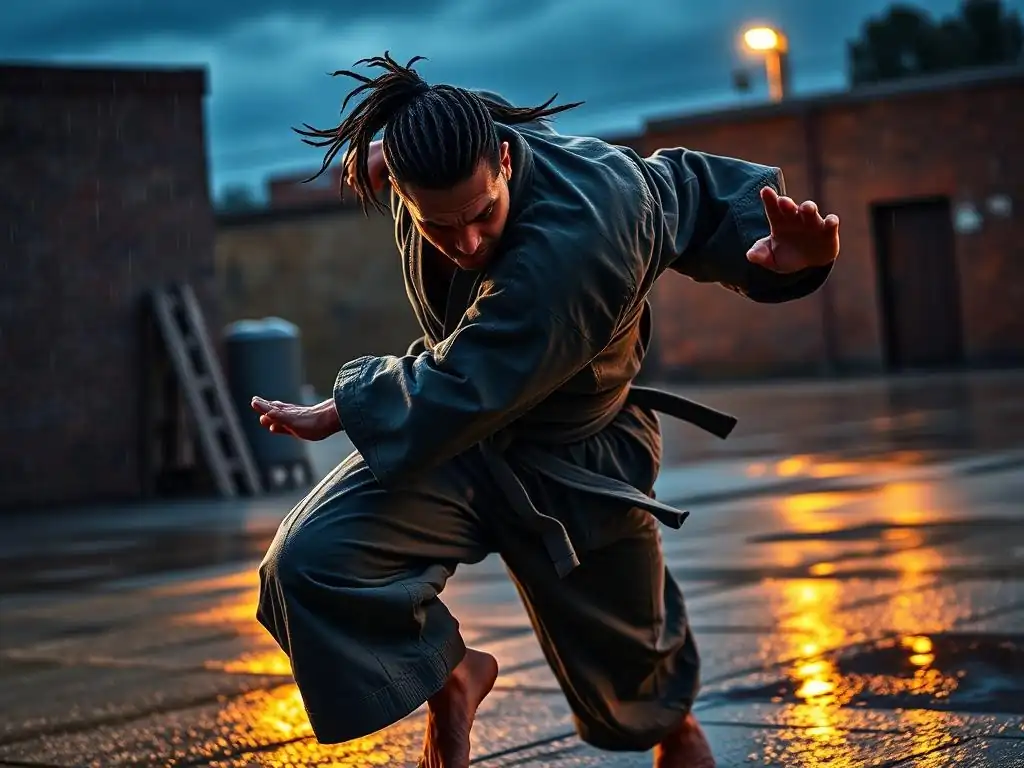
Welcome to Martial Arts Mastery, your gateway to unlocking the secrets of combat disciplines worldwide!
Dive deep into the world of martial arts, where history meets technique and philosophy intertwines with power. This week, we explore a critical aspect often overlooked: strength. Discover Why Every Kick, Punch, and Throw Starts with Strength: The Untold Benefits. Are you ready to understand how building foundational martial arts strength is the key to unlocking your true potential? Read on to learn how you can elevate your training and achieve mastery.
Core Strength: The Foundation of All Movement
At the heart of building foundational martial arts strength lies the development of a robust core. The core isn't just about visible abdominal muscles; it encompasses the entire torso, including the obliques, lower back, pelvic floor, and glutes. This central region acts as the body's powerhouse and transmission system, connecting the power generated by the lower body to the upper body for strikes, blocks, and throws, or stabilizing the trunk during grappling exchanges.
Without a strong, stable core, energy leaks occur, significantly diminishing the force and efficiency of techniques. Think of the core as the stable platform from which all powerful movements originate – a weak platform means shaky techniques and reduced power output, hindering the overall goal of building foundational martial arts strength.
Developing significant core strength is non-negotiable for any serious martial artist. A strong core provides the necessary stability to absorb incoming force, whether it's blocking a punch, taking a fall, or withstanding pressure in a clinch or ground position. Furthermore, it is the primary engine for rotational power, essential for generating devastating hooks, round kicks, and hip throws.
For example, a study on collegiate wrestlers demonstrated that core strength and endurance were highly correlated with takedown success and injury prevention. While specific data points can vary, the principle holds: a core trained for both stability and dynamic movement is crucial for translating raw power into effective martial arts application, underpinning the process of building foundational martial arts strength.
- How important is strength training for martial arts?
- What kind of strength training is most beneficial for martial artists?
- How does strength training improve my martial arts techniques?
- Can strength training help prevent injuries in martial arts?
- How often should a martial artist incorporate strength training into their routine?
Frequently Asked Questions
How important is strength training for martial arts?
Strength training is absolutely fundamental. It provides the necessary base for executing techniques effectively and preventing injuries. Without it, your techniques will lack power and control.
What kind of strength training is most beneficial for martial artists?
Focus on functional strength, which translates to movements used in martial arts. This includes exercises that build core strength, explosive power, and overall body stability. Avoid excessive bulk that hinders flexibility and speed.
How does strength training improve my martial arts techniques?
Strength training allows you to generate more power behind your strikes and throws. It also enhances your balance and stability, making you more difficult to move or knock off balance during sparring or self-defense scenarios.
Can strength training help prevent injuries in martial arts?
Yes, properly implemented strength training strengthens muscles and joints, making them more resilient to the stresses of training. This significantly reduces the risk of sprains, strains, and other common martial arts injuries.
How often should a martial artist incorporate strength training into their routine?
Ideally, aim for 2-3 strength training sessions per week, allowing adequate rest and recovery between sessions. Ensure these sessions complement your martial arts training and focus on building foundational strength.
Final Reflection: The Enduring Power of Foundational Strength
The journey through understanding the vital link between strength and martial arts prowess reveals more than just physical conditioning; it unveils a deeper truth about preparation and potential. In a world often focused on flashy techniques and immediate results, recognizing the foundational strength that underpins every kick, punch, and throw is more relevant than ever. It's a reminder that true mastery stems from a solid base, a principle applicable far beyond the dojo.
This exploration has highlighted how building foundational strength isn't merely about physical power; it's about cultivating discipline, resilience, and a profound understanding of one's own body. The realization that strength training enhances not only physical performance but also mental fortitude is a powerful takeaway. Strength does not come from winning. Your struggles develop your strengths. When you go through hardships and decide not to surrender, that is strength.
- Arnold Schwarzenegger. This quote encapsulates the essence of building foundational strength, emphasizing the transformative power of overcoming challenges.
Now, consider how you can apply this principle of foundational strength to your own life. Whether it's in your career, relationships, or personal development, ask yourself: what is the underlying strength I need to cultivate to achieve my goals? Embrace the process of building that foundation, knowing that every effort, every rep, every step forward, will contribute to a more resilient and powerful you. The journey to mastery begins with a single, strong foundation.
Unleash Your Inner Warrior: Start Strong Today!
Thanks for diving into the world of strength and martial arts! We hope you now see how foundational strength training can unlock new levels of power and precision in your practice. Ready to take your skills to the next level?
Here's how to get started:
- Make the most of your power and begin by integrating at least two dedicated strength-training sessions into your weekly routine, focusing on compound movements like squats, deadlifts, and presses.
- Share this article with your training partners and spark a conversation about incorporating strength training into your dojo or gym.
- Experiment with unconventional training methods like kettlebells or sandbags to challenge your body in new ways and build functional strength.
What specific strength training exercise are you most excited to incorporate into your martial arts routine?