
Krav Maga Head Guard: Fortifying Your Most Vital Target from Strikes

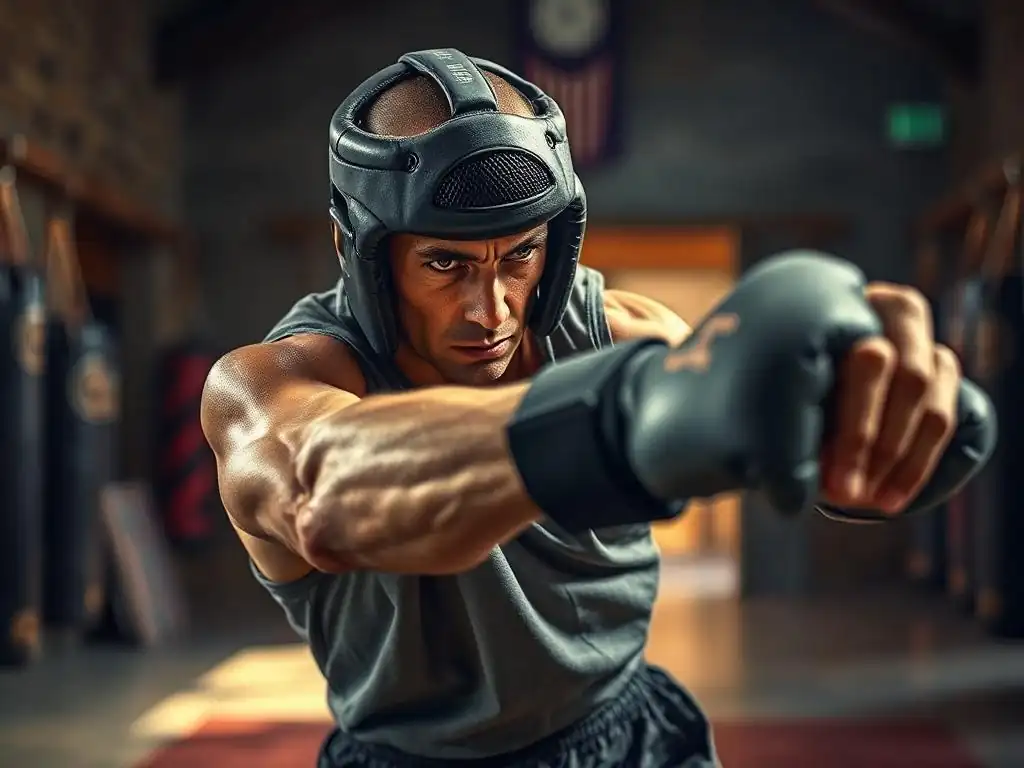
Welcome to Martial Arts Mastery, your ultimate resource for understanding the depth and breadth of martial arts traditions worldwide. Ever wondered how to truly safeguard your most vulnerable asset in high-pressure combat scenarios? Dive into our in-depth Krav Maga head guard review to discover how to fortify your defenses and train with unwavering confidence. Explore the science behind effective protection and unlock the secrets to mastering this critical aspect of Krav Maga.
- Introduction: The Importance of Head Protection in Krav Maga
- Krav Maga Head Guard Review: Selecting the Right Protection
- Top Krav Maga Head Guard Brands and Models: A Comparative Analysis
- Fitting and Maintaining Your Krav Maga Head Guard
- Integrating Head Guard Training into Your Krav Maga Practice
- Benefits of Using a Head Guard in Krav Maga Training
- Choosing the Right Head Guard for Specific Krav Maga Scenarios
- Conclusion: Investing in Your Safety with a Quality Krav Maga Head Guard
-
Frequently Asked Questions
- What is the importance of wearing a head guard in Krav Maga training?
- How do I choose the right Krav Maga head guard?
- What are the key features to look for in a quality Krav Maga head guard?
- How does a Krav Maga head guard differ from head guards used in other martial arts?
- Where can I find reliable Krav Maga head guard reviews and recommendations?
- Final Reflection: Protecting the Core
- Seize Control: Fortify Your Defense Now!
Introduction: The Importance of Head Protection in Krav Maga
Why Head Protection is Crucial in Krav Maga Self-Defense Scenarios
In the high-stress, unpredictable environments that Krav Maga training simulates for self-defense, protecting the head is paramount. Krav Maga emphasizes practical, no-nonsense techniques to neutralize threats quickly. Head strikes, whether from fists, elbows, or even improvised weapons, are common attack vectors designed to incapacitate an individual rapidly.
Without adequate protection, a single blow to the head can result in disorientation, loss of consciousness, or severe brain injury, rendering all other self-defense skills useless. Therefore, incorporating a reliable Krav Maga head guard into training is not merely an option but a fundamental safety measure that allows practitioners to train more realistically and intensely without undue risk to their most critical asset.
Consider the statistics: head injuries, including concussions, are a significant concern in contact sports and martial arts training. While specific data for Krav Maga is less standardized than for sports like boxing or MMA, the principles of close-quarters combat mean head trauma remains a high probability threat.
A study on martial arts injuries published in the British Journal of Sports Medicine noted that head and face injuries accounted for a substantial percentage of all injuries reported, varying by discipline but highlighting the general vulnerability. Utilizing a quality Krav Maga head guard significantly mitigates the force of impact, reducing the likelihood of such debilitating injuries and allowing practitioners to build resilience and defensive reflexes against head attacks in a controlled environment.
Understanding the Vulnerability of the Head in Close-Quarters Combat
The human head houses the brain, the central control system for all bodily functions, motor skills, and cognitive processes. It is also relatively exposed and lacks the muscular padding found elsewhere on the body. In the confined, chaotic nature of a self-defense situation, the head becomes a primary target due to its critical function and relative ease of access for strikes aimed at causing immediate incapacitation.
Attacks like punches, elbows, and even headbutts are designed to inflict maximum damage quickly. The skull offers some protection, but significant force can still cause severe trauma, including fractures, contusions, and concussions, which are mild traumatic brain injuries.
Furthermore, vital areas like the temples, jaw, and back of the head are particularly susceptible. A strike to the temple can cause unconsciousness due to the thinness of the skull and proximity to major blood vessels. A powerful blow to the jaw can fracture the bone or transmit force directly to the brain, resulting in a knockout.
Even seemingly minor head impacts, especially repeated ones over time, can contribute to long-term neurological issues. This inherent vulnerability underscores why defensive strategies in Krav Maga often prioritize protecting the head, and why a robust Krav Maga head guard is indispensable for safely practicing these defenses and simulating the pressures of real-world encounters.
Krav Maga Head Guard Review: Selecting the Right Protection
Key Features to Consider When Choosing a Krav Maga Head Guard
Selecting the appropriate Krav Maga head guard requires careful consideration of several key features to ensure optimal safety, comfort, and durability. The first critical factor is the level of padding and impact absorption. High-density foam is commonly used, but the thickness and layering are crucial.
A guard with insufficient padding will not adequately dissipate force from strikes, while excessive bulk can impede movement and visibility. Look for guards with substantial padding over critical areas like the forehead, temples, cheeks, and back of the head. The material covering the foam, often synthetic leather or durable vinyl, should be robust to resist tearing and easy to clean.
Another vital feature is the fit and adjustability. A poorly fitting head guard can shift during training, obstructing vision or leaving areas exposed. Many guards use a combination of hook-and-loop closures (like Velcro) at the back, top, and chin to allow for a snug, customized fit. The chin strap is particularly important for keeping the guard securely in place.
Ventilation is also a practical consideration; mesh panels or strategically placed openings help reduce heat buildup and improve comfort during extended training sessions. Finally, weigh the guard's weight and profile. A lightweight, streamlined design can improve mobility and head movement, essential components of Krav Maga, without compromising protection. Reading a detailed Krav Maga head guard review can offer insights into how specific models perform across these criteria in real-world training.
Understanding Different Types of Head Guards for Krav Maga Training
The market offers various types of head guards, each providing different levels of coverage and visibility, making the choice dependent on the specific training focus within Krav Maga. Understanding these types is crucial when looking for the best Krav Maga head guard review.
Open-Face Head Guards: Pros and Cons for Krav Maga
Open-face head guards are the most common type used in many martial arts, including aspects of Krav Maga training like sparring. They provide substantial padding over the forehead, temples, cheeks, and ears. The main benefit is excellent peripheral vision and airflow, allowing practitioners to see incoming strikes clearly and maintain better situational awareness, which is crucial in Krav Maga's dynamic scenarios. They are generally lighter and less restrictive than full-face options.
However, the primary disadvantage of open-face guards is the lack of protection for the nose, mouth, and chin. While they protect against glancing blows and reduce the impact of direct hits to padded areas, direct strikes to the face can still cause injury. For Krav Maga training that heavily involves strikes aimed specifically at the facial features, such as palm-heel strikes or finger jabs (though these are often simulated or practiced with extreme control), an open-face guard may not provide sufficient protection for all types of drills, necessitating careful consideration of training partners and intensity.
Full-Face Head Guards: Assessing Protection and Visibility
Full-face head guards offer a significantly higher level of protection by incorporating a bar or shield across the face to protect the nose, mouth, and chin from direct impact. These guards are often preferred for harder sparring or drills where facial strikes are more likely or simulated with greater force. They provide comprehensive coverage of the head and face, drastically reducing the risk of cuts, bruises, and broken bones in the facial area, which aligns well with Krav Maga's emphasis on surviving violent encounters.
The trade-off for this enhanced protection is often reduced visibility and increased bulk. The face bar or shield can slightly obstruct peripheral vision, and the guard itself tends to be heavier and hotter due to less ventilation. This can impact head movement speed and endurance during long training sessions. While they offer superior protection against facial trauma, the reduced visibility might slightly hinder the development of defensive reflexes that rely on seeing incoming strikes from all angles. A thorough Krav Maga head guard review often highlights this balance between protection and visibility when discussing full-face options.
Padded Headgear vs. Face Shields: Which is Best for Krav Maga?
When considering head protection for Krav Maga, the distinction between traditional padded headgear (both open and full-face with bars) and headgear with integrated face shields is important. Padded headgear, as discussed, relies on foam density and placement to absorb impact. It's the standard for most contact sports and offers a balance of protection and mobility depending on the design.
Headgear with face shields, often made of clear polycarbonate, provides a rigid barrier completely covering the face. This offers excellent protection against strikes, scratches, and even simulated weapon attacks (like training knives), making it highly relevant for realistic Krav Maga self-defense drills. The shield prevents any contact with the face, which is beneficial for preventing cuts and bruises.
However, shields can fog up, scratch easily, and sometimes distort vision. They also don't absorb impact in the same way foam does; they deflect it, which can still transmit significant force to the head, though the facial structure itself is protected.
The "best" option for Krav Maga depends heavily on the specific training objective: padded headgear for general sparring and strike absorption, and face shields for drills simulating attacks where facial integrity is paramount or where eye protection is critical. A comprehensive Krav Maga head guard review might compare these types based on their suitability for different Krav Maga training modules.
Top Krav Maga Head Guard Brands and Models: A Comparative Analysis
RDX Head Guard Review: Features, Durability, and User Feedback
RDX is a popular brand in the combat sports equipment market, known for producing gear that balances quality and affordability. An RDX Krav Maga head guard review typically highlights features like multi-layered foam padding, often incorporating gel or specific impact-resistant layers for enhanced shock absorption. Many RDX models feature durable synthetic leather construction and robust hook-and-loop closure systems for a secure fit. Users often report that RDX head guards offer good value for their price point, providing adequate protection for various striking arts, including Krav Maga sparring and drills.
In terms of durability, RDX gear generally holds up well under regular training conditions, with stitching and materials designed to withstand repeated impacts. However, some user feedback in Krav Maga head guard reviews occasionally mentions that the synthetic leather might show wear over extended, intense use compared to genuine leather options, though this is often commensurate with the lower cost.
The padding typically maintains its protective properties for a reasonable period before compression becomes noticeable. Overall, RDX head guards are often seen as a reliable entry-to-mid-level option suitable for regular Krav Maga practitioners seeking solid protection without a premium price tag.
Venum Elite Head Guard Review: Protection Level, Comfort, and Price Point
Venum is a premium brand recognized for high-quality, stylish martial arts equipment. A Venum Elite Krav Maga head guard review consistently praises its superior protection level and exceptional comfort. The Elite line uses advanced foam technology, often integrating multiple densities and specific anatomical shaping to provide excellent impact absorption and a snug, comfortable fit that minimizes movement during training. The construction typically involves high-quality Skintex leather or genuine leather, known for its durability and feel.
Comfort is a major selling point for the Venum Elite, with features like a smooth inner lining and effective ventilation helping to keep the user cool and focused. The secure closure system, often combining lace-up top adjustment with hook-and-loop straps at the back and chin, allows for a highly customized and stable fit.
The primary consideration for the Venum Elite is its price point, which is typically higher than entry-level or mid-range options like RDX or Sanabul. However, for serious practitioners who train frequently and prioritize maximum protection, comfort, and longevity, a Venum Elite Krav Maga head guard review often concludes that the investment is justified by the gear's performance and durability over time.
Sanabul Battle Forged Head Guard Review: Lightweight Design and Impact Absorption
Sanabul positions itself as a brand offering quality gear accessible to martial artists of all levels. A Sanabul Battle Forged Krav Maga head guard review frequently points out its lightweight design and commendable impact absorption for its class. The Battle Forged model often features engineered leather and multi-layer V-impact foam designed to distribute and absorb shock effectively. The emphasis on a lightweight profile makes it appealing for Krav Maga training, where maintaining speed and agility is crucial.
Users often appreciate the balance Sanabul strikes between protection and mobility with the Battle Forged head guard. While perhaps not offering the same ultra-premium padding as top-tier Venum models, it provides reliable protection against common strikes encountered in sparring and drills. The fit is generally considered comfortable, with standard hook-and-loop closures providing decent adjustability.
Durability is reported as solid for regular use, holding up well for daily or weekly training sessions. The price point is typically competitive, often falling into the mid-range category. For a Krav Maga head guard review focused on finding a balance between effective protection, lightweight feel, and reasonable cost, the Sanabul Battle Forged is frequently highlighted as a strong contender.
Fitting and Maintaining Your Krav Maga Head Guard
Proper Head Guard Sizing for Optimal Protection and Comfort
Ensuring your Krav Maga head guard fits correctly is as crucial as choosing a quality model. An improperly sized guard compromises both protection and comfort. Manufacturers typically provide sizing charts based on head circumference, measured just above the eyebrows.
It is essential to measure your head accurately and consult the specific brand's chart, as sizing can vary slightly between manufacturers. A head guard that is too small will be uncomfortably tight, potentially causing headaches or restricting blood flow, while one that is too large will shift around, obstructing vision and failing to keep padding in place during impact, potentially leaving vital areas exposed.
When trying on a head guard, it should feel snug but not painfully tight. There should be no significant gaps between the padding and your head or face. The eye openings should align properly, allowing for a clear, unobstructed view.
If possible, try moving your head quickly in different directions – the guard should stay firmly in place without excessive sliding. Remember that some materials may break in slightly over time, but the initial fit should be secure enough to prevent dangerous movement during dynamic Krav Maga training. Consulting a Krav Maga head guard review that includes feedback on sizing and fit can also be helpful.
Adjusting Your Head Guard for a Secure and Stable Fit During Training
Once you have the correct size, proper adjustment is key to achieving a secure and stable fit for effective Krav Maga training. Most head guards feature multiple adjustment points, typically using hook-and-loop straps. Start by loosening all straps before putting the guard on. Position the guard correctly on your head, ensuring the forehead padding sits just above your eyebrows and the ear protection aligns with your ears.
Begin tightening the straps, usually starting with the rear adjustment (often at the back of the head) to snug the guard around the circumference of your head. Then, adjust any top straps to control vertical movement. Finally, secure the chin strap – it should be tight enough to prevent the guard from lifting or sliding up during impacts but not so tight that it restricts breathing or is uncomfortable.
The goal is a fit where the head guard feels like an extension of your head, moving with you seamlessly without shifting independently during blocks, strikes, or ground defense drills. A well-adjusted Krav Maga head guard allows you to focus on technique and defense without distractions or safety concerns.
Cleaning and Maintaining Your Head Guard to Extend its Lifespan
Proper cleaning and maintenance are essential for extending the lifespan of your Krav Maga head guard, preventing odor buildup, and maintaining hygiene. After each training session, the interior of the head guard will likely be damp with sweat. It's crucial to air it out thoroughly. Do not store it immediately in a dark, damp gym bag. Instead, leave it out in a well-ventilated area, away from direct sunlight or heat sources, to dry completely.
Periodically, or as needed, wipe down both the interior and exterior surfaces. For the interior, use a damp cloth with a mild soap or an antibacterial spray specifically designed for sports equipment. Avoid harsh chemicals or excessive water saturation, especially if the padding is exposed at all. For the exterior, a damp cloth is usually sufficient.
Ensure the guard is completely dry before storing it. Check the stitching, padding, and closure systems regularly for signs of wear and tear. Addressing minor issues early can prevent them from becoming major problems. Proper care ensures your Krav Maga head guard remains effective and hygienic for as long as possible, making your investment worthwhile.
Integrating Head Guard Training into Your Krav Maga Practice
Drills for Defending Against Head Strikes While Wearing a Head Guard
Integrating a Krav Maga head guard into specific drills is vital for developing realistic defensive reactions. Start with basic partner drills focusing on blocking and evading head strikes. One partner throws controlled, moderate-speed strikes (straight punches, hooks, uppercuts, maybe simulated hammer fists) towards the head, while the other practices defenses like high blocks, cover-ups, slips, and bob-and-weave movements, all while wearing the head guard.
This allows practitioners to feel the impact absorption of the guard and understand its protective zones. A common drill involves the attacker throwing combinations to the head, requiring the defender to maintain a high guard and absorb/deflect strikes, building resilience and defensive posture.
Another effective drill involves reacting to unexpected head attacks. The attacker might use training pads or focus mitts and strike randomly at head level, prompting the defender to react instantaneously with appropriate blocks or evasions. This helps improve reaction time under simulated stress.
Practicing defenses against specific Krav Maga head threats, like chokeholds from the rear that expose the back of the head or attacks from multiple opponents (simulated), can also be done with head guards to allow for more realistic scenario training. The presence of the head guard provides a safety margin, allowing practitioners to practice defenses with greater intensity and commitment than they might without protection.
Partner Drills: Practicing Blocking and Evasion Techniques with Head Protection
Partner drills are fundamental to Krav Maga, and using a head guard elevates their realism and safety, particularly when practicing defenses against head attacks. Begin with stationary drills focusing on precise defensive movements. Partner A throws a slow punch to Partner B's head (wearing a Krav Maga head guard), and Partner B practices a specific block (e.g., a 360-degree defense or an outside block), feeling how the impact is absorbed by the guard. Gradually increase speed and power as proficiency grows.
Transition to drills incorporating movement. Partners can circle, with one initiating head attacks and the other practicing defensive footwork combined with blocks and evasions. This mimics the dynamic nature of a real confrontation. For instance, practicing slipping a hook while simultaneously covering the other side of the head, or stepping back from a straight punch while executing a high block. These drills build muscle memory for keeping the head protected while moving and preparing for counter-attacks. The head guard allows for repetitions at higher intensity, accelerating skill development and confidence in defending against head threats.
Sparring with a Head Guard: Improving Reaction Time and Defense Strategies
Sparring is a crucial component of advanced Krav Maga training, allowing practitioners to apply techniques against a resisting opponent. Using a Krav Maga head guard during sparring is standard practice to minimize injury risk while experiencing the intensity of live engagement. Sparring specifically focused on striking allows practitioners to test their defensive reflexes against unpredictable attacks. The head guard enables partners to throw strikes with more commitment than in drills, providing a realistic simulation of impact and speed.
Sparring with head protection improves reaction time significantly. Faced with incoming strikes they cannot anticipate, practitioners learn to react instinctively by covering, slipping, or moving out of the line of fire. It also helps refine defensive strategies; practitioners learn which blocks are effective under pressure, how to maintain a guard while repositioning, and how to transition from defense to offense after absorbing or evading a strike.
While a head guard reduces the risk of lacerations and fractures, it does not eliminate the possibility of concussion from hard blows, so controlled intensity remains important. However, the ability to spar safely with a head guard is indispensable for developing the timing, distance management, and defensive resilience needed in genuine self-defense situations.
Benefits of Using a Head Guard in Krav Maga Training
Reducing the Risk of Concussions and Head Injuries
One of the most significant benefits of using a Krav Maga head guard is the substantial reduction in the risk of concussions and other head injuries. While no headgear can guarantee complete protection against traumatic brain injury, particularly from severe forces or rotational impacts, quality head guards are specifically designed to absorb and dissipate the energy from strikes. The multi-layered foam padding compresses upon impact, increasing the time over which the force is applied and spreading it over a larger surface area, thereby reducing the peak force transmitted to the skull and brain.
Studies in sports like boxing and taekwondo, where head guards are mandatory, show a reduction in the incidence and severity of cuts, bruises, and superficial injuries to the head and face. While the impact on concussion rates specifically is a subject of ongoing research and debate, particularly in sports with very high impact forces, in a training environment with controlled intensity, a head guard acts as a critical buffer.
It allows practitioners to safely practice techniques involving head contact, such as defensive covers against heavy strikes or clinch work that might involve incidental head clashes, significantly lowering the probability of acute trauma and contributing to the long-term neurological health of the practitioner. A positive Krav Maga head guard review often emphasizes this primary safety benefit.
Building Confidence in Your Defensive Abilities
Training with a Krav Maga head guard plays a crucial role in building a practitioner's confidence, particularly regarding their ability to defend against head attacks. Knowing that your head is protected by quality gear allows you to train with less apprehension about getting seriously hurt. This reduced fear enables practitioners to commit more fully to defensive techniques, such as maintaining a tight guard under simulated pressure or practicing evasive movements without flinching away prematurely.
As practitioners experience absorbing controlled impacts while wearing the head guard, they gain a tangible understanding of how their defenses work in practice and the protective capabilities of the gear. This positive reinforcement builds psychological resilience. It instills confidence that they can withstand or effectively mitigate strikes to the head, a common and debilitating attack in real-world scenarios.
This newfound confidence translates directly into more assertive and effective defensive actions during training and, crucially, prepares them mentally for the possibility of facing such threats in a self-defense situation. Many a Krav Maga head guard review from practitioners highlights this boost in training confidence.
Enhancing Realism in Krav Maga Training Scenarios
Krav Maga training strives for realism to prepare individuals for the chaos and violence of actual attacks. Using a Krav Maga head guard, especially in partner drills and sparring, significantly enhances this realism in several ways. Firstly, it allows training partners to simulate strikes to the head with more force and speed than would be safely possible without protection, providing a more accurate representation of the intensity of an actual attack. This helps practitioners develop defenses against realistic power levels.
Secondly, wearing a head guard changes the dynamics of engagement, requiring practitioners to adapt their techniques. For example, it affects distance perception, the angle of defenses, and how easily certain targets (like the jaw or temples) can be accessed or protected. Training with this variable helps practitioners adapt their Krav Maga techniques to the realities of dealing with a potentially protected attacker (e.g., someone wearing a helmet) or simply accounting for the bulk and feel of head protection, making their skills more versatile.
By allowing for higher intensity and introducing realistic constraints, the head guard makes scenario training more authentic and prepares practitioners more effectively for the unpredictable nature of self-defense. Reading a detailed Krav Maga head guard review often illustrates how different models influence this aspect of training realism.
Choosing the Right Head Guard for Specific Krav Maga Scenarios
Head Guards for Sparring: Balancing Protection and Mobility
Selecting a Krav Maga head guard specifically for sparring requires balancing robust protection with sufficient mobility and visibility. Open-face head guards are often favored for light to moderate sparring due to their excellent peripheral vision and lighter weight, which facilitates faster head movement and evasion – key elements in dynamic striking exchanges. They provide ample padding for common sparring strikes like punches and hooks, protecting the skull and sensitive areas like the temples and ears.
However, for harder sparring or if partners are less experienced and control is a concern, a full-face head guard with a bar might be preferable. While slightly reducing visibility and adding weight, the facial bar offers critical protection against accidental or powerful direct hits to the nose and jaw, significantly lowering the risk of facial injury.
The choice often depends on the intensity of the sparring, the experience level of the partners, and the specific rules or focus of the training session. A Krav Maga head guard review focusing on sparring performance would often compare open-face and full-face options based on these factors.
Head Guards for Self-Defense Drills: Simulating Real-World Threats
For self-defense drills in Krav Maga, the focus is on simulating realistic threats and defenses, which might involve attacks less common in traditional sports sparring. This could include defenses against grabs, chokes, weapons (simulated), and strikes aimed at specific vulnerable points, potentially from multiple attackers. Head protection for these scenarios might prioritize different features. Headgear with a clear face shield can be particularly useful here.
A face shield offers comprehensive protection against scratches, pokes, and impacts to the entire face, which is highly relevant when simulating defenses against finger jabs, headbutts, or even glancing blows from simulated weapons. While perhaps not absorbing blunt force as effectively as thick padding, it provides a crucial barrier against surface-level trauma and eye injuries.
For drills involving close-quarters struggle, ground defense, or multiple opponents where accidental head clashes are more likely, a sturdy, well-padded head guard (either open or full-face) is essential to prevent concussions and contusions. The specific nature of the drill dictates the optimal type of Krav Maga head guard; sometimes, different guards are needed for different training modules.
Head Guards for Competition: Understanding Regulations and Requirements
While Krav Maga is primarily a self-defense system and not a competitive sport in the same vein as boxing or taekwondo, some organizations and schools host sport-Krav Maga events or sparring competitions. If participating in such events, understanding the specific head guard regulations and requirements is paramount. Competition rules often mandate a specific type of head guard, usually an open-face model, and may specify criteria such as padding thickness, material, and the presence of ear protection and a secure chin strap.
These regulations are in place to standardize safety equipment across all competitors. Using a non-compliant head guard can lead to disqualification. Therefore, if competition is a goal, practitioners must acquire a Krav Maga head guard that meets the governing body's specifications. While competitive Krav Maga sparring often involves controlled intensity, the risk of injury remains, making compliance with mandated safety gear like the head guard non-negotiable. Always check the specific ruleset of the competition you plan to enter before purchasing competition gear.
Conclusion: Investing in Your Safety with a Quality Krav Maga Head Guard
Prioritizing Head Protection for Long-Term Health and Skill Development
In the demanding practice of Krav Maga, prioritizing head protection is not just about preventing immediate injury; it's a critical investment in your long-term health and the sustainable development of your skills. The cumulative effect of even seemingly minor head impacts over time can pose serious risks, including chronic traumatic encephalopathy (CTE) in extreme cases or simply a decline in cognitive function.
By consistently using a quality Krav Maga head guard during appropriate training activities like partner drills and sparring, practitioners significantly reduce the force of impacts to the head, minimizing the potential for both acute trauma and long-term neurological issues.
Furthermore, knowing that your head is protected allows you to train with greater intensity and realism. This enables you to develop more effective defensive reflexes, build resilience against simulated attacks, and gain confidence in your ability to handle high-stress situations. Without adequate head protection, the natural instinct for self-preservation might lead to pulling back or hesitating, hindering the development of essential Krav Maga skills. Therefore, choosing a reliable Krav Maga head guard is a fundamental step towards safe, effective, and sustainable training in this practical self-defense system.
The Krav Maga Head Guard: An Essential Piece of Training Equipment.
Considering the inherent risks involved in practicing realistic self-defense techniques, the Krav Maga head guard should be considered an essential, non-negotiable piece of training equipment for any serious practitioner engaging in contact drills or sparring. Much like a mouthguard protects your teeth or groin protection safeguards vital areas, a head guard specifically addresses the vulnerability of the head to strikes – a common and potentially devastating threat in real-world confrontations.
Investing in a high-quality Krav Maga head guard, chosen based on a thorough Krav Maga head guard review considering factors like padding, fit, visibility, and durability, is an investment in your safety and training progress. It facilitates safer, more realistic training, allowing you to push your limits and develop the robust defensive skills necessary for self-protection without jeopardizing your health. Making the head guard a standard part of your gear bag reflects a commitment to training intelligently and safely, ensuring you can continue to hone your Krav Maga abilities for years to come.
Frequently Asked Questions
What is the importance of wearing a head guard in Krav Maga training?
A head guard is crucial for protecting against head injuries during intense Krav Maga training, reducing the risk of concussions and cuts. It's essential safety equipment.
How do I choose the right Krav Maga head guard?
Consider protection level, comfort, and visibility. Look for features like thick padding, adjustable straps, and an open face design for optimal performance.
What are the key features to look for in a quality Krav Maga head guard?
Key features include shock-absorbing foam, a secure fit to prevent movement, and durable construction to withstand repeated impacts. Good ventilation is also important for comfort.
How does a Krav Maga head guard differ from head guards used in other martial arts?
Krav Maga head guards often prioritize fuller facial coverage and impact absorption due to the style's focus on realistic self-defense scenarios and potential for strikes to the face. Some may also be less restrictive to allow for grappling.
Where can I find reliable Krav Maga head guard reviews and recommendations?
Websites like MartialArtsMastery.org often feature product reviews and comparisons. Look for reviews that assess protection, fit, and durability based on real-world use.
Final Reflection: Protecting the Core
The comprehensive exploration of Krav Maga head guards, culminating in this review, underscores a fundamental principle: proactive protection is paramount. In a world where self-defense is increasingly vital, understanding and utilizing the right equipment can be the difference between safety and vulnerability. This isn't just about gear; it's about a mindset of preparedness.
The impact of effective head protection extends far beyond the training mat. It fosters confidence, reduces fear, and allows practitioners to push their limits without undue risk. This, in turn, contributes to a more resilient and empowered community. The best defense is a good offense, but a good offense starts with a solid defense.
This sentiment, often attributed to military strategy, resonates deeply with the philosophy of Krav Maga and the importance of safeguarding our most vital asset.
Now, consider how you can apply this principle of proactive protection in your own life. Whether it's investing in quality safety equipment for your hobbies, strengthening your mental resilience through mindfulness, or simply taking the time to assess potential risks in your environment, remember that your well-being is your responsibility. Embrace the spirit of Krav Maga: anticipate, prepare, and protect.
Seize Control: Fortify Your Defense Now!
Thanks for diving deep into the world of head protection in Krav Maga! We hope you've gained valuable insights into choosing the right head guard and understanding its importance in your training. Ready to take your safety to the next level?
Here's how to put your newfound knowledge into action:
- Prioritize your well-being: Commit to always wearing a head guard during sparring or drills involving strikes. It’s the best investment you can make in yourself!
- Explore other protective gear: Dive deeper into researching mouthguards, groin protectors, and shin guards for comprehensive safety in Krav Maga training.
- Share your insights! Discuss your preferred head guard brands and models with your training partners to help them make informed decisions.
What proactive step will you take today to enhance your safety and confidence in your Krav Maga training?