
Mastering All Angles: Upward, Downward, and Spinning Elbow Strikes in Taekwondo

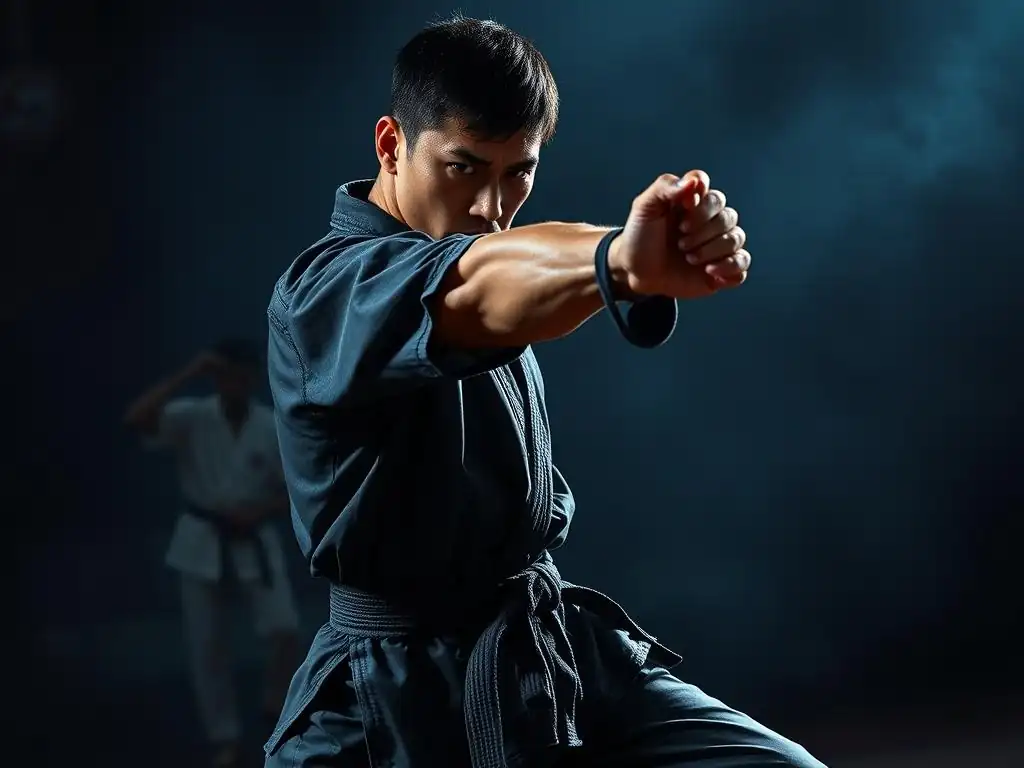
Welcome to Martial Arts Mastery, your premier source for unlocking the secrets of combat! Delve into the rich tapestry of martial arts traditions from across the world. Are you ready to elevate your Taekwondo game? This month, we're dissecting a powerful, often overlooked technique: the Taekwondo elbow strike.
But not just the standard fare – we're breaking down upward, downward, and spinning elbow strikes to give you a 360-degree understanding of their devastating potential. Curious how to integrate these versatile strikes into your sparring and self-defense? Read on to uncover the techniques, applications, and strategic nuances that will transform your arsenal.
- Introduction to Taekwondo Elbow Strikes
-
Frequently Asked Questions
- How many primary types of elbow strikes are used in Taekwondo?
- What is the primary advantage of using an elbow strike in Taekwondo?
- Are Taekwondo elbow strikes legal in all sparring competitions?
- What part of the elbow is typically used to make contact in a Taekwondo elbow strike?
- How can I improve the power and accuracy of my Taekwondo elbow strikes?
- Final Reflection: The Art of the Elbow
- Unleash Your Elbow Power!
Introduction to Taekwondo Elbow Strikes
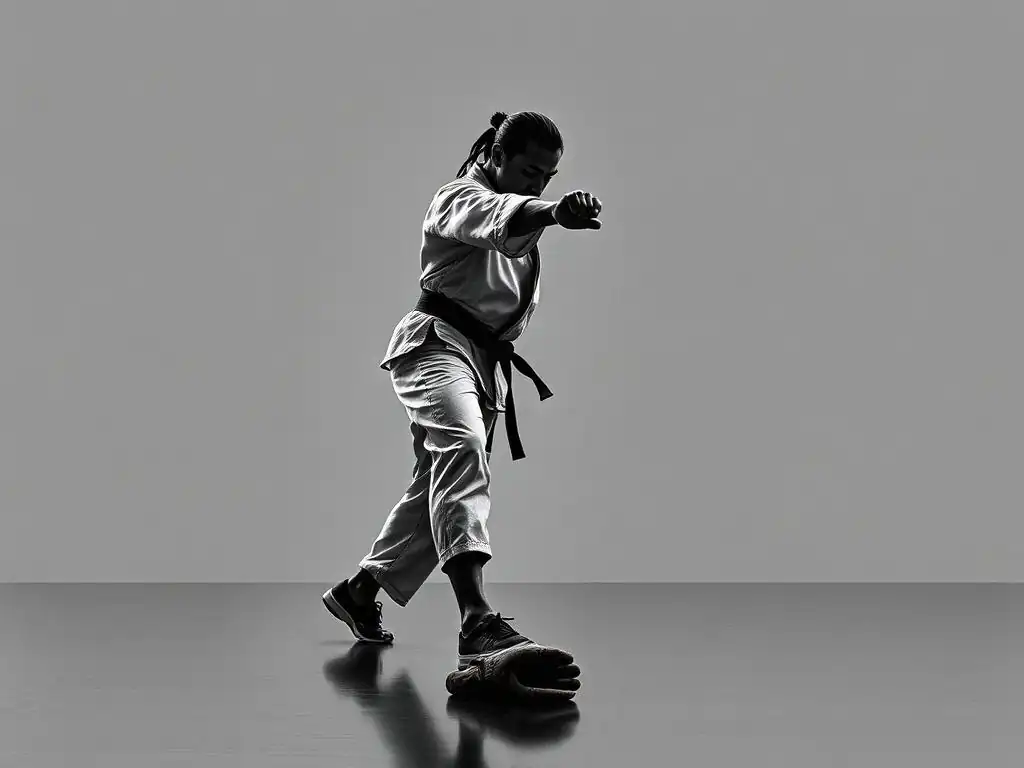
The Power and Versatility of Elbow Strikes
While Taekwondo is widely celebrated for its dynamic kicking techniques, the curriculum also encompasses powerful and effective hand strikes, including a diverse range of elbow strikes. These close-range weapons, often overlooked by beginners, represent a crucial element of comprehensive Taekwondo training. An elbow strike leverages the solid bone of the elbow, making it a formidable tool capable of inflicting significant impact on close-quarter targets.
Unlike many open-hand or fist strikes that rely on precise knuckle alignment, the elbow offers a broader, more resilient striking surface, ideal for tight spaces where full extension of the arm is impossible. Mastering these Taekwondo elbow strike techniques adds a vital layer to a practitioner's offensive and defensive capabilities.
The inherent power of an elbow strike stems from its proximity to the core and the ability to drive the entire body's mass behind the relatively short movement. A well-executed elbow strike can generate tremendous force, targeting vulnerable areas like the head, neck, ribs, or solar plexus. Historically, martial arts across cultures have recognized the potent efficacy of elbow strikes in grappling ranges or when opponents are too close for traditional punches or kicks.
In Taekwondo, specific forms and sparring drills incorporate these techniques, highlighting their strategic importance not just as finishing blows but also as setup strikes or defensive counters when faced with an aggressive, close-quarters attack. Understanding and practicing these techniques is essential for a well-rounded Taekwondo skillset.
Adapting Elbow Strikes for Different Situations
Effective application of Taekwondo elbow strike techniques requires an understanding of situational awareness and adaptability. An upward elbow strike, for instance, is highly effective when an opponent is close and leaning forward, targeting the chin or jawline.
Conversely, a downward elbow strike is devastating against a bent-over opponent or to attack targets like the collarbone or spine when one is in a dominant position or breaking free from a clinch. The spinning elbow, while requiring more space and balance, delivers immense rotational power, capable of catching an opponent off-guard from various angles, particularly during transitions or when creating distance after a close encounter.
The dynamic nature of sparring and self-defense scenarios demands that practitioners can transition seamlessly between different Taekwondo elbow strike techniques. Training involves not just static execution but also applying these strikes while moving, against varying levels of resistance, and integrating them into fluid combinations with other hand strikes or kicks.
For example, a failed punch might immediately transition into a close-range upward or downward elbow, or a retreat could be punctuated by a sudden spinning elbow. Adapting the angle, power, and follow-through of the elbow strike based on the opponent's movement, distance, and posture is key to unlocking their full potential within the practical application of Taekwondo.
Frequently Asked Questions
How many primary types of elbow strikes are used in Taekwondo?
Taekwondo elbow strikes generally encompass several variations, but we can categorize them into upward, downward, and spinning as primary categories. These are crucial for close-quarters combat.
What is the primary advantage of using an elbow strike in Taekwondo?
Elbow strikes in Taekwondo offer significant power at close range. They leverage the body's skeletal structure for maximum impact, making them effective even against larger opponents.
Are Taekwondo elbow strikes legal in all sparring competitions?
No, the legality of elbow strikes in Taekwondo sparring varies by organization and ruleset. Some competitions restrict or prohibit their use due to the potential for injury.
What part of the elbow is typically used to make contact in a Taekwondo elbow strike?
Generally, the point of the elbow (olecranon process) is the primary striking surface. Proper technique ensures this area connects for maximum force and minimizes risk of injury.
How can I improve the power and accuracy of my Taekwondo elbow strikes?
Focus on proper body mechanics, including hip rotation and core engagement. Consistent practice with a heavy bag and partner drills will also enhance power and precision.
Final Reflection: The Art of the Elbow
The journey through the intricate world of Taekwondo elbow strike techniques, as explored in this article, reveals more than just a collection of movements; it unveils a profound understanding of leverage, precision, and adaptability. The true mastery of these upward, downward, and spinning elbow strikes lies not just in their execution, but in their seamless integration into the dynamic flow of combat and self-defense. This understanding is particularly relevant today, as the principles of efficient movement and strategic thinking are increasingly valued in various aspects of life, extending far beyond the dojang.
The influence of Taekwondo, and specifically its elbow strike techniques, extends beyond the physical realm. It cultivates discipline, focus, and a deep respect for oneself and one's opponent. This journey of learning and refinement resonates deeply, reminding us that true strength lies not just in physical power, but in the unwavering spirit and the constant pursuit of self-improvement. The art of fighting is the art of knowing when to strike and when not to strike.
- Miyamoto Musashi. This quote encapsulates the essence of Taekwondo elbow strikes: knowing when and how to unleash their devastating potential.
Now, as you step away from this exploration of Taekwondo elbow strike techniques, consider how the principles of adaptability, precision, and strategic thinking can be applied to your own life. Embrace the challenge of mastering your own "angles," whether they be in your career, your relationships, or your personal growth. Let the spirit of Taekwondo inspire you to cultivate inner strength, unwavering focus, and a deep respect for the journey of self-improvement. The power to master your own path lies within you; now, go forth and strike with purpose.
Unleash Your Elbow Power!
Thank you for delving into the world of Taekwondo elbow strikes! Now that you've unlocked the secrets to upward, downward, and spinning variations, it's time to translate that knowledge into action. Here’s how to take your training to the next level:
- Master the Fundamentals: Dedicate your next training session to perfecting the precise form of each elbow strike. Focus on power generation and target accuracy.
- Share your insights! Discuss your favorite elbow strike technique with a fellow Taekwondo student and explore how they incorporate it into their sparring.
- Film yourself practicing the spinning elbow strike. Analyze the footage to identify areas for improvement – you might be surprised at what you discover!
Ready to integrate these powerful elbow strikes into your sparring sessions and surprise your opponents?