
Standardization vs. Variation in ShitoRyu Kata: An Ongoing Dialogue

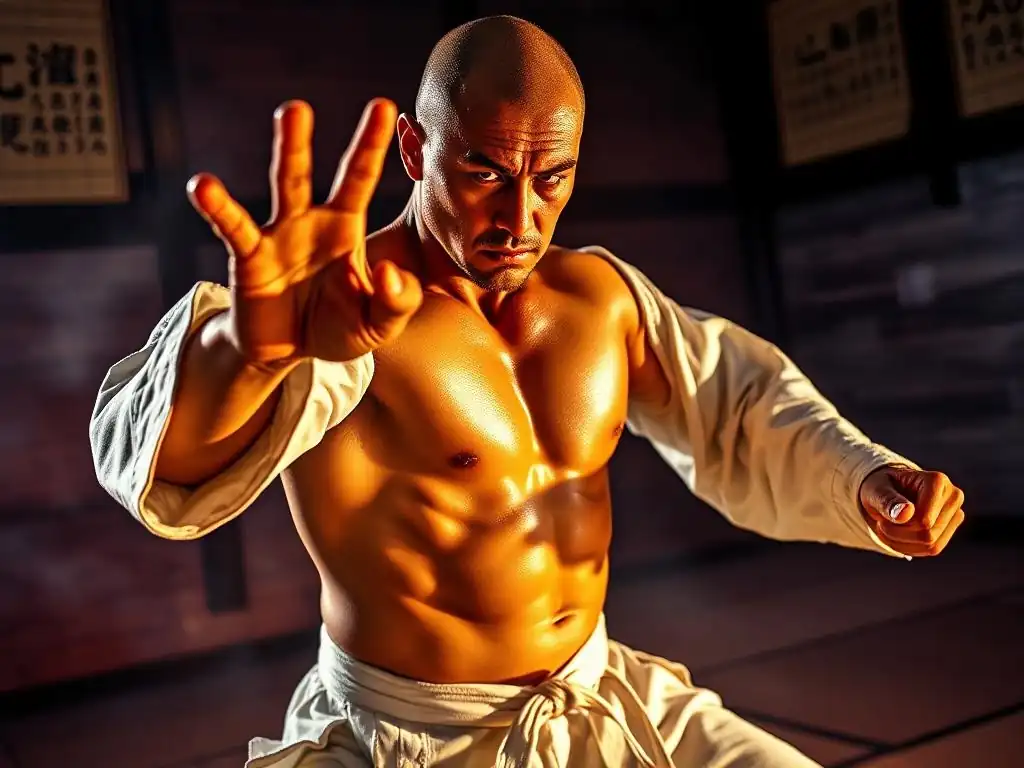
Welcome to Martial Arts Mastery, where the ancient traditions and modern applications of martial arts converge. Ever wondered about the subtle nuances within a single style? Dive into our exploration of ShitoRyu kata standardization variations and uncover the ongoing dialogue shaping this dynamic art. Discover the delicate balance between tradition and individual expression, and unlock a deeper understanding of the principles that govern effective technique. Ready to explore?
- Introduction: The Dynamic Landscape of Shito-ryu Kata
- Historical Roots of Shito-ryu Kata and Early Influences
- The Case for Standardization in Shito-ryu Kata Training
- The Argument for Variation and Interpretation in Shito-ryu Kata
- Key Differences in Shito-ryu Kata Across Different Lineages
- The Impact of Competition on Shito-ryu Kata: Standardized vs. Freeform
- Finding Balance: A Holistic Approach to Shito-ryu Kata Practice
- Shito-ryu Kata: Beyond Form - Cultivating Deeper Understanding
- Conclusion: Embracing the Dialogue on Shito-ryu Kata
-
Frequently Asked Questions
- What is the central debate surrounding ShitoRyu kata standardization?
- Why is kata standardization considered important in ShitoRyu?
- What are the potential drawbacks of strict kata standardization in ShitoRyu?
- How do ShitoRyu practitioners typically navigate the standardization vs. variation dilemma?
- What role does MartialArtsMastery.org play in the discussion of ShitoRyu kata standardization?
- Final Reflection: Embracing Harmony in ShitoRyu Kata
- Ignite Your Kata Journey Now!
Introduction: The Dynamic Landscape of Shito-ryu Kata
Exploring the Core Principles of Shito-ryu Karate Kata
Shito-ryu karate is renowned for its extensive syllabus of kata, often cited as having one of the largest collections among the major karate styles. Master Kenwa Mabuni, the founder, diligently collected forms from various Okinawan masters, including Anko Itosu (Shuri-te lineage) and Kanryo Higaonna (Naha-te lineage). This synthesis resulted in a style encompassing over 60 core kata, and potentially over 100 if including all variations Mabuni studied or created.
At the heart of Shito-ryu kata practice are fundamental principles such as Tenshin (correct body displacement and changing direction), Kyu Jyu (the interplay of hard and soft techniques), Tai Sabaki (effective body management and evasion), and the integration of breathing techniques ( Kokyu Ho). These principles are not merely physical mechanics; they are the underlying philosophy and strategy embedded within each form, ensuring that kata is not just a dance but a comprehensive system for combat.
Each Shito-ryu kata is a carefully choreographed sequence of movements, representing a hypothetical fight against multiple opponents. The study of these forms teaches practitioners timing, distance, balance, coordination, and the application of various strikes, blocks, and joint locks. For instance, kata originating from the Naha-te tradition, like Suparinpei or Seienchin, often emphasize close-range techniques, circular movements, and dynamic tension, reflecting their grappling and trapping roots.
Conversely, kata from the Shuri-te tradition, such as Bassai Dai or Kushanku, tend to feature longer stances, linear movements, and explosive power, indicative of their focus on long-range striking. Understanding these core principles and their historical context is crucial for any serious student navigating the rich landscape of Shito-ryu kata standardization variations.
The Tension Between Uniformity and Individuality in Shito-ryu
The sheer volume and diverse origins of Shito-ryu kata inherently create a dynamic tension between the desire for standardization and the allowance for individual interpretation and variation. On one hand, there is a strong push within the global Shito-ryu community to preserve the forms as passed down by Master Mabuni and his direct students, aiming for a high degree of uniformity in execution to maintain historical integrity and facilitate teaching across different dojos.
This focus on standardization ensures that a kata like Saifa or Rohai is recognizable and fundamentally consistent whether performed in Japan, Europe, or the Americas. It provides a common language for practitioners worldwide.
However, the nature of martial arts transmission and the practical application ( Bunkai) of kata movements naturally lead to variations. Physical differences between practitioners, different interpretations of complex techniques by various instructors, and the evolution of training methodologies over decades contribute to subtle or sometimes significant deviations in how a kata is performed.
For example, the precise angle of a block, the height of a stance in forms like Naihanchi, or the timing of a transition can vary slightly between different Shito-ryu lineages or even individual dojos. This ongoing dialogue between maintaining a standard form and allowing for variations based on deeper understanding or individual physical capabilities is a defining characteristic of Shito-ryu kata practice.
Historical Roots of Shito-ryu Kata and Early Influences
The Lineage of Shito-ryu Kata: From Itosu to Mabuni
The foundation of Shito-ryu kata lies firmly in the Okinawan martial arts traditions, primarily drawing from the teachings of two of the most influential masters of their era: Anko Itosu (1831-1915) and Kanryo Higaonna (1853-1915). Kenwa Mabuni (1889-1952), the founder of Shito-ryu, was a direct student of both.
From Itosu, Mabuni inherited a large repertoire of kata rooted in the Shuri-te lineage, including popular forms like Bassai Dai, Kushanku (later often referred to as Kanku Dai), Pinan (Heian), and Naihanchi (Tekki). Itosu played a crucial role in systematizing and popularizing karate, introducing it into the Okinawan school system, which necessitated some degree of standardization for mass instruction.
From Higaonna, Mabuni learned kata from the Naha-te tradition, characterized by powerful, close-range movements and dynamic tension. These include forms like Suparinpei, Seipai, Kururunfa, and Saifa. Higaonna's style was heavily influenced by his training in Fuzhou, China, integrating elements of southern Chinese martial arts. Mabuni's genius lay in his ability to synthesize these two distinct, yet complementary, traditions into a single, comprehensive system. He meticulously documented the kata he learned, often creating detailed written records and diagrams, which were groundbreaking for the time and contributed significantly to the potential for Shito-ryu kata standardization variations to be understood and studied.
The Transmission and Evolution of Kata Across Generations
The transmission of Shito-ryu kata from Kenwa Mabuni to his students and subsequent generations has been a complex process marked by both preservation and gradual evolution. Master Mabuni taught a vast number of students, many of whom went on to establish their own organizations or lineages, such as his sons Kenei Mabuni and Kenzo Mabuni, Chojiro Tani (founder of Shukokai), Ryusho Sakagami (founder of Itosu-kai), and Teruo Hayashi (founder of Hayashi-ha).
While all these lineages trace their roots back to Kenwa Mabuni and share a common core of kata, subtle differences in performance style, emphasis, and even specific movements emerged over time.
These variations often arose from the instructors' individual interpretations of Bunkai, their personal physical attributes, or the specific aspects of Mabuni's teaching they chose to emphasize. For example, Shukokai is known for its emphasis on powerful, biomechanically efficient movements, sometimes leading to slight variations in stances or body dynamics compared to other branches. Itosu-kai places a strong emphasis on preserving the forms as taught by Ryusho Sakagami, who received direct instruction from Mabuni.
Hayashi-ha incorporated elements and interpretations influenced by Teruo Hayashi's extensive travels and training in other martial arts. This natural evolution means that while the names and basic sequences of many Shito-ryu kata remain consistent, the nuances of their execution contribute to the ongoing discussion around ShitoRyu kata standardization variations.
The Case for Standardization in Shito-ryu Kata Training
Benefits of Uniform Kata Performance: Precision and Understanding
Standardization in Shito-ryu kata performance offers significant advantages, particularly in fostering precision and deepening understanding across a wider community of practitioners. When a kata is performed with a consistent sequence of movements, timing, and application of power, it allows instructors to more effectively teach the core mechanics and underlying principles. A unified standard makes it easier to identify errors, correct posture, and ensure that students are grasping the fundamental techniques exactly as intended by the kata's design. This precision is crucial for developing effective body control, balance, and coordination.
Moreover, a degree of uniformity aids in the global dissemination and understanding of Shito-ryu. When practitioners from different dojos or countries perform the same kata according to a generally accepted standard, it facilitates cross-training, seminars, and examinations. For instance, during international gasshuku (training camps), instructors can teach the same kata to students from diverse backgrounds, knowing that everyone starts from a common baseline. This shared understanding, built on standardization, strengthens the global Shito-ryu community and ensures that the core repertoire of kata remains accessible and comprehensible to practitioners regardless of their specific lineage or location.
Maintaining the Integrity of Traditional Shito-ryu Forms
A strong argument for standardization is its role in preserving the historical and technical integrity of Shito-ryu kata. Kenwa Mabuni meticulously collected and documented these forms to prevent their loss or distortion. Adhering closely to the documented or traditionally taught versions helps ensure that the subtle nuances, timing, and power generation methods embedded within the kata are not diluted or altered over time. Each movement within a kata is believed to have a specific purpose and application, and significant deviations from the established form can potentially obscure or change the original meaning and effectiveness of the technique.
For example, the precise angle of a block or strike, the height and length of a stance, or the moment of Kiai (spirit yell) are all elements that contribute to the overall effectiveness and meaning of a kata. Allowing too much variation risks losing the specific biomechanical advantages or strategic principles that Master Mabuni and the original masters intended.
Standardizing these elements helps maintain a direct link to the past and ensures that future generations can study the forms in a manner consistent with their historical development, safeguarding the rich heritage of Shito-ryu kata standardization variations as they were originally conceived.
Standardization as a Foundation for Advanced Shito-ryu Practice
Mastering a standardized version of a Shito-ryu kata provides a crucial foundation upon which advanced practice and understanding can be built. Beginners and intermediate students benefit immensely from learning a consistent form, as it instills discipline, develops fundamental physical attributes, and familiarizes them with the basic vocabulary of techniques. Trying to explore variations or interpretations before fully grasping the standard can lead to confusion and the development of poor habits. It's akin to learning grammar rules before writing poetry; the structure is necessary before creative expression.
Once a practitioner has achieved proficiency in the standardized form of a kata, they are better equipped to explore its deeper layers, including advanced Bunkai and personal interpretation. The standardized form acts as a reference point, allowing the student to understand why certain variations might be effective or appropriate in specific contexts.
For example, knowing the standard execution of a movement allows a student to analyze how slightly altering a stance or hand position could change the application from a block to a joint lock or throw. Thus, standardization is not an end in itself, but a vital stepping stone that enables practitioners to unlock the full potential and complexity inherent within Shito-ryu kata.
The Argument for Variation and Interpretation in Shito-ryu Kata
Individual Expression and the Personalization of Shito-ryu Kata
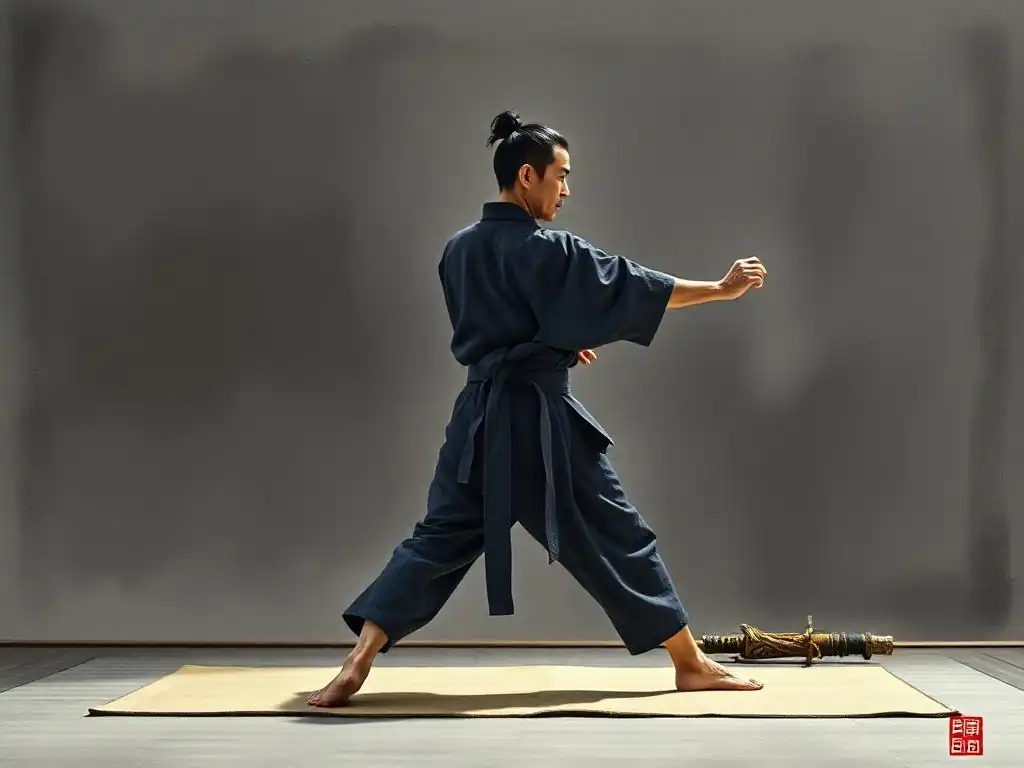
While standardization provides a necessary baseline, the argument for variation in Shito-ryu kata centers heavily on the concept of individual expression and personalization. Karate, at its heart, is a practical art intended for self-defense, and no two individuals are built exactly alike. Physical differences in height, reach, strength, and flexibility mean that a movement performed by one person might be optimally executed slightly differently by another. Allowing for minor variations based on body type and personal attributes can make the kata more effective and practical for the individual practitioner.
Beyond physical adaptation, kata practice is also a journey of personal discovery and interpretation. As practitioners mature and deepen their understanding of the principles and applications ( Bunkai) within a kata, their performance may naturally evolve to reflect that understanding.
For instance, a seasoned practitioner might emphasize certain movements or transitions based on their focus on specific self-defense scenarios, leading to subtle changes in timing or power delivery compared to a more standardized performance. This personalization is not about disrespecting tradition but about making the kata a living, breathing part of the practitioner's martial arts journey, allowing them to truly embody the techniques.
Adapting Shito-ryu Kata for Practical Application and Self-Defense
A core purpose of Shito-ryu kata is to serve as a repository of self-defense techniques. The movements within a kata are meant to be applied in real-world situations ( Bunkai). However, a single movement in a kata can often have multiple valid applications depending on the context of an attack. Exploring these different Bunkai scenarios inherently encourages variation in how the kata is understood and performed. For example, a seemingly simple block might be interpreted as a strike, a joint manipulation, or a throw set-up.
Practicing Bunkai often reveals that the exact, rigid performance of a standardized movement may not be the most practical or efficient way to apply it in a dynamic self-defense situation. This practical application encourages practitioners to explore slight variations in angle, timing, or follow-up movements that make the technique more effective against a resisting opponent. Therefore, allowing for interpretation and adaptation based on practical application is not a deviation from the purpose of kata but a fulfillment of it. It highlights the dynamic nature of ShitoRyu kata standardization variations and their practical utility.
The Role of Bunkai in Encouraging Kata Variation
Bunkai is the analysis and application of the movements within a kata, and it is arguably the most significant driver of variation in Shito-ryu kata performance. Kenwa Mabuni himself emphasized the critical importance of Bunkai, teaching that kata without understanding its application is meaningless. As practitioners delve into Bunkai, they uncover multiple layers of meaning and potential uses for each technique. This exploration often leads to different instructors and lineages developing distinct interpretations of the same kata movement.
Consider the opening sequence of Seienchin, a Naha-te kata. The initial double-hand movement can be interpreted in numerous ways: a block and strike, a joint lock, a control technique, or even a throw.
Each interpretation suggests a slightly different emphasis in the performance of the kata itself – perhaps a focus on rooting and stability for a throwing application, or speed and precision for a striking application. This deep dive into Bunkai doesn't just explain the movements; it informs how the movements should be performed to be effective in a given scenario, naturally leading to the diverse interpretations and ShitoRyu kata standardization variations observed across the style.
Key Differences in Shito-ryu Kata Across Different Lineages
Comparing Kata Performance Styles: Hayashi-ha vs. Itosu-kai
The divergence of Shito-ryu into various lineages after Kenwa Mabuni's passing led to distinct performance styles, showcasing the inherent ShitoRyu kata standardization variations. Two prominent examples are Hayashi-ha Shito-ryu, founded by Teruo Hayashi, and Itosu-kai, led for many years by Ryusho Sakagami. While both styles perform many of the same kata, their execution often differs in subtle yet significant ways.
Hayashi-ha is often characterized by a strong emphasis on dynamic movement, hip rotation, and explosive power, sometimes featuring slightly higher or more mobile stances compared to other lineages, particularly in kata influenced by the Shuri-te tradition. Their interpretations of Bunkai might also lean towards practical, street-defense applications.
Itosu-kai, conversely, places a strong emphasis on preserving the forms exactly as taught by Ryusho Sakagami, who was known for his meticulous attention to detail and adherence to Mabuni's original teachings. Their performance tends to be more formal and perhaps less outwardly dynamic than Hayashi-ha, with a focus on precise stances, strict timing, and traditional power generation methods. While both lineages respect the core principles, the different emphases result in distinct aesthetic and technical qualities when performing the same kata, such as Seipai or Juroku, making the study of ShitoRyu kata standardization variations across lineages a fascinating endeavor.
The Impact of Regional Interpretations on Shito-ryu Kata
As Shito-ryu spread from Japan to other parts of the world, regional interpretations further contributed to the variations in kata performance. Instructors who established dojos and organizations outside of Japan often adapted their teaching methods to suit local customs, physical education norms, or specific training goals (e.g., sport vs. self-defense). For instance, Shito-ryu in North America or Europe might see influences from other martial arts or different approaches to physical conditioning that subtly impact how stances are held or techniques are executed.
These regional variations are not necessarily intentional deviations from the founder's teachings but rather a natural consequence of cultural transmission and adaptation. A dojo in Spain might emphasize certain physical attributes or training drills that subtly shape the performance of kata like Ananku or Bassai Sho differently than a dojo in Osaka. While core sequences remain largely intact, the nuances in body mechanics, breathing, or the application of force can reflect these regional influences, adding another layer to the complexity of ShitoRyu kata standardization variations observed globally.
Exploring the Nuances of Stance, Technique, and Timing in Varied Shito-ryu Kata
Examining specific elements like stance, technique execution, and timing reveals the nuances of Shito-ryu kata variations across lineages and practitioners. For example, the depth and length of stances, such as Shiko-dachi (square stance) or Zenkutsu-dachi (front stance), can vary significantly. Some lineages might favor deeper, more rooted stances for stability and power, while others might use slightly higher, more mobile stances for speed and transition. Similarly, the precise path and angle of a technique, like a Shuto-uke (knife-hand block) or a Gyaku-zuki (reverse punch), can differ based on the intended Bunkai or the instructor's emphasis.
Timing is another critical area of variation. The speed of execution, the pauses between movements ( Maai), and the timing of the Kiai can all vary. Some interpretations prioritize rapid, flowing movements, while others emphasize distinct, powerful transitions with clear pauses. Even within the same lineage, different instructors might have slightly different interpretations of the rhythm and timing of a complex kata like Suparinpei. These subtle differences in stance, technique, and timing are the heart of the ShitoRyu kata standardization variations, reflecting different pathways to embodying the kata's principles and applications.
The Impact of Competition on Shito-ryu Kata: Standardized vs. Freeform
Competition Rules and Their Influence on Kata Execution
Competitive karate, particularly under organizations like the World Karate Federation (WKF), has had a significant impact on Shito-ryu kata execution, often favoring standardization for objective judging. WKF kata competition rules grade performance based on criteria such as technical points (stances, techniques, timing, breathing, kiai) and athletic points (strength, speed, balance, rhythm). Judges look for precision, power, and adherence to a recognized standard version of the kata. This environment encourages practitioners to perform kata in a way that is clean, powerful, and conforms to accepted norms, often based on interpretations popularized by successful competitors and coaches.
The pressure to score highly in competition can lead to the exaggeration of certain movements, stances, or kiai to make them more visually impactful for judges. It can also incentivize a faster, more dynamic performance compared to traditional dojo training. While competition promotes physical fitness and technical sharpness, it can also inadvertently lead to a focus on the external form rather than the internal principles or complex Bunkai. This competitive pressure is a major factor driving a certain type of ShitoRyu kata standardization variations geared towards performance aesthetics rather than purely practical application.
Balancing Traditional Form with Competitive Adaptations
For many Shito-ryu practitioners involved in competition, the challenge lies in balancing the demands of competitive performance with the preservation of traditional form and understanding. Some competitors develop two versions of a kata: one optimized for the judging criteria of tournaments (often faster, sharper, and more exaggerated) and another for traditional dojo practice and Bunkai study (which may be slower, more rooted, and focused on practical application). This dual approach allows them to pursue competitive success while still respecting and training the kata's deeper aspects.
Instructors play a crucial role in guiding students through this balance, emphasizing that competitive performance is one facet of kata training, not the entirety of it. While competitive success can raise the profile of Shito-ryu and motivate practitioners, it's essential that the pursuit of medals doesn't come at the expense of understanding the kata's self-defense applications, historical context, and philosophical underpinnings. Navigating this path requires careful instruction and a clear understanding of the distinct goals of competitive vs. traditional kata practice, acknowledging the variations that arise from each.
The Debate: Does Competition Stifle Creativity or Enhance Precision?
The influence of competition on Shito-ryu kata sparks an ongoing debate within the martial arts community. One perspective argues that competition stifles creativity and individuality by enforcing a rigid standard. Critics suggest that focusing solely on scoring criteria can discourage practitioners from exploring alternative Bunkai interpretations or adapting the kata to their own body type, potentially leading to a loss of the art's practical depth and personal expression. They argue that the emphasis on external flashiness can overshadow the internal development and understanding that traditional kata training promotes.
Conversely, proponents argue that competition enhances precision and technical excellence. The need to perform a kata perfectly under pressure, with judges scrutinizing every detail, forces practitioners to refine their techniques, improve their balance and coordination, and develop explosive power and sharp focus. They contend that this pursuit of technical mastery within a standardized framework elevates the overall quality of performance and provides clear goals for training. While competition undoubtedly influences ShitoRyu kata standardization variations, the debate continues regarding its overall impact on the art's evolution.
Finding Balance: A Holistic Approach to Shito-ryu Kata Practice
Integrating Standardization and Variation for Comprehensive Skill Development
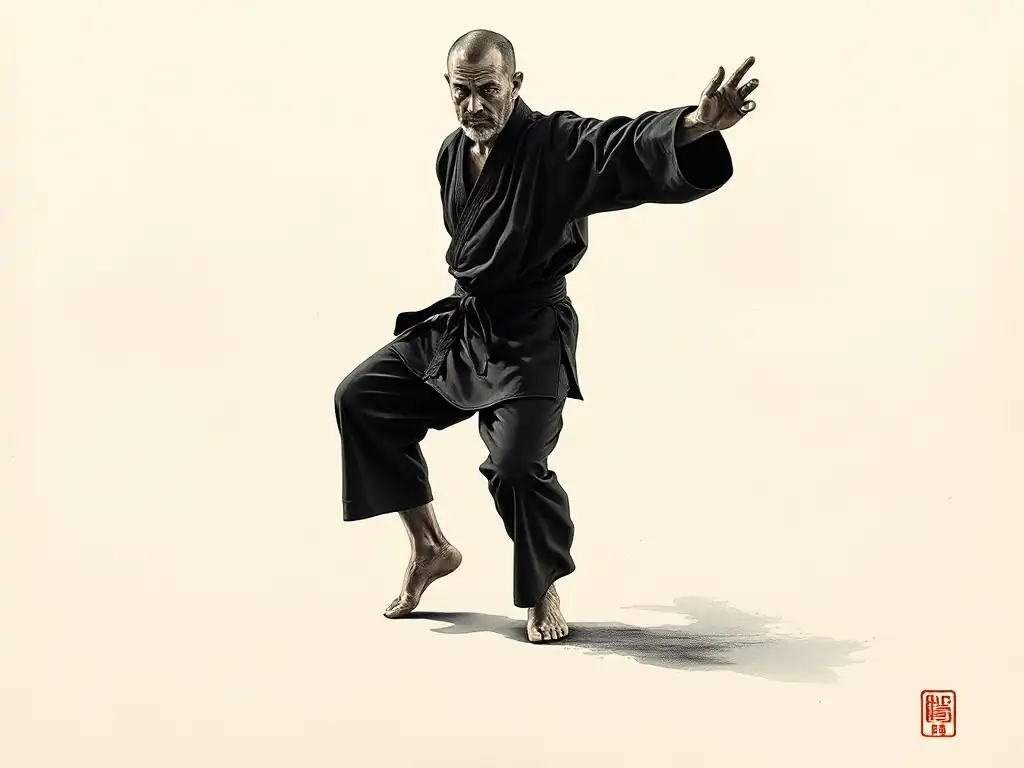
A holistic approach to Shito-ryu kata practice recognizes the value of both standardization and variation, integrating them for comprehensive skill development. Standardization provides the essential foundation: a solid understanding of the kata's established sequence, timing, and core mechanics. It ensures that practitioners learn the fundamental techniques correctly and consistently. This foundational knowledge is non-negotiable for progression.
However, once the standard form is reasonably mastered, the exploration of variation becomes crucial. This involves delving into Bunkai to understand the multiple applications of movements, adapting techniques for practical self-defense scenarios, and subtly personalizing the performance based on one's own physical attributes and growing understanding. This integrated approach ensures that practitioners are not just performing rote movements but truly understanding and embodying the kata. It allows for both the preservation of tradition through standardization and the evolution and personalization of the art through informed variation, leading to a deeper and more practical skill set.
The Importance of Understanding the Underlying Principles of Each Kata
Regardless of whether a practitioner emphasizes standardization or explores variations, a deep understanding of the underlying principles of each Shito-ryu kata is paramount. Principles like Chinkuchi (rooted tension and connection), Muchimi (heavy, sticky power), Gamaku (hip and lower back connection), and In-Yo (applying techniques with hard/soft, external/internal force) are universal to the style and must be present regardless of slight variations in form. Understanding why a movement is performed in a certain way – its purpose, target, and desired effect – is more important than simply mimicking the external shape.
For example, in kata like Suparinpei, understanding the principle of Muchimi is essential for performing grappling or control techniques effectively, regardless of slight variations in hand position. Similarly, applying Chinkuchi is vital for generating power from the ground up in striking techniques found in forms like Bassai Dai. When practitioners focus on embodying these core principles, their kata remains effective and true to the spirit of Shito-ryu, even if there are minor ShitoRyu kata standardization variations in the external performance.
The Role of the Instructor in Guiding Students Through Standardization and Variation
The instructor plays a critical role in guiding students through the complex landscape of Shito-ryu kata standardization variations. A skilled instructor will first emphasize the importance of learning the standardized form correctly, ensuring students build a strong technical foundation. They will meticulously teach the sequence, timing, and basic applications of each kata, providing the necessary structure.
Once the student demonstrates proficiency in the standard form, the instructor can then introduce and guide them in exploring Bunkai and appropriate variations. This might involve showing different applications for a single movement, explaining how body type might influence execution, or discussing the historical reasons behind slight variations between lineages.
The instructor's knowledge and experience are essential for ensuring that variations are not arbitrary but are informed by a deeper understanding of the kata's principles and practical applications. They act as guardians of the tradition while also fostering the student's individual growth and understanding within the dynamic art of Shito-ryu.
Shito-ryu Kata: Beyond Form - Cultivating Deeper Understanding
The Philosophical Underpinnings of Shito-ryu Kata Practice
Shito-ryu kata practice extends far beyond mere physical execution; it is deeply intertwined with philosophical underpinnings that contribute to personal development. The repetitive practice cultivates discipline, patience, and perseverance. The focus and concentration required to perform complex forms can lead to a state of Mushin (empty mind), where the practitioner acts instinctively without conscious thought, a concept rooted in Zen philosophy. Kata can also be viewed as a form of moving meditation, promoting mindfulness and a deeper connection between mind and body.
Furthermore, each kata embodies a story or a set of principles passed down through generations. Understanding the historical context, the lives of the masters who created and transmitted these forms, and the scenarios they were designed to address adds layers of meaning to the practice. It connects the practitioner to a lineage and a tradition that emphasizes not just physical prowess but also character development, humility, and respect. This philosophical depth is a vital part of the Shito-ryu kata experience, providing context for the ongoing dialogue around ShitoRyu kata standardization variations.
Connecting Kata to Real-World Combat Scenarios
Despite the focus on form, the ultimate purpose of Shito-ryu kata is practical self-defense. Connecting the movements of a kata to real-world combat scenarios through detailed Bunkai is essential for cultivating a deeper understanding. This involves analyzing each technique within the kata and exploring its potential applications against various types of attacks – strikes, grabs, holds, and even weapons. Master Mabuni himself developed extensive Bunkai explanations for his kata, often illustrating multiple applications for a single movement.
Practitioners learn to see the kata not as a fixed dance, but as a fluid repository of techniques that can be adapted and combined in countless ways. For example, a seemingly simple block in Pinan Shodan could be a defense against a punch, but with a slight variation, it could also be used as a joint lock or a set-up for a throw. This focus on practical application through Bunkai reveals the inherent versatility of the forms and justifies the exploration of ShitoRyu kata standardization variations based on functional effectiveness in self-defense situations.
The Ongoing Evolution and Future of Shito-ryu Kata
Shito-ryu kata is not static; it is a living art form that continues to evolve while striving to preserve its core. The dialogue between standardization and variation is a testament to this ongoing process. As new generations of practitioners train, research, and interpret the forms, subtle changes and deeper understandings will inevitably emerge. Factors such as evolving scientific understanding of biomechanics, new insights from cross-training in other martial arts, and the changing landscape of self-defense needs can all contribute to this evolution.
The future of Shito-ryu kata lies in maintaining a balance between honoring the legacy of Kenwa Mabuni and his predecessors through careful preservation and allowing for informed, practical evolution. Open discussion, rigorous Bunkai study, and a commitment to the underlying principles, rather than just the external form, will ensure that Shito-ryu kata remains relevant, effective, and a source of deep personal growth for practitioners worldwide. The continued exploration of ShitoRyu kata standardization variations is not a threat to the art, but a sign of its vitality and adaptability.
Conclusion: Embracing the Dialogue on Shito-ryu Kata
Recognizing the Value of Both Standardization and Variation
In the intricate world of Shito-ryu kata, recognizing the inherent value in both standardization and variation is crucial for a comprehensive understanding and practice of the art. Standardization provides the essential framework – the historical form, the core sequence, the foundational principles as passed down by masters like Kenwa Mabuni, Anko Itosu, and Kanryo Higaonna. It ensures consistency, facilitates global learning, and preserves the integrity of the kata as a historical document of martial technique. Without a standard baseline, the art risks fragmentation and loss of its unique identity.
However, variation is equally vital. It represents the living, breathing aspect of kata – the adaptation for individual body types, the exploration of multiple practical applications through Bunkai, and the personalization that comes with deep, personal understanding. Variation prevents kata from becoming a rigid, lifeless dance; it keeps the art dynamic, relevant, and effective for self-defense. Embracing the dialogue between these two forces is not about choosing one over the other, but understanding how they complement and enrich each other within the practice of Shito-ryu.
Fostering a Deeper Appreciation for the Art of Shito-ryu Karate
By engaging with the complexities of ShitoRyu kata standardization variations, practitioners can foster a deeper appreciation for the art of Shito-ryu karate as a whole. Understanding the historical lineages, the differing interpretations across dojos, and the rationale behind both adherence to form and exploration of application provides a richer context for training. It moves practice beyond simple memorization of movements to a nuanced understanding of the art's history, philosophy, and practical utility.
This appreciation is enhanced by recognizing that the variations are not necessarily errors but often represent different pathways to embodying the same fundamental principles or exploring different facets of a technique's application. It encourages respect for different lineages and interpretations, fostering a sense of community grounded in shared history and purpose, even amidst diversity.
The Importance of Continued Study and Exploration in Shito-ryu Kata
The journey through Shito-ryu kata standardization variations is one of continuous study and exploration. There is no single, definitive answer to the debate; rather, it is an ongoing process of learning, questioning, and refining. Practitioners must remain committed to studying the historical forms, delving deeply into Bunkai, training diligently, and seeking guidance from experienced instructors.
Whether focusing on perfecting a standardized competitive form or exploring practical self-defense variations, the commitment to rigorous training and intellectual inquiry is paramount. The richness of Shito-ryu lies in its depth and complexity. By embracing the dialogue between standardization and variation, practitioners can unlock the full potential of Shito-ryu kata, ensuring its continued vitality and relevance for generations to come.
Frequently Asked Questions
What is the central debate surrounding ShitoRyu kata standardization?
The core discussion revolves around balancing the need for a standardized curriculum for easier learning and competition with the preservation of regional and teacher-specific variations within ShitoRyu kata. This ensures the historical depth of the style is maintained.
Why is kata standardization considered important in ShitoRyu?
Standardization aims to provide a uniform foundation for all practitioners, making kata easier to learn, compare, and judge in competitions. This promotes consistency and clear understanding of fundamental movements.
What are the potential drawbacks of strict kata standardization in ShitoRyu?
Overly strict standardization can stifle the evolution of kata, erase unique interpretations passed down through different lineages, and diminish the richness of ShitoRyu's history.
Many practitioners strike a balance by learning the core, standardized forms while also exploring and respecting the variations taught by their specific instructors or found in different branches of ShitoRyu.
What role does MartialArtsMastery.org play in the discussion of ShitoRyu kata standardization?
MartialArtsMastery.org aims to provide a platform for understanding both the standardized elements and the diverse variations of ShitoRyu kata, offering historical context and practical insights into the ongoing debate.
Final Reflection: Embracing Harmony in ShitoRyu Kata
The exploration of standardization versus variation in ShitoRyu kata reveals a dynamic tension at the heart of martial arts tradition. While standardization provides a crucial foundation for learning and preserving the essence of the art, variation allows for individual expression and adaptation, ensuring its continued evolution and relevance in a changing world. The ongoing dialogue between these two forces is not a conflict, but rather a symbiotic relationship that strengthens ShitoRyu kata as a whole.
This delicate balance has profoundly influenced the cultural landscape of ShitoRyu, shaping how practitioners connect with the art on a personal level. The ability to both honor tradition and express individual understanding is what makes ShitoRyu kata a living art form. The ultimate aim of Karate lies not in victory nor defeat, but in the perfection of the character of its participants.
- Gichin Funakoshi. This quote reminds us that the true value of kata lies not just in precise execution, but in the personal growth and understanding it fosters.
As we conclude this exploration, I invite you to reflect on your own practice. How do you balance the need for standardization with the desire for personal expression? How can you contribute to the ongoing dialogue that shapes the future of ShitoRyu kata? Embrace the harmony between tradition and innovation, and let your practice be a testament to the enduring power and beauty of this art.
Ignite Your Kata Journey Now!
Thank you for delving into the ongoing discussion of standardization and variation in Shito-Ryu kata. We hope this article has given you a new perspective on the balance between tradition and individual expression. Now, let's translate this knowledge into action:
- Begin documenting your personal variations within your kata practice. Note the nuances and adjustments you make, and analyze their impact on your understanding and execution.
- Share your insights! Join the Martial Arts Mastery forum to discuss your experiences with kata variation and standardization with fellow practitioners.
- Challenge yourself:Record yourself performing a kata both traditionally and with your preferred variations. Analyze the differences and share your video with a trusted instructor for feedback.
How will you personally contribute to the ongoing evolution of Shito-Ryu kata?