
Muay Kad Chuek: The History and Cultural Impact of RopeBound Fist Fighting

Welcome to Martial Arts Mastery, where we delve into the rich tapestry of combat traditions from around the world. Are you ready to uncover the secrets of ancient fighting styles and the philosophies that shaped them?
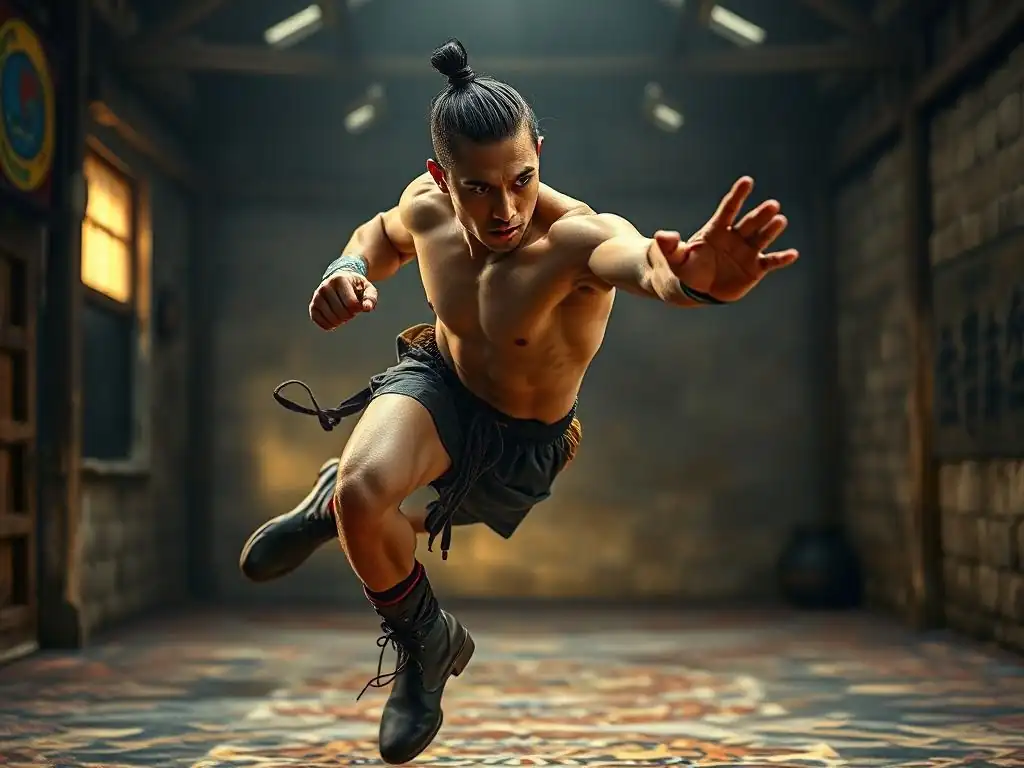
Prepare to be captivated by the brutal elegance of Muay Kad Chuek, the ancient Thai art of rope-bound fist fighting. This article unveils the compelling Muay Kad Chuek history, exploring its cultural significance and the legendary warriors who mastered this formidable discipline. Discover its origins, its evolution, and its enduring legacy within the world of martial arts. Curious to learn more? Dive in and unravel the fascinating story of this powerful combat form!
A Deep Dive into the History of Muay Kad Chuek
Origins and Evolution: Tracing the Roots of Rope Boxing in Thailand
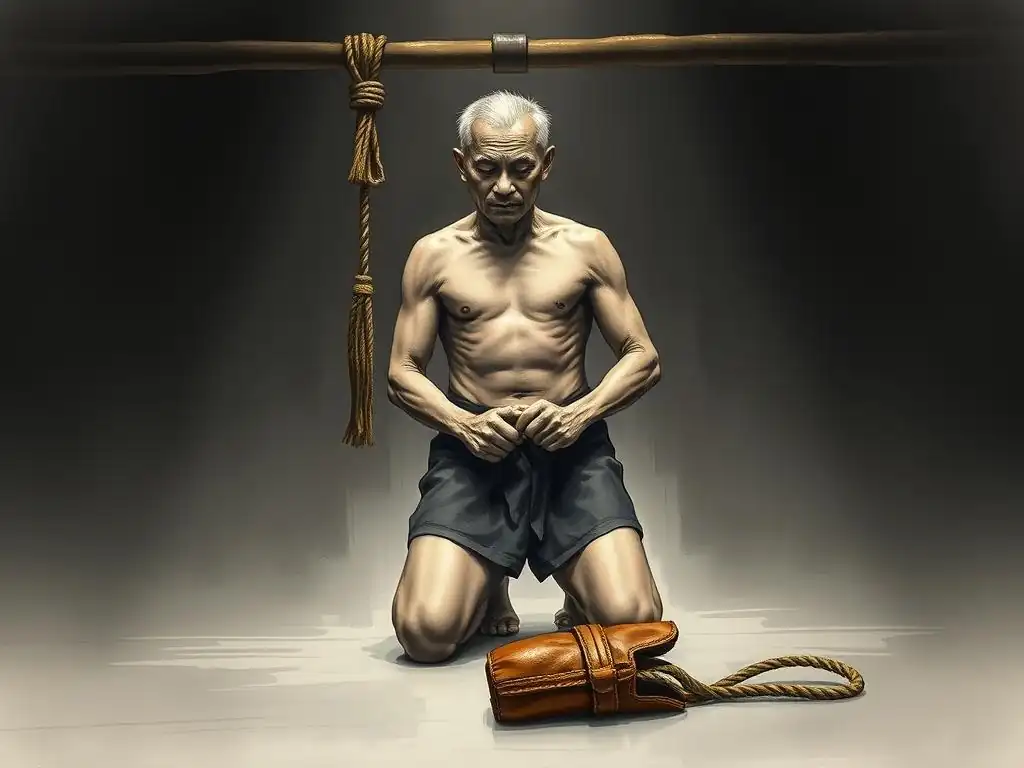
The roots of Muay Kad Chuek, the ancient predecessor to modern Muay Thai, are deeply intertwined with the martial history of Thailand, then known as Siam. Early forms of unarmed combat were vital for self-defense and military prowess in a region frequently engaged in conflict. Evidence suggests that binding the hands with rope or other materials was a practical measure, offering protection to the knuckles and wrists while simultaneously increasing the impact of strikes. This rudimentary practice gradually developed into a more formalized fighting style, essential for soldiers and civilians alike.
As centuries passed, these combat techniques evolved within military training camps and village gatherings. The practical application of rope-bound fists in warfare and duels solidified its importance. While precise historical records from the earliest periods are sparse, accounts from the Sukhothai era (roughly 13th-15th centuries) and later Ayutthaya period (14th-18th centuries) indicate the presence of organized fighting forms that likely incorporated methods akin to Kad Chuek. This evolution wasn't just about fighting; it became a cultural practice, passed down through generations, shaping the early Muay Kad Chuek history.
Muay Kad Chuek in Ancient Siam: Royal Patronage and Popularity
During the Ayutthaya period, Muay Kad Chuek enjoyed significant royal patronage, highlighting its importance in the Siamese social structure. Kings and members of the royal court were often practitioners and enthusiastic supporters of the art. King Naresuan the Great (reigned 1590–1605), a revered figure in Thai history, is often associated with promoting martial arts training, including forms of unarmed combat. Royal contests were held, showcasing the skills of elite fighters and entertaining the court, which further elevated the status of Muay Kad Chuek.
Beyond the palace walls, Muay Kad Chuek was immensely popular among the common people. Fights were integral parts of local festivals, temple fairs, and celebrations across the kingdom. These matches were not just sporting events but social gatherings that fostered community spirit and national pride. The fighters, often local heroes, competed for honor and recognition, their skills honed through rigorous traditional training. The widespread popularity and royal backing firmly established Muay Kad Chuek as a cornerstone of Siamese culture and a significant chapter in the history of Muay Kad Chuek.
The Transition from Muay Kad Chuek to Modern Muay Thai: A Historical Shift
The early 20th century marked a significant turning point in Muay Kad Chuek history, leading to its transformation into modern Muay Thai. Influenced by the global rise of Western boxing and a push towards greater safety and standardization, the traditional rope-bound fighting began to change. Around the 1920s and 1930s, a series of reforms were introduced, most notably the adoption of boxing gloves, the implementation of timed rounds, and the establishment of formalized rulesets and rings, moving away from the often more brutal and less structured Kad Chuek matches.
This transition was gradual but ultimately led to the decline of Muay Kad Chuek as the primary form of competitive Thai boxing. The new rules aimed to reduce severe injuries, which were common with the hardened rope bindings.
Stadiums like Lumpinee and Rajadamnern were built, providing dedicated venues for the new, standardized sport. While some traditionalists lamented the loss of certain elements of Kad Chuek, the shift to modern Muay Thai allowed the art to gain international recognition and develop into the global phenomenon it is today, preserving much of its core techniques while adapting its presentation for a modern era.
Frequently Asked Questions
What is Muay Kad Chuek?
Muay Kad Chuek is a traditional form of Muay Thai where fighters wrap their fists and forearms with rope, instead of using modern boxing gloves. It's known for its brutal and raw fighting style.
What is the history of Muay Kad Chuek?
The history is deeply rooted in ancient Siamese warfare, where soldiers used rope-wrapped fists in combat. It served as a practical training method for real-life battles.
How does Muay Kad Chuek differ from modern Muay Thai?
Unlike modern Muay Thai, Muay Kad Chuek emphasizes raw power and striking. The absence of gloves allows for greater impact, but also increases the risk of injury.
What is the cultural significance of Muay Kad Chuek?
Muay Kad Chuek represents a connection to Thailand's martial heritage. It symbolizes courage, resilience, and the spirit of the warrior in Thai culture.
Is Muay Kad Chuek still practiced today?
While not as prevalent as modern Muay Thai, Muay Kad Chuek has experienced a revival in recent years. It is practiced in some gyms and featured in special events showcasing traditional martial arts.
Final Reflection: The Enduring Spirit of Muay Kad Chuek
The journey through the history of Muay Kad Chuek reveals more than just a brutal fighting style; it unveils a profound connection to Thai heritage and resilience. This connection resonates powerfully today, as Muay Kad Chuek experiences a resurgence, not just as a sport, but as a symbol of cultural identity and a testament to the enduring spirit of ancient traditions. Its revival speaks volumes about our collective desire to reconnect with our roots and preserve the legacies of our ancestors.
The influence of Muay Kad Chuek extends beyond the ring, shaping perceptions of Thai culture and inspiring a renewed appreciation for its martial arts heritage. Witnessing this revival fills me with a sense of pride and underscores the importance of preserving and promoting these traditions for future generations. The art of Muay Kad Chuek is not just about fighting; it's about respect, discipline, and the preservation of our cultural heritage.
This quote, often attributed to masters of the art, encapsulates the profound significance of Muay Kad Chuek.
As we conclude this exploration of Muay Kad Chuek history, I invite you to reflect on the power of tradition and the importance of preserving our cultural heritage. Consider how you can contribute to the ongoing revival of this ancient art, whether through supporting local practitioners, learning about its history, or simply sharing its story with others. Let the spirit of Muay Kad Chuek inspire you to embrace your own cultural roots and to champion the traditions that define us.
Ignite Your Inner Warrior: Embrace the Art of Muay Kad Chuek!
Thank you for delving into the captivating world of Muay Kad Chuek with us. Now that you've uncovered the rich history and cultural significance of this ancient martial art, it's time to take the next step in your journey!
- Dare to explore local martial arts gyms and see if they offer introductory workshops on Muay Thai fundamentals. You might just uncover a passion for striking!
- Dive deeper into the cultural heritage by researching traditional Thai ceremonies and rituals associated with Muay Kad Chuek. Understand the soul behind the fight!
- Share this article with fellow martial arts enthusiasts. Spread the knowledge and spark a discussion about the preservation of these incredible traditions.
What aspect of Muay Kad Chuek's history resonates with you the most, and how might you incorporate that spirit into your own training or life?