
Olympic Lifts for Martial Artists: Snatch and Clean for Ultimate Power

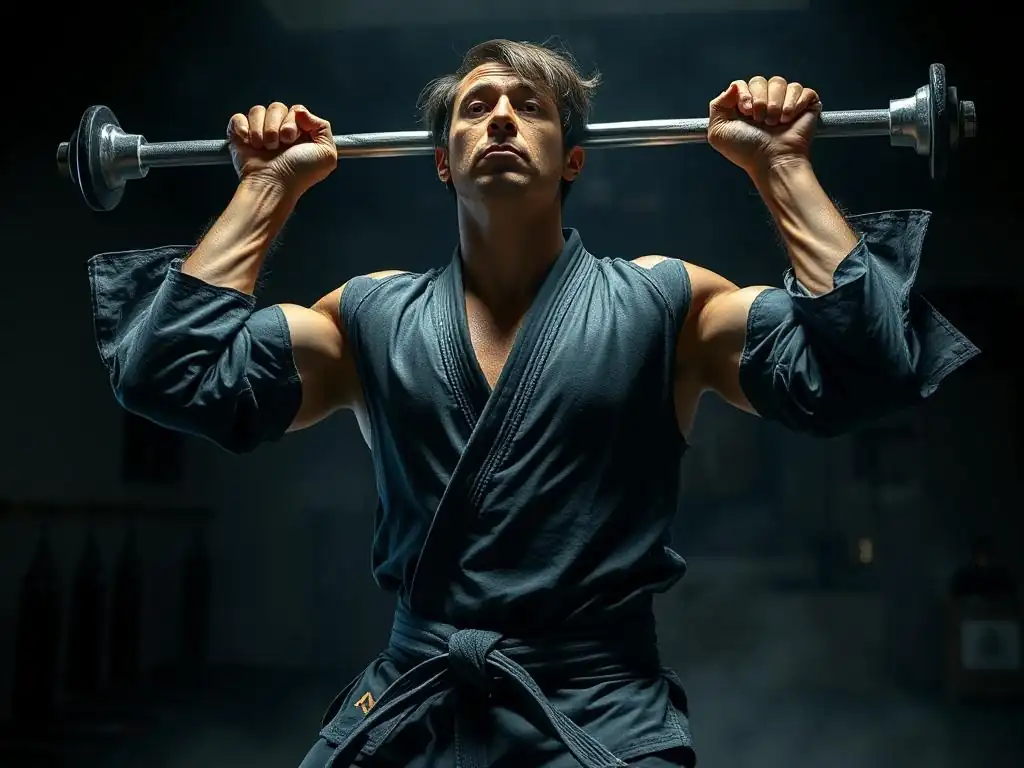
Welcome to Martial Arts Mastery, your gateway to the world's fighting traditions! Ever wondered how to unlock explosive power in your strikes and takedowns? This week, we delve into a potent, often overlooked training method: Olympic lifts. Discover how incorporating the snatch and clean can dramatically enhance your martial arts performance. Intrigued? Keep reading to unleash your inner power!
- Strength and Conditioning for Brazilian Jiu-Jitsu: Enhancing Performance and Preventing Injuries
- Introduction to Strength and Conditioning for BJJ
- Key Lifts for BJJ Athletes: Prioritizing Strength and Power Development
- Strength Training vs. BJJ-Specific Drills: A Balanced Approach
- Integrating Strength and Conditioning into Your BJJ Training Schedule
- Mobility and Flexibility: Essential Components of BJJ Performance
- Nutrition and Recovery: Fueling Your BJJ Performance
- Case Studies: Strength and Conditioning Success in BJJ
- Conclusion: Optimizing Your BJJ Performance Through Strength and Conditioning
-
Frequently Asked Questions
- What are Olympic lifts and why are they relevant to martial arts?
- How can the Snatch and Clean & Jerk improve a martial artist's performance?
- Are Olympic lifts safe for martial artists, especially beginners?
- What specific muscles do Olympic lifts target that benefit martial arts?
- How do I incorporate Olympic lifts into my martial arts training regime?
- Final Reflection: Forging Power Through Tradition
- Unleash Your Inner Powerhouse: Take Action Now!
Strength and Conditioning for Brazilian Jiu-Jitsu: Enhancing Performance and Preventing Injuries
Introduction to Strength and Conditioning for BJJ
Why Strength and Conditioning is Crucial for BJJ Performance
Brazilian Jiu-Jitsu, often described as "human chess," demands not only technical skill and strategic thinking but also significant physical attributes. While technique can often overcome strength, a solid foundation of physical conditioning can dramatically enhance a practitioner's ability to apply those techniques effectively, maintain dominant positions, and recover quickly. Strength and conditioning for BJJ goes beyond simply lifting weights; it's about developing functional strength, explosive power, muscular endurance, and cardiovascular capacity tailored to the unique demands of grappling.
Consider the intense, isometric contractions required to maintain a closed guard or the explosive force needed for a guard pass or takedown. These actions tax the body in ways that rolling alone may not fully address.
Incorporating targeted strength and conditioning into a BJJ training regimen allows athletes to build the physical robustness necessary to withstand the rigors of hard training and competition, improving everything from grip strength for lapel controls to core stability for bridging and hip escapes. This supplementary training becomes increasingly vital as athletes progress, enabling them to execute complex movements with greater efficiency and power, ultimately leading to improved performance on the mats.
The Importance of Injury Prevention in BJJ Training
BJJ is a full-contact sport with a high potential for injuries, ranging from minor sprains and strains to more severe joint and ligament damage. A well-designed strength and conditioning program plays a critical role in mitigating these risks. By strengthening the muscles, tendons, and ligaments surrounding vulnerable joints like the knees, shoulders, and elbows, athletes can create a more resilient physical structure less susceptible to the forces encountered during grappling exchanges.
Furthermore, strength training helps identify and correct muscular imbalances that can develop from the asymmetrical movements common in BJJ. Addressing these imbalances through targeted exercises improves overall structural integrity and reduces undue stress on certain joints. Improved core strength, for example, enhances spinal stability, crucial for preventing back injuries during lifting, twisting, and resisting force. Investing time in preventative strength and conditioning work is not just about enhancing performance; it's a necessary investment in longevity and consistency in BJJ training, keeping athletes on the mats rather than sidelined by injury.
Key Lifts for BJJ Athletes: Prioritizing Strength and Power Development
The Deadlift: Building Posterior Chain Strength and Grip
The deadlift is arguably one of the most fundamental and effective exercises for BJJ athletes. It simultaneously works multiple muscle groups, including the hamstrings, glutes, lower back, upper back, and forearms, all of which are heavily utilized in grappling. Developing a strong posterior chain is essential for generating power in movements like bridging, hip extensions for submissions, and driving through opponents during guard passing or takedowns.
Beyond raw strength, the deadlift significantly enhances grip strength, a critical component of BJJ, whether controlling an opponent's gi or maintaining a strong connection in no-gi grappling. A stronger grip allows athletes to maintain dominant positions, apply chokes more effectively, and prevent opponents from breaking grips. Incorporating deadlifts into a training program builds foundational strength that translates directly to increased power and control in various BJJ scenarios.
Deadlift Technique Breakdown for BJJ Athletes
Proper deadlift technique is paramount to maximize benefits and prevent injury, especially for BJJ athletes who already place significant stress on their backs. The setup begins with feet hip-width apart, shins close to the bar. Hinge at the hips and bend the knees to grasp the bar with an overhand or mixed grip, hands just outside the shins. The back should be straight, chest up, and hips low.
The lift is initiated by driving through the heels, extending the hips and knees simultaneously while keeping the bar close to the body. The movement finishes by standing tall, shoulders back, without hyperextending the back. Lowering the weight is a controlled reversal of the motion, hinging at the hips first. Focusing on maintaining a neutral spine throughout the lift is critical for BJJ practitioners who often experience spinal rotation and flexion during rolling.
Benefits of the Deadlift for Takedowns and Guard Retention
A strong deadlift directly benefits takedowns by building the pulling strength needed for wrestling tie-ups and the explosive hip extension required for driving through shots or executing throws like the Osoto Gari. The ability to generate force from the hips and legs while maintaining a solid core is fundamental to successful takedown offense and defense.
For guard retention, the deadlift's emphasis on the posterior chain and core provides the strength needed to maintain posture, resist sweeps, and perform explosive hip movements like the technical stand-up or shrimping. The grip strength developed is invaluable for controlling distance and preventing opponents from establishing dominant grips or passing the guard. Consider the force required to continually re-guard or execute hip bump sweeps; a strong deadlift builds the necessary power base.
The Squat: Developing Lower Body Strength and Stability
The squat is another foundational lift that offers tremendous benefits for BJJ athletes. It primarily targets the quadriceps, hamstrings, and glutes, while also engaging the core for stability. Strong legs and a stable core are crucial for maintaining a low, balanced base, generating power for explosive movements, and absorbing impact during takedowns and throws.
Developing lower body strength through squats translates directly to improved performance in transitional movements, maintaining posture from the knees or feet, and generating force for guard passes or sweeps. Whether performing back squats, front squats, or variations like goblet squats, the movement pattern reinforces the hip hinge and knee flexion mechanics essential for various BJJ techniques.
Squat Technique Breakdown: A Guide for BJJ Trainees
Proper squat technique starts with setting the feet slightly wider than hip-width, toes pointed slightly outward. The bar (for back or front squats) is placed securely. Initiate the movement by simultaneously hinging at the hips and bending the knees, as if sitting back into a chair. Maintain a straight back, chest up, and core engaged throughout the descent.
Descend to a depth where the hips are at or below the knees, provided flexibility allows without rounding the back. Drive through the heels to return to the starting position, extending the hips and knees fully. For BJJ athletes, practicing different squat variations can address specific needs; for example, front squats challenge core stability and upper back strength relevant to clinch work.
How the Squat Translates to Improved Base and Passing
A strong squat builds the leg drive and hip power necessary for establishing and maintaining a solid base, whether standing in a combat base or kneeling. This robust lower body strength makes it harder for opponents to sweep or destabilize you. It also provides the explosive power needed to stand up from guard or transition effectively.
During guard passing, squat strength is vital for driving through an opponent's legs, maintaining heavy pressure, and exploding through transitions like the knee slice or leg drag. The ability to generate force from a low position and maintain stability while an opponent is actively resisting is a direct benefit of consistent squat training. For example, executing a powerful bull pass requires significant leg drive and hip extension, muscles heavily engaged in squatting.
Strength Training vs. BJJ-Specific Drills: A Balanced Approach
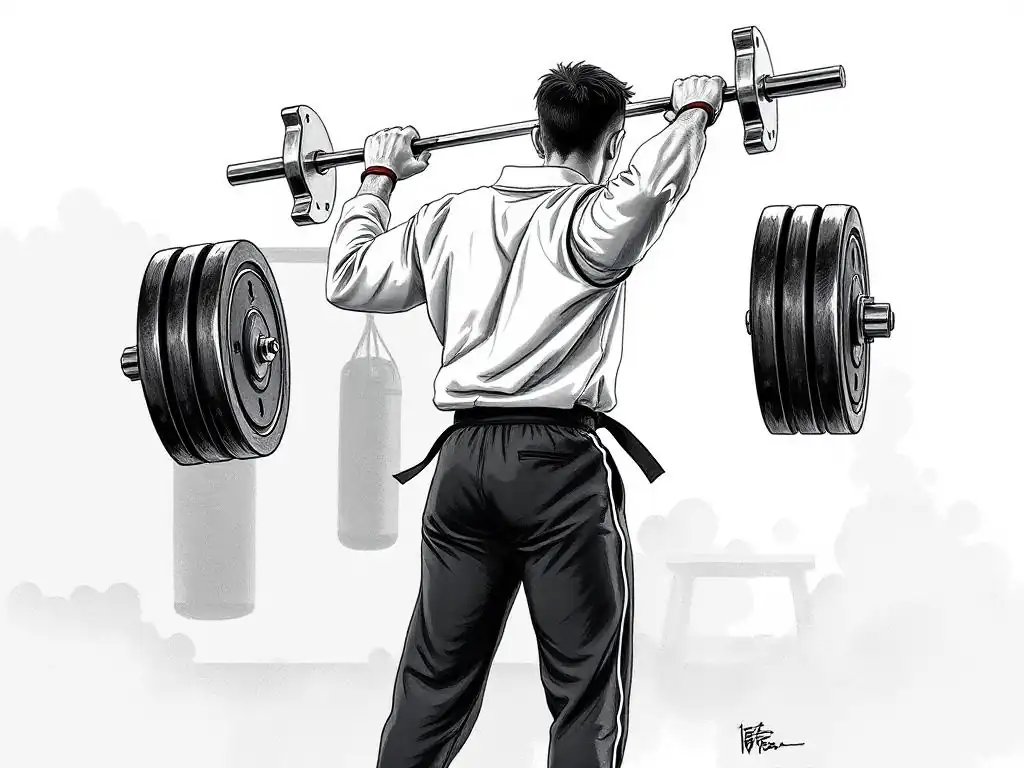
Comparing Strength Training to Live Rolling and Positional Sparring for BJJ
Live rolling and positional sparring are irreplaceable components of BJJ training, providing the context, timing, and resistance needed to develop technical proficiency and strategic understanding. However, they are often insufficient for developing maximal strength, explosive power, or addressing specific muscular weaknesses in isolation. Rolling focuses on technique application under fatigue and resistance, not necessarily on building raw physical attributes from the ground up.
Strength training, on the other hand, allows for targeted development of specific physical qualities using structured progression and measurable loads. It enables athletes to build a stronger engine and a more resilient frame, which then enhances their ability to perform BJJ techniques more effectively and for longer durations. While live rolling teaches you how to use force efficiently, strength training helps you develop more force potential to utilize.
The Role of Strength Training in Enhancing BJJ Skill Execution
Strength training acts as a force multiplier for BJJ techniques. A stronger athlete can apply pressure more effectively, maintain grips with less fatigue, generate more explosive power for transitions, and resist an opponent's force more successfully. Consider a submission like the armbar; while technique is key, having the shoulder and grip strength to maintain control and finish the lock is significantly aided by specific strength work.
Furthermore, strength training can improve body awareness and control, which are vital for executing complex BJJ movements. Exercises that require stability and balance, often incorporated into strength programs, enhance proprioception. While strength training doesn't replace mat time, it provides the physical foundation that allows technical skills to be expressed with greater authority and efficiency. This combined approach is crucial for unlocking an athlete's full potential in BJJ.
Integrating Strength and Conditioning into Your BJJ Training Schedule
Sample Strength and Conditioning Workout for BJJ
Integrating strength work requires careful planning to avoid overtraining. A typical schedule might involve 2-3 strength sessions per week, strategically placed to not interfere with key BJJ training days. A sample full-body strength workout might look like this, focusing on compound movements:
- Warm-up: 5-10 minutes of dynamic stretching and mobility drills (e.g., hip circles, leg swings, arm circles).
- Main Lifts:
- Squat Variation (e.g., Back Squat, Front Squat): 3 sets of 5-8 repetitions, focusing on controlled movement.
- Deadlift Variation (e.g., Conventional, Romanian): 3 sets of 5-8 repetitions, emphasizing form.
- Upper Body Push (e.g., Bench Press, Overhead Press): 3 sets of 6-10 repetitions.
- Upper Body Pull (e.g., Barbell Rows, Pull-ups): 3 sets of 6-10 repetitions.
- Accessory Work:
- Core Exercise (e.g., Plank, Russian Twists): 3 sets, focusing on stability or controlled movement.
- Grip Strength Exercise (e.g., Farmer's Walk, Plate Pinches): 2-3 sets, focusing on time under tension.
- Cool-down: 5-10 minutes of static stretching, targeting major muscle groups.
This structure hits the major movement patterns relevant to BJJ (squat, hinge, push, pull) and includes specific work for grip and core, all crucial for grappling. The rep ranges target a balance of strength and hypertrophy.
Programming Considerations: Sets, Reps, and Recovery for BJJ Athletes
Programming for BJJ athletes should prioritize recovery and complement, not hinder, mat performance. The goal is to enhance BJJ, not become a powerlifter or bodybuilder. For strength development, sets of 3-6 repetitions are effective. For muscular endurance and hypertrophy, sets of 8-15 repetitions can be used, but care must be taken not to induce excessive soreness that impacts BJJ training.
Recovery is paramount. Ensure at least 24-48 hours of rest between intense strength sessions, especially those targeting the same muscle groups. Placing strength training on days off from heavy rolling or before lighter BJJ sessions can be beneficial. Listening to your body is crucial; if you are excessively sore or fatigued, reduce the intensity or volume, or take an extra rest day. Periodization, cycling through different training phases (e.g., strength focus, power focus, endurance focus), can also help manage fatigue and promote long-term adaptation.
Avoiding Overtraining and Burnout in BJJ Strength Training
Overtraining is a significant risk when combining demanding BJJ training with strength and conditioning. Signs include persistent fatigue, decreased performance on the mats and in the weight room, increased irritability, disturbed sleep, and prolonged muscle soreness. Preventing overtraining requires careful monitoring of training volume and intensity across both BJJ and strength sessions.
Strategies to avoid burnout include scheduling regular deload weeks where training volume is significantly reduced, incorporating active recovery days (light cardio, stretching), and ensuring adequate sleep and nutrition. Tracking your training – both BJJ and strength – can help identify patterns that lead to fatigue. Remember, consistency over time is more important than pushing too hard in any single session. Prioritizing recovery allows the body to adapt and become stronger, ultimately supporting consistent progress in BJJ.
Mobility and Flexibility: Essential Components of BJJ Performance
Dynamic Stretching and Mobility Drills for BJJ Warm-ups
Mobility and flexibility are often overlooked but are critical for BJJ performance and injury prevention. Dynamic stretching, which involves moving a joint through its full range of motion, is ideal for warming up before training. Unlike static stretching, dynamic movements prepare the muscles and joints for activity by increasing blood flow and activating the nervous system.
Examples of effective dynamic stretches for BJJ include hip circles, leg swings (forward-back and side-to-side), torso twists, arm circles, and bodyweight squats. These movements mimic the ranges of motion used in grappling and help improve joint lubrication and tissue elasticity. Incorporating 10-15 minutes of dynamic mobility work before stepping onto the mats can significantly reduce the risk of pulls and strains while improving the fluidity and efficiency of movements.
The Importance of Joint Health and Range of Motion in BJJ
BJJ places significant stress on joints through twisting, compression, and extension. Maintaining healthy joints with a full range of motion is vital for executing techniques correctly and safely. Poor mobility in areas like the hips, shoulders, and spine can limit movement options, make certain techniques difficult or impossible, and increase the likelihood of injury by forcing the body into compromised positions.
For instance, limited hip mobility can hinder guard retention, passing, and executing sweeps. Poor shoulder mobility can impact submissions, escapes, and maintaining posture. Regular mobility work helps preserve joint health by promoting synovial fluid production and maintaining the length and elasticity of surrounding tissues. This focus on joint integrity is a long-term investment in your ability to train BJJ consistently.
Static stretching, holding a stretch for a period (typically 30 seconds or more), is best performed after training during the cool-down phase. It helps improve flexibility and address specific areas of tightness common in BJJ practitioners. Muscles that frequently become tight include the hip flexors (from sitting guard or maintaining posture), hamstrings (from various leg positions), pectorals (from maintaining guard or clinching), and neck muscles.
Targeted static stretching can help restore muscle length and improve overall flexibility. Examples include pigeon pose or couch stretch for hip flexors, hamstring stretches, pectoral stretches using a doorway, and gentle neck stretches. Regularly addressing these tight areas can improve posture, reduce discomfort, and enhance the range of motion needed for effective and pain-free BJJ movements.
Nutrition and Recovery: Fueling Your BJJ Performance
Optimizing Nutrition for BJJ Training and Competition
Proper nutrition is the foundation of performance and recovery for BJJ athletes. A balanced diet provides the energy needed for intense training sessions and the building blocks for muscle repair and adaptation. Carbohydrates are the primary fuel source for high-intensity activities like rolling, so consuming adequate complex carbs (whole grains, fruits, vegetables) is crucial, especially around training times.
Protein is essential for muscle repair and growth, vital after taxing BJJ and strength sessions. Aim for a consistent intake throughout the day, focusing on lean sources like poultry, fish, eggs, and legumes. Healthy fats (avocado, nuts, seeds, olive oil) are important for hormone production and overall health. Hydration is also critical; even mild dehydration can impair performance and increase injury risk. Consuming sufficient water throughout the day, especially before, during, and after training, is non-negotiable.
The Importance of Sleep and Active Recovery in BJJ
Sleep is arguably the most critical component of recovery. During sleep, the body repairs tissues, consolidates memories (including learned techniques), and regulates hormones essential for performance and recovery. Aim for 7-9 hours of quality sleep per night. Chronic sleep deprivation impairs physical and cognitive function, increases injury risk, and hinders progress.
Active recovery involves engaging in low-intensity activities on rest days to promote blood flow, reduce muscle soreness, and aid in recovery. Examples include light walking, swimming, cycling, or gentle yoga. This differs from passive recovery (complete rest) and can help the body feel looser and more prepared for the next training session. Incorporating active recovery days can be beneficial for managing the high training volume associated with competitive BJJ.
Supplementation Strategies for BJJ Athletes
While a solid diet is the priority, certain supplements can support BJJ performance and recovery. Creatine monohydrate is one of the most researched supplements, known to improve strength, power, and high-intensity performance – beneficial for explosive movements in grappling. Beta-alanine can help buffer lactic acid, potentially improving muscular endurance during prolonged rolls.
Protein powder can be a convenient way to meet protein needs, especially post-training. Omega-3 fatty acids (fish oil) may help reduce inflammation and support joint health. However, supplementation should always be considered secondary to a sound nutrition plan and adequate sleep. Consulting with a sports nutritionist or dietitian is recommended to determine the most appropriate supplementation strategy based on individual needs and training demands.
Case Studies: Strength and Conditioning Success in BJJ
Bernardo Faria: Utilizing Strength Training for Dominant Top Game
Bernardo Faria, a multiple-time BJJ world champion known for his relentless pressure passing and signature "Faria sweep," is a prime example of how integrating strength training enhances a specific BJJ game. Faria's top game relies heavily on forward pressure, core stability, and muscular endurance to maintain crushing positions like the over-under pass.
His training often included significant strength work focusing on compound movements like squats and deadlifts, along with accessory work targeting the core and grip. This strength base allowed him to execute his pressure passing game with incredible effectiveness, making it incredibly difficult for opponents to create space or escape. His success illustrates how targeted strength development can become a cornerstone of a dominant BJJ strategy.
Gabi Garcia: The Role of Strength in Elite BJJ Competition
Gabi Garcia, a dominant figure in women's BJJ and ADCC competition, showcases the impact of strength and conditioning at the elite level. Known for her imposing physical presence and power, Garcia has openly discussed the importance of her strength training regimen in complementing her technical BJJ skills.
Her training protocols have often included heavy lifting to build maximal strength and power, which she leverages in takedowns, guard passing, and maintaining control against opponents. While her size is a natural advantage, her dedication to strength conditioning has allowed her to maximize this advantage, demonstrating that even at the highest levels, physical preparation is integral to success alongside technical mastery. Her career highlights the fact that Olympic lifts martial arts power can be a significant factor, although her program likely included a broader range of strength exercises.
Conclusion: Optimizing Your BJJ Performance Through Strength and Conditioning
The Evolving Landscape of Strength and Conditioning in BJJ
The integration of strength and conditioning into Brazilian Jiu-Jitsu training has moved from being a niche practice to a widely accepted and often essential component of preparation, particularly at competitive levels. Gone are the days when BJJ was solely about technique; the physical demands of the sport, coupled with increasing athleticism across the competitive landscape, necessitate a more comprehensive approach.
Coaches and athletes now recognize that targeted strength, power, endurance, and mobility work can significantly improve performance, enhance resilience, and extend an athlete's career. This evolving landscape reflects a deeper understanding of sports science principles applied specifically to the unique requirements of grappling, moving beyond generic fitness to BJJ-specific physical preparation.
Final Thoughts on Strength and Conditioning for BJJ Athletes
For any BJJ practitioner serious about improving their game, enhancing longevity, and reducing injury risk, incorporating a structured strength and conditioning program is a highly recommended step. It provides the physical foundation upon which technical skill can truly flourish.
By focusing on compound lifts, addressing mobility limitations, prioritizing recovery, and fueling the body properly, athletes can unlock new levels of performance on the mats. While mat time remains the most crucial element of BJJ training, strategic strength and conditioning serves as a powerful amplifier, helping you become a stronger, more explosive, and more durable grappler. It's an investment that pays dividends in every roll.
Frequently Asked Questions
What are Olympic lifts and why are they relevant to martial arts?
Olympic lifts, specifically the Snatch and Clean & Jerk, are powerful exercises that develop explosive power and overall strength. These are highly beneficial for martial artists requiring speed and force.
How can the Snatch and Clean & Jerk improve a martial artist's performance?
These lifts enhance power output, which directly translates to more forceful strikes, faster takedowns, and improved agility. They also build functional strength applicable to real-world combat scenarios.
Are Olympic lifts safe for martial artists, especially beginners?
When performed with proper technique and under qualified supervision, Olympic lifts are generally safe. Beginners should focus on mastering the movements with lighter weights before progressing.
What specific muscles do Olympic lifts target that benefit martial arts?
Olympic lifts engage almost every muscle group, but particularly target the legs, back, and core, leading to improved stability, power generation, and overall body coordination crucial for martial arts.
How do I incorporate Olympic lifts into my martial arts training regime?
Start with lighter weights and focus on mastering the technique. Integrate them into your strength and conditioning program 2-3 times per week, allowing for adequate recovery between sessions to avoid overtraining.
Final Reflection: Forging Power Through Tradition
The exploration of Olympic lifts as a tool for martial artists underscores a powerful truth: ancient disciplines can find new life and relevance through modern techniques. The snatch and clean, once solely the domain of weightlifters, offer a pathway to explosive power that directly translates to the speed, agility, and force demanded in martial arts. This integration isn't just about lifting heavy; it's about understanding biomechanics, cultivating discipline, and unlocking untapped potential within the body.
The impact of this cross-training approach extends beyond the gym and into the dojo, influencing how martial artists train and perceive strength. Witnessing the increased power and speed firsthand has been transformative, not only for my own training but also for the athletes I work with. The body achieves what the mind believes.
This quote encapsulates the essence of incorporating Olympic lifts – it's about believing in the potential for explosive power and then diligently working to manifest it.
Now, consider how you can apply these principles to your own training, regardless of your martial art or fitness level. Embrace the challenge of learning these complex movements, focus on mastering the technique, and unlock the explosive power that lies dormant within you. The journey to ultimate power begins with a single lift, a single rep, a single step towards a stronger, more resilient you.
Unleash Your Inner Powerhouse: Take Action Now!
Thank you for exploring the world of Olympic lifts and their incredible benefits for martial artists. Now it’s time to translate that knowledge into action and unlock your full potential!
- Immediately start incorporating the clean and snatch into your training regimen, focusing on proper form and technique. Aim for two sessions a week to see significant gains in power and explosiveness.
- Explore videos of elite weightlifters and martial artists utilizing these lifts. Focus on analyzing their technique and adapting it to your specific martial art.
- Share this article with your training partners and discuss how you can all benefit from integrating Olympic lifts into your workouts. Consider forming a dedicated training group for mutual support and accountability.
Ready to transform your martial arts performance with the power of Olympic lifting? What's the first small step you'll take this week to integrate the snatch or clean into your routine?