
Tiger Style for Beginners: Your First Steps into the World of Hu Quan

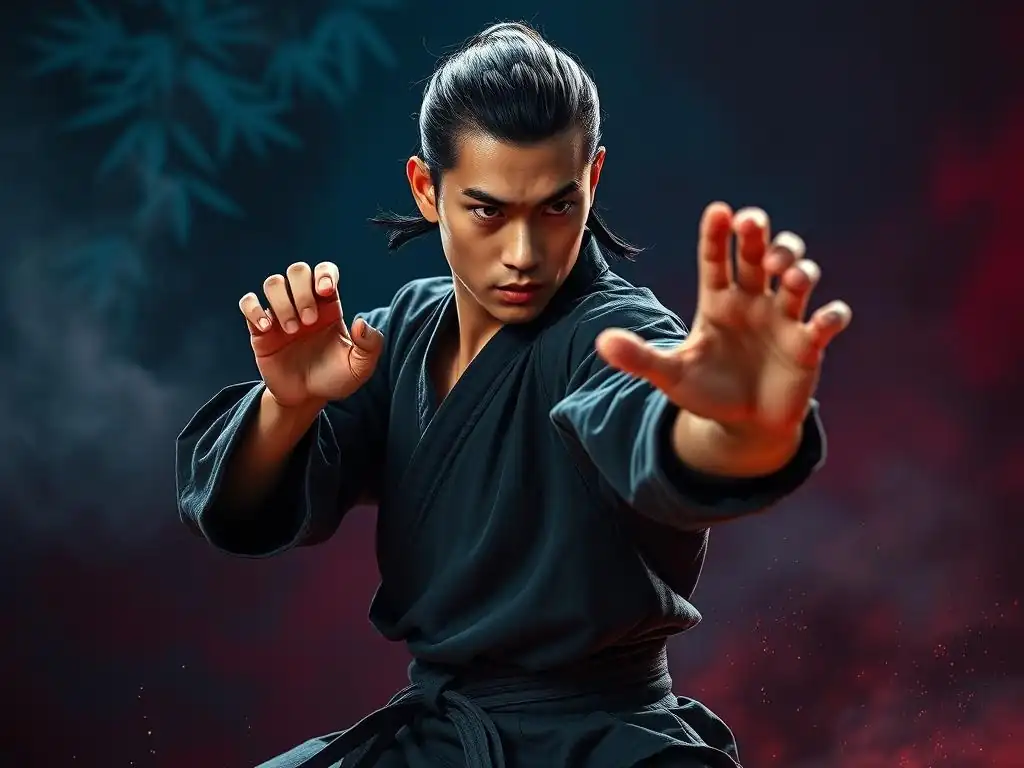
Welcome to Martial Arts Mastery, your gateway to unlocking the secrets of combat traditions worldwide! Ever wondered where the raw power of the tiger meets the disciplined art of self-defense? Dive in and discover the foundational principles of Hu Quan – the Tiger Style. Our comprehensive guide to Hu Quan beginner training starts here, revealing the first steps on your journey to mastering this formidable art. Curious about channeling the tiger within? Read on to begin your transformation!
- Introduction to Hu Quan: The Power of the Tiger in Kung Fu
- Getting Started with Hu Quan Beginner Training: Foundational Principles
- Basic Hu Quan Forms and Drills for New Practitioners
- Strength and Conditioning for Hu Quan: Building the Tiger's Physique
- Understanding the Philosophy and Application of Tiger Style
- Common Mistakes to Avoid in Hu Quan Beginner Training
- Resources for Further Learning: Continuing Your Hu Quan Journey
-
Frequently Asked Questions
- How is Hu Quan different from other martial arts styles?
- What are the essential stances a beginner should master in Hu Quan?
- What specific types of conditioning are important for Hu Quan beginner training?
- How does the philosophy behind Hu Quan influence its training methodology?
- What are some practical self-defense applications a beginner can learn early in Hu Quan?
- Final Reflection: Embracing the Tiger's Path
- Unleash Your Inner Tiger: Start Your Hu Quan Journey Now!
Introduction to Hu Quan: The Power of the Tiger in Kung Fu
What is Hu Quan (Tiger Style) Kung Fu? A Beginner's Overview
Hu Quan, or Tiger Style Kung Fu, is one of the iconic animal styles originating from the legendary Shaolin Temple in China. It is characterized by its emphasis on raw power, bone-breaking strength, and aggressive, direct movements. For those starting their journey in Hu Quan beginner training, understanding its roots is crucial.
This style draws heavily on the perceived attributes of the tiger: its ferocity, muscular power, solid structure, and ability to strike with overwhelming force from a stable base. It's a style focused on developing external strength, particularly in the arms, shoulders, and legs, while cultivating a fierce, focused internal spirit.
Historically, the development of Shaolin animal styles is often attributed to observing the natural movements and fighting characteristics of various animals and adapting them for combat. While specific dates are debated among martial arts historians, the integration of animal forms into Shaolin practice likely evolved over centuries, with the Tiger style becoming a cornerstone known for its directness and power. A significant portion of Hu Quan beginner training focuses on building a powerful physical structure and the mental fortitude needed to execute its demanding techniques effectively.
The Essence of Tiger Style: Strength, Aggression, and Close-Range Combat
The core essence of Hu Quan lies in its cultivation of formidable physical strength and a controlled, aggressive mindset. Unlike styles that might prioritize evasion or fluidity, Tiger style seeks to meet force with force, breaking through an opponent's defenses with powerful strikes and grappling techniques. The primary focus is on close-range combat, utilizing techniques designed to inflict significant damage rapidly, targeting vital points with bone-crushing grips and strikes. This aspect is fundamental to effective Hu Quan beginner training.
Developing the tiger's strength involves rigorous physical conditioning. Practitioners build powerful grips resembling a tiger's claw, strong stances that provide an unshakeable base, and explosive power in their strikes. The aggression is not uncontrolled rage but a focused, determined intent to overcome the opponent swiftly and decisively. This combination of physical power, mental focus, and close-range efficacy defines the unique character of Hu Quan among martial arts styles.
Hu Quan's Place in Shaolin Animal Styles
Hu Quan holds a prominent and distinct position within the traditional Shaolin Five Animal Styles (Tiger, Crane, Leopard, Snake, Dragon). Each style embodies different combat principles and physical attributes. While the Crane focuses on evasion and long-range strikes, the Leopard on speed and angled attacks, the Snake on flexibility and vital point strikes, and the Dragon on internal energy and dynamic movement, the Tiger style is the embodiment of raw, external power and direct confrontation.
In the Shaolin system, training in multiple animal styles was often encouraged to create a well-rounded martial artist. The Tiger style provides the essential foundation of strength and aggression, complementing the other styles. For example, a practitioner might use Tiger techniques for initial power and grappling, then transition to Snake techniques for precision strikes, or Crane for defensive maneuvering. Therefore, mastering the fundamentals of Hu Quan beginner training provides a powerful base from which to explore the broader Shaolin system.
Getting Started with Hu Quan Beginner Training: Foundational Principles
Essential Stances for Tiger Style: Building a Solid Base
Solid stances are the bedrock of all powerful martial arts, and in Hu Quan, they are paramount for generating and supporting the style's characteristic strength. For Hu Quan beginner training, mastering basic stances like the Horse Stance (Ma Bu) and the Bow Stance (Gong Bu) is non-negotiable. The Ma Bu, a wide, low stance, builds immense leg strength and provides a stable platform for strikes and grappling. The Gong Bu, a forward-leaning stance, is used for powerful forward movements and strikes.
Developing strength and stability in these stances requires consistent practice. Beginners are often advised to hold the Horse Stance for periods ranging from 1 to 5 minutes or even longer as endurance improves. This practice builds the foundational leg strength essential for powerful strikes and rooted movement. The Bow Stance needs to be low and stable, ensuring that the power generated from the legs can be efficiently transferred through the body into the techniques. Neglecting stance training is a common pitfall in Hu Quan beginner training.
Hand Techniques in Hu Quan: Claws, Strikes, and Blocks for Beginners
The signature hand technique of Hu Quan is undoubtedly the Tiger Claw (Hu Zhao). This is not a simple grab but a powerful technique involving the entire hand, often used to attack vital points, tear flesh, or grasp limbs and joints with bone-crushing force. Learning to properly form and apply the Tiger Claw is a central part of Hu Quan beginner training. This involves strengthening the fingers, wrist, and forearm.
Beyond the claw, beginner Hu Quan training also incorporates powerful strikes. These include palm strikes, which utilize the heel of the hand for blunt force trauma, and various punches, often delivered from a close range with full body weight behind them. Basic blocks are also taught, focusing on powerful deflections using the forearm or palm, designed to redirect or even break an incoming attack. Practicing these techniques repetitively, perhaps executing 50-100 repetitions of basic palm strikes or claw formations daily, helps build the necessary muscle memory and power.
Footwork Fundamentals: Agile Movement and Positioning
While Hu Quan emphasizes rooted power from stable stances, effective movement is still critical. Footwork in Tiger style is designed to facilitate powerful forward advances, retreats, and lateral adjustments while maintaining a low center of gravity and a strong connection to the ground. Basic footwork for Hu Quan beginner training includes simple steps like the 'linking step' (Lian Bu), which smoothly connects stances and techniques.
The goal of Hu Quan footwork is not necessarily speed or elaborate evasions, but rather solid, grounded movement that allows the practitioner to close distance effectively for close-range combat or adjust position while maintaining balance and power. Drills often involve stepping into and out of basic stances, practicing smooth transitions while maintaining a low profile. Developing this rooted agility ensures that the power generated from the stances can be delivered effectively through strikes and grappling.
Basic Hu Quan Forms and Drills for New Practitioners
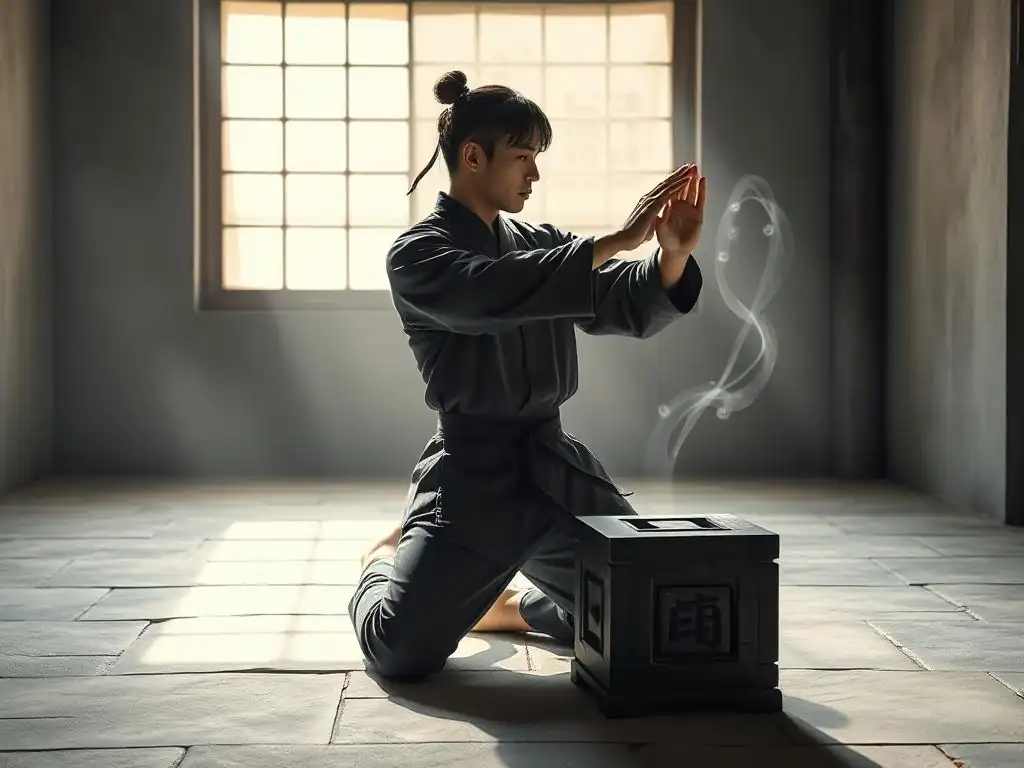
Learning Your First Tiger Form: Lian Bu Quan (Linking Step Fist)
For many starting Hu Quan beginner training, their first introduction to a structured sequence of movements is often a foundational form like Lian Bu Quan (Linking Step Fist). While not exclusively a Tiger style form, it is a common beginner form in many Northern Chinese martial arts systems, including those that incorporate animal styles. Lian Bu Quan teaches essential stances, basic steps (the "linking step"), and fundamental hand techniques, providing a framework upon which more complex Hu Quan movements can be built.
Lian Bu Quan typically consists of around 20-30 movements, combining various stances, simple strikes, and basic footwork. Mastering this form helps beginners develop coordination, balance, and the ability to link individual techniques into a flowing sequence. Practicing Lian Bu Quan allows students to internalize the basic principles of movement and power generation necessary for later, more specialized Tiger forms. Consistent repetition, aiming for smooth transitions and strong execution of each posture, is key.
Mastering the "Tiger Claw" Technique: A Step-by-Step Guide
Mastering the Tiger Claw (Hu Zhao) is a specific focus within Hu Quan beginner training. This technique involves forming the hand into a powerful claw shape, with fingers slightly bent and tense, and the wrist locked and strong. The application involves striking with the tips of the fingers or the palm heel, often followed by a powerful ripping or gripping motion.
Steps for practicing the Tiger Claw might include:
- Forming the hand: Curl fingers firmly but not rigidly, keeping the palm open but tense. The wrist should be strong and straight or slightly flexed.
- Developing strength: Practice holding the claw shape for extended periods. Perform finger tip push-ups against a wall or the floor as strength increases. Grip exercises using hand grippers or buckets of sand/rice also build necessary forearm and finger strength.
- Application drills: Practice striking a padded target with the fingertips or palm heel, focusing on a snapping motion. Follow this with a simulated ripping or grasping action. Repetition is crucial; aim for hundreds of repetitions across various angles.
Developing Power and Speed: Essential Drills for Hu Quan Beginners
Developing explosive power and controlled speed is vital for effective Tiger style application. For Hu Quan beginner training, drills often focus on building foundational strength and learning to generate power from the ground up. Simple drills include practicing basic stances for extended durations to build leg endurance and strength.
Other essential drills involve striking practice. Hitting a heavy bag or impact pads with palm strikes and simulated claw attacks helps develop power and learn proper body mechanics. Shadow boxing, focusing on executing techniques with intent and speed while maintaining form, is also crucial. Repetitive execution of basic combinations, such as a forward bow stance step followed by a palm strike or claw, helps develop both power and the linking of movements. For example, practicing a sequence of five powerful forward steps with strikes, followed by five retreating steps, builds both power and conditioning.
Strength and Conditioning for Hu Quan: Building the Tiger's Physique
Bodyweight Exercises for Tiger Strength and Endurance
A powerful physique is fundamental to Tiger style Kung Fu. Hu Quan beginner training heavily emphasizes body conditioning to build the necessary strength and endurance. Bodyweight exercises are particularly effective as they build functional strength relative to one's own body mass, which is directly applicable to martial arts movements.
Key bodyweight exercises include push-ups (developing chest, shoulder, and arm strength for strikes), squats and lunges (building powerful legs for stances and movement), and planks (strengthening the core for stability and power transfer). Pull-ups or inverted rows are also beneficial for back and arm strength, useful in grappling and pulling techniques. Incorporating 3 sets of 10-20 repetitions of these exercises, several times a week, can significantly enhance the physical capabilities required for Hu Quan.
Flexibility and Range of Motion for Tiger Style Techniques
While known for its strength, Hu Quan also requires a degree of flexibility, particularly in the hips, shoulders, and wrists, to execute techniques effectively and avoid injury. Flexible hips allow for deeper stances and more stable movement. Flexible shoulders are necessary for powerful, uninhibited arm movements and strikes. Strong, flexible wrists are absolutely critical for the Tiger Claw technique.
Incorporating stretching into your Hu Quan beginner training routine is essential. Focus on dynamic stretches before training to warm up muscles and static stretches after training to improve flexibility. Specific stretches targeting the hip flexors, hamstrings, shoulder rotator cuff, and wrist extensors/flexors are highly recommended. Aiming for even a moderate improvement in range of motion, such as being able to comfortably hold a low Horse Stance, will greatly benefit your training.
The Importance of Qigong and Breathing Exercises in Hu Quan Training
Beyond physical strength, internal cultivation through Qigong (energy work) and proper breathing is integral to advanced martial arts practice, including Hu Quan. While perhaps less emphasized in initial Hu Quan beginner training compared to physical drills, understanding its importance early on is beneficial. Qigong helps cultivate internal energy (Qi), improve circulation, and calm the mind.
Specific breathing exercises, often deep diaphragmatic breathing, are used to synchronize movement with breath, enhance power generation, and maintain focus during intense training or combat. Practicing simple standing Qigong postures or mindful breathing for 10-15 minutes daily can improve concentration, build internal stability, and lay the groundwork for more advanced internal aspects of Hu Quan later in your journey.
Understanding the Philosophy and Application of Tiger Style
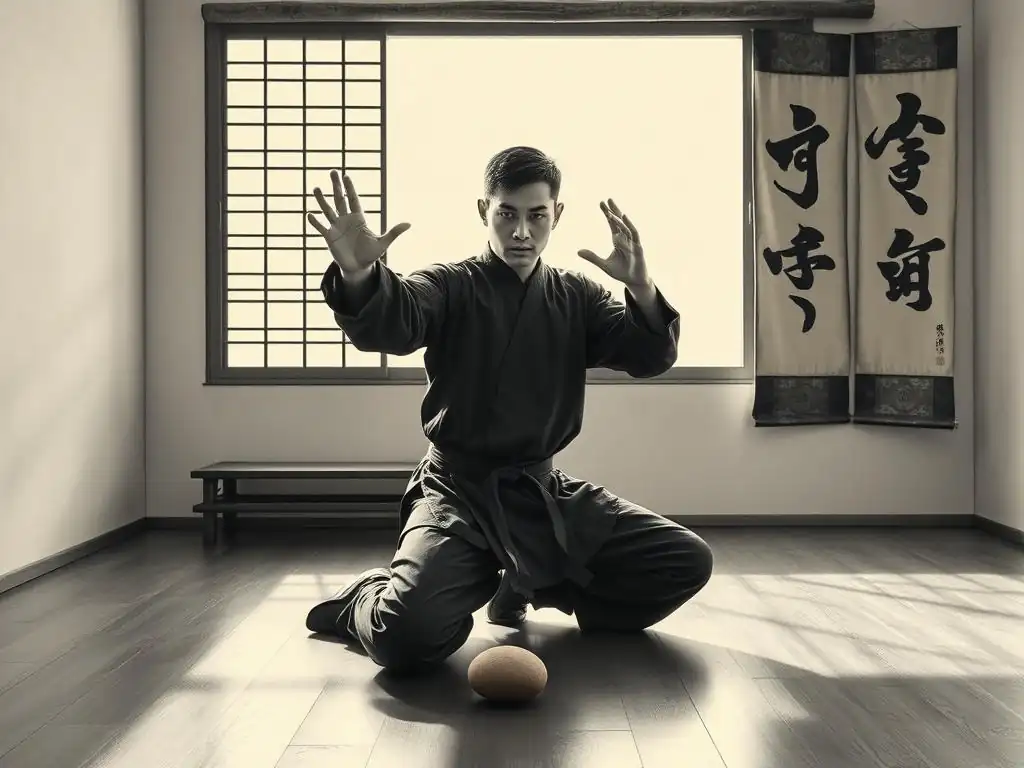
The Aggressive Mindset: Cultivating Focus and Determination
The aggressive nature of Tiger style Kung Fu is not about uncontrolled rage, but about cultivating a highly focused and determined mindset. It embodies the spirit of a tiger stalking its prey – patient, observant, and then striking with explosive, unwavering intent. For Hu Quan beginner training, understanding this distinction is crucial. It's about developing mental fortitude, courage, and the ability to act decisively under pressure.
Cultivating this mindset involves mental discipline as much as physical training. Practices like meditation or simply focusing intensely on executing techniques during training can help develop concentration and mental toughness. The determination to push through physical discomfort in conditioning drills directly translates into the mental resilience needed to face an opponent with the tiger's unwavering resolve. This internal strength complements the external power of the techniques.
Self-Defense Applications: Using Hu Quan in Real-World Scenarios
Hu Quan's focus on powerful, direct techniques and close-range combat makes it highly effective for self-defense. The techniques are designed to incapacitate an aggressor quickly and decisively. For example, a well-executed Tiger Claw to the face or neck can cause immediate pain and disorientation, creating an opportunity to escape or follow up. A powerful palm strike to the chest or solar plexus can have a similar disabling effect.
Training in self-defense applications within Hu Quan beginner training often involves scenario-based drills, practicing responses to common attacks like grabs or pushes. The emphasis is on using the tiger's power and directness – breaking grips with sheer force, striking vital points, and using powerful stances to maintain balance and deliver impact in confined spaces. While hypothetical, practicing breaking a simulated grab from a training partner using a powerful stance and simultaneous strike illustrates the practical application of Hu Quan principles.
Respect and Discipline: The Ethical Considerations of Tiger Style
Given the inherent power and aggressive nature of Hu Quan, the ethical considerations of its use are paramount. True mastery involves not just physical skill but also profound respect for the art, for fellow practitioners, and for oneself. Discipline is required to control such power and ensure it is only used appropriately – in self-defense when there is a clear and present danger.
Hu Quan beginner training should instill a strong sense of responsibility. Understanding that the techniques learned are potentially very harmful necessitates a disciplined approach to practice and application. This includes controlling power during partner drills, showing respect for training partners and instructors, and adhering to the principle that martial arts are for self-improvement and defense, not aggression or bullying. The tiger's power is controlled and unleashed only when necessary.
Common Mistakes to Avoid in Hu Quan Beginner Training
Rushing the Fundamentals: The Importance of Patience
One of the most common mistakes beginners make in any martial art, particularly one emphasizing foundational strength like Hu Quan, is rushing through the basics. Impatience to learn complex forms or flashy techniques can lead to a weak foundation. In Hu Quan beginner training, this might manifest as not holding stances long enough, practicing strikes with poor structure, or neglecting essential conditioning.
Mastering the fundamentals – strong stances, proper body alignment, basic strikes, and footwork – takes time and dedicated repetition. Trying to move on too quickly will result in techniques that lack power, stability, and effectiveness. Experienced practitioners often spend years refining their basic stances and techniques. Patience and consistent, focused practice on the foundational elements are far more valuable than attempting advanced movements prematurely.
Neglecting Body Conditioning: Building a Solid Foundation
Another critical error in Hu Quan beginner training is underestimating or neglecting the importance of physical conditioning. Tiger style is demanding; it requires strong legs, core, arms, and particularly powerful hands and wrists. Without dedicated strength and flexibility training, practitioners will struggle to execute techniques with the required power and risk injury.
Trying to perform powerful palm strikes or Tiger Claws without the necessary forearm and wrist strength, or attempting low, long stances without adequate leg power, will lead to frustration and poor performance. Integrating bodyweight exercises, grip training, and stretching as a regular part of the training routine is not optional; it is essential for building the physical foundation necessary to truly embody the power of the tiger.
Misunderstanding the Aggressive Nature of Tiger Style
A significant philosophical mistake beginners can make is misunderstanding the aggressive nature of Tiger style as promoting anger or uncontrolled violence. As discussed, the tiger's aggression is focused intent and determination, not blind rage. Adopting an overly aggressive or reckless attitude in training or potential self-defense situations is counterproductive and dangerous.
True Tiger style aggression is controlled, strategic, and purposeful. It's about having the courage to face a threat directly and the determination to overcome it efficiently. Allowing ego or uncontrolled emotion to dictate actions deviates from the disciplined spirit of Hu Quan. Maintaining composure while embodying fierce resolve is a key aspect of the Tiger's spirit that beginners must strive to understand and cultivate.
Resources for Further Learning: Continuing Your Hu Quan Journey
Recommended Books and Videos for Tiger Style Beginners
For those engaged in Hu Quan beginner training and seeking to deepen their understanding, supplementing physical training with theoretical knowledge is highly beneficial. While direct, hands-on instruction is irreplaceable, books and videos can offer insights into history, philosophy, and technique details.
Look for resources that specifically cover Shaolin Kung Fu, the Five Animal Styles, or dedicated texts on Tiger style itself. Many historical texts or modern interpretations discuss the principles, forms, and applications. While specific titles are beyond the scope here, seeking out materials from reputable martial arts scholars or practitioners with proven lineage can provide valuable context and supplementary instruction to enhance your training journey.
Finding a Qualified Hu Quan Instructor: Guidance and Mentorship
The most crucial resource for serious Hu Quan beginner training is a qualified instructor. Martial arts are traditionally passed down from teacher to student, and the nuances of body mechanics, power generation, and philosophical understanding are best learned through direct guidance. An experienced instructor can correct mistakes, provide personalized feedback, and guide you safely through the demanding physical aspects of the style.
When seeking an instructor, look for someone with a clear lineage, significant years of training and teaching experience, and a teaching style that resonates with you. Visiting different schools or classes, if possible, can help you find the right mentor to guide you through the complexities of Tiger style Kung Fu and ensure your Hu Quan beginner training is built on a solid foundation.
Exploring Advanced Techniques and Forms: Expanding Your Knowledge
Once the fundamentals of Hu Quan beginner training are firmly established, the path opens to exploring more advanced techniques and forms. This might include more complex Tiger forms specific to a particular lineage, two-person drills for application practice, or conditioning methods like Iron Palm/Iron Body training (approaches focused on hardening the body, often involving striking hard surfaces, undertaken only under expert supervision).
Advanced training delves deeper into the internal aspects of the style, refining power generation and mental focus. While this is a journey that takes years, having an awareness of these future stages can provide motivation during the foundational stages of your Hu Quan beginner training. The world of Tiger style is vast, offering a lifetime of learning and mastery.
Frequently Asked Questions
How is Hu Quan different from other martial arts styles?
Hu Quan, often called Tiger Style, focuses on powerful strikes and aggressive movements mimicking a tiger. Unlike styles emphasizing fluidity, Hu Quan prioritizes brute force and directness.
What are the essential stances a beginner should master in Hu Quan?
Beginners should focus on mastering the horse stance, bow stance, and cat stance. These stances provide the foundation for power generation and stable movement in Hu Quan.
What specific types of conditioning are important for Hu Quan beginner training?
Conditioning for Hu Quan should prioritize strength training, focusing on upper body power and core stability. Grip strength is also vital for effective claw strikes.
How does the philosophy behind Hu Quan influence its training methodology?
The philosophy emphasizes assertiveness, courage, and unwavering determination. This translates into a training methodology that pushes students to overcome limitations and embrace aggressive tactics.
What are some practical self-defense applications a beginner can learn early in Hu Quan?
Early Hu Quan training focuses on basic strikes, blocks, and escapes from common grabs. These techniques provide a foundation for self-defense while building fundamental skills.
Okay, here's a final reflection tailored for your "Tiger Style for Beginners: Your First Steps into the World of Hu Quan" article, optimized for the keyword "Hu Quan beginner training":
Final Reflection: Embracing the Tiger's Path
The journey into Hu Quan, or Tiger Style Kung Fu, is more than just learning a series of movements; it's about cultivating inner strength and discipline. This beginner training, as we've explored, offers a pathway to not only physical prowess but also a deeper understanding of oneself and the principles of martial arts. The foundational techniques we've covered are the seeds from which a powerful and transformative practice can grow, relevant now as ever in a world that demands both resilience and mindful action.
The enduring appeal of Hu Quan lies in its ability to connect us to a rich cultural heritage while simultaneously providing practical tools for self-improvement. My own exploration of martial arts has taught me the profound impact that disciplined practice can have on both body and mind, fostering a sense of calm amidst chaos. The journey of a thousand miles begins with a single step.
This ancient proverb perfectly encapsulates the spirit of Hu Quan beginner training – each stance, each strike, each breath is a step towards mastery, not just of the art, but of oneself.
Now, as you stand at the threshold of your own Hu Quan journey, I encourage you to embrace the challenge with courage and dedication. Let the principles of Tiger Style – its power, its grace, its unwavering focus – guide you not only in your training but also in your daily life. Cultivate the strength within, hone your focus, and remember that every beginner was once where you are now. The path of the tiger awaits; are you ready to walk it?
Unleash Your Inner Tiger: Start Your Hu Quan Journey Now!
Thank you for exploring the foundational aspects of Hu Quan! We hope this article has ignited your interest in this powerful and dynamic martial art. Now, it's time to take the next step and experience the "Tiger Style" firsthand.
Here are a few ways to get started:
- Seek out a qualified Hu Quan instructor in your area. This is the most effective way to learn the art safely and correctly.
- Explore online resources like videos and forums to deepen your understanding of Hu Quan's principles and movements.
- Share this article with a friend who might be interested in martial arts, and consider training together!
What's the first "Tiger Claw" technique you'll be practicing this week? Let's hear about your journey in the comments!