
Training Drills to Perfect Your Silat Pukulan

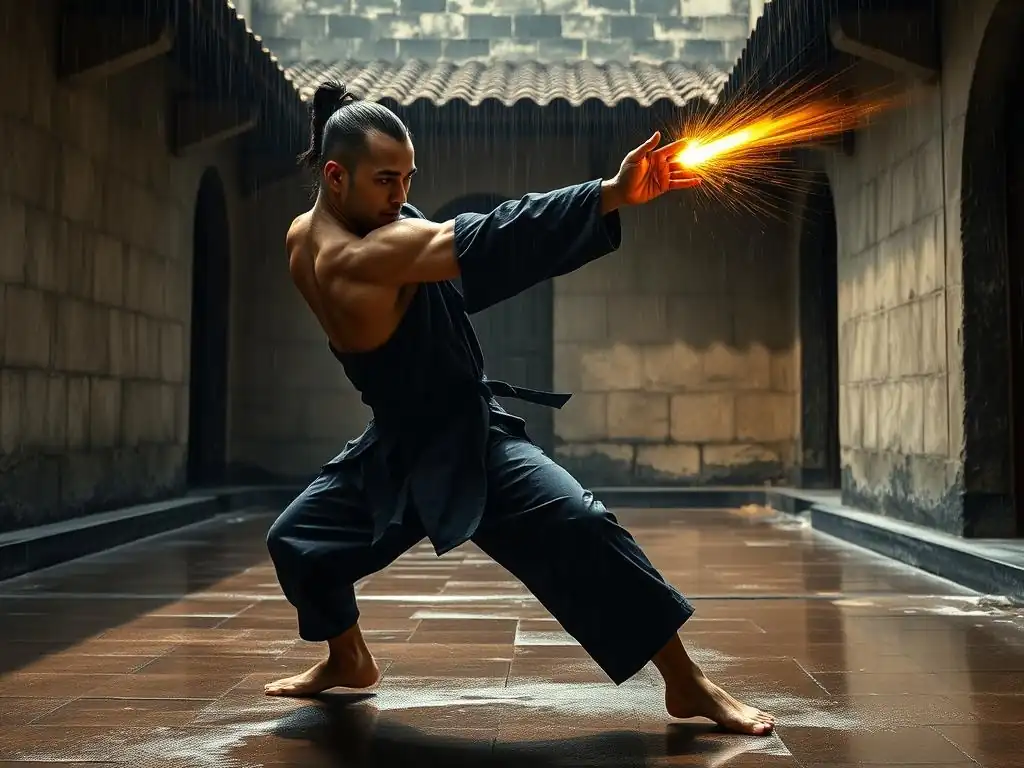
Welcome to Martial Arts Mastery, your ultimate resource for unlocking the secrets of combat. Delve into the rich history, intricate techniques, and profound philosophies that define martial arts across the globe. Intrigued by the lightning-fast strikes and devastating power of Silat? In this article, we dissect crucial Silat Pukulan training drills, revealing how you can develop explosive speed and precision.
But this is just the beginning. Discover how these drills fit into the broader context of Silat and explore how they can elevate your overall martial arts proficiency. What other secrets does Silat hold, and how can you unlock its full potential? Read on to find out!
- Silat Pukulan Training Drills to Master Striking Power
- Essential Silat Pukulan Training Drills for Enhanced Striking
- Advanced Silat Pukulan Training Methods
- Optimizing Your Silat Pukulan Training
-
Frequently Asked Questions
- What is Silat Pukulan and why are training drills important?
- What are some examples of common Silat Pukulan training drills?
- How often should I practice Silat Pukulan training drills?
- What equipment is typically used for Silat Pukulan training drills?
- Can Silat Pukulan training drills be modified for different skill levels?
- Final Reflection: Mastering the Art of the Strike
- Ignite Your Silat Pukulan Potential!
Silat Pukulan Training Drills to Master Striking Power
Defining Pukulan in Silat: More Than Just a Punch
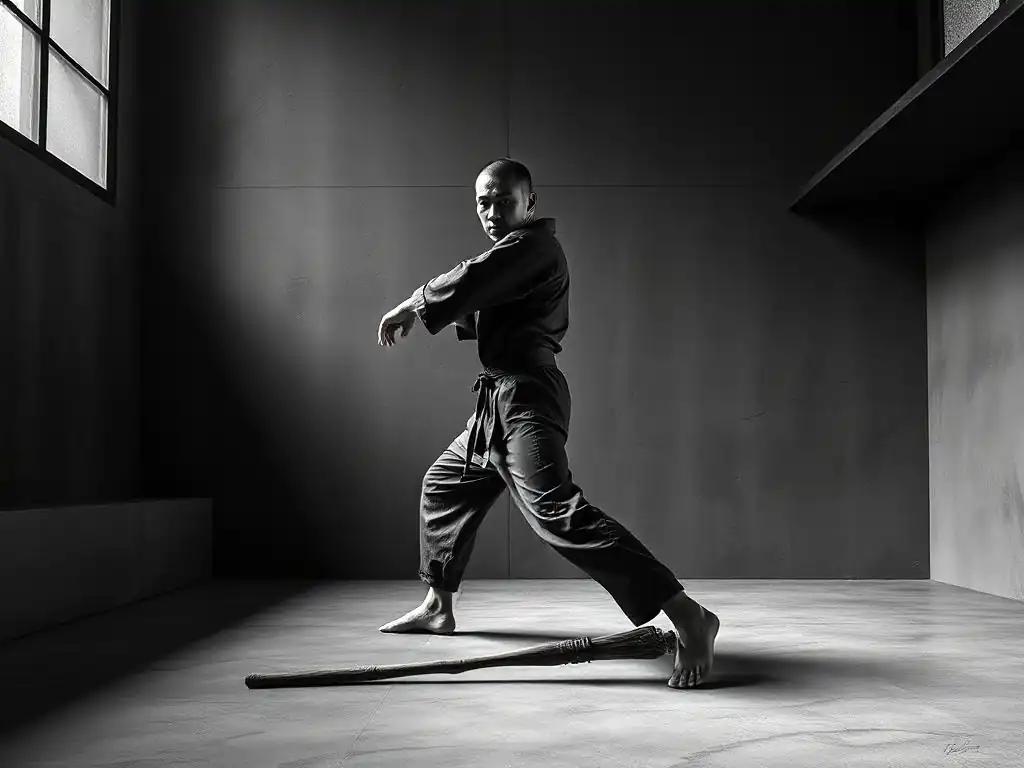
Pukulan, within the diverse world of Silat, refers specifically to the striking aspects of the art. It encompasses a wide array of hand, elbow, knee, and even head strikes, emphasizing explosive power, precision, and dynamic movement. Unlike some martial arts that focus solely on linear attacks, Silat Pukulan often utilizes circular, whipping, and corkscrew motions, designed to penetrate defenses and strike vital targets from various angles. These techniques are deeply rooted in the practical self-defense needs of the archipelago, prioritizing effectiveness in close-quarters combat scenarios.
The term "Pukulan" itself translates roughly to "striking" or "hitting," but its application in Silat is far more nuanced. It involves intricate footwork, body mechanics, and the generation of tenaga dalam (internal power) or tenaga lahir (external power) depending on the specific aliran (lineage) being practiced. Mastering Silat Pukulan training drills is essential not just for learning the techniques, but for understanding the underlying principles of force generation, timing, and distance management that make these strikes so potent and unique to Silat.
The Principles Behind Effective Silat Striking Techniques
Effective Silat striking techniques are built upon several core principles. Firstly, the concept of langkah (footwork and body movement) is paramount; strikes are rarely delivered from a static position. Dynamic movement allows practitioners to generate power, evade attacks, and create advantageous angles. Secondly, the principle of sambutan (receiving or intercepting) is key, often integrating strikes with defensive movements or simultaneous attack-defense actions. This contrasts with purely offensive striking systems, as Silat Pukulan training drills frequently involve counter-striking scenarios.
Another vital principle is the efficient transfer of force from the ground up through the body. This involves coordinated movement of the feet, hips, core, and shoulders to deliver maximum impact with minimal telegraphing. Additionally, Silat Pukulan emphasizes striking vulnerable points on the opponent's body, aiming for disruptive, disabling, or debilitating effects rather than simply accumulating points. This focus on practical application influences the design and execution of all Silat Pukulan training drills, ensuring techniques are functional and adaptable to real-world situations.
Key Attributes for Pukulan Success: Speed, Power, and Precision
Achieving mastery in Silat Pukulan requires the development of several intertwined attributes: speed, power, and precision. Speed is crucial for delivering strikes before an opponent can react or defend effectively. This isn't just about arm speed, but the speed of the entire body's movement into the strike. Power, the ability to deliver impactful force, comes from efficient body mechanics, hip rotation, and core engagement, often amplified by the practitioner's body weight and momentum. Generating explosive power is a primary goal of many Silat Pukulan training drills.
Precision involves hitting the intended target with the correct part of the striking surface (knuckles, heel of hand, elbow point, etc.) at the optimal angle. Striking a target just a few inches off can drastically reduce effectiveness. Furthermore, precision extends to timing – delivering the strike at the exact moment of opportunity. Developing these three attributes simultaneously through dedicated Silat Pukulan training drills is what allows a practitioner to transition from merely performing techniques to executing truly devastating strikes. Neglecting any one attribute limits the overall effectiveness of the Pukulan.
Essential Silat Pukulan Training Drills for Enhanced Striking
Drill 1: Developing Explosive Power with Body Mechanics
Developing explosive power is fundamental to effective Silat Pukulan. This isn't just about brute strength, but about harnessing the body's kinetic chain to channel force efficiently. Drills focusing on body mechanics break down the complex coordination required, from the initial impulse generated by the legs and feet to the final snap of the striking limb. Practicing these movements repeatedly, often starting slowly to ensure correct form before adding speed, builds the muscle memory necessary for powerful strikes.
These foundational Silat Pukulan training drills often involve solo practice focusing on the flow of movement. For instance, practicing the transition from a low stance to an explosive upward strike, or rotating the hips forcefully while keeping the upper body relaxed until the moment of impact. Such drills isolate components of power generation, allowing practitioners to identify and correct inefficiencies in their movement. The goal is to make the entire body contribute to the strike, not just the arm or leg.
Stance and Footwork Drills for Pukulan Power Generation
Solid stance and dynamic footwork are the foundation of power generation in Silat Pukulan. Drills typically involve practicing transitions between various Silat stances, such as the kuda-kuda (horse stance), langkah tiga (three-step movement), or langkah empat (four-step movement), ensuring stability while allowing for explosive bursts of movement. Practicing stepping patterns like the triangle step or evasive sidesteps helps build leg strength and the ability to shift weight rapidly for generating power from different positions.
A common drill involves starting in a neutral stance and practicing explosive forward steps into a power stance, immediately followed by a simulated strike, repeating this 10-15 times per leg. Another focuses on lateral movement, practicing shuffling or cross-stepping while maintaining a low center of gravity, essential for generating power from side angles. Dedicating 5-10 minutes per training session to focused stance and footwork drills significantly improves the base from which all Silat Pukulan strikes originate.
Hip Rotation Exercises for Maximizing Striking Force
Hip rotation is perhaps the single most critical element for transferring power from the lower body into Silat Pukulan strikes. Exercises specifically targeting this movement pattern are vital. This includes standing torso twists, often performed with a light resistance band or even a staff held across the shoulders, focusing on rotating the hips independently of the shoulders initially, then coordinating them. Medicine ball twists, throwing a medicine ball against a wall or to a partner using rotational force, are also highly effective.
Another valuable exercise involves attaching a resistance band around the hips and practicing explosive rotations as if throwing a powerful punch or elbow strike, performing 3 sets of 15-20 repetitions per side. These exercises train the core and hip muscles to fire quickly and powerfully, directly translating into more impactful strikes. Consistent practice of hip rotation exercises is a cornerstone of effective Silat Pukulan training drills aimed at maximizing striking force.
Core Strengthening Exercises for Silat Pukulan Stability
A strong and stable core is essential for both generating and absorbing force in Silat Pukulan. The core acts as the bridge connecting the power generated by the lower body to the upper body, and a weak core allows energy to dissipate. Exercises like planks (holding for 60-90 seconds), Russian twists (3 sets of 20-30 reps), and leg raises (3 sets of 15-20 reps) build foundational core strength and endurance.
More dynamic core exercises, such as wood chops or Pallof presses using resistance bands, specifically train the core's ability to resist rotation and stabilize the spine during explosive movements, crucial for maintaining balance and delivering powerful strikes. Incorporating 10-15 minutes of dedicated core work into your weekly routine, focusing on both static holds and dynamic rotational movements, provides the necessary stability and power transfer for executing strong Silat Pukulan techniques.
Drill 2: Refining Striking Accuracy and Targeting
Precision in Silat Pukulan means hitting the intended target area with the correct force and timing. Simply hitting the opponent is insufficient; striking specific vital points or vulnerable areas is the goal. Refining accuracy requires dedicated practice that moves beyond just throwing strikes in the air, focusing instead on visualizing or physically targeting specific points.
Accuracy drills build the muscle memory and hand-eye coordination needed to reliably land strikes on small or moving targets. This improves the efficiency of your attacks, ensuring that the force you generate is applied effectively to disrupt or disable an opponent. Integrating these Silat Pukulan training drills into your routine ensures that your power is directed precisely where it will have the greatest impact.
Pad Work Drills: Focusing on Precision and Target Acquisition
Pad work is an invaluable tool for refining striking accuracy and target acquisition in Silat Pukulan. Working with a partner holding focus mitts, Thai pads, or a body shield allows practitioners to practice hitting specific, moving targets. Drills can range from simple single-strike targeting (e.g., hitting the center of the mitt with a specific knuckle) to complex combination targeting (e.g., striking the left rib with an elbow, then the chin with a palm strike).
A typical pad work session for accuracy might involve rounds focusing on hitting small marked areas on the pads, perhaps aiming for a 2-inch circle, for 2-3 minute intervals, repeating combinations 10-12 times per round. The partner can move the pads to simulate a moving target, forcing the striker to adjust their footwork and timing. This immediate feedback on whether the target was hit correctly is essential for developing pinpoint accuracy in Silat Pukulan training drills.
Shadow Boxing Drills: Visualizing and Perfecting Technique
Shadow boxing is a fundamental, yet highly effective, method for perfecting Silat Pukulan techniques and visualizing application. While it doesn't provide external feedback like pad work, it allows practitioners to focus entirely on their form, body mechanics, and movement patterns without the distraction of hitting a physical target. During shadow boxing, the goal is to move as if facing a real opponent, practicing footwork, head movement, and striking combinations.
To enhance accuracy during shadow boxing, practitioners should visualize specific targets on an imaginary opponent, such as the temple, jawline, solar plexus, or knee. Focusing on hitting these visualized points with precision, ensuring the correct angle and striking surface, refines the mental map of targeting. Practicing 3-5 rounds of shadow boxing, focusing on different aspects like movement, defense integration, or specific strike combinations, is a core component of comprehensive Silat Pukulan training drills.
Partner Drills: Applying Accuracy Under Pressure
Partner drills introduce the element of a dynamic, sometimes resisting, opponent, forcing practitioners to apply accuracy under pressure. These drills can involve a partner offering light, predictable movements or defenses, requiring the striker to find openings and land strikes on designated targets. Examples include a partner holding their hands in a basic guard, and the striker practicing slipping through the guard to land palm strikes to the head, or striking around the arms to target the ribs.
More advanced partner drills might involve the partner offering light resistance or attempting simple, slow counter-attacks, requiring the striker to react and maintain accuracy while defending or evading. Practicing specific scenarios, such as breaking grips to strike or striking after a parry, helps integrate accuracy into the fluid nature of combat. Spending 10-15 minutes on focused partner drills during a training session significantly improves the ability to apply accurate Silat Pukulan techniques when faced with a live, moving opponent.
Drill 3: Enhancing Striking Speed and Reaction Time
Speed is a critical factor in the effectiveness of Silat Pukulan. Faster strikes are harder to block, evade, or counter. Enhancing striking speed involves improving the rate at which a strike is initiated and completed, as well as reducing the time it takes to react to an opponent's actions. This requires training the nervous system to fire muscles more quickly and efficiently.
Drills focused on speed and reaction time often involve rapid, repetitive movements or responding quickly to external stimuli. These Silat Pukulan training drills push the practitioner to move beyond deliberate, controlled execution towards explosive, instinctive action. Developing lightning-fast strikes and reactions can make the difference in a dynamic confrontation.
Speed Bag Training: Improving Hand-Eye Coordination and Striking Speed
Speed bag training is an excellent way to improve hand speed, rhythm, and hand-eye coordination, all of which contribute to faster Silat Pukulan strikes. The repetitive striking motion, requiring constant adjustment to the bag's rebound, builds endurance in the shoulders and arms while training the hands to move quickly and accurately.
Starting with short rounds (1-2 minutes) and focusing on maintaining a consistent rhythm, practitioners can gradually increase round length and speed. Integrating different striking surfaces, like the palm heel or the side of the fist, can also make the drill more specific to Silat Pukulan techniques. Even just 5-10 minutes of consistent speed bag work per training session can lead to noticeable improvements in striking speed and coordination for your Silat Pukulan training drills.
Reaction Drills: Responding to Simulated Attacks with Pukulan
Reaction drills are designed to decrease the time it takes to respond to an opponent's actions with a strike or counter-movement. These often involve a partner providing a visual or auditory cue that simulates an attack or opening, prompting the practitioner to react instantly with a pre-determined or spontaneous Silat Pukulan technique. Examples include a partner extending a hand forward (simulating a jab), and the practitioner reacting with a specific parry and counter-strike combination.
Another drill involves the partner holding up a certain number of fingers or calling out a number, and the practitioner responding with a corresponding strike or combination. This forces quick processing and reaction. Practicing these drills for 10-15 minutes, varying the stimuli and required responses, hones the ability to react quickly and appropriately under pressure, making your Silat Pukulan training drills more applicable to live situations.
Footwork Agility Drills: Swift Movement for Offensive and Defensive Pukulan
Agile footwork is crucial for both delivering fast strikes from advantageous positions and reacting quickly to evade attacks. Agility drills improve the ability to change direction rapidly, accelerate, and decelerate, all necessary for dynamic Silat Pukulan. Cone drills, ladder drills, and dot drills are classic examples that improve quickness and coordination of the feet.
Practicing explosive lateral shuffles, forward sprints followed by immediate stops, or pivoting drills enhances the ability to move swiftly into striking range or out of danger. Incorporating 10-15 minutes of dedicated footwork agility drills into your training week directly supports faster movement, which in turn enables quicker and more effective Silat Pukulan techniques, both offensively and defensively.
Drill 4: Integrating Pukulan into Silat Combinations
While individual strikes are the building blocks, true effectiveness in Silat Pukulan comes from the ability to seamlessly chain techniques together into fluid combinations. These combinations often blend strikes with movements, entries, or follow-ups. Training combinations teaches the practitioner to transition smoothly between techniques, maintain balance, and generate power through a sequence of actions.
Integration drills move beyond isolated technique practice and focus on the flow and timing of multiple actions. This represents a higher level of Silat Pukulan training drills, moving towards application in sparring or self-defense scenarios. Mastering combinations makes the practitioner a more unpredictable and dangerous opponent.
Linking Punches, Elbows, and Knees in Seamless Sequences
A core aspect of Pukulan is the close-range nature of many techniques, making elbow and knee strikes particularly valuable additions to punches. Drills focus on transitioning smoothly between these different types of strikes. For example, practicing a combination starting with a palm strike, following immediately with a close-range elbow strike, then transitioning to a knee strike as you close distance further.
These drills are often practiced first in shadow boxing, then on pads or a heavy bag, and finally with a partner offering light resistance. Focusing on the flow and power generation through the entire sequence, ensuring there are no pauses or telegraphing between strikes, is key. Regularly practicing 5-10 different Pukulan combinations for several rounds each builds the necessary muscle memory for seamless execution.
Combining Pukulan with Grappling and Takedowns
Silat is a complete martial art, often integrating striking (Pukulan) with grappling, joint locks, and takedowns. Drills that combine Pukulan with these other elements teach practitioners how to use strikes to set up throws or joint manipulations, or conversely, how to strike effectively from a clinch or after a takedown attempt. For instance, practicing a strike combination that ends by entering into a clinch, or using strikes to distract before attempting a leg sweep.
These integrated drills require understanding the timing and distance needed for each element. A common drill might involve practicing a series of strikes to the upper body, followed immediately by a head-and-arm throw, repeating the sequence 8-10 times per side. This type of training is crucial for developing a holistic Silat game, demonstrating the interconnectedness of all components within Silat Pukulan training drills and beyond.
Sparring Drills: Applying Pukulan in a Dynamic Environment
Sparring drills provide the most realistic environment to apply Silat Pukulan techniques under pressure. These are controlled practice sessions where partners exchange techniques with varying levels of intensity and resistance. Light contact sparring allows practitioners to test their speed, timing, accuracy, and power generation against a moving, reacting opponent without the risk of serious injury.
Specific sparring drills can focus on particular aspects, such as using only Pukulan techniques, or sparring where one partner focuses on defense and the other on offensive Pukulan. Practicing rounds of 2-3 minutes, focusing on applying the techniques learned in isolation drills, helps refine their effectiveness in a dynamic context. Regular sparring, perhaps 1-2 times per week for 20-30 minutes, is indispensable for integrating all aspects of Silat Pukulan training drills into practical application.
Advanced Silat Pukulan Training Methods
Incorporating Weaponry Training for Enhanced Striking
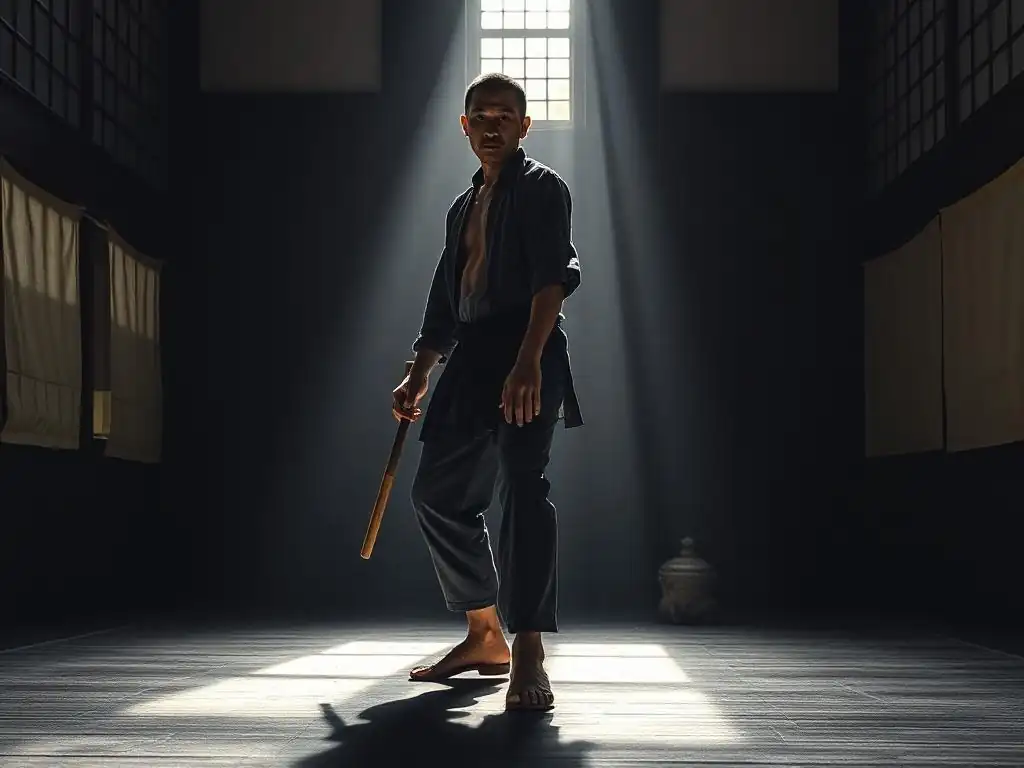
Advanced Silat Pukulan training often incorporates the use of traditional weaponry. While seemingly distinct, weapon practice, particularly with bladed weapons like the keris or golok, or impact weapons like the staff or toya, can significantly enhance empty-hand striking attributes. The principles of movement, distance management, and power generation used with weapons often mirror those used in Pukulan.
Training with weapons like the keris emphasizes close-quarters maneuvering and precise, often circular or whipping, movements that translate directly to empty-hand elbow and palm strikes. Staff training improves body conditioning, range awareness, and the ability to generate force from the core and hips, benefiting powerful punches and body strikes. Incorporating weapon forms and drills, even for short periods (e.g., 15-20 minutes per week), offers a unique perspective that can elevate empty-hand Silat Pukulan skills.
Utilizing Strength and Conditioning for Pukulan Power
While technique is primary, supplementary strength and conditioning are crucial for reaching advanced levels in Silat Pukulan. Increased strength allows for greater potential power output, while conditioning improves endurance, enabling practitioners to maintain intensity through longer exchanges. Compound movements like squats, deadlifts, and overhead presses build overall strength, supporting explosive leg and core power vital for striking.
Explosive exercises such as plyometric push-ups, box jumps, and medicine ball throws specifically train the type of fast-twitch muscle fibers used in powerful, rapid strikes. Conditioning through interval training, like high-intensity rounds on a heavy bag or circuit training incorporating striking movements, builds the stamina needed for sustained Pukulan application. Dedicating 2-3 sessions per week to targeted strength and conditioning complements Silat Pukulan training drills, enhancing physical capacity.
Mental Preparation: Focus and Visualization for Striking Mastery
Beyond the physical, mental preparation is a hallmark of advanced Silat practitioners. Focus and visualization play a significant role in perfecting Pukulan. Maintaining intense focus during training allows for faster learning and correction of technique, ensuring every repetition contributes effectively to skill development.
Visualization involves mentally rehearsing techniques, combinations, and scenarios. Practitioners can visualize themselves performing Silat Pukulan training drills flawlessly, executing powerful and precise strikes, or successfully applying techniques in sparring or self-defense situations. Spending 5-10 minutes daily visualizing perfect execution, focusing on the feeling of power generation and the trajectory of strikes, can significantly improve performance and confidence, reinforcing the physical aspects of Silat Pukulan training drills.
Optimizing Your Silat Pukulan Training
The Importance of Consistent Practice and Feedback
Consistency is the single most important factor in mastering any martial art, including Silat Pukulan. Sporadic training, even if intense, yields limited results compared to regular, consistent practice. Aiming for training sessions several times a week, even if they are shorter (e.g., 3-4 sessions of 60-90 minutes), is far more effective than one long session. This regular repetition builds muscle memory and maintains conditioning.
Equally important is seeking and utilizing feedback. Training with experienced instructors or partners who can observe your technique and identify areas for improvement is invaluable. Recording your training sessions to review your form, or asking partners for specific critiques after drills, provides objective insights that accelerate progress. Integrating consistent practice with constructive feedback is key to optimizing your Silat Pukulan training drills.
Injury Prevention and Recovery for Pukulan Training
Intense Silat Pukulan training drills, especially those focusing on power and speed, carry a risk of injury if not managed properly. Proper warm-up before training (e.g., 10-15 minutes of dynamic stretching and light cardio) and cool-down afterwards (e.g., 5-10 minutes of static stretching) are essential for preparing the body and aiding recovery. Using proper hand wraps and gloves during bag or pad work protects the hands and wrists, critical striking tools.
Listening to your body and allowing adequate recovery time is also vital. Overtraining can lead to burnout and injury. Incorporating rest days (e.g., 1-2 per week), proper nutrition, and sufficient sleep (aiming for 7-9 hours per night) allows muscles and connective tissues to repair and strengthen. Proactive injury prevention and prioritizing recovery ensure you can maintain consistent Silat Pukulan training drills over the long term.
Progressing Your Pukulan Skills: A Step-by-Step Approach
Progressing in Silat Pukulan training drills involves a systematic approach that builds upon foundational skills. Begin by mastering the basic stances, footwork, and individual strike mechanics at a slow, controlled pace, focusing purely on form. Once form is solid, gradually introduce speed and power, first in solo practice or on stationary targets like a heavy bag.
Next, introduce accuracy drills on pads or with targets, and begin practicing basic combinations. Only once you are comfortable executing techniques with speed, power, and accuracy should you move to more dynamic partner drills and light sparring. Continuously revisit foundational drills to reinforce basics while incrementally adding complexity and intensity to your Silat Pukulan training drills, ensuring a steady and safe path to mastery.
Frequently Asked Questions
What is Silat Pukulan and why are training drills important?
Silat Pukulan is a style of Indonesian martial arts focusing on striking. Training drills are important because they build muscle memory and improve the speed and precision needed for effective self-defense.
What are some examples of common Silat Pukulan training drills?
Common drills include shadow boxing to refine technique, partner drills to practice application, and pad work to develop power. These drills are essential for developing practical fighting skills.
How often should I practice Silat Pukulan training drills?
Consistency is key. Ideally, you should practice several times a week, even if it's just for a short period. This ensures continuous improvement and reinforces learned techniques.
What equipment is typically used for Silat Pukulan training drills?
Common equipment includes focus mitts, heavy bags, and training partners for sparring. Using the correct equipment helps develop power and accuracy safely.
Can Silat Pukulan training drills be modified for different skill levels?
Yes, absolutely! Drills can be simplified for beginners and progressively made more complex as skill increases. This allows for personalized progression and continuous learning.
Okay, here's a final reflection designed to resonate with readers of your "Silat Pukulan Training Drills" article, optimized for emotional connection and future engagement:
Final Reflection: Mastering the Art of the Strike
The journey through these Silat Pukulan training drills reveals more than just techniques; it unveils a path to cultivating precision, power, and instinct. In a world that often prioritizes brute force, the nuanced approach of Silat, particularly its striking art, offers a profound lesson in efficiency and control, a lesson that resonates deeply in both physical and metaphorical battles we face daily.
The dedication required to master these drills extends beyond the training mat, influencing our patience, discipline, and understanding of leverage in all aspects of life. The rhythmic repetition, the mindful adjustments, and the eventual flow of movement become ingrained, transforming not only our physical capabilities but also our mental fortitude. The best fighter is never angry.
This ancient wisdom, often attributed to martial arts masters, highlights the importance of calm focus, a quality honed through consistent and dedicated training in the art of Pukulan.
Now, as you step away from this exploration of Silat Pukulan training drills, consider how you can apply the principles of focused practice and mindful movement to your own life. Embrace the challenge of continuous improvement, not just in your martial arts journey, but in every endeavor you pursue. Let the spirit of Silat guide you towards a deeper understanding of yourself and the world around you, empowering you to strike with precision, purpose, and unwavering resolve.
Ignite Your Silat Pukulan Potential!
Thank you for delving into the intricacies of Silat Pukulan training! We hope you've gained valuable insights into refining your striking techniques. Now, it's time to translate that knowledge into action.
- Master the Art: Dedicate at least 15 minutes daily to practicing the drills outlined in this article. Focus on form and precision, not just speed.
- Expand Your Knowledge: Explore other Silat styles and incorporate their unique elements into your Pukulan to broaden your overall martial arts foundation.
- Share and Inspire: Discuss these drills with fellow martial artists and share your training experiences to foster a collaborative learning environment.
What specific adjustment will you make to your Pukulan training routine starting today?