
Building a Resilient Career: Lessons in Perseverance from Martial Arts Training

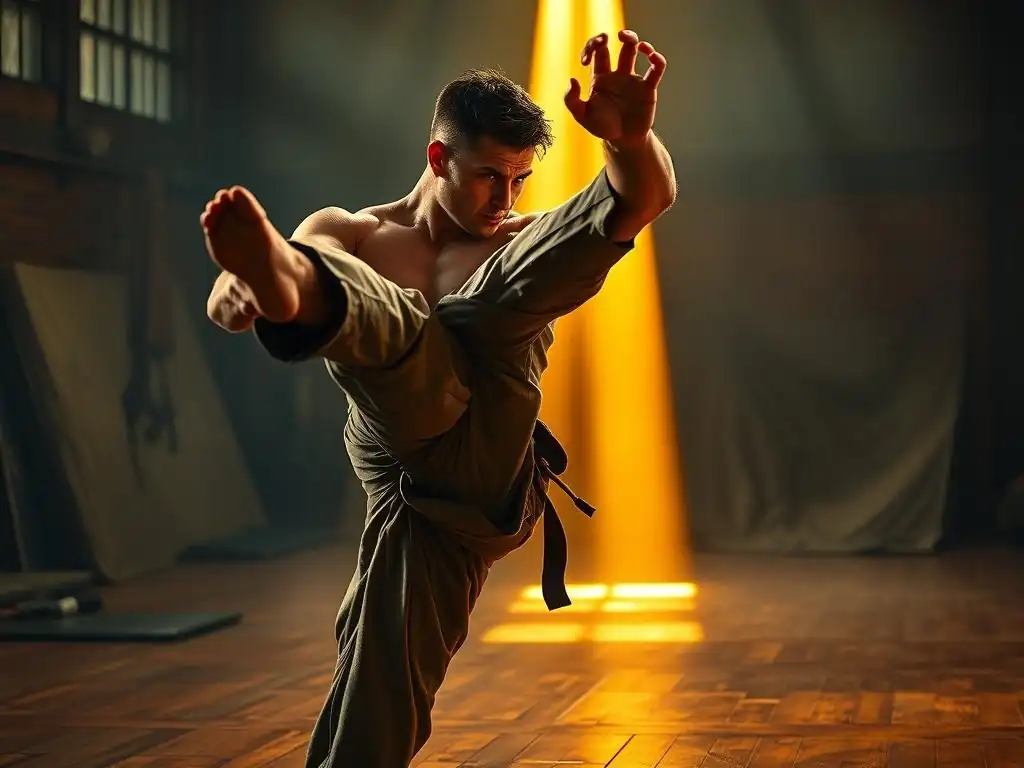
Welcome to Martial Arts Mastery, your gateway to unlocking the secrets of combat, discipline, and inner strength!
Delve into the profound connection between the dojo and life's challenges. Are you ready to discover how the principles of martial arts can forge unshakeable martial arts career resilience? Explore this article to uncover the mindset and strategies employed by legendary practitioners to not only survive but thrive in the face of adversity, and learn how you too can cultivate a career built on perseverance and unwavering focus. What secrets will you uncover?
Defining Career Resilience: Bouncing Back from Setbacks
Career resilience is the capacity to adapt well in the face of adversity, trauma, tragedy, threats, or significant sources of stress in one's professional life. It's not about avoiding challenges, but rather about developing the mental and emotional fortitude to navigate them effectively and emerge stronger.
Think of it as the ability to take a hit – a layoff, a failed project, a difficult boss, a missed promotion – and not only recover but learn from the experience and continue moving forward with renewed purpose. This bouncing-back quality is fundamentally linked to perseverance, enabling individuals to maintain their professional trajectory despite encountering significant obstacles.
In essence, building Martial arts career resilience means cultivating an inner toughness and flexibility, much like a martial artist develops physical conditioning and mental discipline. Just as a judoka learns to fall safely and get back up immediately, or a boxer trains to absorb blows and keep fighting, a resilient professional learns to handle career setbacks without being permanently derailed.
This involves self-awareness to understand one's reactions, problem-solving skills to address the situation, and an optimistic outlook to believe in the possibility of overcoming the challenge. It's an active process of recovery and growth, turning potential defeats into valuable learning opportunities that strengthen one's future prospects.
The Parallels Between Sports Training and Career Development
The journey of mastering a martial art or any demanding sport shares striking similarities with building a successful and resilient career. Both require a long-term commitment, consistent effort, and the willingness to face discomfort and failure.
In martial arts training, you set goals (achieving a new belt, mastering a technique), practice diligently, receive feedback (from instructors or sparring partners), experience setbacks (injuries, losing a match), and learn to push past physical and mental limits. This mirrors the professional world, where individuals set career objectives, continuously develop skills, receive performance reviews, encounter obstacles (project failures, competitive markets), and must persevere through challenges to achieve success.
Furthermore, the principles underpinning effective sports training – discipline, focus, perseverance, and the ability to learn from mistakes – are directly transferable to cultivating Martial arts career resilience. Athletes adhere to strict training schedules even when they don't feel like it, concentrate intensely during practice and competition, and keep pushing forward despite fatigue or disappointing results.
Similarly, a resilient professional maintains discipline in their work habits, focuses on key tasks despite distractions, and perseveres through difficult projects or job searches. The mental toughness forged on the training mat or field provides a powerful foundation for navigating the unpredictable landscape of a modern career, enabling individuals to face adversity with a warrior's spirit.
- Defining Career Resilience: Bouncing Back from Setbacks
- The Parallels Between Sports Training and Career Development
- How does martial arts training contribute to building a resilient career?
- What specific martial arts principles can be applied to overcome career obstacles?
- How can the discipline learned in martial arts training help with career planning and goal setting?
- How does understanding the history of martial arts inspire resilience in a modern career?
- What self-defense strategies taught in martial arts can be metaphorically applied to protect oneself in a competitive career environment?
Frequently Asked Questions
How does martial arts training contribute to building a resilient career?
Martial arts training fosters mental fortitude and adaptability, crucial for navigating career challenges. It teaches you to persevere through setbacks and learn from failures, essential for long-term career success.
What specific martial arts principles can be applied to overcome career obstacles?
Principles like 'never give up', 'adapt to your opponent', and 'focus on continuous improvement' directly translate to career resilience. Applying these helps you navigate difficult situations and maintain a positive mindset.
How can the discipline learned in martial arts training help with career planning and goal setting?
Martial arts instills discipline, enabling you to set realistic goals and create a structured plan to achieve them. This disciplined approach is vital for career advancement and achieving long-term objectives.
How does understanding the history of martial arts inspire resilience in a modern career?
Learning about legendary practitioners who overcame immense challenges can inspire perseverance and dedication. Their stories showcase the power of resilience and provide motivation to overcome career hurdles.
What self-defense strategies taught in martial arts can be metaphorically applied to protect oneself in a competitive career environment?
Just as self-defense protects you physically, understanding strategies like 'awareness', 'de-escalation', and 'assertiveness' can help you navigate workplace conflicts, protect your ideas, and advocate for yourself effectively.
Final Reflection: Embracing the Unbreakable Spirit
The journey through martial arts training, as we've explored, offers profound insights into building a resilient career. The parallels between the dojo and the professional world are undeniable, highlighting the importance of discipline, adaptability, and unwavering commitment in the face of adversity. These are not just abstract concepts, but practical tools for navigating the ever-changing landscape of our careers.
This exploration of martial arts principles and their application to career resilience has underscored the enduring power of mindset. It's a reminder that our ability to persevere, to learn from setbacks, and to continuously refine our skills is the ultimate determinant of our success. The ultimate measure of a man is not where he stands in moments of comfort and convenience, but where he stands at times of challenge and controversy.
- Martin Luther King, Jr. This quote perfectly encapsulates the spirit of both martial arts and a resilient career.
Now, as you step away from this article, I encourage you to reflect on your own journey. How can you incorporate the principles of discipline, adaptability, and perseverance into your daily life? Embrace the challenges ahead, learn from every fall, and remember the unbreakable spirit you possess. Your career, like a martial art, is a lifelong practice. Cultivate it with intention, and you will build a resilience that will carry you through any storm.
Unleash Your Inner Resilience: Take the Next Step!
Thank you for exploring the path of perseverance with us! We hope you found valuable insights on building career resilience through the lessons of martial arts. Now, it's time to translate those lessons into action.
Here's how you can further cultivate your resilient spirit:
- Commit to a small, challenging goal this week. Apply the "one more rep" mentality to a task you've been avoiding or find difficult.
- Explore one new martial art technique or principle. Research its applications in both physical training and overcoming professional obstacles.
- Share your biggest takeaway from this article on social media and tag a colleague who could benefit from these lessons.
What's one obstacle you're ready to face head-on this week, armed with a martial arts mindset?