
Beyond Brute Force: Cultivating Smart Strength for Martial Arts Finesse

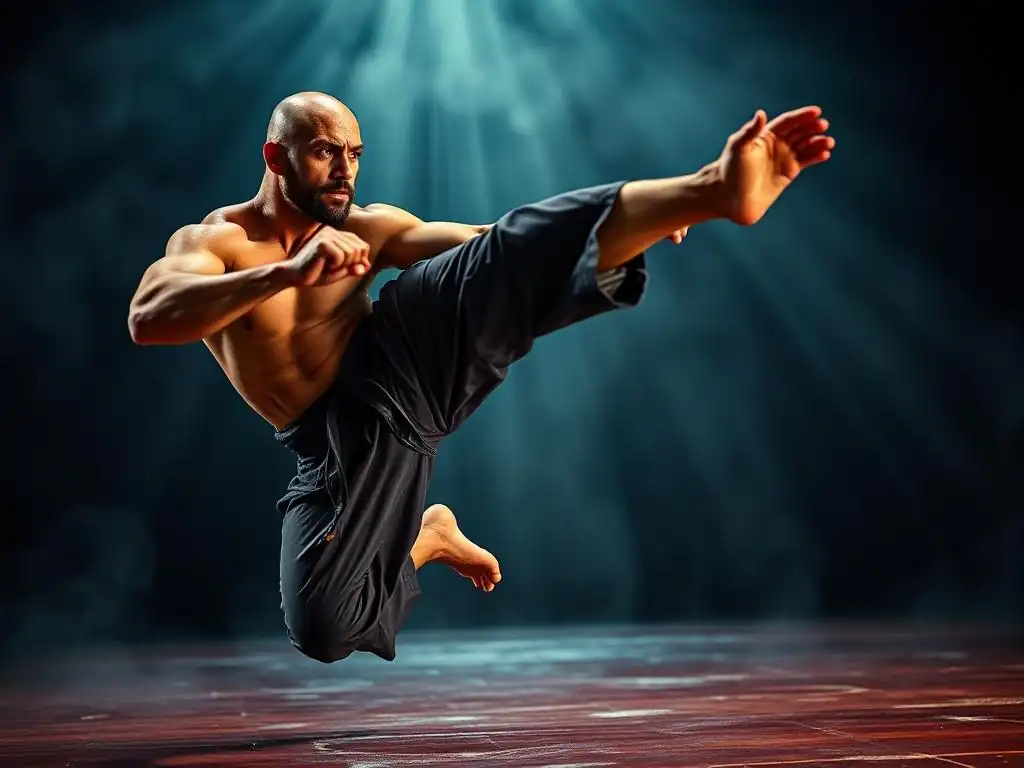
Welcome to Martial Arts Mastery, your ultimate destination for unlocking the secrets of combat excellence. Ever wondered how true masters achieve incredible feats of power and grace? This isn't about raw strength; it's about something far more profound. Dive in to explore how smart strength martial arts finesse can elevate your training, transforming mere power into precise and devastating skill. Intrigued? Let's begin…
- Introduction: The Limitations of Brute Strength in Martial Arts
- Understanding Smart Strength: A Foundation for Martial Arts Mastery
- Key Components of Smart Strength Training for Martial Artists
- Smart Strength Training Programs for Different Martial Arts Disciplines
- Integrating Smart Strength with Technical Training
- Nutrition and Recovery for Smart Strength Development
- Case Studies: Martial Artists Who Excel Through Smart Strength
- Conclusion: Achieving Martial Arts Finesse Through Smart Strength
-
Frequently Asked Questions
- How does "Smart Strength" differ from traditional strength training in martial arts?
- Why is finesse considered important alongside strength in martial arts?
- What are some practical training methods to develop "Smart Strength" for martial arts?
- How can understanding the history of martial arts contribute to developing "Smart Strength"?
- Can "Smart Strength" be applied to self-defense situations, and if so, how?
- Final Reflection: Embracing Intelligent Power
- Unlock Your Inner Warrior: Refine Your Strength!
Introduction: The Limitations of Brute Strength in Martial Arts
In the demanding world of martial arts, power is undeniably important. However, a common misconception is that sheer brute force is the ultimate determinant of success. While physical strength provides a foundation, relying solely on it can lead to inefficiency, predictable movements, and increased risk of injury. A martial artist who depends purely on muscular power often finds themselves exhausted quickly, especially against an opponent who understands leverage and timing. Think of a powerful, but slow, puncher compared to a faster, technically sound striker who utilizes their whole body's kinetic chain.
Martial arts history is replete with examples of smaller, less physically imposing individuals overcoming larger, stronger opponents through superior technique and strategy. This highlights that brute strength alone is insufficient. It can even be a detriment, leading to tunnel vision where the practitioner tries to overpower every situation rather than adapting and exploiting openings. True mastery lies in integrating physical capability with intelligent application, a concept we explore further as smart strength martial arts finesse.
Understanding Smart Strength: A Foundation for Martial Arts Mastery
Defining Smart Strength: More Than Just Muscle Mass
Smart strength goes far beyond simply lifting heavy weights or building large muscles. It is the ability to generate and apply force efficiently, effectively, and intelligently within the context of martial arts movements. This involves not just raw power, but also coordination, balance, mobility, and control. It's about having the right kind of strength in the right place at the right time.
Developing smart strength means training your body to function as a cohesive unit, where muscles, joints, and nervous system work together seamlessly. It emphasizes functional movement patterns that directly translate to martial arts techniques, such as powerful rotations for strikes, stable base for grappling, or explosive movements for takedowns. This integrated approach is key to achieving true smart strength martial arts finesse.
The Difference Between Raw Power and Applied Force in Martial Arts
Raw power can be measured in a weight room – how much you can squat or bench press. Applied force in martial arts is how effectively you can deliver a strike, execute a throw, or maintain control in a clinch. A weightlifter might have immense raw power in a controlled environment, but without the specific coordination and timing, that power doesn't translate into a devastating punch or a successful judo throw against a resisting opponent.
Consider the difference between pushing a heavy object slowly (raw strength) and throwing a lightweight object with maximum velocity (applied force/power). Martial arts require the latter – the ability to rapidly generate force and transfer it through the body into a technique. This applied force relies heavily on the nervous system's ability to recruit muscle fibers quickly and sequentially, rather than just the sheer size of the muscles themselves. Achieving smart strength martial arts finesse involves training for this explosive, coordinated application of force.
The Importance of Technique and Leverage
Technique is the blueprint of martial arts, providing the most efficient way to perform a movement. Leverage is the application of physical principles to gain an advantage, often allowing a smaller force to overcome a larger resistance. Combining technique and leverage allows a martial artist to maximize the force they can generate (their smart strength) and apply it effectively, often minimizing the need for overwhelming brute force.
A well-executed hip throw in judo, for instance, uses the opponent's weight and momentum against them, requiring precise timing and body positioning (technique and leverage) more than raw lifting power. Similarly, a boxer's power comes not just from their arm muscles, but from rotating their hips and core, grounding through their legs, and transferring that force through their shoulder and arm into the punch. This demonstrates how smart strength martial arts finesse is built upon a foundation of solid technique and understanding of leverage.
Key Components of Smart Strength Training for Martial Artists
Mobility and Flexibility: The Cornerstones of Efficient Movement
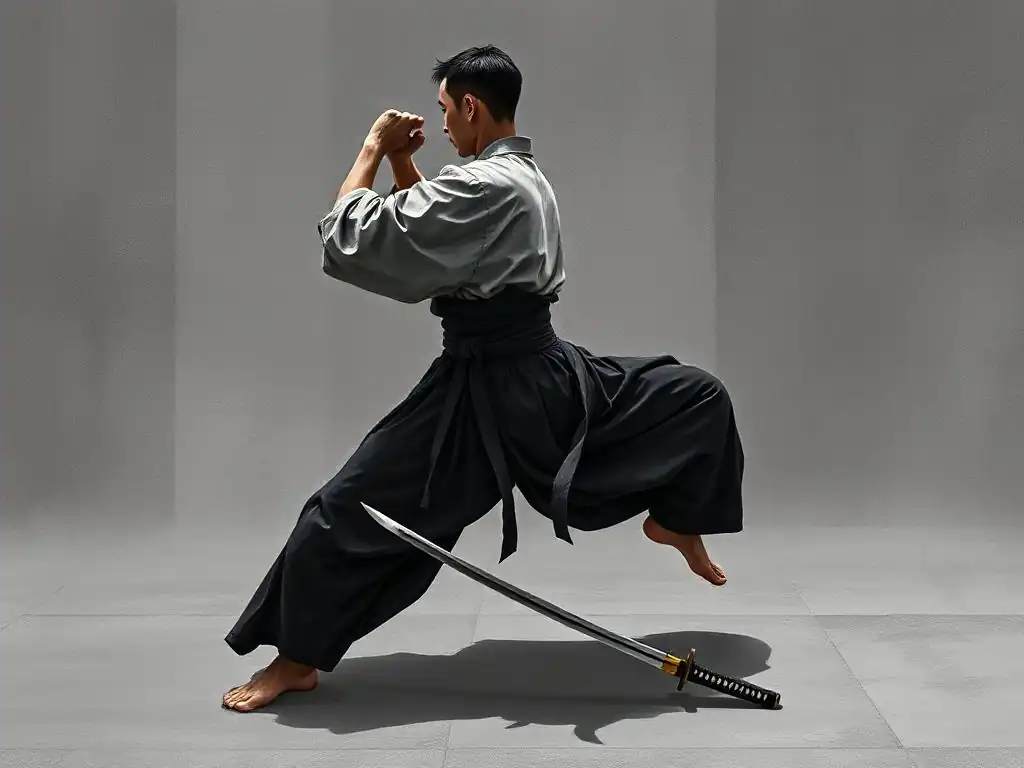
Optimal mobility and flexibility are fundamental to unlocking a martial artist's full potential. Restricted range of motion can limit the power and speed of techniques, increase the risk of muscle strains and joint issues, and compromise defensive capabilities. Having the ability to move freely through a wide range of motion allows for deeper stances, higher kicks, more effective grappling transitions, and overall more fluid and powerful movements.
Developing smart strength requires prioritizing mobility and flexibility alongside traditional strength work. This isn't about becoming hypermobile, but about achieving functional ranges of motion necessary for specific martial arts techniques. For example, good hip mobility is crucial for powerful kicks and low stances in striking arts, while shoulder mobility is vital for effective guard retention and submissions in grappling. This focus ensures your strength can be applied across the full spectrum of movement required for martial arts finesse.
Dynamic Stretching for Enhanced Range of Motion
Dynamic stretching involves moving your joints and muscles through a full range of motion repeatedly. Unlike static stretching (holding a stretch), dynamic stretching prepares the body for activity by increasing blood flow to muscles and improving neuromuscular control. Examples include leg swings (forward/backward and side-to-side), arm circles, torso twists, and hip circles.
Incorporating 5-10 minutes of dynamic stretching before each training session or strength workout can significantly improve performance and reduce injury risk. For a martial artist, this might involve mimicking movements from their discipline, such as controlled kicks or punches in the air, to warm up the specific muscles and joints that will be utilized. This active preparation is a crucial element of building smart strength martial arts finesse.
Joint Health and Injury Prevention
Maintaining healthy joints is paramount for a long and effective martial arts career. Poor mobility can lead to excessive stress on joints, increasing the likelihood of sprains, strains, and chronic issues like tendinitis or arthritis over time. Flexibility training, especially focusing on dynamic movements and controlled stretching, helps to improve joint lubrication and the health of connective tissues.
Specific exercises targeting joint stability, such as controlled articular rotations (CARs) or movements with light resistance bands, can reinforce joint structures. Ensuring adequate rest and recovery also plays a vital role in joint health. By prioritizing mobility and flexibility, martial artists build a more resilient body, allowing them to train consistently and apply their smart strength martial arts finesse without being sidelined by preventable injuries.
Core Strength: The Engine of Power Generation
The core muscles – including the abdominals, obliques, lower back, and hips – are the central link in the kinetic chain that generates power for almost every martial arts technique. A strong core provides stability for the spine and pelvis, allowing for efficient transfer of force from the lower body to the upper body and vice versa. Weak core muscles lead to energy leaks, reducing the power of strikes, throws, and defensive movements.
Think of the core as the transmission system of your body. Without a strong, stable transmission, the power generated by the engine (your legs and hips) cannot be fully transferred to the wheels (your arms and techniques). Developing a robust core is non-negotiable for any serious martial artist aiming for smart strength and the accompanying finesse.
Engaging the Core for Stability and Control
Beyond just generating power, the core is essential for stability, balance, and control, especially during dynamic movements, transitions, and resisting opponents. A strong core helps maintain posture, absorb impacts, and resist being moved off-balance in grappling exchanges or during striking combinations. This stability allows techniques to be executed with greater precision and power.
Learning to consciously engage the core during movements is as important as building the strength itself. This involves bracing the core muscles to create a solid platform for action. For instance, before throwing a punch or initiating a takedown, engaging the core creates a stable base from which to generate and transmit force effectively. This conscious engagement is a hallmark of applying smart strength in martial arts.
Exercises for Developing a Strong Core in Martial Arts
Effective core training for martial arts focuses on exercises that challenge stability and rotational power, not just flexion (like traditional crunches). Examples include planks (and variations like side planks), Pallof presses (anti-rotation), medicine ball throws (rotational power), Russian twists, and hanging leg raises. Incorporating exercises that require dynamic stability, such as single-leg deadlifts or bird-dogs, also builds core strength relevant to martial arts.
A sample core routine might include:
- Plank: 3 sets, hold for 30-60 seconds
- Side Plank: 3 sets per side, hold for 30-60 seconds
- Medicine Ball Rotational Throw: 3 sets of 10-12 repetitions per side
- Hanging Leg Raises: 3 sets of 10-15 repetitions
- Pallof Press: 3 sets of 10-12 repetitions per side
This type of training builds the resilient, functional core strength needed for smart strength martial arts finesse.
Functional Strength: Translating Gym Gains to Martial Arts Performance
Functional strength training focuses on movements that mimic real-world activities and, more importantly for martial artists, sport-specific actions. It emphasizes multi-joint, compound movements that train the body to work together as a unit, rather than isolating individual muscles. This contrasts with bodybuilding, which often targets muscles in isolation for hypertrophy (size).
For martial artists, functional strength means being able to apply force effectively while moving, maintaining balance, and reacting to an opponent. Lifting heavy in a stable machine is different from generating power during a dynamic movement or while resisting an opponent's force. Training functionally ensures that the strength gained in the gym directly enhances performance on the mat or in the ring, contributing significantly to smart strength martial arts finesse.
Compound Exercises for Full-Body Strength
Compound exercises are foundational to functional strength training because they involve multiple joints and muscle groups working simultaneously. Key examples include squats (working legs, glutes, core), deadlifts (working back, legs, glutes, grip), overhead presses (working shoulders, triceps, core), and rows (working back, biceps, forearms). These movements build overall strength, improve coordination between muscle groups, and stimulate hormonal responses conducive to muscle growth and recovery.
Incorporating 2-3 compound lifting sessions per week can build a strong foundation. For instance, a program might include squats and overhead presses on one day, and deadlifts and rows on another. Focusing on proper form is critical to prevent injury and maximize the benefits of these powerful exercises. This type of training is essential for developing the integrated strength required for smart strength martial arts finesse.
Sport-Specific Strength Training Drills
While compound lifts build general strength, incorporating sport-specific drills helps bridge the gap between the weight room and martial arts practice. These drills can involve using resistance bands for explosive strikes, weighted vests for movement patterns, or medicine balls for rotational power relevant to punches, kicks, or throws. For grapplers, exercises like rope climbs, heavy carries, and specific grip strength tools directly translate to mat performance.
For a striker, this might involve banded punch drills or medicine ball rotational throws against a wall. A grappler could incorporate towel pull-ups or partner resistance drills mimicking clinches. These targeted exercises ensure that the general strength developed through compound lifts is refined and applicable to the precise movements needed for smart strength martial arts finesse in their specific discipline.
Explosive Power: Unleashing Force with Speed and Precision
Explosive power, also known as rate of force development, is the ability to generate maximal force in a minimal amount of time. This is critical in martial arts for initiating rapid movements, delivering powerful strikes, executing sudden takedowns, or reacting quickly to an opponent's actions. It's not just about how much force you can produce, but how fast you can produce it.
While strength provides the potential for power, explosiveness is about tapping into that potential rapidly. Training for explosive power focuses on movements performed with speed and intensity, often involving jumping, throwing, or rapid changes in direction. This type of training is vital for translating underlying strength into dynamic, effective techniques, a core element of smart strength martial arts finesse.
Plyometrics for Developing Explosive Movements
Plyometric exercises are designed to improve power by using the stretch-shortening cycle of muscles. This involves a rapid eccentric (lengthening) contraction followed immediately by a powerful concentric (shortening) contraction. Common plyometric exercises include box jumps, jump squats, clap push-ups, medicine ball slams, and bounds. These drills train the nervous system to recruit muscle fibers more quickly and efficiently.
Starting plyometric training requires a solid strength base to prevent injury. Progression should be gradual, focusing on quality of movement over quantity. For example, performing 3-5 sets of 5-8 repetitions of box jumps, focusing on landing softly and immediately exploding upwards again. Integrating plyometrics 1-2 times per week can significantly enhance the ability to generate explosive power needed for smart strength martial arts finesse.
Integrating Power Training into Martial Arts Practice
Power training shouldn't be confined solely to separate strength sessions. Elements of explosive movement can be integrated into regular martial arts practice through specific drills. For instance, practicing rapid, powerful breakfalls in judo, explosive entries for takedowns in wrestling, or rapid-fire punch combinations with focus mitts in boxing all contribute to developing sport-specific power.
Shadow boxing with light weights or resistance bands can also help improve punch speed and power. Practicing techniques with maximum intent and speed, while maintaining control, trains the body to be more explosive. This constant focus on speed and force application within the context of martial arts movements is key to refining smart strength martial arts finesse.
Smart Strength Training Programs for Different Martial Arts Disciplines
The specific focus of a smart strength program will vary depending on the demands of the martial art. While fundamental strength, mobility, and core work are universally beneficial, the emphasis on certain types of strength (e.g., rotational power, grip strength, isometric holds) will differ. Tailoring the program ensures the strength gains are maximally transferable to the unique challenges of the discipline.
A generic strength program might build overall muscle mass, but a discipline-specific program targets the movements and forces most relevant to success. This targeted approach is what elevates general physical fitness to smart strength martial arts finesse, directly supporting technical performance.
Smart Strength Training for Striking Arts (e.g., Karate, Taekwondo, Boxing)
Striking arts like boxing, karate, and taekwondo rely heavily on generating force rapidly through rotational movements of the hips and core, combined with explosive extension of the limbs. Power comes from the ground up, transferring energy through the kinetic chain. Therefore, smart strength training for strikers emphasizes exercises that enhance this chain reaction, focusing on speed, power, and stability during dynamic actions.
Developing a strong, stable base through exercises like split squats and lunges is crucial for transferring power. Training the core for both stability and explosive rotation is paramount for powerful punches and kicks. The goal is to make every movement efficient and forceful, embodying smart strength martial arts finesse.
Focus on Rotational Power and Speed
Exercises that train rotational power are vital for strikers. Medicine ball twists, rotational throws, and cable wood chops mimic the movement patterns used in punches and kicks. Training these movements explosively helps improve the speed and force generation of strikes. For example, a medicine ball rotational throw requires the rapid rotation of the hips and torso, similar to throwing a cross or a roundhouse kick.
Speed is also trained by performing movements quickly with relatively light resistance or bodyweight, such as speed squats or jumping exercises. Combining heavy lifting for maximal strength with lighter, explosive movements for power and speed is a key principle. A balanced approach ensures the strength can be applied rapidly, a critical component of smart strength martial arts finesse in striking.
Sample Boxing Strength Training Program
A sample smart strength program for a boxer might involve 2-3 sessions per week, focusing on compound lifts, core work, and explosive movements.
- Day 1 (Lower Body & Power):
- Back Squats: 3 sets of 5-8 reps
- Romanian Deadlifts: 3 sets of 8-12 reps
- Box Jumps: 3 sets of 5-8 reps
- Medicine Ball Rotational Throws: 3 sets of 10-12 reps per side
- Plank: 3 sets, hold for 60 seconds
- Day 2 (Upper Body & Rotational Strength):
- Overhead Press: 3 sets of 5-8 reps
- Pull-ups or Lat Pulldowns: 3 sets of 8-12 reps
- Dumbbell Rows: 3 sets of 8-12 reps per arm
- Cable Wood Chops: 3 sets of 10-12 reps per side
- Hanging Leg Raises: 3 sets of 10-15 reps
This sample program targets the key areas needed for boxing: leg drive, core rotation, upper body pushing/pulling power, and explosive movement capacity, building functional smart strength for boxing finesse. (Note: This is a simplified example; actual programs should be periodized and tailored to the individual).
Smart Strength Training for Grappling Arts (e.g., Judo, Jiu-Jitsu, Wrestling)
Grappling arts like judo, Brazilian Jiu-Jitsu (BJJ), and wrestling require a different type of strength compared to striking. While overall strength is important, the emphasis shifts towards isometric strength (holding positions), grip strength, muscular endurance, and the ability to generate force from compromised positions. Grapplers need to be strong in controlling opponents, resisting force, and maintaining positions for extended periods.
The ability to maintain a tight clinch, control an opponent's limbs, or resist being passed requires significant isometric and grip strength. Furthermore, the dynamic nature of grappling exchanges demands muscular endurance. Developing smart strength for grappling means building resilience and functional strength that translates directly to control, leverage, and submission application, epitomizing smart strength martial arts finesse on the ground and in the clinch.
Emphasis on Grip Strength and Isometric Contractions
Grip strength is arguably one of the most critical components for grapplers. Whether it's maintaining a gi grip in judo or BJJ, or controlling a wrist in wrestling, strong hands and forearms are essential. Exercises like deadlifts (which heavily tax grip), farmer's walks, towel pull-ups, and using grip trainers are highly beneficial.
Isometric strength, the ability to hold a muscle contraction without changing length, is also vital. Grapplers often need to hold positions against resistance – maintaining side control, holding a rear-naked choke grip, or bracing against a takedown attempt. Exercises like plank variations, wall sits, and holding positions with resistance bands or a partner build this type of strength, contributing to the resilience needed for smart strength martial arts finesse in grappling.
Sample Brazilian Jiu-Jitsu Strength Training Program
A sample smart strength program for a BJJ practitioner might focus on building resilient, functional strength, endurance, and grip.
- Day 1 (Lower Body & Core):
- Front Squats or Goblet Squats: 3 sets of 8-12 reps (emphasizes core stability)
- Glute Bridges: 3 sets of 12-15 reps
- Farmer's Walks: 3 sets, walk distance/time
- Russian Twists (weighted): 3 sets of 15-20 reps per side
- Side Plank: 3 sets per side, hold for 45-60 seconds
- Day 2 (Upper Body & Grip):
- Pull-ups (or Towel Pull-ups): 3 sets, as many reps as possible
- Dumbbell Bench Press: 3 sets of 10-15 reps
- Rows (various grips): 3 sets of 10-15 reps
- Deadlifts: 1-2 sets focusing on heavy but controlled lifts (grip focus)
- Hanging from Bar (timed): 3 sets, hold for max duration
This program focuses on building the isometric holding power, pulling strength, and grip endurance crucial for grappling, enabling the practitioner to apply smart strength for BJJ finesse. (Note: This is a simplified example; actual programs should be periodized and tailored).
Smart Strength Training for Weapon-Based Martial Arts (e.g., Kendo, Arnis)
Weapon-based martial arts like Kendo (Japanese sword fighting) and Arnis (Filipino stick fighting) require a unique blend of strength, speed, coordination, and precision. While not relying on brute force to overpower an opponent directly with the body, practitioners must generate significant power and speed through the weapon, which requires specific upper body strength, core stability, and coordination.
The ability to deliver rapid, powerful strikes or blocks with accuracy demands not just strong arms, but also efficient force transfer from the core and legs. Maintaining proper posture and balance while moving and wielding a weapon is also paramount. Developing smart strength for weapon arts is about enhancing the body's ability to control and accelerate the weapon effectively, showcasing smart strength martial arts finesse specific to weaponry.
Developing Upper Body Strength and Coordination
Upper body strength is essential for controlling the weapon, generating power, and maintaining guard positions. Exercises targeting the shoulders, back, arms (especially forearms for grip), and chest are important. However, it's the coordinated movement of the upper body with the core and lower body that generates truly powerful and controlled strikes.
Exercises like overhead presses, rows, and push-ups build foundational upper body strength. Integrating movements that mimic weapon handling, such as weighted sword swings or stick drills with light resistance, improves sport-specific coordination and power. Focus on explosive, controlled movements rather than slow, heavy lifting to enhance the speed required for weapon arts. This coordination of strength and movement is key to smart strength for weapon-based martial arts finesse.
Sample Arnis Strength Training Program
A sample smart strength program for an Arnis practitioner might emphasize rotational power, upper body endurance, and coordination.
- Day 1 (Full Body & Coordination):
- Goblet Squats: 3 sets of 10-15 reps
- Medicine Ball Rotational Throws (fast): 3 sets of 12-15 reps per side
- Dumbbell Punches (light weight, fast): 3 sets of 20-30 reps per arm
- Cable Wood Chops (explosive): 3 sets of 10-12 reps per side
- Plank with Shoulder Taps: 3 sets of 10-15 reps per side
- Day 2 (Upper Body Endurance & Grip):
- Pull-ups or Lat Pulldowns: 3 sets of 10-15 reps
- Overhead Press (moderate weight): 3 sets of 10-15 reps
- Dumbbell Rows: 3 sets of 12-15 reps per arm
- Wrist Roller or Grip Trainer: 3 sets for endurance/reps
- Farmer's Walks (lighter weight, longer duration): 3 sets for distance/time
This program aims to build the muscular endurance, rotational power, and grip strength needed to handle sticks or bladed weapons effectively and repeatedly, contributing to smart strength martial arts finesse in arts like Arnis. (Note: This is a simplified example; actual programs should be tailored).
Integrating Smart Strength with Technical Training
Strength training should not be seen as separate from martial arts practice, but as a crucial support system. The goal is for strength gains to directly enhance technical execution. Simply being stronger doesn't automatically make you a better martial artist; you must learn to apply that strength effectively within the complex movements and dynamic interactions of combat.
The synergy between strength and skill is where smart strength truly shines. It allows a practitioner to perform techniques with greater power, speed, endurance, and control, enabling a higher level of martial arts finesse. Ignoring either component limits overall potential.
The Synergy of Strength and Skill
Strength provides the raw capacity for movement and force generation, while skill provides the precise timing, coordination, and efficiency to utilize that capacity optimally. When combined effectively, a stronger practitioner can execute techniques with more impact, maintain positions longer, recover faster from exertion, and resist opponents more effectively than a weaker, equally skilled individual.
Conversely, a highly technical practitioner with smart strength can overcome a less skilled but stronger opponent by applying their force more intelligently and efficiently. This synergy is the hallmark of advanced martial arts performance – where physical capability amplifies technical mastery, leading to superior smart strength martial arts finesse.
Drills to Enhance Technique Through Increased Strength
Specific drills can help integrate newly developed strength into martial arts techniques. For example, after building core rotational power, practice striking drills with focus mitts or bags, consciously focusing on generating power from the hips and core. For grapplers, after improving grip strength, practice clinch entries or guard retention drills, focusing on maintaining dominant grips with less perceived effort.
Shadow boxing or practicing forms (katas, poomsae, etc.) with increased speed and power, while maintaining technical precision, also helps integrate strength. The key is to perform these drills with the intent of applying your physical power efficiently and effectively within the technical framework of your art. This conscious application bridges the gap between generic strength and smart strength martial arts finesse.
Avoiding Overtraining: Balancing Strength Training and Martial Arts Practice
Overtraining is a significant risk when combining intense martial arts training with dedicated strength and conditioning. Symptoms can include persistent fatigue, decreased performance, increased irritability, and higher susceptibility to injury. Finding the right balance is crucial for long-term progress and injury prevention.
Listen to your body and prioritize recovery. Schedule rest days, and consider periodizing your training – varying the intensity and volume of both martial arts practice and strength training throughout the year. For example, during periods of intense technical focus, strength training might be reduced in volume or intensity. Conversely, during periods focused on physical development, technical training might be slightly less intense. A common approach is 2-3 strength sessions per week, carefully scheduled around martial arts classes to allow for adequate recovery, ensuring you build smart strength without compromising your ability to train your art.
Nutrition and Recovery for Smart Strength Development
Building smart strength isn't just about what you do in the gym or on the mat; it's also heavily influenced by how you fuel and recover your body. Proper nutrition provides the energy for training and the building blocks for muscle repair and growth. Effective recovery strategies allow the body to adapt to training stress, preventing burnout and injury.
Neglecting nutrition and recovery will severely limit your ability to build strength, recover from training, and perform at your best. A holistic approach that includes diligent attention to fueling and recovery is essential for maximizing smart strength martial arts finesse.
Fueling Your Body for Optimal Performance
Adequate caloric intake is necessary to support the energy demands of both martial arts training and strength work. Macronutrients (carbohydrates, proteins, fats) should be balanced to provide sustained energy, support muscle function, and aid recovery. Carbohydrates are the primary fuel source for high-intensity activities like sparring or strength lifting.
Timing of nutrient intake can also be beneficial. Consuming carbohydrates and protein before and after training sessions can help fuel performance and initiate the recovery process. Staying well-hydrated throughout the day is also critical, as dehydration can impair performance and slow recovery. Prioritizing nutrient-dense foods provides the micronutrients (vitamins and minerals) necessary for countless physiological processes supporting smart strength.
The Importance of Protein for Muscle Growth and Repair
Protein is essential for building and repairing muscle tissue, a fundamental process in developing strength. When you train, you create microscopic tears in muscle fibers; protein provides the amino acids needed to repair these tears, making the muscles stronger over time. Without sufficient protein, recovery is hindered, and strength gains are limited.
For martial artists engaged in regular strength training, a protein intake of approximately 1.6 to 2.2 grams per kilogram of body weight per day is often recommended. This can be obtained through sources like lean meats, fish, eggs, dairy, legumes, and protein supplements if needed. Distributing protein intake throughout the day helps ensure a steady supply of amino acids for muscle repair and growth, crucial for developing smart strength.
Recovery Strategies for Preventing Injury and Maximizing Gains
Recovery is when the body adapts to the stress of training and becomes stronger. Insufficient recovery can lead to overtraining, increased injury risk, and stagnation or even decline in performance. Prioritizing recovery is just as important as the training itself for building smart strength martial arts finesse.
Key recovery strategies include:
- Sleep: Aim for 7-9 hours of quality sleep per night. This is when the body does most of its repair work.
- Active Recovery: Light activities like walking, swimming, or gentle stretching on rest days can improve blood flow and reduce muscle soreness.
- Nutrition & Hydration: As mentioned, proper fueling and hydration are critical for recovery.
- Stress Management: High stress levels can impair recovery. Techniques like meditation or mindfulness can be beneficial.
- Soft Tissue Work: Foam rolling, massage, or using a massage gun can help alleviate muscle tightness and improve mobility.
Implementing these strategies allows your body to fully benefit from training, leading to greater strength gains and a reduced risk of injury, supporting consistent progress towards smart strength martial arts finesse.
Case Studies: Martial Artists Who Excel Through Smart Strength
Examining the careers of elite martial artists often reveals that their success stems not just from raw power, but from a masterful application of force combined with exceptional technique, timing, and strategy. These individuals embody the principles of smart strength, using their physical attributes intelligently within the demands of their discipline.
These case studies illustrate how focused, functional strength training, integrated with technical skill, leads to martial arts finesse rather than just brute force application.
Case Study: Saenchai - Muay Thai
Saenchai, widely regarded as one of the greatest Muay Thai fighters of all time, is a prime example of smart strength martial arts finesse. Standing just 5'4" and often fighting larger opponents, his success is attributed less to overwhelming power and more to his incredible balance, timing, speed, and technical innovation. His signature moves, like the cartwheel kick, require immense core strength, flexibility, and explosive coordination rather than sheer muscular force.
Saenchai's strength training likely focuses on functional movements that enhance his ability to generate rapid force through kicks, knees, and clinches, while maintaining exceptional stability and defensive movement. His physical conditioning supports his highly technical and elusive style, allowing him to outmaneuver and outstrike opponents who may appear physically stronger. His career demonstrates that leveraging smart strength (balance, speed, core power) over brute force is key in standing striking arts.
Case Study: Ronda Rousey - Judo/MMA
Ronda Rousey, an Olympic medalist in Judo and former UFC champion, showcased incredible smart strength in her application of grappling techniques within MMA. While physically strong, her dominance, particularly early in her MMA career, was defined by her ability to rapidly close distance, secure dominant grips (excellent grip strength), and execute high-amplitude judo throws (requiring explosive hip and core power, plus timing and leverage) to get opponents to the ground.
Once on the ground, her transition to the armbar submission was notoriously fast and powerful, relying on precise body mechanics and the ability to apply leverage and force effectively, even against struggling opponents. This wasn't just brute force; it was the intelligent application of functional strength developed through years of judo training and tailored strength and conditioning, a clear demonstration of smart strength martial arts finesse in grappling transitions and submissions.
Conclusion: Achieving Martial Arts Finesse Through Smart Strength
Moving beyond the limitations of brute force and cultivating smart strength is a transformative journey for any martial artist. It involves understanding that true physical capability in combat stems from an integrated approach that values mobility, core stability, functional movement, and explosive power alongside fundamental strength. This holistic perspective is the key to unlocking higher levels of technical execution and martial arts finesse.
By focusing on how strength can be intelligently applied within the dynamic context of martial arts, practitioners build bodies that are not just strong, but resilient, efficient, and adaptable. This dedicated approach to smart strength training is an investment that pays dividends in performance, longevity, and a deeper understanding of the connection between physical capacity and technical mastery.
The Long-Term Benefits of Smart Strength Training
Adopting a smart strength approach offers numerous long-term benefits for martial artists. Beyond improved performance in terms of power, speed, and endurance, it significantly contributes to injury prevention by building robust joints, stable core, and balanced musculature. This resilience allows for more consistent training over years, which is crucial for mastering any martial art.
Furthermore, smart strength training enhances body awareness and control, improving proprioception – the sense of the relative position of one's own parts of the body and strength of effort being employed in movement. This heightened awareness contributes directly to technical precision and the ability to make rapid adjustments during sparring or competition. Ultimately, it supports a longer, healthier, and more successful martial arts journey, culminating in true smart strength martial arts finesse.
Embracing a Holistic Approach to Martial Arts Development
Achieving smart strength martial arts finesse requires embracing a holistic view of training. It's not just about the hours spent practicing techniques or the weights lifted in the gym. It's about how all aspects of training – technical practice, strength and conditioning, mobility work, nutrition, recovery, and mental preparation – work together synergistically.
Viewing strength training as a vital component that supports and enhances technical skill, rather than a separate activity, is fundamental. By consistently working on building smart strength and integrating it intelligently into your martial arts practice, you cultivate a level of physical capability that truly complements and elevates your technical finesse, setting you apart and enabling mastery. The path to martial arts excellence is paved with both diligent technical repetition and the intelligent cultivation of smart strength.
Frequently Asked Questions
How does "Smart Strength" differ from traditional strength training in martial arts?
Traditional strength training often focuses solely on maximum force production, whereas "Smart Strength" emphasizes efficient force application and controlled movement for enhanced finesse. It prioritizes technique and body mechanics.
Why is finesse considered important alongside strength in martial arts?
Finesse allows for greater precision and efficiency in executing techniques. It complements strength by enabling you to maximize the impact of your power with minimal effort, leading to better control and adaptability.
What are some practical training methods to develop "Smart Strength" for martial arts?
Training methods may include plyometrics, bodyweight exercises, and resistance band work that focus on explosive power and agility. Emphasize proper form and controlled movements during these exercises.
How can understanding the history of martial arts contribute to developing "Smart Strength"?
Studying history provides insight into the principles and philosophies behind different styles. This knowledge helps understand the intended application of techniques, leading to more effective and purposeful training for smart strength.
Can "Smart Strength" be applied to self-defense situations, and if so, how?
Yes, "Smart Strength" allows for efficient and effective self-defense. It enables you to maximize your power and finesse using minimal force, allowing for better control and adaptability in unpredictable situations.
Final Reflection: Embracing Intelligent Power
The journey through understanding smart strength in martial arts reveals more than just physical prowess; it unveils a path to enhanced technique, injury prevention, and ultimately, a deeper connection to the art itself. This isn't merely about lifting heavier weights, but about strategically applying force with precision and intention, a concept increasingly vital in a world demanding efficiency and adaptability.
The principles of smart strength have profoundly shaped the way I approach training, shifting the focus from mindless repetition to mindful movement. This shift, I believe, is crucial for anyone seeking true mastery, not just in martial arts, but in any discipline. The mind is everything. What you think you become.
- Buddha. This quote encapsulates the essence of smart strength: harnessing mental focus to amplify physical capabilities.
Now, I invite you to consider how you can integrate these principles into your own life. Whether you're a seasoned martial artist or simply seeking to improve your physical well-being, remember that strength is not just about what you can lift, but how intelligently you apply that power. Embrace the journey of cultivating smart strength, and unlock your full potential, both on and off the mat.
Unlock Your Inner Warrior: Refine Your Strength!
Thank you for exploring the path to smarter strength with us! We hope this article has illuminated new ways to approach your training and elevate your martial arts prowess. Now, it's time to put that knowledge into action.
- Prioritize Foundational Movements: Dedicate 15 minutes daily to mastering the fundamental exercises outlined in the article, focusing on form and controlled execution.
- Share this knowledge: post our article on your social media and tag three friends who can benefit from it and ask to share their thoughts on which exercise they liked the most.
- Join our community: Engage with other martial artists in the comments below and share your personal experiences in developing smart strength.
What's one small change you'll make in your training routine this week to focus on intelligent strength development?