
Common Hung Gar Stance Mistakes and How to Correct Them for Optimal Power

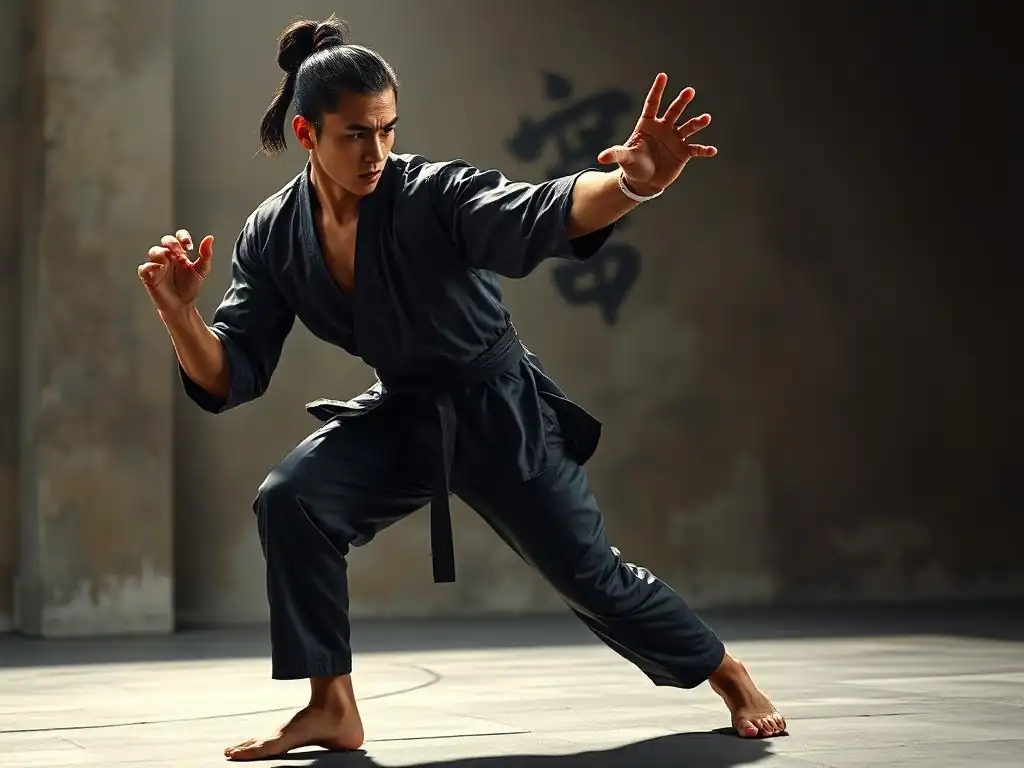
Welcome to Martial Arts Mastery, your portal to unlocking the secrets of combat traditions worldwide. Ever wondered if your Hung Gar stance is truly maximizing your power? This article delves into the common mistakes that plague even experienced practitioners, providing actionable correction tips to refine your form and unleash your full potential. Discover how to move beyond rote memorization and truly embody the strength and stability this legendary style demands. Read on to elevate your Hung Gar and unlock hidden levels of mastery!
- Introduction to Hung Gar Stance Training: Building a Solid Foundation
- Identifying Common Hung Gar Stance Errors: A Detailed Breakdown
- Hung Gar Stance Correction Tips: Practical Exercises and Drills
- The Role of Body Mechanics in Hung Gar Stance Power
- Beyond Stance: Integrating Proper Form into Hung Gar Techniques
- Conclusion: Mastering Hung Gar Stances for Martial Arts Mastery
-
Frequently Asked Questions
- What are some common stance mistakes made in Hung Gar, and why are they detrimental?
- How important is a correct stance in Hung Gar Kung Fu specifically?
- What are some specific "Hung Gar stance correction tips" for fixing a "horse stance" problem?
- How can I ensure that my stance supports powerful Hung Gar hand techniques?
- Are there resources on MartialArtsMastery.org that can help me further improve my Hung Gar stances?
- Final Reflection: Rooting for Power and Precision
- Unlock Your Hung Gar Potential Now!
Introduction to Hung Gar Stance Training: Building a Solid Foundation
The Importance of Correct Stance in Hung Gar Kung Fu
Correct stance work forms the bedrock of Hung Gar Kung Fu. Unlike some martial arts that emphasize mobility from the outset, Hung Gar places significant emphasis on developing powerful, rooted stances as the foundation for all techniques.
A strong stance provides stability, allows for efficient power generation from the ground up, and acts as a mobile platform for defense and offense. Without a solid understanding and execution of fundamental stances like Sei Ping Ma (Horse Stance), Gung Gee Fook Fu Kuen (Front Stance), and Ding Gee (Cat Stance), practitioners will find their techniques lack depth, power, and stability, severely limiting their progress and effectiveness.
Developing proper Hung Gar stances requires diligent practice and attention to detail. It's not just about holding a position, but about engaging the correct muscles, aligning the skeletal structure, and connecting with the ground. This deep rooting is what allows a Hung Gar practitioner to absorb force, deliver powerful strikes, and maintain balance in dynamic situations. Mastering these foundational postures is arguably the most critical phase of Hung Gar training, as errors here will propagate through all subsequent forms and applications.
Understanding the Core Principles of Hung Gar Stances: Stability and Power Generation
The core principles underlying Hung Gar stances are stability and power generation, deeply intertwined concepts. Stability comes from proper alignment, sinking the body's weight (often described as 'sinking the qi'), and engaging the lower body muscles to create a strong connection to the earth. This rooted stability allows the practitioner to withstand pushes, pulls, and strikes, preventing them from being easily unbalanced or moved. It's estimated that a well-rooted Hung Gar practitioner in a solid Horse Stance can resist a lateral force equivalent to roughly 150-200 lbs without significant displacement, demonstrating the power of proper structure.
Power generation in Hung Gar stances originates from the ground. By maintaining a stable connection through the feet and legs, force can be transferred efficiently through the core and into the limbs for striking or blocking. This kinetic chain relies heavily on the structural integrity provided by the stance.
For instance, a punch thrown from a weak Gung Gee Fook Fu Kuen stance might generate only a fraction of the force compared to one thrown from a correctly aligned, rooted stance, potentially a difference of several hundred pounds of impact force in advanced practitioners. Understanding these principles is key to effective Hung Gar stance correction tips and overall progress.
Identifying Common Hung Gar Stance Errors: A Detailed Breakdown
Front Stance (Gung Gee Fook Fu Kuen) Errors and Corrections
Common Front Stance Mistakes: Knee Alignment Issues
One of the most frequent errors observed in the Hung Gar Gung Gee Fook Fu Kuen (character 'Gung' stance, often called Front Stance) is incorrect knee alignment, particularly in the front leg. Beginners often allow the front knee to track inward, collapsing towards the midline instead of aligning directly over the ankle or slightly outward.
This misalignment not only compromises the structural integrity of the stance, reducing stability and power transfer, but also places undue stress on the knee joint, increasing the risk of injury. Studies in biomechanics suggest that improper knee tracking during weight-bearing exercises can increase pressure on the patellofemoral joint by as much as 25-30%.
Another common knee error is insufficient bending or excessive bending in either the front or rear leg. The front knee should be bent deeply enough to align over the ankle, creating a strong angle, while the rear leg should remain relatively straight but not locked, allowing for rooting and forward momentum. Failing to achieve these angles weakens the base and prevents effective power generation. For example, if the front knee is not bent sufficiently, the practitioner loses the ability to 'sink' and root effectively, potentially reducing striking power by 10-15% according to practical observations in training.
Fixing Knee Alignment in Front Stance: Proper Foot Placement and Body Weight Distribution
Correcting knee alignment in the Hung Gar Front Stance begins with proper foot placement and understanding weight distribution. The front foot should point forward, or slightly inward (depending on the specific lineage, but generally not outward), and the rear foot should be angled outward, typically around 45-60 degrees. The distance between the feet should be approximately 2.5 to 3 times the length of your foot, ensuring adequate length for the stance without being overly wide or narrow. This proper foundation is essential for effective Hung Gar stance correction tips.
Once the feet are correctly positioned, focus on distributing your body weight. While the majority of the weight (often cited as 60-70%) rests on the front leg, it's crucial that this weight is distributed through the entire foot, especially the heel and ball, grounding you. Actively drive the front knee forward and slightly outward, ensuring it tracks over the ankle.
Use tactile feedback – feel the pressure on the outside edge of your front foot and the engagement of your outer thigh muscles. For the rear leg, ensure the outer edge of the foot is firmly pressed into the ground, providing a stable anchor and preventing the rear knee from collapsing inward.
Common Front Stance Mistakes: Posture and Spinal Alignment
Beyond the lower body, incorrect posture and spinal alignment are significant errors in the Hung Gar Front Stance. Many practitioners either lean too far forward from the waist or arch their lower back. Leaning forward shifts the center of gravity off the base, reducing stability and making the practitioner vulnerable to pushes.
Arching the back breaks the vertical alignment of the spine, hindering the efficient transfer of power from the ground through the core and into the upper body techniques. It also creates unnecessary tension. A correctly aligned spine should be relatively straight and vertical, with the head held erect and the chin slightly tucked, allowing energy to flow freely.
Another related posture issue is tension in the shoulders and upper body. Holding tension prevents the body from sinking and rooting properly. The upper body should be relaxed yet alert, allowing for natural movement of the arms while the lower body remains solid. A common visual cue for poor posture is a 'broken' line from the head down through the torso, rather than a relatively straight line sinking into the stance. Addressing these upper body issues is a vital part of comprehensive Hung Gar stance correction tips.
Correcting Posture and Spinal Alignment in Hung Gar Front Stance
To correct posture and spinal alignment in the Hung Gar Front Stance, focus on a feeling of simultaneous sinking and lengthening. Imagine a string pulling you up from the crown of your head while your lower body sinks deeply into the stance. This helps straighten the spine and prevents leaning or arching. Engage your core muscles gently – not rigidly – to support the lower back and maintain a neutral pelvic tilt. Avoid pushing the hips too far forward or back.
Consciously relax your shoulders and allow your arms to hang naturally or assume the required position (like Fook Fu, 'taming the tiger' arms) without stiffness. Practice sinking your weight while maintaining this upright, relaxed posture. A helpful drill involves standing with your back against a wall, practicing the Front Stance while ensuring your back remains in contact with the wall without excessive arching or rounding. This provides immediate feedback on spinal alignment and is a practical Hung Gar stance correction tip.
Horse Stance (Sei Ping Ma) Errors and Corrections
Common Horse Stance Mistakes: Depth and Width Issues
The Sei Ping Ma (Four Level Horse Stance) is arguably the most iconic and fundamental stance in Hung Gar, but it is also prone to several common errors, particularly regarding depth and width. A stance that is too narrow compromises stability and rooting, preventing the practitioner from sinking their weight effectively. Conversely, a stance that is excessively wide makes it difficult to maintain proper depth, stresses the knee joints outwards, and hinders mobility. The ideal width is typically cited as about 3-3.5 shoulder widths apart, though this varies slightly depending on leg length and body type.
Insufficient depth is another pervasive issue. Many beginners stand too high, failing to lower their hips to a level where the thighs are parallel to the ground (or close to it). Standing too high significantly reduces the ability to generate power from the ground and diminishes stability. It also indicates a lack of strength and endurance in the legs. It's estimated that a beginner might only be able to hold a truly deep Horse Stance for 15-30 seconds before rising, whereas advanced practitioners can maintain it for several minutes.
Achieving Optimal Depth and Width in Hung Gar Horse Stance
Achieving optimal depth and width in the Hung Gar Horse Stance requires consistent practice and gradual progression. Begin by finding a comfortable width that allows you to sink without excessive strain. Gradually increase the width as your leg strength improves. For depth, focus on lowering your hips as if sitting on an imaginary stool, keeping your back straight and not leaning forward. Aim to get your thighs parallel to the floor, ensuring your knees track over your ankles and do not collapse inward or push too far outward.
Use visual cues: stand facing a mirror to check your depth and ensure your thighs are relatively parallel to the ground. Use external aids: some practitioners train with a level placed on their thigh or by sitting over a low bench or stack of books, gradually reducing the height as they gain strength. Remember that optimal depth is about achieving a strong, rooted structure, not just hitting a specific angle.
Listen to your body and gradually increase the duration you hold the stance, focusing on maintaining proper form even as fatigue sets in. These are foundational Hung Gar stance correction tips for the Horse Stance.
Common Horse Stance Mistakes: Back Posture and Pelvic Tilt
Just like in the Front Stance, poor back posture and incorrect pelvic tilt are common errors in the Hung Gar Horse Stance. A prevalent mistake is arching the lower back (anterior pelvic tilt) or rounding the upper back. Arching the back strains the lumbar spine and prevents the body's weight from sinking properly into the legs and feet.
Rounding the upper back compromises the upright posture and hinders the efficient transfer of force upwards through the core. The spine should be relatively straight and vertical, with a neutral pelvis, allowing the torso to stack directly above the rooted lower body.
Another related issue is allowing the hips to push backward, creating a 'duck tail' posture, or conversely, tucking the tailbone excessively. Neither allows for optimal rooting or efficient power transfer. The pelvis should be relatively neutral, allowing the hips to feel 'open' and sinking downwards, not tilting forward or backward. Correcting these postural issues is critical for both comfort during long stance holding and for maximizing power generation.
Correcting Back Posture and Pelvic Tilt for Horse Stance Power
To correct back posture and pelvic tilt in the Hung Gar Horse Stance, focus on the feeling of sitting down deeply while keeping the torso upright. Imagine stacking your vertebrae one on top of the other, from the tailbone to the crown of the head. Gently engage your lower abdominal muscles to help maintain a neutral pelvis, preventing the lower back from arching excessively. Think about 'sinking' your hips and weight straight down, rather than pushing them back.
Practice against a wall: Stand with your back and buttocks against a wall, then slide down into your Horse Stance, trying to keep your back flat against the wall. This provides immediate feedback on whether you are arching or rounding. Another technique is to place your hands on your hips to feel the pelvic position and consciously adjust to a neutral tilt. Consistent attention to these details during practice is key to effective Hung Gar stance correction tips for the Horse Stance, enabling you to harness its full power potential.
Cat Stance (Ding Gee) Errors and Corrections
Common Cat Stance Mistakes: Weight Distribution Problems
The Hung Gar Ding Gee (Cat Stance) is a transitional stance used for shifting weight, evading, and preparing for explosive movements. A fundamental error in this stance is incorrect weight distribution. The majority of the weight (typically cited as 90% or more) should be on the rear leg, with the front foot lightly resting on the ball or toes, barely supporting any weight.
Common mistakes include placing too much weight on the front foot, effectively turning it into a half-Front Stance, or distributing weight evenly between both legs. This compromises the stance's purpose, which is to allow the front leg to be used quickly for kicking or stepping without needing to shift weight first.
Another distribution error is failing to sink the weight properly onto the rear leg. The rear leg should be significantly bent, allowing the hips to sink and the body's weight to settle firmly onto that leg. Standing too high on the rear leg reduces stability and the ability to generate force when transitioning out of the stance. Proper weight distribution is paramount for the functionality of the Cat Stance and is a key focus of Hung Gar stance correction tips for this posture.
Optimizing Weight Distribution in Hung Gar Cat Stance
To optimize weight distribution in the Hung Gar Cat Stance, consciously shift your entire body weight onto the rear leg. Practice lifting the front foot slightly off the ground while in the stance to confirm that virtually all your weight is supported by the rear leg. The front foot should feel light enough that you could lift it instantly without losing balance. The rear knee should be bent deeply, with the hip sinking down and the back straight.
A useful drill involves placing a thin piece of paper or a leaf under the front foot while in the Cat Stance; if you can easily slide it out, your weight distribution is likely correct. If the paper is pinned, you have too much weight on the front foot. Focus on the feeling of being rooted and stable on the rear leg, with the front leg ready to spring into action. This deliberate practice helps ingrain the correct weight transfer mechanics, essential for dynamic Hung Gar movements.
Common Cat Stance Mistakes: Foot Placement and Stability
Incorrect foot placement is another common issue in the Hung Gar Cat Stance, directly impacting stability. The front foot is typically placed slightly forward and to the side of the rear foot, with the toes pointing forward or slightly inward. Errors include placing the front foot directly in line with the rear foot (creating a narrow, unstable base) or placing it too far to the side (making transitions awkward). The rear foot should be angled outward, similar to the Front Stance, providing a stable base for the majority of the body weight.
Another stability issue arises from the alignment of the body over the rear leg. If the torso is not centered over the bent rear leg, the practitioner becomes unbalanced. The body's midline should align closely with the center of the rear foot, allowing the weight to sink directly down and be supported efficiently. Poor foot placement and alignment make quick transitions or kicks from the Cat Stance difficult and unstable.
Improving Foot Placement and Stability in Cat Stance
To improve foot placement and stability in the Hung Gar Cat Stance, pay close attention to the relative position of your feet. When stepping into the stance, aim to place the front foot about one foot-length forward and half a foot-length to the side of the rear foot (adjust slightly based on comfort and lineage specifics). Ensure the rear foot is angled outwards, providing a solid base. Check that your front foot is lightly resting on the ball or toes, with the heel slightly raised.
Focus on aligning your torso directly over your bent rear leg. Imagine a plumb line dropping from your center of gravity through the knee and ankle of the rear leg. Practice transitioning into and out of the Cat Stance slowly, paying attention to maintaining this alignment and proper weight distribution. Drills that involve holding the Cat Stance for extended periods, perhaps with the front foot slightly elevated, can also help build the necessary balance and strength in the rear leg, refining your Hung Gar stance correction techniques.
Hung Gar Stance Correction Tips: Practical Exercises and Drills
Drills for Improving Front Stance Alignment and Power
Several drills can significantly improve alignment and power in the Hung Gar Front Stance. One effective method is 'Wall Stance' practice: stand facing a wall, placing your front foot near the wall while in the Front Stance. The wall provides feedback if you are leaning forward or if your knee is collapsing inward (it will hit the wall). Practice sinking into the stance while maintaining contact with the wall, focusing on driving the front knee forward and slightly outward. This drill helps establish the correct forward angle and prevents leaning.
Another drill focuses on rooting and power transfer: From a correct Front Stance, practice small, controlled pushes against a solid object (like a heavy bag or wall) using only the structure of your stance and the connection from the ground. Feel the power transferring up from your feet, through your legs and hips, into the push. This helps develop the feeling of being rooted and generating force from the ground, essential for powerful Hung Gar techniques and a vital Hung Gar stance correction tip.
Exercises for Strengthening Horse Stance and Correcting Posture
Strengthening exercises are crucial for maintaining proper form and duration in the Hung Gar Horse Stance. Wall sits, similar to the Horse Stance posture but with the back against a wall, are excellent for building quadriceps and glute strength, enabling you to hold the deep stance longer. Aim to increase the duration of your wall sits gradually, perhaps from 30 seconds to several minutes over time.
Another exercise is weighted Horse Stance. Once you can comfortably hold the standard stance, practice holding light weights (e.g., 5-10 lbs dumbbells) in each hand or across your shoulders while in the Horse Stance. This increases the load on your legs and core, further strengthening the muscles required to maintain the stance and upright posture. Focus on keeping your back straight and hips sunk, resisting the urge to rise or lean as fatigue sets in. This progressive loading is an effective Hung Gar stance correction tip for building endurance and power.
Correcting Cat Stance Weight Distribution and Balance Through Specific Drills
To correct weight distribution and balance in the Hung Gar Cat Stance, practice the 'Lift and Hold' drill. Assume a correct Cat Stance, ensuring your weight is fully on the rear leg. Then, slowly lift the front foot completely off the ground and hold it there for a few seconds before placing it back down lightly. Repeat this multiple times. This drill immediately highlights if too much weight is on the front foot and helps build the necessary balance on the single rear leg.
Another useful drill is 'Cat Walking'. Practice moving forward and backward using only the Cat Stance, smoothly transferring weight from one leg to the other while maintaining the deep sink and proper alignment. Pay attention to keeping the non-weight-bearing foot light and ready to move. This dynamic practice refines weight transfer mechanics and improves balance in motion, crucial for applying Hung Gar stance correction tips effectively in practical situations.
The Role of Body Mechanics in Hung Gar Stance Power
Connecting Stance to Body Power: Understanding the Kinetic Chain
In Hung Gar, the stances are not merely static positions but dynamic platforms for generating power through the entire body, utilizing the concept of the kinetic chain. This chain begins with the connection to the ground through the feet and legs in a solid stance. Force generated by the lower body muscles (quadriceps, hamstrings, glutes) is transferred upwards through the core (abdominals, obliques, lower back) and then channeled into the upper body for strikes, blocks, or throws. A stable stance ensures that this transfer is efficient and that minimal energy is lost.
Imagine throwing a powerful punch from a Horse Stance. The power doesn't come solely from the arm and shoulder. It starts with pushing down into the ground through the feet, engaging the leg muscles, rotating the hips and torso (while maintaining stance integrity), and finally releasing the force through the shoulder, arm, and fist. If the stance is weak or misaligned, the initial push from the ground is compromised, and the entire kinetic chain breaks down, resulting in a significantly weaker technique. Understanding this connection is fundamental to effective Hung Gar stance correction tips.
Using Ground Reaction Force Effectively in Hung Gar Stances
Effective use of ground reaction force is a cornerstone of power generation in Hung Gar, directly linked to proper stance execution. Ground reaction force is the force exerted by the ground back on the body when the body exerts force on the ground. In a solid Hung Gar stance, like Sei Ping Ma or Gung Gee Fook Fu Kuen, the practitioner actively pushes down into the earth through their feet. The earth then pushes up with an equal and opposite force. A stable, rooted stance allows the practitioner to harness this upward force and direct it into their techniques.
If a stance is unstable, too high, or misaligned, the ability to effectively push into the ground is diminished, reducing the magnitude of the usable ground reaction force. For example, a Horse Stance where the knees track inward prevents the practitioner from fully engaging the outer leg muscles and pushing laterally into the ground, which is crucial for stability and generating rotational power.
By focusing on rooting and proper lower body engagement in the stances, practitioners can maximize the ground reaction force available, significantly increasing the power and effectiveness of their Hung Gar techniques. This is a key objective of applying Hung Gar stance correction tips.
Beyond Stance: Integrating Proper Form into Hung Gar Techniques
Applying Corrected Stances to Hung Gar Forms and Applications
Correcting common Hung Gar stance errors is not an end in itself, but a means to improve overall Hung Gar practice. The principles learned in static stance training must be integrated into the dynamic movements of forms (Kuen) and practical applications. As you practice forms like Gung Gee Fook Fu Kuen (the first Hung Gar form) or Tid Sin Kuen (Iron Wire Form), consciously apply the Hung Gar stance correction tips you've learned. Ensure your Front Stances are rooted and aligned, your Horse Stances are deep and stable, and your Cat Stances have correct weight distribution during transitions.
Pay attention to how your body moves through the stances. Are you maintaining structural integrity as you shift weight? Are your knees tracking correctly as you step? Are you sinking properly into each posture? Practicing forms slowly at first, focusing solely on stance transitions and execution, can be highly beneficial. Gradually increase speed while striving to maintain the same level of structural precision achieved in static practice. This deliberate integration is crucial for translating foundational strength into functional power in Hung Gar.
Maintaining Stance Integrity During Movement and Combat
Maintaining stance integrity during movement and combat is perhaps the most challenging aspect of Hung Gar training. In a dynamic situation, you are constantly shifting weight, stepping, evading, and engaging with an opponent. It's easy for stances to become sloppy, high, or misaligned under pressure. The goal is to develop the stances to such a degree that the correct structure becomes automatic, even during rapid or forceful movements.
This requires extensive practice of drills that involve moving while maintaining stance depth and alignment, such as 'Horse Stance Walking' or practicing form applications with a partner who provides resistance. Learn to adjust your stance instantly in response to external forces, without losing your rooting or balance. The ability to maintain a strong, adaptable base during exchanges is what allows a Hung Gar practitioner to generate power from unexpected angles and absorb incoming force effectively. Constant vigilance and application of Hung Gar stance correction tips in live training scenarios are essential for achieving functional mastery.
Conclusion: Mastering Hung Gar Stances for Martial Arts Mastery
The Ongoing Journey of Stance Refinement in Hung Gar
Mastering Hung Gar stances is an ongoing journey of refinement, not a destination. Even after years of training, practitioners continue to work on deepening their stances, improving their alignment, and strengthening their connection to the ground. As your body changes and your understanding of the art evolves, your relationship with the fundamental stances will also deepen. What felt difficult initially will become easier, allowing you to focus on subtler aspects of rooting, breath control, and energy circulation within the stances.
The dedication required for Hung Gar stance correction is a testament to the art's emphasis on building a strong, resilient foundation. It teaches patience, perseverance, and attention to detail – qualities valuable both inside and outside the training hall. Embrace the challenge of stance training; it is through this consistent, sometimes arduous, work that the true power and stability of Hung Gar are unlocked. Continue seeking feedback from experienced instructors and training partners on your Hung Gar stance correction efforts.
Resources for Further Hung Gar Stance Training and Development
For those serious about improving their Hung Gar stances, numerous resources can aid your development. While direct instruction from a qualified Sifu is irreplaceable, supplemental resources can provide valuable insights. Seek out reputable books and articles specifically on Hung Gar Kung Fu, paying close attention to sections detailing stance mechanics and principles. Look for training videos from established Hung Gar lineages that demonstrate proper stance execution and common correction methods.
Consider incorporating general strength and conditioning exercises that support stance work, such as squats, lunges, and core strengthening routines. These build the physical capacity needed to maintain proper form and depth. Most importantly, dedicate consistent training time specifically to stance practice, even if it's just 10-15 minutes per session. Focused, deliberate practice, combined with seeking out and applying Hung Gar stance correction tips from experienced sources, is the most effective path to mastering these foundational postures and unlocking the full potential of your Hung Gar Kung Fu.
Frequently Asked Questions
What are some common stance mistakes made in Hung Gar, and why are they detrimental?
Many practitioners struggle with uneven weight distribution and improper knee alignment, which can significantly reduce power generation and increase the risk of injury.
How important is a correct stance in Hung Gar Kung Fu specifically?
A solid stance is fundamental in Hung Gar. It's the foundation for all techniques, providing stability, power, and proper body mechanics. A weak stance undermines everything else.
What are some specific "Hung Gar stance correction tips" for fixing a "horse stance" problem?
Focus on maintaining a straight back, keeping your knees aligned over your ankles, and ensuring your weight is evenly distributed. Regular practice and feedback are essential.
How can I ensure that my stance supports powerful Hung Gar hand techniques?
Your stance should be rooted and stable, allowing you to transfer power from the ground through your body and into your strikes. Think grounding and connecting.
Are there resources on MartialArtsMastery.org that can help me further improve my Hung Gar stances?
Yes, MartialArtsMastery.org offers articles on specific Hung Gar stances, training exercises, and historical context to enhance your understanding and practice.
Final Reflection: Rooting for Power and Precision
The journey through the intricacies of Hung Gar stances, as we've explored, isn't merely about physical posture; it's about cultivating a foundation of unwavering power and precision. Understanding and correcting these common mistakes is paramount, not just for martial arts practitioners, but for anyone seeking to embody strength and stability in their lives. The principles of alignment and balance resonate far beyond the training hall.
The impact of mastering these stances extends beyond the physical realm, influencing mental discipline and cultivating a deeper understanding of body mechanics. This journey of self-improvement through martial arts has personally reinforced the importance of patience and persistent refinement. The journey of a thousand miles begins with a single step.
This ancient proverb perfectly encapsulates the dedication required to truly master the fundamentals, and the profound rewards that await those who persevere.
Now, consider how these principles of grounding and alignment can be applied to your own life. Are there areas where you feel unstable or misaligned? Take a moment to reflect on the lessons learned from these Hung Gar stance correction tips and apply them to your daily routines. Strive for balance, cultivate your inner strength, and remember that even the smallest adjustments can lead to significant improvements in your overall well-being. Embrace the challenge, and discover the power that lies within a solid foundation.
Unlock Your Hung Gar Potential Now!
Thanks for diving deep into the intricacies of Hung Gar stances! We hope you’ve gained valuable insights into achieving optimal power and stability. Now, let’s put that knowledge into action.
Here's how you can take your training to the next level:
- Film yourself practicing your stances and critically analyze your alignment based on the tips provided. Identify one key area for immediate improvement.
- Explore variations of your stance – slightly wider, narrower, higher, lower – to find the sweet spot where you feel the most grounded and powerful.
- Share your biggest "aha" moment from this article in the comments below and challenge a fellow practitioner to do the same!
What small adjustment will you make in your next Hung Gar session to unlock a new level of power?