
Katamewaza Sparring: Randori for Groundwork Improvement

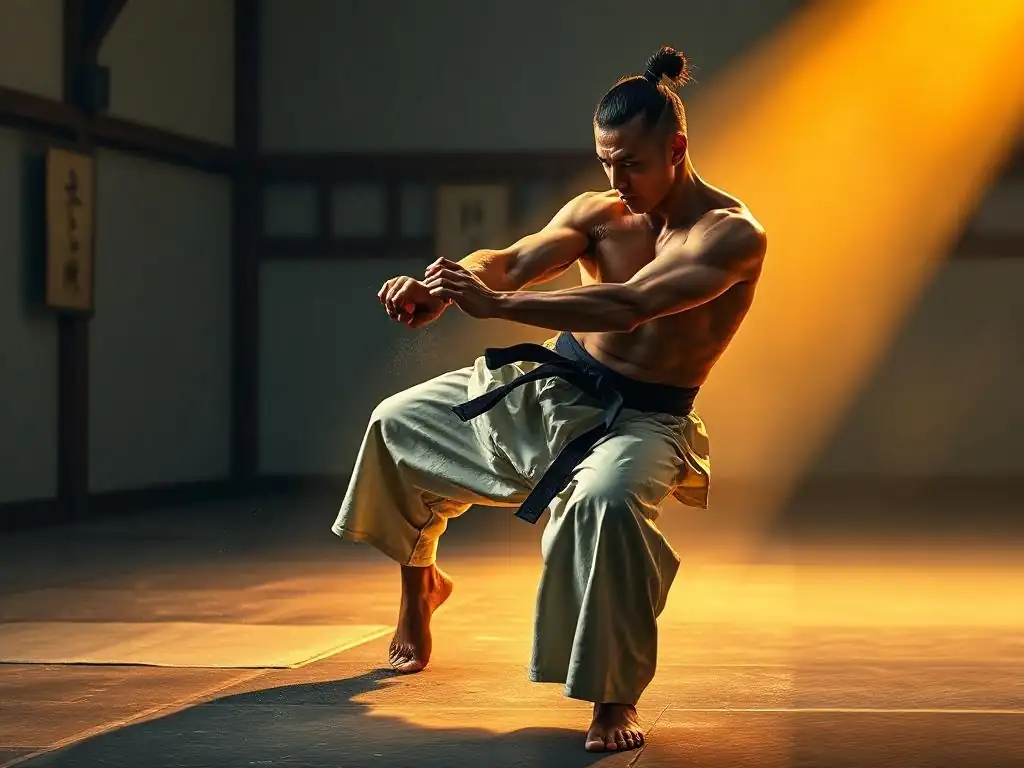
Welcome to Martial Arts Mastery, your gateway to unlocking the secrets of combat! Ever wondered how to truly master Katamewaza sparring and elevate your groundwork game? This article delves deep into Randori training, revealing the techniques and strategies that will transform your grappling skills. Get ready to discover the path to enhanced control and submission prowess – the journey to Katamewaza sparring techniques training excellence starts now.
- Judo Groundwork Sparring: Randori for Ne-waza Proficiency
- Introduction to Judo Groundwork Sparring and Ne-waza Enhancement
- Benefits of Ne-waza Randori for Judo Groundwork
- Ne-waza Sparring Techniques Training: A Practical Guide
- Implementing Ne-waza Randori into Your Judo Training Program
- Common Mistakes to Avoid in Ne-waza Sparring
- Advanced Ne-waza Sparring Strategies
- Safety Considerations for Ne-waza Sparring
- The Future of Ne-waza Training and Randori
- Conclusion: Mastering Groundwork Through Dedicated Ne-waza Sparring
-
Frequently Asked Questions
- How does Katamewaza sparring specifically benefit groundwork improvement in martial arts?
- What are some common Katamewaza sparring techniques that can be practiced?
- How does Katamewaza randori differ from other forms of sparring in martial arts?
- What safety precautions should be taken during Katamewaza sparring?
- How can MartialArtsMastery.org help me improve my Katamewaza sparring skills?
- Final Reflection: Embracing the Ground Game's Evolution
- Unlock Your Ground Game Potential
Judo Groundwork Sparring: Randori for Ne-waza Proficiency
Introduction to Judo Groundwork Sparring and Ne-waza Enhancement
Understanding Ne-waza: Judo's Ground Fighting Art
Ne-waza, often translated as groundwork, represents a fundamental pillar of Judo, focusing on techniques applied when both competitors are on the mat. This crucial aspect encompasses a diverse array of grappling methods, including holding techniques (osaekomi-waza), choking or strangulation techniques (shime-waza), and joint lock techniques (kansetsu-waza).
Unlike the dynamic throws of tachi-waza (standing techniques), ne-waza emphasizes control, leverage, and strategic positioning to subdue an opponent or force a submission. Mastery of ne-waza is essential for a complete Judoka, providing the skills needed to continue the fight effectively if a throw is unsuccessful or when the action transitions to the ground.
Developing proficiency in ne-waza requires dedicated practice, moving beyond static drills to dynamic application. Effective Katamewaza sparring techniques training is the bridge between learning individual moves and applying them under resistance. While textbooks and demonstrations teach the mechanics of a pin or a choke, it is through live practice, specifically randori, that a practitioner learns timing, pressure, and adaptation against a resisting opponent. This dynamic environment reveals the nuances of grip fighting on the ground, maintaining base and posture, and recognizing opportunities for attack or defense, which static practice cannot replicate.
The Role of Randori in Developing Effective Ground Game
Randori, or free practice, is the cornerstone of Judo training, providing a realistic environment to apply techniques learned in kata or drills. In the context of ne-waza, randori allows practitioners to test their Katamewaza sparring techniques training against unpredictable resistance. It's where theoretical knowledge meets practical application, enabling Judoka to refine their transitions from standing to ground, maintain control in vulnerable positions, and execute submissions or pins under pressure. This iterative process of attempting techniques, failing, adjusting, and eventually succeeding is vital for deep learning and muscle memory development.
Moreover, ne-waza randori builds resilience and tactical intelligence. A practitioner learns not just how to perform a specific choke, but when the opportunity arises in a live situation, how to set it up, and how to counter the opponent's defense. It's a dynamic problem-solving exercise where the practitioner must constantly read their opponent's movements and react appropriately. This level of strategic thinking and adaptability cannot be cultivated through isolated technique practice alone; it requires the fluid, unpredictable environment of randori to truly solidify one's ne-waza capabilities.
Why Ne-waza Randori is Crucial for Judo Practitioners
Ne-waza randori is not merely supplementary training; it is indispensable for any serious Judoka. Competitive Judo matches frequently transition to the ground, and a weak ne-waza game can quickly negate a strong standing game. Data from high-level competitions often shows a significant percentage of matches being decided by ground techniques, whether through pins held for Ippon, or successful submissions. For instance, analysis of major tournaments reveals that successful osaekomi-waza accounts for a notable portion of match endings, alongside shime-waza and kansetsu-waza finishes. Without sufficient Katamewaza sparring techniques training through randori, a Judoka is ill-equipped to handle these common scenarios.
Beyond competition, ne-waza randori is crucial for developing practical self-defense skills. Many real-world altercations end up on the ground, and the ability to control an opponent, escape disadvantageous positions, or apply a non-lethal submission is invaluable. The pressure testing provided by randori simulates the stress of a real situation far better than choreographed drills. It instills the confidence and physical conditioning required to manage a struggle on the ground effectively, reinforcing that dedicated Katamewaza sparring techniques training is foundational, not optional, for comprehensive Judo skill.
Benefits of Ne-waza Randori for Judo Groundwork
Improved Technique Application in Live Sparring
The primary benefit of consistent ne-waza randori is the drastic improvement in applying learned techniques under realistic resistance. While drilling a technique like Kuzure-kami-shiho-gatame (modified upper four-quarter hold) with a compliant partner builds muscle memory for the shape of the hold, randori teaches the subtle pressures, weight distribution adjustments, and grip fighting needed to actually secure and maintain the pin against someone actively trying to escape. This live application hones the timing and sensitivity required to make techniques effective in a dynamic environment.
Furthermore, Katamewaza sparring techniques training in randori exposes practitioners to the myriad ways opponents defend or counter. This forces adaptation and improvisation. For example, attempting an Ude-hishigi-juji-gatame (cross armlock) in randori might reveal common escape routes or defensive postures your partners employ. This feedback loop is invaluable, allowing you to refine your entry into the technique, improve your control points, and learn follow-up options if the initial attempt is thwarted. It moves beyond simply knowing how to do a technique to understanding when and how to make it work against resistance.
Enhanced Reaction Time and Reflexes on the Ground
Ne-waza randori is a fast-paced exercise in stimulus and response. On the ground, positions can change rapidly, and opportunities for pins, transitions, or submissions can appear and disappear in seconds. Regular Katamewaza sparring techniques training accelerates a practitioner's ability to perceive these shifts and react instinctively. For instance, recognizing the split-second opening to transition from side control to mount, or reacting immediately to an opponent attempting to bridge and escape a pin, becomes second nature through repeated exposure in randori.
This constant state of alertness and quick decision-making under pressure sharpens reflexes specifically for ground fighting scenarios. An opponent's sudden movement to escape a hold, a brief exposure of their neck during a scramble, or a shift in their weight distribution are cues that a practitioner trained in ne-waza randori learns to identify and exploit instantly. This enhanced reaction time is crucial for both offense – capitalizing on opportunities – and defense – shutting down escape attempts or submission entries before they become fully formed threats.
Increased Stamina and Endurance for Ground Fighting
Ground fighting in Judo is physically demanding, requiring sustained isometric strength, anaerobic bursts of energy, and muscular endurance. Ne-waza randori, typically conducted in rounds lasting several minutes, provides an excellent workout that specifically targets the physical demands of grappling. Maintaining a pin requires significant core and limb strength endurance, while attempting submissions or escaping requires intense, short bursts of power and muscular stamina. Consistent Katamewaza sparring techniques training builds this specific conditioning.
A typical ne-waza randori session involving multiple 3-5 minute rounds with short rest periods significantly improves both cardiovascular capacity and muscular endurance relevant to ground grappling. Practitioners learn to manage their energy output, breathe effectively under pressure, and sustain intensity throughout a round and across multiple rounds. This improved stamina means they can maintain effective technique application later in a match, resist opponents' attacks for longer, and capitalize on opportunities when a less conditioned opponent begins to tire.
Development of Strategic Thinking and Tactical Adaptation
Beyond physical and technical skills, ne-waza randori is a masterclass in strategy and tactics. Each sparring session is a dynamic puzzle where the practitioner must assess the situation, formulate a plan, execute techniques, and adapt based on the opponent's reactions. This includes understanding positional hierarchy on the ground (e.g., mount is generally superior to side control), knowing how to progress through positions, and setting up submissions from dominant control. Katamewaza sparring techniques training is where these strategic layers are built.
Consider a scenario in ne-waza randori: you are in side control. Your strategic goal might be to transition to mount or set up a submission. Tactically, this involves controlling the opponent's hips and shoulders, using your weight effectively, and looking for openings. If the opponent defends effectively, you must adapt – perhaps switching grips, changing the angle of attack, or transitioning to a different technique altogether. This constant cycle of planning, execution, and adaptation in real-time is the essence of tactical development in ne-waza, making randori indispensable for developing a sophisticated ground game.
Ne-waza Sparring Techniques Training: A Practical Guide
Warm-up Exercises for Ne-waza Randori
A proper warm-up is crucial before engaging in ne-waza randori to prevent injuries and prepare the body for the demands of grappling. Begin with light cardiovascular activity, such as jogging or skipping, for 5-10 minutes to raise the heart rate and warm the muscles. Follow this with dynamic stretching focusing on the joints heavily used in groundwork: hips, shoulders, neck, and wrists. Examples include hip circles, shoulder rotations, neck rolls, and wrist rotations.
Include mobility drills that mimic common ne-waza movements. Shrimping (either bridging shrimp or hip escape) is fundamental for creating space and movement on the ground, vital for both offense and defense. Other useful drills include bridging, rolling forward and backward, and bear crawls or crab walks to engage the core and build functional strength for ground movement. Spend at least 15-20 minutes on a comprehensive warm-up to ensure muscles and joints are ready for the physical contact and dynamic movements of Katamewaza sparring techniques training.
Drills to Improve Specific Ne-waza Techniques
While randori is key for application, specific drills are essential for refining the mechanics of individual techniques. These drills, often performed with a cooperative partner, isolate specific movements or sequences to build muscle memory and precision. This focused practice ensures that when an opportunity arises in randori, the practitioner has the technical proficiency to execute the move effectively. Integrating these drills into your Katamewaza sparring techniques training routine provides a solid technical foundation.
For example, practicing transitions between different pin holds (osaekomi-waza) helps smooth out movement and maintain control. Similarly, repeating the steps to secure a specific choke or armlock against light resistance builds the necessary coordination and grip strength. These drills are not meant to replace randori but to enhance the technical toolbox that can then be tested and applied in live sparring.
Osakomi-waza (Pinning Techniques) Drills
Drilling osakomi-waza focuses on securing and maintaining control positions. A common drill involves starting in a side control position and having the partner attempt to escape using basic movements like bridging and shrimping. The practitioner's goal is to maintain the pin for a set amount of time, constantly adjusting their weight and base to counter the escape attempts. This builds endurance in holding positions and sensitivity to the opponent's movements.
Another effective pin drill is transitioning between different holds. Start in Kesa-gatame (scarf hold), then transition smoothly to Kami-shiho-gatame (upper four-quarter hold), then to Yoko-shiho-gatame (side four-quarter hold), and finally to Tate-shiho-gatame (straight four-quarter hold). Practice these transitions repeatedly, focusing on maintaining control and heavy pressure throughout. This drill improves fluidity and the ability to switch pins if one becomes compromised, enhancing overall Katamewaza sparring techniques training for control.
Shime-waza (Choking Techniques) Drills
Shime-waza drills focus on the mechanics of applying various chokes safely and effectively. A fundamental drill is practicing the setup and application of the Hadaka Jime (rear naked choke) from back control. Work with a partner to secure the seatbelt grip, establish hooks, and then practice sinking the choking arm, getting the bite, and finishing the choke with control. Repeat on both sides.
Another crucial shime-waza drill is practicing sleeve and lapel chokes from various positions, such as guard or side control. For example, drill the Okuri Eri Jime (sliding lapel choke) from seated guard. Focus on getting the correct grip depth, breaking the opponent's posture, and applying pressure correctly. These drills are often performed with a cooperative partner who provides minimal resistance, allowing focus solely on the technique's execution before applying it in dynamic Katamewaza sparring techniques training.
Kansetsu-waza (Joint Locking Techniques) Drills
Kansetsu-waza drills emphasize the precise application of joint locks, primarily armlocks in Judo. The Ude-hishigi-juji-gatame (cross armlock) is a staple. Drill entering the armlock from various positions, such as guard or mount. Focus on controlling the opponent's posture, isolating the arm, securing the grip, and extending the hips correctly to apply pressure to the elbow joint. Practice the breakfalls or tapping procedures simultaneously for safety.
Another useful drill is practicing the Ude-hishigi-ude-gatame (arm entanglement lock) or Ude-hishigi-hara-gatame (stomach armlock). These drills often involve securing the opponent's arm and practicing the specific body mechanics needed to extend the joint. As with chokes, these drills are typically performed with a compliant partner to perfect the technique's mechanics before attempting it against resistance in Katamewaza sparring techniques training. Safety and communication are paramount during kansetsu-waza drills.
Setting Up Effective Ne-waza Attacks in Randori
Simply knowing techniques isn't enough; effective ne-waza randori requires setting up attacks. This involves creating openings, controlling posture, and using transitions to your advantage. A key principle is controlling the opponent's limbs and head to limit their defensive options and mobility. For instance, in side control, controlling the opponent's far arm prevents them from framing effectively to create space or bridging powerfully.
Another setup strategy is using transitionary moments. When an opponent attempts to escape a pin, they often expose a limb or their neck briefly. Recognizing and capitalizing on these fleeting opportunities is crucial. For example, if an opponent bridges hard to escape side control, they might momentarily expose their arm for a straight armlock (Ude-hishigi-hiza-gatame). Dedicated Katamewaza sparring techniques training helps you recognize these opportunities and react instantly.
Implementing Ne-waza Randori into Your Judo Training Program
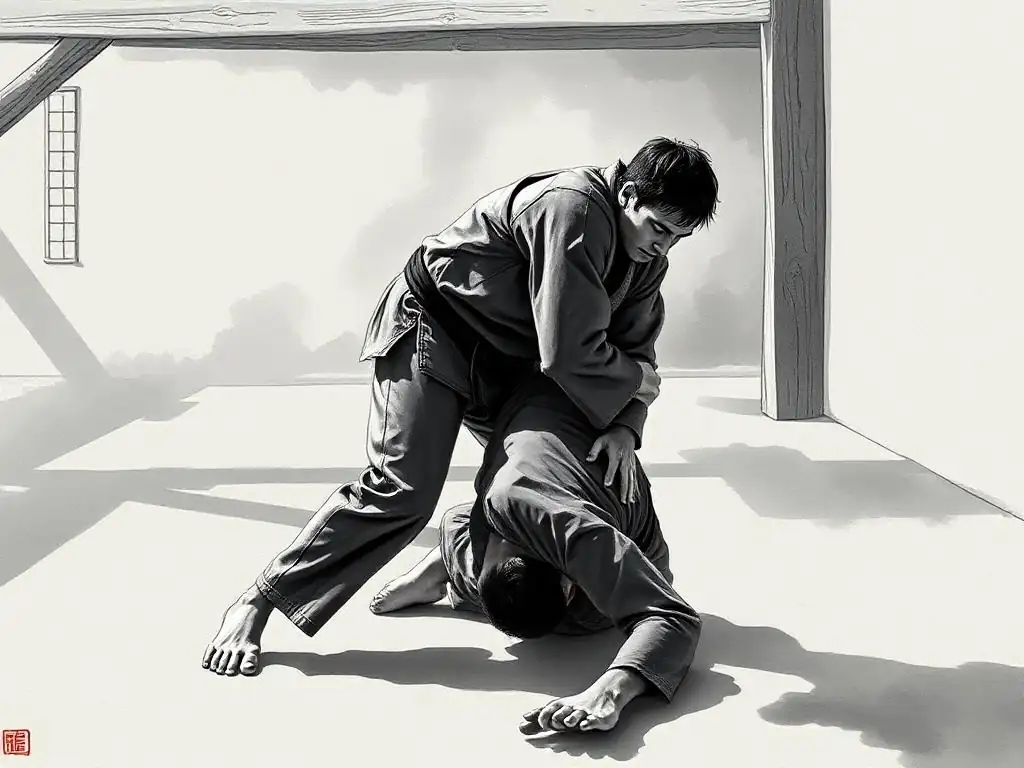
Structuring Your Training Sessions for Optimal Groundwork Development
Integrating ne-waza randori effectively requires dedicated mat time. A common structure is to allocate specific portions of a training session to groundwork. For example, a 90-minute session might include:
- 15-20 minutes: Warm-up (including ne-waza specific movements like shrimping)
- 20-25 minutes: Technique instruction and drilling (focusing on 1-3 specific ne-waza techniques or transitions)
- 30-40 minutes: Ne-waza randori (multiple rounds, e.g., 5 x 5 minutes, or situational sparring)
- 10 minutes: Cool-down and stretching
This structure ensures that practitioners learn techniques, drill them for proficiency, and then immediately apply them in a live, dynamic environment. Varying partners during randori exposes you to different body types, strengths, and strategies, further enhancing your adaptability in Katamewaza sparring techniques training. Some dojos might dedicate entire sessions solely to ne-waza, allowing for deeper exploration and longer randori rounds.
Integrating Ne-waza Sparring with Stand-Up Training (Tachi-waza)
While dedicated ne-waza sessions are beneficial, it's also crucial to integrate groundwork with standing techniques. Judo matches seamlessly transition between standing and ground. Practicing transitions from failed throws into ne-waza is vital. For instance, drilling the scenario where an Osoto Gari (major outer reaping) is defended, and the action moves to the ground, requiring the Judoka to immediately secure a pin or look for a submission.
Situational randori can be highly effective here. Start sparring from specific positions, such as starting with one person having a grip and the other defending, or starting from a failed throw attempt that lands both practitioners on the mat. This type of Katamewaza sparring techniques training simulates match conditions more closely and bridges the gap between standing and ground skills, ensuring a more holistic Judo game.
Setting Realistic Goals for Groundwork Improvement through Randori
Setting clear, achievable goals is important for motivation and progress tracking in ne-waza randori. Goals could be process-oriented, such as consistently attempting a specific transition during randori, or outcome-oriented, such as successfully holding a particular pin for a set duration or landing a specific submission attempt multiple times over a training cycle.
Examples of realistic goals for Katamewaza sparring techniques training:
- Within the next month: Successfully transition from side control to mount during randori at least 5 times.
- Within the next three months: Improve escape success rate from Kami-shiho-gatame by 20% based on training log observations.
- Within the next six months: Successfully apply a specific choke (e.g., Okuri Eri Jime) in randori or situational sparring.
Tracking progress, even informally, helps identify areas of strength and weakness. Are you consistently getting to good positions but failing to finish? Perhaps focus drills on submission mechanics. Are you getting pinned easily? Dedicate more randori time to positional escapes. Realistic goal-setting makes your Katamewaza sparring techniques training focused and productive.
Common Mistakes to Avoid in Ne-waza Sparring
Neglecting Fundamental Techniques
A common pitfall in ne-waza randori is trying to jump to advanced submissions before mastering fundamental control positions and escapes. Many practitioners, especially beginners or those coming from other grappling arts, might focus solely on flashy chokes or armlocks. However, without the ability to secure and maintain dominant positions like side control, mount, or back control (osaekomi-waza), setting up submissions becomes significantly harder.
Ignoring basic positional control leaves you vulnerable. If you cannot maintain side control effectively, your opponent will escape, and your submission attempts will be fleeting. Dedicated Katamewaza sparring techniques training must include constant reinforcement of fundamentals like maintaining base, distributing weight correctly in pins, and executing basic hip escapes and bridging movements. These foundational skills are the bedrock upon which all advanced ne-waza is built.
Over-Reliance on Strength and Power
While strength is certainly an asset in grappling, over-reliance on brute force rather than technique is a significant mistake in ne-waza randori. Using excessive strength often leads to quickly depleting energy reserves and can be countered by a technically proficient opponent who uses leverage and timing effectively. Pushing or muscling through techniques instead of using proper body mechanics is inefficient and less effective in the long run.
A smaller, technically skilled Judoka can often control or submit a larger, stronger opponent by using leverage, angles, and precise movements. Katamewaza sparring techniques training should focus on executing techniques with minimal necessary force, relying on correct grip, body positioning, and timing. Task List:
- [ ] Focus on hip movement rather than just arm strength for escapes.
- [ ] Practice using body weight instead of just upper body strength in pins.
- [ ] Drill submissions focusing on leverage points, not just squeezing hard.
Ignoring Positional Control
Failing to prioritize positional control is a major error in ne-waza randori. Gaining a dominant position (mount, back control, side control) significantly increases your ability to attack and decreases your opponent's ability to defend or escape. Conversely, neglecting positional control after a scramble or failed technique leaves you vulnerable to being swept, reversed, or submitted yourself.
Effective Katamewaza sparring techniques training emphasizes securing and stabilizing dominant positions before attempting submissions. For example, from side control, focus on controlling the opponent's far arm and hip before thinking about an armlock. From mount, ensure your weight is heavy and balanced before attempting a choke. Positional dominance dictates the flow of the ground fight and creates the opportunities for submissions; without it, submission attempts are often low-percentage gambles.
Lack of Strategic Planning
Entering ne-waza randori without any strategic intent is akin to wandering aimlessly. While spontaneity is part of randori, having a general plan or goal for the session makes it more productive. This doesn't mean rigidly sticking to a script, but rather having objectives like "work on maintaining side control," "focus on escaping from under mount," or "try to finish the cross collar choke."
Without strategic planning, your Katamewaza sparring techniques training can become reactive rather than proactive. You might spend the entire session just defending or reacting to whatever your partner does, without actively working towards your own goals or improving specific areas. Having a plan, even a simple one, provides focus and allows you to analyze your performance afterwards – did you achieve your objective? Why or why not? This reflection is crucial for continuous improvement.
Advanced Ne-waza Sparring Strategies
Combining Techniques for Effective Submissions
Advanced ne-waza randori involves chaining techniques together rather than relying on single attacks. Opponents at higher levels are adept at defending individual submissions, so setting up one technique often creates an opening for another. This requires understanding the defensive reactions to various attacks and having follow-up techniques ready. This layered approach is characteristic of sophisticated Katamewaza sparring techniques training.
For example, attempting an armlock from mount might force the opponent to defend by pulling their arm in tight or posturing up, which could expose their neck for a choke. Or, attempting a cross-collar choke might cause the opponent to focus on defending their neck, potentially opening up an arm triangle choke or an armlock. Successfully combining techniques requires fluidity and the ability to recognize and transition between opportunities as they arise in the dynamic environment of randori.
Exploiting Opponent Weaknesses on the Ground
Experienced practitioners in ne-waza randori learn to identify and exploit their opponent's weaknesses or tendencies. Some opponents might have difficulty defending specific types of chokes, while others might be easier to sweep from guard or struggle with specific pins. During randori, pay attention to how your partner defends, where they create space, or what positions they seem uncomfortable in.
For instance, if you notice a partner consistently leaves a gap under their armpit when in side control, you might target arm-in chokes or americana submissions from that position. If they always bridge hard to escape, be ready to capitalize on the resulting instability for sweeps or transitions. Exploiting weaknesses requires observation during Katamewaza sparring techniques training and the technical repertoire to capitalize on the opportunities presented.
Escaping Difficult Positions and Reversing Control
A crucial aspect of advanced ne-waza is not just attacking but also the ability to survive and escape difficult positions. Being trapped in a strong pin (osaekomi) or defending against a skilled submission artist requires sophisticated defensive tactics, timing, and explosive movement. Advanced Katamewaza sparring techniques training includes dedicated practice on escaping from disadvantageous situations like being mounted, in side control, or having your back taken.
This involves mastering concepts like framing, creating space, using the opponent's weight and momentum against them, and timing your escape attempts precisely. For example, escaping side control often involves bridging and shrimping to create space to regain guard. Escaping mount might involve trapping an arm and leg to set up a bridge and roll escape. The ability to escape and reverse positions is not just defensive; it's a powerful offensive tool that can quickly turn the tide of a ground exchange in randori.
Safety Considerations for Ne-waza Sparring
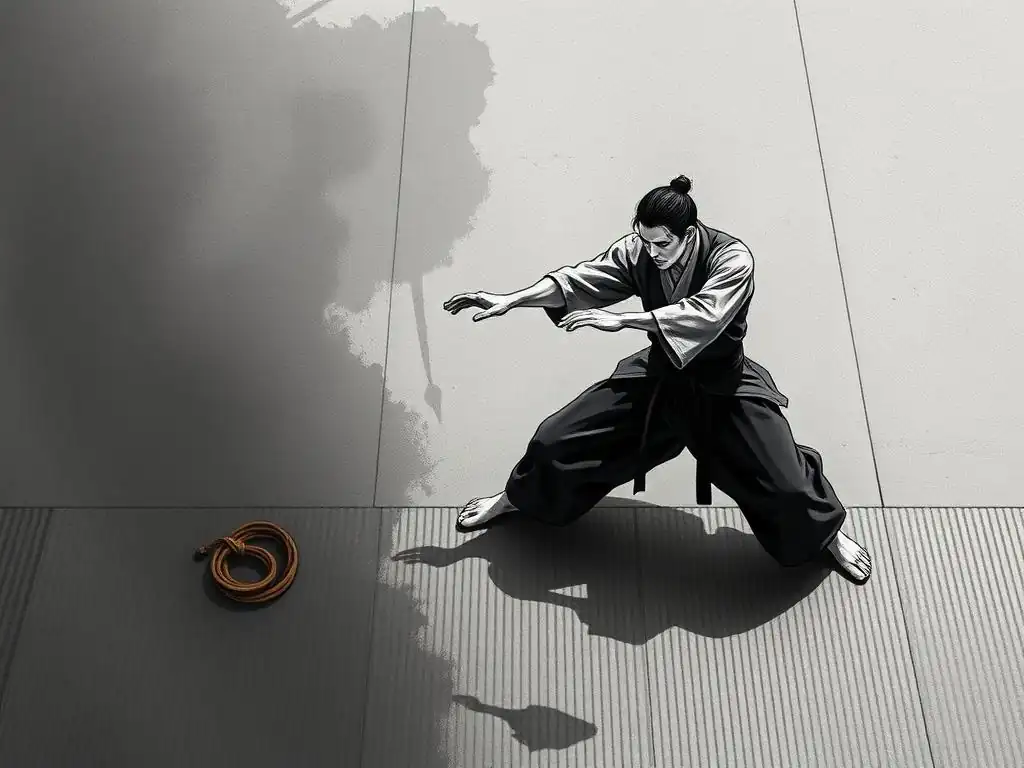
Proper Supervision and Guidance
Ne-waza randori, particularly when incorporating submissions (shime-waza and kansetsu-waza), carries inherent risks. Proper supervision by a qualified and experienced Judo instructor is paramount. The instructor ensures that randori is conducted in a safe environment, matches are appropriately paired (considering size, skill, and experience), and participants understand and follow safety protocols.
A good instructor will observe the sparring, provide guidance on safe execution of techniques, and intervene if a situation becomes dangerous. They can also help structure Katamewaza sparring techniques training to gradually introduce more advanced techniques and resistance, ensuring practitioners are prepared before engaging in full-resistance randori with submissions. Never engage in ne-waza randori, especially with submissions, without competent supervision.
Importance of Tap-Out Signals
The tap-out is the universal signal in grappling that a practitioner is in danger or wishes to concede the position or technique. It is the most critical safety mechanism in ne-waza randori. Understanding and respecting the tap-out signal is non-negotiable. A verbal "tap" or "matte" (stop) is equally valid as a physical tap on the opponent or the mat.
When tapping, the signal must be clear and felt or heard by the opponent. Conversely, when applying a submission, it is the responsibility of the person applying the technique to do so with control and to release the technique immediately upon feeling or hearing the opponent's tap. Hesitation to tap or failure to release upon tap can lead to serious injury. Emphasizing immediate tapping and immediate release is a cornerstone of safe Katamewaza sparring techniques training.
Preventing Injuries During Ground Fighting
Injury prevention in ne-waza randori goes beyond just the tap-out. It involves several practices:
- Proper Warm-up: As mentioned earlier, preparing the body reduces the risk of muscle strains and sprains.
- Knowing Your Limits: Do not attempt techniques you are not properly trained in, and recognize when you are tired or in a compromised position.
- Controlled Technique: Apply techniques with control, especially submissions. The goal in training is practice, not causing harm.
- Awareness of Surroundings: Be mindful of other sparring pairs on the mat to avoid collisions.
- Listening to Your Body: Do not push through pain. If something feels wrong, stop and seek advice.
Consistent adherence to these safety considerations ensures that Katamewaza sparring techniques training remains a valuable and sustainable part of your Judo journey, minimizing risks while maximizing learning and physical development.
The Future of Ne-waza Training and Randori
Emerging Trends in Judo Groundwork
The landscape of ne-waza is constantly evolving, influenced by developments in related grappling arts like Brazilian Jiu-Jitsu. While Judo ne-waza has its distinct rules and emphasis (e.g., prioritizing pins and quick submissions from dominant positions), there's an increasing trend towards incorporating effective guard passing strategies, different types of guards (though rule limitations exist), and a broader range of submission entries seen in the wider grappling world.
Modern Katamewaza sparring techniques training in progressive dojos might include drills and strategies adapted from other grappling styles that are compatible with Judo rules. This cross-pollination helps Judoka become more adaptable and effective on the ground against a wider variety of opponents and situations, ensuring ne-waza remains a potent component of competitive and practical Judo.
The Evolution of Ne-waza Sparring Techniques
The techniques themselves are also subject to evolution. As practitioners explore and test techniques in randori and competition, more efficient variations or novel applications emerge. For instance, entries into classic armlocks or chokes might be refined, or new control points for pins discovered. Video analysis of high-level competition plays a significant role here, allowing techniques used by top athletes to be disseminated and adopted globally.
This evolution means that Katamewaza sparring techniques training is not static. Instructors and practitioners must stay informed about current trends and refinements in ne-waza. What was considered the standard way to execute a technique twenty years ago might have been superseded by a more effective method discovered through rigorous testing in randori and competitive environments.
Integrating Modern Grappling Concepts into Ne-waza Training
Integrating relevant modern grappling concepts, while respecting Judo's unique rules and philosophy, is key to the future of ne-waza training. This doesn't mean abandoning traditional Judo groundwork, but rather selectively incorporating elements that enhance effectiveness within the Judo context. For example, understanding basic guard retention principles can improve a Judoka's ability to avoid being pinned after a failed throw.
Similarly, exploring different grip fighting strategies specifically for the ground can enhance control in ne-waza randori. The goal is to make Judoka more versatile and harder to predict on the ground. Responsible integration, guided by experienced instructors, ensures that these modern concepts complement rather than dilute the core principles of Judo Katamewaza sparring techniques training.
Conclusion: Mastering Groundwork Through Dedicated Ne-waza Sparring
Mastering Judo's ne-waza is an ongoing journey that requires dedication to both technical drilling and, most importantly, dynamic randori. Katamewaza sparring techniques training in a live environment is where theoretical knowledge transforms into practical skill, building crucial attributes like timing, pressure, adaptability, and endurance. It is indispensable for developing effective technique application, sharpening reflexes, and cultivating strategic thinking on the ground.
While pitfalls like neglecting fundamentals or relying solely on strength must be avoided, consistent and intelligent ne-waza randori, guided by experienced instructors and prioritizing safety, is the most effective path to proficiency. By embracing both traditional techniques and relevant modern concepts, Judoka can ensure their groundwork is a formidable asset, making them well-rounded and effective practitioners whether in competition or for self-defense.
Frequently Asked Questions
How does Katamewaza sparring specifically benefit groundwork improvement in martial arts?
Katamewaza sparring, or randori, provides practical application of ground techniques under pressure, improving decision-making and reflexes in live scenarios. This differs from static drilling.
What are some common Katamewaza sparring techniques that can be practiced?
Common techniques include escapes from pins, submissions like arm locks and chokes, and guard passing strategies, all focusing on control and immobilization on the ground. Mastering these builds a strong foundation for randori.
How does Katamewaza randori differ from other forms of sparring in martial arts?
Unlike stand-up sparring, Katamewaza randori emphasizes grappling and ground fighting. It teaches practitioners how to control their opponent and apply submissions effectively on the mat.
What safety precautions should be taken during Katamewaza sparring?
Proper supervision, clear communication with your partner, and knowing when to tap out are crucial for preventing injuries during Katamewaza. Always prioritize safety and control during training.
How can MartialArtsMastery.org help me improve my Katamewaza sparring skills?
MartialArtsMastery.org offers resources like technique breakdowns, historical context, and training tips specifically related to grappling and ground fighting, supplementing your physical training.
Final Reflection: Embracing the Ground Game's Evolution
The exploration of Katamewaza sparring, as a dynamic and effective method for groundwork improvement, resonates deeply within the current landscape of martial arts training. No longer relegated to a secondary skill, grappling proficiency is now recognized as a crucial component of a well-rounded martial artist, and Katamewaza sparring provides a structured yet adaptable pathway to achieving that proficiency.
This approach to training has not only influenced the way we learn and practice groundwork, but it also underscores the importance of continuous adaptation and innovation within the martial arts. The ability to seamlessly transition between techniques, to think critically under pressure, and to develop a deep understanding of leverage and control are skills that extend far beyond the mat. The only constant is change.
- Heraclitus. This quote perfectly encapsulates the spirit of Katamewaza sparring, urging us to embrace the fluidity and evolution inherent in grappling.
As you continue your journey in martial arts, remember the lessons learned from Katamewaza sparring. Embrace the challenges, seek out opportunities for growth, and never stop refining your groundwork. Let the principles of adaptability, strategic thinking, and relentless pursuit of improvement guide you, not only in your training but in all aspects of your life. The ground game, like life itself, is a constant dance of adaptation and resilience.
Unlock Your Ground Game Potential
Thank you for exploring the world of Katamewaza sparring with us! We hope this article has provided valuable insights into enhancing your groundwork randori. Now, it's time to translate that knowledge into action and elevate your skills!
Here's how you can take your grappling to the next level:
- Commit to incorporating Katamewaza randori into your regular training routine, focusing on controlled transitions and submissions. This is the key to truly mastering the techniques we discussed.
- Seek out experienced training partners or a qualified instructor who can provide constructive feedback and guidance on your Katamewaza sparring.
- Share this article with your training partners or on your martial arts community forum to spark discussion and collaborative learning.
What specific Katamewaza technique will you prioritize perfecting in your next randori session?