
The NorthSouth Kimura: A Crushing Variation for BJJ Practitioners


Welcome to Martial Arts Mastery, your gateway to the world's most captivating combat systems. Ever wondered how to leverage the North-South position to unlock a devastating submission in Brazilian Jiu-Jitsu? Dive in as we dissect the BJJ Kimura variation technique, specifically the North-South Kimura, a crushing hold that will redefine your grappling game. Discover the subtle shifts in weight and pressure that transform this position into a potent finishing tool, and prepare to add a new dimension to your arsenal.
- The North-South Kimura: A Crushing BJJ Variation for Practitioners
- Mastering the North-South Kimura: A Devastating BJJ Submission
- Understanding the North-South Position in BJJ
- The Anatomy of the North-South Kimura
- Executing the North-South Kimura: A Step-by-Step Guide
- North-South Kimura: BJJ Technique Variations and Setups
- Advanced North-South Kimura Concepts for Brazilian Jiu-Jitsu
- Drills to Improve Your North-South Kimura Submission
- The North-South Kimura: A Powerful Addition to Your BJJ Game
-
Frequently Asked Questions
- What is the NorthSouth Kimura in BJJ?
- How does the NorthSouth Kimura differ from a standard Kimura?
- What are the key advantages of using the NorthSouth Kimura?
- What are some common mistakes to avoid when attempting the NorthSouth Kimura?
- Is the NorthSouth Kimura suitable for all skill levels in BJJ?
- Final Reflection: Mastering the Art of Submission
- Unlock Your Kimura Potential: Start Dominating Now!
The North-South Kimura: A Crushing BJJ Variation for Practitioners
Mastering the North-South Kimura: A Devastating BJJ Submission
The North-South Kimura stands out as a particularly potent submission hold within Brazilian Jiu-Jitsu (BJJ), leveraging the unique control offered by the North-South position. While the standard Kimura (or figure-four armlock) is commonly applied from side control, guard, or even back control, transitioning to the North-South position opens up distinct angles and pressure points that make this BJJ Kimura variation technique exceptionally difficult to defend. Mastering this submission requires a deep understanding of positional control, grip mechanics, and the subtle application of leverage.
Unlike its more conventional counterparts, the North-South Kimura often catches opponents by surprise. They may be focused on defending chokes or standard armlocks from this head-on position, leaving their arms vulnerable to this crushing shoulder lock. Its effectiveness lies in the ability to isolate the opponent's arm while simultaneously pinning their body flat to the mat, limiting their escape options and maximizing the torque applied to the shoulder joint. Developing proficiency in this BJJ Kimura variation technique can significantly enhance a practitioner's submission game.
Understanding the North-South Position in BJJ
The North-South position in BJJ is a dominant grappling position where one practitioner lies perpendicular to their opponent, typically with their head near the opponent's legs and their legs near the opponent's head. This position offers significant control, allowing the top player to apply pressure, transition to various attacks, or maintain a stable pinning position. Establishing strong base and pressure is paramount before attempting submissions from here.
Maintaining control in the North-South position often involves chest-to-chest contact (though not always direct depending on the variation), using the hips to drive weight down, and controlling the opponent's arms or head. It's a less common control position than side control or mount for many beginners, but experienced practitioners recognize its potential for both pressure and submissions, including sophisticated BJJ Kimura variation techniques.
The Strategic Advantage of North-South Control
The North-South position provides several strategic advantages. Firstly, it allows for immense pressure to be applied downwards through the chest and shoulders, making it uncomfortable for the opponent and draining their energy. This pressure can lead to openings as the opponent attempts to create space or shift their weight. Secondly, it often leaves the opponent's arms relatively accessible, either trapped underneath or exposed as they try to frame or push.
Furthermore, the perpendicular alignment disrupts many of the opponent's standard defensive frames and escape routes. From side control, an opponent can often bridge or shrimp more effectively. In North-South, their ability to generate powerful hip movement is significantly reduced, making it harder for them to create the space needed for escapes. This positional dominance is a key factor in setting up high-percentage attacks, including the North-South Kimura BJJ technique.
Common Transitions Leading to the North-South Position
Practitioners can transition to the North-South position from several common scenarios. One frequent path is from side control, where the top player slides their hips forward and rotates their body 90 degrees relative to the opponent. This transition can happen fluidly as the opponent attempts to escape or frame. Another common entry is from mount, specifically low mount, where the top player disengages their legs from around the opponent's hips and slides up towards their head.
Guard passes also frequently end in or transition through North-South. For instance, a successful knee-slice pass might initially end in side control, from which the top player can quickly shift to North-South. Similarly, if an opponent turtled to defend a guard pass, the top player securing control around their head might find themselves in a North-South-like scenario. Recognizing these transitions is crucial for identifying opportunities to implement the North-South Kimura BJJ variation technique.
The Anatomy of the North-South Kimura
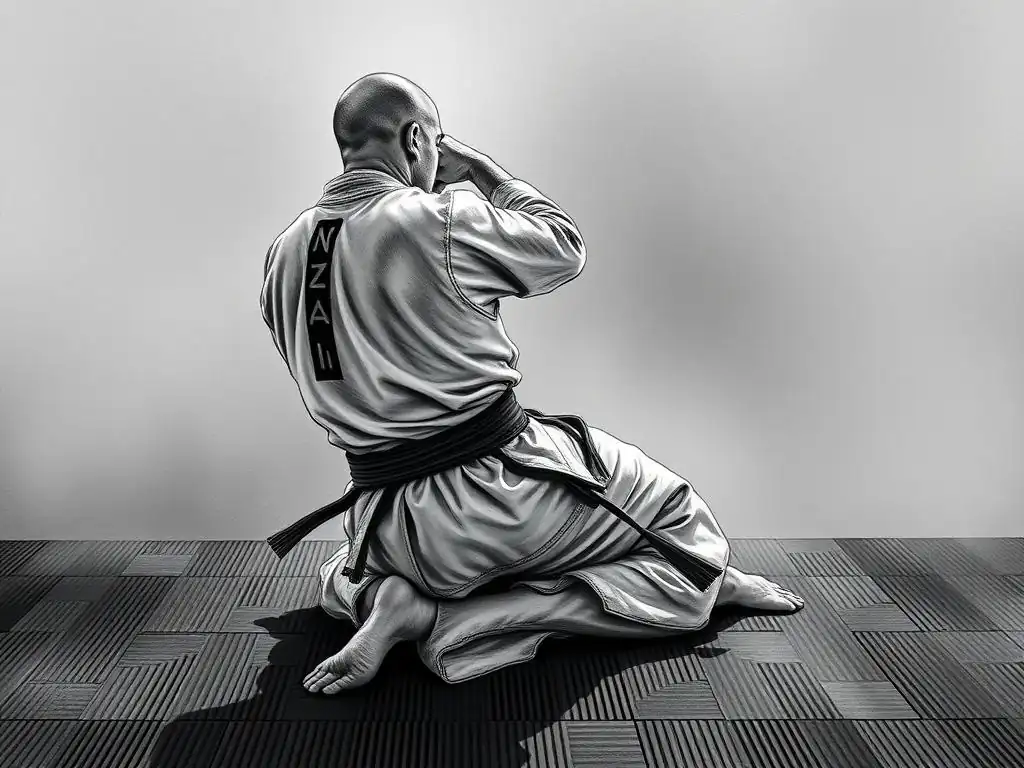
The North-South Kimura targets the opponent's shoulder joint, applying pressure through external rotation and abduction of the arm. This is achieved by securing a figure-four grip on the opponent's arm, similar to a standard Kimura, but the angle of attack and the application of pressure are unique due to the North-South position. The top player's body weight and hip pressure become integral to finishing the submission.
The key elements are isolating the opponent's arm, establishing a secure figure-four grip, and then using body mechanics to generate torque on the shoulder. Unlike a side control Kimura where leverage often comes from driving the opponent's arm towards their head, the North-South Kimura typically involves pinning the opponent flat and using hip pressure and body rotation to create the breaking force. This specific application makes it a distinct and powerful BJJ Kimura variation technique.
Grip Variations for the North-South Kimura Lock
While the standard figure-four grip (grabbing your own wrist with one hand and securing the opponent's wrist with the other) is fundamental, there are nuanced grip variations in the North-South Kimura. One common approach is to use a Gable grip or S-grip initially to control the opponent's arm before fully securing the figure-four. This can help prevent the opponent from pulling their arm free during the transition.
Another variation involves how the figure-four is secured relative to the opponent's head and body. Sometimes the grip is established with the opponent's arm pinned across their own chest, while other times it might be slightly extended. The precise placement of the grip and the angle of the opponent's arm relative to their body significantly impact the leverage and the ability to finish the BJJ Kimura variation technique. Experimenting with these subtle grip details is essential for maximizing effectiveness.
Controlling the Opponent's Arm and Shoulder
Effective control of the opponent's arm and shoulder is paramount for the North-South Kimura. Merely securing a grip is insufficient; the practitioner must also prevent the opponent from rotating their shoulder, straightening their arm, or creating space to escape. This is often achieved by pinning the opponent's arm securely against their body or the mat using the practitioner's chest, shoulder, or even head pressure.
Simultaneously, maintaining tight body control in the North-South position prevents the opponent from bridging or shrimping effectively. The practitioner's hips should ideally be heavy, driving weight down onto the opponent's torso, which further limits their mobility and makes it harder for them to relieve pressure on the trapped arm. This combination of limb isolation and body control is the foundation of this effective BJJ Kimura variation technique.
Executing the North-South Kimura: A Step-by-Step Guide
Successfully executing the North-South Kimura involves a sequence of precise steps, building from stable control to the final submission. Each step is crucial and must be performed correctly to maximize the chances of success and minimize the opponent's ability to defend. This step-by-step breakdown outlines the typical process for applying this powerful BJJ Kimura variation technique.
Step 1: Establishing a Secure North-South Base
The first critical step is to achieve and maintain a stable, heavy North-South position. This means being perpendicular to your opponent, with your chest or shoulder pressure applied to their torso, and your hips heavy on the mat. Ensure your weight is distributed effectively to pin them down. Avoid being too high or too low, as this can compromise your base and make it easier for the opponent to escape or defend the impending attack.
- Maintain chest/shoulder pressure on the opponent's sternum or upper chest.
- Keep your hips low and heavy, preventing them from bridging.
- Control their head or far shoulder if possible to further limit movement.
- Ensure your weight is forward, not leaning back.
Step 2: Isolating the Opponent's Arm
With a secure base established, the next step is to isolate one of the opponent's arms. This often involves trapping the arm as you transition into North-South or actively securing it once in position. Pin the opponent's wrist or elbow against their body or the mat with your hand or head, preventing them from pulling it free. Then, weave your arm underneath their isolated arm and reach through to secure your own wrist with your other hand, establishing the figure-four grip.
- Pin the opponent's wrist or elbow to the mat or their body.
- Weave your arm under their isolated arm (near the elbow).
- Reach back with your other hand to grip your own wrist, forming the figure-four.
- Ensure the figure-four grip is tight and high on their upper arm.
Step 3: Applying Kimura Pressure and Securing the Tap
Once the figure-four grip is locked on the isolated arm, the final step is to apply pressure to the shoulder joint. This is typically done by driving your hips forward slightly while simultaneously rotating the opponent's trapped arm towards their head, using the figure-four grip as a lever. The pressure should be controlled and steady, targeting the shoulder joint with external rotation. The opponent should tap quickly if the technique is applied correctly.
- Maintain heavy hip pressure.
- Drive your hips slightly forward.
- Rotate the opponent's trapped arm towards their head using the figure-four grip.
- Keep the opponent pinned flat to the mat as you apply pressure.
- Listen or feel for the tap immediately.
North-South Kimura: BJJ Technique Variations and Setups
The North-South Kimura isn't a static technique; it has several variations and can be set up from different scenarios, making it a dynamic BJJ Kimura variation technique. Understanding these nuances allows practitioners to adapt the attack based on their opponent's reactions and defensive postures. Exploring these variations adds depth to one's submission repertoire from the North-South position.
Some variations involve subtle changes in the grip or the angle of attack. For example, sometimes the arm is trapped closer to the opponent's head, while other times it might be pinned across their chest. The precise finishing mechanics can also differ slightly, with some practitioners emphasizing hip drive more than arm rotation, or vice versa, depending on their body type and the opponent's flexibility.
Transitioning from Other Submissions to the North-South Kimura
The North-South Kimura can serve as an excellent follow-up or transition when other attacks from North-South are defended. For instance, if you are attempting a North-South choke and the opponent is effectively defending by posturing or creating space with an arm, that arm might become vulnerable to a Kimura attack. As they use their arm to block the choke, you can switch your focus, isolate the arm, and secure the figure-four grip.
Similarly, if attempting an armbar from North-South (less common but possible), a failed attempt or a strong defense might expose the shoulder for a Kimura attack. Recognizing these transitions allows practitioners to chain attacks together, forcing the opponent to constantly defend multiple threats. This adaptability makes the North-South Kimura BJJ technique a valuable tool in a submission grappling context.
Using the North-South Kimura as a Sweeping Opportunity
While primarily a submission, the setup for the North-South Kimura can sometimes create opportunities for sweeps, particularly if the opponent is defending aggressively by creating space or trying to roll out. If the opponent manages to get onto their side while you are setting up the Kimura, you can sometimes use their momentum and your control of their arm to complete a sweep, ending up in a dominant position like side control or mount.
For example, if the opponent bridges hard and tries to roll away from the Kimura pressure, maintaining control of the arm with the figure-four grip can allow you to follow their movement and use their roll to transition on top. This highlights the interconnectedness of BJJ techniques; a failed submission attempt doesn't necessarily mean failure if it leads to a superior position. This dual utility adds to the value of understanding the North-South Kimura BJJ technique.
Advanced North-South Kimura Concepts for Brazilian Jiu-Jitsu
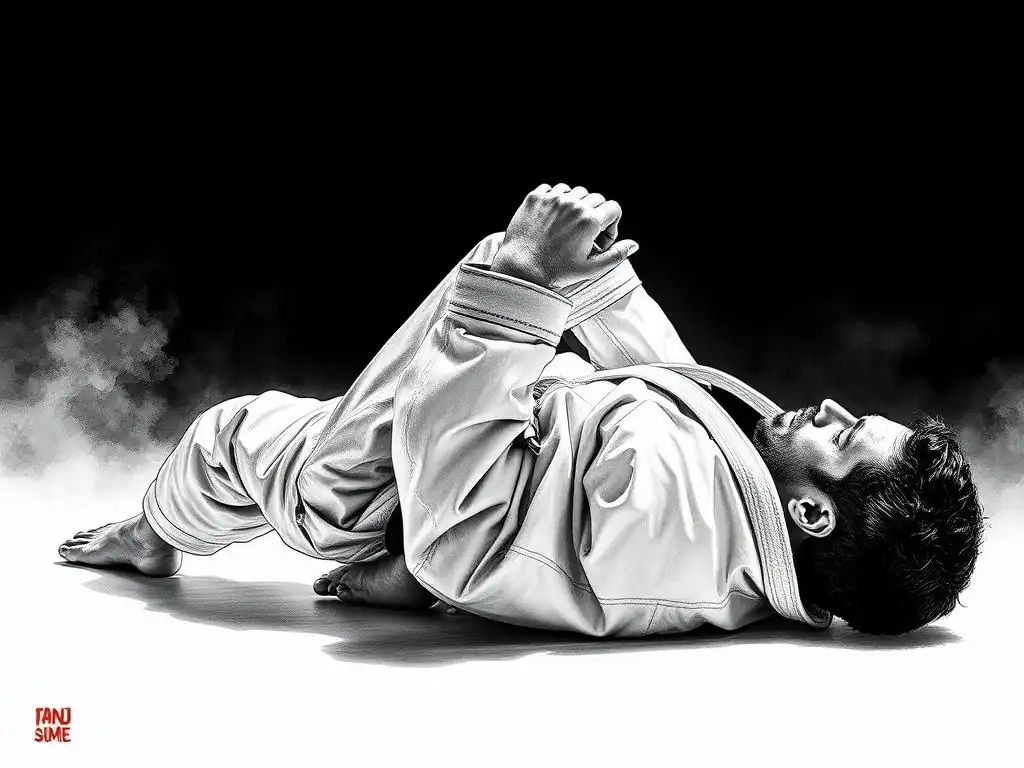
Moving beyond the basic execution, advanced practitioners utilize the North-South Kimura with greater nuance, anticipating defenses and adding layers of control. This involves understanding the subtle reactions of opponents and having contingency plans for common escapes. Developing these advanced concepts elevates the North-South Kimura from a simple move to a sophisticated BJJ Kimura variation technique.
Advanced application often involves setting traps and using misdirection. Practitioners might feint one attack to open up the arm for the Kimura, or use pressure to force a specific defensive reaction that makes the Kimura easier to finish. The ability to read the opponent and react instantly is a hallmark of advanced BJJ practitioners employing this technique.
Dealing with Common Defenses to the North-South Kimura
Opponents will employ various defenses against the North-South Kimura. One common defense is to straighten the trapped arm, making it difficult to apply torque to the shoulder. Another is to tuck the arm in tightly against their body or hip, preventing the figure-four grip from being secured high on the arm. Some opponents will also bridge and attempt to roll away from the pressure.
Countering these defenses requires quick adjustments. If the arm straightens, transitioning to an armbar or maintaining control until they bend it again might be necessary. If they tuck the arm, switching to a different North-South attack, like a choke, might force them to expose the arm again. When they bridge and roll, maintaining the grip and using it to transition to a sweep or scramble to a better position is key. Anticipating these defenses is crucial for successfully applying the BJJ Kimura variation technique.
Adding Layers of Control Before Applying the Kimura
Advanced practitioners often add layers of control before committing to the Kimura submission. This might involve securing a solid cross-face, using shoulder pressure to control the head, or controlling the opponent's far arm to prevent them from using it to defend. These layers of control limit the opponent's mobility and defensive options, making the Kimura setup and finish significantly easier.
For example, using your head to pin the opponent's head to the mat can prevent them from turning into you or creating space with their neck. Controlling their far arm can stop them from using it to frame against your hips or push your head away. These additional controls ensure that when you do commit to the figure-four grip for the BJJ Kimura variation technique, the opponent is already significantly restricted in their ability to defend effectively.
Drills to Improve Your North-South Kimura Submission
Consistent drilling is essential for mastering any BJJ technique, and the North-South Kimura is no exception. Specific drills can help improve the crucial elements of this submission: grip fighting, positional control, and the precise application of finishing pressure. Incorporating these drills into your training routine will significantly enhance your proficiency with this BJJ Kimura variation technique.
Drilling allows practitioners to build muscle memory for the transitions, grip mechanics, and finishing details without the full resistance of live sparring. Starting slow and focusing on correct technique before adding speed and resistance is key. Partner drills and positional sparring are invaluable tools for developing a reliable North-South Kimura.
Partner Drills for Grip Strength and Kimura Application
- Grip fighting drill: From North-South, partner resists having their arm isolated. Top player practices pinning the arm and securing the figure-four grip under resistance. Repeat for multiple repetitions on both sides.
- Kimura application drill: Starting with the figure-four grip already secured in North-South, practice applying finishing pressure slowly and controlled until the partner taps or indicates pressure is sufficient. Focus on hip drive and arm rotation.
- Transition drill: Start from side control or mount and drill the transition to North-South, immediately attempting to isolate an arm and secure the figure-four grip.
These drills isolate specific components of the BJJ Kimura variation technique, allowing for focused repetition and improvement. Spending dedicated time on these foundational elements will make the full submission much more effective in live rolling.
Positional Sparring Focused on the North-South Kimura
Positional sparring is arguably the most effective way to integrate drilled techniques into live application. Set specific parameters for rolling: one partner starts in a dominant North-South position (or side control/mount with the goal of transitioning to North-South), and their goal is to submit with the North-South Kimura. The other partner's goal is to defend and escape the position or the submission attempt.
This type of sparring allows practitioners to experience the technique under realistic pressure, practice dealing with defenses, and learn how to create openings. It provides invaluable feedback on timing, pressure, and the effectiveness of setups and finishes for the North-South Kimura BJJ technique in a dynamic environment. Aim for rounds lasting 3-5 minutes, focusing on the specific technique.
The North-South Kimura: A Powerful Addition to Your BJJ Game
Adding the North-South Kimura to your submission arsenal can significantly enhance your effectiveness in Brazilian Jiu-Jitsu. It provides a high-percentage attack option from a dominant position that many opponents are less accustomed to defending against compared to more common side control attacks. Mastering this BJJ Kimura variation technique requires dedication but offers substantial rewards.
Its effectiveness stems from the unique leverage points available from the North-South position and the difficulty opponents have in generating defensive movement while pinned flat. Integrating this submission into your overall strategy makes you a more unpredictable and dangerous grappler, capable of attacking from multiple angles and positions.
Integrating the North-South Kimura into Your Overall Strategy
Integrating the North-South Kimura means not just knowing the technique, but understanding when and how to apply it within the flow of a match. It often works best when you have already established solid North-South control and the opponent is focused on defending pressure or other potential attacks. Look for opportunities where an arm becomes isolated or exposed as they attempt to frame or create space.
Consider it as part of a chain of attacks from North-South. If a choke isn't working, the arm might be open. If they defend an armbar setup, the shoulder might be vulnerable. By viewing the North-South Kimura as one option among many from this dominant position, you can use it effectively as part of a layered attack strategy, keeping your opponent constantly on the defensive against various BJJ Kimura variation techniques and other submissions.
Why the North-South Kimura is Effective in BJJ and Grappling
The North-South Kimura's effectiveness in BJJ and grappling comes from several factors. Firstly, the North-South position itself is highly controlling, limiting the opponent's ability to escape or defend effectively. Secondly, the leverage applied to the shoulder joint from this angle is immense, often requiring very little movement to generate significant pain and pressure, leading to a quick tap.
Furthermore, many practitioners spend less time drilling defenses specifically for attacks from North-South compared to side control or mount. This relative unfamiliarity can make the North-South Kimura particularly potent against unprepared opponents. Its ability to leverage body weight and pin the opponent makes it a highly efficient and crushing BJJ Kimura variation technique.
Frequently Asked Questions
What is the NorthSouth Kimura in BJJ?
The NorthSouth Kimura is a submission hold executed from the NorthSouth position in Brazilian Jiu-Jitsu (BJJ). It leverages body weight and leverage to apply pressure to the opponent's shoulder and elbow.
How does the NorthSouth Kimura differ from a standard Kimura?
Unlike a standard Kimura, the NorthSouth version uses the opponent's body as a fulcrum. This allows for increased pressure and control, often resulting in a quicker tap.
What are the key advantages of using the NorthSouth Kimura?
The NorthSouth Kimura offers superior control and a higher success rate due to the concentrated pressure. It's also a relatively uncommon technique, catching opponents off guard.
What are some common mistakes to avoid when attempting the NorthSouth Kimura?
Avoid rushing the setup and ensure proper grip and body positioning. Failing to maintain tight control can allow your opponent to escape the submission.
Is the NorthSouth Kimura suitable for all skill levels in BJJ?
While the basic principle is simple, mastering the NorthSouth Kimura requires practice and understanding of leverage. It's generally suitable for intermediate to advanced BJJ practitioners.
Final Reflection: Mastering the Art of Submission
The journey through the NorthSouth Kimura, as explored in this article, highlights more than just a BJJ Kimura variation technique; it unveils a pathway to enhanced control, strategic thinking, and a deeper understanding of leverage. The principles discussed are not confined to the mat; they resonate with the broader concept of problem-solving, emphasizing the importance of angles, pressure, and persistent refinement in any pursuit.
The NorthSouth Kimura's influence extends beyond the technical realm. It fosters a mindset of adaptability and creativity, encouraging practitioners to explore unconventional approaches and personalize their game. This exploration, this constant striving for improvement, is what truly elevates the BJJ experience. The art of fighting is the art of moving from a position of disadvantage to a position of advantage.
- Masaaki Hatsumi. This quote perfectly encapsulates the essence of the NorthSouth Kimura, transforming a seemingly neutral position into a dominant one.
Now, consider how you can apply these principles beyond the dojo. How can you leverage your understanding of angles and pressure to overcome challenges in your own life? How can you embrace unconventional approaches to achieve your goals? The NorthSouth Kimura is more than just a submission; it's a metaphor for life. Embrace the challenge, refine your technique, and discover the power within you to achieve mastery in all that you do.
Unlock Your Kimura Potential: Start Dominating Now!
Thanks for diving deep into the NorthSouth Kimura! Hopefully, you've gained valuable insights into adding this powerful submission to your BJJ arsenal. Now it's time to take action and see real results on the mat.
Here’s how to elevate your Kimura game:
- Immediately drill the NorthSouth Kimura entry and finishing mechanics with a training partner. Focus on precision and control over speed.
- Explore related submissions from the NorthSouth position, such as the arm triangle or reverse omoplata, to create a more versatile attack game.
- Share this article with your BJJ training partners and discuss how you can incorporate the NorthSouth Kimura into your sparring sessions.
What adjustments will you make to your game to effectively set up and finish the NorthSouth Kimura?