
Sanshou's Evolution: How Chinese Kickboxing Was Forged and Standardized

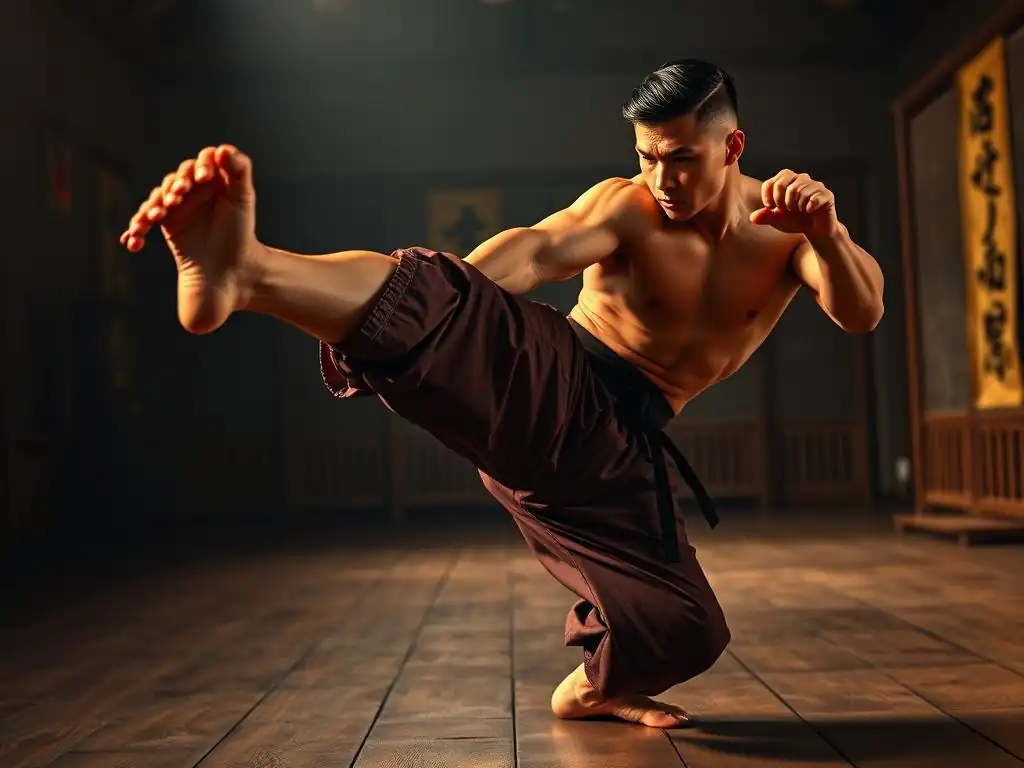
Welcome to Martial Arts Mastery, your gateway to understanding the profound depth and diverse tapestry of combat traditions worldwide. Ever wondered how a chaotic blend of ancient Chinese fighting styles was forged into the standardized and devastating art of Sanshou kickboxing? Dive into our exploration of Sanshou's Evolution and unlock the secrets behind its powerful techniques, historical roots, and its place in the spectrum of martial arts. Prepare to be enlightened, challenged, and inspired to further your own martial arts journey. Discover the origins and practical applications that make Sanshou a unique and formidable discipline.
- Core Sanshou Training Techniques: Building a Foundation
-
Frequently Asked Questions
- What are the defining characteristics of Sanshou kickboxing training techniques?
- How does Sanshou training differ from other kickboxing styles?
- What are some essential components of a Sanshou kickboxing training regimen?
- How has Sanshou kickboxing training evolved since its standardization?
- Where can someone find credible Sanshou kickboxing training resources and instructors?
- Final Reflection: The Enduring Spirit of Sanshou
- Ignite Your Sanshou Journey Today!
Core Sanshou Training Techniques: Building a Foundation
Foundational Stances and Footwork in Sanshou Training
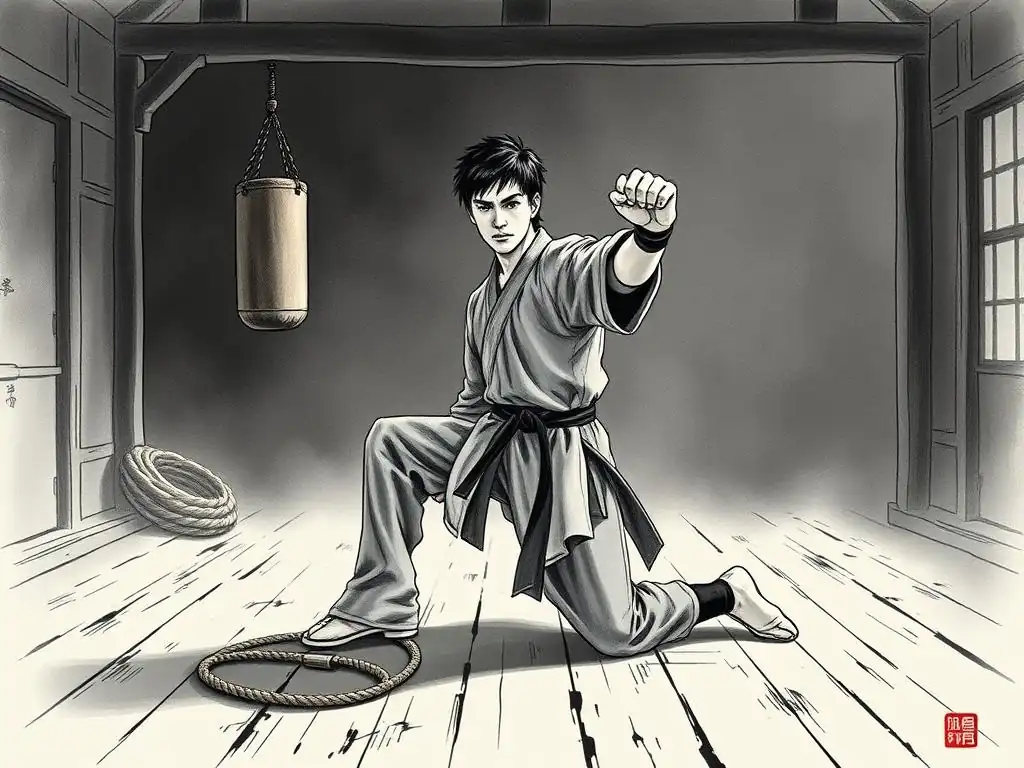
Effective Sanshou kickboxing training techniques begin with a solid foundation in stances and footwork. Unlike some traditional martial arts with numerous stylized postures, competitive Sanshou primarily utilizes a practical, athletic fighting stance designed for mobility, balance, and power generation. This stance typically involves one foot slightly forward, knees bent, weight distributed evenly or slightly favoring the back leg, and hands guarding the head and body.
While rooted in efficiency, this stance allows for quick transitions, powerful strikes, and defensive maneuvers. The stability offered by a well-executed stance is paramount for delivering impactful punches and kicks and for defending against takedowns, making it a cornerstone of all Sanshou kickboxing training techniques.
Beyond the basic fighting stance, dynamic footwork is crucial for closing distance, creating angles, evading attacks, and setting up techniques. Key footwork drills in Sanshou training include shuffling steps (moving forward, backward, and laterally while maintaining the stance), stepping (bringing the back foot up to the front or vice versa for larger movements), pivoting (turning on the ball of the foot to change direction or generate power), and quick bursts of movement for attack or retreat.
Mastering these movements allows a Sanshou practitioner to control the fighting space, dictating the pace and position relative to their opponent. Consistent practice of these foundational Sanshou kickboxing training techniques ensures a fighter can move fluidly and powerfully throughout a match.
Mastering Punches and Strikes: Essential Sanshou Striking Techniques
Striking in Sanshou incorporates powerful hand techniques, drawing efficiency from boxing while sometimes including open-hand strikes. The core punches include the jab (a quick, straight punch used for range finding, setting up combinations, and disrupting an opponent), the cross (a powerful straight punch thrown with the rear hand, often following a jab), hooks (circular punches targeting the side of the head or body), and uppercuts (rising punches targeting the chin or solar plexus).
Power generation comes from rotating the hips and shoulders, transferring energy from the ground up through the fist. Precision targeting and speed are emphasized in Sanshou kickboxing training techniques for striking.
In addition to closed-fist punches, Sanshou rules allow for certain open-hand strikes, such as palm strikes or ridge hand strikes, though these are less common in competition compared to punches and kicks. Training focuses heavily on developing snapping speed for the jab, driving power for the cross, and rotational force for hooks and uppercuts. Drills often involve striking focus mitts, heavy bags, and speed bags to refine technique, build power, and increase endurance. Integrating these hand strikes seamlessly with kicks and takedown attempts is a hallmark of effective Sanshou kickboxing training techniques.
Devastating Kicks: Developing Powerful Kicking Techniques for Sanshou
Kicking techniques form a vital component of Sanshou, offering significant range and power. Common kicks include the front kick (a straight kick often used to push an opponent back, disrupt their balance, or strike the body), the roundhouse kick (a powerful circular kick targeting the legs, body, or head), the side kick (a straight kick delivered with the heel, known for its penetrating power), and the hook kick (a circular kick delivered with the heel from the side).
Sanshou emphasizes executing these kicks with speed, power, and proper balance, ensuring the fighter can land the technique effectively and recover quickly.
Developing powerful kicks involves rigorous conditioning, flexibility training, and technique drills. Practitioners spend extensive time practicing kicks on heavy bags and kicking shields to build power and refine form. Partner drills focus on timing, distance management, and target acquisition. The ability to deliver low kicks to the opponent's legs to compromise their mobility, middle kicks to the body to sap their energy, and high kicks to the head for potential knockouts are all critical elements of comprehensive Sanshou kickboxing training techniques.
Takedowns and Throws: Integrating Shuai Jiao Techniques into Sanshou
A defining characteristic of Sanshou that distinguishes it from many other kickboxing styles is the integration of throws and takedowns, heavily influenced by traditional Chinese wrestling (Shuai Jiao). These techniques allow practitioners to transition from striking range to grappling range with the goal of taking the opponent to the ground within the allowed timeframe (typically a few seconds before the referee separates fighters). Common takedown techniques include leg sweeps, trips, body locks followed by throws, and single or double leg takedowns. Successfully executing a takedown scores points and can disrupt an opponent's striking rhythm significantly.
Training for takedowns involves learning proper grips, balance displacement, entry methods, and finishing techniques. Drills often involve practicing entries and finishes with a partner, starting from various positions (e.g., standing, clinch). Integrating these grappling elements into striking combinations is essential. For example, a fighter might throw a punch or kick to distract the opponent before attempting a leg sweep, or use a clinch entry to secure a body lock for a throw. Mastery of these Shuai Jiao-based techniques within the Sanshou kickboxing training techniques provides a unique and effective dimension to a fighter's arsenal.
Frequently Asked Questions
What are the defining characteristics of Sanshou kickboxing training techniques?
Sanshou kickboxing training techniques emphasize full-contact sparring, incorporating elements of striking, grappling, and takedowns. Training typically includes pad work, sparring drills, and conditioning exercises to develop both offensive and defensive skills.
How does Sanshou training differ from other kickboxing styles?
Unlike some kickboxing styles, Sanshou integrates takedowns and throws, making it a more comprehensive fighting system. The training also focuses on practical self-defense scenarios, emphasizing effectiveness in real-world situations.
What are some essential components of a Sanshou kickboxing training regimen?
A typical Sanshou regimen includes cardiovascular conditioning, strength training, and technical drills. Sparring with partners is also crucial for developing timing, reflexes, and the ability to apply techniques under pressure.
How has Sanshou kickboxing training evolved since its standardization?
Training methods have become more refined with the introduction of modern sports science principles. There is also increased emphasis on injury prevention and recovery compared to earlier, more brutal approaches.
Where can someone find credible Sanshou kickboxing training resources and instructors?
MartialArtsMastery.org offers a range of resources including training tips and historical overviews. Look for certified instructors at reputable martial arts schools specializing in Sanshou.
Final Reflection: The Enduring Spirit of Sanshou
The journey of Sanshou, from its battlefield origins to its standardized form, reveals a powerful narrative of adaptation and resilience. This evolution, mirroring China's own transformation, underscores the enduring human need to refine and codify martial prowess. The techniques we've explored, the stances, the strikes, and the throws, are not merely physical movements; they are embodiments of a cultural philosophy, a testament to the pursuit of excellence, and a living link to a rich historical lineage.
The impact of Sanshou extends far beyond the ring. It's a discipline that cultivates not only physical strength and agility but also mental fortitude and respect. My own exploration of Sanshou's history has deepened my appreciation for the dedication and discipline required to master this art. It's a reminder that true strength lies not just in physical power, but in the unwavering spirit of the practitioner. The superior man is modest in his speech, but exceeds in his actions.
- Confucius. This quote perfectly encapsulates the essence of Sanshou, where humility and relentless training are paramount.
Now, as you reflect on the evolution of Sanshou and its kickboxing training techniques, consider how you can apply its principles of discipline, perseverance, and respect to your own life. Embrace the challenge, hone your skills, and strive for excellence in all that you do. Let the spirit of Sanshou inspire you to push your boundaries and unlock your full potential, both within and beyond the training hall.
Ignite Your Sanshou Journey Today!
Thanks for diving into the fascinating history of Sanshou! We hope you've gained a newfound appreciation for this dynamic martial art. Now, it's time to translate that knowledge into action.
- Find a local Sanshou school and attend a beginner's class to experience the art firsthand.
- Explore related martial arts like Muay Thai or Sanda to broaden your combat sports understanding.
- Share this article with fellow martial arts enthusiasts to spark a conversation about Sanshou's place in modern combat.
Ready to step into the ring or share your own Sanshou insights?