
Humility and Respect: Core Values in the Ip Man Wing Chun Tradition

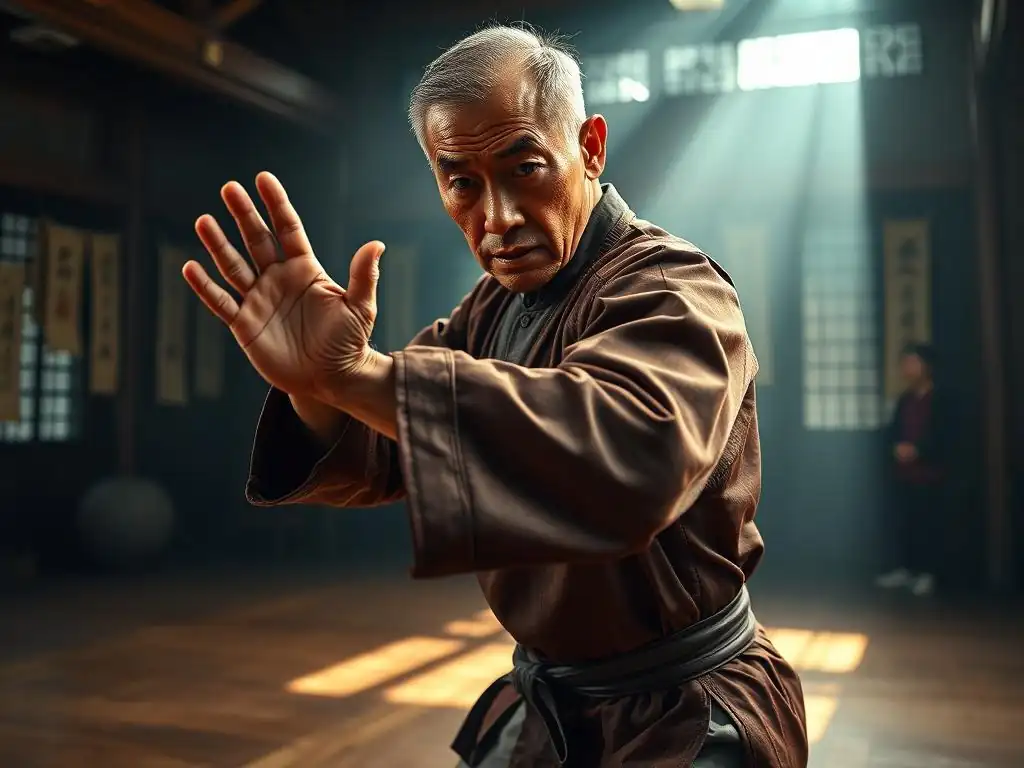
Welcome to Martial Arts Mastery, your gateway to unlocking the secrets of combat and discipline. Dive deep into the heart of martial arts traditions worldwide, where history, technique, and philosophy intertwine. Ever wondered how a single concept could define an entire martial art? Explore the fascinating connection between Ip Man Wing Chun and humility, and discover how this profound value shaped a legendary style and its practitioners. Prepare to be inspired and enlightened as you journey further into the art of self-mastery.
- The Essence of Ip Man Wing Chun: Beyond Technique
-
Humility in Ip Man's Wing Chun: A Path to Mastery
- Defining Humility in the Context of Wing Chun
- Why Humility is Crucial for Effective Wing Chun Learning
- Overcoming Ego: The Biggest Obstacle to Progress in Wing Chun
- Practical Applications of Humility in Wing Chun Practice: Accepting Criticism, Acknowledging Limitations, Prioritizing Learning Over Showing Off
- Respect as a Cornerstone of the Ip Man Wing Chun Lineage
- The Interplay of Humility and Respect in Wing Chun
- Cultivating Humility and Respect in Your Wing Chun Journey
- The Legacy of Ip Man: Exemplifying Humility and Respect
-
Frequently Asked Questions
- What role did humility play in Ip Man's teaching philosophy?
- How does the Wing Chun tradition emphasize respect, and why is it important?
- What are some practical ways practitioners can cultivate humility in their Wing Chun training?
- How did Ip Man himself demonstrate humility throughout his life and martial arts career?
- Why are humility and respect considered core values in the Ip Man Wing Chun tradition, and how do they contribute to a practitioner's development?
- Final Reflection: The Enduring Power of Humble Strength
- Embrace the Ip Man Legacy: Begin Your Wing Chun Journey Today!
The Essence of Ip Man Wing Chun: Beyond Technique
While many perceive martial arts purely through the lens of physical combat, the Ip Man Wing Chun tradition emphasizes a deeper, more profound journey. It is an art form that integrates physical technique with mental discipline and ethical development.
The core of Wing Chun, as taught by Grandmaster Ip Man, transcends mere fighting skills; it is a comprehensive system designed to cultivate the individual, fostering not just combat effectiveness but also personal growth and moral character. This holistic approach is what sets the Ip Man lineage apart, stressing that true mastery lies not just in striking power or defensive ability, but in the refinement of one's inner self.
This perspective highlights that the true strength derived from practicing Wing Chun comes from internal cultivation as much as external application. Students are encouraged to view their training as a path towards self-improvement, where every movement, every principle, and every interaction within the training hall (kwoon) serves as an opportunity for learning and development. The physical techniques are the vehicle, but the destination is a more disciplined, focused, and ethically grounded individual. Understanding this fundamental principle is crucial for anyone embarking on or continuing their journey in Ip Man Wing Chun humility and skill.
Understanding Wing Chun's Philosophical Foundation
The philosophical underpinnings of Wing Chun are deeply rooted in practical efficiency and directness, principles that extend beyond physical application into a way of approaching life. Originating from Southern Chinese martial arts, potentially with ties to the Shaolin Temple, Wing Chun's philosophy is less about elaborate movements and more about economy of motion, simultaneous defense and offense, and controlling the opponent's centerline. This emphasis on the shortest, most direct path reflects a pragmatic worldview – achieving maximum effect with minimum effort.
Furthermore, Wing Chun philosophy promotes adaptability and sensitivity. Concepts like "listening energy" (ting jing) are not just physical skills but require a mental state of calm awareness and responsiveness. This philosophical stance encourages practitioners to be fluid, not rigid, to adapt to changing circumstances, and to understand the nuances of interaction, whether in combat or daily life.
The emphasis on structure and relaxation rather than brute force also carries philosophical weight, suggesting that true power comes from alignment and internal harmony, rather than outward aggression. This focus on core principles provides a solid base for building not just physical skill but also Ip Man Wing Chun humility.
The Importance of Character Development in Wing Chun Training
Ip Man Wing Chun training places significant emphasis on character development, viewing it as inseparable from technical proficiency. A student's attitude, discipline, patience, and perseverance are considered just as important as their ability to execute a pak sao or a straight punch. The repetitive nature of fundamental drills, the physical demands of training, and the challenges of sparring all serve as crucibles for forging character. Overcoming frustration, managing fatigue, and maintaining focus during demanding sessions build resilience and mental fortitude.
Moreover, the kwoon environment itself is designed to cultivate positive character traits. The hierarchical structure, with respect for the Sifu and senior students, teaches humility and discipline. The collaborative nature of partner drills fosters patience, empathy, and the ability to work constructively with others.
Students learn the value of consistency and dedication through the requirement of regular practice, often needing several years – perhaps 5 to 10 years or even more – to gain a truly solid foundation. This long-term commitment inherently builds discipline. This deliberate focus on molding character ensures that practitioners not only become capable martial artists but also more responsible and respectful individuals, embodying the true spirit of Ip Man Wing Chun humility and strength.
Humility in Ip Man's Wing Chun: A Path to Mastery
Humility is not merely a desirable trait in Wing Chun; it is a fundamental requirement for genuine progress. Without it, a practitioner risks stagnation, believing they have little left to learn. Ip Man's teachings consistently underscored the importance of approaching the art with an open mind and a willingness to be taught, regardless of one's perceived skill level. This perspective frames humility not as weakness, but as intelligent self-awareness – acknowledging the vastness of the art and one's place within its long lineage.
Defining Humility in the Context of Wing Chun
Within the Ip Man Wing Chun lineage, humility is understood not as self-deprecation or a lack of confidence, but as an accurate and honest assessment of one's abilities and limitations. It is the absence of arrogance and the presence of a genuine desire to learn and improve. A humble practitioner recognizes that mastery is a lifelong journey and that there is always more to refine, whether in basic stances like the Yee Jee Kim Yeung Ma or advanced techniques from Biu Jee.
This definition extends to recognizing the value of instruction from the Sifu and insights from training partners. It means being receptive to correction, even when it points out flaws one might prefer not to see. For example, a student who has trained for several years might still have a fundamental issue with their elbow position in a basic punch.
Humility allows them to accept this feedback and diligently work on correcting it, rather than dismissing it due to their experience level. This constant willingness to return to the fundamentals, regardless of advancement, is a hallmark of Ip Man Wing Chun humility.
Why Humility is Crucial for Effective Wing Chun Learning
Humility is the bedrock upon which effective learning in Wing Chun is built. It opens the practitioner to new information and perspectives. Without humility, a student might become resistant to correction, believing their current understanding is sufficient. This blocks the flow of knowledge from the Sifu and prevents the refinement necessary for true skill. Consider learning the principles of Simultaneous Attack and Defense (Lin Wan Kum Da). A humble student understands that merely knowing the concept isn't enough; they must practice the coordination thousands of times, accepting that initial attempts will be clumsy and require significant correction.
Furthermore, humility fosters patience. The path to proficiency in Ip Man Wing Chun is long and requires persistent effort. It takes time, perhaps months of dedicated practice, just to develop a stable stance and proper structure. A humble student accepts this process, understanding that rushing or seeking shortcuts is counterproductive. They are willing to put in the necessary repetitions, knowing that each one contributes to a deeper understanding and more effective application of the techniques and principles. This patient, diligent approach, fueled by humility, is key to unlocking the art's potential.
Overcoming Ego: The Biggest Obstacle to Progress in Wing Chun
Ego is often cited as the most significant barrier to progress in any martial art, and Ip Man Wing Chun is no exception. Ego manifests as an unwillingness to be wrong, a need to appear strong or knowledgeable, and a resistance to accepting feedback or acknowledging one's weaknesses. This can lead practitioners to avoid challenging drills, dismiss advice, or become overly competitive and aggressive in training, focusing on "winning" exchanges rather than learning from them.
Overcoming ego requires conscious effort and consistent self-reflection. It involves recognizing that the kwoon is a place of learning, not a battleground for proving superiority. For instance, during Chi Sao (sticking hands) practice, ego might push a student to use excessive force or try to "win" every exchange, hindering the development of sensitivity and flow.
A humble practitioner, however, focuses on feeling their partner's energy, identifying openings, and practicing principles like Bong Sao or Lap Sao correctly, even if it means being occasionally unbalanced. Shedding the ego allows the practitioner to become a better student, thereby accelerating their genuine progress in Ip Man Wing Chun humility and skill.
Practical Applications of Humility in Wing Chun Practice: Accepting Criticism, Acknowledging Limitations, Prioritizing Learning Over Showing Off
Humility is not just a theoretical concept; it has tangible applications in daily Ip Man Wing Chun training.
- Accepting Criticism: A humble student listens attentively when the Sifu or a senior student offers correction. Instead of becoming defensive or offering excuses, they absorb the feedback and immediately try to implement the suggested change, whether it's adjusting a wrist angle in Fook Sao or shifting weight in a step. This willingness to be guided is essential.
- Acknowledging Limitations: Humility allows a practitioner to honestly assess what they don't know or what aspects of their technique are weak. If a student struggles with the Biu Jee form, they don't avoid it; they spend extra time drilling its movements, perhaps dedicating 30 minutes a day specifically to its practice, recognizing that this is an area requiring more effort.
- Prioritizing Learning Over Showing Off: In partner drills or casual sparring, a humble practitioner focuses on applying the principles and techniques they are working on, rather than trying to impress others or dominate their partner. They understand that training is for refinement, not performance. This means being willing to make mistakes in order to learn, rather than sticking only to techniques they are already proficient in, a true sign of Ip Man Wing Chun humility.
These practical applications demonstrate that humility is an active quality, requiring conscious choice and effort in every training session.
Respect as a Cornerstone of the Ip Man Wing Chun Lineage
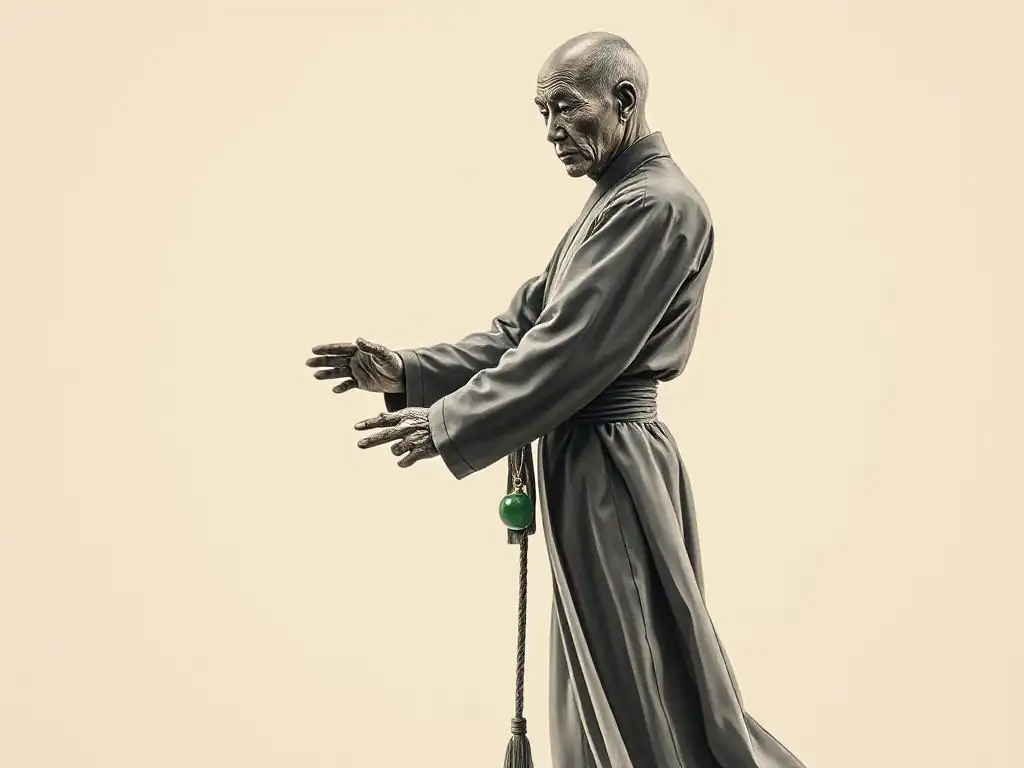
Respect is as fundamental to the Ip Man Wing Chun tradition as humility. It forms the basis of the teacher-student relationship, governs interactions between practitioners, and dictates the attitude towards the art itself. Respect creates a positive and conducive learning environment, ensuring the safe and effective transmission of knowledge across generations. It is the glue that holds the lineage together, preserving its integrity and fostering a sense of community among practitioners.
Showing Respect to Sifu and Senior Students
Respect for the Sifu (teacher) is paramount in traditional Ip Man Wing Chun schools. This respect is earned through the Sifu's dedication, knowledge, and guidance, and it is shown through actions such as bowing upon entering and leaving the kwoon, addressing the Sifu formally, listening attentively to instruction, and following their guidance diligently. This is not blind obedience but an acknowledgment of their experience and the lineage they represent.
Similarly, respect is shown to senior students (Sibak, Sisook, Sihing, Sije) who have trained longer and possess more experience. This might involve bowing to them, asking for their guidance respectfully, and assisting them when needed. For instance, a junior student might help a Sihing understand a tricky application of a Lap Sao technique they've been working on. This structure reinforces the learning hierarchy and facilitates the passing down of knowledge within the kwoon community, instilling discipline and emphasizing the values of Ip Man Wing Chun humility and respect.
The Significance of Proper Etiquette in Wing Chun Training
Proper etiquette (lai) plays a vital role in maintaining a respectful and disciplined training environment. This includes seemingly simple actions such as bowing to training partners before and after practicing together, handling training equipment like the wooden dummy (Mook Yan Jong) or wall bag with care, maintaining personal hygiene, and keeping the training area clean. While not techniques in themselves, these acts reinforce the values of consideration, discipline, and respect for the art and fellow practitioners.
Observing proper etiquette signals a student's commitment to the traditional values of the lineage. It creates a sense of order and mutual respect within the kwoon, making it a safe and supportive space for everyone to learn and grow. Failing to observe etiquette can be seen as a lack of respect for the art and the community, hindering one's own progress and negatively impacting the training environment. Adhering to these customs is a tangible way to embody the principles of Ip Man Wing Chun humility and respect.
Respect for the Art: Preserving the Integrity of Ip Man Wing Chun
Respect for the art itself involves recognizing its history, principles, and the immense effort required to develop and transmit it. This means dedicating oneself to learning the traditional forms (Siu Lim Tao, Chum Kiu, Biu Jee), the wooden dummy form, and the weapons forms (Luk Dim Boon Gwun, Bart Cham Dao) with accuracy and understanding, rather than superficially. It involves adhering to the core principles of the system, such as centerline theory, simultaneous defense and attack, and economy of motion.
Respect for the art also implies a commitment to its preservation and responsible practice. This might involve being cautious about mixing techniques from other styles before fully understanding and mastering the Wing Chun foundation, or representing the art truthfully and respectfully outside the kwoon. It's about recognizing that you are a custodian of a rich tradition passed down through practitioners like Ip Man, and upholding its standards demonstrates deep respect. This reverence for the art underpins the pursuit of Ip Man Wing Chun humility and mastery.
Respect for Opponents: Maintaining Discipline and Control During Sparring
Even in the context of sparring or self-defense practice, respect for the opponent is crucial in Wing Chun. This means training with control, avoiding unnecessary force or injury, and treating the interaction as a mutual learning opportunity rather than a personal battle. During Chi Sao or Gor Sao (light sparring), practitioners learn to feel, adapt, and respond without aggression, focusing on applying principles like "sticking" and "following."
Respect for the opponent also involves maintaining composure and discipline, regardless of the outcome of an exchange. Whether successful or unsuccessful in a technique, the practitioner remains calm and focused, learning from the experience. This attitude prevents training from devolving into uncontrolled fighting and reinforces the idea that martial arts are about self-mastery as much as physical engagement. This disciplined approach, rooted in respect, is integral to the practical application of Ip Man Wing Chun humility and skill.
The Interplay of Humility and Respect in Wing Chun
Humility and respect are deeply intertwined in the Ip Man Wing Chun tradition, each reinforcing the other. It is difficult to possess one without the other, as they create a virtuous cycle that enhances both individual development and the collective harmony of the training environment. Understanding their dynamic relationship is key to progressing authentically in the art.
How Humility Fosters Respect Within the Wing Chun School
Humility directly contributes to fostering respect within the kwoon. A humble student is more likely to show genuine respect to their Sifu because they acknowledge the Sifu's superior knowledge and experience. They don't believe they know better or have nothing left to learn from their teacher. For instance, a student who has practiced for five years but remains humble will still approach their Sifu with questions about foundational principles, demonstrating respect for the Sifu's depth of understanding that comes from decades of practice.
Similarly, humility encourages respect among fellow students. A humble practitioner doesn't view training partners as rivals to be defeated but as collaborators in learning. They are open to receiving feedback from seniors and patient when working with juniors. This lack of arrogance makes them approachable and easy to work with, fostering mutual respect and a supportive community spirit. This synergy of traits exemplifies the ideal atmosphere in an Ip Man Wing Chun school dedicated to developing character alongside skill.
The Role of Respect in Cultivating Humility in Wing Chun Practitioners
Conversely, the practice of showing respect helps cultivate humility. By consistently showing respect for the Sifu and senior students, a practitioner reinforces their understanding of the lineage and their place within it. Bowing, listening attentively, and following instructions are physical acts that instill a mental attitude of receptiveness and acknowledgment of greater experience. This ritualistic respect helps ground the practitioner and reminds them that they are part of something larger than themselves.
Respect for the art itself also cultivates humility. Recognizing the depth and complexity of Wing Chun, understanding that mastering even the first form, Siu Lim Tao, can take years of dedicated practice, naturally instills a sense of humility. The practitioner realizes the vastness of the journey ahead and the continuous effort required, dampening any potential for arrogance. This reciprocal relationship between humility and respect is a powerful engine for personal growth within the Ip Man Wing Chun tradition.
Developing a Balanced Approach: Humility and Confidence in Wing Chun
Developing a balanced approach that integrates humility with confidence is essential for effective Ip Man Wing Chun practice. True confidence in Wing Chun comes not from ego or a belief in innate superiority, but from diligent practice and a solid understanding of the principles. A practitioner becomes confident in their structure, their ability to generate power from relaxation, and their understanding of distance and timing through countless repetitions of drills and forms.
Humility ensures that this confidence does not turn into arrogance. It keeps the practitioner open to learning, acknowledging that there is always room for improvement and that even experienced practitioners can learn from unexpected sources. The balance lies in having confidence in one's trained ability while maintaining the humility to recognize that the learning process is never truly complete. This allows the practitioner to be effective when needed, while remaining a perpetual student of the art, embodying the ideals of Ip Man Wing Chun humility and capability.
Cultivating Humility and Respect in Your Wing Chun Journey
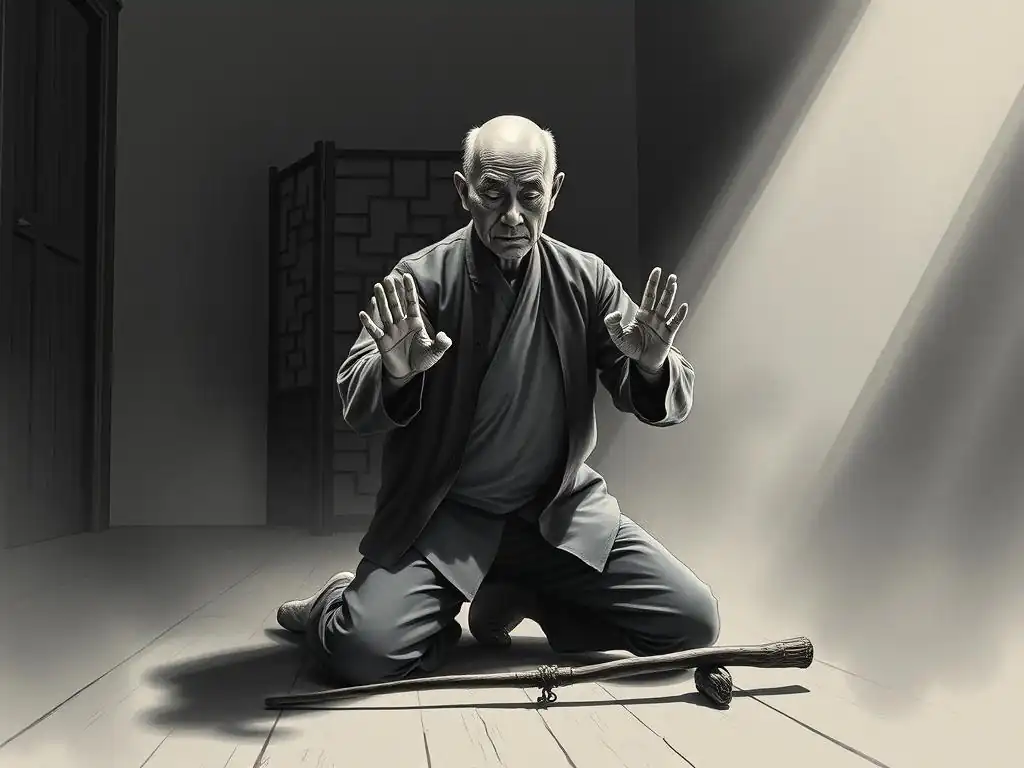
Actively cultivating humility and respect is a conscious process that enhances every aspect of your Wing Chun training. It goes beyond simply performing techniques and delves into the character development that is so central to the Ip Man lineage. By incorporating specific practices into your routine, you can strengthen these core values.
Practical Tips for Incorporating Humility into Your Daily Practice
Integrating humility into your training requires mindfulness and deliberate action.
- Seek and Accept Feedback: Actively ask your Sifu or senior students for critique on your forms, drills, or partner work. When receiving feedback, listen without interrupting and focus on understanding the correction, even if it feels uncomfortable. Try to implement the changes immediately.
- Practice the Fundamentals Diligently: Regardless of your experience level, dedicate a portion of every training session to basic drills like stance training, straight punching, or Pak Sao/Lap Sao single hand drills. Approaching these fundamentals with renewed focus and the goal of constant refinement is an act of humility, acknowledging their foundational importance.
- Acknowledge Mistakes: When you make an error in form or technique, or when a training partner's technique is effective against you, acknowledge it internally and externally (if appropriate). See it as a learning opportunity rather than a failure.
- Avoid Comparing Yourself Competitively: Focus on your own progress and understanding of the art, rather than trying to be "better" than others in the kwoon. Celebrate the successes of your training partners. This non-competitive mindset is crucial for fostering Ip Man Wing Chun humility.
Exercises to Foster Respect for the Tradition and Your Training Partners
Respect can also be actively cultivated through specific practices.
- Observe Kwoon Etiquette: Consistently perform the traditional bows upon entering and leaving the training area, and before and after working with a partner. Handle training equipment with care, returning it to its proper place. These rituals reinforce respect for the space and the art.
- Help Junior Students: Offer assistance and guidance to those less experienced than yourself, patiently sharing what you've learned. This act of giving back demonstrates respect for the lineage and fosters a sense of community responsibility.
- Listen Attentively to Sifu: When your Sifu is speaking or demonstrating, give them your full, undivided attention. Avoid distractions. This shows respect for their knowledge and the effort they put into teaching.
- Train with Control and Care: During partner drills and sparring, prioritize safety and mutual learning over aggression. Communicate with your partner and ensure you are training in a way that benefits both of you. This demonstrates respect for their well-being and their journey in Ip Man Wing Chun humility and skill development.
The Long-Term Benefits of Embracing Humility and Respect in Wing Chun
Embracing humility and respect yields significant long-term benefits for the Wing Chun practitioner. Beyond improved technical skill, these values lead to deeper personal growth. A humble and respectful practitioner is more likely to remain a student for life, continuously refining their understanding and technique. This leads to a more profound mastery of the art than someone who relies solely on physical talent but lacks these character traits.
Furthermore, cultivating humility and respect strengthens relationships within the Wing Chun community, creating a supportive network for learning and mutual encouragement. These values also translate into daily life, fostering better interactions with others, increased patience, and a more balanced perspective. Ultimately, the long-term benefit is not just becoming a more effective martial artist, but becoming a better person, embodying the full scope of the Ip Man Wing Chun tradition's emphasis on character development alongside physical prowess.
The Legacy of Ip Man: Exemplifying Humility and Respect
Grandmaster Ip Man himself was a living embodiment of the humility and respect that are cornerstones of the Wing Chun tradition he popularized. His life and teachings provide powerful examples of how these values manifest in a true master. He was known for his quiet demeanor and unassuming nature, despite his exceptional skill.
Ip Man's Personal Philosophy and Anecdotes
Ip Man's famous quote, "I only fear the man who practices one kick 10,000 times," speaks volumes about his philosophy, emphasizing dedication and consistent effort over flashy techniques or perceived talent. This perspective inherently requires humility – acknowledging that simple, fundamental practice is the path to true effectiveness, rather than seeking complex, untested moves.
Anecdotes from his life often highlight his willingness to learn and his lack of pretension. Despite being a highly accomplished master, stories recount instances where he would observe other martial artists or even learn from students who had exposure to different approaches, always with an open mind. For example, he reportedly showed interest in Bruce Lee's evolving ideas, demonstrating a humility that allowed him to remain receptive to different perspectives, even from his own student. This openness was a testament to his deep-seated Ip Man Wing Chun humility.
How Ip Man Transmitted These Values to His Students
Ip Man transmitted the values of humility and respect not just through explicit instruction, but primarily through his personal example. His students observed his calm demeanor, his disciplined approach to training, and his respectful interactions with others. He emphasized the importance of the forms, stressing that true power came from correct structure and principle, which required humble, patient practice.
He taught his students to respect the lineage, the kwoon, and each other. By creating a training environment based on mutual respect and discipline, he instilled these values organically. His focus on practical, efficient techniques also subtly reinforced humility – there was no room for elaborate or boastful movements; the art was about directness and effectiveness, requiring an honest assessment of reality over ego-driven fantasy. His method ensured that his students learned not just how to do Wing Chun, but how to be a Wing Chun practitioner, embodying Ip Man Wing Chun humility and discipline.
Continuing the Tradition: Passing Down Humility and Respect in Modern Wing Chun Schools
Today, legitimate Ip Man Wing Chun schools around the world strive to continue this tradition of passing down not just the physical techniques but also the core values of humility and respect. This is achieved through consistent emphasis on kwoon etiquette, the teacher-student relationship, and the philosophical underpinnings of the art. New students are typically started with Siu Lim Tao, spending months or even a year focusing solely on this first form, a practice that inherently teaches patience, discipline, and humility by requiring dedication to fundamentals before moving to more complex techniques.
Modern Sifus and instructors understand that they are custodians of Ip Man's legacy. They lead by example, demonstrating humility in their own practice and interactions, and reinforcing respectful behavior among students. They create learning environments where students feel safe to make mistakes and receive feedback, fostering the growth of Ip Man Wing Chun humility. By upholding these values, they ensure that the Wing Chun tradition remains true to its roots, producing not just skilled fighters, but individuals of strong character, continuing the path laid out by the Grandmaster.
Frequently Asked Questions
What role did humility play in Ip Man's teaching philosophy?
Humility was central to Ip Man's philosophy. He believed it was essential for true learning and personal growth in Wing Chun. He emphasized that a humble student is more receptive to instruction.
How does the Wing Chun tradition emphasize respect, and why is it important?
Respect is deeply ingrained in Wing Chun, shown to the Sifu (teacher), fellow students, and the art itself. This fosters a positive learning environment and ensures the preservation of the tradition.
What are some practical ways practitioners can cultivate humility in their Wing Chun training?
Practitioners can cultivate humility by being open to correction, acknowledging their limitations, and focusing on continuous improvement rather than ego-driven competition.
How did Ip Man himself demonstrate humility throughout his life and martial arts career?
Ip Man, despite his skill, remained approachable and open to learning from others. He never boasted about his abilities, always prioritizing the integrity of Wing Chun.
Why are humility and respect considered core values in the Ip Man Wing Chun tradition, and how do they contribute to a practitioner's development?
These values are considered core because they foster discipline, self-awareness, and a deeper understanding of the art. They contribute to a practitioner's holistic development, both in martial arts and in life.
Final Reflection: The Enduring Power of Humble Strength
The principles of humility and respect, so deeply ingrained in the Ip Man Wing Chun tradition, are not relics of the past but vital compass points in our increasingly complex world. In a society often driven by ego and self-promotion, the quiet strength cultivated through these values offers a powerful alternative, a path towards genuine connection and lasting impact. The lessons learned from the Wing Chun lineage, therefore, resonate far beyond the training hall.
The influence of Ip Man's teachings extends beyond martial arts, shaping perspectives on leadership, communication, and personal growth. My own understanding of conflict resolution has been profoundly impacted by the emphasis on yielding and understanding an opponent's force, rather than meeting it head-on. This philosophy, rooted in humility, fosters empathy and enables more effective solutions. The highest form of generalship is to destroy the enemy's plans.
– Sun Tzu. This quote, though not directly from Wing Chun, perfectly encapsulates the strategic advantage gained through understanding and respecting one's opponent, a core tenet of the art.
Now, consider how you can integrate these principles of humility and respect into your own life. How can you approach challenges with a willingness to learn, to listen, and to understand? Embrace the quiet strength that comes from acknowledging your limitations and valuing the contributions of others. Let the spirit of Ip Man Wing Chun guide you towards a more meaningful and impactful existence, one built on the foundation of genuine connection and unwavering respect.
Embrace the Ip Man Legacy: Begin Your Wing Chun Journey Today!
Thank you for delving into the core values of humility and respect within the Ip Man Wing Chun tradition. We hope this article has inspired you to appreciate the depth and philosophy behind this powerful martial art. Now, take the next step and embody these principles in your own life!
- Find a qualified Wing Chun instructor near you and schedule your introductory class – this is your moment to experience the art firsthand and begin your personal journey!
- Explore additional articles and resources on Martial Arts Mastery to deepen your understanding of martial arts philosophy and techniques.
- Share this article with friends and family who appreciate martial arts, sparking a conversation about the importance of humility and respect.
What small act of humility will you practice today to honor the spirit of Wing Chun?