
If Bruce Lee Managed Your Schedule: Applying Martial Arts Focus to Time Mastery


Welcome to Martial Arts Mastery, where we delve into the heart and soul of combat disciplines. Ever wondered how a legend like Bruce Lee achieved so much in so little time? This week, we're unlocking the secrets to his unparalleled focus and discipline, exploring Bruce Lee time management tips and how you can apply his martial arts mindset to conquer your own schedule. Prepare to sharpen your focus and master your time, just like a true martial artist. Dive in and discover the power of mindful productivity!
- Applying Stoic Principles to Time Management: Mastering Your Day Like a Philosopher
- Introduction: Unleashing Your Inner Stoic for Peak Productivity
- Stoic Core Principles for Time Management Mastery
- Practical Stoic Time Management Techniques
- Overcoming Common Time Management Obstacles with a Stoic Approach
- Integrating Stoic Philosophies into Your Daily Time Management Routine
- Conclusion: Mastering Your Time with the Wisdom of the Ancients
-
Frequently Asked Questions
- How did Bruce Lee approach time management, according to MartialArtsMastery.org?
- What role did philosophy play in Bruce Lee's time management strategies, as discussed on MartialArtsMastery.org?
- How can MartialArtsMastery.org's insights into Bruce Lee's training habits be applied to modern time management?
- Does MartialArtsMastery.org provide specific examples of Bruce Lee's daily routine that can be emulated?
- According to MartialArtsMastery.org, what are the benefits of adopting a "Bruce Lee" style approach to time management?
- Final Reflection: Channeling the Dragon for Time Mastery
- Unleash Your Inner Dragon: Transform Your Time Today!
Applying Stoic Principles to Time Management: Mastering Your Day Like a Philosopher
Introduction: Unleashing Your Inner Stoic for Peak Productivity
From Stoicism to Time Management: Embracing the Stoic Mindset
Stoicism, an ancient Greek philosophy founded by Zeno of Citium in the early 3rd century BC, offers a powerful framework for navigating life's challenges and achieving tranquility. At its core, Stoicism teaches the development of self-control and fortitude as a means of overcoming destructive emotions.
While primarily concerned with ethics and virtue, its principles have profound implications for modern life, including how we manage our most precious resource: time. Embracing a Stoic mindset means cultivating inner resilience, focusing on what is within our power, and aligning our actions with our deepest values, all of which are critical components of effective time management.
Applying Stoic philosophy to time management isn't about rigid schedules or complex productivity hacks; it's about cultivating a mental discipline that allows us to use our time wisely and purposefully. It involves recognizing that external events and the actions of others are often beyond our control, but our response to them, and how we choose to allocate our time and energy, is entirely within our domain.
This shift in perspective, from being reactive to proactive and intentional, forms the bedrock of a Stoic approach to mastering one's day. By adopting this ancient wisdom, individuals can move beyond simply managing tasks to truly mastering their time, finding greater focus and fulfillment in their daily endeavors.
Why Stoic Philosophy Translates to Effective Time Management
The principles of Stoicism naturally lend themselves to effective time management due to their emphasis on self-awareness, discipline, and rational action. The Stoics taught the importance of distinguishing between what we can control (our thoughts, judgments, desires, and actions) and what we cannot (external events, other people's opinions, the past, the future).
This fundamental distinction is crucial for time management, as it guides us to focus our limited time and energy on productive activities rather than worrying about unpredictable outcomes or external pressures. For instance, a Stoic practitioner wouldn't waste hours fretting over a deadline they cannot change but would instead focus intensely on the steps they can take to complete the task.
Furthermore, Stoicism champions the cardinal virtues: wisdom, justice, courage, and temperance. These virtues provide a moral compass that can guide our scheduling and prioritization. Wisdom helps us discern what tasks are truly important and aligned with our goals. Justice encourages us to allocate time fairly, both to our responsibilities and to others.
Courage gives us the fortitude to tackle difficult or unpleasant tasks rather than procrastinating. Temperance enables self-control, helping us resist distractions and stick to our planned activities. By grounding our time management in these virtues, we ensure that our efforts are not only efficient but also meaningful and aligned with a life of purpose. This philosophical foundation provides a deeper, more sustainable approach than mere task-list management.
Stoic Core Principles for Time Management Mastery
Principle 1: Focus on What You Can Control - Prioritizing Actions, Not Outcomes
The Stoic doctrine of the Dichotomy of Control is perhaps the most relevant principle for time management. Epictetus, a prominent Stoic philosopher, famously stated that "Some things are within our power, while others are not." Our judgments, impulses, desires, and aversions are within our power; our body, possessions, reputation, and office are not.
When applying this to time management, it means recognizing that while we cannot control the exact time a meeting ends, the unexpected interruption, or the speed at which a colleague responds, we can control our focus on the task at hand, the effort we invest, and our attitude towards the situation. Prioritizing actions means concentrating on the process – the steps we take, the effort we make – rather than fixating on the outcome, which is often subject to external factors.
This principle liberates us from the anxiety of uncontrollable variables. Instead of being paralyzed by the potential failure of a project (an outcome), a Stoic-minded individual focuses on diligently working through each necessary step (the action). This focus on controllable effort allows for a more stable and less stressful approach to work and projects.
For example, when preparing for a presentation, you cannot control the audience's reaction or technical glitches, but you can control the quality of your preparation, the clarity of your slides, and the amount of rehearsal you undertake. By directing your time and energy towards these controllable elements, you maximize your potential for success while accepting that the final outcome is not solely dependent on you. This mindset fosters resilience and prevents wasted time on worry.
Accepting the Unpredictability of the Day: Adapting to External Events
Life is inherently unpredictable, and even the most meticulously planned schedule can be disrupted by unforeseen events – an urgent request from a superior, a family emergency, a technical failure. The Stoic approach teaches us to accept this inherent unpredictability with equanimity. Seneca, another key Stoic figure, advised anticipating misfortune (premeditatio malorum) not to dwell on negativity, but to prepare our minds for potential difficulties.
In terms of time management, this means building flexibility into our plans and maintaining a mental readiness to adapt. Instead of becoming frustrated or derailed by interruptions, we acknowledge them as part of the natural flow of events and calmly reassess our priorities and adjust our schedule accordingly.
This acceptance is not passive resignation but an active form of mental preparation that enhances our ability to recover quickly from setbacks. For instance, if a planned block of focused work is interrupted by an urgent call, a Stoic practitioner would handle the call efficiently, then calmly return to their task or adjust their plan for the rest of the day, rather than allowing the interruption to cause frustration that spills over and affects subsequent activities.
Data from productivity studies often shows that recovery time after interruptions significantly impacts overall efficiency; by minimizing emotional reactivity through Stoic acceptance, we reduce this recovery time and maintain momentum. This adaptable mindset is far more effective than rigid adherence to a schedule that cannot withstand the reality of a dynamic environment.
Concentrating on Effort and Preparation: The Dichotomy of Control
The Dichotomy of Control emphasizes that while outcomes are often outside our power, our effort and preparation are entirely within our control. This is where a significant portion of our time and energy should be directed. In time management, this translates to focusing on the quality and intensity of our work on a task, rather than solely on the result.
For example, when studying for an exam, the Stoic focuses on the discipline of consistent study, understanding the material, and practicing problems (effort and preparation), rather than worrying about the final grade (outcome). This focus on the process ensures that the time spent is productive and meaningful, regardless of external factors that might influence the final result.
Consider the realm of business or project management. A team cannot guarantee a project's market success (outcome), but they can control the quality of their planning, the diligence of their execution, the effectiveness of their communication, and the effort they put into overcoming challenges (effort and preparation). By concentrating time and resources on these controllable elements, teams increase their likelihood of success, even while acknowledging that external market forces or competitor actions might impact the final result.
This principle encourages a deep commitment to the work itself, fostering a sense of purpose and reducing the anxiety associated with results that are, in part, outside our direct influence. It shifts the metric of success from purely external validation to internal effort and virtue.
Principle 2: Virtue as the Guiding Principle - Aligning Tasks with Values
Stoicism posits that virtue is the sole good, and living a virtuous life is the path to eudaimonia (flourishing). The four cardinal virtues – wisdom, justice, courage, and temperance – provide a powerful framework for deciding how to spend our time. When we align our daily tasks and priorities with these virtues, our time management becomes less about simply checking off items on a list and more about living a life of purpose and meaning. Wisdom helps us choose activities that contribute to our long-term well-being and understanding.
Justice prompts us to dedicate time to responsibilities towards others and our community. Courage enables us to face challenging tasks head-on. Temperance helps us manage our desires and avoid time sinks like excessive entertainment or procrastination.
Applying this principle means regularly evaluating whether our scheduled activities truly reflect our values. For instance, if you value personal growth (wisdom), you might prioritize time for learning or reflection. If you value relationships (justice), you ensure time is allocated for meaningful interactions.
This alignment provides intrinsic motivation and helps differentiate between truly important tasks and trivial ones. Data suggests that individuals whose work aligns with their values report higher levels of job satisfaction and motivation; similarly, aligning personal time with values leads to a more fulfilling life. By using virtue as our compass, we ensure our time is spent not just efficiently, but effectively towards building a life of character and substance.
Identifying and Acting on Meaningful Activities
Identifying meaningful activities requires introspection and a clear understanding of one's values and goals. Stoicism encourages self-examination, often through practices like journaling, to understand our judgments and motivations. When it comes to time management, this means taking the time to define what truly matters to us – beyond societal expectations or fleeting desires. Is it contributing to a specific project at work? Spending quality time with family? Learning a new skill? Contributing to a cause? Once identified, these meaningful activities, aligned with virtue, should be prioritized in our schedules.
Acting on these meaningful activities requires conscious effort and the courage to say "no" to things that distract from them. For example, if personal health and fitness (temperance/wisdom) are core values, scheduling and committing to regular exercise sessions becomes a priority, even when faced with competing demands. If contributing to a team project (justice) is a priority, ensuring dedicated time for collaborative work or individual tasks supporting the team's goal is essential.
This isn't about fitting meaningful things into the gaps; it's about structuring your time around them. Studies on goal setting often highlight the importance of linking tasks to larger values for increased persistence and motivation, underscoring the power of this Stoic principle in practical time management.
Rejecting Time-Wasting Pursuits: Avoiding Vices Like Distraction
Just as Stoicism guides us towards virtuous action, it also warns against vices that pull us away from a life of reason and purpose. In the context of time management, these vices manifest as time-wasting pursuits and distractions.
Seneca wrote extensively on the fleeting nature of time and how much of it is stolen from us by others or, more importantly, by ourselves through idleness, indecision, and engaging in trivialities. Avoiding these requires temperance and wisdom – the self-control to resist temptations like endless scrolling on social media, excessive entertainment, or engaging in gossip, and the wisdom to recognize these activities as detrimental to our goals and values.
Rejecting time-wasting pursuits is an active process of cultivating discipline. It means being mindful of how time is being spent and making conscious choices to disengage from activities that do not contribute positively to our lives or responsibilities. For example, if checking emails constantly throughout the day leads to frequent context switching and reduced productivity, a Stoic approach would involve setting specific times for email processing (temperance) and sticking to that schedule (courage/temperance).
Recognizing that time spent on frivolous activities is time lost from meaningful pursuits provides a strong motivation to exercise self-control. Research on digital distractions indicates that the average person spends several hours daily on non-work-related digital activities; consciously reducing this through Stoic discipline can free up significant time for more valuable endeavors.
Principle 3: Living in Accordance with Nature - Optimizing Your Natural Rhythms
Living in accordance with nature, for the Stoics, meant living in accordance with reason and the rational order of the universe, including human nature. When applied to time management, this principle encourages us to understand and respect our own natural rhythms and biological needs. Just as nature operates in cycles – day and night, seasons – our bodies and minds also have optimal periods for certain types of activity.
Attempting to work against these natural cycles can lead to inefficiency, burnout, and decreased well-being. Understanding our personal chronotype (whether we are a morning lark or a night owl, for instance) and energy fluctuations throughout the day is crucial for scheduling tasks effectively.
Optimizing time management according to natural rhythms means scheduling demanding, focus-intensive tasks during periods when our energy and concentration are naturally highest. Conversely, less demanding or administrative tasks can be scheduled during periods of lower energy. This isn't about being lazy; it's about being wise and utilizing our natural capabilities efficiently, in accordance with our own biological nature.
For example, if you know you are most alert and focused between 9 AM and 12 PM, schedule your most important analytical or creative work during this time. If your energy dips in the afternoon, use that time for routine tasks, emails, or meetings that require less intense concentration. This approach acknowledges our physical and mental limitations as part of human nature and works with them rather than against them.
Understanding Your Energy Levels: Scheduling Tasks Accordingly
Understanding your personal energy levels throughout the day and week is a cornerstone of living in accordance with your nature for time management. This involves paying attention to when you feel most alert, creative, and capable of deep work, and when you tend to experience dips in concentration or energy. Many people follow a general pattern: peak alertness in the morning, a dip in the early afternoon, and potentially another rise in the late afternoon or evening. However, individual variations exist, and factors like diet, sleep, and stress significantly influence these patterns.
Once you have a clearer picture of your energy fluctuations, you can schedule your tasks strategically. High-priority tasks requiring significant mental effort, problem-solving, or creativity should be assigned to your peak energy hours. Tasks that are more routine, administrative, or require less intense focus – like responding to emails, organizing files, or attending less critical meetings – can be reserved for periods when your energy is lower.
For instance, if you track your productivity for a week and notice you consistently struggle with complex writing tasks after lunch, schedule that writing for first thing in the morning. This simple alignment of task difficulty with energy levels can dramatically increase productivity and reduce the feeling of fighting against yourself throughout the day.
Respecting the Need for Rest: Prioritizing Sleep and Recharge
Living in accordance with nature absolutely includes respecting the fundamental human need for rest and recovery. The Stoics valued health as a "preferred indifferent" – not a good in itself, but something naturally preferred and conducive to living a virtuous life. Adequate sleep, breaks, and periods of genuine rest are not luxuries but necessities for sustained focus, cognitive function, and overall well-being. Neglecting rest in pursuit of constant productivity is working against nature and is ultimately counterproductive.
Prioritizing sleep, typically 7-9 hours for most adults, is foundational. Chronic sleep deprivation impairs concentration, decision-making, and emotional regulation, making effective time management nearly impossible. Similarly, incorporating regular breaks throughout the workday and scheduling time for genuine leisure and recharge activities (like exercise, spending time in nature, or engaging in hobbies) prevents burnout and maintains mental resilience.
Seneca advised alternating between study and relaxation, stating that "the mind must be given relaxation... A change of occupation is the best rest." By consciously scheduling and protecting time for rest, we are not losing time; we are investing in our capacity for future focused and productive work, aligning our time management with our natural need for recovery.
Practical Stoic Time Management Techniques

Technique 1: Negative Visualization - Appreciating Time and Avoiding Waste
Negative visualization, or premeditatio malorum (premeditation of evils), is a core Stoic practice involving contemplating potential misfortunes, not to induce anxiety, but to prepare the mind and foster appreciation for what one has. When applied to time management, this technique involves contemplating the potential loss or waste of time. By vividly imagining how easily time can slip away, how little time we might have left, or how quickly opportunities can vanish, we cultivate a deeper appreciation for the present moment and a stronger motivation to use it wisely. This isn't morbid; it's a powerful reminder of time's finite nature.
Contemplating potential time losses could involve reflecting on past instances where time was squandered on trivialities, or imagining a future where you regret not having used your time more purposefully. This reflection serves as a stark contrast to the present opportunity to act.
Seneca's essay "On the Shortness of Life" is a classic example of this, lamenting how people waste vast amounts of time on pointless pursuits while neglecting what truly matters. By regularly contemplating the preciousness and fragility of time, we are jolted out of complacency and motivated to avoid procrastination, distraction, and idleness, thus reclaiming hours that might otherwise be lost.
Contemplating Potential Time Losses: Motivating Action
Actively contemplating potential time losses involves mentally running through scenarios where time might be wasted or opportunities missed. This could be as simple as reflecting at the start of the day on how easily the next eight hours could disappear if you succumb to distractions, attend unnecessary meetings, or get caught up in low-priority tasks. Or it could involve contemplating the potential regret of not dedicating time to a significant personal project or relationship that you value deeply. This exercise highlights the cost of poor time choices in a tangible, emotional way.
For example, imagine dedicating a specific time block to deep work on a critical report. Contemplate what would happen if that time is lost – the stress of rushing later, the potential for lower quality work, the missed opportunity to make significant progress. This mental exercise makes the value of that time block clear and strengthens your resolve to protect it from interruptions and distractions. By confronting the possibility of wasted time, the present moment, and the tasks within it, gain a heightened sense of urgency and importance, providing a powerful internal motivator to focus and act deliberately.
Using Reminders of Mortality: Focusing on What Truly Matters
A more profound form of negative visualization involves contemplating our own mortality – the ultimate limit on our time. The Stoics frequently reflected on memento mori ("remember you must die") not as a morbid fixation, but as a tool for living more fully and purposefully in the present. When applied to time management, this means asking: "If this were my last week, day, or hour, how would I choose to spend it?" This perspective ruthlessly cuts through trivialities and highlights what is truly essential.
Considering the finite nature of life compels us to prioritize activities that align with our deepest values and contribute to a life well-lived. It makes it difficult to justify spending hours on activities that are meaningless or detrimental.
Would you spend your potential last hour scrolling through social media, or would you dedicate it to something or someone truly important? This stark contrast clarifies priorities and provides a powerful impetus to focus our limited time on what genuinely matters, ensuring that our daily schedule reflects our ultimate values and aspirations rather than simply reacting to external demands or fleeting desires.
Technique 2: Amor Fati - Embracing the Present Moment and its Tasks
Amor Fati, a Latin phrase meaning "love of fate," is a Stoic principle that encourages us to not just accept everything that happens, but to actively embrace and even love it, seeing it as necessary and part of the rational order. While seemingly passive, Amor Fati is an active mindset of radical acceptance and engagement with reality as it is.
Applied to time management, it means fully embracing the present moment and the tasks it presents, including those that are difficult, boring, or frustrating. Instead of resisting or complaining about a challenging task, we approach it with a sense of acceptance, finding purpose or opportunity within it.
This principle is powerful for overcoming procrastination and developing resilience. When faced with a daunting task, resistance often breeds delay. Amor Fati encourages us to lean into the task, to find meaning in the effort itself, and to accept its presence in our schedule without complaint.
It's about shifting perspective – seeing a difficult project not as a burden imposed upon you, but as an opportunity to practice patience, diligence, and problem-solving. This acceptance and embrace of the present task allows for greater focus and a more positive engagement with work, transforming potential sources of frustration into opportunities for growth.
Finding Joy in the Process: Shifting Perspective on Difficult Activities
Finding joy in the process of a difficult task might seem counterintuitive, but it is a key aspect of Amor Fati applied to work. It's not about pretending to enjoy suffering, but about shifting your focus from the unpleasantness of the task to the value of the effort, the learning involved, or the virtue being practiced. For example, a tedious administrative task might be reframed as an opportunity to cultivate patience and thoroughness (temperance and wisdom). A challenging problem might be seen as a chance to hone analytical skills and perseverance (courage).
This shift in perspective transforms the experience of engaging with difficult activities. Instead of dreading them, you can approach them with a sense of purpose, focusing on the internal satisfaction of putting forth your best effort and developing your character. This mindset reduces resistance and makes it easier to start and persist with challenging tasks, thereby improving time management naturally. Research in positive psychology supports the idea that focusing on the process and finding meaning in effort enhances motivation and resilience, mirroring the practical benefits of this Stoic approach.
Using a Daily Journal to Reflect on Progress and Challenges
A daily journal was a common practice among Stoics like Seneca and Marcus Aurelius, used for self-reflection, examining judgments, and reviewing the day's actions against philosophical principles. For time management, journaling serves as a practical tool to apply Amor Fati and other Stoic principles. At the end of the day, reflecting on how you spent your time allows you to identify moments where you acted in accordance with your values and principles, and moments where you succumbed to distractions or wasted time.
Journaling about your time management can involve reviewing your planned activities versus what you actually accomplished, noting what went well and what challenges arose. Crucially, a Stoic journal isn't just a log; it's a space for philosophical reflection.
You might write about instances where you felt frustrated by delays (examining your judgment about external events), moments where you resisted temptation (noting the practice of temperance), or times you embraced a difficult task (reflecting on Amor Fati). This regular self-assessment helps you learn from your experiences, understand your patterns of behavior, and make conscious adjustments to how you manage your time going forward, reinforcing the practical application of Stoic wisdom.
Technique 3: The "Premeditatio Malorum" of Scheduling - Anticipating and Mitigating Obstacles
As mentioned earlier, premeditatio malorum involves contemplating potential difficulties. In the context of scheduling and time management, this translates to proactively identifying potential obstacles, delays, and interruptions that could derail your plans, and developing strategies to mitigate them. This isn't about being pessimistic; it's about being realistic and prepared. By anticipating what could go wrong, you can build resilience into your schedule and reduce the likelihood of being completely thrown off course when challenges inevitably arise.
This technique moves beyond simply creating a schedule; it involves stress-testing it against potential realities. If you anticipate that a particular task might take longer than expected, build in buffer time. If you know you are likely to be interrupted during a specific block of work, plan that block for a time or location where interruptions are less likely, or prepare strategies for quickly refocusing afterward. This proactive approach, rooted in Stoic foresight, prevents frustration and allows for a smoother, more adaptable execution of your daily plan.
Planning for Potential Delays and Interruptions
Planning for potential delays and interruptions is a practical application of anticipating misfortune in time management. Instead of assuming everything will go perfectly according to plan, Stoic-minded scheduling involves acknowledging that unforeseen circumstances are common. This might mean adding extra time to estimates for tasks, especially those that involve external dependencies (like waiting for input from others). Project management data often shows that tasks rarely finish exactly on time, underscoring the need for realistic buffer periods.
For example, if you schedule a meeting that requires participants from different departments, anticipate that it might start late or run over the allotted time. Plan subsequent activities with this potential delay in mind, perhaps scheduling a less critical task immediately afterward that can be easily adjusted.
If you plan a block of focused work, anticipate potential email or messaging notifications and proactively silence them or use tools to block distractions during that period. By building these contingencies into your initial plan, you reduce the stress and disruption caused by unexpected events, maintaining control over your response to them, even if you can't control the events themselves.
Developing Contingency Plans: Building Resilience into Your Schedule
Developing contingency plans takes the anticipation of obstacles a step further by outlining specific alternative courses of action if a primary plan is disrupted. This builds resilience into your schedule, ensuring that a single setback doesn't completely derail your entire day or week. A contingency plan doesn't have to be complex; it can be as simple as having a list of alternative tasks you can work on if your primary task is blocked (e.g., if you can't access a necessary file, switch to planning for a different project).
For larger projects or critical tasks, contingency planning might involve identifying potential bottlenecks and having alternative resources or approaches ready. For instance, if a key team member responsible for a specific part of a project might be unavailable, a contingency plan would involve identifying who else could step in or outlining how the task could be temporarily bypassed or postponed without stopping everything else.
This proactive problem-solving, rooted in Stoic preparedness, minimizes downtime and allows you to maintain momentum even when faced with difficulties, demonstrating mastery over your time and circumstances by focusing on your capacity to adapt and respond effectively.
Overcoming Common Time Management Obstacles with a Stoic Approach
Dealing with Procrastination: The "Now is the Time" Principle
Procrastination is a common time management obstacle, often fueled by fear, overwhelm, or a desire for immediate gratification over long-term benefit. The Stoic approach provides powerful antidotes. The principle "Now is the Time," central to Stoic practice, emphasizes the importance of focusing on the present moment, as it is the only moment over which we truly have control.
The past is gone, the future is uncertain; only the present offers the opportunity for action. When faced with a task you're tempted to postpone, the Stoic mindset urges you to bring your full attention to the present opportunity to work on it.
This principle helps combat procrastination by shifting focus from the daunting entirety of a task to the immediate, manageable step that can be taken now. Instead of thinking about the weeks of work required for a large project, the Stoic focuses on the single email that can be sent, the single paragraph that can be written, or the single phone call that can be made in this moment. This focus on immediate, small actions breaks the paralysis of overwhelm and leverages the power of the present.
Marcus Aurelius reminded himself in his Meditations to "Do not be distracted... but in every action inquire, 'Is this necessary?'" and to "Concentrate every minute like a Roman—like a man—on doing what's in front of you with precise and genuine seriousness...".
Focusing on Immediate Action to Avoid Overwhelm
Overwhelm often arises when we look at the totality of a large task or project. The sheer volume of work can feel insurmountable, leading to paralysis and procrastination. The Stoic remedy is to apply the "Now is the Time" principle by focusing exclusively on the very next, smallest possible action required. This breaks the task down psychologically into something manageable and immediate.
For example, if you have to write a ten-page report, thinking about "writing the ten-page report" can be overwhelming. Focusing on the immediate action, however, might be "open the document," "write the first sentence," or "create the outline." These small steps are not daunting and can be taken now. By consistently focusing on and completing these immediate, small actions, momentum is built, and the larger task gradually gets completed. This technique aligns perfectly with the Stoic emphasis on controlling only what is in your immediate power – the action you can take in the present moment.
Breaking Down Large Tasks into Smaller, More Manageable Steps
Breaking down large tasks into smaller, more manageable steps is a practical technique directly supported by the Stoic focus on immediate action and controlling the present. Just as a martial artist masters complex forms by perfecting individual movements, you master large projects by completing individual steps. This process makes the work less intimidating and provides a clear path forward, reducing the likelihood of procrastination due to overwhelm.
Once a large task is broken down into a series of smaller, concrete actions, you can apply the "Now is the Time" principle to each step individually. Focus on completing just the current step perfectly and completely, without worrying about the steps that come later. This allows you to dedicate your full attention and effort to the immediate task, enhancing both efficiency and quality.
For instance, planning a major event can be broken into steps like "research venues," "create guest list," "send initial invitations," etc. Each step is manageable, and completing one provides a sense of accomplishment that motivates you to tackle the next, making the entire process less daunting and more achievable.
Combating Distractions: Cultivating Inner Discipline and Focus
Distractions are perhaps the most pervasive threat to effective time management in the modern world. Emails, notifications, social media, interruptions from colleagues – they constantly vie for our attention. The Stoic solution lies in cultivating inner discipline and focus, recognizing that while external distractions exist, our reaction to them and our ability to maintain focus is within our control. Stoicism emphasizes the power of the rational mind to govern impulses and maintain attention on chosen tasks.
Combating distractions isn't just about external strategies like turning off notifications; it's fundamentally about training your attention. This is where practices that cultivate mindfulness and inner discipline, similar to the focus required in martial arts training, become invaluable. It involves consciously choosing where to direct your attention in each moment and repeatedly bringing it back to the task at hand when it wanders. This mental training strengthens your ability to resist the pull of distractions and maintain sustained focus on important work.
Practicing Mindfulness to Stay Present and Avoid Temptation
Mindfulness, the practice of bringing one's attention to the present moment without judgment, aligns closely with the Stoic emphasis on living in the "now" and observing one's own thoughts and impulses. By practicing mindfulness, you become more aware of when your attention is being pulled away by a potential distraction – the urge to check your phone, the thought of something unrelated to your task, the notification pop-up. This awareness is the first step in exercising control.
When you notice the impulse to engage with a distraction, mindfulness allows you to pause, recognize the impulse without immediately acting on it, and consciously choose to redirect your attention back to your task. This practice weakens the automatic link between the impulse and the action. It’s like training a muscle; the more you practice bringing your attention back, the stronger your ability to resist distractions becomes. This internal discipline, cultivated through mindfulness, is a powerful tool for maintaining focus and protecting your valuable time from constant interruptions.
Creating a Distraction-Free Environment for Focused Work
While inner discipline is crucial, structuring your external environment to minimize distractions is a practical application of Stoic wisdom (specifically, applying reason to manage external factors within your limited control). Recognizing that certain environments or cues trigger distraction makes it rational to alter those environments to support focus. This involves proactively removing or minimizing potential sources of interruption during periods designated for focused work.
This could include turning off phone notifications, closing unnecessary tabs on your computer, informing colleagues you are unavailable for a period, or finding a quiet workspace. If working from home, it might mean establishing clear boundaries between work and personal space or time. While you cannot control every potential interruption, you can control your immediate environment to a significant degree. By creating a physical and digital space conducive to concentration, you make it easier for your cultivated inner discipline to succeed, maximizing the effectiveness of your dedicated work time.
Integrating Stoic Philosophies into Your Daily Time Management Routine
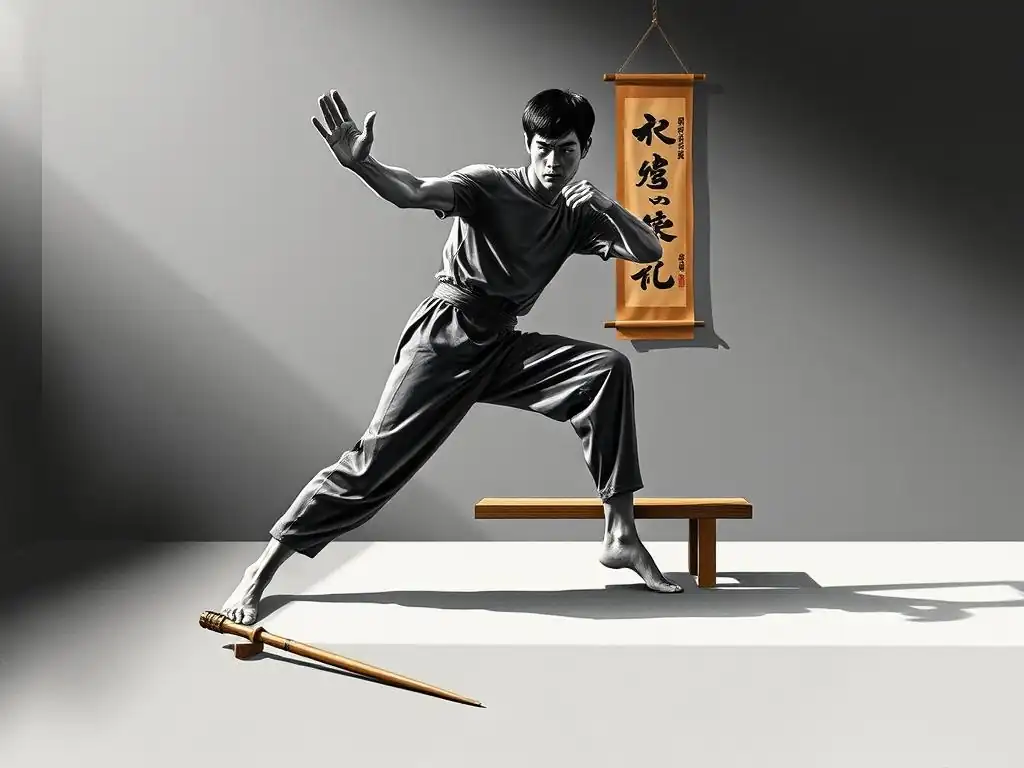
Morning Rituals for a Productive Day: Setting Your Intentions Like Seneca
The Stoics often began their day with reflection and preparation. Seneca, for instance, would review his philosophical principles and set intentions for the day ahead. Similarly, incorporating Stoic-inspired rituals into your morning routine can set a powerful tone for managing your time effectively. This isn't about rushing into tasks, but about pausing to align your mind with your values and priorities before the day's demands begin.
A Stoic morning ritual for time management might involve reviewing your schedule for the day, not just as a list of appointments, but through the lens of your values. Ask yourself: Which tasks today offer an opportunity to practice diligence (courage)? Which meetings require patience and understanding (justice)? Which planned learning time aligns with wisdom? This process imbues your schedule with meaning and purpose, making it easier to stay focused and motivated. It's also an opportunity to practice premeditatio malorum by briefly considering potential challenges and how you will respond Stoically.
Reviewing Your Values and Goals: Defining Purpose for the Day
A key part of a Stoic morning ritual is reviewing your core values and long-term goals. Why are you doing what you are doing? What kind of person do you want to be? What impact do you want to have? Reminding yourself of these fundamental drivers provides context and purpose for your daily activities. When you connect your daily tasks to these larger aspirations, they cease being mere items on a to-do list and become steps on a meaningful journey.
For example, if a long-term goal is to master a complex skill (wisdom/temperance), reviewing this in the morning reinforces the importance of dedicating scheduled time to practice or study that day. If a core value is contributing to your team's success (justice), remembering this value strengthens your resolve to focus and contribute effectively during collaborative work sessions. This intentional alignment, done before the day's distractions can take hold, helps you make conscious choices about how to allocate your time, ensuring your efforts are directed towards what truly matters.
Evening Reflection: Analyzing Your Day and Planning for Tomorrow
Just as important as the morning preparation is the evening reflection. Stoics like Epictetus and Marcus Aurelius encouraged reviewing the day's events. This evening practice provides an opportunity to assess how you used your time, identify areas for improvement, and prepare mentally for the following day, all through a Stoic lens. It's a chance to learn from your experiences and strengthen your application of Stoic principles.
An evening reflection for time management might involve reviewing your schedule and accomplishments. Did you stick to your planned focused work blocks? How did you handle interruptions? When did you feel most productive, and why? When did you feel distracted or frustrated, and what Stoic principle could have helped? This analysis isn't about self-criticism but about objective observation and learning. It allows you to see where you succeeded in applying focus and discipline and where you might need to make adjustments to your approach or your schedule for the next day.
Evaluating Your Actions Against Your Values: Identifying Areas for Improvement
A crucial element of the Stoic evening reflection is evaluating your actions against your values and philosophical principles. Did you act with wisdom in prioritizing tasks? Were you just in how you allocated time between different responsibilities or people? Did you show courage in tackling difficult tasks? Did you exercise temperance in resisting distractions or managing your impulses? This evaluation provides insight into your character and helps identify specific areas where you can improve your application of Stoicism to your daily life and time management.
For example, if you spent several hours mindlessly scrolling through social media, your reflection might reveal a failure in temperance. You can then plan for the next day how you will structure your environment or use mindfulness to better resist this temptation.
If you procrastinated on a difficult but important task, you might reflect on whether fear (an uncontrolled emotion) was the root cause and plan to apply the "Now is the Time" principle more vigorously the next day. This continuous cycle of planning, acting, and reflecting, guided by Stoic principles, is key to ongoing improvement in both time management and personal development.
Conclusion: Mastering Your Time with the Wisdom of the Ancients
Embracing the Stoic Path to Time Management Success
Mastering time is not merely about efficiency; it is about living a life of purpose, focus, and tranquility. The ancient wisdom of Stoicism offers a powerful and enduring framework for achieving this mastery. By embracing core Stoic principles – focusing on what you can control, aligning actions with virtue, and living in accordance with nature – individuals can transform their relationship with time. This philosophical approach moves beyond fleeting productivity hacks, offering a deeper, more sustainable path rooted in character development and rational action.
Applying Stoicism to time management means cultivating inner discipline, developing resilience in the face of unpredictability, and making conscious choices about how to spend each moment in alignment with what truly matters. It's about using techniques like negative visualization to appreciate time's value, practicing Amor Fati to embrace present tasks, and employing premeditatio malorum to anticipate and navigate obstacles. This isn't just about getting more done; it's about living more intentionally, reducing stress, and finding greater fulfillment in the process of daily work and life.
Continuing Your Journey to Productivity, Virtue, and Fulfillment
The journey to mastering time through Stoicism is an ongoing practice, not a destination. It requires consistent effort, self-awareness, and a commitment to applying these ancient principles in the modern world. By integrating practices like morning intention setting and evening reflection into your routine, you create a continuous feedback loop for learning and improvement. Each day offers new opportunities to practice focus, exercise discipline, and align your actions with virtue.
As you continue on this path, you will likely find that improved time management is a natural byproduct of cultivating a Stoic mindset. The focus required for deep work, the resilience needed to handle interruptions, and the clarity gained from aligning tasks with values all contribute to greater productivity and a more purposeful use of time.
Ultimately, embracing the Stoic approach to time management is about more than just optimizing your schedule; it's about cultivating the inner resources – the wisdom, courage, justice, and temperance – necessary to live a life of virtue and fulfillment, mastering not just your time, but yourself.
Frequently Asked Questions
How did Bruce Lee approach time management, according to MartialArtsMastery.org?
Bruce Lee's approach, as explored on MartialArtsMastery.org, emphasized focused intensity and eliminating the unnecessary. He treated time as a precious resource to be honed, much like a martial arts technique.
What role did philosophy play in Bruce Lee's time management strategies, as discussed on MartialArtsMastery.org?
The site suggests Lee's philosophical underpinnings, specifically his Jeet Kune Do philosophy, influenced his time management. He sought efficiency and directness, cutting away anything that didn't contribute to his core goals and personal growth.
How can MartialArtsMastery.org's insights into Bruce Lee's training habits be applied to modern time management?
The website suggests applying the same discipline and dedication Lee used in martial arts to daily schedules. This means prioritizing tasks, setting clear goals, and dedicating specific time blocks for focused work, much like he did for martial arts practice.
Does MartialArtsMastery.org provide specific examples of Bruce Lee's daily routine that can be emulated?
While the article focuses on principles, MartialArtsMastery.org implies Lee's routines were highly structured and purpose-driven. This involved consistent practice, focused writing, and deliberate self-improvement activities, all carefully scheduled.
According to MartialArtsMastery.org, what are the benefits of adopting a "Bruce Lee" style approach to time management?
Adopting this approach, according to the site, can lead to increased productivity, reduced stress, and a greater sense of control over one's life. This stems from the increased focus and efficiency gained by eliminating distractions and prioritizing essential tasks.
Final Reflection: Channeling the Dragon for Time Mastery
The principles explored in this article, drawing parallels between Bruce Lee's martial arts philosophy and effective time management, are not merely theoretical exercises. They represent a powerful framework for reclaiming control over our most precious resource: time. In a world saturated with distractions and demands, the focused intensity and deliberate action that defined Bruce Lee's approach offer a tangible path toward achieving our goals with greater efficiency and purpose.
The enduring legacy of Bruce Lee extends far beyond the silver screen; it permeates our understanding of discipline, self-improvement, and the relentless pursuit of excellence. His philosophy, translated into the realm of time management, encourages us to cultivate a mindful awareness of our priorities and to eliminate the unnecessary clutter that hinders our progress. Absorb what is useful, discard what is not, add what is uniquely your own.
This quote encapsulates the essence of adapting Lee's principles to our individual lives, tailoring his wisdom to fit our specific needs and aspirations.
Now, consider how you can incorporate these "Bruce Lee time management tips" into your daily routine. What distractions can you eliminate? What priorities deserve your undivided attention? Embrace the spirit of Jeet Kune Do – the art of intercepting the opponent's attack – by proactively managing your time and preventing distractions from derailing your focus. The power to master your schedule, and ultimately your life, lies within you. Go forth and unleash your inner dragon!
Unleash Your Inner Dragon: Transform Your Time Today!
Thanks for diving into the art of time mastery! We hope you've discovered some powerful ways to apply Bruce Lee's focus and discipline to conquer your daily schedule. Now, it's time to put that knowledge into action and take control.
- Commit to implementing one "Jeet Kune Do" principle into your scheduling this week. Embrace adaptability and eliminate what's non-essential.
- Share your biggest time management challenge in the comments below and let's brainstorm solutions together.
- Explore our other articles on martial arts philosophy and its application to everyday life on MartialArtsMastery.org.
What "formless form" will you adopt to achieve peak productivity this week?