
Self-Defense & Practical Application
Master the art of staying safe with our comprehensive guide to practical self-defense and real-world application, blending martial arts wisdom with situational awareness. From recognizing threats before they escalate to leveraging everyday objects as improvised tools, this section equips you with actionable strategies for personal protection. We delve into legal and ethical boundaries, conflict resolution, and scenario-based defenses, ensuring you’re prepared for common attacks while prioritizing de-escalation. Whether you’re a beginner or seasoned practitioner, transform your training into lifesaving skills that work beyond the dojo—because true mastery is knowing how to avoid the fight, yet dominate when you must.
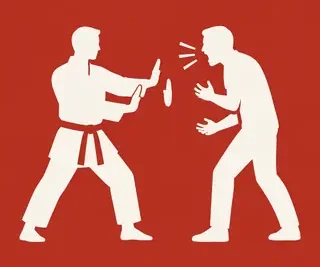 De-escalation Techniques and Conflict Resolution
 Legal and Ethical Aspects of Self-Defense
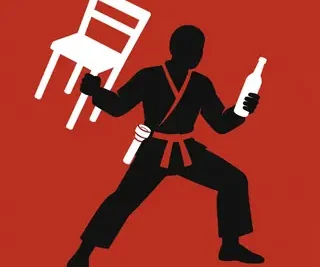 Using Everyday Objects for Self-Defense (Improvised Weapons)
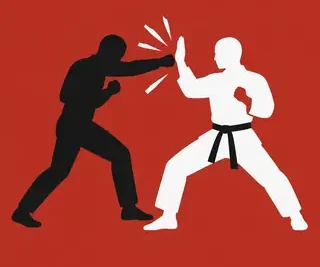 Common Attack Scenarios and Defensive Responses
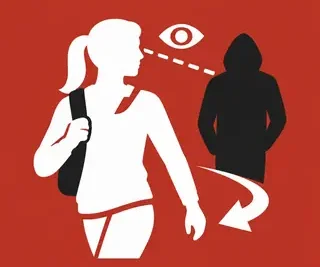 Principles of Effective Self-Defense: Awareness and Avoidance
Self-Defense & Practical Application at Martial Arts Mastery
Welcome to our dedicated hub for real-world safety and tactical preparedness. Here, we transform traditional martial arts training into actionable, life-saving skills. Whether you are a beginner seeking foundational knowledge or an advanced practitioner refining your response to violence, this category bridges the gap between the dojo and the street. Explore proven strategies for situational awareness, defensive maneuvers, legal boundaries, and conflict resolution—all designed to help you stay safe in unpredictable environments.
🥋 Principles of Effective Self-Dense: Awareness and Avoidance
This foundational subcategory teaches that the best fight is the one you never have. You will learn to cultivate a proactive mindset through continuous environmental scanning, recognizing pre-attack indicators, and understanding the "OODA loop" (Observe, Orient, Decide, Act). Expect practical drills to sharpen your peripheral vision, body language interpretation, and route planning. Master the art of avoidance—including creating distance and using verbal assertiveness—to neutralize threats before physical contact occurs. This is your first and most critical line of defense.
⚔️ Common Attack Scenarios and Defensive Responses
Here, we break down the most frequent violent encounters—from frontal grabs and sucker punches to armed muggings and ground-based attacks. Each scenario includes step-by-step defensive responses that leverage natural reactions and gross motor skills. You will practice escaping wrist holds, defending against knife threats, and countering bear hugs using leverage and targeting vulnerable areas. The emphasis is on practical, efficient movements that work under adrenaline stress, ensuring you can respond instinctually and decisively when split seconds matter.
🛠 Using Everyday Objects for Self-Defense (Improvised Weapons)
Your keys, a pen, a belt, or a water bottle can become formidable tools when your life is at risk. This subcategory reveals how to convert common items into striking, blocking, or distraction devices. You will learn to maintain a defensive posture with objects already in your hands, perform rapid target strikes (eyes, throat, groin), and use clothing or bags as shields. We also cover legal considerations for improvised weapons, focusing on defensive necessity rather than offensive intent, and how to practice safely without harming yourself or bystanders.
⚖️ Legal and Ethical Aspects of Self-Defense
Understanding the law is as vital as physical technique. This section clarifies the legal standards for self-defense—including the duty to retreat (where applicable), proportionality of force, and the "reasonable person" test. You will explore real case studies to distinguish justified defense from excessive or unlawful violence. Ethically, we discuss when physical force is truly last resort, the moral weight of harming another, and how to de-escalate without compromising your safety. Expect guidance on post-incident actions, such as calling authorities and documenting evidence, to protect yourself legally.
🗣️ De-escalation Techniques and Conflict Resolution
Words and body language can defuse tension before it turns physical. This subcategory provides verbally and non-verbally powerful de-escalation scripts to calm aggressive individuals. You will practice active listening, empathetic phrasing, and calm but assertive posture to lower emotional intensity. Learn to identify the difference between a "bluffer" and a "committed aggressor," and how to create an exit strategy during verbal confrontation. By mastering conflict resolution skills, you reduce your reliance on force, aligning your self-defense practice with martial arts philosophies of peace and restraint.
Frequently Asked Questions
What is the most critical self-defense skill for beginners?
Awareness and avoidance are paramount. Understanding your surroundings and recognizing early warning signs of danger allows you to escape most threats before they escalate. Practice scanning entrances, exits, and people’s hands. If you can avoid a fight entirely, you have already won. Physical techniques are secondary; they are your last resort, not your first line of defense.
Can everyday objects really be effective against armed attackers?
Yes, but training matters. A pen to the eyes or a key fob to the throat can create a vital few seconds to escape. However, improvised weapons are not magic—they require practice with realistic targets and an understanding of legal limits. Always prioritize distance and escape. An object can turn the tide, but only if you maintain control and use it decisively.
How do I know if my self-defense response is legally justified?
Justification generally requires that you reasonably believe force is necessary to prevent imminent bodily harm, and that your force is proportional to the threat. You must not be the initial aggressor, and in many states, you must attempt to retreat if safely possible. Legal standards vary by location, so consult local laws. Documentation, witness statements, and calling police immediately strengthen your case.
What if I freeze during an attack—how can I overcome that?
Freezing is a natural adrenaline response. Combat it by training scenario-based drills that simulate realistic pressure. Practice "what-if" visualizations daily, and learn to take one small action—like stepping back or raising your hands—that breaks the paralysis. Repetition builds muscle memory, allowing your brain to override shock. Start with slow, controlled drills, then increase intensity over time.
Are de-escalation techniques reliable for every conflict?
No, some aggressors are committed to violence regardless of your words. However, de-escalation works for the majority of confrontations—especially those driven by anger, miscommunication, or intimidation. Use verbal tools to buy time and space. If the aggressor continues advancing or draws a weapon, transition immediately to physical defense. De-escalation is a powerful filter, not a guaranteed solution.