Sun Tzu's Wisdom: Applying "The Art of War" to Modern Deescalation
⚔️ Master the art of conflict resolution. Discover how Sun Tzu's timeless strategies, adapted for modern deescalation, can elevate your martial arts…
Read article
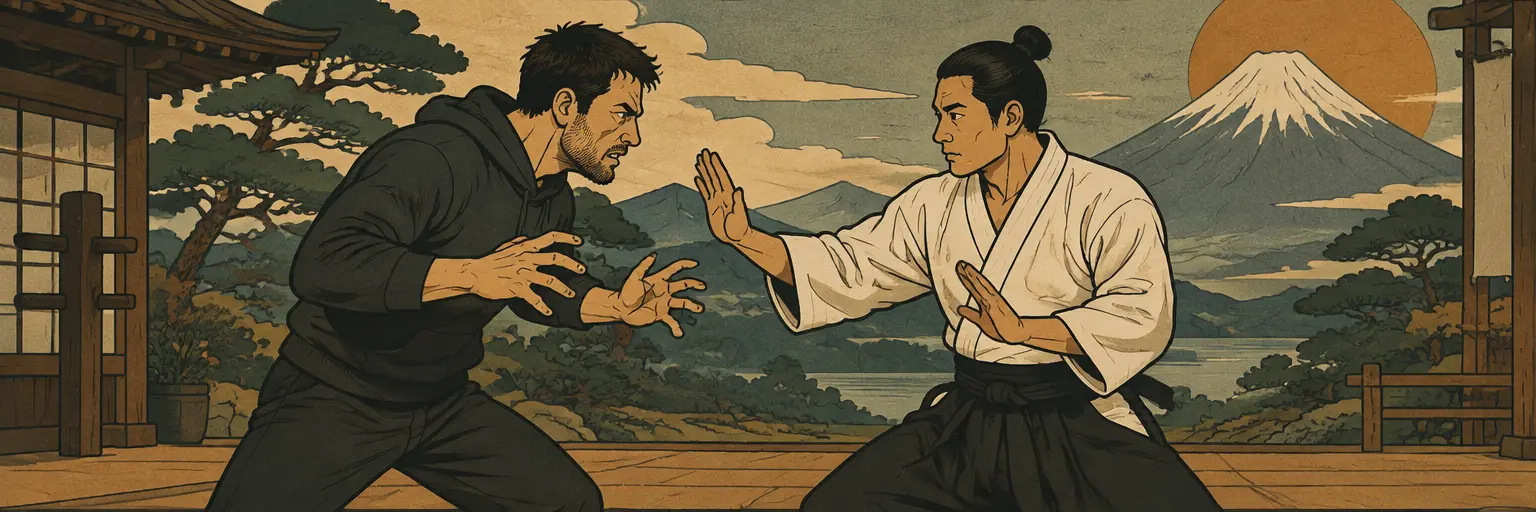
Mastering de-escalation techniques is the ultimate self-defense skill—because the best fight is the one that never happens. In the world of practical martial arts, mental agility and calm communication are just as vital as physical strikes. This section equips you with proven conflict resolution strategies to defuse tension, read body language, and manage aggressive encounters with confidence and control. Whether you’re facing a heated argument or a potential physical threat, these tools help you stay safe, maintain situational awareness, and exit safely without violence. Learn to turn confrontation into conversation, protect your space, and apply the peaceful warrior mindset in real-world scenarios. By prioritizing verbal de-escalation and emotional intelligence, you transform fear into tactical advantage—making your martial arts training truly comprehensive and life-ready.
⚔️ Master the art of conflict resolution. Discover how Sun Tzu's timeless strategies, adapted for modern deescalation, can elevate your martial arts…
Read article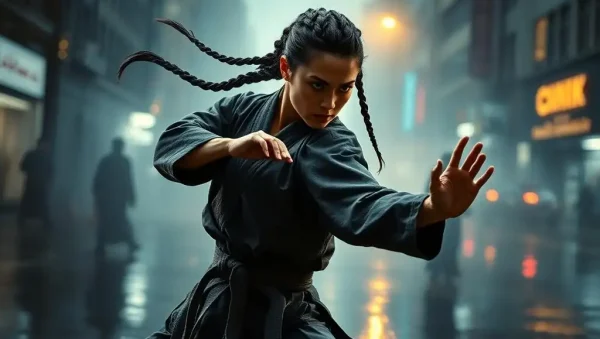
👊 Master the art of conflict avoidance. Discover how effective deescalation techniques self defense can be, transforming tense situations before they escalate,…
Read article
🤔 Master the art of conflict resolution by delving into the aggressor's psyche. Learn crucial aggressor motivation deescalation strategies to foster safety…
Read article
🥋 True martial arts mastery prioritizes peaceful resolution. Explore the moral imperative of employing deescalation techniques in martial arts, a core principle…
Read article
☯️ Master the art of turning aggression into calm. Discover essential martial arts de-escalation techniques to defuse conflict and protect yourself, drawing…
Read article
🥋 Learn to prevent conflict escalation through the disciplined techniques and philosophical insights offered by MartialArtsMastery.org, equipping you with the wisdom to…
Read article
💥 Learn crucial strategies for deescalating group confrontations, focusing on effective techniques for dealing with multiple attackers. Master the art of self-preservation…
Read articleWelcome to the De-escalation Techniques and Conflict Resolution subcategory, a cornerstone of practical self-defense within MartialArtsMastery.org. While striking and grappling are essential, true martial arts mastery begins with the mind. This section is dedicated to equipping you with verbal judo, psychological awareness, and strategic communication skills to prevent physical confrontations before they start. Here, you will learn to transform volatile situations into peaceful resolutions, embodying the philosophy that the greatest victory is one achieved without a single blow.
Before you can de-escalate, you must understand the fight-or-flight response and the emotional triggers that drive aggressors. This knowledge is your first defensive layer. We dissect the stages of conflict, from frustration to aggression, and teach you to read non-verbal cues like posture, tone, and eye contact. By recognizing early warning signs, you can proactively intervene before a situation spirals into violence.
Practical application involves active listening and empathy, not as weakness, but as a powerful tool. You will learn how the lizard brain operates under stress and why arguing with logic during a tantrum fails. Instead, you'll practice emotional labeling—voicing the other person’s feelings to lower their arousal. This psychological insight transforms your approach from reactive fear to calm, proactive control, making you a safer and more effective martial artist.
Words are your most accessible weapon. This focused section provides a tactical toolkit of phrases designed to diffuse tension, establish rapport, and redirect momentum. You will master open-ended questions, like “What can I do to help?”, which shift the aggressor from a combatant to a problem-solver. Conversely, you’ll learn which phrases to avoid, such as “calm down,” which typically fuels the fire.
Beyond vocabulary, we teach tone modulation, pacing, and mirroring techniques. Slowing your speech down can physiologically slow an aggressive person’s heartbeat. The goal is not to win an argument but to create a safe exit strategy. You will practice broken-record persistence for setting boundaries and the art of offering choices, like “You can talk to me here, or we can take a break.” These scripts build confidence, ensuring you speak with authority and compassion under pressure.
Your body speaks before your mouth. This section focuses on non-threatening yet authoritative stances that establish presence without provoking escalation. You will learn the CQD (Conversational Quadrant Distance)—maintaining a 45-degree angle to the aggressor, keeping your hands visible and relaxed. This posture signals non-hostility while keeping your center of gravity low for a swift defensive reaction if needed.
We delve into the power of palm gestures (open, facing up) which convey peace, versus pointed fingers which trigger defensiveness. Eye contact is calibrated: too much feels challenging, too little feels dishonest. You’ll practice the “soft gaze”—looking at the forehead or nose to avoid intimidation. Combined with slow, deliberate breathing, this physical presence de-escalates by example, often causing the aggressor to subconsciously match your calm demeanor.
Not every conflict ends instantly. This module provides step-by-step frameworks for structured negotiation and problem-solving, applicable to road rage, domestic disputes, or workplace disagreements. You’ll learn the LEAP method (Listen, Empathize, Agree, Partner) to break through resistance and find common ground. We emphasize turning a confrontation into a collaborative effort to save face for both parties.
Emphasis is placed on post-conflict cooling and how to end an encounter safely. We explore methods to de-escalate one’s own adrenaline after a near-miss, vital for preventing post-traumatic stress. Through scenario break-downs, you’ll see how to propose face-saving solutions and establish clear, non-negotiable boundaries. The outcome is a transferable life skill that reduces your dependence on physical violence while reinforcing your reputation as a controlled, wise martial artist.
Theory becomes reality in this practical section. We dissect common conflict environments—parking lots, bars, public transport, and online disputes—and role-play the most effective de-escalation tactics for each. You’ll understand the escalation threshold: when verbal techniques are failing and physical withdrawal becomes the smartest martial arts move. This is not about cowardice; it is about intelligent risk management.
We also cover the ethical use of force continuum and your legal duty. After exhausting de-escalation, you’ll know exactly how to transition to defensive action should it become unavoidable. Further, we address victimology—how to de-escalate someone who is irrationally violent due to drugs or mental health issues. You'll learn to prioritize your safety and the safety of innocent bystanders, embodying the true spirit of a martial artist as a peacekeeper.
The first step is to regulate your own breathing and posture. Take a deep breath, relax your shoulders, and maintain a non-threatening stance. This internal calm is contagious; your nervous system influences the aggressor’s. Then, use active listening and neutral language to show you are present and not a threat.
Often, yes, but with reduced expectations because alcohol impairs cognitive function. Use simple, short phrases and avoid logical reasoning. Stick to empathetic statements and offer a safe exit, like “Let’s step outside for air.” The primary goal is to separate the person from the situation safely.
Yes. Many classical systems such as Aikido, Judo, and Karate emphasize “winning without fighting.” These verbal and psychological skills are the modern expression of that principle. Senior masters who lacked physical prowess were historically respected for their ability to resolve disputes with words and presence alone.
Basic phraseswork immediately, but true proficiency requires practice under stress. Monthly role-playing drills can develop that skill within 6 months. The brain learns best through repetition in faux high-stress situations, where you can rewire your intuitive response from fighting or freezing to calm negotiation.
Your immediate priority is evasion and escape. De-escalation never guarantees safety. If physical assault occurs despite your efforts, you are justified in using proportional defensive force. The skills you practice here don’t replace self-defense; they supplement it, allowing you to choose the least violent, most effective path available.