Best Martial Arts Uniforms & Gis: Reviews and Buying Advice
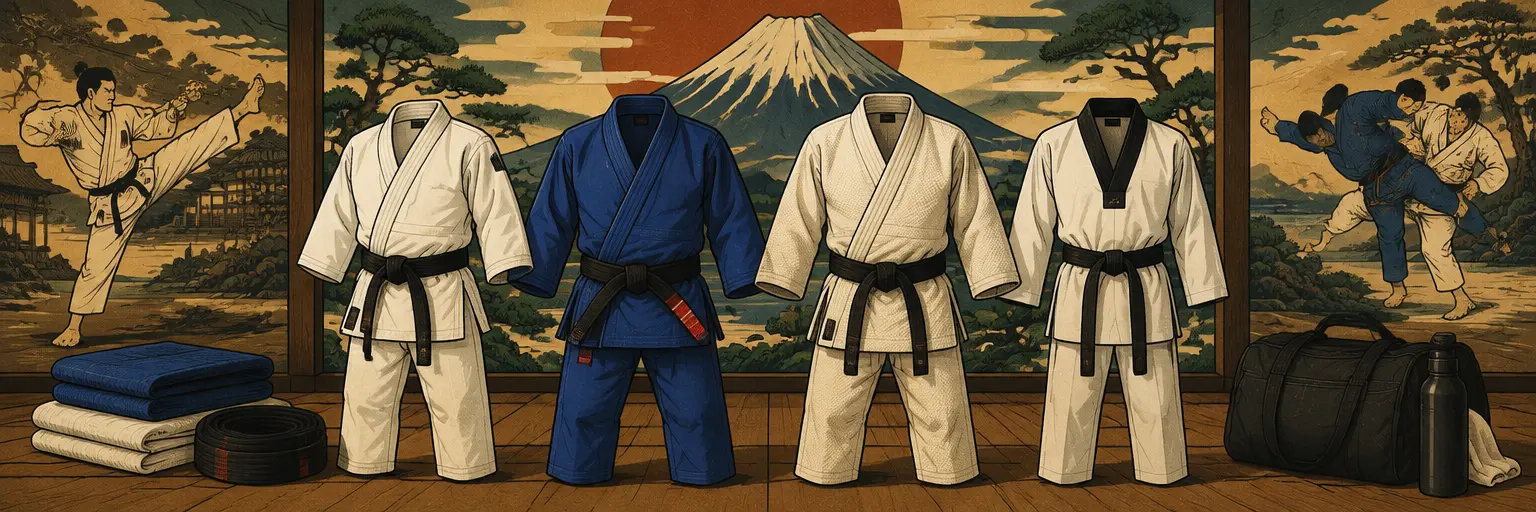
Whether you're stepping onto the mat for the first time or you're a seasoned black belt, your uniform is your second skin. It must withstand intense grappling, allow explosive kicks, and respect centuries of tradition. Our expert reviews and buying advice cover Karate, BJJ, Judo, and Taekwondo, helping you choose a gi that balances durability, comfort, and your specific training needs. Dive in to find the perfect fit for your martial arts journey.
🥋 Karate Gis: Lightweight Flexibility vs. Heavyweight Tradition
Karate uniforms vary dramatically by style, from the lightweight, flowing kumite gis designed for speed in point sparring to the heavyweight, starched dogi preferred in traditional kata and hard-style disciplines like Shotokan. Our reviews break down fabric weights (from 8oz to 14oz), weave types (single vs. double), and cut, ensuring you get the right balance between mobility and sound "snap" for technique execution.
We also test potential shrinkage issues and durability of stitching under high-impact kicks. Look for reinforced knee patches and triple-stitched seams if you train extensively in knee-down techniques. Our advice helps you decide between a stiff, traditional heavyweight gi (which holds its shape) and a softer, preshrunk version for daily comfort, plus tips on sizing across major brands like Shureido, Century, and Adidas.
🟦 BJJ Gis: Weave Types, Fit, and IBJJF Legalities
Brazilian Jiu-Jitsu demands a rugged gi that can survive grips, drags, and sweeps. We delve into the four main weaves—single, pearl, gold, and double—explaining how each impacts breathability, weight, and grip resistance. Pearl weave gis are our go-to for hot training, while double weaves offer maximum durability for heavy grinders. Get exclusive insights into ripstop pants and reinforced collars.
Competition legality is crucial. Our buying guides highlight IBJJF-approved models (with proper rank patches) versus everyday training gis, saving you money and disqualification headaches. We also provide a detailed fit chart covering sleeve length, pant rise, and skirt measurements—the common areas where BJJ gis fail. Expect honest feedback on brands like Fuji, 93Brand, and Tatami, focusing on their shrinkage rates after wash and dry.
🥋 Judo Gis: Heavy-Duty Jackets for Randori and Competition
Judo gis (judogi) are the thickest in the martial arts world, built to withstand explosive throws and aggressive grips. We review the specific canvas weaves—from 450 GSM entry-level to 1000 GSM competition-grade—explaining how fabric density affects grip fighting and your opponent's ability to control your sleeve. Our fabric tests measure resistance to ripping and fraying under extreme stress.
Beyond fabric, we cover reinforced shoulders and drag points, which are critical for preventing premature wear on the mat. Learn about the double-woven jacket's predictable stretch and how to break in a stiff new gi without damaging the threads. We also compare classic brands like Mizuno and Adidas against budget-friendly options for beginners, ensuring you know exactly where your money is best spent before your next tournament.
⚡ Taekwondo Uniforms: V-Neck Styles and Flexible Pants
Taekwondo doboks prioritize flashy high kicks, so they are typically lighter and cut for maximum leg extension. We highlight the two distinct styles: the traditional cross-over jacket (for ITF/Chang Hon) and the newer V-neck top (for WT/Kukkiwon), explaining which is required for your school or Olympic-style sparring. Our reviews assess fabric stretch and moisture-wicking properties for dynamic movement.
We pay special attention to pant designs, featuring elastic waistbands and tapered legs that don't snag during crescent or axe kicks. For competition, we recommend uniforms with reinforced side seams to prevent splits during powerful roundhouses. Get our sizing tips on sleeve taper and shoulder mobility, with top picks from brands like Mooto, Daedo, and ProForce, so you can kick without restriction in the dojang.
🧵 Material Science & Maintenance: Cotton vs. Hybrid Blends
Choosing the right fabric goes beyond weave weight. 100% cotton gis are traditional, absorbent, and shrink significantly unless carefully washed, while poly-cotton blends offer stain resistance, lighter weight, and quick-drying convenience. We break down the pros and cons of each, including how they react to sweat and body odor, helping you decide based on your training frequency and laundry habits.
Proper maintenance extends your gi's lifespan by up to three years. Our actionable advice includes cold-water washing, permanent-press cycles, and never tumble drying hot. We also explain the controversial use of fabric softeners—why they weaken stitching and destroy the stiff collar critical for BJJ grips. Learn how to remove mildew and stains effectively, keeping your uniform crisp and clean for every session without damaging its structural integrity.
Frequently Asked Questions
What is the most durable gi material for BJJ?
Double weave cotton gis are the most durable for BJJ, but they are also heavy and hot. For a balanced option, a gold weave (450 GSM) or pearl weave (about 550 GSM) offers excellent rip resistance while remaining breathable. Choose ripstop pants for added tear resistance, but expect some trade-off in flexibility.
How much should I expect to spend on a quality martial arts uniform?
Budget gis start at around $60–$90 for polyester blends, which are fine for beginners. A mid-range cotton gi from established brands (like Fuji or Tatami) typically costs $100–$150. High-end competition gis from Mizuno or Shureido can exceed $200, offering premium fabrics and tailored cuts.
Should I wash my new gi before the first training session?
Yes, always wash your gi before wearing it. This removes excess dyes and starches, which can cause skin irritation and stiff fabric. Use cold water and hang to dry. This also helps pre-shrink the garment, so you can address any slight sizing issues before hitting the mat.
How do I determine the correct gi size for my height and weight?
Most brands offer size charts based on height and weight, but gi sizes vary by manufacturer. For BJJ and judo, size A0–A6 is standard; for karate, use inches (e.g., 36"–38"). Measure your chest and sleeve length, then compare with size charts. When in doubt, size up—shrinkage is common.
Can I wear a BJJ gi for judo training?
Technically yes, but it's not recommended. Judo gis are thicker and have longer sleeves to withstand grips, while BJJ gis have wider sleeves and a shorter jacket. Standard BJJ gis may tear or fail under judo's forceful tugging. Invest in a dedicated judo gi for safety and longevity.