
The Crossover Appeal: Why Martial Arts Resonated So Deeply with Western Audiences

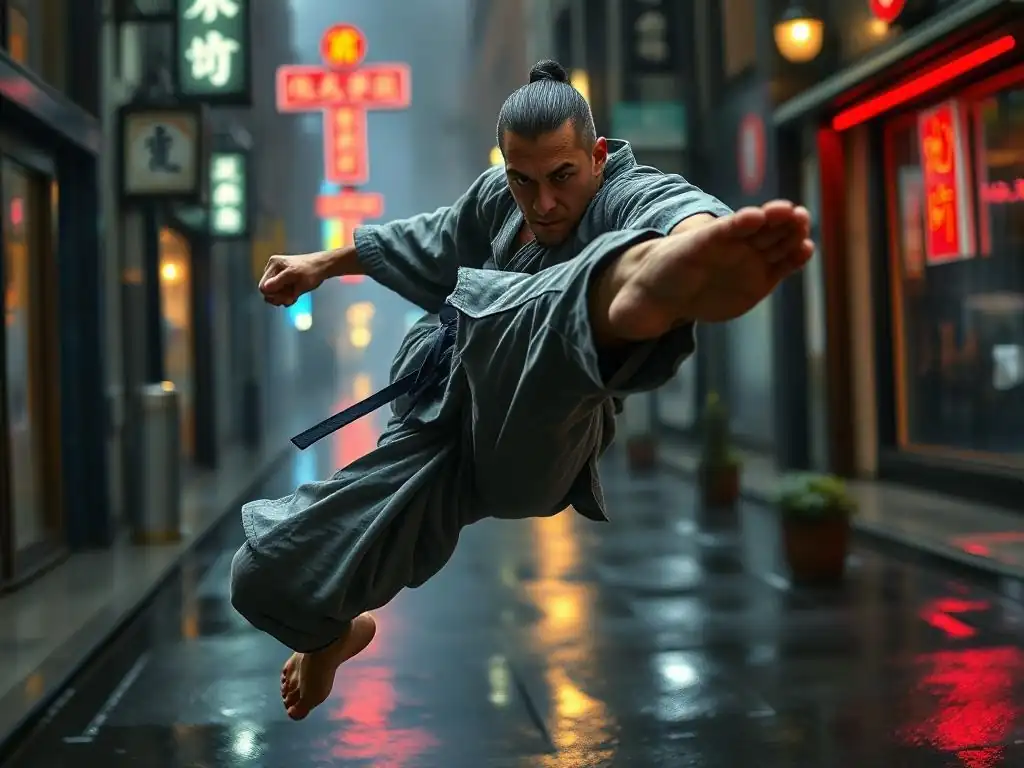
Welcome to Martial Arts Mastery, your gateway to the world of combat and self-cultivation! Ever wondered why the grace and power of martial arts hold such a captivating allure? Dive into our exploration of "The Crossover Appeal: Why Martial Arts Resonated So Deeply with Western Audiences" and uncover the historical and cultural threads that weave together the East and West. Prepare to be enlightened – the journey to mastery begins now.
- Introduction: Unveiling the Enduring Appeal of Martial Arts in the West
- Historical Roots: The Initial Introduction of Martial Arts to the West
- The Cultural Allure: Why Westerners Found Martial Arts Appealing
- The Role of Media: Martial Arts in Film and Television
- The Practical Applications: Self-Defense and Fitness Benefits
- The Evolution of Martial Arts in the West: Adaptation and Innovation
- Conclusion: The Lasting Legacy of Martial Arts in the Western World.
-
Frequently Asked Questions
- How did martial arts initially gain popularity among Western audiences?
- What are some key philosophical underpinnings of martial arts that appeal to Western audiences?
- How did the portrayal of martial arts in media contribute to its appeal?
- Besides self-defense, what other practical benefits do Western audiences find in martial arts training?
- Why is understanding the historical context important for Western audiences interested in martial arts?
- Final Reflection: The Enduring Echo of the Dojo
- Unleash Your Inner Warrior!
Introduction: Unveiling the Enduring Appeal of Martial Arts in the West
The fascination with martial arts among Western audiences is a phenomenon that has evolved significantly over time. What began as glimpses into seemingly exotic fighting forms from the East has blossomed into a widespread global practice, deeply integrated into Western culture, fitness routines, and entertainment.
This enduring appeal is not merely about physical techniques; it encompasses a complex blend of cultural curiosity, philosophical depth, the promise of self-improvement, and the powerful narratives often portrayed in media. Understanding this crossover appeal requires exploring the historical moments, cultural factors, and influential figures that bridged the gap between Eastern traditions and Western sensibilities, revealing why martial arts continue to resonate so profoundly.
From bustling city dojos to small-town community centers, martial arts schools are a common sight across North America and Europe. Millions engage in disciplines ranging from Karate and Judo to Taekwondo, Kung Fu, and Brazilian Jiu-Jitsu, seeking not only physical prowess but also discipline, confidence, and a connection to a rich historical lineage. This widespread adoption speaks volumes about the inherent attractiveness of martial arts to Western audiences, demonstrating their capacity to offer more than just fighting skills – they provide a path for personal growth and a sense of community that transcends cultural boundaries.
Historical Roots: The Initial Introduction of Martial Arts to the West
Early Encounters: Pre-20th Century Exposure to Eastern Fighting Styles
Prior to the 20th century, Western exposure to Eastern martial arts was largely limited and often filtered through the lens of exoticism or military observation. Sailors, traders, and missionaries traveling to countries like China and Japan occasionally witnessed or heard about unique fighting methods. These accounts were sporadic and often sensationalized, contributing to a mystique surrounding these practices rather than fostering genuine understanding or widespread adoption. Early mentions might appear in travelogues or military reports, describing techniques like Jujutsu in Japan or various boxing styles in China, but they rarely led to formal instruction or significant interest back home.
One notable early encounter involved the introduction of Judo to Europe in the late 19th and early 20th centuries. Jigoro Kano, the founder of Judo, traveled internationally and even demonstrated Judo techniques in Europe and the United States. Edward William Barton-Wright, an English engineer, studied Jujutsu in Japan and later founded Bartitsu in London around 1898, a self-defense system that blended Jujutsu with boxing, savate, and stick fighting.
While Bartitsu was a unique, albeit short-lived, synthesis, these instances were isolated sparks rather than a broad movement, primarily confined to small circles of enthusiasts, military personnel, or those with direct ties to East Asia. The concept of formal, public martial arts training for Westerners was still decades away from becoming a reality.
The Post-War Boom: Martial Arts Gain Traction After World War II
World War II served as a significant catalyst for introducing various martial arts to a wider segment of Western audiences. Allied soldiers stationed in occupied Japan, Korea, and other parts of Asia encountered local martial arts firsthand. Many service members trained in disciplines like Judo and Karate, finding them effective for physical conditioning and self-defense. When these soldiers returned home, some continued their training, sought out instructors, or even began teaching rudimentary forms themselves, planting the seeds for the first wave of dojos and martial arts clubs in the West.
The post-war period saw a gradual increase in the number of Asian martial arts masters who emigrated to the West, particularly to the United States and Europe. Figures like Mas Oyama (Kyokushin Karate) and Hidetaka Nishiyama (Shotokan Karate) in the US, and Kenshiro Abbe (Judo, Aikido, Karate) in Europe, established foundational schools and organizations.
These masters provided authentic instruction and helped legitimize martial arts as serious disciplines, attracting a growing number of students beyond the returning military personnel. The establishment of national federations and participation in international competitions further solidified the presence and appeal of martial arts to Western audiences during this era.
The Cultural Allure: Why Westerners Found Martial Arts Appealing
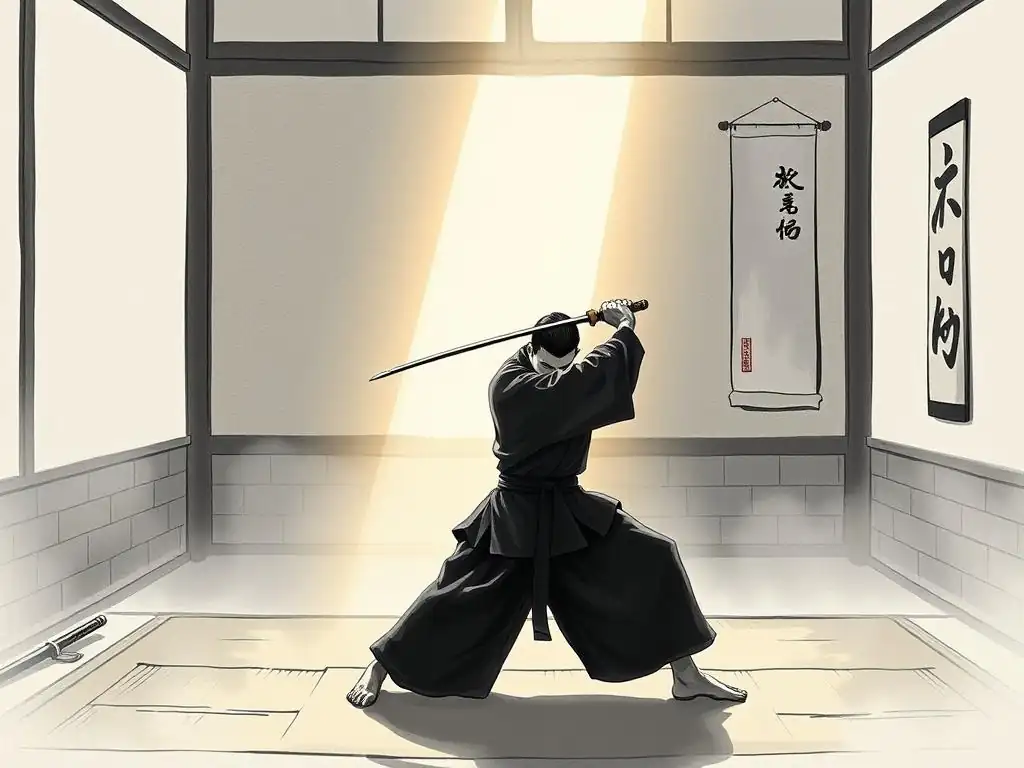
The Mystique of the East: Exoticism and Philosophical Depth
Part of the initial appeal of martial arts to Western audiences stemmed from their association with the perceived mystique and exoticism of the East. Cultures like Japan, China, and Korea held a certain allure, often viewed through a romanticized or mysterious lens in the West. Martial arts, with their disciplined movements, traditional uniforms, and often complex terminology in foreign languages, embodied this sense of the unknown and the ancient. This exotic element initially drew curiosity and interest, offering a stark contrast to more familiar Western sports and physical activities.
Beyond the superficial exoticism, Westerners also became increasingly drawn to the philosophical and spiritual underpinnings of many martial arts. Concepts like Zen in Japanese arts, Taoism and Buddhism in Chinese arts, and the emphasis on respect, humility, and perseverance resonated with individuals seeking more than just physical training.
The idea that martial arts could be a path to self-discovery, inner peace, and mental discipline, not just a method of fighting, offered a compelling alternative to purely competitive or physically demanding Western pursuits. This blend of intriguing foreign culture and profound personal development potential significantly contributed to the growing Western audiences martial arts appeal.
Self-Improvement and Discipline: Beyond Physical Combat
A core reason for the deep resonance of martial arts with Western audiences is the strong emphasis on self-improvement and discipline. Unlike many Western sports focused solely on external competition and winning, traditional martial arts often prioritize the internal journey. Students are encouraged to strive for continuous personal betterment, pushing physical limits while simultaneously developing mental fortitude, focus, and emotional control. This holistic approach, addressing both the body and the mind, offered a compelling value proposition.
The structured environment of a dojo or kwoon, with its clear hierarchy, etiquette, and rigorous training regimens, provides a framework for developing discipline and respect. For many Westerners, this structured path offered a sense of order and purpose. The measurable progress in physical skills, combined with the less tangible but equally important development of patience, perseverance, and self-confidence, proved highly attractive. This focus on holistic personal development became a powerful driver of the Western audiences martial arts appeal, transcending the mere acquisition of fighting techniques.
The Power of the Underdog: A Narrative of Empowerment
The narrative often associated with martial arts—where a smaller, weaker, or less experienced individual can overcome a larger, stronger opponent through technique, discipline, and inner strength—holds significant appeal for Western audiences, particularly through media portrayal. This "underdog" theme is a powerful and universally relatable story of empowerment. It suggests that physical size or brute force are not the only determinants of success, and that dedication, skill, and mental resilience can allow anyone to defend themselves and triumph over adversity.
This narrative tapped into a desire for personal agency and the ability to feel safe and capable in a complex world. The idea that one could learn skills to protect oneself and loved ones, regardless of physical stature, was inherently empowering. Films and television shows often reinforced this idea, showcasing protagonists who, through diligent martial arts training, transformed from vulnerable individuals into capable heroes. This potent message of empowerment fueled the Western audiences martial arts appeal, making it seem accessible and beneficial to a wide range of people.
The Role of Media: Martial Arts in Film and Television
Bruce Lee: The Icon Who Transformed Western Perceptions
No single figure had a more profound impact on the Western audiences martial arts appeal than Bruce Lee. His charisma, philosophical depth, incredible speed, and innovative approach to martial arts (Jeet Kune Do) captivated millions. Lee wasn't just a martial artist; he was a philosopher, actor, and cultural icon who shattered stereotypes and presented martial arts not as a mysterious, inaccessible practice, but as a dynamic, effective, and deeply personal form of expression and combat. His films, particularly Fist of Fury, The Way of the Dragon, and the posthumously released Enter the Dragon (1973), achieved massive international success.
Enter the Dragon, in particular, was a global phenomenon that exposed a vast new audience to authentic martial arts action on a scale never before seen. Lee's portrayal of a skilled, principled hero fighting injustice resonated deeply. His fighting style was fast, fluid, and seemingly invincible, yet grounded in practical effectiveness. Bruce Lee's influence was so immense that it sparked a global surge of interest in martial arts training throughout the 1970s. His legacy continues to inspire practitioners and contribute significantly to the enduring Western audiences martial arts appeal.
Kung Fu Cinema: The Rise of the Martial Arts Film Genre
Following the groundbreaking success of Bruce Lee, the 1970s and 1980s saw a boom in martial arts films, primarily produced in Hong Kong. Studios like Shaw Brothers and Golden Harvest churned out hundreds of movies showcasing various styles of Kung Fu and other martial arts. These films, often featuring elaborate fight choreography, acrobatic stunts, and distinct visual styles, found a dedicated audience in the West, initially through grindhouse theaters and later via home video.
While many of these films were low-budget, their exciting action sequences and often formulaic but satisfying plots (centered on training, revenge, and honor) captivated viewers. They introduced Western audiences to a diverse array of techniques and cultural elements associated with Chinese martial arts. This proliferation of martial arts content in cinema solidified the genre's popularity and further cemented martial arts as a thrilling form of entertainment, driving more people to seek out training themselves and amplifying the Western audiences martial arts appeal.
Martial Arts in Television: From Kung Fu to Cobra Kai
Television also played a crucial role in bringing martial arts into Western homes and influencing public perception. The 1970s series Kung Fu, starring David Carradine as a Shaolin monk wandering the American West, was highly influential. While featuring limited actual martial arts compared to films, its focus on the philosophical and spiritual aspects of Kung Fu, combined with episodic tales of good overcoming evil, resonated with viewers and presented martial arts as a path to wisdom and self-control.
Decades later, shows like Mortal Kombat: Legacy and the immensely popular Cobra Kai have reimagined martial arts for contemporary audiences. Cobra Kai, a sequel to the Karate Kid films, explores the complexities of rivalries, training philosophies, and the impact of martial arts on the lives of its characters, both young and old. These television series, spanning different eras and formats, demonstrate the continued relevance of martial arts narratives and their ability to engage Western audiences, adapting themes of discipline, conflict, and personal growth for new generations and reinforcing the Western audiences martial arts appeal.
The Practical Applications: Self-Defense and Fitness Benefits
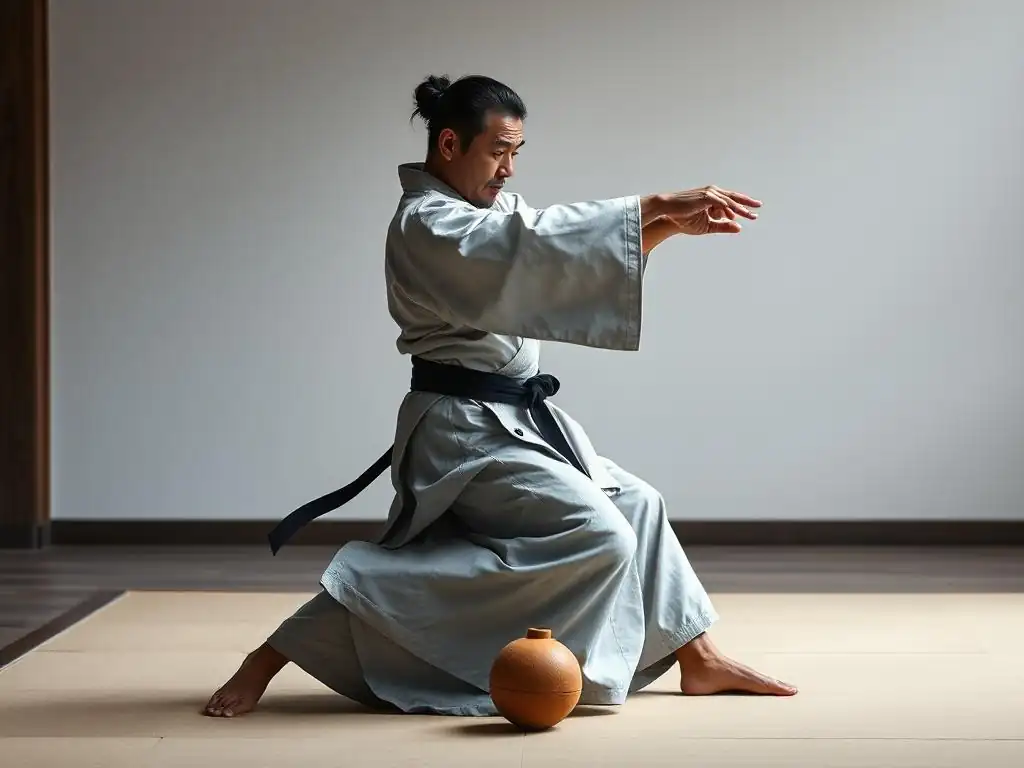
Self-Defense: Empowering Westerners with Practical Skills
One of the most direct and compelling reasons for the Western audiences martial arts appeal is the promise of acquiring practical self-defense skills. In a world where personal safety is a concern, learning how to protect oneself and loved ones provides a tangible benefit. Martial arts offer structured training in recognizing threats, de-escalating situations, and, if necessary, using physical techniques to defend against an attacker. Disciplines like Krav Maga, derived from military self-defense, or reality-based self-defense systems have gained popularity specifically for their focus on practical, no-nonsense techniques applicable in real-world scenarios.
Even traditional arts, while steeped in history and philosophy, teach fundamental principles of distance management, balance disruption, striking, and grappling that are effective for self-protection. The confidence gained through training is often cited by practitioners as a significant benefit, as simply feeling more capable can help deter potential threats. This direct utility in enhancing personal safety remains a primary driver for many individuals seeking out martial arts training in the West.
Physical Fitness: A Holistic Approach to Health and Well-being
Beyond self-defense, martial arts offer a comprehensive and engaging path to physical fitness and overall well-being, which significantly contributes to their appeal to Western audiences. Unlike repetitive gym routines, martial arts training is dynamic and varied, incorporating cardiovascular conditioning, strength training, flexibility exercises, and coordination drills. A typical class might involve warm-ups, forms (kata or forms), partner drills, sparring, and cool-downs, providing a full-body workout that improves stamina, strength, and agility simultaneously.
Furthermore, the mental benefits of martial arts training are increasingly recognized as part of this holistic approach to health. The focus required during practice can act as a form of moving meditation, reducing stress and improving mental clarity. The sense of accomplishment from mastering techniques and progressing through ranks boosts self-esteem and confidence. This combination of physical conditioning, mental discipline, and stress reduction makes martial arts a highly attractive option for Westerners looking for a more integrated approach to fitness than traditional sports or gym workouts alone.
The Evolution of Martial Arts in the West: Adaptation and Innovation
The Blending of Styles: Hybrid Martial Arts and Cross-Training
As martial arts became more established in the West, practitioners and instructors began to experiment and blend techniques from different disciplines. This led to the development of hybrid martial arts systems and the popularization of cross-training across various styles. The desire for more effective, well-rounded combat skills for self-defense, sport, or mixed martial arts (MMA) competition drove this innovation. For instance, the Gracie family's development of Brazilian Jiu-Jitsu from traditional Judo and Japanese Jiu-Jitsu, focusing heavily on ground fighting, became immensely popular in the West due to its proven effectiveness in real-world and competitive scenarios.
The rise of MMA in the late 20th and early 21st centuries further accelerated this trend. Fighters from different backgrounds (Boxing, Wrestling, Judo, Karate, various forms of Kung Fu, Taekwondo) tested their skills against each other, demonstrating the strengths and weaknesses of different approaches. This competition environment necessitated cross-training, leading to a greater understanding and appreciation for the value of techniques from diverse martial arts traditions. This blending and evolution reflect the Western capacity to adapt and innovate upon traditional forms, creating new systems that resonate with contemporary needs and interests, thereby continuing the Western audiences martial arts appeal.
The Continued Relevance: Martial Arts in the 21st Century
In the 21st century, martial arts remain highly relevant and continue to attract Western audiences for a multitude of reasons. While self-defense and fitness are still primary motivators, the emphasis on mental health benefits, stress reduction, and mindfulness through training is growing. Many see the discipline and structure of martial arts as a valuable counterpoint to the distractions and sedentary nature of modern life. The community aspect of training, the bonds formed with fellow students and instructors, also provides a sense of belonging and support.
Furthermore, martial arts have found new avenues of expression and competition, from the global phenomenon of MMA to specialized sports like sport Karate or Olympic Judo and Taekwondo. The accessibility of information through the internet and social media has also demystified many arts and made them more approachable. Whether seeking practical skills, physical health, mental well-being, competitive challenge, or a connection to historical traditions, Western audiences continue to find compelling reasons to engage with martial arts, ensuring their lasting legacy and appeal.
Conclusion: The Lasting Legacy of Martial Arts in the Western World.
Frequently Asked Questions
How did martial arts initially gain popularity among Western audiences?
Early exposure came through popular culture, like Bruce Lee films, which showcased the athleticism and philosophical depth, creating a sense of mystique and power. This initial entertainment value sparked curiosity.
What are some key philosophical underpinnings of martial arts that appeal to Western audiences?
The emphasis on self-discipline, mindfulness, and personal growth resonates deeply. Westerners often seek ways to improve themselves, and martial arts offer a structured path.
How did the portrayal of martial arts in media contribute to its appeal?
Films and television often depicted martial artists as skilled, honorable individuals, fighting for justice and protecting the innocent. This created a romanticized image that Western audiences found attractive.
Besides self-defense, what other practical benefits do Western audiences find in martial arts training?
Beyond self-defense, training offers improved physical fitness, enhanced mental focus, and increased self-confidence. These benefits are widely sought after in Western society.
Why is understanding the historical context important for Western audiences interested in martial arts?
Knowing the origins and traditions of different styles provides a deeper appreciation and respect for the art. It also helps avoid cultural appropriation and promotes a more informed understanding.
Final Reflection: The Enduring Echo of the Dojo
The journey through the evolution of martial arts in the West reveals a fascinating tapestry of cultural exchange and personal transformation. The enduring appeal of martial arts lies not just in its physical prowess, but in its profound philosophy and the promise of self-discovery it offers to Western audiences. This resonance continues to shape our understanding of discipline, respect, and the pursuit of inner peace, even amidst the complexities of modern life.
The impact of martial arts extends far beyond the dojo, influencing everything from action cinema to personal fitness trends. My own fascination with the discipline stems from witnessing its power to instill confidence and resilience in individuals from all walks of life. The ultimate aim of martial arts is not to defeat others, but to conquer oneself.
This timeless wisdom, often attributed to various martial arts masters, underscores the profound personal growth that martial arts can foster, a growth that transcends cultural boundaries.
Now, as you reflect on the crossover appeal of martial arts, consider how its principles can be applied to your own life. Embrace the discipline, the respect, and the unwavering pursuit of self-improvement that martial arts embodies. Let the enduring echo of the dojo inspire you to cultivate inner strength, overcome challenges, and ultimately, become the best version of yourself.
Unleash Your Inner Warrior!
Thank you for exploring the compelling story of how martial arts captured the Western world. Now it's your turn to embrace the power and discipline these ancient practices offer.
Here are a few ways to continue your journey:
- Start your training! Find a reputable dojo or martial arts school near you and sign up for an introductory class. Experience the transformative benefits firsthand.
- Delve deeper: Research the history and philosophy of a particular martial art that resonates with you – perhaps one mentioned in the article.
- Share your newfound knowledge: Discuss the article and the impact of martial arts on Western culture with friends and family, igniting their curiosity.
What style of martial arts are you most curious about exploring, and why?