Punic Wars: Roman vs. Carthaginian Martial Systems in Deadly Conflict
🔥 Explore the fierce clash of Roman and Carthaginian martial tactics during the Punic Wars, revealing how their distinct combat strategies shaped…
Read article
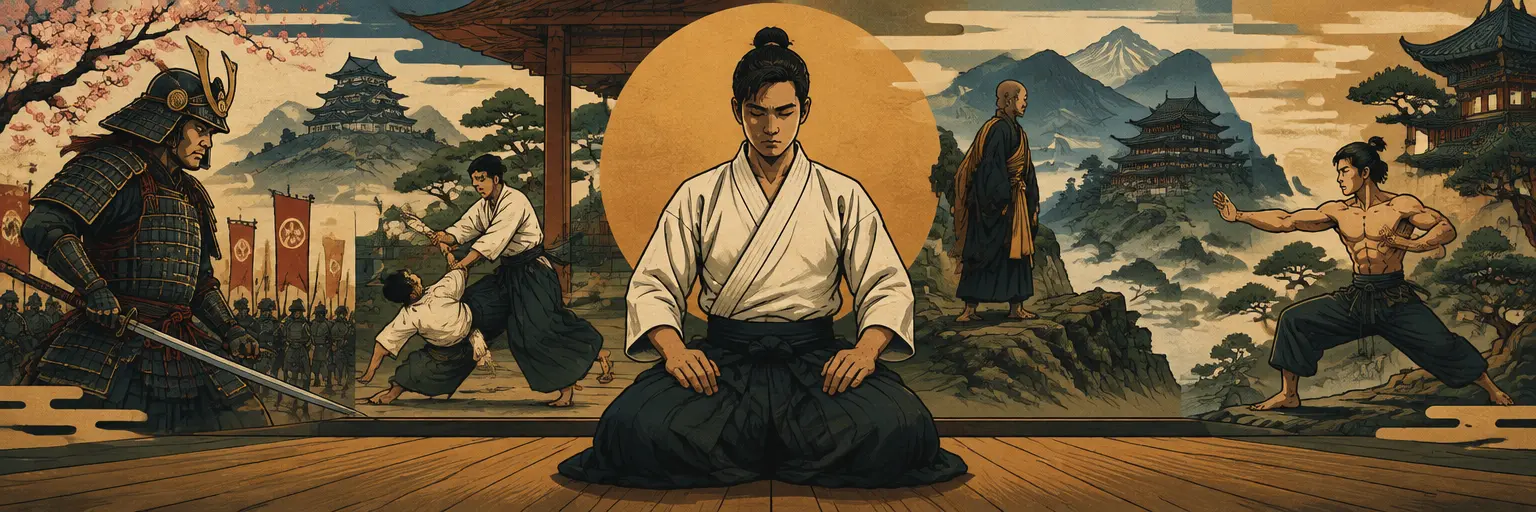
Discover the rich tapestry of martial arts history and culture—from ancient battlefields to modern screens—in this immersive journey across continents and centuries. Uncover how Shaolin monks forged discipline through meditation and combat, how military strategies shaped deadly techniques, and how legends of gods and warriors infused martial arts with mythology. Trace the global spread of martial arts to the West, meeting the pioneering masters and defining moments that bridged East and West. Explore the evolution of Asian systems—China’s kung fu, Japan’s budo, Korea’s taekwondo—while celebrating the rituals, dojo etiquette, and ceremonies that preserve authenticity. Delve into cinema’s cultural impact, from Bruce Lee’s legacy to modern blockbusters, and see why preserving traditional arts matters in a rapidly changing world. Perfect for practitioners and history buffs alike, this section reveals the soul behind the strikes—philosophical, spiritual, and fiercely human.
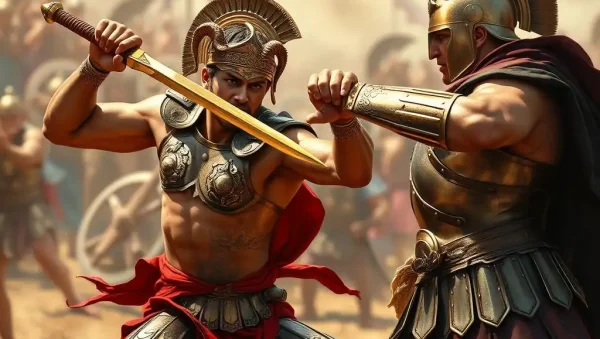
🔥 Explore the fierce clash of Roman and Carthaginian martial tactics during the Punic Wars, revealing how their distinct combat strategies shaped…
Read article
🔥 Discover the legendary Vajra Mushti, an ancient Indian martial art emphasizing unparalleled strength and precision. Explore Vajra Mushti training techniques that…
Read article
🗿 Discover the fascinating world of ancient Indian martial arts techniques through intricate temple carvings, unveiling centuries-old combat skills that continue to…
Read article
🌟 Discover the fascinating roots of Kung Fu ancient Chinese origins, tracing its evolution from ancient martial traditions to a global martial…
Read article
🌟 Explore Arjuna's profound dilemma in the Bhagavad Gita martial arts context, where duty and philosophy intertwine. This timeless wisdom offers essential…
Read article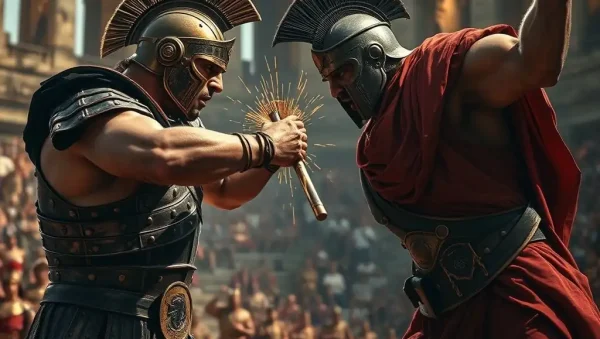
🔥 Dive into the brutal world of Ancient Rome gladiatorial combat, a deadly martial spectacle that showcased bravery, skill, and brutality, revealing…
Read article
🌟 Traditional martial arts preservation benefits extend beyond physical skills, fostering cultural identity, discipline, and unity. Embracing these ancient practices ensures their…
Read article
🌟 The 1964 Tokyo Olympics marked Judo’s debut on the world stage, significantly shaping Western perceptions of martial arts. This historic event…
Read article
🌟 The rise of martial arts tournaments reflects significant growth trends, transforming from local contests into global spectacles. MartialArtsMastery.org explores this evolution,…
Read article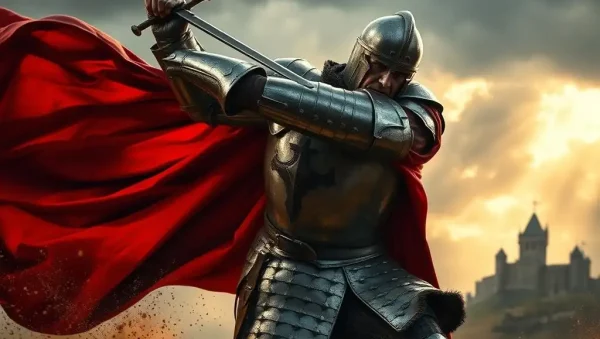
🦁 Discover how Richard the Lionheart exemplified medieval combat mastery through his renowned prowess in Richard Lionheart medieval combat training, blending legendary…
Read article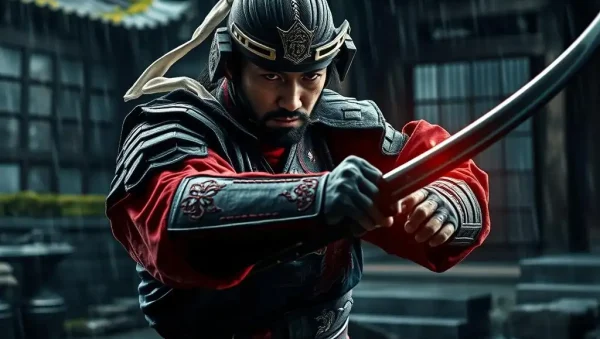
🗡️ Discover how the Kamakura samurai martial traditions solidified the warrior class's power, shaping Japan's martial culture through disciplined combat techniques, honor…
Read article
😊 Discover the legendary Silla Hwarang martial code, a unique blend of Buddhist principles and martial discipline that defined Korea’s elite warrior…
Read articleDelve into the rich tapestry of combat traditions with our comprehensive History & Culture section at MartialArtsMastery.org. Here, we explore how martial arts shaped civilizations, crossed oceans, and evolved into modern practice. From ancient battlefields to Hollywood blockbusters, this category uncovers the historical context, philosophical roots, and cultural significance behind the world’s fighting systems. Perfect for practitioners, historians, and enthusiasts, our curated content connects the dots between past and present, offering deep insights into the rituals, heroes, and myths that define martial arts globally.
This subcategory traces the fascinating journey of Eastern fighting styles to Western shores. Expect profiles of pioneers like Bruce Lee, Jigoro Kano, and Morihei Ueshiba, alongside landmark events such as the 1964 Tokyo Olympics and the rise of mixed martial arts. We highlight how military exchanges, immigration, and pop culture facilitated this cross-pollination, transforming martial arts from niche practices into global phenomena. Readers will gain a clear timeline of cultural adaptation and the key influencers who broke down barriers, making karate, judo, and kung fu household names in Europe and the Americas.
Discover the spiritual heart of combat through monastic traditions. This section examines how Shaolin Buddhism in China and Zen in Japan fused meditation with fighting techniques, creating disciplines like Kung Fu and Kyudo. You’ll learn about the disciplined daily routines, physical conditioning, and philosophical teachings that turned monks into formidable warriors and spiritual guides. Our content explores the mind-body connection, the role of monastic sanctuaries as training grounds, and how these traditions still influence modern dojos, emphasizing patience, humility, and enlightenment over brute force.
Here, we analyze how martial arts have been integral to warfare across centuries. From the Roman legions to samurai battalions, this subcategory covers the tactical use of fighting systems, including swordplay, archery, and unarmed combat. Explore how armies integrated martial training for discipline and survival, and how techniques like jujutsu or krav maga evolved for modern soldiers. We also highlight elite units, such as the ninja and Mamluk warriors, showing how martial arts shaped military doctrine, weaponry, and the very outcome of historic battles.
Immerse yourself in legends where heroes wield impossible techniques and mythical beasts embody combat ideals. This subcategory explores tales from Chinese wuxia, Greek pankration, and Indian Vedic warriors, separating fact from fiction. Expect deep dives into iconic figures like Bodhidharma and Miyamoto Musashi, whose lives inspired folklore. We examine how mythology shaped training mystique, ritual dances, and ceremonial weapons, while also serving as moral allegories. This content enriches your understanding of martial arts as storytelling, preserving values like honor, perseverance, and cleverness through generations.
This section reveals how film and media translated martial arts into global entertainment. From Bruce Lee’s explosive films to John Wick’s gun-fu, we cover the choreography, stunts, and stars that defined genres. You’ll see how television shows, anime like Dragon Ball, and video games such as Street Fighter have popularized techniques and fetishized combat. We also analyze the cultural exchange—how Hollywood reimagined Eastern arts and how Asian cinema responded, shaping audience expectations and even inspiring real-world training trends.
Travel back to the dawn of combat systems, from Egyptian wrestling scenes on tomb walls to Indian kalaripayattu and African stick fighting. This subcategory presents archaeological evidence, early manuscripts, and comparative studies that show martial arts are a universal human response to conflict and survival. We highlight how geography, climate, and social structures influenced distinct styles, and how ancient roots persist in modern practice. Expect chronological timelines, cultural context, and a reminder that fighting traditions predate written history, evolving organically across every continent.
As modernization threatens ancient lineages, this subcategory focuses on efforts to document, revive, and protect traditional styles. Explore initiatives from UNESCO’s intangible heritage lists to grassroots dojos keeping dying arts alive, such as Hema (historical European martial arts) or Taekkyon. We discuss challenges like commercialization, loss of masters, and cultural appropriation, while celebrating dedicated instructors and digital archives. Readers will find inspiration in stories of resilience, plus practical advice on how practitioners can contribute to preservation, ensuring authenticity survives for future generations.
This core subcategory offers a comparative deep-dive into three powerhouse traditions. For China, we trace from Shaolin kung fu to Tai Chi’s internal arts; for Japan, from samurai kenjutsu to Judo and Aikido; for Korea, from Taekkyon to Taekwondo’s global Olympic sport. We highlight key historical periods—like the Meiji Restoration and Ming dynasty—that shaped techniques and philosophies. Expect side-by-side comparisons of stances, grappling, and kicking methods, along with cultural drivers like nationalism and religious influence, giving you a rich, structured overview of Asian martial evolution.
Finally, this subcategory examines the formalities that make martial arts unique—bowing rules, uniform etiquette, and grading ceremonies. We decode the symbolism behind rei (bow), floor cleaning, and lineage recitation, explaining how rituals build respect, focus, and community. Expect coverage of kata (forms) as moving meditation, tea ceremonies in Japanese arts, and belt-tying customs. Understanding these traditions enhances your practice by connecting you to centuries of discipline, making training a richer, more meaningful experience beyond mere physical exercise.
The oldest documented martial art is believed to be Kalaripayattu from India, with references dating back over 3,000 years. However, wrestling forms like Egyptian and Greek pankration also have ancient roots. Because early humans always fought, unarmed combat likely predates records. We recommend exploring our Ancient Origins section for archaeological evidence and comparative timelines.
Martial arts spread to the West primarily through migration, military interaction, and pop culture. Japanese immigrants brought judo and karate to the U.S. and Brazil in the early 1900s. Soldiers stationed in Asia after WWII learned techniques and returned home. Films and TV, especially Bruce Lee’s movies, then popularized these arts, driving global interest.
Shaolin monks integrated Chan Buddhist meditation with physical exercises, creating a unique system promoting health and self-defense. Their martial arts emphasized internal energy (qi) and discipline, and historical records suggest they developed techniques that influenced Chinese kung fu styles. They also spread knowledge through warrior-monk networks, shaping practices worldwide.
Dojo etiquette, or rei, reinforces respect, humility, and tradition. Bowing to the instructor and fellow students symbolizes mutual appreciation, while proper uniform care and punctuality build discipline. These rituals create a safe, focused learning environment, distinguishing martial arts from mere sport, and connect practitioners to the art’s cultural roots.
You can help by training with authentic masters, documenting local styles, and sharing knowledge ethically. Support organizations like UNESCO’s heritage programs and attend workshops. Avoid commercialized versions that water down traditions. Most importantly, teach others the history and rituals, ensuring that the cultural and philosophical aspects survive alongside physical techniques.