
The Genesis of Giants: Tracing Kung Fu's Earliest Roots in Ancient China

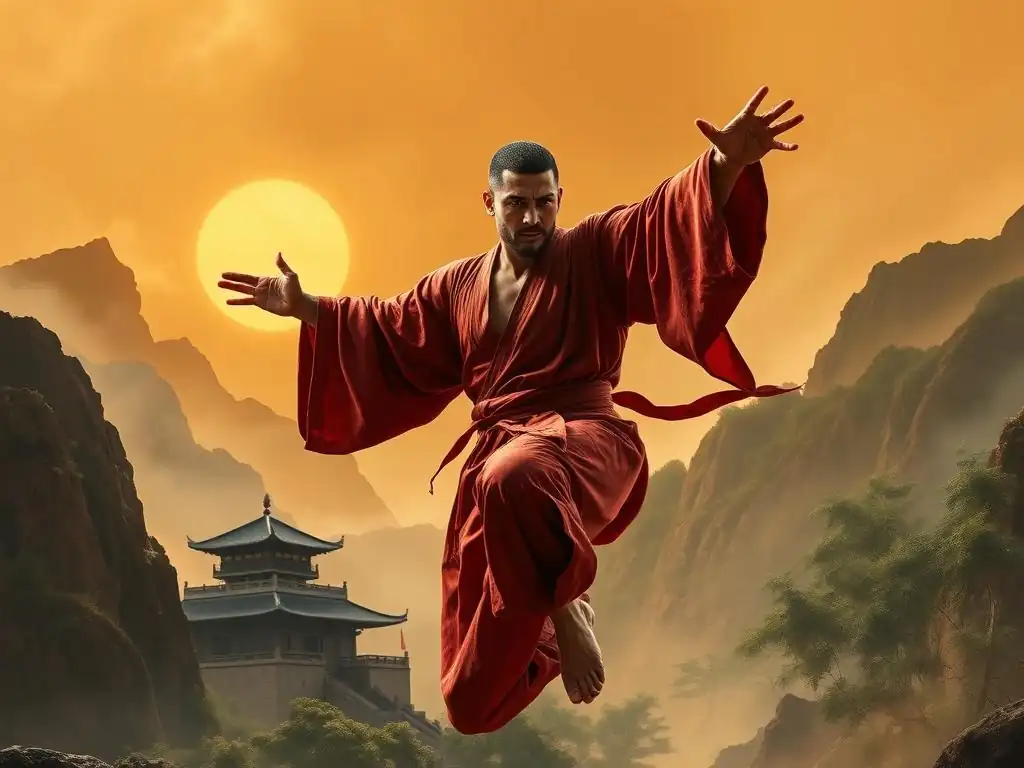
Welcome to Martial Arts Mastery, your gateway to the world's fighting arts!
Delve into the captivating history of martial arts, starting with the intriguing question: What secrets lie hidden within the ancient Chinese origins of Kung Fu? Prepare to embark on a journey back in time, as we unravel the legendary genesis of this iconic discipline and explore the cultural forces that shaped its evolution. Discover more about the origins, philosophies and techniques of this legendary martial art and open the loop for more!
- Setting the Stage: Exploring the Historical Context of Kung Fu's Emergence
- Why Understanding Kung Fu's Roots Matters: Relevance for Modern Martial Artists
- Ancient Warfare and Weaponry: Influences on Early Fighting Techniques
- Myth and Legend: The Role of Folklore in Shaping Kung Fu's Narrative
- The Xia, Shang, and Zhou Dynasties: Seeds of Martial Prowess
- The Spring and Autumn Period: The Rise of Military Strategy and Personal Combat
- The Warring States Period: Refinement of Combat Skills and Philosophies
- Legendary Warriors and Strategists: Huangdi (Yellow Emperor) and Early Military Tactics
- Taoism and Buddhism's Influence: Spirituality and the Martial Arts
- Confucianism's Impact: Ethics and Discipline in Kung Fu Training
- Shoubo and Jiao Di: Early Hand Combat Methods
- Development of Weaponry: From Spears to Swords, Halberds, and Knives
- Regional Variations: Seeds of Diverse Kung Fu Styles
- The Shaolin Legend: Bodhidharma and the Introduction of Chan Buddhism
- Kung Fu's Flourishing at Shaolin: A Sanctuary for Martial Arts Innovation
- Shaolin's Influence on Later Kung Fu Styles
- Kung Fu's Enduring Impact on Chinese Culture
- How Ancient Principles Still Apply to Modern Kung Fu Training
- Preserving Kung Fu's History: The Importance of Research and Respect
- Conclusion: Celebrating the Rich History of Kung Fu's Ancient Chinese Origins
-
Frequently Asked Questions
- What are the earliest known influences on Kung Fu's development?
- Where in ancient China did Kung Fu likely originate?
- How did philosophical beliefs shape the development of Kung Fu?
- What role did military training play in the evolution of Kung Fu?
- Is Kung Fu solely about fighting, or are there other aspects to it?
- Final Reflection: Echoes of Ancient Strength
- Unleash Your Inner Warrior: Embrace Kung Fu's Legacy!
Setting the Stage: Exploring the Historical Context of Kung Fu's Emergence
The origins of Kung Fu, or more broadly, Chinese martial arts, are deeply intertwined with the long and complex history of ancient China. From the earliest recorded dynasties, the need for self-preservation, defense against wild animals, and organized warfare fostered the development of rudimentary fighting techniques.
These early methods were not yet the stylized forms we recognize today as Kung Fu, but rather practical skills honed through necessity. Archaeological findings, such as bronze weapons and chariots dating back to the Shang dynasty (c. 1600–1046 BCE), indicate a sophisticated understanding of military strategy and individual combat prowess, laying the foundational elements upon which the diverse tapestry of Kung Fu ancient Chinese origins would later be woven.
Life in ancient China was often perilous, marked by inter-tribal conflicts, invasions, and internal strife. This constant state of potential danger necessitated the development of effective fighting skills for both individuals and communities. Farmers needed to defend themselves against bandits, merchants against highwaymen, and soldiers against enemy armies. Over generations, these practical survival techniques evolved, incorporating insights from hunting, animal movements, and even early forms of physical conditioning practices. This pragmatic approach to combat formed the bedrock, slowly transforming simple fighting into more structured methods that would contribute significantly to the rich heritage of Kung Fu ancient Chinese origins.
Why Understanding Kung Fu's Roots Matters: Relevance for Modern Martial Artists
For contemporary practitioners of Kung Fu, delving into its ancient Chinese origins offers far more than just a historical curiosity; it provides essential context and deeper meaning to their training. Understanding the historical, philosophical, and practical necessities that shaped early martial arts helps explain the 'why' behind specific movements, forms, and training methodologies.
It connects the modern student to a lineage stretching back thousands of years, fostering a sense of continuity and respect for the tradition. This historical perspective illuminates how techniques evolved, how different styles emerged, and the core principles that have remained constant throughout millennia of development, enriching the modern practitioner's understanding of Kung Fu ancient Chinese origins.
Furthermore, studying the roots of Kung Fu highlights the multifaceted nature of the art. It reveals that early practices were not solely focused on physical combat but were often intertwined with philosophical, ethical, and even spiritual development, influenced by traditions like Taoism, Buddhism, and Confucianism.
For a modern martial artist, this understanding can transform training from mere physical exercise into a holistic discipline that cultivates not only physical prowess but also mental fortitude, discipline, and a connection to a rich cultural heritage. Appreciating the depth and breadth of Kung Fu ancient Chinese origins empowers practitioners to train with greater intention and embody the complete spirit of the art.
Ancient Warfare and Weaponry: Influences on Early Fighting Techniques
The earliest forms of organized combat in ancient China were intrinsically linked to the development of military technology and strategy. During the Shang and Zhou dynasties, bronze weaponry like spears, axes, and daggers were prevalent, alongside the increasing use of chariots. Warfare involved large-scale battles, but also required individual soldiers to possess basic combat skills.
The techniques developed focused on the effective use of these early weapons – thrusting with spears, cleaving with axes, and close-quarters fighting with daggers. These foundational weapon-based skills were among the first structured fighting methods, predating unarmed combat systems and significantly shaping the early evolution of Kung Fu ancient Chinese origins.
As iron replaced bronze and weapon designs became more sophisticated during the Spring and Autumn and Warring States periods, fighting techniques adapted. The development of longer swords, halberds (ge and ji), and more advanced archery influenced tactics and required greater individual skill and training.
Military manuals began to appear, detailing formations, strategies, and even specific fighting techniques. This emphasis on organized, effective combat with a variety of weapons created a fertile ground for the development of diverse martial skills, many of which would later be codified and refined into the complex weapon forms found within the vast landscape of Kung Fu ancient Chinese origins.
Myth and Legend: The Role of Folklore in Shaping Kung Fu's Narrative
Chinese mythology and folklore are replete with tales of legendary warriors, mythical battles, and superhuman feats of strength and skill, which have played a significant role in shaping the narrative and cultural perception of Kung Fu's ancient Chinese origins. Figures like the Yellow Emperor (Huangdi), often credited with early military innovations, and stories of divine beings or ancient heroes possessing incredible martial prowess permeated the cultural consciousness. While not historical accounts of specific techniques, these myths established an archetype of the skilled warrior and instilled a sense of awe and respect for martial capabilities.
These legendary tales served to inspire and elevate the status of martial arts practitioners within society. They provided a framework of heroism and virtue often associated with combat skills, portraying warriors as protectors and upholders of justice. Over centuries, specific martial arts styles and lineages would sometimes trace their origins back to mythical figures or legendary events, adding a layer of mystique and authority. This blend of historical development and legendary narrative is a unique characteristic of Kung Fu ancient Chinese origins, contributing to its rich cultural tapestry and enduring appeal.
The Xia, Shang, and Zhou Dynasties: Seeds of Martial Prowess
While concrete historical records are scarce for the Xia dynasty (c. 2070–1600 BCE), archaeological evidence from the subsequent Shang (c. 1600–1046 BCE) and Zhou (c. 1046–256 BCE) dynasties clearly indicates the presence of organized military forces and sophisticated bronze weaponry. Warfare was common, necessitating training in the use of spears, axes, and chariots.
Practices like Jiao Di, an early form of wrestling or horn-butting combat, are mentioned in ancient texts and depicted in art, suggesting the development of rudimentary unarmed combat methods alongside weapon use. These early forms of physical contest and military training represent the foundational seeds from which the diverse practices contributing to Kung Fu ancient Chinese origins would eventually sprout.
During the Zhou dynasty, the concept of the 'Six Arts' (禮, 樂, 射, 御, 書, 數 - Rites, Music, Archery, Charioteering, Calligraphy, and Mathematics) became central to the education of noblemen. Archery and Charioteering were explicitly martial skills, highlighting the importance of physical and combat training for the ruling class.
This period saw further refinement of military organization and strategy, contributing to a more structured approach to martial development. While far from the complex systems of later eras, the martial focus of these early dynasties laid the groundwork for the systematic cultivation of fighting skills that is characteristic of Kung Fu ancient Chinese origins.
The Spring and Autumn Period: The Rise of Military Strategy and Personal Combat
The Spring and Autumn Period (771–476 BCE) was a time of fragmentation and intense conflict between numerous rival states. This era saw a significant evolution in warfare, moving beyond large-scale chariot battles to include infantry tactics and siege warfare. The increased frequency and scale of conflict demanded more skilled and versatile warriors.
This period fostered the development of more sophisticated personal combat techniques, both armed and unarmed, as individual prowess could often turn the tide in smaller skirmishes or duels. The focus shifted not just to mass combat but also to the effectiveness of the individual fighter, a key step in the journey towards the complex systems of Kung Fu ancient Chinese origins.
Military treatises began to emerge, analyzing strategy and tactics in detail. While Sun Tzu's Art of War is the most famous, it reflects a broader trend of intellectualizing military conflict. This period also saw the rise of professional warriors and strategists who honed their skills and knowledge. The constant pressure of survival and conquest accelerated the refinement of fighting methods, incorporating lessons learned from countless battles. The practical necessities of this turbulent era significantly shaped the martial landscape, pushing the evolution of techniques that would form the core of Kung Fu ancient Chinese origins.
The Warring States Period: Refinement of Combat Skills and Philosophies
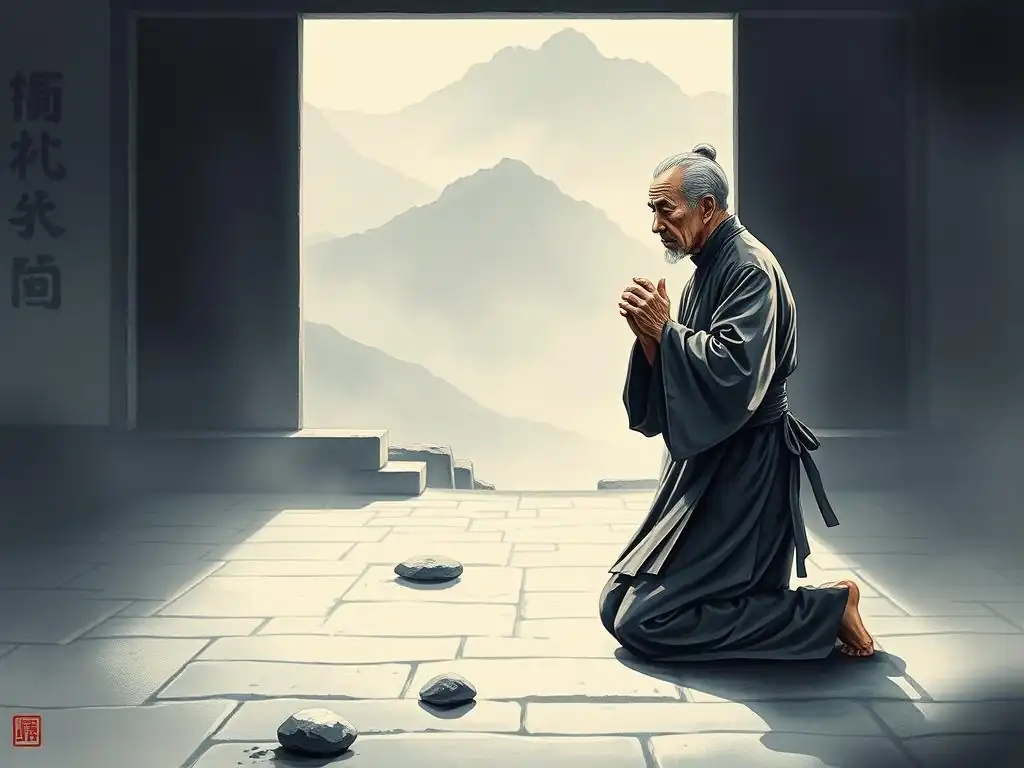
The Warring States Period (475–221 BCE) represented the culmination of the intense conflict of the preceding era, leading to further dramatic advancements in military technology, strategy, and individual combat skills. Iron weaponry became standard, leading to more durable and diverse weapon designs. Crossbows gained prominence, changing the dynamics of ranged combat.
The scale of armies grew, and battles became even more complex, incorporating infantry, cavalry (as horses became more widely used), and siege engines. This era demanded highly skilled soldiers and officers, driving the refinement and specialization of fighting techniques. The relentless pressure of warfare was a powerful crucible for the development of Kung Fu ancient Chinese origins.
Beyond the battlefield, philosophical schools flourished during this period, including Confucianism, Taoism, and Legalism. These philosophies, while not explicitly martial arts manuals, profoundly influenced the ethical, mental, and physical discipline associated with combat training. Concepts like discipline, strategy, adaptability, and the cultivation of vital energy (Qi) became intertwined with martial practice. The Warring States Period, therefore, not only refined physical combat skills to a high degree but also began to integrate them with deeper philosophical principles, laying essential groundwork for the holistic approach characteristic of Kung Fu ancient Chinese origins.
Legendary Warriors and Strategists: Huangdi (Yellow Emperor) and Early Military Tactics
Huangdi, the Yellow Emperor, is a legendary figure in Chinese mythology, often regarded as the ancestor of all Han Chinese. While his historicity is debated, he is credited in ancient texts with introducing various innovations, including military organization and tactics. Legends describe him as a skilled warrior and leader who unified tribes through battle.
Stories associated with Huangdi often involve early forms of military strategy, weapon use, and the concept of organized combat formations. Although rooted in myth, these tales reflect an early cultural emphasis on martial skill and strategic thinking as essential components of leadership and survival, contributing to the foundational narrative of Kung Fu ancient Chinese origins.
The legends surrounding the Yellow Emperor and other mythical heroes established a cultural archetype of the martial leader and strategist. They highlighted the importance of discipline, courage, and tactical acumen in overcoming adversaries. These early narratives, passed down through generations, helped to valorize martial skills and integrate them into the broader cultural identity of ancient China. While not providing specific techniques, these legendary figures underscored the long-standing importance of martial prowess and strategic thinking in Chinese history, influencing the perception and development of practices contributing to Kung Fu ancient Chinese origins.
Taoism and Buddhism's Influence: Spirituality and the Martial Arts
Taoism, an indigenous Chinese philosophy and religion, has had a profound influence on the development of Kung Fu ancient Chinese origins, particularly regarding concepts of flow, yielding, balance, and the cultivation of internal energy (Qi). Principles like acting in harmony with nature, achieving effortless action (Wu Wei), and understanding the interplay of Yin and Yang found resonance in martial arts practice.
Techniques emphasizing softness overcoming hardness, circular movements, and internal power generation often draw parallels with Taoist philosophy. Practitioners sought not just physical strength but also harmony with their own bodies and the natural world, reflecting Taoist ideals within their training.
Buddhism, particularly Chan Buddhism (Zen), introduced to China traditionally by Bodhidharma at the Shaolin Temple in the 6th century CE, also significantly impacted the development of Kung Fu ancient Chinese origins. The focus on meditation, mindfulness, discipline, and the pursuit of enlightenment influenced the mental and spiritual aspects of martial training.
Shaolin monks reportedly developed rigorous physical exercises, including fighting techniques, as a way to maintain health during long hours of meditation and to defend the temple. The integration of intense physical discipline with spiritual practice became a hallmark of certain styles, most famously Shaolin Kung Fu, profoundly shaping the path of Kung Fu ancient Chinese origins.
Confucianism's Impact: Ethics and Discipline in Kung Fu Training
Confucianism, the dominant ethical and philosophical system in imperial China, also played a role in shaping the character and practice of Kung Fu ancient Chinese origins, particularly in its emphasis on ethics, discipline, hierarchy, and social responsibility. While not directly focused on combat techniques, Confucian principles provided a moral and social framework for martial arts training. The emphasis on respect for elders and teachers (師傅, Sifu), adherence to rules and rituals, loyalty, and the cultivation of virtuous character became integral aspects of martial arts discipline.
Confucian ideals promoted the idea that physical training should be accompanied by moral cultivation. A skilled martial artist was expected to be not just physically capable but also virtuous, disciplined, and socially responsible. This philosophical underpinning helped to ensure that martial arts were seen not merely as tools for violence but as disciplines for self-improvement and character development. The strong emphasis on discipline, respect for tradition, and ethical conduct rooted in Confucianism became a defining characteristic of the culture surrounding Kung Fu ancient Chinese origins.
Shoubo and Jiao Di: Early Hand Combat Methods
Among the earliest recorded forms of unarmed combat in ancient China were practices known as Shoubo (手搏) and Jiao Di (角抵). Shoubo, literally meaning "hand striking," refers to various forms of unarmed fighting that likely involved striking, grappling, and joint manipulation. Historical texts and artistic depictions suggest it was practiced as early as the Zhou dynasty. It represented the foundational development of using the body itself as a weapon, a crucial step in the evolution towards the diverse unarmed techniques seen in Kung Fu ancient Chinese origins.
Jiao Di, which translates to "horn butting," was initially a form of wrestling where participants wore horned helmets and attempted to butt each other. Over time, it evolved into a more general term for wrestling or grappling, shedding the horned helmets. It became a popular sport and military training method, emphasizing throws, takedowns, and holds. These early grappling and striking methods, though simple compared to later styles, were the initial attempts at systematizing unarmed combat, providing a direct lineage to the hand-to-hand techniques found within Kung Fu ancient Chinese origins.
Development of Weaponry: From Spears to Swords, Halberds, and Knives
The evolution of weaponry in ancient China directly paralleled and influenced the development of martial techniques. Early bronze weapons like spears (矛, Mao), axes (斧, Fu), and daggers (匕首, Bǐshǒu) dictated combat methods focused on thrusting, chopping, and close-quarters engagement. Military training centered around the effective and efficient use of these tools, establishing fundamental principles of weapon handling that would persist for centuries and influence the weapon forms of Kung Fu ancient Chinese origins.
With the advent of the Iron Age, weaponry became more sophisticated and varied. Swords (劍, Jian - double-edged, and 刀, Dao - single-edged) became prominent, leading to the development of intricate cutting and thrusting techniques. The Halberd (戟, Ji), a versatile polearm combining spear and dagger-axe features, required complex movements for both thrusting and sweeping. Archery (弓術, Gongshu) remained crucial, demanding high levels of skill and discipline. The continuous innovation in weapon design necessitated corresponding advancements in fighting techniques, contributing to the vast array of weapon-based forms that are a hallmark of Kung Fu ancient Chinese origins.
Regional Variations: Seeds of Diverse Kung Fu Styles
Even in ancient times, geographic and cultural differences across China led to the emergence of distinct regional variations in fighting methods. Different terrains, local resources, prevalent weapons, and specific community needs influenced how martial skills developed. For example, areas with many rivers and lakes might develop techniques suited for combat on boats or slippery surfaces, while mountainous regions might favor methods emphasizing balance and agility. These early regional adaptations were the initial seeds of the incredible diversity seen in later Kung Fu styles.
Furthermore, specific communities or families often developed and guarded their own unique fighting techniques, passing them down through generations. These private traditions, born out of practical necessity for self-defense or local security, contributed to a patchwork of distinct martial practices across the land. While not yet formalized into the named styles of later dynasties, these early regional and lineage-based variations were crucial in laying the groundwork for the rich and varied landscape of Kung Fu ancient Chinese origins.
The Shaolin Legend: Bodhidharma and the Introduction of Chan Buddhism
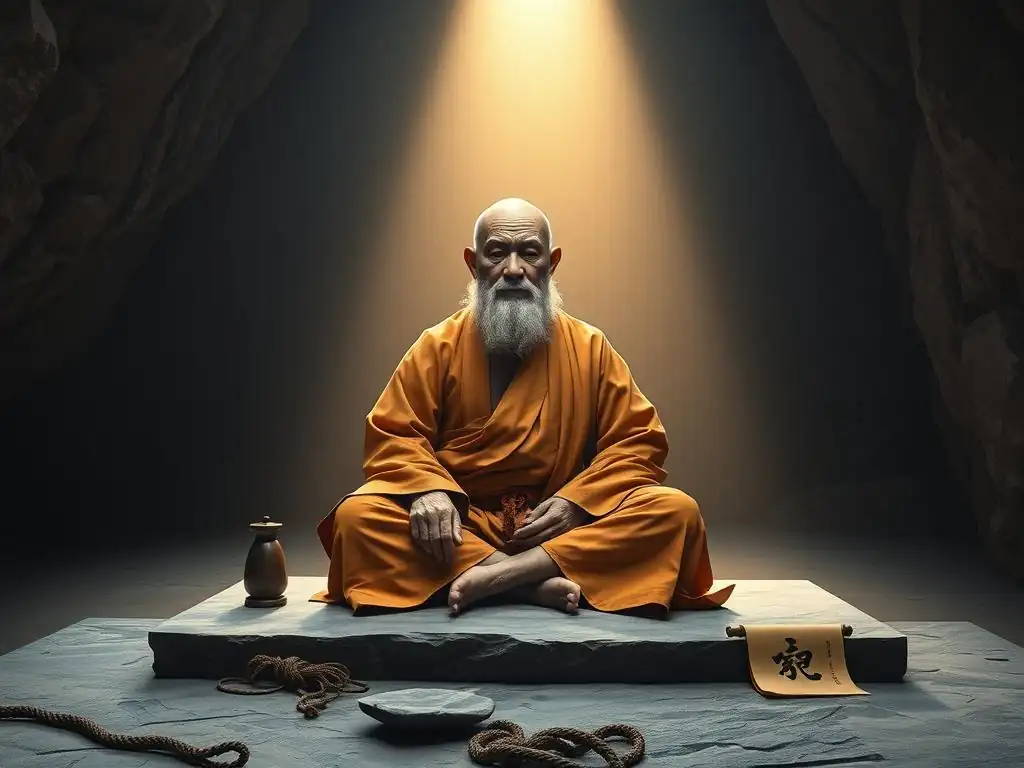
According to popular legend, a pivotal moment in the history of Kung Fu ancient Chinese origins occurred with the arrival of the Indian monk Bodhidharma (達摩, Damo) at the Shaolin Temple (少林寺) in Henan province around the 6th century CE. The legend states that he found the monks physically weak from prolonged meditation and introduced a series of exercises to improve their health and vitality.
These exercises, purportedly including the Eighteen Lohan Hands (十八羅漢手), are often cited as the foundational practices that evolved into Shaolin Kung Fu. While historical evidence for Bodhidharma's direct involvement in martial arts creation is debated by scholars, his association with Shaolin undeniably cemented the temple's legendary status in the martial arts world and deeply intertwined Buddhism with Kung Fu ancient Chinese origins.
Regardless of the precise historical accuracy of the Bodhidharma legend, his story highlights the significant connection between early Buddhist monastic life and the development of structured physical and martial practices. The need for monks to defend themselves and their temple from bandits and warring factions likely spurred the development of effective fighting techniques. The legend serves as a powerful narrative connecting spiritual discipline with physical prowess, a theme that became central to the identity of Shaolin and profoundly influenced the trajectory of Kung Fu ancient Chinese origins.
Kung Fu's Flourishing at Shaolin: A Sanctuary for Martial Arts Innovation
Over the centuries following its founding, the Shaolin Temple became a renowned center for martial arts development and refinement. Its relative isolation provided a sanctuary where monks could dedicate themselves to both spiritual practice and physical training without constant interruption. The temple attracted martial experts seeking refuge or knowledge, leading to a cross-pollination of techniques and ideas. Monks adapted existing fighting methods and innovated new ones, integrating principles of Chan Buddhism, observation of nature (such as animal movements), and classical Chinese philosophy into their practice.
Shaolin's martial arts tradition grew to encompass a vast repertoire of unarmed techniques (like forms, stances, striking, kicking, grappling) and weapon forms (including staff, spear, sword, and others). The temple's disciplined environment fostered rigorous training, leading to a high level of martial skill among its residents. Stories of Shaolin monks' martial prowess spread throughout China, often involving their aid to emperors or communities during times of conflict. This period saw Shaolin emerge as a true crucible for martial innovation, playing a crucial role in shaping the landscape of Kung Fu ancient Chinese origins.
Shaolin's Influence on Later Kung Fu Styles
The martial arts developed and codified at the Shaolin Temple exerted a tremendous influence on countless other Kung Fu styles that emerged throughout China over subsequent dynasties. As monks traveled or left the temple, they carried their knowledge with them, disseminating Shaolin techniques and training methodologies. Many later styles explicitly trace their lineage back to Shaolin, either directly or indirectly. The temple's emphasis on structured forms, physical conditioning, weapon proficiency, and the integration of philosophical principles provided a template for martial arts development across the country.
Shaolin's reputation also inspired the creation of styles that sought to emulate or build upon its methods. The temple's name became synonymous with high-level martial skill and dedication. Even styles that did not originate directly from Shaolin were often influenced by its widespread fame and the diffusion of its techniques. The legacy of Shaolin as a center of martial excellence is undeniable, making it a cornerstone in understanding the complex and interconnected history of Kung Fu ancient Chinese origins and its subsequent evolution.
Kung Fu's Enduring Impact on Chinese Culture
From its ancient Chinese origins, Kung Fu has woven itself deeply into the fabric of Chinese culture, influencing not just martial practices but also dance, opera, literature, film, and philosophy. It is seen not merely as a fighting system but as a discipline that cultivates character, promotes health, and embodies traditional Chinese values. Martial arts heroes are central figures in folklore and popular entertainment, representing ideals of justice, loyalty, and perseverance. The physical movements and philosophical concepts of Kung Fu are reflected in various art forms, demonstrating its pervasive cultural presence.
Kung Fu has also played a role in national identity, particularly during periods of foreign occupation or internal strife, where it symbolized resistance and the strength of the Chinese people. The image of the skilled martial artist defending the weak or upholding justice is a powerful cultural archetype. Even in modern China, Kung Fu remains a source of national pride and a link to the country's ancient heritage. Its principles of discipline, respect, and continuous self-improvement continue to resonate, showcasing the enduring legacy of Kung Fu ancient Chinese origins in shaping cultural identity.
How Ancient Principles Still Apply to Modern Kung Fu Training
Many core principles developed during the ancient Chinese origins of Kung Fu remain highly relevant and are actively applied in modern training. Concepts such as rootedness (扎馬步, Zhā Mǎbù - strong stances), coordination of mind and body (心身合一, Xīn Shēn Hé Yī), understanding of vital energy (氣, Qi), and the application of leverage and body mechanics are fundamental across numerous contemporary styles. The emphasis on discipline, perseverance, respect for the teacher and fellow students, and continuous self-cultivation are also direct inheritances from the ethical frameworks established in ancient times.
Modern Kung Fu practitioners still study and practice traditional forms (套路, Tàolù) that are centuries old, preserving the movements and techniques developed by ancient masters. While sparring and practical self-defense applications have evolved, the underlying principles of movement, power generation, and strategy often trace back to ancient military tactics and philosophical insights. The connection to these ancient principles provides depth and effectiveness to modern training, ensuring that the rich heritage of Kung Fu ancient Chinese origins continues to inform contemporary practice.
Preserving Kung Fu's History: The Importance of Research and Respect
Preserving the history of Kung Fu ancient Chinese origins is crucial for maintaining the integrity and understanding of this profound martial art. This involves ongoing academic research into ancient texts, archaeological findings, and historical records to piece together the complex evolution of techniques, philosophies, and training methods. It also requires the dedicated efforts of practitioners and organizations to document, teach, and preserve traditional forms and practices accurately, ensuring that knowledge is passed down authentically.
Respect for the lineage, the teachers, and the historical context is paramount. Modern practitioners are encouraged to learn about the origins and development of their specific style and Kung Fu in general, recognizing the generations of masters who contributed to its evolution. By valuing the history and approaching training with a sense of respect for the tradition, practitioners help to keep the spirit of Kung Fu ancient Chinese origins alive, ensuring that its legacy continues to inspire and benefit future generations.
Conclusion: Celebrating the Rich History of Kung Fu's Ancient Chinese Origins
Tracing the history of Kung Fu ancient Chinese origins reveals a fascinating journey from rudimentary survival skills and military tactics to sophisticated systems of combat, self-cultivation, and cultural expression. From the early wrestling of Jiao Di and the use of ancient weaponry in the Xia, Shang, and Zhou dynasties, through the strategic innovations of the Spring and Autumn and Warring States periods, to the philosophical integration influenced by Taoism and Buddhism and the pivotal role of the Shaolin Temple, the roots of Kung Fu are deeply embedded in China's long and complex past.
Understanding this history illuminates the multifaceted nature of Kung Fu, showing it as a discipline that encompasses physical prowess, mental fortitude, ethical conduct, and a connection to profound philosophical traditions. For modern practitioners, this historical perspective is invaluable, providing context, depth, and a greater appreciation for the art they practice. Celebrating the rich history of Kung Fu ancient Chinese origins ensures that its legacy as a powerful force for physical, mental, and spiritual development continues to thrive in the modern world.
Frequently Asked Questions
What are the earliest known influences on Kung Fu's development?
The earliest influences on Kung Fu are thought to stem from ancient Chinese fighting methods, religious practices like Buddhism and Taoism, and military training.
Where in ancient China did Kung Fu likely originate?
While its exact origin is debated, Kung Fu's roots are most strongly associated with the Shaolin Temple in Henan province and the surrounding areas of ancient China, where various fighting styles evolved.
How did philosophical beliefs shape the development of Kung Fu?
Philosophical beliefs, particularly from Taoism and Buddhism, emphasized internal energy cultivation (Qi Gong) and mind-body harmony, significantly impacting Kung Fu's techniques and principles.
What role did military training play in the evolution of Kung Fu?
Ancient Chinese military training heavily influenced Kung Fu by contributing practical combat techniques, weaponry skills, and strategies for self-defense, crucial for survival and warfare.
Is Kung Fu solely about fighting, or are there other aspects to it?
Kung Fu encompasses more than just fighting; it includes physical conditioning, mental discipline, spiritual development, and a rich cultural history deeply rooted in ancient Chinese traditions.
Final Reflection: Echoes of Ancient Strength
The journey through the genesis of Kung Fu, as explored in this article, reveals that its ancient Chinese origins are not merely historical footnotes, but living threads woven into the fabric of modern martial arts and cultural identity. The discipline, philosophy, and techniques born centuries ago continue to resonate, shaping not only physical prowess but also mental fortitude and spiritual awareness in practitioners worldwide.
The enduring influence of Kung Fu transcends the dojo, permeating popular culture and inspiring countless individuals to embrace discipline, perseverance, and self-improvement. This exploration has deepened my appreciation for the profound impact of ancient traditions on contemporary life, reminding me that the pursuit of mastery is a timeless endeavor. A journey of a thousand miles begins with a single step.
This ancient proverb perfectly encapsulates the spirit of Kung Fu, emphasizing the importance of consistent effort and unwavering dedication in achieving one's goals, both within and beyond the martial arts.
As we conclude this exploration of Kung Fu's ancient roots, I invite you to reflect on the lessons embedded within its history. Consider how the principles of discipline, respect, and self-cultivation, honed over centuries, can be applied to your own life. Embrace the spirit of continuous learning and strive to embody the strength, resilience, and wisdom that define the legacy of Kung Fu. Let the echoes of ancient China inspire you to forge your own path towards personal growth and lasting impact.
Unleash Your Inner Warrior: Embrace Kung Fu's Legacy!
Thank you for delving into the origins of Kung Fu with us. We hope this journey through ancient China has sparked a deeper appreciation for this incredible martial art. Now, it's time to take that inspiration and turn it into action!
Here are a few ways to continue your exploration:
- Embark on your own Kung Fu journey! Find a reputable school near you and begin learning a style that resonates with you.
- Share this article with fellow martial arts enthusiasts to ignite their passion for Kung Fu's history.
- Research the philosophical underpinnings of Kung Fu, such as Taoism and Buddhism, to gain a more profound understanding of its spirit.
What aspect of Kung Fu's history most inspires your practice today?