
Vajra Mushti: The Adamantine Fist of Ancient Indian Wrestlers and Warriors

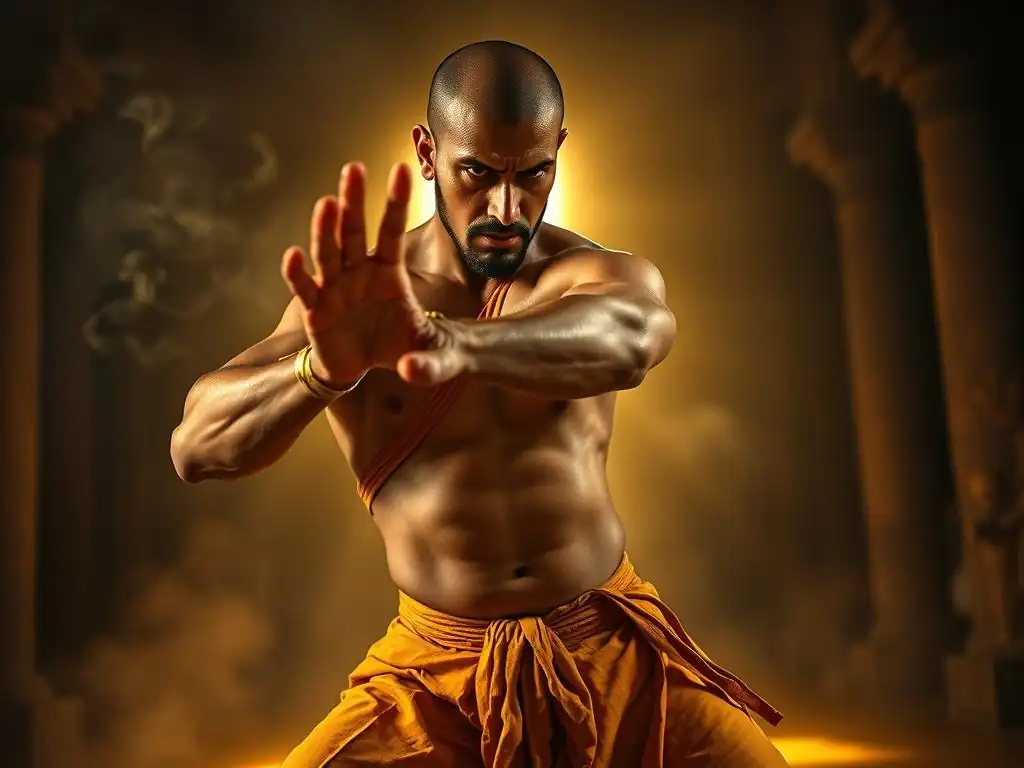
Welcome to Martial Arts Mastery, your gateway to the world's most compelling combat traditions. Delve into the rich tapestry of martial arts history and philosophy, starting with a fascinating exploration of Vajra Mushti. Uncover the secrets of these ancient Indian wrestlers and warriors and discover the Vajra Mushti training techniques that forged legends. What made this art so formidable, and how did its practitioners achieve such devastating power? Begin your journey now and unlock the mysteries of the Adamantine Fist.
- Introduction to Vajra Mushti: History and Significance
- The Origins of Vajra Mushti: Tracing its Roots
- Vajra Mushti Weapons and Equipment: The Adamantine Gauntlet
- Vajra Mushti Training Techniques: A Comprehensive Overview
- Advanced Vajra Mushti Techniques: Power and Precision
- Vajra Mushti in Practice: Rules and Rituals
- Vajra Mushti vs. Other Ancient Martial Arts: A Comparison
- The Decline and Potential Revival of Vajra Mushti
- Modern Interpretations and Applications of Vajra Mushti Principles
- Legacy of Vajra Mushti: Influence on Other Martial Arts
- Frequently Asked Questions
- Final Reflection: The Enduring Legacy of Vajra Mushti
- Rediscover Your Inner Warrior: Embrace Vajra Mushti!
Introduction to Vajra Mushti: History and Significance
Exploring the Ancient Indian Martial Art of Vajra Mushti
Vajra Mushti, often translated as "Thunderbolt Fist" or "Adamantine Fist," stands as one of the most formidable and historically significant martial arts originating from ancient India. This discipline is not merely a system of unarmed combat but integrates specialized weaponry, primarily a knuckle-duster-like gauntlet, to amplify its destructive potential. Historical records and oral traditions point to its practice dating back possibly over two millennia, with documented use during various periods of Indian history, particularly within royal courts and military training regimens. Its unique blend of striking, grappling, and weapon use distinguishes it from many other combat forms.
The name "Vajra" itself holds deep symbolic meaning in Indian culture, representing the thunderbolt of Indra, the king of the gods, symbolizing irresistible power and indestructibility. This nomenclature reflects the intended effect of the art – to deliver blows with the force and resilience of a thunderbolt. Practitioners of Vajra Mushti were highly respected, often holding positions of importance, serving as personal guards for rulers or participating in prestigious wrestling tournaments. The training was rigorous, demanding not only physical prowess but also mental fortitude and a deep understanding of the human anatomy, particularly vital points, which were often targeted.
Vajra Mushti's Role in Ancient Indian Warfare and Wrestling
In ancient India, Vajra Mushti played a dual role, serving both on the battlefield and in the wrestling arena. As a military art, its Vajra Mushti training techniques were adapted for close-quarters combat, where soldiers or specialized warriors would employ the gauntlet to break through armor or incapacitate opponents quickly. The ability to deliver devastating strikes with the reinforced fist made it a terrifying prospect for adversaries in the chaos of battle. Historical accounts, though sometimes sparse, suggest its use by specific warrior classes or royal bodyguards, highlighting its effectiveness in critical engagements.
Beyond warfare, Vajra Mushti was a prominent feature of ancient Indian wrestling tournaments ( malla-yuddha), particularly in regions like Karnataka. These contests were often held during festivals or royal celebrations and were far more intense than modern sporting events, frequently fought to submission, serious injury, or even death. Wrestlers trained in Vajra Mushti would compete using the gauntlet, making these bouts incredibly dangerous and requiring immense skill and courage. The rules and rituals surrounding these contests were strict, often involving elaborate pre-fight ceremonies and specific protocols for victory and defeat, demonstrating the art's deep cultural integration.
The Origins of Vajra Mushti: Tracing its Roots
Historical Accounts of Vajra Mushti in Ancient Texts
Tracing the precise origins of Vajra Mushti is challenging due to the fragmented nature of ancient texts, but several key sources provide valuable insights. The Manasollasa, a 12th-century Sanskrit encyclopedia compiled by King Someshvara III of the Kalyani Chalukya dynasty, contains a detailed chapter on malla-yuddha, including descriptions that strongly suggest the use of a weapon akin to the Vajra Mushti gauntlet in certain forms of wrestling. This text outlines different types of wrestling contests and techniques, providing one of the most concrete historical references to this armed combat style within a sporting context.
Other ancient Indian texts, including epics like the Mahabharata and Ramayana, describe various forms of combat and wrestling, mentioning warriors and deities possessing immense striking power often likened to a thunderbolt or diamond (vajra). While these references may be symbolic, they indicate a long-standing cultural concept of powerful, reinforced striking. Furthermore, sculptures and temple carvings from different periods in India depict figures engaged in combat or wrestling, sometimes showing hand coverings or weapons that could potentially be precursors or representations of the Vajra Mushti gauntlet, offering visual clues to its historical presence.
The Evolution of Vajra Mushti as a Fighting Style
The evolution of Vajra Mushti likely spanned centuries, adapting to changing warfare tactics and societal needs. Initially, it might have developed from basic armed fist fighting, perhaps using simple stone or metal rings to enhance striking power. Over time, as metalworking advanced, the gauntlet evolved into a more sophisticated weapon, integrating spikes or blades. This evolution was probably influenced by the need for armor penetration in military contexts and the desire for decisive impact in wrestling duels.
As a fighting style, Vajra Mushti techniques would have developed alongside the weapon. Early forms might have focused purely on powerful, straightforward strikes. However, the inherent risks of armed wrestling, where grappling was also crucial, would necessitate the development of techniques that integrated strikes with throws, joint locks, and holds.
The emphasis on targeting vital points ( marma) likely became more refined over time, transforming it from brute force into a highly strategic and lethal art. The specific Vajra Mushti training techniques would have been passed down through lineages, adapting slightly based on regional variations or the specific requirements of royal patrons or military units.
Vajra Mushti Weapons and Equipment: The Adamantine Gauntlet
The Design and Construction of the Vajra Mushti Weapon
The central piece of equipment in Vajra Mushti is the gauntlet, often referred to specifically as the 'Vajra Mushti'. While designs varied historically and regionally, the core concept remained consistent: a hand covering, typically fitting over the knuckles and the back of the hand, reinforced with hard material. The most iconic form features protruding spikes or knobs over the knuckles, designed to concentrate impact and inflict severe injury. Some versions might have included blades along the sides or extending from the fingers.
The construction of the Vajra Mushti gauntlet was a skilled craft. Early versions might have been simple metal rings or bands bound to the fist. Later, more elaborate designs were forged, often contoured to fit the hand and wrist securely. The spikes or knobs were integral to the design, shaped to maximize penetration or blunt force trauma. These gauntlets were not merely weapons but also symbols of the practitioner's skill and the art's fearsome nature. The precise weight and balance were crucial for executing effective Vajra Mushti training techniques and combat maneuvers.
Materials Used in Vajra Mushti Gauntlet Creation: From Iron to Steel
Historically, the materials used to craft the Vajra Mushti gauntlet evolved with technological advancements in metallurgy. Early versions likely utilized iron, which was readily available and could be forged into the required shapes. Iron provided significant reinforcement, turning a punch into a potentially bone-shattering blow. As metalworking techniques improved in ancient India, particularly with the development of Wootz steel (a crucible steel celebrated for its strength and sharpness), it is plausible that steel was also employed, at least for the more elaborate or high-status gauntlets.
The spikes or knobs were often made from the same material as the body of the gauntlet, forged and sharpened or shaped accordingly. Some accounts suggest that materials like horn or bone might have been used in earlier, less advanced versions, or perhaps by practitioners who couldn't afford metal.
However, the "adamantine" nature implied by the name "Vajra Mushti" strongly suggests a preference for hard, durable materials like iron and steel, capable of delivering blows described as being like a thunderbolt. The choice of material directly impacted the weight, durability, and destructive capability of the weapon, thus influencing the specific Vajra Mushti training techniques developed to wield it effectively.
Vajra Mushti Training Techniques: A Comprehensive Overview
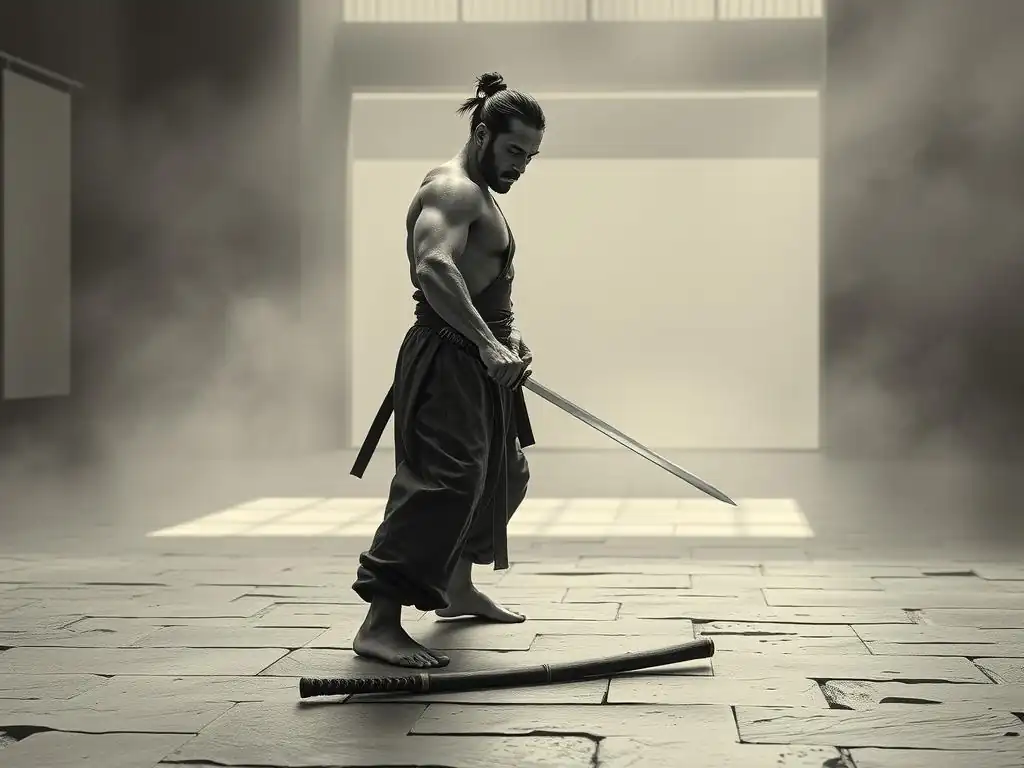
Foundational Stances and Footwork in Vajra Mushti
Like any martial art, Vajra Mushti training began with mastering fundamental stances and footwork. While specific historical manuals detailing these are scarce, inferences can be drawn from the nature of the art and related Indian wrestling forms. Stances would need to provide a stable base for delivering powerful strikes with the gauntlet and for engaging in grappling exchanges. A low center of gravity and strong leg structure were likely emphasized to absorb impact and generate force.
Common stances probably included variations of a forward stance, placing weight on the front leg for driving power into strikes, and a more balanced, square stance for defensive maneuvers and grappling readiness. Footwork would involve stepping, shuffling, and pivoting to gain advantageous angles for attack and defense, maintain balance during grappling, and close or create distance from an opponent. The ability to move quickly and change direction was essential for both delivering strikes with the weighted gauntlet and avoiding incoming attacks, making efficient footwork a cornerstone of effective Vajra Mushti training techniques.
Vajra Mushti Striking Techniques: Mastering the Fist
Striking was the primary offensive element of Vajra Mushti, heavily reliant on the gauntlet to enhance impact. The core strikes involved delivering blows with the reinforced knuckles. These weren't just simple punches; they were likely executed with full body integration, using torque from the hips and shoulders to generate maximum power. Targets included the head, face, ribs, solar plexus, and limbs.
Specific striking techniques would include direct punches, hooks, uppercuts, and potentially hammer fists. The presence of spikes meant even glancing blows could cause significant damage, emphasizing precision as well as power. Training would involve hitting padded targets, sandbags, and possibly specialized dummies to develop force, accuracy, and conditioning. The unique weight and feel of the gauntlet required dedicated practice to ensure strikes landed effectively without losing balance or momentum, making these striking drills central to Vajra Mushti training techniques.
Grappling and Clinching Techniques in Vajra Mushti Practice
Despite its emphasis on striking, grappling and clinching were integral components of Vajra Mushti training, particularly in the context of wrestling. Once opponents closed distance, striking became less effective, and the fight would transition into throws, trips, and holds. The gauntlet itself added a unique dimension to grappling – it could be used to scrape or lacerate opponents while in a clinch, or the reinforced hand could be used for painful pressure point applications.
Grappling techniques likely included various throws derived from Indian wrestling traditions, such as hip throws, body locks, and leg sweeps. Clinching provided opportunities to control the opponent's posture, deliver short-range strikes with the gauntlet (like hooks to the body or head), or set up takedowns. Learning to grapple effectively while wearing the gauntlet was a complex skill, requiring careful positioning to avoid injuring oneself while maximizing the weapon's potential against the opponent. Mastery of both striking and grappling was crucial for comprehensive Vajra Mushti training techniques.
Defensive Maneuvers and Blocking Strategies
Defense in Vajra Mushti involved a combination of evasion, blocking, and parrying. Given the lethal nature of strikes delivered with the gauntlet, avoiding direct impact was paramount. Footwork and head movement were used to slip punches and maintain distance. When evasion wasn't possible, practitioners would employ blocks.
Blocking strategies likely involved using forearms, shoulders, or even the reinforced gauntlet itself to deflect or absorb incoming strikes. Blocking a gauntlet strike with an unprotected limb would be extremely dangerous, so training would emphasize using the most durable parts of the body or the gauntlet itself for defense. Parrying involved redirecting the opponent's strike with an open hand or forearm, potentially setting up a counter-attack. Defensive Vajra Mushti training techniques would also include learning to protect vital points and recover quickly from being hit or thrown.
Advanced Vajra Mushti Techniques: Power and Precision
Developing Power Generation in Vajra Mushti Strikes
Developing devastating power was a hallmark of advanced Vajra Mushti training. This went beyond mere physical strength; it involved understanding and utilizing body mechanics to channel force efficiently. Techniques focused on generating power from the ground up, using the legs, hips, and core to drive force through the striking arm. Rotation of the torso was critical for adding momentum to punches, particularly hooks and cross-strikes.
Advanced power generation drills included striking heavy bags, specialized wooden posts ( malakhamb or similar training equipment used by wrestlers), and partner drills focusing on impact absorption and delivery. Isometric and dynamic exercises designed to build explosive strength in the core, shoulders, and striking limbs were also integral. The goal was to deliver strikes where the entire body's force was concentrated through the small, reinforced area of the gauntlet, making even a seemingly simple punch incredibly potent – a key outcome of dedicated Vajra Mushti training techniques.
Targeting Vulnerable Points: Precision Striking with the Vajra Mushti
Precision was as crucial as power in Vajra Mushti, especially when targeting vulnerable points. While the gauntlet could inflict damage anywhere, striking specific anatomical targets maximized the potential for incapacitation or fatal injury. Advanced training focused on identifying and hitting these points accurately, even in dynamic combat situations.
Target areas included the temple, jaw, sternum, solar plexus, kidneys, and joints. Delivering a precise strike with the reinforced knuckle or spike to one of these points could instantly end a fight. Training involved intricate drills focusing on accuracy, speed, and timing, often using smaller, more specific targets. This level of precision striking demanded acute body control and the ability to react instantly to an opponent's movements, demonstrating the sophisticated nature of advanced Vajra Mushti training techniques.
Marmabhyasa: Striking Vital Points
Marmabhyasa, the practice of targeting vital points ( marma), was a deeply integrated aspect of many Indian martial arts, including Vajra Mushti. Marmas are specific locations on the body where muscles, veins, arteries, bones, joints, and vital organs intersect, considered points of vital energy. Striking these points with sufficient force can cause severe pain, paralysis, loss of consciousness, or death.
Vajra Mushti practitioners would have possessed extensive knowledge of the marma points, learning their locations and the specific angles and force required to effectively strike them with the gauntlet. This knowledge transformed the art from simple brawling into a sophisticated system of applied anatomy.
Advanced Vajra Mushti training techniques would involve detailed study of marma charts and precise striking drills, often practicing on anatomical diagrams or compliant partners, emphasizing the ethical responsibility accompanying such lethal knowledge. There are traditionally believed to be 107 marma points on the body, and a skilled practitioner would know how to target many of these effectively with the gauntlet.
Vajra Mushti in Practice: Rules and Rituals
The Role of Vajra Mushti in Ancient Tournaments
Vajra Mushti played a significant role in ancient Indian wrestling tournaments ( malla-yuddha), particularly a style known as Gada Yuddha (club fighting) or specific armed malla variants. These contests were often public spectacles, demonstrating the prowess of warriors and the martial strength of kingdoms. Unlike modern sports, these competitions were intensely physical and often fought with minimal protective gear, leading to frequent injuries or fatalities.
Tournaments were often structured with different classes of competitors, sometimes based on weight or skill level. The use of the Vajra Mushti gauntlet defined a specific, highly dangerous category of wrestling. Rules, though varying by region and era, would govern aspects like the duration of bouts, permissible techniques (distinguishing between strikes, throws, and submissions), and conditions for victory (pinfall, submission, knockout, or inability to continue). These tournaments were not just tests of combat skill but also displays of courage and adherence to martial codes, showcasing the practical application of Vajra Mushti training techniques under pressure.
Ritualistic Aspects of Vajra Mushti Combat
Combat in ancient India, especially within a formal context like a tournament or duel, was often imbued with significant ritualistic elements. Vajra Mushti combat was no exception. Before a bout, practitioners might engage in specific prayers, offerings to deities (such as Hanuman, associated with strength and wrestling), and elaborate warm-up routines that were themselves stylized movements.
The presentation of the Vajra Mushti gauntlet itself could involve ritualistic handling, acknowledging its power and symbolic significance. During the fight, there might have been specific protocols for acknowledging the opponent, the judges, and the audience. After a victory or defeat, rituals might involve showing respect to the opponent, regardless of the outcome, or performing specific actions to purify oneself or honor the martial tradition. These rituals highlighted the spiritual and cultural dimensions of Vajra Mushti, emphasizing that it was more than just physical combat but a discipline connected to broader philosophical and religious beliefs.
Vajra Mushti vs. Other Ancient Martial Arts: A Comparison
Comparing Vajra Mushti to Kalaripayattu
Comparing Vajra Mushti to Kalaripayattu, another prominent ancient Indian martial art, reveals both similarities and key differences. Both arts originated in India and incorporate elements of striking, grappling, and weapon use. Both also emphasize physical conditioning, flexibility, and knowledge of vital points ( marma). Kalaripayattu, particularly its higher levels, is known for its flowing, animal-inspired movements and extensive weapon training, ranging from sticks and swords to flexible weapons like the urumi.
The primary distinction lies in their core focus and primary weapon. Kalaripayattu often emphasizes fluidity, acrobatics, and a wide array of traditional Indian weapons. Vajra Mushti, while incorporating unarmed elements, is uniquely defined by the use of the reinforced gauntlet. Its techniques are centered around maximizing the impact of the fist and integrating this weapon into close-quarters combat and grappling. While Kalaripayattu trains practitioners in various weapon forms, Vajra Mushti's specialization in the 'adamantine fist' gives it a distinct character and set of Vajra Mushti training techniques focused on this specific tool.
Unique Characteristics and Advantages of Vajra Mushti
Vajra Mushti possesses several unique characteristics that set it apart. Foremost is the integration of the Vajra Mushti gauntlet as a primary weapon used in both striking and grappling contexts. This fusion of armed and unarmed combat within a single discipline is relatively uncommon compared to arts that strictly separate weapon training from empty-hand forms. The gauntlet provides an inherent advantage in terms of striking power, potentially allowing a practitioner to inflict significant damage with less apparent effort compared to unarmed strikes.
Another advantage lies in its historical application in both warfare and highly competitive, often lethal, wrestling tournaments. This dual context suggests a system that was proven effective in real-world combat scenarios as well as formalized duels. The emphasis on marmabhyasa (vital point striking) combined with the gauntlet's ability to concentrate force makes Vajra Mushti potentially very efficient at quickly incapacitating an opponent. The directness and brutal effectiveness of Vajra Mushti training techniques, centered around the reinforced fist, offer a distinct approach compared to arts that rely on a wider array of weapons or more complex empty-hand forms.
The Decline and Potential Revival of Vajra Mushti
Factors Contributing to the Loss of Vajra Mushti Knowledge
The decline of Vajra Mushti, like many ancient martial arts, was a gradual process influenced by several historical factors. The changing nature of warfare with the introduction of firearms rendered traditional close-quarters combat styles less central to military strategy. As large-scale battles became dominated by gunpowder weapons, the demand for specialized warriors trained in arts like Vajra Mushti waned.
Furthermore, the decline of royal patronage during colonial periods significantly impacted martial arts that were historically supported by kings and nobles for military training, entertainment, and personal security. The British colonial administration often suppressed indigenous martial practices, viewing them as potential threats, which further contributed to the art's decline. Knowledge transmission relied heavily on secretive guru-disciple lineages; as these lineages were disrupted by social and political changes, much of the detailed understanding of Vajra Mushti training techniques and philosophy was lost or became highly fragmented, surviving only in isolated pockets or oral traditions.
Efforts to Reconstruct and Revitalize Vajra Mushti Training
Despite its historical decline, there are ongoing efforts to reconstruct and revitalize Vajra Mushti training. These efforts are often led by martial arts historians, cultural enthusiasts, and practitioners from related Indian martial traditions (like wrestling or other weapon arts) who are attempting to piece together knowledge from historical texts, temple carvings, and surviving oral traditions. Researchers study texts like the Manasollasa to understand the described techniques and rules.
Reconstruction involves interpreting these historical sources and experimenting with potential techniques based on the nature of the gauntlet and the likely combat scenarios. Practitioners are forging replica gauntlets based on historical descriptions or depictions to understand their weight, balance, and how they influence movement and striking. While a complete revival to its historical form is challenging due to the loss of direct lineages, these efforts aim to bring back a functional understanding of the art's principles and Vajra Mushti training techniques, preserving a piece of India's rich martial heritage.
Modern Interpretations and Applications of Vajra Mushti Principles
Adapting Vajra Mushti Concepts for Contemporary Martial Arts Training
While direct, historical Vajra Mushti training is rare, its principles can be adapted for contemporary martial arts training. The concept of reinforcing the striking surface of the hand is seen in modern combat sports like MMA (though not with spikes) or in self-defense scenarios using improvised weapons. The focus on integrating powerful strikes with grappling, essential to Vajra Mushti, is a core component of modern mixed martial arts.
Instructors can incorporate drills inspired by Vajra Mushti by using padded gloves with weighted knuckles or focusing on generating maximum power through body mechanics in fist strikes. The emphasis on vital point targeting ( marma) can be studied from an anatomical perspective, adding a layer of strategic depth to striking arts. Even without the gauntlet, the principles of using the entire body for power generation and the strategic targeting of vulnerable areas remain highly relevant for improving striking effectiveness in any martial discipline. Exploring historical Vajra Mushti training techniques can provide unique insights for modern practitioners.
The Relevance of Vajra Mushti's Philosophy in Today's World
Beyond its physical techniques, the philosophy underpinning Vajra Mushti holds relevance in today's world. The name "Vajra" symbolizes not just physical power but also mental fortitude, resilience, and the ability to overcome obstacles. The art's historical context, requiring practitioners to face potentially lethal combat with courage and discipline, speaks to the importance of mental toughness and the ability to remain calm under pressure.
The integration of ritual and respect within the art highlights the value of discipline, humility, and reverence for one's training and opponents – principles that are foundational to ethical martial arts practice. Studying Vajra Mushti offers a glimpse into a historical martial culture that viewed combat not just as violence but as a demanding discipline requiring physical mastery, strategic thinking, and moral integrity. These philosophical tenets, emphasizing strength of character and disciplined practice, remain valuable lessons for anyone pursuing martial arts or seeking personal development today, complementing the study of Vajra Mushti training techniques.
Legacy of Vajra Mushti: Influence on Other Martial Arts
Exploring the Impact of Vajra Mushti on Southeast Asian Boxing
While direct, documented links are hard to trace with certainty, some martial arts historians suggest that ancient Indian combat forms, including potentially Vajra Mushti, may have influenced striking arts in Southeast Asia. Historical trade routes and cultural exchange between India and regions like Thailand, Cambodia, and Myanmar were extensive. Boxing styles in these areas, such as Muay Boran (the ancient precursor to Muay Thai), Pradal Serey (Cambodian boxing), and Lethwei (Burmese boxing), are known for their use of elbows, knees, and sometimes headbutts, making them 'eight limbs' or 'nine limbs' martial arts.
While the Vajra Mushti gauntlet itself isn't a standard weapon in these arts today, the concept of using the fist as a primary, powerful weapon, potentially reinforced or used in conjunction with other close-range techniques, might share a distant common ancestor or have been influenced by Indian precedents. The historical presence of Indian wrestling and combat forms could have contributed to the development of striking and clinching methodologies found in these regional boxing styles, suggesting a subtle legacy beyond just the Vajra Mushti training techniques themselves.
The Enduring Symbolism of the Adamantine Fist
The symbolism of the "Adamantine Fist," or Vajra Mushti, endures even as the complete art is largely lost to time. The term "Vajra" itself remains a powerful symbol across various Asian cultures, representing unbreakable strength, spiritual power, and the ability to cut through ignorance or obstacles. Applying this term to a martial art emphasizes the ideal of developing a striking ability that is both physically devastating and spiritually potent – a hand that delivers irresistible force.
This symbolism resonates with the goals of many martial arts practitioners: to develop not just physical power but also inner strength and resilience. The idea of the fist as an ultimate weapon, made 'adamantine' through rigorous training and perhaps a physical aid, speaks to the dedication required to master oneself and their chosen discipline. The legacy of Vajra Mushti lives on in this potent symbol of the indomitable spirit and the pursuit of formidable power through dedicated practice, inspiring those who study martial arts history and Vajra Mushti training techniques.
Frequently Asked Questions
What is Vajra Mushti?
Vajra Mushti is an ancient Indian martial art that emphasizes fist-fighting techniques using a knuckle-duster-like weapon also called Vajra Mushti. It was historically practiced by wrestlers and warriors.
Where did Vajra Mushti originate?
Vajra Mushti originated in ancient India, and its practice can be traced back to historical accounts and archaeological evidence from various regions. Its development is tied to the warrior and wrestling cultures of the time.
What kind of weapon is used in Vajra Mushti?
The primary weapon used in Vajra Mushti is the Vajra Mushti itself, a knuckle-duster-like weapon made of ivory, wood, or metal. It's designed to enhance the power of punches and inflict significant damage.
What are some of the key training techniques in Vajra Mushti?
Vajra Mushti training involved weapon handling, striking drills, and conditioning exercises to strengthen the body and enhance fighting skills. Emphasis was placed on precision and power.
Is Vajra Mushti still practiced today?
While not as widely practiced as in ancient times, efforts are being made to revive and preserve Vajra Mushti. Some martial arts enthusiasts and historians are researching and reconstructing the techniques of this art.
Final Reflection: The Enduring Legacy of Vajra Mushti
The exploration of Vajra Mushti, from its historical roots to its intricate training techniques, reveals a martial art that transcends mere physical combat. Its principles of discipline, focus, and inner strength resonate powerfully in a world increasingly demanding both mental and physical resilience. The rediscovery and potential revival of Vajra Mushti offer more than just a glimpse into a forgotten past; it presents a pathway to cultivate holistic well-being in the present.
The influence of Vajra Mushti extends beyond the wrestling arena and the battlefield. Its emphasis on mental fortitude and unwavering commitment to self-improvement continues to inspire a deeper understanding of human potential. The dedication required to master these ancient techniques serves as a potent reminder of the power of perseverance. The warrior's path is not about invincibility, but about unwavering dedication to the pursuit of excellence.
This quote encapsulates the spirit of Vajra Mushti, highlighting its focus on personal growth through rigorous training.
As we conclude this journey into the world of Vajra Mushti, consider its enduring lessons. How can you apply the principles of discipline, focus, and unwavering commitment to your own life? Embrace the spirit of the Adamantine Fist, not to conquer others, but to conquer your own limitations and unlock your inner strength. Let the legacy of Vajra Mushti inspire you to forge your own path of resilience and self-discovery.
Rediscover Your Inner Warrior: Embrace Vajra Mushti!
Thank you for diving into the world of Vajra Mushti! We hope you've gained a new appreciation for this incredible, yet obscure, aspect of ancient Indian martial arts. Now it's time to take the next step and connect with this powerful tradition:
- Explore your local martial arts schools for any instructors who might have knowledge of traditional Indian wrestling or related practices. You might be surprised what you find!
- Research the history of Malla-yuddha and Vajra Mushti in your local libraries and online archives. Become a champion of preserving this cultural heritage by sharing your findings!
- Consider trying a hand grip strengthening exercise. The Vajra Mushti is all about adamantine fists; developing your grip strength will bring you closer to feeling the power!
What aspect of Vajra Mushti inspires you the most to delve deeper into ancient martial arts?