
Echoes of Ancient Battles: Parallel Evolutions in Global Martial Traditions

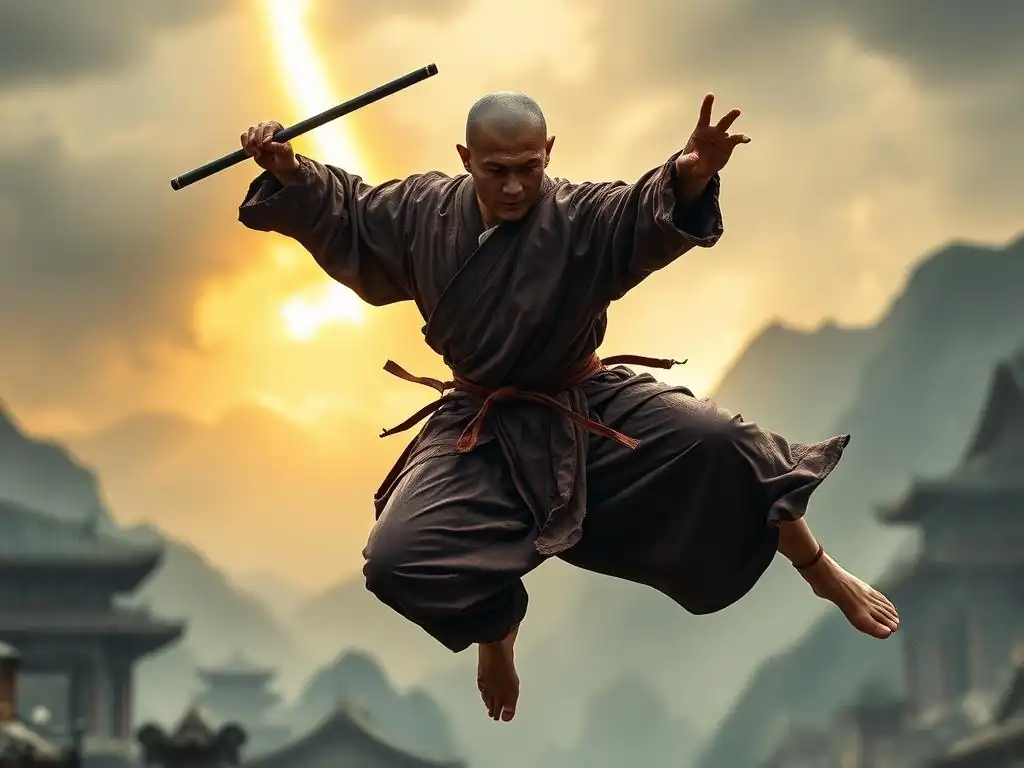
Welcome to Martial Arts Mastery, your gateway to unlocking the secrets and stories behind the world's most compelling combat systems.
Delve into the fascinating tapestry of martial arts, where centuries of tradition meet the relentless pursuit of perfection. Ever wondered how disparate cultures, separated by vast oceans and towering mountains, developed strikingly similar fighting styles? In this article, we explore the Ancient martial tradition global evolution, uncovering the parallel paths and shared philosophies that have shaped these disciplines across the globe. Prepare to be captivated by the echoes of ancient battles and the enduring legacy of martial arts. Read on to discover more.
- Case Studies: Examining Specific Examples of Parallel Evolution
- Geographical Isolation vs. Cultural Exchange: Impact on Martial Art Divergence
- From Ancient Battlefields to Modern Training: The Continued Relevance of Ancient Techniques
- Conclusion: A Global Tapestry of Martial Arts - Honoring the Past, Shaping the Future
-
Frequently Asked Questions
- What does "Ancient martial tradition global evolution" mean in the context of martial arts?
- How does MartialArtsMastery.org approach the study of ancient martial traditions?
- Why is understanding the history of martial arts important for practitioners?
- What are some examples of how ancient martial traditions have evolved globally?
- Does MartialArtsMastery.org focus solely on historical aspects, or does it also cover practical applications?
- Final Reflection: The Enduring Spirit of Combat
- Unleash Your Inner Warrior: Start Your Journey Now!
Case Studies: Examining Specific Examples of Parallel Evolution
The Evolution of Grappling: Comparing Ancient Wrestling Styles
Across the ancient world, the need for close-quarters combat, especially when weapons were lost or ineffective, led to the development of sophisticated grappling systems. Ancient Greek Pankration, a brutal sport introduced to the Olympic Games in 648 BC, combined elements of boxing and wrestling, emphasizing throws, joint locks, and submissions. While biting and eye-gouging were typically forbidden in the athletic context, the underlying principles of leverage, balance disruption, and control were highly developed and reflected the realities of hand-to-hand combat. Depictions on pottery and in literature detail a wide array of techniques, from standing throws to ground fighting.
Parallel to this, ancient Egypt developed complex wrestling techniques, evidenced by detailed tomb paintings dating back over 4,000 years, such as those found in the tombs at Beni Hasan which illustrate over 200 distinct grappling exchanges. These depictions show various holds, throws, and joint manipulations remarkably similar in principle to techniques found in later grappling arts across the globe.
In ancient India, Malla-yuddha, a form of wrestling documented in texts like the Mahabharata (compiled likely between 400 BCE and 400 CE), also featured sophisticated throws, pins, and submissions. The prevalence and similarity of these diverse ancient wrestling forms highlight a clear parallel evolution in ancient martial tradition global evolution, driven by the universal physics of human bodies in close combat.
The Use of Staff Weapons: Similarities and Differences in Global Traditions
The staff, a simple yet highly versatile weapon, appears independently in numerous ancient martial traditions across the globe. In Okinawa, the bo staff (often around 6 feet long) became a primary weapon in Kobudō, developed from everyday tools like farming implements and carrying poles, particularly after weapon restrictions were imposed. Its techniques involve striking, blocking, sweeping, and joint locks, leveraging the weapon's length for both defense and offense. The Okinawan bo tradition is a clear example of local innovation shaping a weapon system.
Similarly, the quarterstaff was a favored weapon in medieval and Renaissance Europe, often measuring between 6 to 8 feet. Manuals from this period, such as those by George Silver (1599), detail sophisticated techniques involving rapid strikes with both ends, parrying, and controlling distance.
While developed independently from the Okinawan bo, the fundamental principles of using a long, rigid pole for combat share striking similarities – leveraging reach, using momentum for powerful strikes, and adapting grip for different applications. This widespread adoption and similar application of staff-like weapons underscore a common thread in the global evolution of ancient martial traditions, demonstrating how similar problems (the need for a simple, effective weapon) often lead to similar solutions across different cultures and time periods.
The Development of Striking Techniques: From Fists to Kicks
Striking techniques using the hands, feet, elbows, and knees form the basis of many ancient combat systems. Ancient Greek boxing ( pygmachia), a sport dating back to at least 776 BC in the Olympics (though formalized later), focused primarily on powerful punches, with hands often wrapped in leather thongs ( himantes). While less diverse in terms of techniques than later arts, it demonstrated an early understanding of using the fist as a primary weapon, aiming for knockout blows.
In contrast, ancient Chinese martial arts, the genesis of many later Asian styles, incorporated a much wider array of striking techniques, including various hand strikes (palms, fists, fingers), elbows, and a diverse repertoire of kicks. Texts and historical accounts point to sophisticated systems that combined striking with movement and balance.
Ancient Thai boxing ( Muay Boran), the predecessor to modern Muay Thai, utilized the entire body as a weapon – fists, elbows, knees, and shins – in a brutal close-quarters fighting system. The parallel development of complex striking arsenals in disparate regions, ranging from the focused punches of ancient Greece to the full-body strikes of ancient Siam or the varied techniques of ancient China, illustrates how the fundamental human capacity for striking was universally harnessed and refined, contributing significantly to the global evolution of ancient martial traditions.
Geographical Isolation vs. Cultural Exchange: Impact on Martial Art Divergence
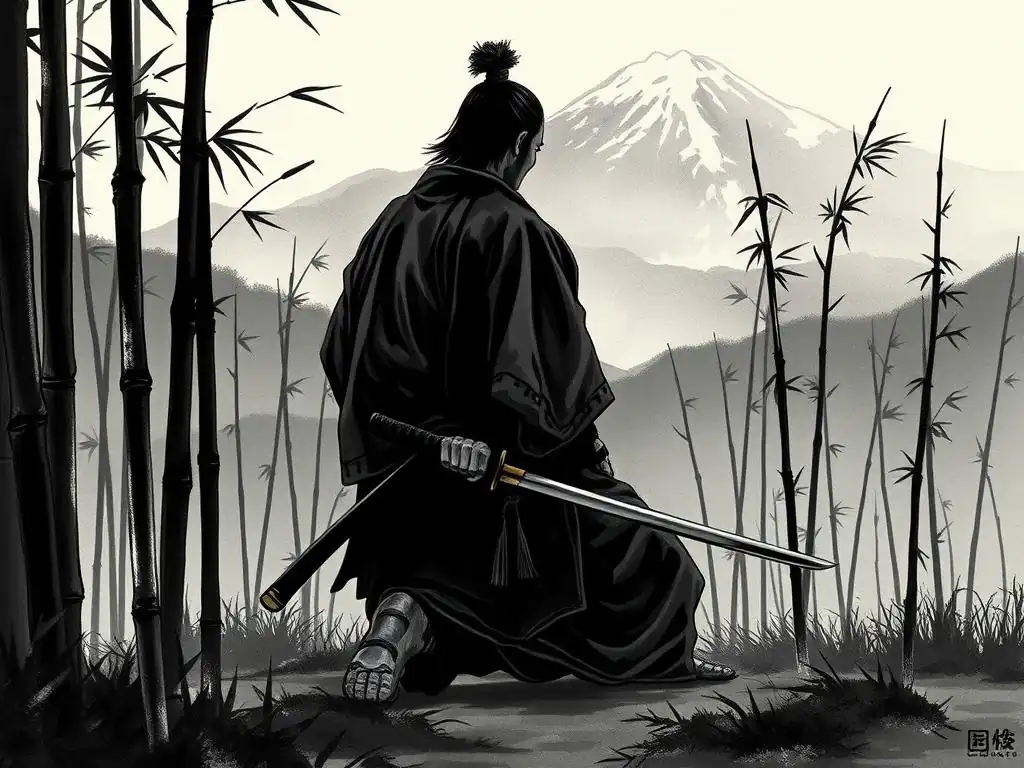
The Role of Trade Routes in Spreading Martial Techniques
Major ancient trade routes were not just conduits for goods like silk, spices, and precious metals; they also facilitated the exchange of ideas, technologies, and even martial arts techniques. The vast network of the Silk Road, connecting East Asia with Central Asia, the Indian subcontinent, the Middle East, and Europe for centuries, allowed for interaction between diverse cultures. Travelers, merchants, guards, and even accompanying soldiers would inevitably encounter different fighting styles and weapons.
This exposure could lead to the adoption or adaptation of foreign techniques into local practices. For example, the influence of Persian or Central Asian wrestling styles might have traveled eastward, while Chinese weapon designs or philosophical concepts related to combat could move westward.
Similarly, maritime trade routes across the Indian Ocean and the Mediterranean facilitated cultural exchange between coastal regions. Ports became melting pots where individuals from different martial backgrounds interacted. Sailors often needed basic self-defense skills, and the practical techniques observed in foreign lands could be incorporated into their own methods. This exchange, though perhaps less documented than military campaigns, played a crucial role in the subtle cross-pollination of martial knowledge, influencing the ancient martial tradition global evolution by introducing new possibilities and challenges that spurred local adaptation and innovation.
Adaptation and Innovation: How Different Cultures Modified Existing Systems
When martial techniques or concepts were introduced to a new culture, they were rarely adopted without modification. Local conditions, available resources, existing combat practices, and specific societal needs drove a process of adaptation and innovation. For instance, techniques developed for fighting in open fields on horseback might be altered for combat in mountainous terrain or dense forests. The materials available for weapon crafting or armor also influenced how fighting styles evolved; a region with abundant iron would develop different techniques than one relying on bronze or wood.
A prime example of this is the development of Okinawan martial arts. While heavily influenced by Chinese fighting systems (specifically Fujian White Crane and other Southern styles) brought via trade routes, the Okinawans adapted these techniques to their own context.
Facing restrictions on weapon ownership under various occupying powers, they emphasized unarmed combat (Te, which evolved into Karate) and the use of everyday tools as weapons (Kobudō). This unique blend of foreign influence and local necessity created distinct styles, demonstrating how cultures didn't just passively receive techniques but actively reshaped them to fit their specific environment and challenges, profoundly impacting the ancient martial tradition global evolution.
From Ancient Battlefields to Modern Training: The Continued Relevance of Ancient Techniques
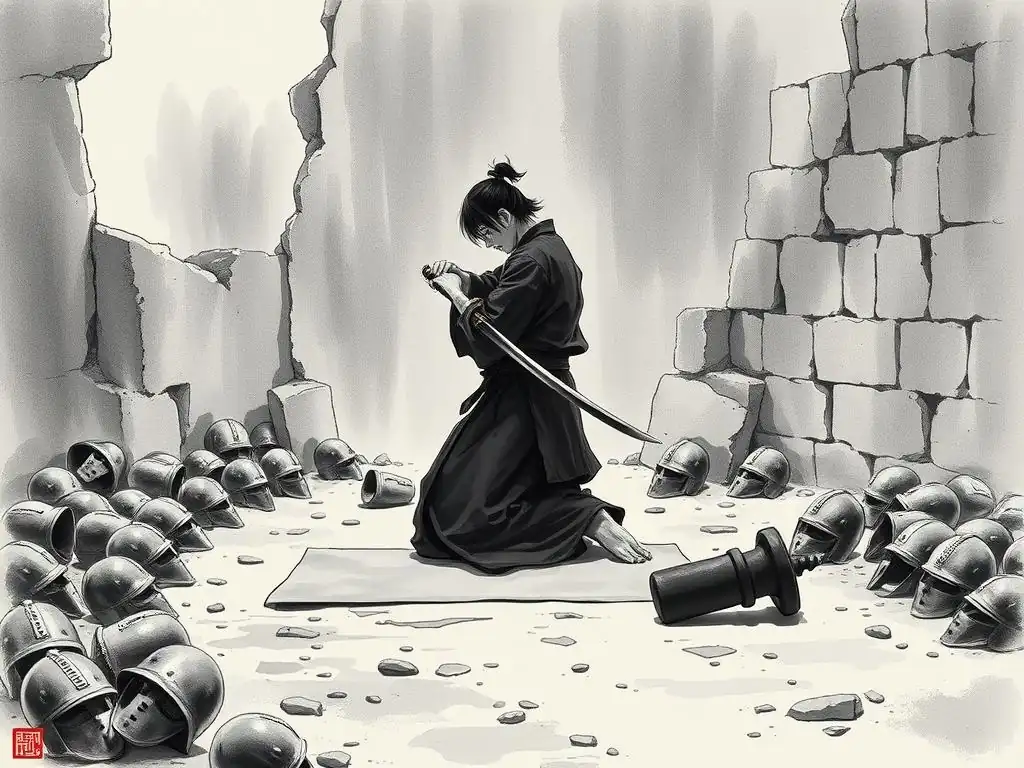
Preserving the Wisdom of Ancient Masters: Modern Schools Maintaining Traditional Styles
Today, dedicated practitioners and schools around the world are committed to preserving the techniques and philosophies of ancient martial traditions. In Japan, many Koryū (old schools) continue to teach martial systems developed centuries ago, some with documented lineages stretching back to the Muromachi period (1336-1573). Styles like Tenshin Shōden Katori Shintō-ryū, founded around 1447, maintain detailed curricula involving various weapons and unarmed techniques passed down through generations via rigorous practice of forms ( kata) and paired drills.
Beyond Asia, the growing field of Historical European Martial Arts (HEMA) focuses on reconstructing combat systems from medieval and Renaissance Europe based on surviving manuscripts, known as Fechtbücher (fight books). Texts like Fiore dei Liberi's Flos Duellatorum (Flower of Battle), written in 1410, provide detailed instructions on wrestling, dagger fighting, swordplay, and polearms.
Practitioners labor to interpret these historical sources and bring the techniques to life through training. These efforts in different parts of the world, whether maintaining living traditions or reconstructing historical ones, are vital for ensuring the wisdom embedded in the global evolution of ancient martial traditions is not lost but studied and understood.
The Application of Ancient Principles in Contemporary Self-Defense
While the context of combat has drastically changed from ancient battlefields to modern streets, the fundamental principles underlying ancient martial arts remain remarkably relevant for contemporary self-defense. Concepts such as maintaining balance, using leverage to overcome a stronger opponent, controlling distance, understanding timing, and generating power through proper body mechanics are universal to effective physical conflict resolution, regardless of the era.
Techniques derived from ancient grappling styles, for instance, provide effective methods for dealing with grabs, holds, and takedowns in a self-defense situation. The striking principles honed in ancient boxing or kicking arts inform how to deliver powerful strikes with minimal effort. Furthermore, the emphasis on situational awareness, tactical positioning, and understanding an opponent's intentions – elements crucial in ancient military and duel training – are invaluable for recognizing and avoiding potential threats in the modern world. Thus, studying the global evolution of ancient martial traditions offers not just historical insight but practical wisdom applicable to personal safety today.
Conclusion: A Global Tapestry of Martial Arts - Honoring the Past, Shaping the Future
Understanding the Interconnectedness of Ancient Martial Traditions
Examining the echoes of ancient battles reveals a fascinating landscape of martial arts development across the globe. While geographical separation did lead to distinct styles and innovations, the striking similarities in techniques, principles, and even philosophical underpinnings across disparate cultures point to a significant degree of parallel evolution. Driven by the universal needs of survival, defense, and conflict, humans independently developed effective methods for striking, grappling, and weapon use. Simultaneously, trade routes and cultural exchange facilitated the transmission of ideas, leading to cross-pollination and further adaptation.
This study of the ancient martial tradition global evolution demonstrates that martial arts, in their most fundamental forms, are a shared human heritage. They represent not only methods of combat but also systems of physical culture, discipline, and often, spiritual development. Recognizing the interconnectedness of these ancient traditions allows us to appreciate the diverse paths taken while acknowledging the common ground they share, forming a rich, global tapestry of human ingenuity in the face of conflict.
Further Research and Exploration
The exploration of ancient martial tradition global evolution is an ongoing journey. There are countless avenues for further research, from delving into specific historical texts and archaeological findings to analyzing the biomechanics of ancient techniques. Engaging with practitioners of traditional martial arts can offer invaluable practical insight into the living legacies of these ancient systems. Studying the historical context – the political, social, and technological factors that shaped these arts – provides a deeper understanding of their purpose and evolution.
Considering the impact of different weapon technologies, armor developments, and military strategies across various eras and regions offers additional perspectives on how combat systems adapted. Furthermore, exploring the philosophical and spiritual dimensions integrated into many ancient martial arts reveals their role beyond mere fighting techniques, often serving as paths for self-cultivation and ethical development. Continued research and exploration are essential to fully appreciate the depth, complexity, and enduring relevance of these ancient combat systems and their global evolution.
Frequently Asked Questions
What does "Ancient martial tradition global evolution" mean in the context of martial arts?
It refers to the study of how ancient martial arts traditions have transformed and adapted across different cultures and time periods, resulting in their global evolution and modern forms.
How does MartialArtsMastery.org approach the study of ancient martial traditions?
MartialArtsMastery.org examines historical overviews, training techniques, and philosophical underpinnings of various martial arts, tracing their development from ancient roots to present-day practices.
Why is understanding the history of martial arts important for practitioners?
Understanding the history provides context and depth to one's training, revealing the origins and principles behind techniques, and fostering a deeper appreciation for the art.
What are some examples of how ancient martial traditions have evolved globally?
Examples include the influence of Chinese Kung Fu on the development of Korean Taekwondo or the adaptation of Japanese Jujutsu into Brazilian Jiu-Jitsu, showcasing cross-cultural exchange and evolution.
Does MartialArtsMastery.org focus solely on historical aspects, or does it also cover practical applications?
No, the site also covers practical self-defense strategies, and training tips, bridging the gap between historical understanding and the real-world application of martial arts techniques.
Final Reflection: The Enduring Spirit of Combat
The journey through the echoes of ancient battles reveals a profound truth: the human spirit, when faced with conflict, finds remarkably similar paths to survival and mastery across cultures and continents. From the sun-drenched arenas of Rome to the misty mountains of Japan, the need to defend, to conquer, and to excel has shaped martial traditions that, despite their geographical distance, share striking parallels in their evolution. This enduring relevance underscores the fundamental human drive to overcome adversity, a drive that continues to resonate in our modern world.
The influence of these ancient martial traditions extends far beyond the battlefield. They have shaped philosophies, artistic expressions, and social structures, leaving an indelible mark on the cultural landscape. Witnessing this interconnectedness reinforces the importance of understanding our shared human heritage, recognizing that the lessons learned in the past can illuminate our present and guide our future. The art of war is of vital importance to the State. It is a matter of life and death, a road either to safety or to ruin. Hence it is a subject of inquiry which can on no account be neglected.
- Sun Tzu, The Art of War. This quote, though ancient, speaks volumes about the enduring significance of martial arts and their profound impact on society.
As we close this exploration of ancient martial traditions and their global evolution, I invite you to reflect on the lessons learned. Consider how the principles of discipline, strategy, and resilience, honed in the crucible of combat, can be applied to your own life. Embrace the spirit of continuous improvement, the pursuit of excellence, and the unwavering determination to overcome challenges. Let the echoes of ancient battles inspire you to forge your own path, to cultivate your inner strength, and to contribute to a world where understanding and respect triumph over conflict.
Unleash Your Inner Warrior: Start Your Journey Now!
Thank you for exploring the fascinating world of martial arts evolution with us. We hope you’ve gained a new appreciation for the rich tapestry of combat traditions across the globe. Now, it’s time to take that knowledge and turn it into action.
- Begin your exploration into a specific martial art detailed in the article at a local dojo or online platform. This is your chance to connect with a living tradition.
- Delve deeper into comparative martial arts history by researching the historical context of two distinct styles. Identify surprising cultural exchanges or influences.
- Share your insights! Discuss the parallel evolutions you found most compelling with fellow martial arts enthusiasts online or in person.
What surprising connection between different martial arts styles will you uncover next?