
Korean Hwarang: The Elite Martial Philosophy of Silla's Warrior Youth

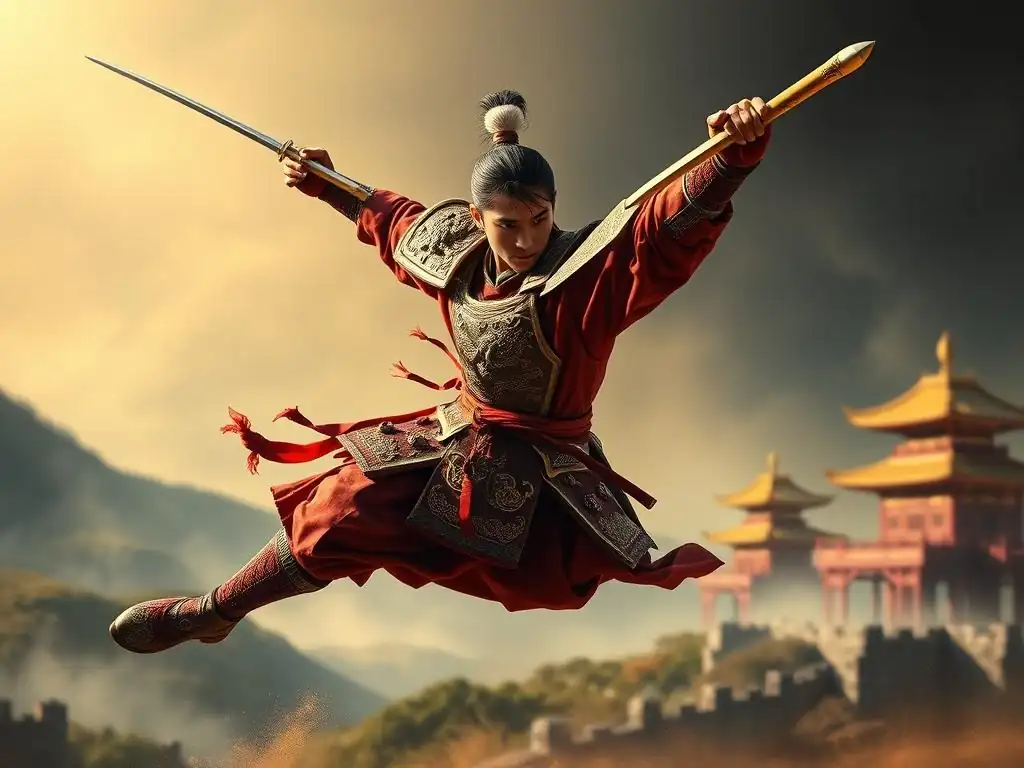
Welcome to Martial Arts Mastery, where we delve into the heart of combat traditions worldwide. Ever wondered about the secrets that forged legendary warriors? Today, we journey to ancient Korea to explore the fascinating world of the Hwarang, elite youth trained in martial arts and philosophy. Discover the profound influence of the Korean Hwarang warrior philosophy training and how it shaped a nation. Intrigued? Let's unravel the mysteries of Silla's warrior elite...
- Introduction to the Hwarang: Silla's Flower Knights
- The Five Secular Injunctions: Guiding Principles of the Hwarang Code
- Martial Arts Training and the Hwarang's Combat Skills
- The Hwarang's Role in Silla's Military Expansion
- Hwarang Philosophy: Beyond Combat - Cultivating Mind and Spirit
- The Legacy of the Hwarang: Influence on Korean Martial Arts and Culture
- The Hwarang Warrior Philosophy Training: A Comprehensive Overview
- Conclusion: The Enduring Significance of the Hwarang
- Frequently Asked Questions
- Final Reflection: Embracing the Hwarang Spirit in a Modern World
- Embrace the Hwarang Spirit: Begin Your Warrior Journey Now!
Introduction to the Hwarang: Silla's Flower Knights
The Historical Context of the Hwarang in Ancient Korea
The Hwarang, often translated as "Flower Knights," were an elite group of male youth from the Silla Kingdom, one of the Three Kingdoms of ancient Korea (Goguryeo, Baekje, and Silla). Established around the 6th century CE, during the reign of King Jinheung (540-576 CE), the Hwarang system was ostensibly created to identify and train talented young men from aristocratic families for leadership roles, both civilian and military.
This period was marked by intense rivalry and warfare between the three kingdoms as each vied for dominance over the peninsula. Silla, initially the weakest, strategically developed the Hwarang system as a means to cultivate skilled warriors and loyal leaders necessary for its survival and eventual expansion.
The formation of the Hwarang was a deliberate state policy aimed at harnessing the potential of the noble youth, integrating martial training with intellectual and ethical education. Historical records, primarily the Samguk Sagi (History of the Three Kingdoms) and Samguk Yusa (Memorabilia of the Three Kingdoms), describe the Hwarang as exemplary figures who combined martial prowess with moral virtue and artistic sensibility.
They were not merely soldiers but were expected to embody the ideals of loyalty, courage, and righteousness, serving as role models for the populace and future leaders of Silla. Their existence played a crucial role in fostering a unified identity and purpose within the kingdom, contributing significantly to Silla's military strength and cultural cohesion during a tumultuous era.
Hwarang as Elite Youth: More Than Just Warriors
While renowned for their martial skills, the Hwarang were selected not solely for physical ability but also for their potential in leadership, character, and intellectual aptitude. They were drawn primarily from the Silla aristocracy, ensuring they possessed social standing and influence. The training regimen was holistic, encompassing not only combat techniques but also education in history, literature, music, ethics, and philosophy, particularly Buddhism and Confucianism. This broad education was intended to shape well-rounded individuals capable of governing and leading both in times of peace and war.
The Hwarang system functioned as a state-sponsored youth organization where young men were mentored by older, experienced individuals called kukson (National Immortals) or wonhwa (original female leaders, though the Hwarang system eventually became male-dominated). These mentors guided the Hwarang in their training and moral development.
The emphasis on community, mutual learning, and shared experiences fostered strong bonds among the Hwarang members, creating a loyal network that would prove invaluable in future military campaigns and political life. This comprehensive approach to developing the individual set the Hwarang apart as an elite corps, tasked with embodying Silla's highest ideals and serving the kingdom with unwavering dedication.
The Five Secular Injunctions: Guiding Principles of the Hwarang Code
Loyalty to the King: Foundation of Hwarang Ethics
The principle of sagun ichung (사군이충), loyalty to the King, was paramount within the Hwarang code, also known as the Seb Sok Ogye (세속오계), or Five Secular Injunctions. This injunction, supposedly formulated by the Buddhist monk Won Gwang at the request of Hwarang members, placed the sovereign at the apex of loyalty. For the Hwarang, serving the King was synonymous with serving the state and protecting the Silla kingdom.
This wasn't blind obedience but a deep-seated commitment to the well-being and stability of the realm, personified by the monarch. This unwavering loyalty was a cornerstone of their military effectiveness; Hwarang units were known for their willingness to fight to the death for their king and country.
This ethical foundation deeply influenced the Korean Hwarang warrior philosophy training. It instilled in the young warriors a profound sense of duty and sacrifice. Historical accounts are replete with examples of Hwarang demonstrating extreme loyalty, undertaking perilous missions, and making the ultimate sacrifice in battle. This principle ensured cohesion within the Hwarang corps and within the Silla military as a whole, creating a reliable force bound by a shared, supreme allegiance that transcended personal interests or tribal affiliations, a crucial factor in Silla's ability to unite the peninsula.
Filial Piety: Respecting Family and Elders
Sabu ichyo (사부이효), serving one's parents with filial piety, was the second vital injunction in the Hwarang code. Rooted in Confucian ethics, which were increasingly influential in Silla society, this principle emphasized respect, obedience, and care for one's parents and elders. For the Hwarang, this wasn't just a domestic virtue but a fundamental aspect of their character development and a prerequisite for demonstrating loyalty and discipline in other spheres of life. The ability to honor and respect one's family was seen as a foundation for respecting authority, comrades, and the social order.
Integrating filial piety into the Korean Hwarang warrior philosophy training meant that the development of a warrior was inseparable from the development of a virtuous person. Training wasn't just about physical combat; it was about cultivating a moral compass that started with fundamental human relationships.
This injunction fostered a sense of responsibility and interconnectedness, reminding the Hwarang that their actions reflected not only on themselves but also on their families. It underscored the idea that true strength came not just from physical power but from a strong moral character and a commitment to one's community, beginning with the family unit.
Trust and Sincerity Among Friends: Building Strong Bonds
The third injunction, kyo-u isin (교우이신), emphasizing trust and sincerity among friends, highlighted the importance of camaraderie and mutual respect within the Hwarang ranks. As a corps of elite youth living and training together, the bonds forged between Hwarang members were critical. This principle encouraged honesty, reliability, and mutual support among peers. It meant standing by one's friends, being truthful in interactions, and building relationships based on genuine trust rather than mere convenience or status.
This focus on trust and sincerity was integral to the Korean Hwarang warrior philosophy training because it directly impacted unit cohesion and effectiveness in battle. Warriors who trusted each other implicitly were more likely to perform effectively as a team, cover for one another, and execute complex maneuvers under pressure. The shared experiences of rigorous training, hardship, and eventually, combat, solidified these bonds. The Hwarang system deliberately fostered this sense of brotherhood, creating a loyal network that extended beyond military service into political and social life, providing a stable foundation for Silla's leadership structure.
Courage in Battle: The Hwarang's Martial Prowess
Imjeon mutoe (임전무퇴), meaning "do not retreat from battle," was perhaps the most explicit martial injunction among the Five Secular Injunctions. This principle demanded unwavering courage, resolve, and a willingness to face danger head-on without faltering or retreating. While seemingly simple, this injunction was the ultimate test of a Hwarang's physical training, mental fortitude, and commitment to the other principles, particularly loyalty to the king and protection of the realm.
The Korean Hwarang warrior philosophy training heavily emphasized cultivating this courage. Through rigorous physical conditioning, weapons training, and exposure to challenging situations (simulated or real), the Hwarang were hardened for the realities of warfare. This wasn't reckless abandon but a disciplined bravery, understanding the risks yet choosing to stand firm for a greater cause.
Stories of Hwarang displaying extraordinary courage and fighting outnumbered or to their dying breath became legendary, inspiring not only their comrades but also the common soldiers and the Silla populace. For example, accounts describe Hwarang leading charges into enemy lines, even when facing certain death, embodying the spirit of Imjeon mutoe.
Justice and Mercy: Protecting the Vulnerable
The fifth injunction, sal saeng yu taek (살생유택), is often interpreted as "be selective in killing" or "do not kill indiscriminately." This principle introduced a crucial element of ethical restraint into the Hwarang's martial code. It meant that violence should be used judiciously, primarily for self-defense or the defense of the kingdom, and that unnecessary killing or cruelty towards the innocent should be avoided. This tempered the warrior's ferocity with a sense of responsibility and moral discrimination.
Incorporating justice and mercy into the Korean Hwarang warrior philosophy training added a layer of ethical complexity beyond mere combat effectiveness. It taught the Hwarang that their strength came with a duty to protect the weak and uphold justice.
This distinguished them from simple mercenaries or brutal fighters; they were expected to be protectors and upholders of Silla's values. While historical warfare was inherently brutal, this injunction provided an ideal standard for Hwarang conduct, aiming to cultivate warriors who were not only formidable in battle but also righteous in their actions and compassionate towards non-combatants or defeated foes when appropriate.
Martial Arts Training and the Hwarang's Combat Skills
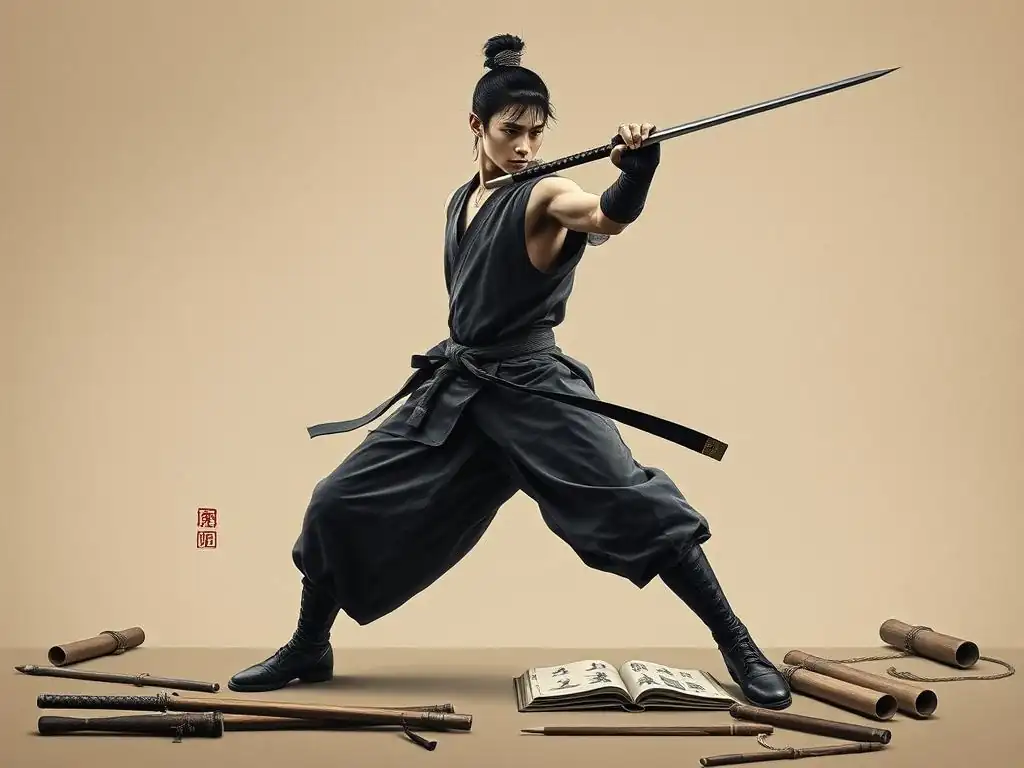
Swordsmanship: Mastering the Blade in Hwarang Warfare
Swordsmanship was a fundamental component of the Korean Hwarang warrior philosophy training. The sword (검, geom) was a primary weapon in Silla warfare, used both on foot and horseback. Hwarang training involved extensive practice with various sword types prevalent during the Three Kingdoms period, including single-edged swords ( do) and double-edged swords ( geom). Training focused on stances, footwork, cutting techniques, thrusting, and parrying, emphasizing speed, precision, and power. Mastering the blade was essential for close-quarters combat, whether defending fortifications, engaging in skirmishes, or participating in large-scale battles.
Detailed training regimens likely involved kata-like forms (though specific historical documentation is sparse), sparring, and practice against targets. The goal was not just technical proficiency but also developing the mental discipline required to wield the weapon effectively under pressure. Accounts suggest Hwarang valued skill and artistry in swordsmanship, seeing it as a reflection of the warrior's cultivated mind and body. The ability to deftly handle a sword was a mark of an accomplished Hwarang, vital for their survival and success on the battlefield.
Archery: Precision and Power in Hwarang Training
Archery ( gungdo, 궁도) held significant importance in the Korean Hwarang warrior philosophy training, reflecting its crucial role in ancient Korean warfare. The composite bow, known for its power and range, was a favored weapon. Hwarang were trained from a young age to shoot accurately and powerfully, both from a stationary position and, importantly, while mounted on horseback (mounted archery). Archery provided the ability to engage the enemy from a distance, disrupt formations, and provide covering fire.
Training involved developing strength to draw the powerful bows, mastering various shooting techniques (including rapid fire), estimating distances, and maintaining accuracy under stressful conditions. Competitions in archery were likely part of the training, fostering a spirit of excellence and precision. Proficiency in archery was not just a tactical advantage but also a skill valued in Silla society, often demonstrated in public displays and hunts. For the Hwarang, it was a core competency that complemented their close-combat skills, making them versatile warriors capable of fighting effectively across different ranges.
Horsemanship: The Art of Mounted Combat for Hwarang Warriors
Given the terrain of the Korean peninsula and the nature of warfare during the Three Kingdoms period, horsemanship was indispensable to the Korean Hwarang warrior philosophy training. Cavalry played a vital role in flanking maneuvers, rapid assaults, and reconnaissance. Hwarang, often from noble backgrounds, would have had access to horses and received extensive training in riding, horse care, and mounted combat. This included wielding swords, spears, and bows from horseback while maintaining control of the animal at speed.
Mastering horsemanship allowed the Hwarang to operate as mobile units, leveraging speed and momentum in battle. Training involved bareback riding, riding with saddles and stirrups (which were present in Korea), complex maneuvers, and integrating weapons use with riding skills. The Hwarang's ability to fight effectively from horseback gave Silla a significant military advantage, enabling swift movements and powerful charges that could break enemy lines. This skill was particularly important as Silla expanded its territory and engaged in larger battles requiring coordinated cavalry movements.
Subak and Taekkyon: Early Korean Martial Arts Influencing Hwarang Training
While specific historical manuals detailing Hwarang martial arts are scarce, it is widely believed that their training incorporated elements from early Korean martial arts forms like Subak (수박) and Taekkyon (택견). Subak was a hand-to-hand combat system involving striking and grappling, practiced by both military and civilians. Taekkyon, known for its dynamic leg techniques, kicks, and sweeps, was another form of unarmed combat. These indigenous arts would have provided the foundation for the Hwarang's close-quarters fighting skills when dismounted or when weapons were lost.
The influence of Subak and Taekkyon on the Korean Hwarang warrior philosophy training would have provided them with versatile fighting capabilities. Training would have likely included learning to strike with hands and feet, execute throws, and defend against various attacks. These unarmed combat skills were crucial for survival in chaotic battle conditions and for maintaining physical fitness and agility. While weapons training was paramount, the ability to defend oneself without a weapon or transition effectively between armed and unarmed combat would have been a vital part of the Hwarang's comprehensive martial education.
The Hwarang's Role in Silla's Military Expansion
Hwarang Contributions to Silla's Unification of the Korean Peninsula
The Hwarang played a pivotal role in Silla's military campaigns that ultimately led to the unification of the Korean peninsula in 668 CE. As an elite corps, they served as commanders, officers, and shock troops, often leading the vanguard in critical battles. Their rigorous Korean Hwarang warrior philosophy training, combining martial skill with leadership and unwavering loyalty, made them highly effective military assets. They were instrumental in securing key victories against the rival kingdoms of Baekje and Goguryeo.
Historical accounts highlight the Hwarang's bravery and strategic contributions. Figures like Kim Yu-sin, a renowned Silla general who was a former Hwarang, exemplify the impact of Hwarang leadership on military success. Kim Yu-sin's strategic brilliance and tactical prowess were crucial in many of Silla's most important campaigns. The Hwarang's ability to inspire troops, their willingness to undertake dangerous missions, and their adherence to the code of courage in battle provided Silla with a formidable military force that was essential for overcoming its stronger neighbors and establishing the Unified Silla Kingdom.
Famous Hwarang Commanders and Their Military Achievements
Numerous Hwarang rose to prominence as celebrated military commanders whose exploits are recorded in historical texts. Kim Yu-sin (595-673 CE) is perhaps the most famous, often regarded as the greatest general in Korean history. A former Hwarang, he led Silla forces for decades, playing a central role in the campaigns against Baekje and Goguryeo. His strategic victories, such as the Battle of Hwangsanbeol and the final assault on Pyongyang, were decisive in the unification process. His leadership exemplified the culmination of the Korean Hwarang warrior philosophy training – combining martial mastery with strategic acumen and unwavering loyalty.
Another notable Hwarang commander was Gwan Chang (645-660 CE), whose sacrifice at the Battle of Hwangsanbeol is legendary. Though young, his bravery in repeatedly charging into enemy lines despite being captured and eventually executed by Baekje General Gyebaek inspired the Silla army and contributed to their eventual victory. Other figures like Kim Pumil and Kim Won-sul also demonstrated exceptional courage and leadership rooted in their Hwarang training. These examples underscore how the Hwarang system successfully cultivated the military leaders necessary for Silla's ambitious expansionist goals.
The Battle of Hwangsanbeol: Gwan Chang's Sacrifice
The Battle of Hwangsanbeol in 660 CE is a poignant example illustrating the Hwarang spirit and its impact on Silla's military efforts. Facing a smaller but determined Baekje force led by General Gyebaek, the Silla army initially struggled. It was during this battle that the young Hwarang Gwan Chang, son of a high-ranking Silla official, repeatedly charged alone into the Baekje lines. Captured the first time, he was released by Gyebaek as a gesture of respect for his youth and bravery. Undeterred, Gwan Chang immediately charged again, demonstrating the Imjeon mutoe principle ("do not retreat from battle").
This time, Gyebaek, realizing Gwan Chang would not yield, reluctantly ordered his execution, sending his head back to the Silla camp. Witnessing Gwan Chang's ultimate sacrifice, which stemmed directly from his Korean Hwarang warrior philosophy training and adherence to the code, deeply moved and galvanized the Silla troops.
Inspired by his courage and the Hwarang ideal, the Silla army, under Kim Yu-sin's command, launched a renewed, fierce assault that ultimately broke the Baekje resistance, leading to the capture of the Baekje capital and the kingdom's fall. Gwan Chang's story became a powerful symbol of Hwarang bravery and sacrifice for the kingdom.
Hwarang Philosophy: Beyond Combat - Cultivating Mind and Spirit
The Influence of Buddhism and Confucianism on Hwarang Thought
The Korean Hwarang warrior philosophy training was deeply influenced by the prevailing philosophical and religious currents of Silla, primarily Buddhism and Confucianism. Buddhism, which was the state religion of Silla for a significant period, contributed to the Hwarang's focus on self-cultivation, mindfulness, and the pursuit of enlightenment, even within a warrior context. It also likely influenced the injunction sal saeng yu taek, promoting a degree of ethical restraint in taking life. Buddhist temples often served as centers of learning and retreat for the Hwarang.
Confucianism, with its emphasis on social hierarchy, loyalty (especially sagun ichung), filial piety ( sabu ichyo), sincerity among friends ( kyo-u isin), and the cultivation of virtue, provided the ethical framework for the Hwarang code. The Five Secular Injunctions are clearly rooted in Confucian principles adapted for the warrior class. This blend of Buddhist spirituality and Confucian ethics created a unique philosophical foundation for the Hwarang, shaping them into individuals who valued moral integrity, loyalty, and self-discipline as much as martial skill. Their training aimed to harmonize the warrior's spirit with a cultivated mind and a virtuous character.
Cultivating Self-Discipline and Moral Character in Hwarang Training
A core aspect of the Korean Hwarang warrior philosophy training was the rigorous cultivation of self-discipline and moral character. This went hand-in-hand with physical and martial training. The Hwarang lived together in a communal environment, adhering to strict rules and a demanding schedule that fostered discipline. They were expected to control their impulses, endure hardship, and maintain composure under pressure, both in training and in battle. This mental fortitude was considered as crucial as physical strength.
Moral character was developed through the study of ethics, history, and philosophy, as well as through the practical application of the Five Secular Injunctions in their daily lives and interactions. Mentors guided them in understanding and embodying these principles. Activities like composing poetry, playing music, and engaging in scholarly pursuits were part of the curriculum, intended to refine their sensibilities and provide outlets for emotional and intellectual growth. This holistic approach ensured that the Hwarang were not just skilled fighters but also disciplined, ethical individuals capable of leadership and upholding the moral standards of Silla society.
Hwarang and the Practice of Seon (Zen) Meditation
While direct historical evidence specifically linking Hwarang to formal Seon (Zen) meditation practice is limited, it aligns well with the overall emphasis on mental cultivation and self-discipline within the Korean Hwarang warrior philosophy training. Seon Buddhism was introduced to Korea and gained popularity during the Silla period. The focus of Seon on mindfulness, introspection, and achieving a state of calm awareness would have been highly beneficial for warriors needing to maintain focus, control fear, and make clear decisions in the chaos of battle.
It is plausible that Hwarang incorporated meditative practices, perhaps not always in a formal seated style, but potentially as a way to center the mind, build mental resilience, and integrate the philosophical teachings they received. The rigorous physical training itself, when approached mindfully, can be a form of moving meditation. The ability to remain calm and focused under duress, a hallmark of effective warriors, is a direct outcome of cultivating a disciplined mind, which meditation techniques are designed to achieve. This mental aspect completed the Hwarang's preparation, ensuring they were as mentally formidable as they were physically skilled.
The Legacy of the Hwarang: Influence on Korean Martial Arts and Culture
Modern Interpretations of the Hwarang Spirit in Korean Society
The legacy of the Hwarang extends far beyond the Silla dynasty, continuing to influence modern Korean society and identity. The Hwarang are remembered as patriotic heroes who embodied the ideals of courage, loyalty, and sacrifice in the service of the nation. Their story is taught in schools and celebrated in popular culture, serving as a symbol of youthful idealism, military excellence, and moral integrity. The Hwarang spirit is often invoked to encourage patriotism, discipline, and leadership among young people.
This enduring image reflects the successful integration of martial prowess with ethical conduct that defined the Korean Hwarang warrior philosophy training. The idea of an elite youth corps dedicated to both personal cultivation and national service resonates strongly. While the specific system no longer exists, the values associated with the Hwarang – discipline, respect, perseverance, and loyalty – remain highly regarded in Korean culture and are often promoted in educational institutions, sports, and even corporate training programs as foundational virtues for personal and collective success.
The Hwarang's Impact on Contemporary Korean Martial Arts Styles
The historical Hwarang corps is often cited as a significant influence on the development and philosophy of various contemporary Korean martial arts styles. While there isn't a direct, unbroken lineage from the Hwarang's specific combat techniques to modern arts, the spirit and principles of the Hwarang are explicitly referenced and incorporated into the teachings of arts like Taekwondo, Hapkido, and Hwarangdo (a specific modern style named after them). These arts often draw upon the Hwarang's emphasis on discipline, respect, mental fortitude, and the integration of physical training with moral development.
Many modern Korean martial arts schools include the Hwarang's history and the Five Secular Injunctions in their curriculum to provide students with a historical and philosophical context for their training. The idea of the martial artist as a well-rounded individual, embodying courtesy, integrity, perseverance, self-control, and an indomitable spirit (often cited as tenets in Taekwondo, for example), directly echoes the comprehensive Korean Hwarang warrior philosophy training that sought to cultivate both martial skill and virtuous character.
Hwarang Symbolism in Taekwondo and Hapkido
The influence of the Hwarang is evident in the symbolism and stated philosophies of prominent Korean martial arts like Taekwondo and Hapkido. In Taekwondo, the concept of the "indomitable spirit" (백절불굴, baekjul bulgul) resonates strongly with the Hwarang's Imjeon mutoe (do not retreat from battle) injunction and their legendary bravery. Some Taekwondo forms (patterns) are named after historical figures, including those from the Silla era, indirectly referencing the historical martial heritage.
Hapkido, known for its comprehensive techniques including striking, joint locks, and throws, also often references the Hwarang spirit in its teachings, emphasizing a holistic approach to self-defense that includes mental and ethical development alongside physical technique. The modern martial art Hwarangdo, founded in the 20th century, explicitly claims to be a reconstruction of the Hwarang's martial and philosophical traditions, incorporating a wide range of techniques and a strong emphasis on the Hwarang code. These connections, whether historical lineage or philosophical inspiration, demonstrate the enduring power of the Hwarang ideal in shaping the identity and principles of Korean martial arts.
The Hwarang Warrior Philosophy Training: A Comprehensive Overview
Integrating Moral and Ethical Conduct with Martial Skill
The essence of the Korean Hwarang warrior philosophy training lay in its deliberate integration of moral and ethical conduct with martial skill. Unlike systems focused solely on combat effectiveness, the Hwarang system viewed the warrior as a complete individual whose internal character was as crucial as their external abilities. The Five Secular Injunctions provided a clear moral compass, guiding the Hwarang's actions both in training and in life. Loyalty, filial piety, trust, courage, and ethical restraint were not abstract concepts but practical principles to be lived by.
This integration meant that martial training was a vehicle for character development. The discipline required to master complex techniques fostered self-control. Sparring and mock battles taught courage and perseverance. Living communally reinforced the importance of trust and sincerity among peers. The Hwarang were taught that true strength came from a combination of physical prowess, mental fortitude, and unwavering adherence to their moral code. This holistic approach ensured that Silla's elite warriors were not only formidable fighters but also reliable, principled leaders capable of serving the kingdom with integrity.
The Importance of Leadership and Teamwork in Hwarang Training Regimen
Leadership and teamwork were fundamental components emphasized within the Korean Hwarang warrior philosophy training regimen. The Hwarang were groomed to be future leaders, not just individual combatants. Their training involved learning to command, make decisions under pressure, and inspire others. Structured group activities, communal living, and the mentor-system fostered a strong sense of teamwork and mutual reliance. The injunction kyo-u isin (trust and sincerity among friends) directly supported the development of cohesive units.
Training exercises likely simulated battlefield scenarios requiring coordination and trust among members. Leaders emerged naturally through demonstrated skill, character, and the ability to guide their peers. This emphasis on collective effort and effective leadership was critical for Silla's military success. Large-scale battles and complex campaigns required well-led, disciplined units that could operate together seamlessly. The Hwarang system provided Silla with a consistent supply of individuals who possessed not only individual martial mastery but also the crucial skills of leadership and the ability to function effectively as part of a cohesive team, directly contributing to Silla's military and political strength.
Hwarang Values in Modern Martial Arts: Respect, Discipline, and Perseverance
The core values cultivated through the Korean Hwarang warrior philosophy training—respect, discipline, and perseverance—remain highly relevant and are cornerstones of many modern martial arts practices today. Respect for instructors, seniors, fellow students, and oneself is a universal principle taught in dojangs worldwide, echoing the Hwarang's emphasis on loyalty, filial piety, and trust. Discipline, both physical and mental, is essential for mastering techniques and achieving goals, mirroring the Hwarang's rigorous training and cultivation of self-control.
Perseverance, the ability to continue striving despite challenges and setbacks, is inherent in the long journey of martial arts mastery and directly reflects the Hwarang spirit of Imjeon mutoe (not retreating from battle) and their willingness to endure hardship and face adversity with courage. These values, central to the historical Hwarang code, continue to be transmitted through contemporary Korean martial arts, providing practitioners with a framework for personal growth that extends beyond physical combat skills.
The enduring focus on these virtues highlights the lasting impact of the Korean Hwarang warrior philosophy training on the character development aspects of martial arts.
Conclusion: The Enduring Significance of the Hwarang
Remembering the Hwarang: A Symbol of Korean Martial Excellence
The Hwarang are remembered today as iconic figures in Korean history, symbolizing a unique blend of martial excellence, intellectual refinement, and moral integrity. Their role in the unification of the Korean peninsula secures their place as national heroes. The image of the Hwarang warrior, skilled in combat yet guided by a strong ethical code, represents an ideal of balanced human development. They were not just soldiers but cultivated individuals who contributed to the cultural and political landscape of Silla.
Their story underscores the historical depth and philosophical richness of Korean martial traditions. The Korean Hwarang warrior philosophy training system demonstrates an early recognition that true strength encompasses more than just physical power; it requires mental discipline, moral rectitude, and a commitment to higher principles. Remembering the Hwarang keeps alive the understanding that martial arts can be a path not only to self-defense but also to self-improvement and the cultivation of a virtuous character.
The Hwarang's Lasting Influence on Korean National Identity
The Hwarang's legacy continues to shape Korean national identity, representing a historical archetype of patriotic duty, youthful vigor, and the pursuit of excellence. Their story serves as a powerful narrative of how dedication, discipline, and adherence to a moral code can lead to significant achievements, both individually and collectively. The Hwarang are a source of national pride, embodying qualities that Koreans continue to value.
The principles embedded in the Korean Hwarang warrior philosophy training – loyalty, respect, courage, and integrity – are seen as foundational virtues that contributed to the strength and resilience of the Korean people. This historical example provides a cultural touchstone for understanding the importance placed on education, discipline, and service in Korean society. The Hwarang remain an enduring symbol of the Korean spirit, inspiring future generations to strive for a harmonious balance of strength, wisdom, and virtue.
Frequently Asked Questions
What was the Hwarang?
The Hwarang were an elite warrior youth group in the ancient Korean kingdom of Silla. They were known for their martial prowess and deeply ingrained philosophical code.
What were the core tenets of the Hwarang philosophy?
The Hwarang philosophy centered around five secular injunctions, emphasizing loyalty, filial piety, trustworthiness, courage, and justice. These tenets formed the moral compass guiding their warrior training and daily lives.
How did the Hwarang's training incorporate martial arts?
Hwarang training involved rigorous physical conditioning, swordsmanship, archery, and horsemanship. The goal was to develop skilled warriors capable of defending Silla, grounded in ethical principles.
What role did the Hwarang play in Silla's history?
The Hwarang played a crucial role in Silla's unification of the Korean peninsula. Their military skills and unwavering dedication to their kingdom were instrumental in their success.
Where can I learn more about Korean Hwarang warrior philosophy and training?
MartialArtsMastery.org offers detailed historical overviews, training techniques, and philosophical underpinnings related to the Hwarang. You can find in-depth information on Korean Hwarang philosophy and warrior training on the website.
Final Reflection: Embracing the Hwarang Spirit in a Modern World
The exploration of the Korean Hwarang's elite martial philosophy reveals a powerful connection to our present-day aspirations for personal growth and societal harmony. The principles of loyalty, filial piety, righteousness, benevolence, and trustworthiness, once the bedrock of Silla's warrior youth, resonate deeply in a world often grappling with ethical dilemmas and a yearning for authentic leadership. Understanding the Hwarang's rigorous training and unwavering commitment to these virtues offers a valuable framework for cultivating character and fostering a more just and compassionate society.
The enduring influence of the Hwarang extends far beyond the historical annals of Korea. Their dedication to holistic development – encompassing martial prowess, intellectual pursuits, and artistic expression – serves as a timeless reminder of the importance of cultivating a well-rounded individual. This philosophy challenges the modern tendency towards specialization and encourages us to embrace a more integrated approach to personal and professional growth. As Confucius wisely stated: To see what is right and not to do it is a lack of courage.
The Hwarang embodied this courage, acting on their principles and striving to create a better world.
Let us, therefore, draw inspiration from the Korean Hwarang and their unwavering commitment to excellence. Consider how you can integrate their core values into your own life, striving for personal growth, ethical conduct, and a dedication to serving the greater good. Embrace the spirit of the Hwarang, and let their legacy guide you on your own path towards becoming a true warrior of virtue and wisdom.
Embrace the Hwarang Spirit: Begin Your Warrior Journey Now!
Thank you for exploring the fascinating world of the Korean Hwarang. Now that you've discovered the profound philosophy and elite martial practices of these Silla warriors, it's time to incorporate that inspiring spirit into your own life.
Here are a few ways to get started:
- Commit to embodying one of the Five Precepts of the Hwarang each day, focusing on its practical application in your modern life. Consider keeping a journal to track your progress.
- Explore related Korean martial arts like Taekwondo or Hapkido, focusing on the philosophical underpinnings alongside the physical techniques.
- Research the cultural significance of the Hwarang beyond martial arts – delve into Silla art, poetry, and music to understand the broader context of their influence.
Which Hwarang precept resonates most deeply with you, and how will you actively integrate it into your daily life this week?