
The Alchemical Marriage: Transforming Your Xing Yi with Elements and Animals

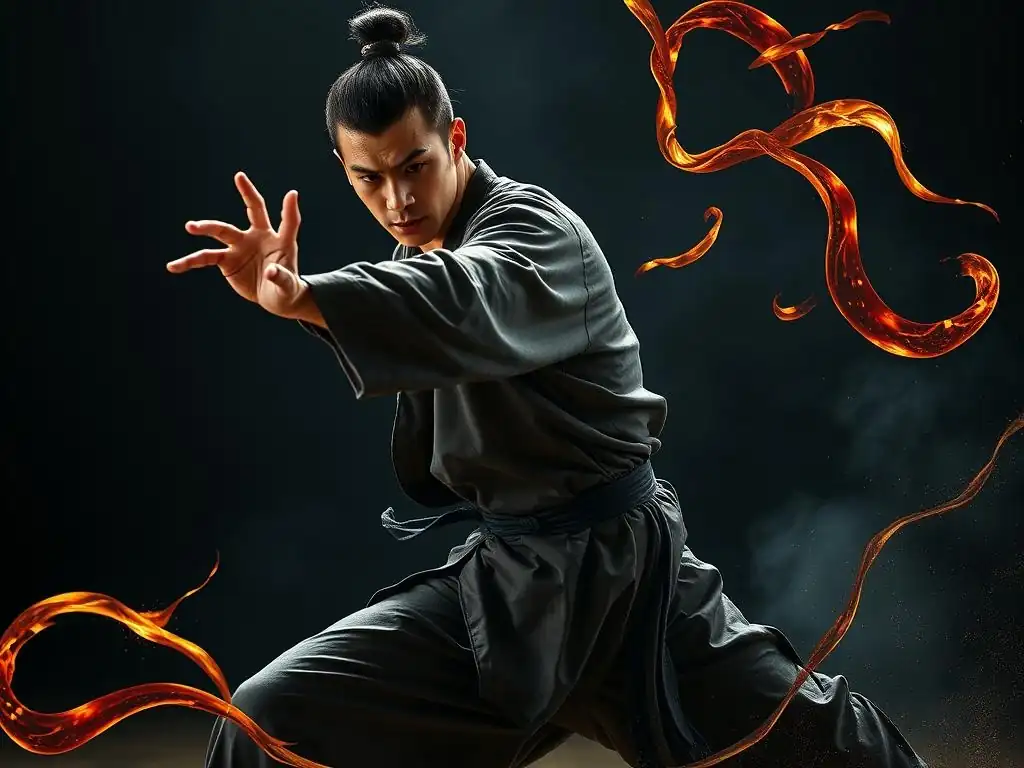
Welcome to Martial Arts Mastery, where we delve into the heart of combat traditions! Prepare to unlock ancient secrets and elevate your practice. Ever wondered how animalistic movements can unlock hidden power within your Xing Yi? This article, " The Alchemical Marriage: Transforming Your Xing Yi with Elements and Animals," explores the profound connection between Xing Yi Qigong animal forms and the transformative potential they hold. Discover how harnessing these primal energies can revolutionize your understanding of this dynamic martial art. Are you ready to unleash the beast within? Read on to begin your journey...
- Xing Yi Quan: Integrating Elements and Animals for Enhanced Skill
- Understanding Xing Yi Quan: Foundational Principles
- Synthesizing Elements and Animals in Xing Yi Practice
- Training with Elemental Animal Forms
- Advanced Applications: Beyond Set Forms
- Benefits of Integrated Xing Yi Training
- Frequently Asked Questions
- Final Reflection: Embracing Transformation Through Xing Yi
- Unleash Your Inner Alchemist: Refine Your Xing Yi!
Xing Yi Quan: Integrating Elements and Animals for Enhanced Skill
Understanding Xing Yi Quan: Foundational Principles
Core Principles: Intention (Yi) and Form (Xing)
Xing Yi Quan, often translated as "Form-Intention Boxing," places paramount importance on the integration of Yi (intention or mind) and Xing (form or body). The Yi is considered the commander, directing the Qi (vital energy) and blood, which in turn animates the Xing (physical structure and movement). Unlike some martial arts that might emphasize intricate external movements, Xing Yi Quan prioritizes the internal directive power of the mind to generate explosive force and efficient movement.
The saying "Yi leads Qi, Qi leads force" is a fundamental tenet, illustrating this internal hierarchy. Mastery begins with cultivating a focused, unwavering intention that permeates every posture and action, ensuring that the physical form is merely the outward expression of internal directive.
The physical forms in Xing Yi Quan, though seemingly simple, are highly refined to embody specific energetic principles and martial applications. The five fundamental movements, based on the Five Elements, and the twelve animal forms, representing diverse combat strategies, are not merely sequences to be memorized but vehicles for cultivating internal power and understanding martial principles.
Practitioners spend significant time on foundational stances and the Five Element fists, such as Pi Quan (Splitting Fist, Metal), Zuan Quan (Drilling Fist, Water), Beng Quan (Crushing Fist, Wood), Pao Quan (Cannon Fist, Fire), and Heng Quan (Crossing Fist, Earth), before delving deeply into the animal forms. This systematic approach ensures that the body and mind are properly conditioned to express the unique qualities of each element and animal.
The Five Elements: Cultivating Internal Strength
The Five Elements (Wu Xing) – Metal, Water, Wood, Fire, and Earth – are not abstract philosophical concepts in Xing Yi Quan but represent distinct qualities of energy, force application, and body mechanics. Each element corresponds to a specific fundamental fist technique and embodies a particular martial strategy. For instance, Metal (Pi Quan) embodies the cutting, splitting force of an axe, emphasizing downward and forward power, often targeting the opponent's upper gate. Water (Zuan Quan) represents drilling or boring energy, characterized by upward and inward spiraling motion, aiming to penetrate defenses.
Training the Five Elements is the bedrock of Xing Yi Quan, developing core internal strength, correct body structure, and the ability to generate unified power from the ground up. Through repetitive practice of the elemental fists and associated stances like San Ti Shi (Three Body Posture), practitioners cultivate rootedness, alignment, and the ability to channel Qi effectively.
This foundational training builds the internal structure and energetic pathways necessary to later fully embody the dynamic and complex movements found in the Xing Yi Qigong animal forms. The emphasis is on developing a solid internal foundation before adding the more nuanced external expressions.
The Generating (Sheng) and Controlling (Ke) Cycles
The Five Elements in Xing Yi Quan are not isolated entities but interact according to the traditional Chinese cyclical relationships: the Generating (Sheng) cycle and the Controlling (Ke) cycle. Understanding these cycles provides a deeper insight into transitional movements, strategic applications, and the flow of energy within the body and during combat.
In the Generating cycle, Wood feeds Fire, Fire creates Earth (ash), Earth bears Metal, Metal collects Water (condensation), and Water nourishes Wood. Martially, this can represent transitions like using a Beng Quan (Wood) movement to set up a Pao Quan (Fire), or a Zuan Quan (Water) to flow into a Beng Quan (Wood).
The Controlling cycle involves relationships where one element restrains another: Wood controls Earth (roots break soil), Earth controls Water (dams hold water), Water controls Fire (extinguishes), Fire controls Metal (melts), and Metal controls Wood (cuts). This cycle is often applied strategically in defense and counter-attack.
For example, using the stable, grounding force of Heng Quan (Earth) to neutralize or absorb the fluid, penetrating force of Zuan Quan (Water), or employing the sharp, cutting energy of Pi Quan (Metal) to break through the expansive force of Beng Quan (Wood). These cycles inform the transitions between techniques and provide a framework for understanding how different forces interact in martial engagement, enhancing the practitioner's ability to adapt and respond.
The Twelve Animals: Embodying Diverse Strategies
Building upon the foundation of the Five Elements, Xing Yi Quan incorporates the study and practice of Twelve Animal forms (Shi Er Xing). These animals – Dragon, Tiger, Monkey, Horse, Alligator, Chicken, Hawk, Swallow, Snake, Tai (a mythical bird), Eagle, and Bear – are not merely mimicked externally but represent the internal qualities, spirit, and martial strategies associated with each creature.
Each animal form embodies unique body mechanics, timing, and power generation methods derived from observing their natural movements and fighting instincts. For instance, the Tiger form emphasizes expansive, forceful movements, while the Snake form focuses on fluid, coiling, and penetrating actions.
The Twelve Animals provide a diverse palette of martial applications and methods for expressing the internal power cultivated through the Five Elements. They teach practitioners how to adapt their energy and structure to different situations, opponents, and ranges.
Practicing Xing Yi Qigong animal forms allows the practitioner to embody distinct characteristics – the explosive charge of the Horse, the precise strike of the Chicken, the rooted stability of the Bear, or the agile evasion of the Monkey. These forms develop specific physical attributes, refine body unity, and deepen the understanding of how to apply internal power in dynamic, varied scenarios, moving beyond the more generalized power generation of the elemental fists.
Animal Forms as Embodied Strategies and Qigong
The practice of the Twelve Animal forms in Xing Yi Quan is more than just physical exercise; it is a form of embodied strategy training and a powerful method of Qigong. Each animal form cultivates specific types of energy and movement patterns that are directly applicable to combat. For example, the Hawk form develops sudden, dropping power and precise strikes from above, while the Swallow form cultivates evasive, darting movements. Practitioners learn to inhabit the Yi (intention/spirit) of the animal, allowing its characteristic energy to guide their movements and actions.
As Xing Yi Qigong animal forms, these practices also serve to cultivate and circulate Qi within the body. The dynamic yet rooted movements, combined with focused intention and regulated breathing, help to open energy pathways, strengthen internal organs, and improve overall vitality. The coiling and expanding movements of the Dragon form, for instance, are excellent for spinal health and cultivating a flexible, powerful core.
The rooted stability of the Bear form strengthens the legs and waist while promoting a sense of grounded power. Thus, training the animal forms simultaneously refines martial skill and enhances physical and energetic well-being, making them integral to both combat effectiveness and health preservation in Xing Yi Quan.
Synthesizing Elements and Animals in Xing Yi Practice
The Synergistic Relationship of Elements and Animals
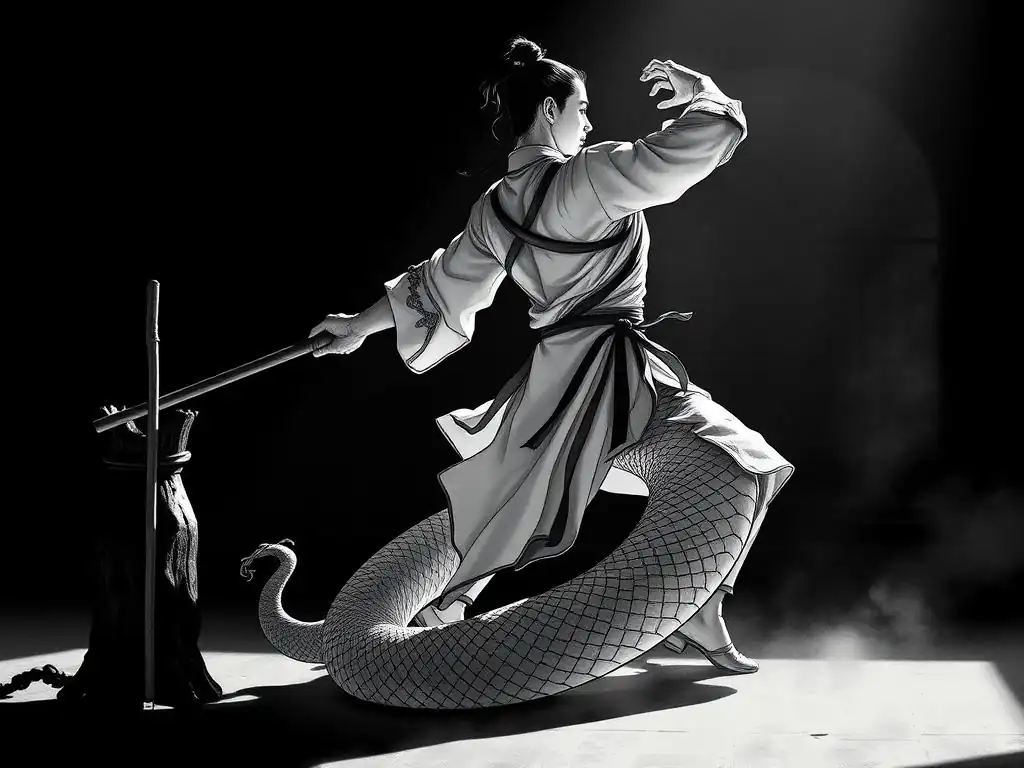
While the Five Elements provide the foundational internal power and structural integrity, and the Twelve Animals offer diverse applications and strategies, the true depth of Xing Yi Quan lies in their synthesis. The Elements provide the quality of force, while the Animals provide the method and timing of its application.
For example, the cutting force of Metal (Pi Quan) can be expressed through the precise, sharp movements of the Chicken form, or the expansive power of Wood (Beng Quan) can be channeled through the aggressive charge of the Tiger form. This integration allows for a more nuanced and powerful expression of both principles.
Practitioners learn to see how the elemental energies flow within the animal movements. The drilling quality of Water might inform the penetrating strike of the Snake, while the rooted stability of Earth provides the base for the explosive power of the Bear. This synergistic relationship means that practicing the animal forms also refines the understanding and application of the elemental forces, and vice versa. It's an alchemical process where the combination of the two creates something greater than the sum of its parts, leading to more sophisticated techniques and a deeper connection to the internal energy of the art.
Enhancing Elemental Expression Through Animal Forms
The Twelve Animal forms provide dynamic and context-specific ways to express the relatively abstract forces of the Five Elements. For instance, the piercing, upward energy of Water (Zuan Quan) might be practiced as a fundamental movement, but its application becomes much more alive and strategic when embodied in the coiling, penetrating strike of the Snake form, or the sudden, upward pounce of the Monkey. The animal forms give the elemental energies a body and a context, making their application more intuitive and effective in fluid combat situations.
Consider the Fire element (Pao Quan), which embodies explosive, forward power. While practicing Pao Quan develops this specific force, applying it through the Horse form's charging movement or the Hawk form's sudden dive provides distinct strategic nuances. The Horse emphasizes relentless forward momentum and power, while the Hawk focuses on sudden, powerful strikes from above.
By practicing Xing Yi Qigong animal forms, the practitioner learns to channel the elemental power through varied physical structures and intentions, making their martial expression versatile and adaptable. This level of training moves beyond basic force generation to sophisticated force application tailored to specific scenarios.
Refining Animal Techniques Through Elemental Principles
Conversely, the fundamental principles of the Five Elements are crucial for refining and empowering the movements of the Twelve Animals. Without the rooted structure and unified power generated through the Five Elements, the animal forms would be merely external mimicry lacking internal force. For example, the expansive power of the Tiger form relies on the structural integrity and forward drive cultivated by the Wood element (Beng Quan). The sharp, cutting nature of the Chicken form is directly informed by the precise, downward force of the Metal element (Pi Quan).
Applying elemental principles helps ensure that the animal movements are not just physical actions but are charged with internal energy and grounded power. The fluidity of the Snake form (Water) is enhanced by the underlying principle of yielding and finding gaps. The stability of the Bear form (Earth) provides the necessary foundation for its powerful charging and sinking movements.
By understanding how the Five Elements underpin each animal's characteristic movements, practitioners can deepen their practice of Xing Yi Qigong animal forms, ensuring that every movement is efficient, powerful, and aligned with the core principles of Xing Yi Quan. This integration ensures that the animal forms are not just techniques but expressions of fundamental internal power.
Training with Elemental Animal Forms
Element-Specific Applications in Animal Movements
Training involves consciously linking the elemental principles to specific animal movements and applications. This is where theory meets practice, turning abstract concepts into tangible skills. For example, when practicing the Chicken form, focus is placed on the sharp, cutting force of Metal, emphasizing precision and directness. In the Tiger form, the expansive, overwhelming power of Wood is paramount, driving forward with unstoppable force. This conscious linking deepens the understanding and application of both the element and the animal.
This integrated approach is vital for developing effective martial skills. For instance, a common drill involves practicing the Snake form while focusing on the fluidity and penetrating energy of Water, aiming to find weaknesses and slip through defenses. Conversely, practicing the Bear form emphasizes the grounded, stable energy of Earth, building an unshakeable foundation for absorbing impact and generating powerful counter-attacks. By focusing on the element within the animal form, practitioners refine their ability to apply specific types of force in dynamic, strategic ways.
Metal Element: Chicken (Ji) - Precision and Cutting
The Chicken form in Xing Yi Quan is deeply associated with the Metal element, embodying its characteristics of sharpness, precision, and cutting force. The primary movement, often called "Chicken Step" or "Chicken Leg," involves a sudden, forward propulsion of the lead leg combined with a sharp, often downward or forward striking motion of the hands.
This movement is designed to penetrate the opponent's guard with speed and accuracy, much like a chicken pecking forcefully and precisely. The power is generated through a unified body action, rooted in the rear leg and channeled through the core to the striking limb, manifesting the direct, cutting energy of Metal.
Training the Chicken form emphasizes developing explosive short-range power and impeccable timing. A key application is the "Chicken Leg" sweep or kick, which utilizes the Metal element's cutting quality to attack the opponent's lower structure. Another common technique is a sudden, sharp hand strike aimed at vulnerable points, delivered with the piercing force characteristic of Metal.
Practitioners often spend significant time refining the speed and precision of the forward step and hand strike, aiming to deliver maximum force in a minimal amount of time, embodying the swift, decisive action of the Metal element. Approximately 30-40% of early animal form training might focus on developing this precision and explosiveness.
Water Element: Snake (She) - Flow and Adaptability
The Snake form is intrinsically linked to the Water element, representing its qualities of fluidity, adaptability, coiling power, and ability to penetrate through small openings. Snake movements in Xing Yi Quan are characterized by a sinuous, wave-like motion of the body, allowing the practitioner to yield to force, evade attacks, and strike from unexpected angles. The power generated is often described as "coiling and uncoiling," utilizing the flexible spine and waist to create whip-like force. The Snake embodies the Water principle of finding the path of least resistance and flowing around obstacles.
Training the Snake form focuses on developing a highly mobile and adaptable body structure. Techniques include coiling hand strikes, body evasion, and using the whole body like a whip to generate power. A common application is using the flexible body to slip inside an opponent's guard or to wrap around their limbs.
The Snake's ability to change direction quickly and strike from close range embodies Water's fluid and penetrating nature. Practitioners might spend around 25-35% of their animal form training on the Snake, focusing on developing spinal flexibility, smooth transitions, and the ability to yield and redirect force, vital skills for adapting to different combat ranges and situations.
Wood Element: Tiger (Hu) - Power and Expansion
The Tiger form embodies the Wood element's characteristics of expansive, forceful power, aggressive forward momentum, and the ability to overwhelm obstacles. Tiger movements are strong, direct, and often involve seizing or pouncing actions. The core principle is to generate unified power from the ground up, driving forward with the entire body like a charging beast. The Tiger represents the unstoppable force of growth and expansion, breaking through resistance.
Training the Tiger form emphasizes developing rooted power, strong structure, and the ability to generate explosive forward force. Techniques include powerful pounces, seizing movements, and strikes that carry the weight and momentum of the entire body. A key application is the "Tiger pounce," a sudden, powerful forward movement designed to close the distance and overwhelm the opponent.
The Tiger form cultivates strong legs, a powerful waist, and the ability to unify the body's power for maximum impact, embodying the Wood element's aggressive, expansive energy. Approximately 30-40% of animal form training could be dedicated to the Tiger, focusing on developing rooted power and explosive forward drive.
Fire Element: Horse (Ma) - Speed and Explosiveness
The Horse form is linked to the Fire element, representing speed, explosiveness, and relentless forward charge. Horse movements are characterized by rapid, powerful forward steps and strikes, aiming to quickly close the distance and deliver overwhelming force. The emphasis is on generating power through rapid hip rotation and forward momentum, much like a galloping horse. Fire's characteristic is sudden burst and intensity, and the Horse form translates this into martial action.
Training the Horse form focuses on developing speed, agility, and the ability to generate explosive power in rapid succession. Techniques include powerful forward charges, stomping actions, and rapid-fire strikes. A common application is using the "Horse charge" to break through an opponent's defense with sheer speed and power.
The form cultivates strong legs, a powerful core, and the ability to move and strike with great speed, embodying the Fire element's intense and explosive nature. Practitioners might spend around 20-30% of their animal form training on the Horse, focusing on developing speed, timing, and the ability to generate powerful bursts of energy.
Earth Element: Bear (Xiong) - Stability and Grounding
The Bear form is associated with the Earth element, embodying its qualities of stability, groundedness, and solid power. Bear movements are characterized by a sinking quality, rooted stances, and powerful, often circular or embracing actions. The principle is to absorb incoming force by being unshakeable and to generate devastating power from a solid foundation. The Bear represents the immovable mountain and the nourishing ground.
Training the Bear form emphasizes developing deep roots, strong structure, and the ability to absorb impact while maintaining balance. Techniques include powerful sinking movements, embracing actions to control the opponent, and strikes that carry the weight and stability of the entire body. A key application is using the Bear's rootedness to absorb a powerful strike and immediately counter with grounded force.
The form cultivates powerful legs, a strong waist, and the ability to remain stable under pressure, embodying the Earth element's grounded and stable nature. Around 25-35% of animal form training could focus on the Bear, developing deep stances, structural integrity, and the ability to generate power from a solid base.
Cultivating Qi Through Integrated Training
Practicing Xing Yi Qigong animal forms, when integrated with the elemental principles, is a profound method for cultivating and circulating Qi. The specific body mechanics of each animal, guided by the intention of the corresponding element, open and strengthen specific energy channels and organ systems according to traditional Chinese medicine theory. For instance, the expansive movements of the Tiger (Wood) can benefit the liver, while the rootedness of the Bear (Earth) strengthens the spleen and stomach.
Furthermore, the focused intention ( Yi) required for each movement, combined with coordinated breathing and physical structure, guides the Qi flow. The coiling and uncoiling of the Snake (Water) stimulates the kidneys, while the explosive bursts of the Horse (Fire) energize the heart. This conscious cultivation of Qi is not just a byproduct but a core objective of integrated Xing Yi training, leading to improved health, vitality, and ultimately, more potent martial power, as Qi is the engine of force generation in internal martial arts.
Rooting, Structure, and Focused Intention
Effective Qi cultivation in Xing Yi Qigong animal forms hinges on three interconnected pillars: rooting, structure, and focused intention. Rooting refers to establishing a strong connection with the ground, allowing energy to flow freely from the earth up through the body. This is particularly emphasized in forms like the Bear (Earth), where sinking stances and grounded movements are paramount. Proper rooting ensures stability and provides the base for generating unified body power. Approximately 70-80% of power generation in a well-executed Xing Yi movement comes from the legs and waist, driven by rooting.
Correct structure involves aligning the body in such a way that energy can flow unimpeded and force can be transmitted efficiently. This includes maintaining proper spinal alignment, relaxed joints, and coordinated movement of all body parts. Each animal form has specific structural requirements; the straightness of the Chicken (Metal), the flexibility of the Snake (Water), the expansion of the Tiger (Wood), the compactness of the Horse (Fire), and the solidity of the Bear (Earth).
Focused intention ( Yi) is the mind's directive power, guiding the Qi and coordinating the structure and rooting. Without clear intention, movements lack power and internal connection. Bringing these three elements together in each practice session transforms physical exercise into powerful Xing Yi Qigong animal forms cultivation.
Practical Drills for Combined Element and Animal Training
Integrated training often involves drills that combine specific elemental forces with animal movements or transitions that follow the elemental cycles. These drills help practitioners understand how to apply elemental power in dynamic, practical scenarios. For example, a drill might involve practicing the penetrating step and strike of the Chicken form (Metal) and immediately transitioning into the fluid evasion and counter-strike of the Snake form (Water), following the Metal-Water relationship in the Generating cycle (Metal creates Water).
Another type of drill focuses on applying a specific elemental force through an animal's characteristic movement. For instance, practicing the Tiger form (Wood) with a conscious focus on the expansive, breaking force of Beng Quan (Wood), aiming to feel the same quality of energy in the animal's charge as in the fundamental fist. These practical drills solidify the theoretical connections between elements and animals, making the integration tangible and applicable in martial contexts.
Linking Tiger (Wood) with Splitting (Metal) - A Power Generation Drill
A classic integrated drill links the expansive power of the Tiger form (Wood) with the sharp, cutting force of Splitting Fist (Pi Quan, Metal). While the Generating cycle suggests Wood feeds Fire, and the Controlling cycle shows Metal controls Wood, this drill utilizes the qualities of both to enhance power generation and application. The drill begins with the rooted, expansive structure and forward drive characteristic of the Tiger. As the practitioner reaches the peak of the Tiger's forward momentum, they channel this generated power into a sudden, sharp, downward or forward cutting motion, embodying the Pi Quan (Metal) strike.
This drill teaches the practitioner to generate massive power through the whole body's forward momentum (Tiger/Wood) and then focus and deliver that power with the precise, penetrating quality of Metal. It's like swinging a heavy axe (Tiger) and then focusing all that force onto the sharp edge (Metal). Practicing this transition repeatedly, focusing on the feeling of expanding power becoming concentrated cutting force, significantly enhances striking power. This type of drill might be practiced 20-30 times per side in a training session to build the physical and energetic connection.
Snake (Water) Body with Drilling (Earth) - A Yielding and Penetrating Drill
Another insightful integrated drill combines the fluid, yielding body mechanics of the Snake form (Water) with the grounded, penetrating energy of Drilling Fist (Zuan Quan, Water) or even the sinking, solid quality of Earth (Heng Quan or Bear form). While Zuan Quan is Water, integrating it with the Snake form deepens the understanding of Water's application. Conversely, combining the yielding Snake body with the grounding of Earth offers a strategic application from the Controlling cycle (Earth controls Water).
Let's focus on the latter for strategic depth. The drill involves using the flexible, evasive movements of the Snake form to yield to an incoming force or find an opening.
As the practitioner yields or evades using the Snake's fluid motion, they immediately transition into a rooted, sinking posture characteristic of the Bear or Heng Quan (Earth), generating stable, grounded power. From this stable base, they can execute a powerful counter-strike. This teaches the ability to absorb or evade force using Water's adaptability and then immediately counter with the unshakeable power of Earth. This drill, perhaps practiced 15-25 times per side, develops responsiveness, defensive structure, and the ability to transition instantly from yielding to rooted power, embodying the strategic interaction between Water and Earth principles in combat.
Advanced Applications: Beyond Set Forms
Spontaneous Application and Adaptive Response
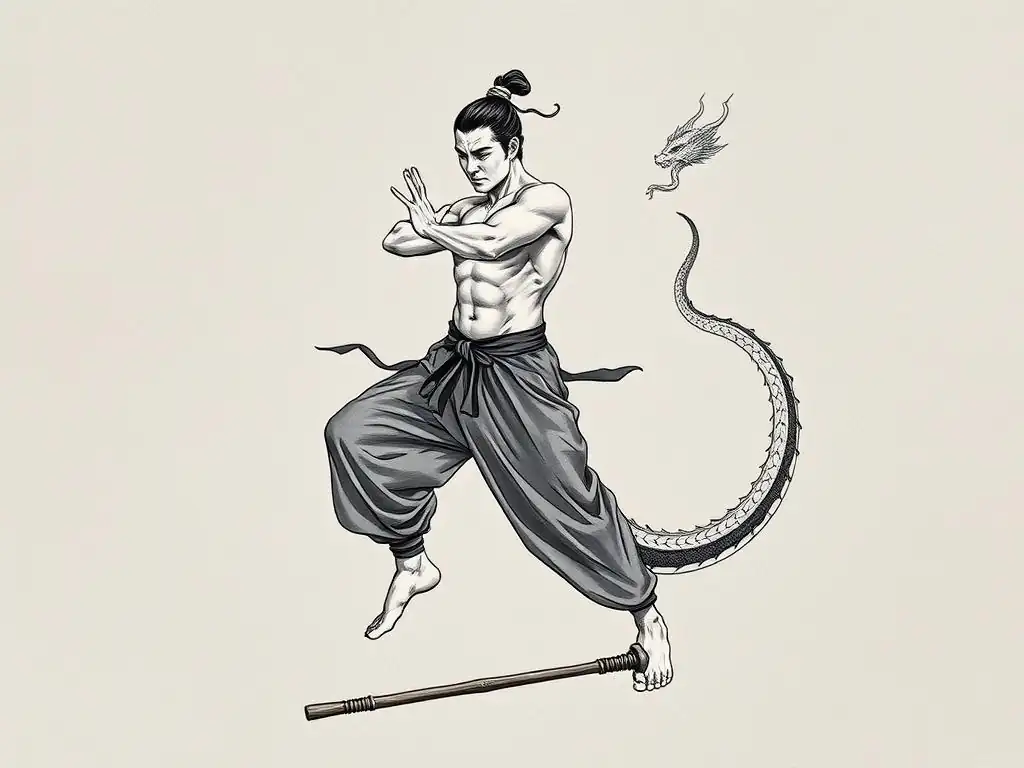
Once the foundational elements and animal forms are deeply integrated, Xing Yi Quan practice moves beyond the execution of set forms towards spontaneous application and adaptive response. This involves the ability to instantly access and apply the appropriate elemental force and animal strategy based on the dynamic circumstances of a real-time encounter. It's not about thinking "Now I will use the Tiger form," but rather feeling the need for expansive, overwhelming power and instinctively applying the body mechanics and energy quality cultivated through the Tiger and Wood element training.
This level of spontaneity is the result of thousands of repetitions and deep internal cultivation. The practitioner's body-mind complex learns to recognize patterns and respond reflexively, drawing upon the entire repertoire of elemental forces and animal strategies. Training at this stage often involves sensitivity drills, sparring, and scenario-based practice to hone the ability to adapt instantaneously. The goal is for the Xing Yi Qigong animal forms and elemental principles to become so ingrained that they manifest naturally in response to external stimuli.
Utilizing Element-Animal Principles in Sparring
Sparring is the ultimate testing ground for the integrated application of element-animal principles. It's here that the practitioner learns to recognize the "element" or "animal" expressed by their opponent's movements and respond accordingly using the Generating or Controlling cycles. For example, facing an opponent with strong, expansive force (Wood/Tiger), one might respond with precise, cutting actions (Metal/Chicken) or yielding, fluid movements (Water/Snake) to disrupt their structure.
Conversely, recognizing an opponent's evasive, fluid movements (Water/Snake) might call for responding with grounded, stable force (Earth/Bear) to trap or control them. Sparring practice, perhaps 2-3 sessions per week focusing on specific principles, allows the practitioner to develop the timing, distance, and sensitivity needed to apply these concepts effectively under pressure. It transforms the theoretical understanding of element-animal interactions into practical, combative skill, highlighting the versatility gained from mastering Xing Yi Qigong animal forms in a living context.
Continuous Refinement and Integration
Mastery in Xing Yi Quan is a lifelong process of continuous refinement and deeper integration. Even at advanced levels, practitioners revisit the foundational Five Elements and Twelve Animal forms, finding new layers of understanding and application. The body mechanics become more subtle, the Qi flow more refined, and the Yi more precise. The goal is to achieve a state where the distinction between element and animal, form and intention, internal and external, dissolves, resulting in effortless, powerful, and spontaneous action.
This continuous refinement involves solitary practice, partner drills, and introspection. Practitioners might spend years focusing on perfecting the nuances of a single animal form or exploring the infinite variations of elemental transitions. The journey of integrating Xing Yi Qigong animal forms and elemental principles is one of constant learning and deepening, leading to not only greater martial prowess but also profound insights into the nature of energy, movement, and the self.
Benefits of Integrated Xing Yi Training
Improved Health and Vitality
The practice of Xing Yi Qigong animal forms, especially when integrated with elemental principles, offers significant health benefits. The dynamic yet rooted movements improve circulation, strengthen the musculoskeletal system, and promote flexibility. The focus on coordinated breathing and intention cultivates Qi, leading to increased energy levels and improved organ function. For example, the coiling movements in Snake benefit the digestive system, while the expansive actions in Tiger can improve lung capacity. Regular practice, even 30-45 minutes daily, can lead to marked improvements in physical resilience and overall vitality, reducing stress and enhancing the body's natural healing abilities.
Enhanced Mental Clarity
Xing Yi Quan training demands intense focus and concentration, cultivating a calm yet alert state of mind. The emphasis on Yi (intention) trains the mind to be present and directed. Practicing the intricate movements and transitions of the Xing Yi Qigong animal forms requires deep mental engagement, improving concentration and cognitive function.
The meditative aspect of cultivating Qi through movement helps to quiet the mind, reduce mental clutter, and enhance mental clarity and emotional regulation. Many practitioners report a significant reduction in stress and anxiety, and an improved ability to focus on tasks in daily life, attributing these benefits to the disciplined mental training inherent in the art.
Deeper Understanding of Xing Yi Principles
Integrating the Five Elements and Twelve Animals provides a comprehensive framework for understanding the core principles of Xing Yi Quan. It moves beyond simply learning techniques to grasping the underlying energetic and strategic concepts. Understanding how Metal's cutting force manifests in the Chicken form, or how Earth's stability underpins the Bear, deepens the practitioner's appreciation for the art's sophisticated design. This holistic understanding, gained through the integrated practice of Xing Yi Qigong animal forms and elemental fists, allows practitioners to adapt techniques, develop new applications, and ultimately, embody the spirit of Xing Yi Quan more fully.
Increased Martial Effectiveness
Ultimately, the synthesis of Elements and Animals in Xing Yi Quan leads to significantly increased martial effectiveness. The elemental training provides the raw power and structural integrity, while the animal forms provide the diverse strategies, timing, and agility needed for real combat. The ability to instantly transition between elemental forces and animal strategies makes the practitioner highly adaptable and unpredictable.
A practitioner who has deeply integrated Xing Yi Qigong animal forms and elemental principles possesses not just a collection of techniques, but a dynamic system of combat that can respond effectively to any situation, delivering powerful, precise, and strategic force. This level of integration is often cited by masters as the key to unlocking the highest levels of skill in the art.
Frequently Asked Questions
What is Xing Yi Qigong?
Xing Yi Qigong is a practice that combines the principles of Xing Yi Quan (Form-Intention Boxing) with Qigong breathwork and movement to cultivate internal energy and improve martial skill. It emphasizes the connection between mind, body, and spirit.
How do animal forms relate to Xing Yi Qigong?
Animal forms in Xing Yi Qigong are specific movement patterns that mimic the characteristics of different animals (e.g., dragon, tiger, monkey). These forms help practitioners embody unique fighting strategies and develop specific physical qualities.
What are the "elements" referenced in relation to Xing Yi Qigong?
The "elements" typically refer to the Five Elements (Wu Xing): Wood, Fire, Earth, Metal, and Water. These elements represent different energetic qualities and are integrated into Xing Yi Qigong to balance internal energy and enhance combat effectiveness.
How does Xing Yi Qigong contribute to self-defense?
Xing Yi Qigong enhances self-defense by developing explosive power, improving body awareness, and cultivating a calm and focused mind. The animal forms provide a diverse range of offensive and defensive techniques.
What is the "alchemical marriage" in the context of Xing Yi Qigong?
The "alchemical marriage" refers to the integration of different aspects of Xing Yi – the physical forms, the internal energy cultivation of Qigong, and the philosophical principles – to achieve a profound transformation of the practitioner's mind, body, and spirit.
Final Reflection: Embracing Transformation Through Xing Yi
The journey through the Alchemical Marriage of elements and animals within Xing Yi Qigong reveals a profound truth: transformation is not merely a physical process, but a holistic integration of mind, body, and spirit. The principles explored in this article, far from being archaic practices, offer a powerful framework for navigating the complexities of modern life, providing tools for resilience, adaptability, and inner harmony.
The enduring appeal of Xing Yi lies in its ability to connect us to the primal energies of nature, fostering a deeper understanding of ourselves and our place within the universe. This connection, cultivated through mindful movement and elemental awareness, has personally resonated with me, revealing the potential for profound growth and self-discovery. The body is your temple. Keep it pure and clean for the soul to reside in.
- B.K.S. Iyengar. This quote encapsulates the essence of Xing Yi, reminding us that physical practice is a pathway to spiritual enlightenment.
As you conclude this exploration of Xing Yi Qigong animal forms, I invite you to reflect on the transformative power within you. Embrace the elements, embody the animals, and allow the alchemical marriage to unfold in your own life. Seek the balance, cultivate the strength, and discover the profound wisdom that lies dormant within your being. The journey of transformation is a lifelong pursuit, and Xing Yi offers a potent and beautiful path to realizing your fullest potential.
Unleash Your Inner Alchemist: Refine Your Xing Yi!
Thank you for exploring the transformative potential within Xing Yi! We hope this article has ignited a spark and provided a deeper understanding of how elemental and animal influences can enrich your practice. Now, let's translate knowledge into action!
Here are a few ways to further integrate these concepts into your martial arts journey:
- Commit to embodying one animalistic quality this week: Observe a specific animal (e.g., the Rooster's unwavering focus or the Horse's explosive power) and actively incorporate its essence into your Xing Yi form and mindset.
- Explore related martial arts styles: Dive into Baguazhang (Eight Trigram Palm) or Taijiquan, which share similar philosophical roots and complement Xing Yi's direct power with circular movements and yielding techniques.
- Share your experiences and insights with our community: Visit our forums at martialartsmastery.org and discuss how you are applying elemental and animal principles to your Xing Yi practice.
What specific elemental attribute or animalistic quality are you most excited to explore in your Xing Yi practice this week, and how do you envision it transforming your movements?