
Developing IpponWinning Combinations: Tewaza to Koshiwaza

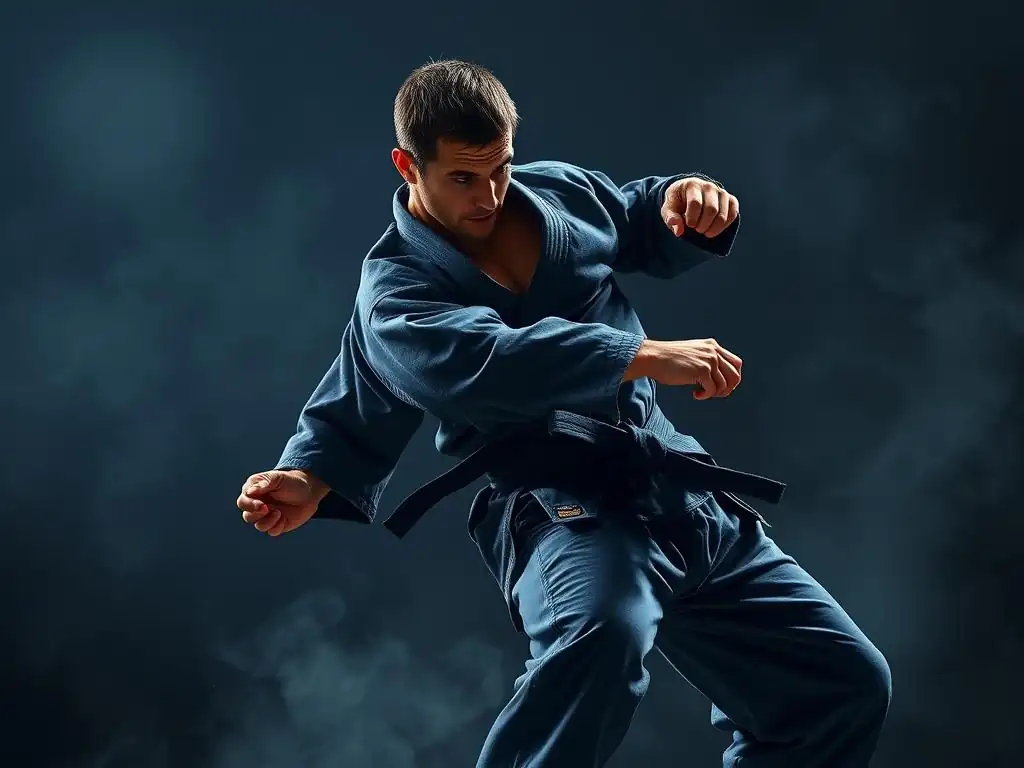
Welcome to Martial Arts Mastery, your gateway to unlocking the secrets of combat traditions across the globe. Ever wondered how to seamlessly link hand techniques to hip throws for an Ippon-winning takedown? Dive into our exploration of Ippon winning takedown combinations, focusing on the dynamic interplay of Tewaza to Koshiwaza, and begin your journey to mastering this crucial aspect of martial arts. What other hidden combinations await your discovery? Let's find out!
Understanding Tewaza (Hand Techniques) and Koshiwaza (Hip Techniques) in Nage-waza
Nage-waza, the throwing techniques of Judo, form one of the core pillars of the art, alongside Katame-waza (grappling techniques). Within Nage-waza, techniques are further categorized based on the primary body part used to execute the throw. Two fundamental classifications are Tewaza (Hand Techniques) and Koshiwaza (Hip Techniques).
Tewaza primarily utilize the hands and arms to disrupt Uke's balance (kuzushi) and effect the throw, often involving pulling, pushing, and lifting actions that manipulate Uke's posture and direction of force. Techniques like Seoi-nage (shoulder throw), Tai-otoshi (body drop), and Uki-otoshi (floating drop) exemplify Tewaza, where Tori's hands and arms are the principal drivers of Uke's movement and subsequent projection. Understanding the mechanics of these techniques is vital for developing effective Ippon winning takedown combinations, as they offer diverse methods for controlling Uke's upper body and initiating action.
In contrast, Koshiwaza techniques rely heavily on the use of the hips as the main fulcrum or lifting point to throw Uke. These techniques typically involve getting close to Uke, establishing deep hip contact, and using the rotation and power of Tori's lower body and hips to lift and throw. Classic examples include O-goshi (major hip throw), Harai-goshi (sweeping hip throw), and Tsuri-komi-goshi (lifting and pulling hip throw).
While hands and arms are still crucial for control and kuzushi in Koshiwaza, the power generation and projection originate significantly from the hips. The distinction between Tewaza and Koshiwaza is fundamental for judoka aiming to build comprehensive throwing arsenals. Mastering the principles behind each category allows for a deeper understanding of how to break balance in different ways and apply force effectively, which is the bedrock for constructing powerful Ippon winning takedown combinations that transition smoothly between different types of techniques.
- How can I develop effective ippon-winning takedown combinations using tewaza and koshiwaza techniques?
- What are some common tewaza techniques that can lead into koshiwaza throws for an ippon?
- How important is kuzushi (breaking balance) in executing ippon-winning takedown combinations?
- What role does drilling play in mastering ippon-winning takedown combinations?
- How does understanding the historical context of tewaza and koshiwaza help in developing ippon-winning combinations?
Frequently Asked Questions
How can I develop effective ippon-winning takedown combinations using tewaza and koshiwaza techniques?
Developing effective combinations requires understanding the principles of kuzushi (breaking balance) and linking techniques seamlessly. Practice transitioning from tewaza (hand techniques) to koshiwaza (hip techniques) fluidly.
What are some common tewaza techniques that can lead into koshiwaza throws for an ippon?
Examples include Tai Otoshi (body drop) following a failed Seoi Nage (shoulder throw) attempt, or using a Kouchi Gari (minor inner reap) to set up a Harai Goshi (sweeping hip throw). Maintaining balance and control are crucial.
How important is kuzushi (breaking balance) in executing ippon-winning takedown combinations?
Kuzushi is absolutely essential. Without effectively breaking your opponent's balance, the combination will likely fail. Focus on off-balancing them before executing the throw.
What role does drilling play in mastering ippon-winning takedown combinations?
Drilling is crucial for muscle memory and timing. Repetitive practice allows you to execute combinations instinctively under pressure. It also helps identify weaknesses in your technique.
How does understanding the historical context of tewaza and koshiwaza help in developing ippon-winning combinations?
Understanding the historical context provides insight into the principles behind the techniques. This deeper understanding can inform your training and help you adapt the techniques to your own style and strengths.
Final Reflection: The Art of Seamless Transition
The exploration of Ippon-winning takedown combinations transcends mere technique; it's about understanding the flow and rhythm of Judo, and how seemingly disparate movements can coalesce into a devastatingly effective whole. Today, in a world often prioritizing brute strength, the elegance and efficiency of these combinations serve as a potent reminder of Judo's deeper philosophical underpinnings.
This journey into the world of Tewaza to Koshiwaza has not only illuminated the technical aspects of Judo, but also its profound impact on developing strategic thinking and adaptability. The ability to seamlessly transition between techniques, to anticipate an opponent's reaction and exploit their vulnerabilities, is a skill that extends far beyond the dojo. Judo is the way to the most effective use of both physical and spiritual strength. By training you in attacks and defenses it refines your body and your soul and helps you make the spiritual essence of Judo a part of your very being.
- Jigoro Kano. This quote perfectly encapsulates the holistic development fostered by mastering these combinations.
Now, as you step off the mat and back into your daily life, consider the principles of combination and transition. How can you connect seemingly unrelated ideas or actions to achieve a greater goal? How can you anticipate challenges and adapt your approach to overcome them? Let the spirit of Ippon-winning combinations inspire you to find the flow, the rhythm, and the seamless transitions that will lead you to success in all your endeavors.
Ignite Your Ippon Potential!
Thank you for exploring the art of Ippon-winning combinations! Now that you've unlocked the secrets of Tewaza and Koshiwaza, it's time to translate that knowledge into explosive action on the mat.
Here's how to level up your waza:
- Drill one Tewaza-Koshiwaza combination three times a week for 15 minutes. Visualize your movements and focus on seamless transitions.
- Share your favorite Tewaza or Koshiwaza technique with a training partner and explore how to link them effectively. Teaching is the best way to learn!
- Dive into online videos of legendary judokas and analyze how they seamlessly integrate Tewaza and Koshiwaza into their matches. What can you adapt for your own style?
Which Tewaza-Koshiwaza combination will you master first to achieve Ippon?