
The "Great White Hope" Era: Race, Anxiety, and its Lasting Impact on Boxing History

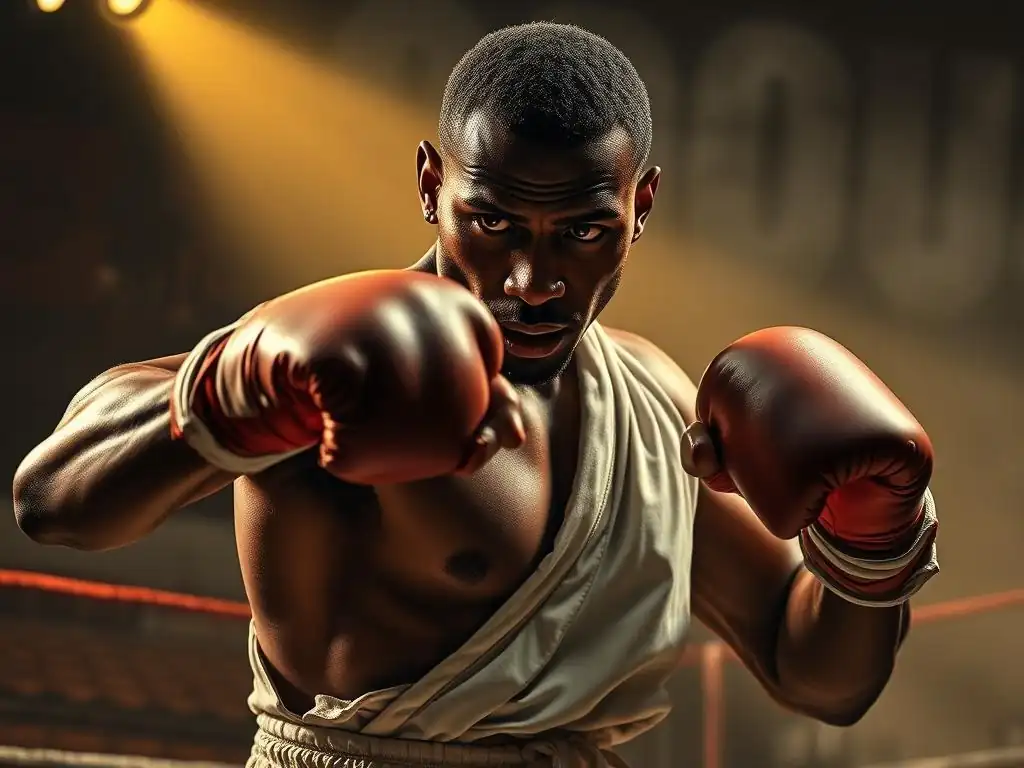
Welcome to Martial Arts Mastery, where we delve into the rich tapestry of combat traditions. Prepare to confront a complex chapter in boxing history. The "Great White Hope" Era: Race, Anxiety, and its Lasting Impact on Boxing History isn't just about punches and knockouts. It's a powerful story of societal prejudice woven into the very fabric of the sport. What lasting shadows did this era cast, and how did it shape the future of boxing? Discover the untold truths and lasting consequences as we explore this crucial moment in martial arts history.
- Analyzing Boxing Racism Historical Impact
-
Frequently Asked Questions
- What was the "Great White Hope" era in boxing?
- How did Jack Johnson's success contribute to the "Great White Hope" phenomenon?
- What were some of the social and political factors that contributed to the racial tensions surrounding boxing during this era?
- What lasting impact did the "Great White Hope" era have on the history of boxing?
- How does understanding the "Great White Hope" era help us understand the present-day landscape of boxing?
- Final Reflection: The Enduring Shadow of Racial Bias in Boxing
- Ignite Your Understanding: Step into Boxing History!
Analyzing Boxing Racism Historical Impact
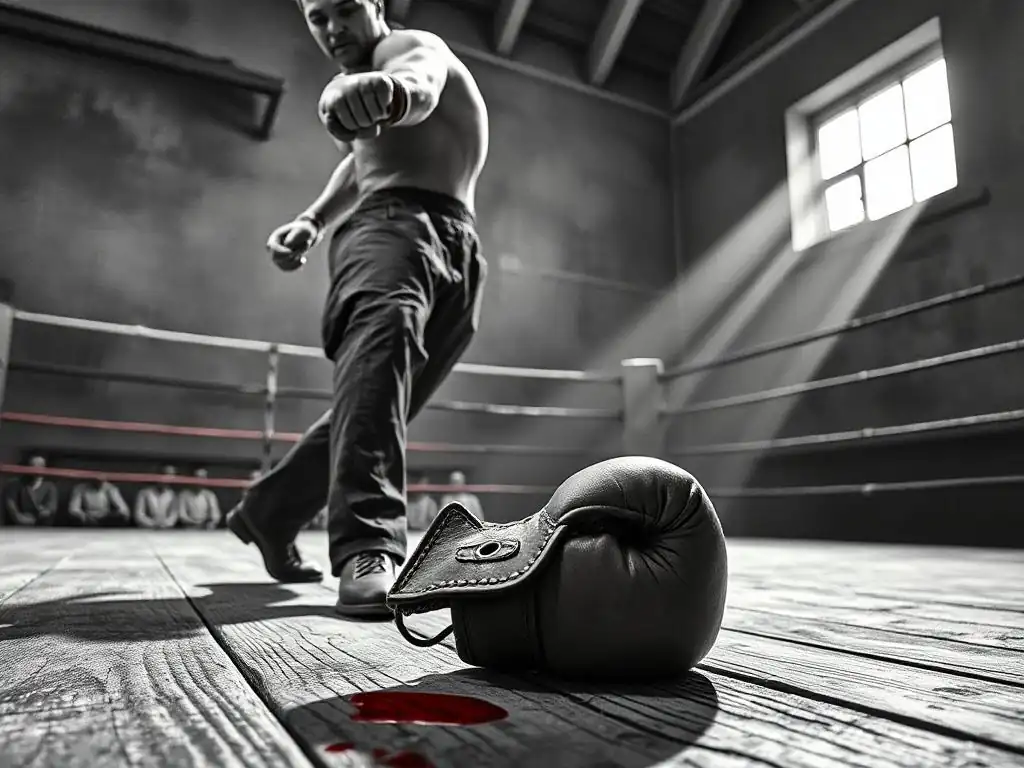
The Socioeconomic Factors Contributing to Racial Disparities in Boxing
The historical landscape of boxing in America, particularly during the late 19th and early 20th centuries, was profoundly shaped by deeply entrenched socioeconomic factors that disproportionately affected Black athletes. Systemic racism limited access to education, skilled labor, and capital for Black communities, pushing many into physically demanding and often dangerous professions. Boxing emerged as one of the few potential avenues for Black men to achieve significant financial gain and public recognition, offering a stark contrast to the limited opportunities elsewhere. However, this path was fraught with its own set of challenges rooted in economic inequality.
Black boxers often came from impoverished backgrounds with limited access to quality training facilities, experienced coaches, and proper nutrition, all crucial elements for developing elite athletic talent. While white fighters might benefit from better-funded gyms and more established networks, Black fighters frequently trained in less-equipped environments, relying on community support and often facing exploitation. This disparity in resources meant that Black athletes often had to overcome not only their opponents in the ring but also the systemic disadvantages they faced outside of it, highlighting a significant aspect of boxing racism historical impact.
The Role of Boxing Promoters and Management: Shaping Racial Dynamics
Boxing's structure historically placed immense power in the hands of promoters and managers, many of whom were white and operated within the prevailing racist societal norms. These figures controlled fighter careers, dictated match-ups, negotiated purses, and shaped public narratives. This control often translated into discriminatory practices against Black boxers. They might be offered smaller purses for fights of equal or greater significance compared to white fighters, or deliberately matched against exceptionally tough opponents to hinder their rise.
Furthermore, promoters actively participated in the racialized marketing of fights, exemplified by the intense search for a "Great White Hope" to defeat Jack Johnson. This wasn't just a public phenomenon; it was a business strategy employed by promoters like Tex Rickard, who understood the immense profits to be made from racially charged contests. Even after Johnson's era, Black champions often faced difficulties securing lucrative fights or endorsements compared to their white counterparts, demonstrating how promotional and managerial decisions significantly contributed to the boxing racism historical impact, perpetuating inequality within the sport's economic structure.
The Psychological Impact on Black Boxers: Experiences of Discrimination
Competing in boxing as a Black athlete during periods of overt racism placed an immense psychological burden on individuals. Beyond the physical demands of the sport, fighters faced constant hostility, prejudice, and scrutiny rooted in their race. Jack Johnson, for instance, was not only fighting his opponents but also the vitriol of white crowds, media, and even the government. This pressure to constantly prove oneself in a hostile environment, coupled with the knowledge that mistakes would be amplified and used to reinforce negative stereotypes about their race, created a unique form of psychological stress.
The experience of discrimination extended beyond the fight itself. Black boxers often faced segregation in travel, accommodation, and public spaces while touring. They were acutely aware that their success was viewed with resentment by a significant portion of the population and that their failures would be celebrated. This constant exposure to racism could erode confidence, create feelings of isolation, and add an invisible weight to the already demanding life of a professional boxer. Understanding this psychological toll is crucial to fully grasping the profound and multifaceted boxing racism historical impact on the athletes themselves.
Frequently Asked Questions
What was the "Great White Hope" era in boxing?
The "Great White Hope" era refers to a period in boxing history, primarily in the early 20th century, marked by intense racial anxiety and the search for a white boxer who could defeat the reigning African American heavyweight champion, Jack Johnson. This era was fueled by explicit racism and social tensions.
How did Jack Johnson's success contribute to the "Great White Hope" phenomenon?
Jack Johnson's dominance as a Black heavyweight champion directly triggered the "Great White Hope" phenomenon. His victories over white opponents were seen as a threat to white supremacy and fueled the desire to restore racial hierarchy in boxing.
The early 20th century was a period of significant racial segregation and discrimination in the United States. Boxing became a stage for these broader societal tensions, with Johnson's success challenging the status quo and provoking strong racial prejudice and social unrest.
What lasting impact did the "Great White Hope" era have on the history of boxing?
The "Great White Hope" era left a lasting stain on boxing history, exposing deep-seated racial biases within the sport. It also led to discriminatory rules and practices that aimed to limit the opportunities for Black boxers, impacting the sport's development and cultural perception.
How does understanding the "Great White Hope" era help us understand the present-day landscape of boxing?
Understanding this era provides critical context for analyzing the ongoing challenges of racial representation and equity in boxing. It highlights the need to acknowledge and address the historical legacies of racism that continue to shape the sport's dynamics and cultural narratives.
Final Reflection: The Enduring Shadow of Racial Bias in Boxing
The echoes of the "Great White Hope" era still reverberate through the halls of boxing history, a stark reminder that even within the realm of sport, racial anxieties and prejudices can deeply influence narratives and opportunities. The historical context explored in this article is not merely a relic of the past; it continues to shape perceptions and discussions surrounding race and representation in boxing today.
The insidious nature of racial bias, as highlighted throughout this historical analysis, has undeniably left an indelible mark on the cultural landscape of boxing. It's crucial to acknowledge this uncomfortable truth to understand the present and strive for a more equitable future. History, despite its wrenching pain, cannot be unlived, but if faced with courage, need not be lived again.
- Maya Angelou. This quote encapsulates the necessity of confronting the past to avoid repeating its mistakes, particularly in a sport as deeply intertwined with cultural identity as boxing.
As we conclude this exploration of the "Great White Hope" era, I invite you to reflect on the lessons learned and consider how they apply to our present-day world. Let us be vigilant in challenging racial biases, promoting inclusivity, and ensuring that the sport of boxing, and indeed all aspects of society, offer equal opportunities and recognition to individuals of all backgrounds. Let's work together to build a future where talent and dedication, not race, determine success.
Ignite Your Understanding: Step into Boxing History!
Thanks for diving into the complex history of the "Great White Hope" era. You've gained valuable insights into the social and racial anxieties that shaped this pivotal moment in boxing. Now, let's take that understanding further:
- Delve deeper: Research the biographies of boxers from this era, both white and Black, to gain a more nuanced perspective on their personal stories and challenges.
- Explore how the themes of race and representation continue to play out in modern sports. Reflect on how media narratives shape our perceptions of athletes from diverse backgrounds.
- Share this article with friends or fellow boxing enthusiasts and discuss the lasting impact of the "Great White Hope" era on sports culture.
What steps will you take to challenge racial stereotypes and celebrate diversity within martial arts and beyond?