
Countering Common Judo Arm Locks: Turning Defense into Offense

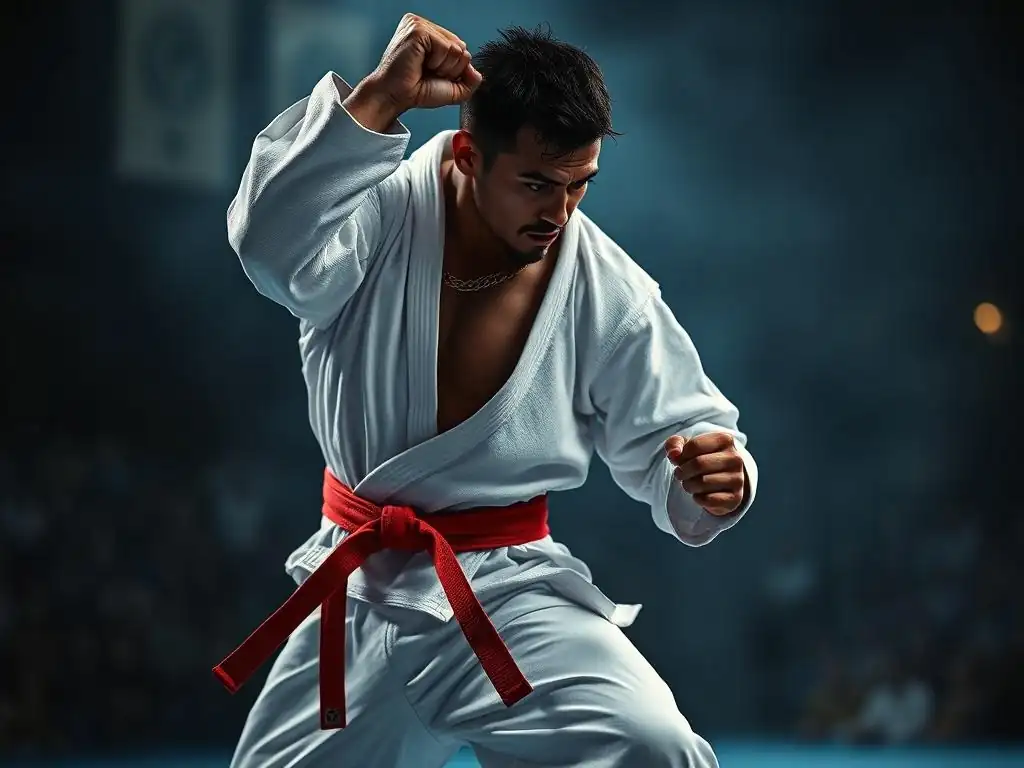
Welcome to Martial Arts Mastery, your ultimate resource for exploring the rich tapestry of martial arts! Ever feel helpless against a Judo arm lock? This time, we delve deep into Judo arm lock defense, revealing practical strategies to not only escape but transform defense into a powerful offensive opportunity. Uncover the secrets within and begin mastering your counter-techniques now!
- Introduction to Judo Arm Lock Defense: Mastering the Escape
- Recognizing and Reacting to Judo Arm Lock Attacks
- Judo Arm Lock Escape Techniques: A Step-by-Step Guide
- Turning Judo Arm Lock Defense into Offensive Opportunities
- Advanced Judo Arm Lock Defense Strategies
- The Mental Aspect of Judo Arm Lock Defense
- Common Mistakes in Judo Arm Lock Defense and How to Avoid Them
- Judo Arm Lock Defense: A Key to Martial Arts Mastery
- Conclusion: Mastering Judo Arm Lock Defense for Competitive Success and Self-Defense
-
Frequently Asked Questions
- How crucial is anticipating an arm lock attempt in Judo?
- What is the first step in defending against a Judo arm lock, according to MartialArtsMastery.org?
- Besides blocking, what other defensive strategies does MartialArtsMastery.org recommend for Judo arm lock defense?
- Can you effectively counter a Judo arm lock once it's fully applied?
- How does MartialArtsMastery.org advise turning a Judo arm lock defense into an offensive opportunity?
- Final Reflection: Mastering the Art of Judo Arm Lock Defense
- Unleash Your Inner Escape Artist!
Introduction to Judo Arm Lock Defense: Mastering the Escape
The Importance of Arm Lock Defense in Judo Katame-waza
In the dynamic world of judo, particularly within the realm of katame-waza (grappling techniques), proficiency in Judo arm lock defense is not merely a supplementary skill but a fundamental necessity for both competition and self-protection. Arm locks, known as kansetsu-waza, are powerful techniques designed to hyper-extend, hyper-flex, or twist an opponent's elbow or shoulder joint, often leading to submission.
Without a solid understanding of how to defend against these attacks, a judoka is vulnerable, significantly limiting their ability to engage effectively in ground fighting or even stand-up transitions where arm lock setups are common. Mastering escape techniques ensures safety and allows the practitioner to continue the match or confrontation, turning a potentially losing situation into an opportunity.
Historically, the development of judo included robust defenses against joint locks, reflecting the art's practical self-defense origins. Techniques for escaping arm locks were refined alongside the attacks themselves, creating a balanced system. In modern judo competition, the ability to defend and escape arm locks is crucial; a successful escape can prevent a loss and earn valuable points or positional advantage.
Studies of competitive judo matches show that a significant percentage of submissions occur via arm locks, particularly at higher levels. For instance, analysis of IJF World Tour events often highlights juji-gatame as one of the most frequently applied and successful submission techniques, underscoring the vital importance of effective Judo arm lock defense training.
Understanding Common Judo Arm Locks: A Defensive Perspective
To build an effective Judo arm lock defense, one must first understand the mechanics and common entries of the attacks themselves. Judo features several primary arm lock variations, each targeting the elbow joint from different angles and positions.
The most prevalent include Ude-Hishigi-Juji-Gatame (cross arm lock), typically applied from guard, mounted position, or side control; Ude-Hishigi-Waki-Gatame (armpit arm lock), often applied from standing or transitioning to the ground; and Ude-Hishigi-Hiza-Gatame (knee arm lock), which utilizes the knee as a fulcrum. Recognizing the specific setup and pressure points of each technique is the first step in formulating a successful escape strategy.
Each arm lock variation presents unique defensive challenges and opportunities. Juji-gatame, for example, requires breaking grips, creating space, and often involves bridging or turning into the opponent. Waki-gatame defenses focus on preventing full extension and rotating the body out of danger.
Hiza-gatame defense often involves shifting weight and disrupting the opponent's base. A comprehensive Judo arm lock defense strategy involves not just reacting to the finish but recognizing the entry into the technique – the grip fighting, positional control, and weight distribution that precede the lock itself. Understanding these attack patterns allows for proactive defense, preventing the lock from being fully applied in the first place.
Recognizing and Reacting to Judo Arm Lock Attacks
Identifying Key Indicators of an Impending Arm Lock
Skilled judoka develop a sense for anticipating an opponent's intentions, and this intuition is vital for Judo arm lock defense. Key indicators often involve specific grip changes and positional adjustments.
For instance, when an opponent is setting up juji-gatame from guard, they will typically seek to isolate one of your arms, control your posture by pulling you forward, and maneuver their legs over your head and chest. A common sign is when they secure a strong grip on your sleeve or wrist and simultaneously reach for their own lapel or belt on the same side as the trapped arm to secure control.
Another tell-tale sign, particularly for attacks like waki-gatame or transitional arm locks, is when the opponent attempts to control one of your arms while breaking your balance or posture. If they suddenly pull your arm close to their chest or armpit and try to extend their body or drive forward, an armpit lock is likely imminent.
Pay close attention to how your opponent uses their legs; if they are trying to triangle your body with their legs while controlling an arm, or if they are using their knee to create a fulcrum point, these are strong indicators of an impending arm lock attempt. Developing this awareness through countless hours of randori and drilling is paramount for effective Judo arm lock defense.
Immediate Reactions: Breaking the Initial Grip and Posture
The critical window for successful Judo arm lock defense is often in the initial moments of the attack. Once the lock is fully applied, the chances of escape diminish significantly, and the risk of injury increases. Immediate reactions should focus on two primary goals: breaking the opponent's dominant grips on your arm or body, and restoring your posture or creating space.
If your opponent secures a strong grip on your sleeve and is starting to transition for a juji-gatame, your immediate reaction should be to grab their hand or sleeve with your other hand (the one not being attacked) and attempt to strip their grip. Simultaneously, try to sit up or create distance to prevent them from getting their leg over your head.
Against an arm lock attempt like waki-gatame from standing, if your arm is trapped against their body, your immediate reaction should be to keep your arm bent tightly – do not allow full extension. Use your free hand to try and peel their grip or push their head away.
If the attack is from the ground, such as a hiza-gatame setup where they use their knee on your elbow, your immediate action should be to grab your own gi near the trapped arm's shoulder or chest to create a frame and prevent extension, while simultaneously attempting to shift your weight or rotate your body to alleviate the pressure and disrupt their base. Swift, decisive action in these initial stages is key to a successful Judo arm lock defense.
Judo Arm Lock Escape Techniques: A Step-by-Step Guide
Escaping the Ude-Hishigi-Juji-Gatame (Cross Arm Lock)
The juji-gatame is arguably the most iconic and frequently applied arm lock in judo, making its defense a cornerstone of Judo arm lock defense. When caught in juji-gatame, where your arm is extended across the opponent's body with their legs wrapped around your head and torso, the first step is to prevent full extension. This involves keeping your arm bent as much as possible and gripping your own gi collar, lapel, or even belt with the hand of the trapped arm.
This 'bicep curl' action and defensive grip create vital slack and protect the elbow joint. Simultaneously, use your free arm to grab the opponent's gi or wrist on the side of the trapped arm to prevent them from tightening their grip.
With your arm protected and the opponent's grip contested, the next step in this Judo arm lock defense is to create space and disrupt their base. This is often achieved through a powerful bridge. Driving your hips upwards off the mat, while keeping your neck tight to your chest (to prevent them from pulling your head further back), can lift the opponent slightly and momentarily loosen their leg control.
As you bridge, attempt to turn your body towards their legs, specifically towards the leg that is over your head. This movement, combined with the bridge, aims to stack the opponent on their shoulders and create an angle that makes maintaining the lock difficult. It's a coordinated effort combining defensive posture, grip fighting, bridging, and turning.
Positioning and Bridge: Creating Space for Escape
Effective positioning is paramount when attempting to escape juji-gatame. Once the initial lock is applied, your body is typically perpendicular to your opponent's. Your goal is to become parallel or even turn into them. Maintaining a 'safe' posture involves keeping your chin tucked and your body tight.
The bridge is then utilized to momentarily alleviate pressure and create the necessary space for movement. Imagine being caught; your opponent's hips are likely pressing down on your chest or stomach. A strong bridge, driving off your feet, lifts your hips and torso, shifting their weight from your core to their shoulders. This upward movement, often combined with a slight turn, creates a pocket of space around your trapped arm and head, which is crucial for beginning the escape sequence.
Consider a scenario where an opponent is applying juji-gatame from guard. You are on your back, they have your arm, their legs are over your head and across your chest. Your positioning should involve getting your knees up towards your chest if possible, planting your feet firmly on the mat, and tucking your chin. From this position, execute a powerful bridge.
As you bridge, rotate your body towards their legs. This combined action – lifting your hips and turning your torso – aims to stack them, making it harder for them to extend your arm or maintain control with their legs. This specific application of positioning and bridging is a fundamental aspect of Judo arm lock defense against this common attack.
Utilizing Body Mechanics: Leveraging Strength and Angle
Successful juji-gatame escapes rely heavily on proper body mechanics rather than brute strength alone. While strength helps, leveraging your skeletal structure and understanding angles is far more effective for Judo arm lock defense. When bridging and turning, you are using the powerful muscles of your legs and hips against the opponent's potentially less stable upper body and leg control. The goal is to use your weight and leverage to disrupt their balance and structure, forcing them to abandon the lock to maintain their position or prevent being stacked.
For example, when turning towards their legs during a bridge, you are using your entire body's rotation against their fixed leg position. If they have your arm extended and are pulling back on it, by turning towards their legs, you are essentially trying to rotate your shoulder joint in a way that counters the direction of their pull, while simultaneously using your hip drive to lift and disrupt their base.
This coordinated movement, utilizing the strong core and lower body to influence the opponent's upper body and limb control, is a prime example of applying leverage and body mechanics effectively in Judo arm lock defense. It's about making their position uncomfortable and unstable, forcing them to release the pressure on your arm.
Defending Against Ude-Hishigi-Waki-Gatame (Armpit Arm Lock)
Ude-Hishigi-Waki-Gatame, or the armpit arm lock, is often applied during transitions, particularly from standing or as an opponent tries to secure side control or mount. The attack involves trapping the opponent's arm under the attacker's armpit and extending their body to apply pressure to the elbow joint. Effective Judo arm lock defense against waki-gatame begins the moment you feel your arm being controlled tightly against their body, especially near their armpit. The primary objective is to prevent your arm from being fully extended. Keep your arm bent at the elbow, pulling it towards your body as much as possible.
If your arm is trapped, use your free hand to grip their gi, head, or arm to create a frame and prevent them from straightening their body or driving their weight forward to complete the extension. Simultaneously, you must work to alleviate the pressure and create an escape angle.
This often involves turning your body towards the trapped arm, attempting to 'hide' your elbow by rotating your shoulder internally, and driving your hips away from the opponent to create distance. This movement counters the extension force and makes it difficult for them to maintain the tight grip required for the lock.
Preventing Full Extension: Maintaining Joint Integrity
The immediate priority in waki-gatame defense is preventing the attacker from achieving full extension of your elbow. Once the arm is straight, the lock becomes significantly harder to escape and the risk of injury escalates rapidly. As soon as you feel your arm being controlled under their armpit, actively bend your arm and pull your fist towards your shoulder or chest. This muscular tension helps protect the joint and provides valuable seconds for the next steps in your Judo arm lock defense.
Simultaneously, use your free hand to create a barrier. If your right arm is trapped, use your left hand to push on their face, neck, or shoulder, or grip their gi to create space and prevent them from closing the distance and applying their weight. This defensive frame inhibits their ability to lie back or extend their body fully, which is necessary to generate the locking pressure. Maintaining this bent arm and defensive frame is non-negotiable for a successful waki-gatame Judo arm lock defense.
Countering with Hip Movement and Posture Adjustment
Once you've secured your arm and created a frame, escaping waki-gatame relies heavily on disrupting the opponent's control through hip movement and posture adjustment. If your arm is trapped, you need to shift your body relative to theirs.
A common escape involves turning your torso and hips away from the trapped arm side while simultaneously driving your hips downwards or sideways to create space. Imagine your right arm is trapped under their left armpit; you would turn your body to your left, rotating your chest away from them, and drive your hips towards your right, pulling your arm out of the socket created by their armpit and body.
This hip movement, often combined with a slight bridging action or pushing off the mat with your feet, helps to break their control and alleviate the pressure on your elbow. Your posture adjustment involves changing the angle of your body to make it difficult for them to maintain the necessary alignment for the lock. For example, if the lock is applied while standing, dropping your base, turning your hips, and pulling your elbow towards the ground can effectively neutralize the attack. These dynamic body movements are crucial components of effective Judo arm lock defense against waki-gatame.
Neutralizing Ude-Hishigi-Hiza-Gatame (Knee Arm Lock)
Ude-Hishigi-Hiza-Gatame, or the knee arm lock, utilizes the attacker's knee as a fulcrum against the defender's elbow. This lock can be applied from various positions, including side control, scarf hold ( kesa-gatame), or even during transitions. The opponent typically traps one of your arms and places their knee across your elbow, then uses their body weight or grip to extend the arm over the knee fulcrum. Effective Judo arm lock defense against this technique requires quick recognition and disruption of the opponent's leverage.
As soon as you feel pressure on your elbow with a knee acting as a pivot point, your immediate action should be to keep your arm bent and protect the joint by gripping your own gi near the shoulder or chest. Simultaneously, use your free hand to attempt to push the opponent's knee off your elbow or disrupt their posture.
The key is to prevent them from establishing a stable fulcrum and applying extending pressure. Unlike juji-gatame, where the extension is often achieved by lying back, hiza-gatame relies on focused pressure over the knee, making disrupting the knee placement and the opponent's weight distribution crucial.
Redirecting Pressure: Shifting the Attacker's Weight
A core strategy in defending hiza-gatame is redirecting the pressure away from your elbow and shifting the attacker's weight. If your arm is trapped and their knee is on your elbow, you need to make their position unstable. One method is to bridge powerfully, driving your hips upwards. This can momentarily lift the opponent and take the pressure off your elbow. As you bridge, try to turn your body towards the side of your trapped arm, attempting to slide your elbow off their knee.
Another approach in Judo arm lock defense against hiza-gatame is to use your free hand and legs to push or shrimp away, creating distance and forcing the opponent to shift their weight to maintain control. For example, if they are applying the lock from side control, you could use your free hand to push on their hip or shoulder while shrimping your hips away to create space and relieve the pressure on your elbow. This redirection of pressure and disruption of their base makes it significantly harder for them to maintain the leverage needed for the lock.
Creating Opportunities for Takedowns and Sweeps
Successfully defending hiza-gatame can often create excellent opportunities to transition to offense, particularly through sweeps or even immediate takedown attempts if the attack was initiated from a standing or kneeling transition. If you manage to bridge and turn effectively during a hiza-gatame escape from side control, you may be able to sweep the opponent over your head or shoulder as they are off-balanced.
Alternatively, if the opponent is attempting hiza-gatame during a scramble or transition where they are kneeling, successfully pulling your arm free and disrupting their balance can instantly open opportunities for standing up, executing a leg sweep ( de-ashi-harai), or even a hip throw ( harai-goshi) as they are trying to recover their posture. Turning a defensive situation into an offensive one is a hallmark of high-level Judo arm lock defense, leveraging the opponent's commitment to the attack against them.
Turning Judo Arm Lock Defense into Offensive Opportunities
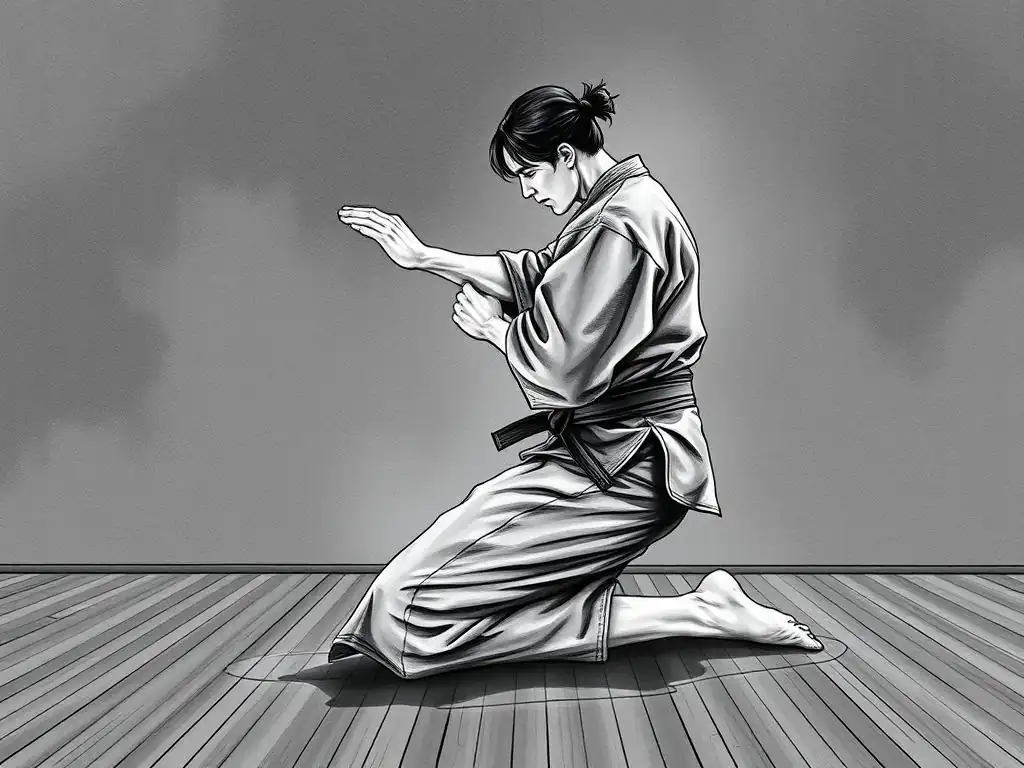
Transitioning from Defense to Counterattack: A Seamless Shift
The most effective judoka don't just survive submissions; they use the opponent's attacks to create their own opportunities. Transitioning from Judo arm lock defense to a counterattack requires timing, awareness, and seamless technical execution. As the opponent commits their energy and body weight to applying an arm lock, they often expose weaknesses in their own posture or base. Recognizing these vulnerabilities during the escape process is key.
For instance, when escaping juji-gatame by bridging and turning, the opponent is often stacked awkwardly on their shoulders. This compromised position is ripe for a counter. As you free your arm and complete the turn, you are often in a dominant position, such as on top in their guard or even in side control.
The transition must be immediate and fluid. Instead of just celebrating the escape, you should already be thinking about securing a dominant grip, establishing control, or setting up your own submission or pin. This mindset transforms defense from a mere survival tactic into an integral part of a dynamic offensive game.
Exploiting Weaknesses in the Opponent's Position
Every attack, including an arm lock attempt, involves a commitment of the attacker's body and focus, which invariably creates defensive openings for the defender. A key aspect of advanced Judo arm lock defense is learning to spot and exploit these weaknesses. When an opponent is fully extended applying juji-gatame, their legs are often separated, and their upper body is dedicated to maintaining the lock. This might leave their head exposed for a control, or their base unstable if you bridge and turn.
Similarly, in waki-gatame, the opponent's body is often stretched out, and their arm is committed to trapping yours. This can leave their other side exposed for a sweep, or their legs vulnerable if you can rotate your hips effectively. By understanding the mechanics of the attack, you can anticipate where their strength is focused and, consequently, where their weakness lies. Exploiting these moments of instability or exposure is the essence of turning Judo arm lock defense into offense.
Utilizing Escapes to Create Takedown Setups
Escaping arm locks, especially those initiated during transitions or from kneeling/standing positions, can directly lead to opportunities for throwing or taking down the opponent. Consider an opponent attempting a standing waki-gatame or a transitional hiza-gatame as you are both trying to establish grips. If you successfully defend by keeping your arm bent and rotating your body, you can often break their balance significantly.
In such a scenario, as you free your arm and create space, the opponent might be left momentarily off-balance, leaning forward or sideways. This is the perfect moment to transition into a throw. A successful waki-gatame escape might leave the opponent's arm extended and their body vulnerable to an entry for osoto-gari (major outer reaping) or ko-uchi-gari (minor inner reaping). A well-timed hiza-gatame escape during a scramble could immediately set up a tai-otoshi (body drop) or harai-goshi. These transitions require practice, but they are a powerful demonstration of how effective Judo arm lock defense can directly fuel offensive judo.
Advanced Judo Arm Lock Defense Strategies
Anticipating and Preventing Arm Lock Attempts
The most advanced form of Judo arm lock defense isn't just about escaping; it's about preventing the attack from ever reaching a dangerous stage. This requires anticipation, understanding your opponent's tendencies, and controlling the fundamental aspects of grappling: posture, distance, and grips. By maintaining strong posture, you deny the opponent the leverage needed for many arm lock entries. For example, keeping your back straight and head up in someone's guard makes it much harder for them to pull you forward and throw their legs over your head for juji-gatame.
Controlling the distance is also key. In groundwork, preventing the opponent from isolating your arm and getting their body into position is crucial. This involves intelligent hip movement, framing with your arms, and maintaining a defensive structure. Grip fighting plays a vital role; preventing the opponent from establishing dominant grips on your sleeves or wrists significantly hinders their ability to set up an arm lock. Learning to read your opponent's grip intentions and effectively breaking grips before the attack is initiated is a hallmark of proactive Judo arm lock defense.
Combining Defensive Techniques for Enhanced Protection
Effective Judo arm lock defense rarely relies on a single, isolated technique. Advanced defense involves combining multiple defensive actions simultaneously or in quick succession. For instance, defending juji-gatame isn't just about bridging; it's about bridging while gripping your own gi, while using your free hand to disrupt their grip, and while turning your body. These elements work in concert to maximize your chances of escape.
Similarly, defending against a standing arm lock might involve simultaneously dropping your weight, bending your arm, rotating your hips, and using your free hand to push. The best Judo arm lock defense strategies are layered, addressing multiple aspects of the opponent's attack (their grip, their posture, their leverage, their base) at the same time. This multi-faceted approach makes the defense more robust and harder for the opponent to overcome with a single, simple adjustment.
Drills and Training Exercises for Effective Arm Lock Defense
Developing reliable Judo arm lock defense requires consistent and focused training. Drills are essential for building muscle memory, improving reaction time, and refining technique under pressure. Partner drills that simulate specific arm lock entries and escapes are invaluable. For example, one partner can practice applying juji-gatame slowly, allowing the other partner to focus on the step-by-step escape process: protecting the arm, gripping the gi, bridging, turning, and freeing the arm.
These drills should progress from slow, cooperative movements to faster, more resistant scenarios. Another effective drill involves positional sparring where the round starts with one person already in a common arm lock submission hold (like juji-gatame from guard or waki-gatame from side control), and the other person's sole objective is to escape, while the attacker's objective is to finish the submission. This high-intensity, focused practice is crucial for developing effective Judo arm lock defense under realistic conditions.
Partner Drills for Practicing Escapes and Counters
Partner drills are the backbone of learning Judo arm lock defense. One drill could involve starting with one person having a sleeve grip and the other person's arm isolated, practicing the initial grip break and posture recovery specific to juji-gatame entries. Another drill could be starting in side control with the attacker attempting to secure waki-gatame, while the defender focuses solely on preventing the extension and turning away.
A progressive drill could start from a standing grip fight, with one partner attempting a transitional arm lock setup (like waki-gatame or a drop hiza-gatame), and the other partner's goal is to defend, escape, and immediately transition into a sweep or takedown attempt. This type of drilling, moving from defense directly into offense, is critical for developing a dynamic Judo arm lock defense game and learning to capitalize on the opponent's commitment.
Solo Drills for Developing Reflexes and Muscle Memory
While partner drills are essential, certain aspects of Judo arm lock defense can be improved through solo practice. These drills focus on developing the fundamental body movements, reflexes, and muscle memory required for escapes. Practicing bridging repeatedly helps build hip strength and explosive power needed for escapes like the juji-gatame bridge.
Shadow grappling, where you visualize an opponent applying an arm lock and practice the physical motions of the escape (tucking the chin, gripping the gi, turning the hips, shrimping) without a partner, helps engrain the correct body mechanics. Practicing rotational movements and maintaining a tight, bent arm posture while simulating resistance can also be done solo. While solo drills cannot replicate the pressure of a real opponent, they are valuable for refining the physical components and building the foundational muscle memory necessary for effective Judo arm lock defense.
The Mental Aspect of Judo Arm Lock Defense
Maintaining Composure Under Pressure
Being caught in an arm lock can be a high-pressure situation, especially in competition or a real self-defense scenario. The immediate threat of pain or injury can trigger panic, leading to poor decisions and ineffective technique. Maintaining composure is arguably the most critical mental skill in Judo arm lock defense. This involves staying calm, breathing, and relying on your training rather than reacting emotionally.
Developing composure comes through repeated exposure to these stressful situations in a controlled environment, such as randori or specific positional sparring. The more you practice escaping arm locks with increasing resistance, the more comfortable you become with the feeling of being under pressure. Learning to recognize the point of danger without panicking allows you to execute your trained escape techniques effectively, rather than flailing or giving up prematurely.
Developing a Strategic Mindset
Effective Judo arm lock defense is not just a physical reaction; it requires a strategic mindset. This means thinking ahead, anticipating the opponent's moves, and having a plan for what to do if caught. A strategic mindset involves understanding the different phases of an arm lock attack – the setup, the entry, the application, and the finish – and knowing what your defensive goals are at each stage.
Before the attack is even initiated, your strategy should involve maintaining good posture and grip fighting to prevent the setup. If the opponent gets an entry, your strategy shifts to immediate grip breaks and posture recovery. If the lock is applied, your strategy focuses on protecting the joint and executing a specific escape technique. This forward-thinking, phase-based approach to Judo arm lock defense allows for a more proactive and effective response than simply reacting blindly.
Visualizing Successful Escapes
Visualization is a powerful tool in martial arts training, and it is particularly useful for Judo arm lock defense. Mentally rehearsing escape techniques helps solidify the sequence of movements and builds confidence. Imagine yourself being caught in juji-gatame or waki-gatame, and then visualize yourself calmly executing the escape steps perfectly: gripping your gi, bridging, turning, and freeing your arm.
Regularly visualizing successful Judo arm lock defense scenarios can help reduce anxiety and improve performance under pressure. It reinforces the correct technical details and helps you mentally prepare for the physical sensations of being in a submission. This mental preparation, combined with physical drilling, creates a more resilient and effective defender.
Common Mistakes in Judo Arm Lock Defense and How to Avoid Them
Over-Reliance on Strength and Ignoring Technique
One of the most common pitfalls in Judo arm lock defense is attempting to muscle out of a submission using pure strength. While strength can play a supportive role, an opponent with proper technique and leverage will almost always overcome brute force. Trying to simply pull your arm straight out of a well-applied arm lock is not only ineffective but significantly increases the risk of injury, potentially leading to sprains, tears, or even fractures.
Avoiding this mistake requires discipline and trust in your training. Instead of tensing up and pulling with all your might, focus on executing the specific technical steps of the escape: protecting the joint, breaking grips, changing angles, and using hip movement and bridging. For example, attempting to pull your arm straight out of juji-gatame is far less effective and more dangerous than bridging and turning to break the opponent's leverage. Relying on technique over strength is paramount for safe and effective Judo arm lock defense.
Panicking and Making Hasty Decisions
Panic is the enemy of effective Judo arm lock defense. When caught in a submission, the natural instinct can be to panic and react impulsively – tapping out too early, making a wild movement that worsens the situation, or freezing up entirely. Hasty, unplanned actions under pressure rarely lead to successful escapes and often exacerbate the danger.
To avoid panicking, cultivate composure through consistent, pressure-testing drills like positional sparring. Learn to recognize the discomfort and pressure of a submission attempt without letting it overwhelm your ability to think and act. Develop a default sequence of defensive actions for common arm locks, so that even under stress, you can initiate a trained response rather than reacting randomly. A calm mind is crucial for executing the precise movements required for successful Judo arm lock defense.
Failing to Maintain Proper Posture and Balance
Many arm lock setups and finishes rely on the defender having poor posture or being off-balance. Failing to maintain a strong base and good posture is a significant mistake that makes you vulnerable to attacks and hinders your ability to defend effectively. For example, having your posture broken down in someone's guard makes it easy for them to attack your arms. Being flat on your back without active feet or hips makes it hard to bridge or shrimp for escapes.
Throughout any grappling exchange, constantly be aware of your posture and balance. In guard, keep your back straight and base wide. In side control, maintain frames and hip engagement. When defending a standing arm lock, keep your base low and stable. By prioritizing good posture and balance, you make it much harder for the opponent to initiate arm locks in the first place, and you maintain the structural integrity needed to power your Judo arm lock defense techniques if an attack occurs.
Judo Arm Lock Defense: A Key to Martial Arts Mastery
Continuous Learning and Adaptation in Judo Grappling
The journey to mastery in judo, particularly in the complex area of grappling and joint locks, is one of continuous learning and adaptation. Opponents constantly evolve their attacks and defenses, and new variations or strategies emerge. Therefore, effective Judo arm lock defense requires staying current with techniques, refining your own responses, and being able to adapt your defense based on the specific opponent and situation.
This involves regularly reviewing fundamental escape techniques, exploring variations, and learning how opponents might counter your standard defenses. Attending clinics, studying competition footage (like analyzing how elite judoka escape specific arm locks in Grand Slam events), and training with different partners who apply techniques in slightly different ways are all part of this ongoing process. True mastery in Judo arm lock defense means being a perpetual student, always seeking to improve and adapt.
Integrating Arm Lock Defense into a Comprehensive Judo Game
Effective Judo arm lock defense cannot exist in isolation; it must be seamlessly integrated into a judoka's overall game, encompassing both nage-waza (throwing techniques) and katame-waza. Defense against arm locks is intrinsically linked to positional control, transitions, and even stand-up technique. A strong stand-up game can prevent the fight from going to the ground in disadvantageous positions where arm locks are easily applied.
Conversely, knowing how to defend arm locks allows a judoka to engage more confidently in ground fighting and transitions, knowing they have the tools to escape danger. Integrating Judo arm lock defense means practicing transitions to and from arm lock scenarios, understanding how escapes can lead to pins ( osae-komi) or chokes ( shime-waza), and recognizing how positional strategies (like maintaining strong base in guard or securing upper body control in side control) are your first line of defense against arm locks. It's about seeing the defense as part of a larger, interconnected system of techniques and strategies.
The Role of Ukemi (Breakfalls) in Preventing Injury During Arm Lock Defense
While mastering escape techniques is paramount for Judo arm lock defense, understanding and utilizing ukemi (breakfalls) is equally critical for safety, especially when an escape attempt is unsuccessful or the lock is applied rapidly. A proper breakfall can absorb the impact of being thrown or pulled into a position, but ukemi also applies to submitting safely to a joint lock before injury occurs.
Recognizing when an arm lock is too deep to escape and knowing when to tap out is a vital aspect of Judo arm lock defense and overall judo safety. Tapping quickly and clearly prevents serious injury. Furthermore, even during an escape attempt, if you feel sudden, sharp pain, tapping is the correct ukemi. Training partners should also be highly sensitive to taps and release the pressure immediately. While the focus is on defense and escape, acknowledging the role of safe submission ( ukemi in this context) is fundamental to long-term training and health in judo.
Conclusion: Mastering Judo Arm Lock Defense for Competitive Success and Self-Defense
Frequently Asked Questions
How crucial is anticipating an arm lock attempt in Judo?
It's extremely crucial. Early anticipation allows you to break the opponent's posture and disrupt their setup, significantly reducing the chance of a successful submission.
What is the first step in defending against a Judo arm lock, according to MartialArtsMastery.org?
The first step is typically to maintain proper posture and avoid extending your arm unnecessarily. This prevents your opponent from establishing the initial grip and control needed for the arm lock.
Besides blocking, what other defensive strategies does MartialArtsMastery.org recommend for Judo arm lock defense?
MartialArtsMastery.org suggests using strategic movement and body positioning to create space and disrupt the attacker's balance, making it harder to apply the lock.
Can you effectively counter a Judo arm lock once it's fully applied?
While difficult, it's possible. MartialArtsMastery.org emphasizes precise and powerful escapes, often involving bridging or rotational movements to relieve pressure and break free from the hold.
How does MartialArtsMastery.org advise turning a Judo arm lock defense into an offensive opportunity?
By using the opponent's attack against them. This involves exploiting their imbalance during the arm lock attempt to execute a throw or transition into a more advantageous position.
Final Reflection: Mastering the Art of Judo Arm Lock Defense
The techniques and strategies explored in this article highlight that effective Judo arm lock defense is not merely about survival, but about seizing opportunity. It's a dynamic interplay of understanding your opponent's intentions, anticipating their movements, and transforming a seemingly disadvantageous position into a pathway for your own attack. This principle resonates far beyond the tatami, reminding us that even in the face of adversity, proactive defense can lead to unexpected triumphs.
The ability to seamlessly transition from defense to offense in Judo arm locks demonstrates a deeper understanding of leverage, timing, and control. This understanding, cultivated through dedicated practice and mindful application, transcends the physical realm and influences our approach to challenges in all aspects of life. As Jigoro Kano, the founder of Judo, wisely stated: Judo is the way to the most effective use of both physical and spiritual strength. By training one's self to understand the principles of Judo, one develops not only one's body but also one's mind and spirit.
Now, as you step off the mat, consider how you can apply these principles of proactive defense in your own life. How can you anticipate challenges, leverage your strengths, and transform potential setbacks into opportunities for growth? Embrace the spirit of Judo, not just as a martial art, but as a philosophy for navigating the complexities of life with resilience, adaptability, and unwavering determination.
Unleash Your Inner Escape Artist!
Thank you for delving into the art of judo arm lock defense! You've gained valuable insights into turning defensive maneuvers into offensive opportunities. Now, it's time to put that knowledge into action and further refine your skills.
Here's how you can continue your journey:
- Immediately practice the escape techniques described in this article with a trusted training partner, focusing on smooth transitions and controlled movements.
- Explore advanced judo principles by researching the biomechanics of arm locks and how leverage can be used to maximize your defensive and offensive capabilities.
- Share this article with your fellow martial artists and start a discussion on your favorite escape strategies and personal modifications!
What's one innovative drill you'll incorporate into your training to master these arm lock defenses?