
The Cultural Impact of Ip Man: From Hong Kong to Global Phenomenon

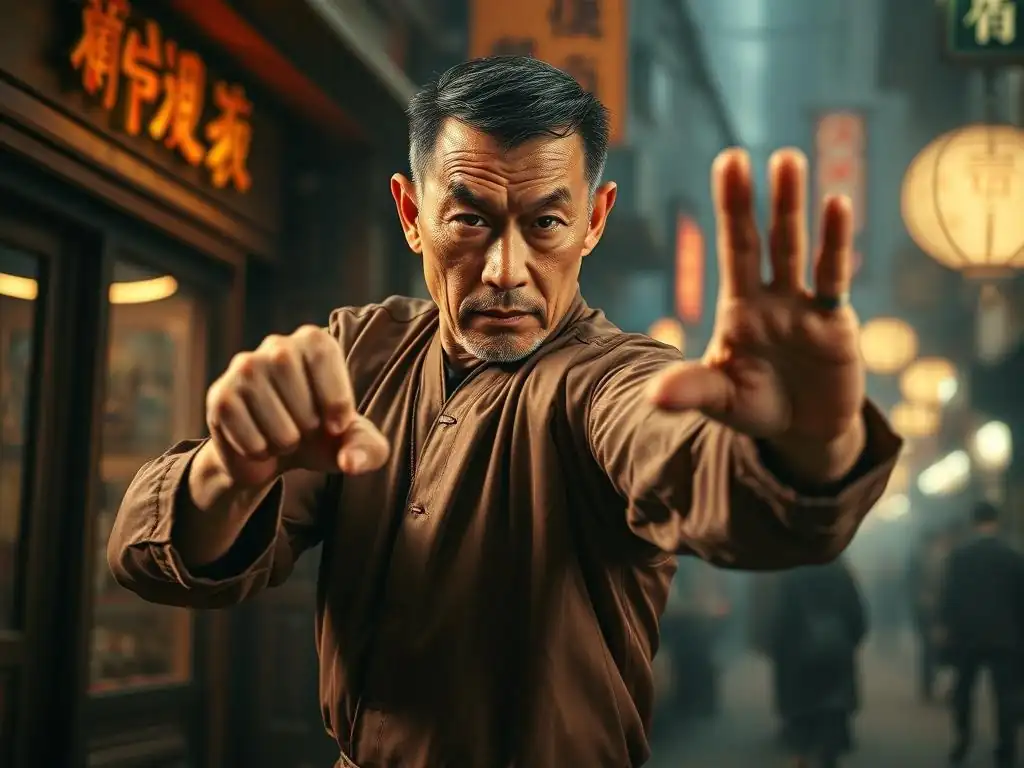
Welcome to Martial Arts Mastery, your gateway to the world's fighting arts. Ever wondered how a Wing Chun master from Foshan shaped Hong Kong's identity and captivated the globe? Delve into the fascinating story of Ip Man and his indelible mark on Hong Kong culture, exploring his techniques, philosophy, and the ripple effect of his legacy. Discover how this martial arts icon transcended the dojo to become a symbol of resilience and cultural pride. Let's begin!
- Introduction: Ip Man, More Than Just a Martial Artist
- Ip Man's Influence on Hong Kong Culture
- Ip Man's Global Spread: The Wing Chun Phenomenon
- Ip Man and Modern Martial Arts: A Lasting Impact
- Ip Man: Addressing Misconceptions and Clarifying Historical Accuracy
- The Future of Ip Man's Legacy: Preserving and Promoting Wing Chun
- Conclusion: Ip Man – A Cultural Icon
-
Frequently Asked Questions
- How did Ip Man's life and teachings reflect Hong Kong culture?
- What aspects of Hong Kong society influenced Ip Man's approach to martial arts?
- How did Ip Man contribute to the preservation of Hong Kong's cultural identity?
- How did the Ip Man films contribute to the global understanding of Hong Kong culture?
- What is Ip Man's legacy in relation to Hong Kong culture today?
- Final Reflection: Echoes of Wing Chun, Resonances of Culture
- Embrace the Wing Chun Spirit!
Introduction: Ip Man, More Than Just a Martial Artist
The Rise of Ip Man: A Foshan Kung Fu Master in Hong Kong
Ip Man, born Ip Kai-man in 1893 in Foshan, China, hailed from a wealthy merchant family and received a traditional education alongside his martial arts training. He became a prominent figure in the Foshan Wing Chun community, known for his refined technique and deep understanding of the art.
However, the political turmoil in China in the late 1940s, specifically the Communist victory in the civil war, forced him to flee his hometown. Like many others seeking refuge and opportunity, Ip Man relocated to Hong Kong in 1949, a move that would inadvertently set the stage for Wing Chun's unprecedented global spread.
Arriving in Hong Kong, Ip Man initially faced hardship, having lost his family fortune and status. He began teaching Wing Chun in various locations, starting with small classes in the Hong Kong and Kowloon Restaurant Association building. His early students were often fellow refugees or working-class individuals.
Despite the initial struggles, his reputation as a skilled practitioner grew, attracting more students. This period in Hong Kong was crucial; it was where he adapted his teaching methods for a more diverse group of students, laying the groundwork for Wing Chun's accessibility and future popularity, deeply embedding his style within the burgeoning Hong Kong martial arts scene.
Defining Ip Man's Legacy: Impact Beyond Wing Chun
Ip Man's legacy extends far beyond merely being a skilled Wing Chun master. His move to Hong Kong and subsequent teaching career there were pivotal in transitioning Wing Chun from a relatively obscure Southern Chinese martial art to a globally recognized system. He standardized teaching methods to some extent, making the art more transmissible to a wider audience than the traditional, often secretive, family-based instruction common in earlier eras. This pragmatic approach was essential for its survival and growth in the dynamic urban environment of post-war Hong Kong.
Furthermore, Ip Man's influence is profoundly felt through his students, particularly the globally renowned Bruce Lee. Lee's international fame catapulted Wing Chun into the spotlight, directly linking back to Ip Man as his primary Sifu. This lineage connection cemented Ip Man's place in martial arts history. His quiet dedication and commitment to his art in Hong Kong provided the fertile ground from which Wing Chun could eventually blossom worldwide, making his story integral to understanding the development of modern martial arts culture.
Ip Man's Influence on Hong Kong Culture
Wing Chun and the Spirit of Hong Kong: Resilience and Adaptation
Wing Chun, as taught by Ip Man in Hong Kong, resonated deeply with the spirit of the city during a period of significant transition and growth. Post-war Hong Kong was a hub of immigrants and a society built on resilience, hard work, and adaptability. Wing Chun, with its emphasis on efficiency, practicality, and utilizing an opponent's force, mirrored these characteristics. It wasn't a flashy or overly athletic style, making it accessible to people of varying sizes and strengths, fitting for a population focused on survival and making a living in a crowded, competitive environment.
The accessibility of Wing Chun under Ip Man contributed to its integration into the fabric of Hong Kong life. Unlike some traditional arts that required extensive physical conditioning or focused on elaborate forms, Wing Chun's core principles could be grasped relatively quickly, providing practical self-defense skills. This practicality appealed to ordinary citizens. The growth of Wing Chun schools in Hong Kong during the 1950s and 60s, expanding beyond the initial small classes, demonstrates its increasing acceptance and integration into the city's bustling cultural landscape, becoming a tangible part of Ip Man Hong Kong culture.
Ip Man's Portrayal in Hong Kong Cinema: Shaping Post-Colonial Identity
The cinematic portrayals of Ip Man have profoundly shaped his image and, by extension, influenced the perception of Hong Kong martial arts culture both locally and internationally. While biographical details are often dramatized for narrative effect, films like the Ip Man series starring Donnie Yen have depicted him as a stoic, principled master defending Chinese dignity against foreign aggressors, often set against the backdrop of historical events in Foshan and Hong Kong. These films gained massive popularity, particularly in the 2000s and 2010s.
These cinematic interpretations, especially those set in Hong Kong, tap into themes of national identity, resilience, and the preservation of tradition in a changing world. They portray Wing Chun not just as a fighting system but as a symbol of cultural heritage and strength. The success of these movies has cemented Ip Man's status as a cultural icon in Hong Kong and beyond, introducing millions to Wing Chun and portraying a romanticized but impactful vision of the martial artist's role in turbulent times, significantly contributing to the modern understanding of Ip Man Hong Kong culture.
Preserving Hong Kong Martial Arts Heritage: Ip Man's Contribution
Ip Man played a crucial role in preserving and promoting a specific lineage of Wing Chun at a time when traditional martial arts faced challenges from modernization and changing social structures in Hong Kong. By opening schools and accepting numerous students from diverse backgrounds, he ensured that the art was passed down to a new generation, preventing it from potentially fading into obscurity as many other traditional styles did or became highly localized. His willingness to teach openly, albeit with varying degrees of detail depending on the student, was vital.
His most significant contribution to preservation wasn't just teaching Wing Chun techniques, but fostering a community of practitioners in Hong Kong. This community, including prominent students like Leung Sheung, Lok Yiu, Chu Shong Tin, Wong Shun Leung, and of course, Bruce Lee, became the torchbearers of his lineage. They, in turn, established their own schools and spread the art further, ensuring that Ip Man's version of Wing Chun became a dominant force in Hong Kong martial arts and a foundation for its global expansion. This network of practitioners is a direct result of his efforts in the city.
Ip Man's Global Spread: The Wing Chun Phenomenon
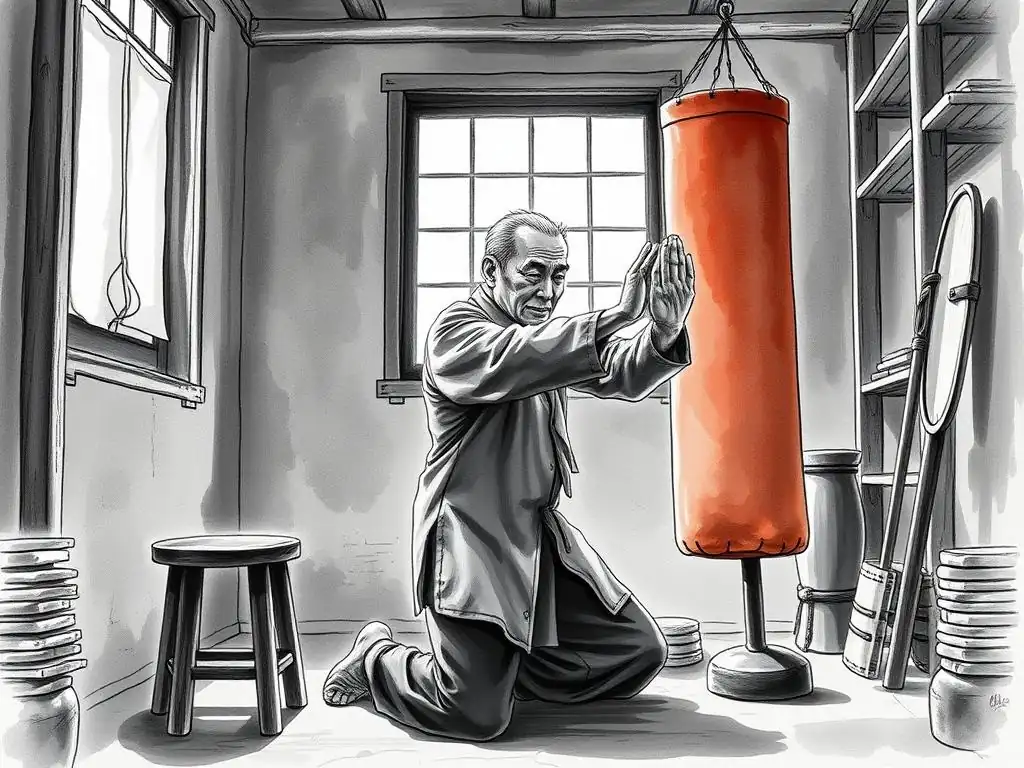
Bruce Lee and the Globalization of Wing Chun: A Catalyst for Ip Man's Recognition
The global fame of Bruce Lee served as the primary catalyst for introducing Wing Chun, and by extension, Ip Man, to a massive international audience. Lee, who trained with Ip Man in Hong Kong during the 1950s for approximately four to five years, often credited Wing Chun as the foundation of his martial arts philosophy and later development into Jeet Kune Do. His electrifying presence in Hollywood films in the 1970s created a worldwide fascination with Chinese martial arts.
As fans and practitioners sought to understand the roots of Lee's skills, they inevitably traced his lineage back to his Sifu, Ip Man. This sparked international interest in Wing Chun. Lee's endorsement, combined with the mystery surrounding the art at the time, led to the establishment of some of the earliest Wing Chun schools outside of Asia, often founded by Ip Man's other students or their disciples who emigrated from Hong Kong. Bruce Lee's fame effectively put Wing Chun on the global map, highlighting the significance of his training under Ip Man in Hong Kong.
Ip Man Films: Popularizing Wing Chun Internationally
While Bruce Lee initiated global interest, the series of biographical films about Ip Man, starting notably with Ip Man (2008), solidified his personal image and the art of Wing Chun in the global consciousness. These films, produced primarily in Hong Kong and mainland China, achieved significant international box office success and critical acclaim, introducing Ip Man's story and Wing Chun's distinctive movements to millions who had never heard of either. The films often featured dramatic, stylized fight choreography showcasing Wing Chun's core techniques like chain punches, trapping, and close-range combat.
The popularity of these films led to a surge in interest in learning Wing Chun worldwide. Martial arts schools reported increased enrollment, and new Wing Chun academies opened in numerous countries. The films presented Wing Chun as an effective, practical, and philosophically rich martial art, directly linking its appeal to the character and history of Ip Man. This cinematic wave was arguably the most significant factor in making Wing Chun a truly global phenomenon in the 21st century, building directly upon the foundation Ip Man established in Hong Kong.
Wing Chun Schools Worldwide: A Testament to Ip Man's Enduring Appeal
Today, Wing Chun schools can be found in virtually every major city across continents, a direct testament to the enduring appeal of the art and the legacy of Ip Man. While precise numbers are difficult to ascertain, estimates suggest there are thousands of Wing Chun schools and training groups globally, teaching various lineages that trace back to Ip Man's time in Hong Kong. This widespread presence is a remarkable achievement for a style that was relatively confined to southern China just over half a century ago.
The global network of Wing Chun practitioners represents a living, evolving legacy. Students from diverse cultural backgrounds are drawn to its practical self-defense applications, its emphasis on efficiency, and the philosophical undertones often associated with the art. This global community, connected through a shared history stemming from Ip Man's teachings in Hong Kong, continues to grow, adapting Wing Chun to new environments while striving to maintain core principles passed down through his lineage.
Ip Man and Modern Martial Arts: A Lasting Impact
The Evolution of Wing Chun: From Hong Kong Roots to Global Adaptations
Wing Chun, as it spread from its Hong Kong base to the rest of the world, has undergone various degrees of evolution and adaptation. While core principles like centerline control, simultaneous block and strike, and efficient movement remain central, practitioners in different countries and lineages have sometimes introduced variations in training methods, forms, and applications. This evolution is a natural part of any living martial art, influenced by the environment, the needs of practitioners, and cross-training with other disciplines.
Some adaptations include incorporating modern sports science principles into training, developing specific conditioning exercises, or exploring applications against techniques from other martial arts. However, the fundamental structure and theories largely remain rooted in the system codified and widely taught by Ip Man in Hong Kong. Discussions within the global Wing Chun community often revolve around balancing innovation with the preservation of the original system's integrity, reflecting the dynamic nature of a traditional art in the modern era.
Ip Man's Philosophical Influence: Mindfulness and Self-Discipline in Martial Arts
Beyond the physical techniques, Ip Man's approach to Wing Chun emphasized philosophical aspects that continue to influence modern martial arts training. His teachings, as recounted by his students, stressed the importance of mindfulness – being fully present and aware during practice and application. This includes sensitivity training like Chi Sao (sticky hands), which cultivates proprioception and tactile reflexes, demanding focused attention.
Furthermore, the rigorous and often repetitive nature of Wing Chun training instills self-discipline. Mastering the forms, practicing fundamental drills repeatedly, and developing the necessary sensitivity require patience, perseverance, and dedication. These qualities, central to traditional martial arts pedagogy, are vital for personal development and remain relevant in contemporary martial arts practice. Ip Man's quiet dedication in Hong Kong exemplified these virtues, providing a model for future generations.
Ip Man's Influence on MMA and Other Combat Sports: Emphasis on Close-Range Combat
While Wing Chun is not typically practiced as a competitive sport in the same way as boxing or Judo, its core principles, particularly the emphasis on close-range fighting, trapping, and simultaneous defense and offense, have found relevance or parallels in modern combat sports, including Mixed Martial Arts (MMA). Many MMA fighters and coaches study various martial arts systems to broaden their understanding, and Wing Chun's unique approach to infighting offers valuable insights.
Techniques such as the straight punch, using structure for power, controlling the opponent's limbs, and maintaining a strong central line are concepts explored in Wing Chun that have practical applications in close-quarters grappling and striking exchanges seen in MMA. Although direct, explicit adoption of Wing Chun techniques in MMA is rare, the underlying principles of efficiency, sensitivity in close range, and exploiting structure resonate with the strategic considerations in high-level combat sports. Ip Man's focus on practical, direct fighting in Hong Kong laid the groundwork for these concepts.
Ip Man: Addressing Misconceptions and Clarifying Historical Accuracy
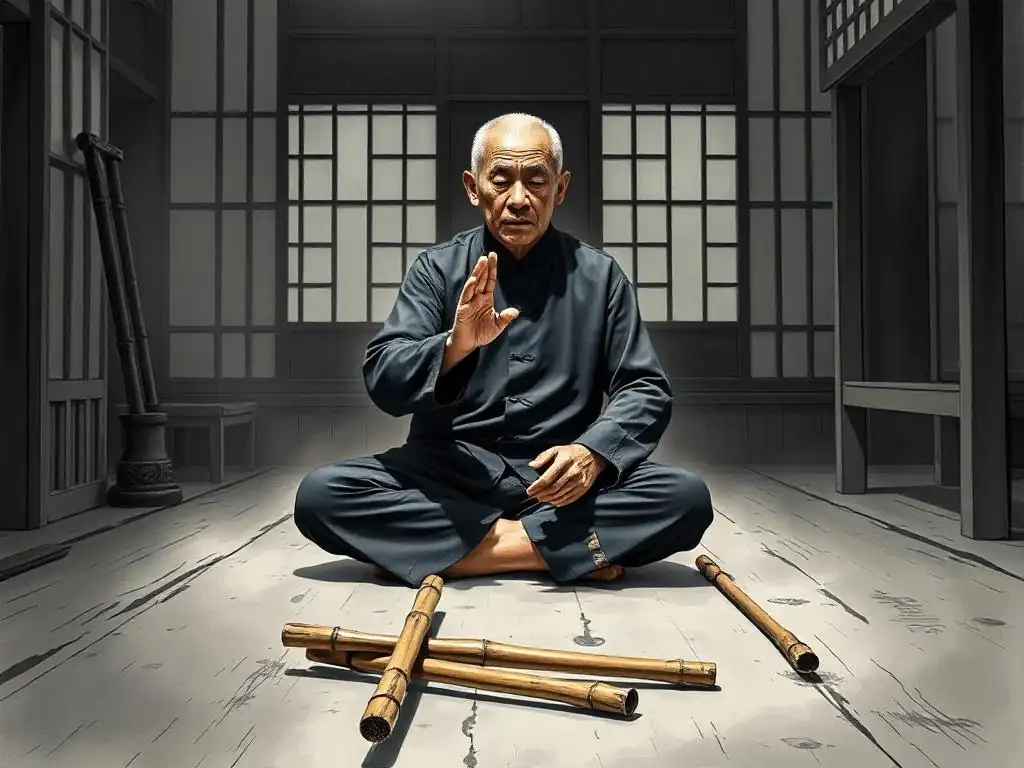
Separating Fact from Fiction: Examining the Ip Man Legend
The immense popularity of the Ip Man films has inevitably led to a blurring of lines between historical fact and cinematic fiction. While the films are credited with bringing Ip Man and Wing Chun to global attention, they are dramatic interpretations that take significant liberties with historical events, timelines, and even the portrayal of Ip Man's character and abilities. For example, the films often depict him engaging in numerous high-stakes fights against clear antagonists, which may not accurately reflect his actual life as primarily a teacher in Hong Kong.
It is crucial for anyone interested in Ip Man or Wing Chun to understand that the films are entertainment first and foremost. While they capture some essence of the period and the challenges faced by martial artists in Hong Kong, they should not be treated as documentaries. Historical accounts from his students and contemporaries, as well as biographical research, provide a more nuanced and accurate picture of his life, his challenges in establishing himself in Hong Kong, and his actual contributions to the martial art.
The Real Ip Man: Beyond the Cinematic Portrayals
The historical Ip Man was, by all accounts from his students, a relatively quiet, reserved, and highly skilled martial artist dedicated to his craft. Unlike the often larger-than-life figure depicted on screen, the real Ip Man in Hong Kong was a teacher focused on passing down his knowledge. He faced practical challenges like finding suitable locations to teach, managing student fees, and navigating the complex social landscape of post-war Hong Kong.
His teaching style was reportedly demanding, emphasizing foundational principles and consistent practice. While he was undoubtedly a formidable fighter, his primary impact was through education and the community he built around Wing Chun. Accounts suggest he enjoyed social activities like playing mahjong and was a man of his time, facing personal struggles and triumphs away from the grand heroic narratives of the films. Understanding the real Ip Man provides a more grounded appreciation of his actual contribution to Ip Man Hong Kong culture and Wing Chun history.
The Importance of Context: Understanding Ip Man's Life in Hong Kong
To truly appreciate Ip Man's legacy, it is essential to understand the historical and social context of his life in Hong Kong. He arrived as a refugee in a city undergoing rapid transformation. Hong Kong was a melting pot of cultures and a place where traditional Chinese arts had to adapt to survive and thrive in a modernizing British colony. The martial arts schools of the era were not just training centers but also social hubs, sometimes associated with trade unions or specific communities.
Ip Man's success in establishing Wing Chun schools in this environment speaks to his adaptability and the practicality of the art itself. His students came from diverse backgrounds, reflecting the city's population. His life in Hong Kong spanned significant decades, from the 1950s through the early 1970s, a period of immense change for both the city and its martial arts scene. Understanding this context helps to explain why his specific approach to Wing Chun resonated so strongly and became the version that eventually spread globally, cementing his place in Ip Man Hong Kong culture.
The Future of Ip Man's Legacy: Preserving and Promoting Wing Chun
Wing Chun in the Digital Age: Online Resources and Training
The digital age presents both opportunities and challenges for preserving and promoting Ip Man's legacy and Wing Chun. Numerous websites, social media groups, and online platforms are dedicated to Wing Chun, offering information, historical discussions, and even online training resources. This digital presence allows for unprecedented global access to information about the art, connecting practitioners across continents and helping to disseminate knowledge quickly and widely.
However, the rise of online-only instruction also sparks debate within the community about the effectiveness and authenticity of learning a tactile art like Wing Chun without direct, in-person guidance from an experienced Sifu. While digital tools can supplement training and provide valuable historical context and theoretical understanding, the hands-on nature of Wing Chun, particularly partner drills like Chi Sao, traditionally requires physical interaction. The future will likely see a blend of digital resources supporting traditional, in-person training methods tracing back to Ip Man's methods in Hong Kong.
The Role of Ip Man's Descendants: Continuing the Lineage
Ip Man had two sons, Ip Chun and Ip Ching, both of whom became respected Wing Chun practitioners and teachers in Hong Kong, continuing their father's lineage. After Ip Man's passing in 1972, his sons, along with other senior students, took on the responsibility of preserving and promoting his specific branch of Wing Chun. They have traveled internationally, conducted seminars, and continued to teach at their schools in Hong Kong, serving as living links to their father's original teachings.
The role of these direct descendants and other senior students is vital in maintaining the integrity of the lineage and sharing the knowledge and principles as they were taught by Ip Man. While different branches and interpretations exist within the broader Wing Chun family, the schools and associations directly linked to Ip Man's sons and prominent first-generation students play a crucial role in acting as custodians of his specific legacy and ensuring that his version of Ip Man Hong Kong culture continues to be passed down.
Ensuring Authenticity: Maintaining the Integrity of Wing Chun Training
As Wing Chun continues to spread globally, ensuring the authenticity and maintaining the integrity of the training are significant concerns for dedicated practitioners. With numerous schools and instructors, the quality and fidelity of the teaching can vary widely. Authentic Wing Chun training, based on the principles taught by Ip Man, emphasizes structure, relaxation, sensitivity, and the development of specific body mechanics rather than just memorizing forms or techniques.
Efforts to maintain authenticity often involve strict adherence to traditional training methods, rigorous Sifu certification processes within established lineages, and a focus on the underlying principles rather than superficial movements. Organizations and associations dedicated to Ip Man's lineage work to standardize teaching to some extent and provide resources for students to find reputable instructors. Preserving the essence of the Wing Chun taught by Ip Man in Hong Kong is seen as crucial for the long-term health and effectiveness of the art worldwide.
Conclusion: Ip Man – A Cultural Icon
Ip Man's Enduring Significance in Hong Kong and Beyond
Ip Man's journey from Foshan to becoming a revered master in Hong Kong and a global icon is a remarkable story of resilience, dedication, and cultural impact. His arrival and subsequent teaching career in Hong Kong were the pivotal moments that transformed Wing Chun's trajectory. He provided a stable base for the art during a period of great change, attracting students who would eventually carry his teachings across the globe. His significance in Hong Kong martial arts culture is undeniable, representing a key figure in the city's post-war martial arts boom.
Beyond Hong Kong, his influence, amplified first by Bruce Lee and later by popular films, has made Wing Chun one of the most recognized Chinese martial arts worldwide. He is celebrated not just as a martial artist but as a symbol of perseverance and cultural pride. His legacy continues to inspire practitioners drawn to the practical effectiveness and underlying philosophy of the art he taught.
Wing Chun: A Living Legacy Shaped by a Master
Wing Chun today is a living legacy, constantly practiced and interpreted by millions, all tracing their lineage back to the schools established by Ip Man in Hong Kong. It is not a static historical artifact but a dynamic system that continues to evolve while striving to maintain its core identity. The global community of Wing Chun practitioners, from beginners to seasoned masters, is a direct result of the seeds planted by Ip Man during his decades in the city.
The art's focus on efficiency, directness, and sensitivity remains highly relevant in modern self-defense contexts. Its philosophical elements offer valuable lessons in mindfulness and self-improvement. The continued practice and teaching of Wing Chun worldwide are the most powerful testament to Ip Man's impact, showcasing how a master's dedication in one specific location – Hong Kong – could create a martial arts phenomenon with truly global reach.
Celebrating Ip Man: A Tribute to His Contributions to Martial Arts Culture
Celebrating Ip Man means acknowledging his profound contributions to martial arts culture, particularly his role in disseminating Wing Chun from Hong Kong to the world. It involves recognizing the historical context in which he lived and taught, appreciating the principles and techniques he emphasized, and understanding the impact he had on his students and the broader martial arts landscape.
His story, though often dramatized, highlights the dedication required to preserve and transmit traditional knowledge in a changing world. The global community of Wing Chun practitioners stands as a vibrant tribute to his efforts. By studying Wing Chun, practitioners not only learn a martial art but also connect with a rich history and a legacy shaped by a master who left an indelible mark on Ip Man Hong Kong culture and the world of martial arts.
Frequently Asked Questions
How did Ip Man's life and teachings reflect Hong Kong culture?
Ip Man's life and teachings embodied the resilience and adaptability of Hong Kong culture, particularly in the face of colonial influences and societal changes. He championed Wing Chun, adapting it to modern needs, a reflection of Hong Kong's pragmatic approach.
What aspects of Hong Kong society influenced Ip Man's approach to martial arts?
The bustling urban environment and the immigrant influx in Hong Kong shaped Ip Man's practical and efficient Wing Chun style. He focused on close-quarters combat suitable for the city's dense spaces.
How did Ip Man contribute to the preservation of Hong Kong's cultural identity?
Ip Man played a crucial role in preserving and promoting Wing Chun, a martial art with deep roots in Chinese culture. His teachings helped maintain cultural connections during a period of rapid modernization in Hong Kong.
How did the Ip Man films contribute to the global understanding of Hong Kong culture?
The Ip Man films popularized Wing Chun and Hong Kong martial arts cinema globally. They showcased Hong Kong's unique history and its role as a bridge between Eastern and Western cultures.
What is Ip Man's legacy in relation to Hong Kong culture today?
Ip Man's legacy is deeply intertwined with Hong Kong culture, representing discipline, perseverance, and cultural pride. He is remembered as a cultural icon who helped shape the city's identity through martial arts.
Final Reflection: Echoes of Wing Chun, Resonances of Culture
The journey of Ip Man, chronicled from the bustling streets of Hong Kong to the global stage, reveals more than just the story of a martial arts master; it illuminates the enduring power of cultural narratives. The global fascination with Ip Man underscores the universal appeal of resilience, honor, and the preservation of tradition in the face of adversity. His story, initially rooted in Hong Kong culture, has transcended geographical boundaries, becoming a symbol of strength and cultural pride for audiences worldwide.
The impact of Ip Man extends far beyond the silver screen, deeply influencing the cultural landscape. The resurgence of interest in Wing Chun, the increased appreciation for Hong Kong cinema, and the broader celebration of Chinese martial arts are all testaments to his enduring legacy. The highest form of combat is to avoid it altogether.
This quote, often attributed to martial arts philosophy, encapsulates the essence of Ip Man's teachings and resonates with a global audience seeking peace and understanding amidst conflict.
As we reflect on the cultural phenomenon that is Ip Man, let us consider the lessons he embodies. How can we, like him, champion our own cultural heritage with pride and integrity? How can we use our skills and knowledge to inspire others and contribute to a more harmonious world? Let us embrace the spirit of Ip Man, not just as a martial artist, but as a symbol of cultural resilience and a beacon of hope for future generations.
Embrace the Wing Chun Spirit!
Thank you for diving deep into the world of Ip Man and his profound cultural impact. Now that you've explored his journey, it's time to integrate the values and lessons of Wing Chun into your own life!
Here's how you can continue your exploration:
- Dedicate 30 minutes this week to practicing a basic Wing Chun technique you researched, focusing on mindfulness and precision.
- Share this article with fellow martial arts enthusiasts and spark a discussion on Ip Man's lasting legacy.
- Explore documentaries or biographies about other influential martial artists to broaden your understanding of the discipline.
How will you honor the legacy of Ip Man in your own martial arts journey?