
Deep Breathing in Tai Chi: Enhancing Respiratory Function and Health

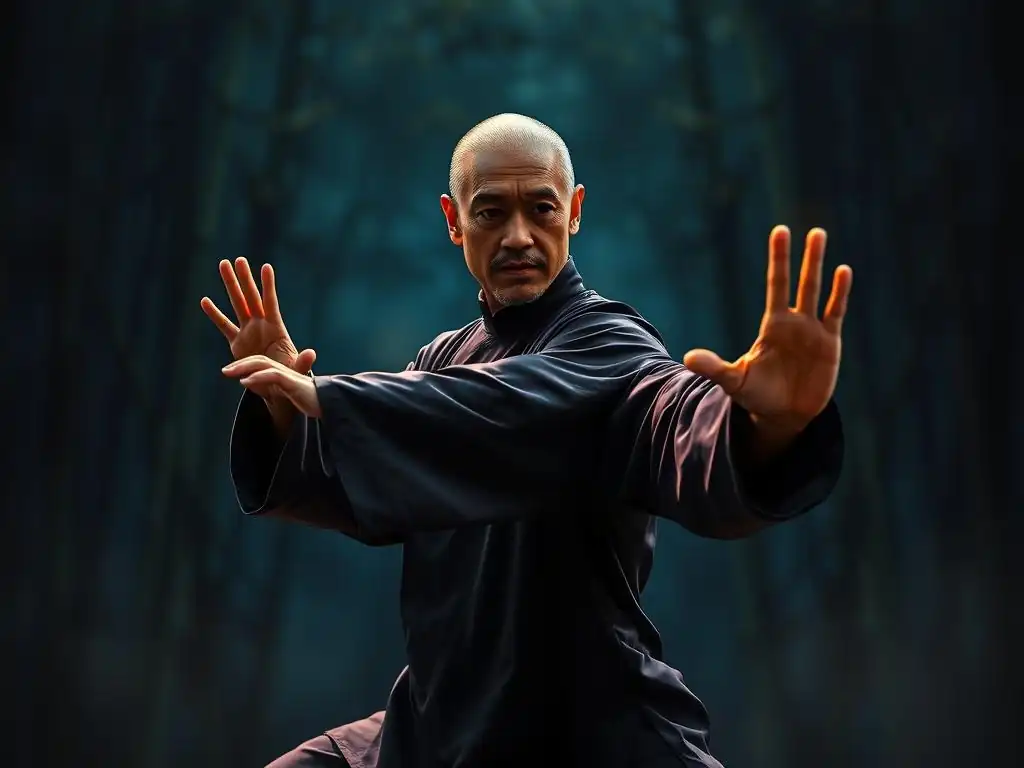
Welcome to Martial Arts Mastery, your comprehensive guide to the world's fighting arts.
Dive into the ancient practice of Tai Chi and unlock its profound secrets! But what if we told you the key to unlocking true Tai Chi mastery lies in something as simple – yet powerful – as breathing? This article explores the transformative impact of Tai Chi deep breathing health, revealing how mastering this technique can revolutionize your practice and significantly improve your well-being. Curious to learn how this gentle art can deliver such profound health benefits? Read on and breathe deeper into the world of Tai Chi.
- Introduction: The Vital Role of Deep Breathing in Tai Chi Chuan
- The Science Behind Tai Chi Deep Breathing for Respiratory Health
- Tai Chi Breathing Techniques for Improved Health
- Health Benefits of Tai Chi Deep Breathing
- Step-by-Step Guide to Practicing Tai Chi Deep Breathing
- Integrating Deep Breathing into Your Tai Chi Practice
- Tai Chi Deep Breathing and Mental Well-being
- Conclusion: Mastering Tai Chi Deep Breathing for a Healthier Life
-
Frequently Asked Questions
- What is the primary purpose of deep breathing in Tai Chi?
- How does Tai Chi deep breathing differ from regular breathing exercises?
- What are the specific health benefits associated with Tai Chi deep breathing?
- How often should I practice Tai Chi deep breathing to experience noticeable health improvements?
- Can anyone practice Tai Chi deep breathing, or are there any contraindications?
- Final Reflection: The Breath of Life in Motion
- Unleash Your Breath: Embark on Your Tai Chi Journey!
Introduction: The Vital Role of Deep Breathing in Tai Chi Chuan
Tai Chi Chuan, often referred to simply as Tai Chi, is a traditional Chinese martial art renowned for its slow, flowing movements and emphasis on mindful practice. While its martial applications are significant, Tai Chi is perhaps best known globally for its profound health benefits. Central to unlocking these benefits, particularly those related to respiratory function and overall well-being, is the practice of deep, controlled breathing.
This conscious regulation of breath is not merely an accessory to the movements but an integral element, weaving through every posture and transition. Understanding and mastering Tai Chi deep breathing health is key to experiencing the art's full potential for physical and mental rejuvenation.
The connection between breath and movement in Tai Chi is symbiotic. Unlike many forms of exercise that involve rapid, shallow breathing, Tai Chi cultivates a slow, deep, and rhythmic respiratory pattern. This deliberate approach to breathing helps to calm the nervous system, improve circulation, and enhance the body's ability to absorb oxygen and expel carbon dioxide efficiently.
It is through this focused breathwork that practitioners can tap into the internal energy, or "Qi," which is a foundational concept in Tai Chi. The cultivation of Tai Chi deep breathing health is therefore not just about physical conditioning but also about harmonizing the body and mind.
Tai Chi Breathing: A Cornerstone of Health and Wellness
Tai Chi breathing serves as a fundamental pillar supporting the health benefits derived from the practice. It is not just the act of inhaling and exhaling, but a mindful process that engages the diaphragm and expands lung capacity, promoting a more efficient exchange of gases.
This improved respiratory efficiency has far-reaching effects on the body, impacting everything from energy levels to the function of internal organs. Studies, such as those published in journals focusing on complementary and alternative medicine, have indicated that regular Tai Chi practice, with its emphasis on deep breathing, can lead to measurable improvements in respiratory parameters, particularly in populations with conditions like COPD.
Furthermore, the consistent practice of Tai Chi deep breathing health contributes significantly to stress reduction. The slow, deliberate pace of the breath triggers the body's parasympathetic nervous system, counteracting the "fight or flight" response often associated with modern life stress. This calming effect helps lower heart rate and blood pressure, contributing to overall cardiovascular health. Research presented at various medical conferences has highlighted the efficacy of Tai Chi, including its specific breathing components, in managing chronic stress and improving psychological well-being, demonstrating that the breath work is as crucial as the physical postures for achieving holistic health outcomes.
Understanding the Connection Between Breathing and Tai Chi Movements
The intricate connection between breathing and Tai Chi movements is what elevates it beyond simple physical exercise. Each movement in Tai Chi is ideally coordinated with a specific phase of the breath, either an inhalation or an exhalation. Typically, expanding or opening movements are paired with inhalation, drawing energy in, while contracting or closing movements are paired with exhalation, releasing energy or effort. This synchronization helps to regulate the flow of Qi and blood throughout the body, ensuring smooth transitions and maintaining balance, both physically and energetically.
This deliberate coordination also enhances proprioception and body awareness. By focusing on the breath as a guide for movement, practitioners become more attuned to their internal state and the subtle shifts within their bodies. This mindful connection strengthens the mind-body link, a core principle of Tai Chi.
For example, in the movement "Ward Off," the outward expansion of the arms is coordinated with an inhalation, facilitating a feeling of fullness and energy gathering, while the subsequent transition often involves an exhalation. This conscious pairing makes the Tai Chi deep breathing health practice more effective and deeply integrated into the physical form.
The Science Behind Tai Chi Deep Breathing for Respiratory Health
The physiological mechanisms underlying the respiratory benefits of Tai Chi deep breathing are well-documented. At its core, Tai Chi encourages diaphragmatic breathing, also known as abdominal breathing. This method utilizes the diaphragm, a large dome-shaped muscle located at the base of the chest cavity, as the primary muscle for breathing. Unlike shallow chest breathing, which primarily uses smaller intercostal muscles, diaphragmatic breathing allows for a more complete exchange of oxygen and carbon dioxide, drawing air deeper into the lungs. This increased efficiency can lead to improved oxygen saturation in the blood and better removal of waste gases.
Moreover, the slow pace of Tai Chi encourages longer inhalation and exhalation cycles. This elongated breathing pattern helps to regulate the respiratory rate, typically slowing it down significantly from the average resting rate of 12-20 breaths per minute to potentially as low as 6-10 breaths per minute during practice.
This slower rate allows more time for gas exchange in the alveoli and reduces the work of breathing. Scientific studies, including those involving spirometry measurements, have shown improvements in lung function parameters like forced vital capacity (FVC) and forced expiratory volume in one second (FEV1) in individuals who regularly practice Tai Chi, underscoring the tangible benefits of Tai Chi deep breathing health on the respiratory system.
How Deep Breathing Improves Lung Capacity and Function
Engaging in deep breathing exercises, as central to Tai Chi, directly impacts lung capacity and function over time. While the total volume of the lungs doesn't necessarily increase, the efficiency with which they are used improves. Diaphragmatic breathing allows the lower lobes of the lungs, which are often underutilized during shallow breathing, to fully expand. This increased utilization recruits more alveolar surface area for gas exchange, maximizing oxygen uptake and carbon dioxide expulsion.
Consistent practice of Tai Chi deep breathing health helps to strengthen the diaphragm and other respiratory muscles, making breathing easier and less effortful. This is particularly beneficial for individuals with chronic respiratory conditions, where weakened respiratory muscles can lead to shortness of breath. Research has shown that Tai Chi interventions can lead to improvements in the six-minute walk test distance and reductions in reported dyspnea (shortness of breath) in patients with chronic obstructive pulmonary disease (COPD), suggesting enhanced respiratory muscle endurance and overall lung function efficiency through dedicated Tai Chi breathing practice.
Diaphragmatic Breathing in Tai Chi: Engaging the Core
Diaphragmatic breathing is the cornerstone of Tai Chi's respiratory practice, fundamentally engaging the body's core. When performing diaphragmatic breathing correctly, the abdomen should expand on inhalation as the diaphragm contracts and descends, pushing abdominal organs downwards. On exhalation, the abdomen gently contracts inward as the diaphragm relaxes and rises. This movement is distinct from shallow chest breathing, where the chest rises and falls with minimal abdominal movement.
This deep engagement of the diaphragm not only optimizes oxygen intake but also contributes to core stability, which is vital for balance and posture in Tai Chi forms. The gentle, rhythmic movement of the diaphragm massages internal organs, potentially aiding digestion and circulation within the abdominal cavity. Mastering this aspect of Tai Chi deep breathing health requires conscious effort initially, but with practice, it becomes a natural, involuntary pattern, providing a stable base from which all Tai Chi movements originate and enhancing internal health.
The Physiological Benefits of Slow, Controlled Breathing
Slow, controlled breathing, a hallmark of Tai Chi practice, elicits a cascade of positive physiological responses. Beyond improving gas exchange, it significantly impacts the autonomic nervous system. By favoring long exhalations, the practice stimulates the vagus nerve, which is a major component of the parasympathetic nervous system. This stimulation promotes a state of relaxation, reducing heart rate variability and lowering blood pressure. A slower heart rate means the heart doesn't have to work as hard to pump blood, contributing to better cardiovascular health over time.
Furthermore, slow breathing can influence blood chemistry. By slowing the respiratory rate, the body retains slightly more carbon dioxide temporarily. While this might sound counterintuitive, a slight increase in CO2 levels can actually facilitate the release of oxygen from hemoglobin to the body's tissues through the Bohr effect. This improved oxygen delivery is beneficial for cellular function and overall vitality. The cumulative effect of these physiological changes underscores why Tai Chi deep breathing health is so effective in promoting calm, reducing stress, and enhancing overall bodily function.
Tai Chi Breathing Techniques for Improved Health
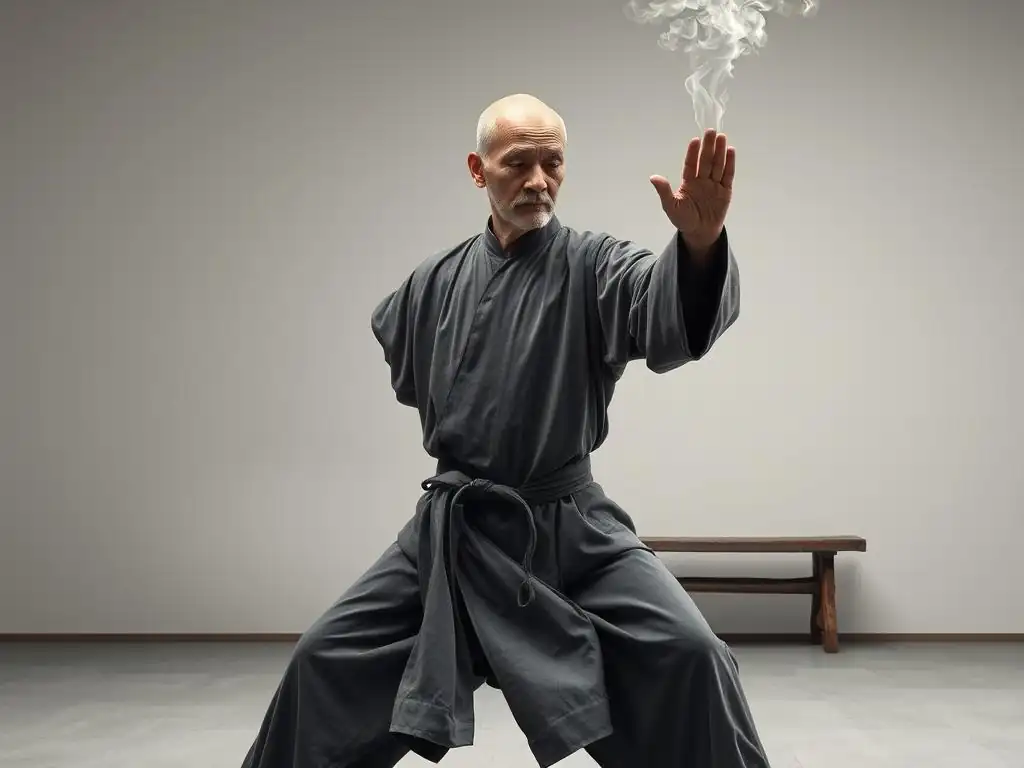
Tai Chi incorporates several specific breathing techniques designed to harmonize body, mind, and energy. While diaphragmatic breathing is the foundation, variations and specific applications exist within the practice. These techniques are not just mechanical exercises but are integrated with the philosophical principles and physical movements of Tai Chi, aiming to cultivate internal energy (Qi) and promote holistic health. Mastering these methods is key to unlocking the deeper benefits of Tai Chi deep breathing health.
The primary techniques often taught include abdominal breathing (also known as natural breathing or Dan Tian breathing) and reverse breathing. Each has its unique characteristics and applications within the Tai Chi form. Understanding and practicing both types allows the practitioner to choose the appropriate method for different stages of their training or specific health goals. Consistency in applying these techniques during practice is far more important than achieving perfect technique immediately.
Abdominal Breathing (Dan Tian Breathing) in Tai Chi Practice
Abdominal breathing, or Dan Tian breathing, is the most commonly taught and fundamental breathing technique in Tai Chi. It involves inhaling deeply through the nose, allowing the abdomen to expand gently outwards as the diaphragm descends. The focus is often placed on the Dan Tian, an energy center located roughly two inches below the navel, visualizing the breath filling this area. Exhalation occurs slowly and smoothly through the mouth or nose, with the abdomen naturally contracting inward.
This method promotes relaxation, grounds the practitioner, and helps to build foundational internal energy. It is considered the "natural" way of breathing, reflecting the breathing pattern of infants. Regular practice of abdominal breathing in Tai Chi helps to calm the mind, reduce stress, and improve circulation. Many beginner Tai Chi routines emphasize this type of breathing to help students establish a solid foundation for their Tai Chi deep breathing health journey. Studies on practitioners have shown that consistent Dan Tian breathing can lead to increased feelings of centeredness and reduced anxiety levels.
Reverse Breathing: A Powerful Tai Chi Technique for Internal Energy
Reverse breathing is a more advanced technique in Tai Chi, involving a different coordination between the abdomen and breath. In this method, the abdomen contracts inward on inhalation and expands outward on exhalation. While seemingly counterintuitive, this technique is used to cultivate and gather Qi more powerfully and is often associated with more advanced forms or specific martial applications within Tai Chi. The inhalation, drawing the abdomen inward, is thought to gather energy, while the exhalation, expanding the abdomen, is used to project or release energy.
This technique requires more control and should typically be learned after mastering abdominal breathing. It can be more stimulating and is not always recommended for beginners or those seeking purely relaxation benefits. However, for experienced practitioners, reverse breathing can significantly enhance the feeling of internal power and connection within the body. While less studied specifically for general Tai Chi deep breathing health compared to abdominal breathing, its role in advanced Tai Chi practice for energy cultivation is widely acknowledged within the art.
Coordinating Breath with Movement: Achieving Harmony in Tai Chi
Achieving harmony in Tai Chi hinges on the seamless coordination of breath with movement. Every transition, every posture, ideally aligns with a specific phase of the respiratory cycle. This synchronization is not just about timing; it's about allowing the breath to guide and power the movement, making it fluid, continuous, and rooted. The breath should initiate the movement, or at least flow in perfect tandem with it, ensuring that the practitioner is never holding their breath or straining.
For instance, as the arms rise in a posture like "Raise Hands," the practitioner inhales deeply, drawing energy upwards and outwards. As the hands descend or transition to the next posture, they exhale slowly, allowing the body to sink and settle. This conscious pairing enhances balance, improves stability, and deepens the meditative aspect of the practice. It transforms the physical movements into a dynamic breathing exercise, making the pursuit of Tai Chi deep breathing health an integrated, holistic endeavor where movement and breath are inseparable.
Health Benefits of Tai Chi Deep Breathing
The health benefits of integrating deep breathing into Tai Chi practice are extensive and well-supported by both anecdotal evidence and scientific research. Beyond the direct impact on the respiratory system, Tai Chi deep breathing health positively influences mental state, cardiovascular function, and even immune response. It offers a gentle yet powerful way to improve overall well-being and manage various health conditions.
The slow, deliberate nature of Tai Chi, combined with its emphasis on deep, abdominal breathing, creates a unique synergy that promotes relaxation and healing. Practitioners often report feeling calmer, more centered, and less prone to stress after consistent practice. These subjective experiences are often mirrored by measurable physiological changes, highlighting the profound impact of this ancient art on modern health challenges.
Reducing Stress and Anxiety through Tai Chi Breathing Exercises
One of the most widely recognized benefits of Tai Chi deep breathing is its remarkable ability to reduce stress and anxiety. The slow, rhythmic nature of the breath activates the parasympathetic nervous system, which is responsible for the body's "rest and digest" state. This counteracts the sympathetic nervous system's "fight or flight" response, which is often overactive in individuals experiencing chronic stress. The deliberate focus required to coordinate breath and movement also acts as a form of moving meditation, diverting attention away from stressful thoughts and promoting mindfulness.
Studies have consistently shown that Tai Chi practice leads to reductions in stress hormones like cortisol. For example, research published in reputable health journals has indicated that participants in Tai Chi programs experienced significant decreases in self-reported stress levels and physiological markers of stress after just a few weeks of regular practice. This makes Tai Chi deep breathing health an effective, non-pharmacological intervention for managing anxiety disorders and improving mental resilience in the face of daily stressors.
Improving Cardiovascular Health with Tai Chi Deep Breathing
Tai Chi deep breathing health also contributes significantly to cardiovascular well-being. The slow, controlled breathing helps to lower heart rate and blood pressure. By promoting relaxation and reducing stress, it lessens the burden on the cardiovascular system. Improved oxygen delivery to tissues through enhanced gas exchange also benefits heart muscle function and overall circulation.
Furthermore, the gentle, continuous movements of Tai Chi, coupled with deep breathing, act as a low-impact aerobic exercise. While not as intense as high-impact activities, it improves blood flow and strengthens the heart muscle over time. Research has demonstrated that regular Tai Chi practice can lead to modest but clinically significant reductions in blood pressure in individuals with hypertension. It can also improve lipid profiles and reduce the risk of heart disease. The combination of mindful movement and deep respiration makes Tai Chi a valuable tool for maintaining a healthy heart.
Strengthening the Immune System with Regular Tai Chi Breathing
Emerging research suggests that regular Tai Chi practice, including its emphasis on deep breathing, may have a positive impact on the immune system. Chronic stress is known to suppress immune function, making individuals more susceptible to illness. By effectively reducing stress and promoting relaxation, Tai Chi deep breathing health can help to mitigate this effect.
Some studies have explored the impact of Tai Chi on specific immune markers. While more research is needed, preliminary findings have indicated that regular Tai Chi practitioners may exhibit favorable changes in certain immune cell counts or markers of inflammation. For instance, some studies have suggested improvements in the body's response to vaccines in older adults who practice Tai Chi. The mechanisms are likely complex, involving stress reduction, improved circulation, and potentially direct effects on immune cell activity, all supported by the consistent practice of deep, mindful breathing within the Tai Chi form.
Step-by-Step Guide to Practicing Tai Chi Deep Breathing
Practicing Tai Chi deep breathing effectively requires attention to posture, technique, and consistency. While best learned from a qualified instructor, understanding the basic steps can help beginners start incorporating this vital element into their practice. The goal is to make breathing a conscious, controlled process that becomes increasingly natural over time, enhancing overall Tai Chi deep breathing health.
The initial focus should be on establishing a comfortable and stable base, then learning the mechanics of diaphragmatic breathing. Once the basic technique is understood, practitioners can work on coordinating the breath with simple movements before integrating it into full Tai Chi forms. Patience and persistence are key, as mastering deep breathing is a gradual process.
Finding a Comfortable Stance and Posture for Optimal Breathing
Before beginning any breathing exercise in Tai Chi, finding a comfortable and stable stance is crucial. The feet are typically shoulder-width apart, parallel or slightly angled outwards, with knees slightly bent. The weight should be evenly distributed, or rooted, through the soles of the feet. The spine should be erect but relaxed, as if suspended from above, allowing the breath to flow freely. The shoulders should be relaxed and dropped, and the chest should not be puffed out or constricted.
This posture is often referred to as the "Wu Ji" stance or preparation stance in Tai Chi. It provides a stable foundation for the body and allows the diaphragm to move unimpeded. Practicing the breathing techniques in this relaxed, upright posture helps to maximize lung capacity and ensures that the focus remains on the breath and the Dan Tian area, rather than on maintaining balance or correcting poor alignment. A relaxed body is essential for achieving effective Tai Chi deep breathing health.
Inhaling and Exhaling Techniques: A Detailed Breakdown
The core of Tai Chi deep breathing involves specific inhalation and exhalation techniques. For abdominal breathing, inhale slowly and smoothly through the nose, allowing the abdomen to expand as you draw air deep into the lungs. Visualize the breath filling the lower abdomen, around the Dan Tian. The inhalation should be silent and unforced. Hold the breath briefly for a moment if comfortable, allowing the energy to gather.
Then, exhale slowly and completely through the mouth or nose, gently drawing the abdomen back towards the spine. The exhalation should be longer and more controlled than the inhalation. Imagine releasing tension and stale air with each out-breath. The rhythm should be slow and continuous, without pauses between breaths. For reverse breathing, the coordination of abdominal movement is reversed, but the principles of slow, smooth, and deep respiration remain the same, focusing on control and coordination for optimal Tai Chi deep breathing health.
Common Mistakes to Avoid When Practicing Tai Chi Breathing
Several common mistakes can hinder effective Tai Chi deep breathing health practice. One frequent error is shallow chest breathing, where the chest rises and falls significantly while the abdomen remains relatively still. This indicates that the diaphragm is not being fully engaged. Another mistake is holding tension in the shoulders, neck, or chest, which restricts the movement of the diaphragm and lungs.
Breathing too quickly or holding the breath for too long in a strained manner are also counterproductive. The breath should always be relaxed, smooth, and continuous, without gasping or forcing. Trying to force the abdomen to expand or contract excessively is another pitfall; the movement should be gentle and natural. Finally, neglecting to coordinate the breath with movement when practicing forms diminishes the integrated benefits of Tai Chi. Patience and mindful attention are key to avoiding these errors and cultivating effective breathing habits.
Integrating Deep Breathing into Your Tai Chi Practice
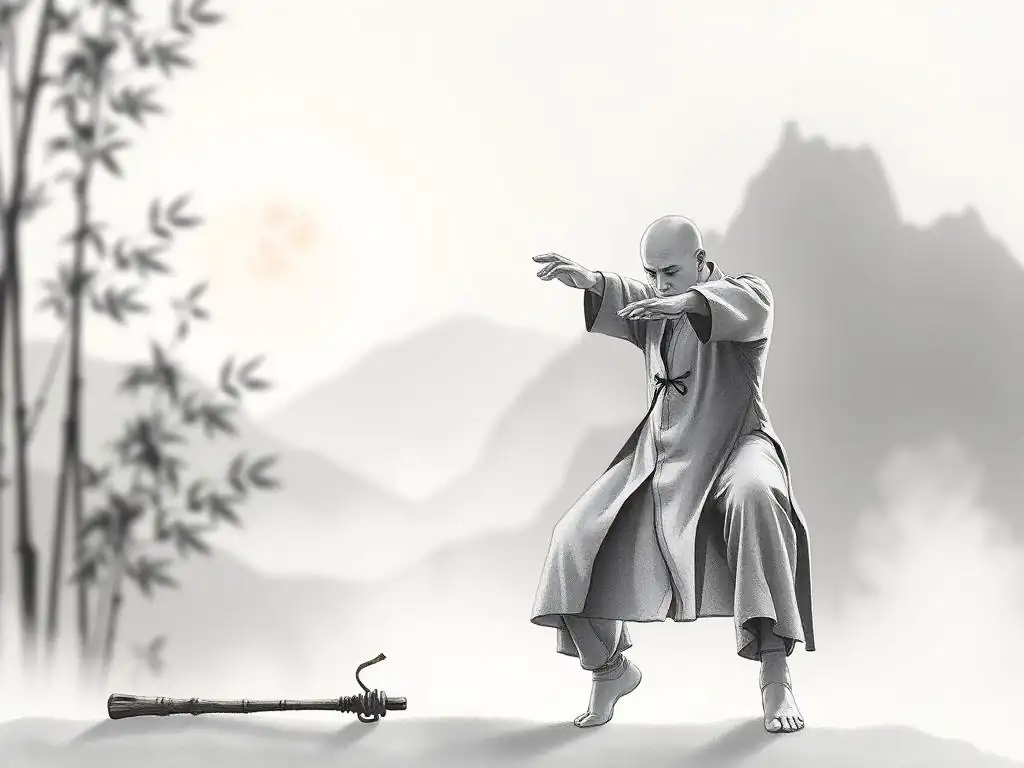
True mastery of Tai Chi involves seamlessly integrating deep breathing into every aspect of the practice. It's not a separate exercise performed before or after the form, but an intrinsic part of the movements themselves. This integration elevates the practice from a physical exercise to a moving meditation that cultivates internal energy and enhances all the benefits of Tai Chi deep breathing health.
Learning to breathe consciously throughout the entire Tai Chi form takes time and practice. It requires developing a deep awareness of the body and breath, allowing them to move in perfect harmony. This synchronization enhances balance, coordination, and the feeling of rootedness, making the movements more powerful and fluid.
Incorporating Breathing Techniques into Tai Chi Forms
Incorporating breathing techniques into Tai Chi forms means consciously aligning each inhalation and exhalation with the expanding and contracting phases of the movements. As you perform an outward movement, like pushing or reaching, inhale deeply. As you withdraw, sink, or gather, exhale slowly. This creates a natural rhythm that flows with the form. Beginners can start by focusing on the breath during slower, simpler movements before attempting to coordinate it throughout the entire sequence.
For example, in the "Part the Wild Horse's Mane" movement, as you step forward and extend the arm, inhale. As you shift weight back or transition, exhale. This deliberate pairing of breath and movement makes the form a dynamic breathing exercise, enhancing oxygen intake and promoting relaxation throughout the sequence. Consistent integration of breath into the form is crucial for maximizing the Tai Chi deep breathing health benefits.
Using Breathing to Enhance Internal Power (Qi)
In Tai Chi philosophy, breath (Qi) and intention (Yi) are used to guide and enhance the flow of internal energy (Qi). Deep, controlled breathing is considered a primary method for cultivating and storing this vital energy in the Dan Tian. By coordinating the breath with specific movements and visualizations, practitioners learn to direct Qi throughout the body. Inhalation is often associated with gathering or drawing in Qi, while exhalation is linked to releasing, extending, or directing Qi.
Reverse breathing, in particular, is often used in martial applications within Tai Chi to generate explosive power (Fa Jin), coordinating a sharp exhalation with a sudden release of energy. However, even in standard health practice, abdominal breathing helps build a strong foundation of internal energy in the Dan Tian, which can then be circulated throughout the body to nourish organs and tissues. This focus on using breath to enhance Qi is a core aspect of achieving profound Tai Chi deep breathing health.
Breathing in the "Grasping the Sparrow's Tail" Form
The "Grasping the Sparrow's Tail" sequence is a fundamental and complex section found in many Tai Chi styles, encompassing core movements like Ward Off, Rollback, Press, and Push. This sequence provides an excellent opportunity to practice coordinating breath with nuanced movements. For example, in "Ward Off," as the arm expands outwards, inhale deeply. In "Rollback," as you yield and draw back, exhale. In "Press," as you move forward with both hands, inhale, gathering energy. Finally, in "Push," as you extend the hands forward, exhale, releasing the energy.
Practicing the Tai Chi deep breathing health techniques within this specific sequence helps solidify the mind-body-breath connection. The transitions between the movements require continuous, fluid breathing, preventing breath-holding and promoting a steady flow of Qi. Focusing on the breath during "Grasping the Sparrow's Tail" allows practitioners to experience how breath control enhances stability, power, and the overall feeling of integrated movement.
Tai Chi Deep Breathing and Mental Well-being
The benefits of Tai Chi deep breathing extend significantly to mental well-being. The practice is renowned for its calming effects, ability to reduce mental clutter, and capacity to enhance emotional regulation. This is due to the direct physiological impact of controlled breathing on the nervous system and the cultivation of mindfulness inherent in the practice. Focusing on Tai Chi deep breathing health is as much about mental clarity as it is about physical vitality.
By providing a focal point – the breath and the movement – Tai Chi helps practitioners step away from ruminative thoughts and anxieties. The slow, deliberate pace encourages patience and self-compassion. This combination of physiological relaxation and mental discipline makes Tai Chi a powerful tool for improving mood, reducing symptoms of depression, and enhancing overall psychological resilience.
Cultivating Mindfulness Through Breath Awareness
Mindfulness is a state of active, open attention on the present moment. Tai Chi deep breathing is a powerful tool for cultivating this state. By directing attention to the sensation of the breath entering and leaving the body, and coordinating it with the subtle shifts of movement, practitioners train their minds to stay focused on the here and now. This conscious awareness of the breath serves as an anchor, preventing the mind from wandering into worries about the past or future.
This practice of breath awareness, central to Tai Chi deep breathing health, helps to quiet the internal dialogue and reduce mental agitation. Over time, this cultivated mindfulness extends beyond the Tai Chi session, helping individuals to approach daily life with greater presence, calm, and clarity. It's a practical application of meditative principles within a gentle physical discipline.
Reducing Mental Fatigue and Improving Focus
Regular practice of Tai Chi deep breathing can significantly reduce mental fatigue and improve concentration. The improved oxygenation of the brain resulting from deep, efficient breathing supports cognitive function. Furthermore, the meditative aspect of coordinating breath and movement trains the mind to maintain focus for extended periods.
Instead of being scattered by distractions, the mind learns to settle and concentrate on the internal experience of the practice. This enhanced focus translates into daily life, improving productivity and cognitive performance. Individuals who regularly practice Tai Chi often report feeling more alert, mentally sharper, and better able to manage tasks requiring sustained attention, directly benefiting from their commitment to Tai Chi deep breathing health.
Breath and Emotional Regulation in Tai Chi
Breath is intimately connected to emotional states. Rapid, shallow breathing is often associated with anxiety or fear, while slow, deep breathing promotes calm. In Tai Chi, consciously regulating the breath provides a direct means to influence emotional states. When faced with challenging emotions, returning attention to the slow, steady rhythm of deep breathing can help to calm the nervous system and prevent emotional escalation.
By practicing Tai Chi deep breathing health consistently, individuals develop a greater capacity to observe their emotions without being overwhelmed by them. The breath becomes a tool for grounding and processing feelings in a healthy way. This improved emotional regulation contributes to greater resilience, better interpersonal relationships, and a more stable and peaceful internal state.
Conclusion: Mastering Tai Chi Deep Breathing for a Healthier Life
Mastering Tai Chi deep breathing is not just about improving a single aspect of health; it's about embracing a holistic approach to well-being that integrates body, mind, and spirit. The consistent practice of slow, deep, and coordinated breathing within the gentle framework of Tai Chi movements offers a path to enhanced respiratory function, reduced stress, improved cardiovascular health, and greater mental clarity. The pursuit of Tai Chi deep breathing health is a lifelong journey yielding profound and lasting benefits.
The principles of Tai Chi breathing – rootedness, relaxation, continuity, and coordination – are applicable far beyond the practice itself, offering tools to navigate the stresses of modern life with greater ease and resilience. Whether seeking to improve physical health, find a sense of calm, or cultivate internal energy, the breath remains the vital thread connecting all aspects of this ancient art.
The Long-Term Benefits of Consistent Tai Chi Breathing Practice
The long-term benefits of consistent Tai Chi deep breathing health practice are cumulative and transformative. Over months and years, practitioners often experience sustained improvements in lung capacity and efficiency, leading to better oxygen uptake and increased stamina. The chronic stress reduction achieved through regular deep breathing contributes to lower blood pressure and a reduced risk of cardiovascular disease.
Beyond physical health, the consistent cultivation of mindfulness and emotional regulation through breath awareness leads to greater psychological resilience, improved mood, and a more positive outlook on life. Older adults who practice Tai Chi regularly often maintain better balance, flexibility, and cognitive function, living more independent and vibrant lives. The dedication to mastering the breath within Tai Chi yields a wealth of rewards for overall longevity and quality of life.
Resources for Further Learning About Tai Chi and Breathing Techniques
To deepen your understanding and practice of Tai Chi deep breathing health, seeking guidance from qualified instructors is highly recommended. Many community centers, martial arts schools, and health organizations offer Tai Chi classes. Look for instructors who emphasize the internal aspects of the practice, including breathwork and Qi cultivation.
Additionally, numerous books and educational articles delve into the specifics of Tai Chi breathing techniques and their health implications. Exploring reputable sources on traditional Chinese medicine principles related to Qi and breath can also provide valuable context. While this article provides an overview, continued learning and consistent practice are essential for fully experiencing the profound benefits of Tai Chi deep breathing.
Frequently Asked Questions
What is the primary purpose of deep breathing in Tai Chi?
The main purpose is to enhance respiratory function and overall health by increasing oxygen intake and promoting relaxation. It also helps to cultivate qi (vital energy).
How does Tai Chi deep breathing differ from regular breathing exercises?
Unlike regular breathing, Tai Chi incorporates coordinated movements with deep, slow breathing, creating a meditative state and improving body awareness. This synergy provides deeper benefits.
What are the specific health benefits associated with Tai Chi deep breathing?
It can lower blood pressure, reduce stress levels, improve lung capacity, and boost the immune system. The practice promotes calmness and balance in the body.
How often should I practice Tai Chi deep breathing to experience noticeable health improvements?
Regular practice, ideally 15-30 minutes daily, is recommended for optimal results. Even short, consistent sessions can lead to significant improvements in well-being.
Can anyone practice Tai Chi deep breathing, or are there any contraindications?
Generally, it is safe for most people. However, individuals with pre-existing respiratory conditions or other health concerns should consult a doctor before starting.
Final Reflection: The Breath of Life in Motion
The exploration of Tai Chi deep breathing and its impact on health reveals a profound truth: the power of conscious breathing is a cornerstone of well-being, often overlooked in our fast-paced modern lives. What began as an examination of a specific practice within Tai Chi has unveiled a universal principle applicable to all – the intentional cultivation of breath can unlock significant improvements in respiratory function and overall health.
The ripple effect of incorporating mindful breathing techniques, like those found in Tai Chi, extends far beyond the individual. It fosters a deeper connection to our bodies, promotes mental clarity, and cultivates a sense of inner peace that can positively influence our interactions with the world. As the ancient wisdom suggests, To control your breath is to control your mind.
This simple, yet powerful statement underscores the profound link between our breath, our thoughts, and our overall state of being.
Now, consider the breath you are taking in this very moment. Is it shallow and hurried, or deep and nourishing? I invite you to embrace the lessons of Tai Chi deep breathing, not just as a physical exercise, but as a pathway to a more mindful and healthier life. Take a moment each day to consciously connect with your breath, and you may be surprised by the transformative power it holds. Let the breath be your anchor, your guide, and your source of strength.
Unleash Your Breath: Embark on Your Tai Chi Journey!
Thank you for exploring the power of deep breathing in Tai Chi with us! Now that you understand its incredible benefits for respiratory function and overall health, it's time to put that knowledge into action.
- Master the Art: Begin by dedicating just 10 minutes each day to practicing diaphragmatic breathing exercises. Feel your body awaken with each inhale and exhale.
- Explore Further: Check out local Tai Chi classes or online courses. Discover a style that resonates with you and deepen your practice with expert guidance.
- Share Your Insights: Inspire your friends and family to join you in experiencing the transformative power of mindful breathing. Post your experience on social media.
What's one small change you can make today to prioritize deeper, more conscious breathing in your life?