
The First Nak Muays: Piecing Together the Lives of Thailand's Ancient Boxers

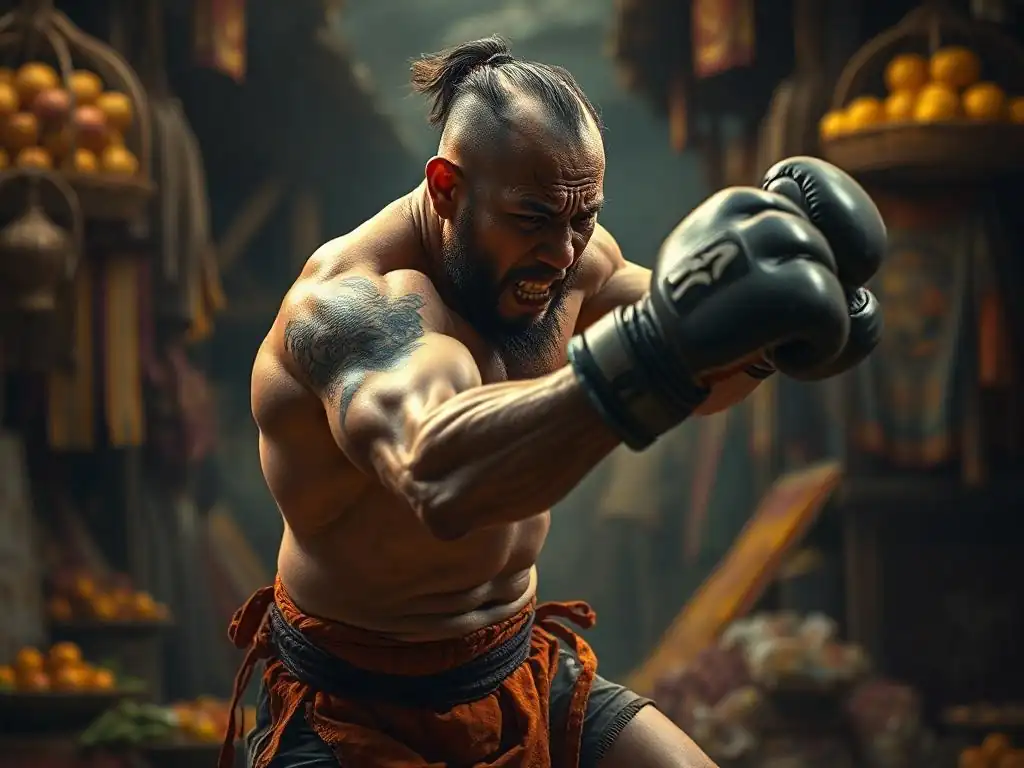
Welcome to Martial Arts Mastery!
Delve into the captivating world of combat and self-discovery. We're thrilled to guide you on a journey through the history, techniques, and philosophy of martial arts from across the globe. Today, we begin by unraveling the rich tapestry of ancient Thai boxing, exploring the lives and legends of the first Nak Muays. Prepare to be transported back in time and uncover the secrets behind this powerful and revered martial art. What were their lives truly like, and how did their struggles shape the sport we know today? Let's discover the answers together.
- Introduction to Ancient Thai Boxing History: The Origins of Nak Muays
- Historical Context of Muay Thai: Roots of Thailand’s Ancient Boxing Tradition
- The Lives and Training of the First Nak Muays: Insights into Ancient Thai Boxers
- Key Figures and Legendary Nak Muays in Ancient Thai Boxing History
- Evolution of Ancient Thai Boxing Techniques: From Traditional to Modern Muay Thai
- Cultural and Historical Impact of Ancient Thai Boxing on Thailand and Beyond
- Conclusion: Piecing Together the Legacy of Thailand’s First Nak Muays
-
Frequently Asked Questions
- What is Nak Muay and how does it relate to Ancient Thai boxing history?
- How far back does the Ancient Thai boxing history actually go?
- What types of training did these early Nak Muays undertake?
- Were there philosophical underpinnings to Ancient Thai boxing history?
- How did Ancient Thai boxing history shape modern Muay Thai?
- Final Reflection: Echoes of Ancient Courage
- Unleash Your Inner Warrior: Start Your Muay Thai Journey Now!
Introduction to Ancient Thai Boxing History: The Origins of Nak Muays
The study of ancient Thai boxing history, known today primarily as Muay Thai, reveals a martial art deeply intertwined with the cultural and military fabric of Thailand. Far from being solely a sport, its origins are rooted in the practical necessities of battlefield combat and personal defense in a region frequently engaged in conflict. The earliest practitioners, often referred to as Nak Muays, were formidable warriors whose skills were honed for survival.
Understanding the genesis of this art requires looking back through centuries of Siamese history, tracing its evolution from a battlefield discipline to a national treasure. This journey through the history of ancient Muay Thai uncovers the foundational principles and techniques that still influence modern practice.
The term "Nak Muay" itself carries significant weight, translating roughly to "boxing person" or "boxer," but in its historical context, it denoted a skilled fighter, often one trained for warfare or royal service. These early figures were the custodians of a martial tradition passed down through generations, adapting techniques based on battlefield experience and regional variations.
The history of ancient Thai boxing is not a single, linear narrative but a complex tapestry woven from various regional styles, military strategies, and individual contributions across different eras of Thai kingdoms, including Sukhothai, Ayutthaya, Thonburi, and Rattanakosin. Exploring this past is crucial for anyone seeking a true understanding of Muay Thai's depth and significance.
Understanding Nak Muay: The First Practitioners of Muay Thai
The individuals we refer to as the first Nak Muays were not simply athletes; they were integral members of ancient Thai society, often serving in the military or as royal guards. Their training was rigorous, focusing on hand-to-hand combat techniques that utilized the entire body as a weapon – fists, elbows, knees, and shins. Historical accounts, though fragmented, suggest that these fighters were highly respected for their discipline, courage, and effectiveness in battle.
For example, during the Ayutthaya period (14th to 18th centuries), Nak Muays were essential components of the Siamese army, fighting alongside or sometimes in place of traditional weaponry when engagements became close-quarters. Their skills were vital for defense and expansion, making them key figures in the kingdom's stability.
These early practitioners often learned their craft within military camps, temples, or from private masters affiliated with noble families. The training was holistic, encompassing not just physical techniques but also mental fortitude and spiritual discipline.
While specific numbers are difficult to ascertain from ancient records, it is understood that a significant portion of the male population, particularly those in military service, received some level of martial arts training, with dedicated Nak Muays representing the elite. Their lives were dictated by the demands of training and readiness for combat, embodying a fusion of warrior ethos and martial artistry that defined the history of ancient Thai boxing.
Significance of Ancient Thai Boxing in Martial Arts Mastery
Delving into ancient Thai boxing history provides invaluable context for understanding the broader landscape of martial arts mastery. Muay Thai's emphasis on powerful striking with multiple points of contact offers a unique perspective compared to arts focused solely on punching or grappling.
The historical development of techniques like the teep (foot jab) for distance management or the devastating knee and elbow strikes for close range reveals sophisticated tactical thinking honed over centuries of practical application. Studying the evolution of these techniques from battlefield necessity to formalized art illuminates the principles of leverage, force generation, and anatomical targeting that are universally applicable in martial arts.
Furthermore, the philosophical and spiritual dimensions embedded in the history of ancient Muay Thai, such as respect for the teacher ( wai kru) and pre-fight rituals ( ram muay), offer insights into the cultural values that shaped the art. These elements are not mere tradition; they historically served to instill discipline, humility, and mental preparation in fighters facing potentially life-threatening situations.
For students of martial arts mastery today, understanding this historical depth enhances their appreciation for the art's roots and provides a framework for developing not just physical skill but also character, reflecting the holistic approach taken by the first Nak Muays.
Historical Context of Muay Thai: Roots of Thailand’s Ancient Boxing Tradition
The roots of Thailand's ancient boxing tradition are deeply embedded in the region's history, predating the commonly cited periods. While specific origins are debated, evidence suggests that various forms of unarmed combat were practiced in mainland Southeast Asia for millennia, evolving alongside warfare and regional power struggles.
The need for effective self-defense and military prowess in a volatile environment naturally led to the development of sophisticated fighting systems. The history of ancient Thai boxing cannot be separated from the larger narrative of the Thai people's migration and settlement in the area, bringing with them existing martial traditions and adapting them to new challenges and influences.
The formation of early kingdoms, such as Sukhothai in the 13th century, saw the formalization of martial training, including unarmed combat. Military manuals and historical accounts from these periods hint at the importance of physical conditioning and fighting skills for soldiers. The subsequent Ayutthaya Kingdom, known for its extended period of dominance and frequent conflicts with neighboring powers, further refined and emphasized martial arts, including what would become Muay Thai.
This era saw the art develop significantly, becoming a cornerstone of military training and even a form of entertainment and physical conditioning for the general populace. The history of ancient Muay Thai is thus intrinsically linked to the rise and fall of these powerful kingdoms.
Early Influences and Development of Ancient Thai Martial Arts
The development of ancient Thai martial arts was influenced by a confluence of factors, including indigenous fighting methods, regional exchanges, and military necessities. While the exact lineage is complex, it is widely believed that early Siamese martial arts, collectively known as Muay Boran ("ancient boxing"), drew upon techniques found across mainland Southeast Asia.
Historical interactions, including trade and conflict with neighboring cultures like the Khmer, Mon, and Burmese, likely led to the exchange and adaptation of fighting techniques. For instance, some scholars suggest shared ancestry or mutual influence with martial arts found in Cambodia (Pradal Serey) or Myanmar (Lethwei), reflecting the dynamic cultural landscape of the region.
During the Ayutthaya period, military training became more structured. Accounts from the time indicate that soldiers were expected to master various weapons, but also unarmed combat for situations where weapons were lost or ineffective. Royal chronicles and foreign visitor accounts sometimes mention martial displays or duels, suggesting a level of formalized practice.
For example, historical records indicate that King Naresuan the Great (reigned 1590–1605), a renowned warrior king, was a skilled fighter himself and emphasized martial training for his troops, contributing significantly to the development and prestige of ancient Thai boxing within the military structure. This era solidified its role beyond mere self-defense.
Socio-Cultural Environment Shaping the First Nak Muays
The socio-cultural environment of ancient Thailand profoundly shaped the lives and training of the first Nak Muays. Society was often stratified, with martial arts training varying based on social class and profession. Soldiers and royal guards received systematic training as part of their duty, while commoners might learn from local masters or within temple grounds. Temples often served as centers of learning, including martial arts, providing a space for the transmission of knowledge outside of purely military contexts. This decentralized approach meant that regional styles and techniques could flourish, contributing to the diversity found within Muay Boran.
Furthermore, the cultural values of respect, discipline, and loyalty were deeply embedded in martial arts training. The relationship between kru (teacher) and student was sacred, involving elaborate rituals and lifelong obligations. This environment fostered not just physical skill but also a strong moral code.
The frequent need for self-defense against bandits or rival villages, alongside military service, meant that martial prowess was a valued trait in society. The history of ancient Thai boxing is thus not just a history of fighting techniques, but also a social history of how these skills were acquired, transmitted, and valued within the community structure of ancient Thailand.
The Role of Muay Thai in Ancient Thai Society and Warfare
Muay Thai played multifaceted roles in ancient Thai society, serving primarily as a crucial component of military training and warfare. In periods of conflict, skilled Nak Muays were invaluable, capable of engaging in close-quarters combat where traditional weapons might be less effective. Accounts from battles against neighboring kingdoms often mention hand-to-hand fighting, suggesting that unarmed skills were regularly put to the test on the battlefield. Beyond direct combat, martial arts training instilled discipline, physical fitness, and courage in soldiers, qualities essential for the effectiveness of ancient armies.
Beyond the military, ancient Thai boxing also served as a form of physical education, entertainment, and even a path for social mobility. Royal sponsored tournaments and local festivals often featured boxing matches, drawing large crowds. These contests provided a venue for fighters to test their skills, gain recognition, and potentially attract patronage from nobility.
For some, becoming a renowned Nak Muay offered an opportunity to rise above their social standing. Thus, the history of ancient Thai boxing reflects its dual nature: a deadly martial art forged in war and a vibrant cultural practice enjoyed by the populace, contributing significantly to the physical and cultural resilience of the Thai people.
The Lives and Training of the First Nak Muays: Insights into Ancient Thai Boxers
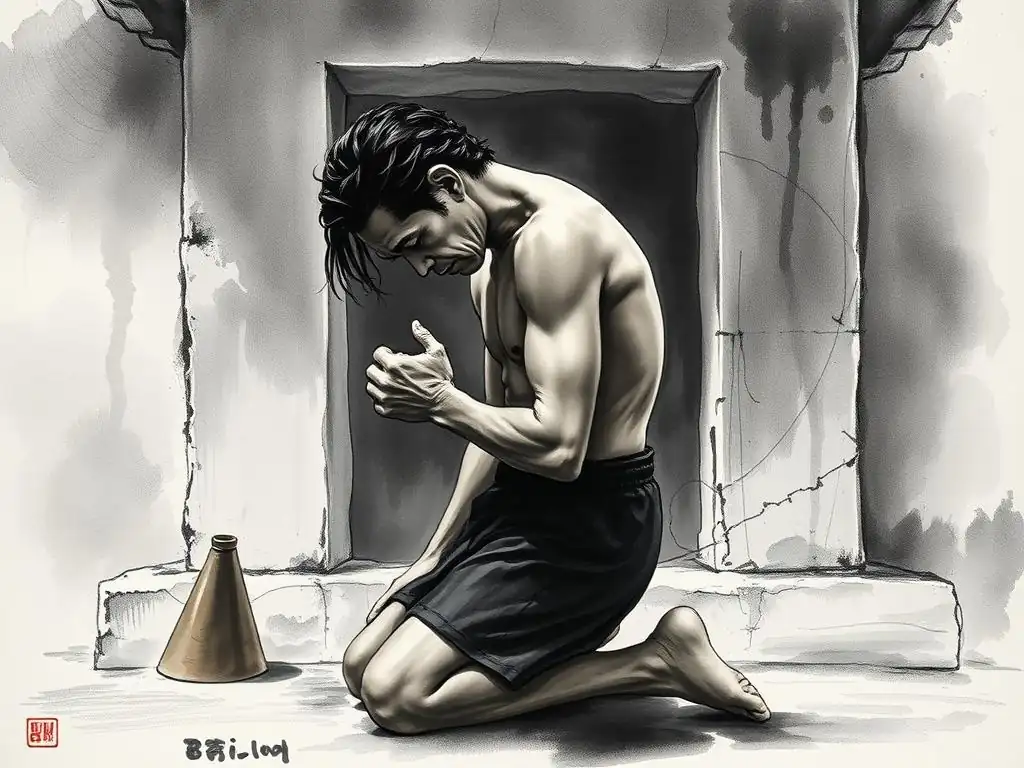
Gaining precise insights into the daily lives and training of the very first Nak Muays is challenging due to the scarcity of detailed records from the earliest periods. However, by examining accounts from subsequent ancient and early modern eras, combined with oral traditions and the structure of traditional training methods that persisted for centuries, we can piece together a picture. Life was likely rigorous, dictated by the demands of physical conditioning, technical refinement, and mental discipline. Training was not confined to a gymnasium but integrated into daily life, particularly for those in military service or attached to wealthy patrons.
The training environment varied. Military camps would have provided structured, albeit perhaps basic, instruction focused on battlefield application. Temples offered a more holistic approach, often incorporating spiritual and philosophical teachings alongside physical training. Private muay camps run by renowned masters were centers of excellence, attracting dedicated students willing to endure hardship for mastery. Regardless of the setting, the training was intense, designed to forge not just a skilled fighter but a resilient individual capable of enduring pain and hardship, reflecting the harsh realities that shaped the history of ancient Thai boxing.
Daily Life and Martial Discipline of Early Muay Thai Fighters
The daily life of an early Nak Muay was centered around discipline and preparation. For those serving in the military, this meant adhering to strict regimens that combined martial training with military duties. A typical day might involve early morning physical conditioning, followed by drills focusing on specific techniques, sparring, and weapon practice. Evenings might be dedicated to mental and spiritual exercises, storytelling about legendary fighters, or tending to camp duties. This constant engagement with the warrior lifestyle ensured peak physical and mental readiness, crucial in an era of frequent conflict.
Life in a traditional muay camp, while perhaps less rigidly military, was equally demanding. Students lived communally, sharing responsibilities and dedicating significant portions of their day to training. This included hours spent conditioning the body through repetitive striking on trees or hard surfaces, practicing forms ( mae mai and luk mai), and engaging in controlled sparring to refine timing and strategy.
Discipline extended beyond physical training; students were expected to show unwavering respect for their teachers, adhere to a moral code, and contribute to the upkeep of the camp. Accounts suggest training could last for several years, often starting in adolescence, highlighting the commitment required to master ancient Thai boxing techniques.
Traditional Training Methods and Techniques of Ancient Nak Muays
Traditional training methods of ancient Nak Muays were holistic and often brutal by modern standards, designed to build extreme physical resilience and practical fighting skills. Conditioning involved running, jumping, and exercises to strengthen the core and limbs. Striking power was developed by hitting hard surfaces like tree trunks or sacks filled with sand or rice hulls, hardening the shins, fists, and elbows over time. Techniques were taught through repetition of basic movements, forms ( mae mai - major techniques, luk mai - minor techniques/variations), and controlled partner drills.
Sparring was a critical component, often conducted with minimal protection, emphasizing realism and toughness. Fighters learned to absorb blows and continue fighting, a testament to their physical and mental conditioning. Specific techniques emphasized using the entire body as a weapon: punches (including hammer fists and backfists), elbows (thrusting, cutting, upward), knees (straight, diagonal, flying), kicks (especially low and mid-level), and clinching for close-range strikes and throws. The history of ancient Thai boxing techniques shows a clear focus on efficiency and devastating power, aimed at quickly incapacitating an opponent in a real combat scenario.
The Spiritual and Philosophical Foundations Behind Early Muay Thai Practice
Beyond the physical techniques, early Muay Thai practice was deeply rooted in spiritual and philosophical foundations. Respect for the kru (teacher) was paramount, viewed not just as an instructor but as a guide and mentor whose knowledge was sacred.
The wai kru ram muay, the pre-fight ritual still performed today, is a direct descendant of ancient practices, serving as a tribute to the teacher, a prayer for safety, and a demonstration of respect for the art and opponent. This ritualistic aspect highlights the spiritual dimension, connecting the fighter to their lineage and the protective spirits believed to watch over them.
Animism, Buddhism, and Hindu influences all contributed to the spiritual landscape surrounding ancient Muay Thai. Fighters often wore mongkon (headbands) and prajioud (armbands) containing sacred amulets or blessed cloths, believed to offer protection and enhance fighting prowess. Meditation and chanting were sometimes incorporated into training to develop focus, mental calmness under pressure, and spiritual strength. These practices underscore that the history of ancient Thai boxing is not just about physical combat but also about cultivating inner strength, discipline, and a connection to the spiritual world, reflecting a holistic approach to the warrior's path.
Key Figures and Legendary Nak Muays in Ancient Thai Boxing History
Identifying key figures and legendary Nak Muays from the deepest reaches of ancient Thai boxing history is challenging due to the reliance on oral traditions and often fragmented historical records. Unlike modern sports with documented statistics and biographies, the exploits of early fighters were often passed down through storytelling, royal chronicles that focused on military leaders, or accounts embedded within broader historical narratives. Nevertheless, several names and archetypal figures have emerged from the mists of time, representing the pinnacle of ancient Muay Thai skill and embodying the warrior spirit of the age.
These figures, whether historical individuals whose lives are partially documented or legendary characters whose stories have become intertwined with myth, serve as inspirations and symbols of the art's heritage. Their tales, often emphasizing incredible skill, courage, and sometimes miraculous victories against overwhelming odds, help to keep the history of ancient Thai boxing alive and provide a human face to the evolution of the art. While verifying every detail is impossible, their stories offer valuable insights into the values and ideals associated with being a great Nak Muay in ancient times.
Profiles of Pioneering Fighters in Ancient Muay Thai
One of the most famous figures associated with ancient Thai boxing, though his story is heavily steeped in legend, is Nai Khanom Tom. According to popular accounts, in 1774, while a prisoner of war in Burma, he defeated ten consecutive Burmese boxers in a contest arranged by the king, securing freedom for himself and his fellow captives.
While historical verification of the exact details is debated, his story became a powerful symbol of Thai resilience and the effectiveness of their boxing art. His legendary victory is celebrated annually in Thailand as 'Nak Muay Day' (March 17th), cementing his place as a foundational hero in the history of ancient Thai boxing.
Beyond legendary figures, glimpses of historical Nak Muays appear in chronicles. For instance, accounts from the Ayutthaya period mention royal guards and elite soldiers renowned for their unarmed combat skills, often participating in duels or serving as bodyguards.
While their individual names might not be widely remembered today, their collective existence and documented participation in key historical events, such as defending fortifications or leading charges, confirm the presence and importance of highly skilled fighters trained in ancient Muay Thai techniques within the military structure of the time. These historical mentions, though brief, provide concrete evidence of the role played by pioneering Nak Muays.
Oral Traditions and Historical Records Preserving Nak Muay Legacies
The legacies of ancient Nak Muays have primarily been preserved through a combination of oral traditions, historical chronicles, and later written accounts. For centuries, the techniques, principles, and stories of great fighters were passed down verbally from teacher to student within traditional muay camps. This method, while susceptible to variation and embellishment, was the primary means of transmitting the living history of ancient Thai boxing, ensuring that the knowledge and spirit of past masters endured. Many regional styles of Muay Boran today trace their lineage back through these oral histories.
Official historical records, such as royal chronicles ( phongsawadan), also provide valuable, albeit often sparse, information. These documents, typically focused on the reigns of kings, military campaigns, and major political events, occasionally mention martial arts, boxing matches, or the skills of specific individuals within the royal service or army. For example, chronicles might describe a king's prowess in combat or recount an important duel. While not dedicated martial arts texts, these records offer crucial historical anchors, confirming the existence and significance of ancient Thai boxing within the broader historical narrative and helping piece together its history.
Evolution of Ancient Thai Boxing Techniques: From Traditional to Modern Muay Thai
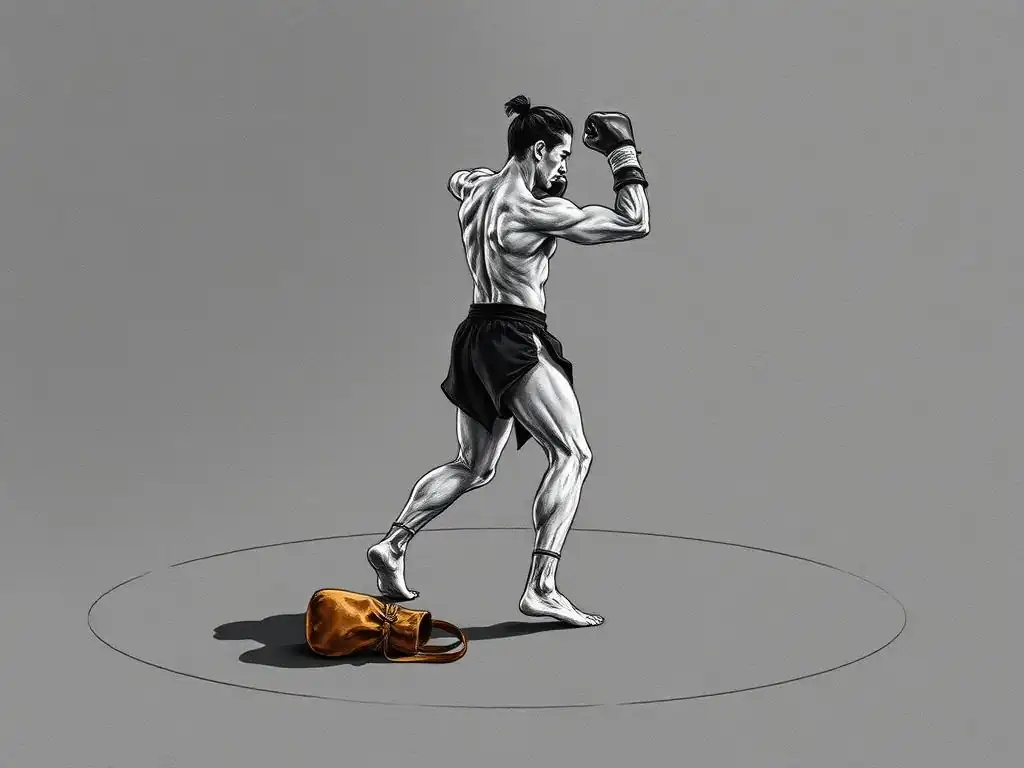
The evolution of ancient Thai boxing techniques from their traditional forms ( Muay Boran) to modern Muay Thai is a fascinating journey reflecting changes in warfare, society, and the formalization of rules. Muay Boran encompassed various regional styles (e.g., Muay Korat, Muay Chaiya, Muay Lopburi, Muay Tasao), each with its own emphasis on specific techniques, postures, and strategies. These styles were developed for practical, often no-holds-barred, combat scenarios, sometimes incorporating techniques like joint locks, throws, and ground fighting, alongside the devastating strikes.
The transition to modern Muay Thai, particularly in the early 20th century, involved significant standardization and the introduction of rules borrowed from Western boxing, such as round timers, weight classes, and eventually, gloves. This transformation shifted the focus from battlefield effectiveness to competitive sport, leading to the de-emphasis or outright removal of certain Muay Boran techniques deemed too dangerous or impractical for a regulated ring. However, the core striking power and use of the 'eight limbs' (fists, elbows, knees, shins/feet) remained central, preserving a vital connection to the history of ancient Thai boxing.
Distinctive Fighting Styles and Strategies of Early Nak Muays
Early Nak Muays, depending on their regional style and training lineage, employed distinctive fighting styles and strategies. For instance, Muay Chaiya from Southern Thailand is often characterized by its emphasis on strong defense, solid posture, and powerful close-range elbow and knee strikes, utilizing leverage and body mechanics to generate force. Muay Korat from the Northeast was known for its powerful, swinging punches and strong leg kicks, often fighting from a slightly longer range. Muay Lopburi, associated with Central Thailand, was sometimes described as emphasizing straight, precise punches and aggressive forward movement.
These regional variations highlight the diverse tactical approaches developed within ancient Thai boxing. Strategies were often dictated by the environment and the nature of combat, whether it was battlefield engagements, self-defense in villages, or duels. Fighters learned to adapt their techniques based on the opponent's style, size, and the specific situation. This adaptability, coupled with a deep understanding of range and timing, was a hallmark of skilled ancient Nak Muays, demonstrating a sophisticated understanding of combat honed through practical experience over centuries, a key aspect of ancient Thai boxing history.
Influence of Ancient Techniques on Contemporary Muay Thai Training
While modern Muay Thai competition adheres to strict rules, traditional Muay Boran techniques continue to influence contemporary training, particularly for those seeking a deeper understanding of the art's roots or training for self-defense. Many gyms and masters still teach mae mai and luk mai forms, not necessarily for use in the ring, but to instill foundational body mechanics, balance, and power generation principles. Techniques like sophisticated clinching maneuvers, sweeps, and certain joint manipulations, less common in sport Muay Thai, are preserved in traditional Muay Boran practice.
Furthermore, the intense conditioning methods, such as repetitive striking and body hardening, while perhaps modified for safety, echo the brutal physical preparation of ancient Nak Muays. The emphasis on using elbows and knees at close range, a defining characteristic of modern Muay Thai, is a direct inheritance from the ancient battlefield necessity of fighting in confined spaces. The integration of these ancient principles ensures that even as the sport evolves, the core power and versatility derived from the history of ancient Thai boxing remain central to its identity and effectiveness.
Weapons and Hand-to-Hand Combat: Ancient Practices in Thai Boxing
In ancient times, the distinction between armed and unarmed combat was often blurred, with martial arts training encompassing both. Early Nak Muays were frequently skilled in the use of traditional Thai weapons, such as the Dab (sword), Krabi (sabre), Plaing (staff), and Mai Sok San (short sticks), as well as unarmed techniques. Krabi-Krabong, the weapon-based Thai martial art, is considered a sister art to Muay Boran, and historical accounts suggest practitioners were often trained in both disciplines, allowing them to seamlessly transition between weapon and hand-to-hand fighting as needed.
This integrated approach meant that unarmed techniques were sometimes developed as counters to armed attacks or as methods to close the distance to employ weapons effectively. Conversely, weapon training likely influenced unarmed tactics, such as footwork patterns or the generation of power. While modern Muay Thai focuses solely on unarmed combat, understanding this historical link to weapon arts is crucial for a complete picture of ancient Thai boxing history. It highlights that the Muay Boran practitioner was a complete warrior, capable of fighting effectively in any situation, armed or unarmed.
Cultural and Historical Impact of Ancient Thai Boxing on Thailand and Beyond
The cultural and historical impact of ancient Thai boxing history on Thailand is profound and far-reaching. More than just a martial art or a sport, Muay Thai has become a powerful symbol of Thai national identity, resilience, and cultural heritage. Its history is intertwined with the history of the nation itself, reflecting periods of conflict, independence, and cultural development. The stories of legendary Nak Muays and the art's role in defending the kingdom have cemented its place in the national psyche, often portrayed in art, literature, and popular culture as an embodiment of the Thai spirit.
Beyond Thailand's borders, Muay Thai has gained global recognition, becoming one of the most popular and effective striking arts practiced worldwide. This international spread has allowed aspects of Thai culture, such as the wai kru ritual, the respect for teachers, and the concept of jai suu (fighting heart), to reach a global audience. The history of ancient Thai boxing thus continues to influence not only martial arts practice but also cross-cultural understanding, sharing a piece of Thailand's rich heritage with the world.
Muay Thai as a Reflection of Thai Identity and Heritage
Muay Thai serves as a powerful reflection of Thai identity and heritage, embodying values deeply cherished within the culture. The concept of resilience ( khwam otthon) and determination ( khwam phayayam), essential for enduring the rigorous training and demanding fights of ancient and modern Muay Thai, are seen as core Thai traits. The wai kru ram muay ritual, performed before every fight, is a public demonstration of respect for lineage, teachers, parents, and country – fundamental pillars of Thai society. This ritual connects contemporary fighters directly to the history of ancient Thai boxing and the traditions of their ancestors.
During times of national challenge, Muay Thai has often been invoked as a symbol of strength and unity. Legendary tales, like that of Nai Khanom Tom, serve as national myths inspiring pride and a sense of shared history. The art's evolution alongside the kingdom's development means that its story is, in many ways, the story of Thailand itself. From its origins in battlefield necessity to its status as a national sport and cultural export, Muay Thai encapsulates the historical journey and enduring spirit of the Thai people, making its history integral to understanding Thai identity.
Ancient Nak Muays’ Contributions to Regional Martial Arts Traditions
The influence of ancient Nak Muays and Thai boxing traditions extended beyond Thailand's borders, contributing to or interacting with regional martial arts traditions in neighboring countries. Given the long history of cultural exchange, migration, and conflict in mainland Southeast Asia, it is likely that Thai martial arts techniques influenced, and were influenced by, fighting systems in areas now part of Myanmar, Cambodia, Laos, and Malaysia.
While distinct arts developed in each region (like Lethwei in Myanmar or Pradal Serey in Cambodia), similarities in the use of strikes, clinching, and body mechanics suggest a shared historical pool or mutual adaptation over centuries.
Historical accounts of conflicts between kingdoms in the region often involved close-quarters combat where skilled unarmed fighters would have played a role. Prisoners of war, traders, and migrating populations could have facilitated the exchange of martial knowledge. For instance, tales of Thai fighters competing against Burmese boxers, like the Nai Khanom Tom legend, highlight the historical interaction and perceived differences and similarities between regional styles. Studying the history of ancient Thai boxing in this regional context reveals a dynamic martial landscape where techniques and philosophies flowed across borders, enriching the martial heritage of the entire region.
Preservation and Revival Efforts of Ancient Muay Thai History
In recent decades, there has been a growing movement within Thailand and internationally to preserve and revive the rich history of ancient Muay Thai ( Muay Boran). Recognizing that the focus on sport Muay Thai had led to the potential loss of traditional techniques and historical knowledge, masters and enthusiasts have worked to document, teach, and promote the diverse regional styles of Muay Boran. Organizations and schools dedicated to Muay Boran aim to teach the complete system, including techniques less commonly seen in the ring, the use of forms ( mae mai, luk mai), and the historical context.
These preservation efforts involve researching ancient texts, interviewing elderly masters, and reconstructing techniques based on historical descriptions and oral traditions. Festivals and demonstrations showcasing Muay Boran styles are held to raise awareness and appreciation. While challenges remain in standardizing instruction and reaching a wider audience, these initiatives are vital for ensuring that the depth and breadth of ancient Thai boxing history are not lost, allowing future generations to connect with the roots of this powerful and culturally significant martial art.
Conclusion: Piecing Together the Legacy of Thailand’s First Nak Muays
Piecing together the legacy of Thailand's first Nak Muays is an ongoing endeavor, drawing upon fragmented historical records, enduring oral traditions, and the continued practice of traditional techniques. What emerges is a picture of formidable warriors whose skills were forged in the crucible of ancient warfare and societal necessity.
These pioneers of ancient Thai boxing were not just fighters; they were custodians of a martial tradition that became deeply embedded in the cultural identity of Thailand. Their lives of rigorous discipline, their mastery of devastating unarmed combat, and their adherence to spiritual and philosophical principles laid the foundation for the art we know today as Muay Thai.
The journey through ancient Thai boxing history reveals an art that is both a product of its environment and a powerful shaper of culture. From the battlefield prowess of early Nak Muays defending the kingdom to the formalized sport enjoyed globally, the core principles of using the body as a weapon, combined with mental toughness and respect, have endured. Understanding this history is essential for anyone practicing or appreciating Muay Thai, providing context for its techniques, rituals, and its profound significance to the Thai people.
The Enduring Relevance of Ancient Thai Boxing History in Martial Arts Mastery
The enduring relevance of ancient Thai boxing history in the context of martial arts mastery is undeniable. Studying the origins and evolution of Muay Thai provides valuable insights into the development of striking arts, the relationship between martial arts and warfare, and the cultural dimensions that shape fighting systems. The principles of leverage, body mechanics, and generating power through sequential movement, perfected by ancient Nak Muays, remain fundamental to effective striking in any discipline.
Furthermore, the historical emphasis on physical conditioning, mental fortitude, and spiritual discipline offers timeless lessons for modern practitioners seeking holistic development. The values of respect, humility, and perseverance, embedded in the traditions passed down from the first Nak Muays, are crucial for character development within martial arts. For those pursuing mastery, a knowledge of ancient Thai boxing history enriches their understanding, deepens their appreciation for the art's complexity, and connects them to a lineage of skilled and dedicated warriors.
Future Directions for Research and Appreciation of Muay Thai Origins
Future directions for research and appreciation of Muay Thai origins involve continued efforts to uncover and interpret historical records. Archaeological findings, translation of ancient texts, and comparative studies with regional martial arts can potentially shed more light on the earliest periods and influences. Documenting remaining Muay Boran masters and their specific regional styles is also crucial to preserve techniques and knowledge that are still primarily passed down orally.
Appreciation of Muay Thai origins can be fostered through educational initiatives, historical exhibitions, and support for traditional Muay Boran schools. Promoting understanding of the wai kru and other rituals beyond their aesthetic value, explaining their historical and cultural significance, is key. By supporting research and promoting awareness, we can ensure that the fascinating history of ancient Thai boxing and the legacy of the first Nak Muays continue to be explored, understood, and celebrated by martial arts enthusiasts worldwide.
Frequently Asked Questions
What is Nak Muay and how does it relate to Ancient Thai boxing history?
Nak Muay is the Thai term for a boxer or martial artist. Understanding their lives is critical to understanding Ancient Thai boxing history, as they were the practitioners and preservers of the art.
How far back does the Ancient Thai boxing history actually go?
While precise origins are debated, evidence suggests forms of Muay Thai existed centuries ago, with roots stretching back to ancient Siamese military practices, possibly even before the Sukhothai period.
What types of training did these early Nak Muays undertake?
Early Nak Muays trained extensively in conditioning, striking, and clinching, often incorporating weapons training as well. Their training was a preparation for real combat, not just sport.
Were there philosophical underpinnings to Ancient Thai boxing history?
Yes, elements of Buddhism, animism, and warrior ethics influenced the development of Muay Thai. Respect, discipline, and mental fortitude were as important as physical prowess in Ancient Thai boxing.
How did Ancient Thai boxing history shape modern Muay Thai?
Many core techniques, rituals, and philosophical aspects of modern Muay Thai can be traced back to practices of Ancient Thai boxing. Understanding the past provides context for the present.
Final Reflection: Echoes of Ancient Courage
The journey through ancient Thai boxing history reveals more than just techniques and traditions; it unveils the unyielding spirit of the Nak Muays, a spirit that continues to resonate within modern martial arts and Thai culture. The dedication, discipline, and sheer resilience of these early warriors serve as a powerful reminder of the human capacity for strength and perseverance, virtues that remain deeply relevant in our fast-paced, often challenging world.
The legacy of these first Nak Muays has profoundly shaped the cultural identity of Thailand, influencing everything from artistic expression to national pride. Their stories, though fragmented, paint a vivid picture of a society where physical prowess was intertwined with spiritual development, a concept that continues to inspire holistic approaches to well-being. Victory attains its full meaning only when it is shared.
This ancient wisdom, reflected in the communal celebrations following a Nak Muay's triumph, underscores the importance of connection and shared experience, values that are increasingly vital in our increasingly individualistic society.
As we close this chapter on ancient Thai boxing history, let us carry forward the lessons learned from these remarkable individuals. Consider the dedication they embodied, the discipline they embraced, and the courage they displayed. How can you, in your own life, channel that same spirit to overcome obstacles, pursue your passions, and contribute to a more resilient and connected world? The echoes of their ancient courage beckon us to find our own inner Nak Muay, ready to face life's challenges with strength, grace, and unwavering determination.
Unleash Your Inner Warrior: Start Your Muay Thai Journey Now!
Thanks for diving into the fascinating world of ancient Muay Thai and the lives of its first Nak Muays! We hope you've gained a new appreciation for the rich history and discipline behind this incredible martial art. Now, it's time to take that inspiration and turn it into action!
- Find a reputable Muay Thai gym near you and sign up for a trial class. Experience the power and grace of the art firsthand!
- Explore the history further by reading books or watching documentaries about Muay Thai legends.
- Share this article with friends or family who might be interested in martial arts history!
What aspect of the ancient Nak Muays' training or lifestyle resonates most with you, and how might you incorporate it into your own life?