
How Ginga, Kicks, and Acrobatics Define Your Unique Capoeira "Jogo" (Game)

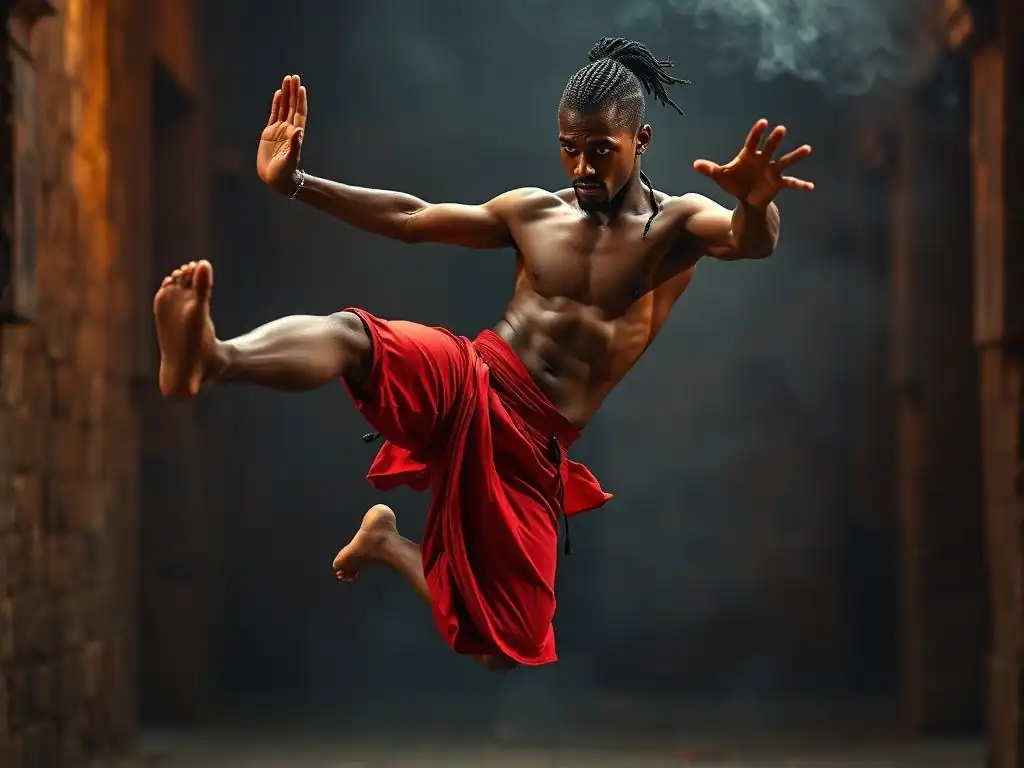
Welcome to Martial Arts Mastery, where we delve into the rich tapestry of global combat traditions! Ever wondered how a single movement can unlock the power and artistry of an entire martial art? In our latest exploration of individual styles, we unravel the mystery behind the Capoeira Ginga movement technique. Discover how this foundational step, combined with explosive kicks and breathtaking acrobatics, shapes your unique Jogo (game) and defines your personal expression within this captivating Brazilian art form. Prepare to move, learn, and master the Ginga!
- How Ginga, Kicks, and Acrobatics Interact to Define Your Unique Capoeira "Jogo" (Game)
-
Frequently Asked Questions
- What is the Ginga in Capoeira and why is it so important?
- How does the Ginga influence the other movements, like kicks and acrobatics, in Capoeira?
- What is meant by "Jogo" in the context of Capoeira, and how does the Ginga contribute to it?
- How can mastering the Ginga improve my Capoeira self-defense capabilities?
- Are there different styles or variations of the Ginga?
- Final Reflection: Embracing the Rhythm of Your Capoeira Journey
- Unleash Your Inner Warrior: Embrace Your Capoeira Jogo!
How Ginga, Kicks, and Acrobatics Interact to Define Your Unique Capoeira "Jogo" (Game)
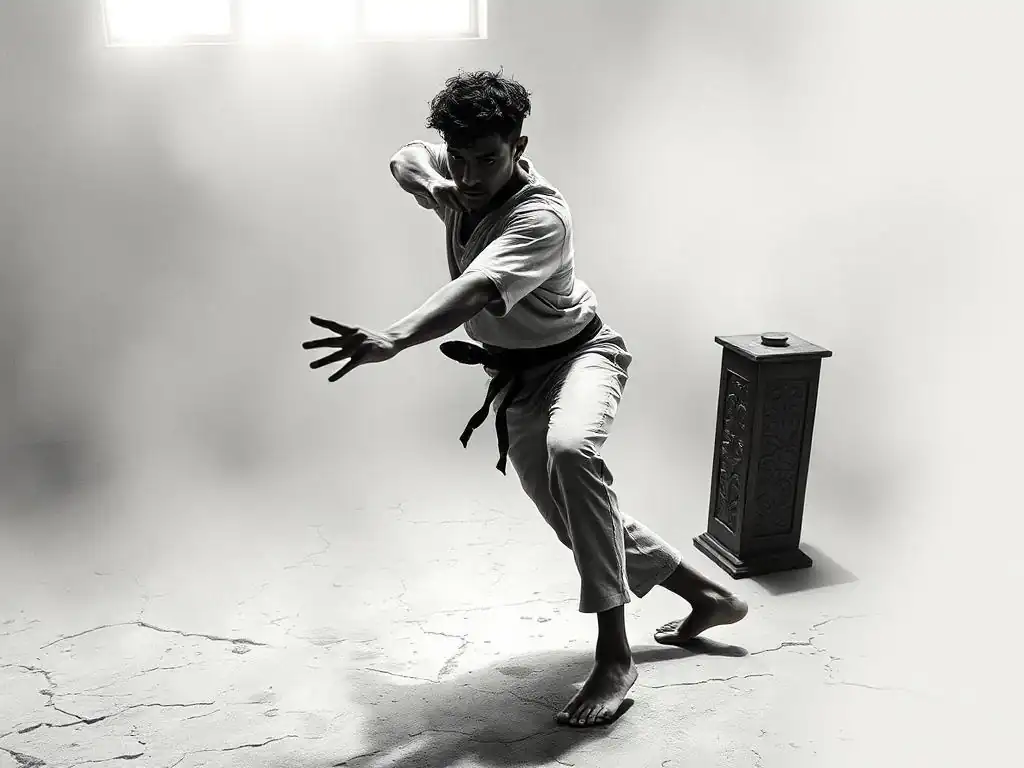
The "jogo" or game in Capoeira is far more than a simple exchange of techniques; it is a dynamic dialogue, a fluid narrative woven through movement. At its core, this narrative is constructed from the interplay of the Capoeira Ginga movement technique, the strategic application of kicks, and the expressive use of acrobatics.
While each element is foundational on its own, their combination and emphasis create the unique fingerprint of a practitioner's or a school's style, shaping the rhythm, intensity, and character of the game played within the roda. Understanding this interaction is key to developing a personal, effective, and authentic Capoeira expression.
The Synergy Between Movement Techniques in Capoeira
The Capoeira Ginga movement technique serves as the constant pulse of the game, the rhythmic back-and-forth that connects all other movements. It's not merely a defensive stance or a way to maintain balance; it's the engine that generates momentum for attacks, creates openings for evasions, and positions the body for dynamic transitions.
Kicks, ranging from the powerful Martelo (hammer kick) to the deceptive Rasteira (sweeping kick), are launched from the ginga, their effectiveness relying heavily on the stability, timing, and misdirection provided by this foundational movement. For instance, transitioning from a low ginga to a swift Benção (blessing kick) to the torso relies on the body's ability to shift weight and extend power seamlessly from the rhythmic base.
Conversely, acrobatics, such as the Aú (cartwheel) or Macaco (monkey jump), are often initiated from or return to the ginga. These dynamic movements add layers of complexity, unpredictability, and flair to the game. An evasive Queda de Rins (fall on the kidneys) might lead directly into an acrobatic escape, or a series of ginga movements could build into the momentum needed for a Salto Mortal (backflip).
The Capoeira Ginga movement technique provides the necessary rhythm and positioning for these explosive moments, while the acrobatics themselves can serve as evasions, attacks, or transitions, breaking predictable patterns established by the ginga and kicks alone. The synergy lies in this continuous flow: the ginga enables attacks and evasions, kicks execute power and strategy, and acrobatics add flair and dynamic escape/entry points, all working in concert to keep the game unpredictable and alive.
Developing Personal Expression Through Movement Combinations
Every capoeirista develops a unique approach to combining ginga, kicks, and acrobatics, shaping their personal "jogo." This expression is influenced by physical attributes, training background, and individual creativity. Some players emphasize a low, fluid Capoeira Ginga movement technique, staying close to the ground and favoring sweeps ( Rasteiras, Baleias) and ground-based movements ( Queda de Quatro, Rolê).
Their jogo might be characterized by intricate footwork, deceptive ground attacks, and a focus on taking the opponent off balance rather than relying on high kicks or complex acrobatics. This style often reflects a strong connection to the fundamental defensive and evasive aspects of the ginga.
Others might develop a more upright, agile Capoeira Ginga movement technique, using it to constantly shift distance and create space for powerful, high-impact kicks like the Armada (spinning roundhouse) or Meia Lua de Compasso (compass kick). Their jogo becomes a dance of distance and power, punctuated by explosive strikes.
A third approach might heavily integrate acrobatics, using flips ( Salto, Mortal) and spins ( Pião de Cabeça) not just for show but as integral parts of attack and defense, flowing seamlessly from ginga into dynamic aerial maneuvers and back. The balance struck between these three elements – the rhythm of the Capoeira Ginga movement technique, the power of kicks, and the agility of acrobatics – is what truly defines a practitioner's individual style and how they choose to express themselves within the roda.
Practical Examples of Jogo Styles Defined by Ginga, Kicks, and Acrobatics
Different schools and lineages within Capoeira often exhibit distinct styles influenced by the emphasis placed on ginga, kicks, and acrobatics. For example, some branches of Capoeira Angola are known for a low, strategic Capoeira Ginga movement technique, prioritizing subtlety, malícia (malice/trickery), and ground play. Kicks are often low or deceptive, and acrobatics are used sparingly, primarily for evasion or unexpected transitions rather than flashy displays. The focus is on the dialogue, the close interaction, and the psychological game played within the low ginga.
In contrast, many contemporary Capoeira Regional styles might showcase a more dynamic and expansive jogo. Their Capoeira Ginga movement technique can be more upright, allowing for greater mobility and the execution of powerful, high kicks. Acrobatics are frequently integrated, not just as evasions but as offensive entries or spectacular transitions that demonstrate physical prowess and agility.
While the ginga remains the base, the emphasis shifts towards speed, power, and aerial maneuvers. A specific Mestre (master) might be known for their incredibly fast ginga and lightning-fast kicks, while another might be renowned for integrating multiple backflips seamlessly into their attack sequence. These variations in emphasis on the Capoeira Ginga movement technique, kick selection, and acrobatic integration are the practical manifestations of how these three elements combine to create the rich tapestry of Capoeira jogo styles seen globally.
Frequently Asked Questions
What is the Ginga in Capoeira and why is it so important?
The Ginga is the fundamental movement in Capoeira, a constant back-and-forth motion. It's vital for maintaining balance, evading attacks, and transitioning into offensive techniques.
How does the Ginga influence the other movements, like kicks and acrobatics, in Capoeira?
The Ginga serves as the foundation for all other movements. It provides the rhythm and momentum necessary to execute kicks and acrobatics effectively and safely, allowing for fluid transitions.
What is meant by "Jogo" in the context of Capoeira, and how does the Ginga contribute to it?
"Jogo" translates to "game" and describes the interaction and dialogue between Capoeiristas. The Ginga is essential to the Jogo, dictating the pace, rhythm, and overall style of the exchange.
How can mastering the Ginga improve my Capoeira self-defense capabilities?
A well-executed Ginga makes you more elusive and difficult to hit. It allows you to quickly react to attacks and create opportunities for counter-attacks, improving your overall self-defense ability.
Are there different styles or variations of the Ginga?
Yes, there are variations depending on the style of Capoeira (e.g., Angola, Regional, Contemporânea). Each style emphasizes different aspects of the Ginga, such as its speed, rhythm, and posture, reflecting the overall philosophy of the style.
Final Reflection: Embracing the Rhythm of Your Capoeira Journey
The exploration of Ginga, Kicks, and Acrobatics within Capoeira reveals more than just physical techniques; it unveils the very essence of one's unique "Jogo." This understanding of Capoeira as a deeply personal expression, shaped by movement and rhythm, resonates profoundly in a world increasingly seeking authenticity and individual identity. By mastering these fundamental elements, practitioners not only enhance their skills but also cultivate a deeper connection to the art form and to themselves.
The influence of Capoeira extends far beyond the roda, shaping perspectives on movement, creativity, and cultural heritage. My own journey with Capoeira has taught me the power of improvisation and the beauty of embracing imperfection. As Mestre Pastinha wisely stated: Capoeira is everything that the mouth eats.
This encapsulates the holistic nature of Capoeira, suggesting that it nourishes not just the body but also the spirit, fostering a sense of community and belonging.
Now, consider your own Capoeira journey. How does your Ginga, your choice of kicks, and your approach to acrobatics reflect your individual spirit? Embrace the rhythm, explore your potential, and allow your unique "Jogo" to flourish. Let the dance of Capoeira guide you towards a deeper understanding of yourself and the world around you.
Unleash Your Inner Warrior: Embrace Your Capoeira Jogo!
Thanks for diving into the vibrant world of Capoeira! We hope you now feel inspired to understand and refine your unique game. Ready to take the next step?
Here's how you can deepen your Capoeira journey:
- Prioritize flow! Record yourself during your next roda and analyze your ginga, kicks, and acrobatics. Identify areas where you can create smoother transitions and inject more personal flair.
- Dive deeper: Research the history of a Mestre whose style resonates with you and try incorporating a movement inspired by them into your game.
- Share your journey: Post a short video clip of your Capoeira practice on social media using #MartialArtsMasteryJogo and inspire others with your unique expression!
What small adjustment to your ginga will you focus on in your next training session to make your jogo truly your own?