
How Kali Knife Training Enhances Your Empty Hand Skills (and Vice Versa)

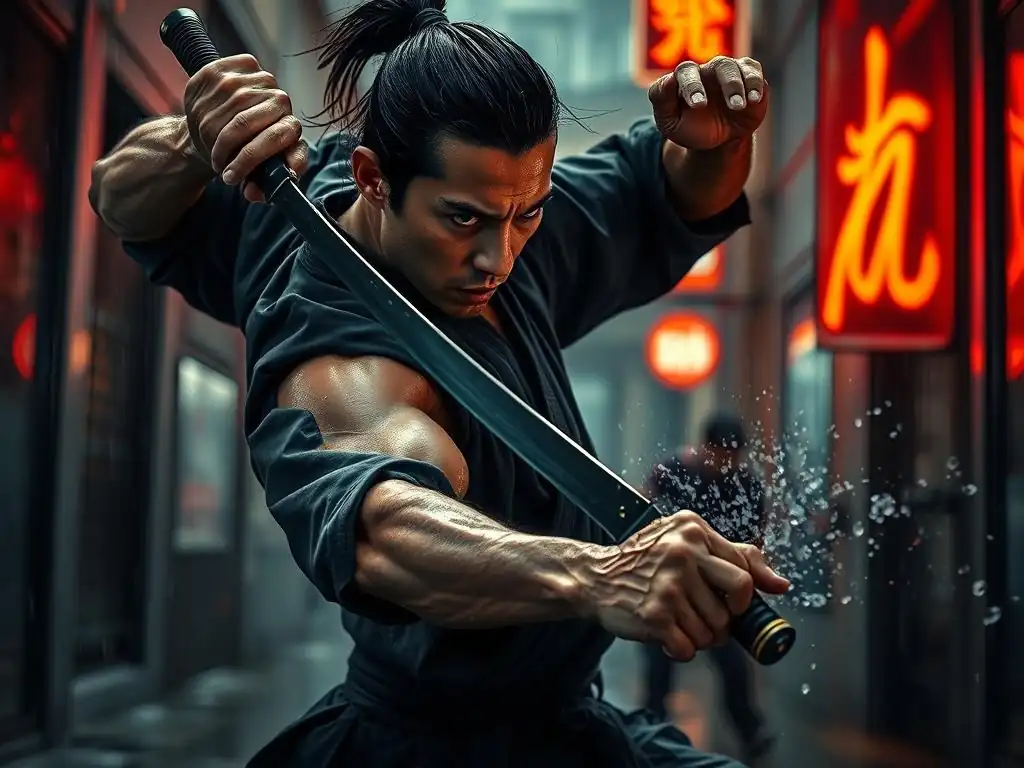
Welcome to Martial Arts Mastery, your gateway to understanding the depth and breadth of combat traditions worldwide. Are you ready to unlock a hidden dimension in your martial arts practice? Dive into this article as we explore the surprising synergy between blade and body. Discover how Kali knife training benefits not only your edged weapon proficiency but also dramatically enhances your empty hand skills, creating a more complete and adaptable martial artist. Intrigued? Read on to unlock the secrets of this powerful cross-training methodology.
- FMA Stick Training Benefits for Empty Hand Combat Proficiency
-
Frequently Asked Questions
- What is Kali knife training and how does it relate to empty hand combat?
- What are the primary benefits of Kali knife training for overall martial arts proficiency?
- How does training with a Kali knife improve my reaction time and reflexes?
- Can Kali knife training be beneficial even if I don't intend to use knives in self-defense?
- What aspects of Kali knife training are directly transferable to empty hand self-defense strategies?
- Final Reflection: The Edge of Synergy
- Unleash Your Inner Warrior: Ready to Evolve?
FMA Stick Training Benefits for Empty Hand Combat Proficiency
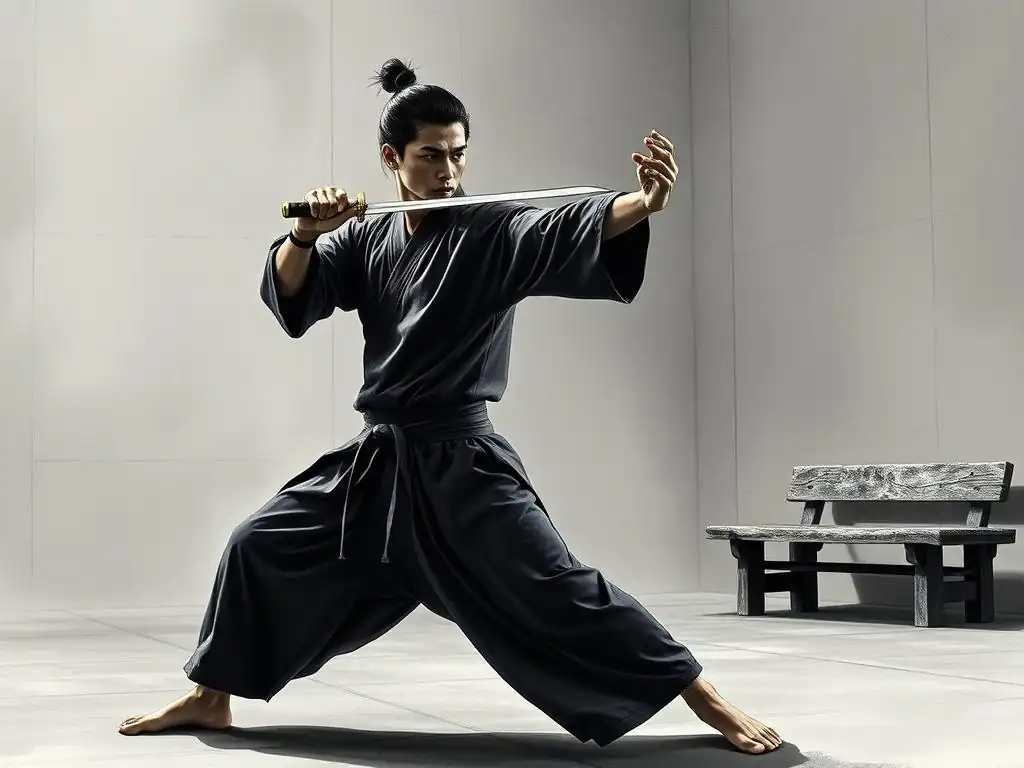
Training with weapons in Filipino Martial Arts (FMA), such as the single or double stick, might seem distinct from unarmed combat, but the reality is that consistent practice yields profound benefits that directly enhance empty-hand skills. The dynamic nature of FMA stick work demands and develops attributes that are highly transferable, creating a more well-rounded and effective martial artist.
The constant movement, precision requirements, and rapid exchanges inherent in stick fighting forge physical and mental capabilities crucial for navigating the complexities of empty-hand confrontations. This integrated approach is a cornerstone of many traditional FMA systems, recognizing that the principles of motion, power generation, and defense remain largely consistent whether a weapon is present or not.
The advantages gained from dedicated FMA stick training extend far beyond simply learning weapon techniques. They build a robust foundation of fundamental martial attributes that significantly elevate a practitioner's empty-hand proficiency. From sharpening reflexes to cultivating a deeper understanding of combative range, the demands of stick training translate into tangible improvements in unarmed scenarios.
This synergy is a key reason why many advanced martial artists incorporate FMA weapon training into their regimen, understanding its value in refining core combat skills applicable across disciplines. These benefits are often cited as significant advantages of Kali training, including the broader Kali knife training benefits derived from similar principles.
Enhanced Hand-Eye Coordination Through FMA Stick Drills
FMA stick drills are inherently demanding on the practitioner's visual system and motor control, requiring rapid processing of information and precise physical responses. Drills like abecedario (the alphabet of strikes), sumbrada (call and response flow drills), and sinawali (weaving patterns with single or double sticks) necessitate tracking fast-moving objects (the sticks), judging trajectories, and executing complex sequences with accuracy and speed. These exercises train the eyes and hands to work in concert under pressure, often at speeds exceeding typical empty-hand exchanges, thereby accelerating the development of fine motor skills and reaction timing.
This heightened level of hand-eye coordination directly translates to improved performance in empty-hand techniques. The ability to track an opponent's movements, predict incoming strikes, and respond with precise blocks, parries, or counter-strikes is significantly improved.
For instance, the speed required to deflect a stick coming in at 60-80 miles per hour in some advanced drills hones a reaction speed that makes blocking or evading a punch or kick feel comparatively slower and more manageable. Practitioners often report a noticeable increase in their ability to land strikes accurately on small targets or defend against rapid combinations after consistent FMA stick practice, highlighting a core benefit of Kali training.
Improved Footwork and Agility: Translatable Skills from Stick to Empty Hand
Effective FMA stick fighting relies heavily on dynamic and precise footwork to maintain optimal distance, generate power, and evade incoming attacks. Systems often emphasize triangular footwork, lateral shuffling, and rapid directional changes to control the engagement range and angle relative to an opponent. The constant movement isn't just about evading; it's about setting up strikes, trapping an opponent, or transitioning between offensive and defensive postures seamlessly, all while managing the reach of the weapon.
The agility and positional awareness cultivated through these footwork patterns are directly applicable to empty-hand combat. The ability to quickly step offline to avoid a strike, pivot to generate power for a punch, or shuffle to maintain distance during a clinch exchange are fundamental empty-hand skills.
Training with a stick under simulated pressure forces practitioners to develop explosive first steps and the ability to change direction instantly, leading to more agile and evasive movement in unarmed scenarios. This refined footwork is a critical component of the overall Kali knife training benefits, as superior positioning is paramount regardless of whether a weapon is in hand.
Increased Sensitivity and Awareness of Distance in Combat Scenarios
Managing distance is paramount in FMA stick fighting, as being too close or too far can be immediately penalized by an opponent's reach. Practitioners develop a keen sense of largo mano (long range), medio mano (medium range), and corto mano (close range), constantly adjusting their position based on their intentions and the opponent's actions. Furthermore, drills often involve tactile sensitivity, such as feeling pressure through a stick block or checking the opponent's weapon arm, developing an intuitive understanding of force and structure.
This acute awareness of distance and sensitivity translates powerfully to empty-hand combat. The judgment of striking range for punches and kicks becomes more intuitive, reducing instances of overreaching or being caught inside an opponent's optimal range. The tactile sensitivity developed through weapon checking and blocking helps in feeling an opponent's movements during trapping sequences, parries, or in the clinch, allowing for more effective responses. Practitioners gain a more sophisticated understanding of spatial relationships in combat, enabling them to flow more effectively between ranges during an empty-hand confrontation, which is a key benefit of Kali training across all ranges.
Developing Power and Speed: How Stick Training Builds Striking Strength
FMA stick strikes, particularly powerful ones like the witik (whip-like strike) or bundak (overhead strike), require significant body mechanics to generate force. Power is derived not just from the arm, but from the rotation of the hips, torque from the core, and coordinated movement of the entire kinetic chain, similar to throwing a baseball or swinging a golf club. Rapid-fire stick drills, like those found in sinawali, also build explosive speed and endurance in the shoulders and arms.
The body mechanics utilized to generate power with a stick are precisely the same mechanics needed for powerful empty-hand strikes such as punches, elbows, and palm heels. Training to put the body behind a stick strike fundamentally improves the practitioner's ability to transfer weight and rotate the core for more impactful empty-hand blows.
Similarly, the speed developed through rapid stick repetitions builds fast-twitch muscle fibers and improves neuromuscular firing rates, leading to faster empty-hand strikes. Many practitioners observe a noticeable increase in the "snap" and overall power of their punches and elbows after dedicating time to FMA stick training, contributing significantly to the physical attributes gained from Kali training.
Frequently Asked Questions
What is Kali knife training and how does it relate to empty hand combat?
Kali knife training involves using bladed weapons to develop skills in close-quarters combat. It enhances empty hand skills by improving awareness of angles, distance, and timing.
What are the primary benefits of Kali knife training for overall martial arts proficiency?
Kali knife training offers benefits such as improved hand-eye coordination, enhanced footwork and agility, and a deeper understanding of body mechanics applicable to all martial arts.
How does training with a Kali knife improve my reaction time and reflexes?
The speed and precision required in Kali knife techniques directly translate to faster reaction times. Training forces you to anticipate movements and react quickly, improving your overall reflexes.
Can Kali knife training be beneficial even if I don't intend to use knives in self-defense?
Yes, the principles learned in Kali knife training, such as spatial awareness and dynamic movement, can significantly improve your empty-hand techniques and self-defense capabilities.
What aspects of Kali knife training are directly transferable to empty hand self-defense strategies?
Key aspects include understanding angles of attack, developing fluid movement, and learning how to control distance, all of which are vital for effective empty-hand self-defense.
Final Reflection: The Edge of Synergy
The insights shared throughout this exploration of Kali knife training and its impact on empty hand skills are profoundly relevant today, as they highlight the interconnectedness of seemingly disparate disciplines. In a world often compartmentalized, recognizing the synergistic relationship between these martial arts offers a powerful lesson in holistic development and adaptability.
The reciprocal influence between Kali knife work and empty hand techniques has not only shaped martial arts practice but also subtly influences our understanding of skill acquisition in other areas of life. This journey into the heart of Kali has reminded me of the importance of cross-training, not just in physical disciplines, but in mental and creative pursuits as well. The best fighter is never angry.
- Miyamoto Musashi. This quote, though often associated with swordsmanship, perfectly encapsulates the mental discipline cultivated through Kali, which translates seamlessly to any challenge we face.
Now, as you reflect on the benefits of Kali knife training and its surprising impact on empty hand skills, consider how you might apply this principle of synergy in your own life. What seemingly unrelated skills or knowledge can you combine to unlock new potential and achieve greater mastery? Embrace the interconnectedness of things, and discover the hidden strengths that lie within the unexpected fusion of disciplines.
Unleash Your Inner Warrior: Ready to Evolve?
Thank you for exploring the dynamic synergy between Kali knife training and empty-hand combat. You've unlocked powerful insights into how these disciplines amplify each other, leading to enhanced reflexes, strategic thinking, and overall martial arts prowess. Now, it's time to put that knowledge into action.
Here's how you can take your training to the next level:
- Commit to a Kali Knife Training Session: Find a reputable instructor near you and schedule your first class. Experience firsthand how the blade sharpens your awareness and precision. This is the most direct way to reap the benefits we discussed.
- Incorporate knife-inspired drills into your empty-hand practice: Emphasize flowing movements and rapid transitions to mirror the dynamic nature of Kali. Think of your hands as "phantom blades."
- Share this article with fellow martial artists and spark a discussion on integrating weapon-based training with unarmed combat. You can learn and grow together as a martial arts community.
What's one key takeaway from this article that you're immediately implementing into your training regimen? Share your thoughts below!